

Last August, IKEA Philippines engaged with Better World Smokey Mountain, a newly opened community center operated by the San Miguel Foundation, which shares a similar goal of improving the lives of many Filipino people. Through this partnership, IKEA Philippines provided and assembled home furnishings for the classrooms and library of Better World Smokey Mountain community… Continue reading Help Create a Better World with IKEA Soft Toys
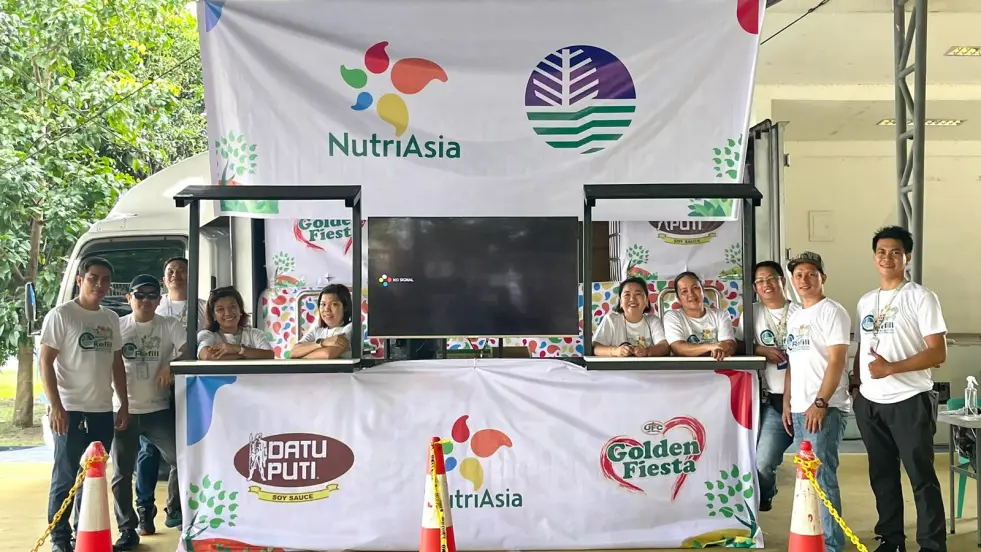
NutriAsia, the country’s top producer of condiments and sauces, continues its support of Refill Revolution; a project by the Department of Environment and Natural Resources EMB 3 that aims to help reduce Filipinos’ single-use plastics consumption. At Refill Revolution, residents get to recycle their single-use plastic bottles by reusing and filling it with their choice… Continue reading NutriAsia and DENR renews partnership for Refill Revolution

Simple finger foods for 9-month-olds that are not choking hazards
By nine months, many babies are ready to explore soft finger foods alongside breast milk or formula. Picking food up, bringing it to the mouth, and learning to chew are valuable parts of development, even when very little is swallowed at first. The aim is to offer manageable textures and shapes rather than expect a baby to eat a full meal independently.
There is no food that can be made completely risk-free, so safe feeding also depends on posture, close supervision, and appropriate preparation. A baby should sit upright in a stable high chair while eating, with an attentive adult close enough to respond immediately.
These ideas can help families serve simple finger foods for 9-month-olds that are soft, easy to hold, and less likely to become choking hazards. Always consider your child’s individual skills, health needs, and advice from a pediatrician, especially if your baby was born prematurely or has difficulty swallowing.
How to tell if food is ready
A suitable finger food should be soft enough to flatten easily between your thumb and forefinger. At nine months, many babies do better with pieces that are about the length and width of an adult finger. This shape allows them to hold the food in a fist while a portion extends above their hand.
As your baby develops a pincer grasp, small pieces about the size of a pea may become manageable. The food should still be tender, moist, and easy to squash. If you cannot press it apart with gentle finger pressure, it is probably too hard for this stage.
Gagging can be noisy and may include coughing, red cheeks, or a baby pushing food forward with the tongue. Choking is often quiet and may involve difficulty breathing or making sounds. Learn infant choking first aid from a qualified provider, but do not try to sweep food from your baby’s mouth with a finger unless you can clearly see it.
Soft fruits that babies can hold
Ripe banana is one of the easiest starter foods. Cut it into thick halves or long quarters, and leave some peel on the lower end if it helps reduce slipping. Soft pear, peach, nectarine, mango, papaya, and avocado can be served in similarly large, graspable pieces after removing the skin, pit, and hard fibers.
Very ripe melon can be cut into thick sticks, while strawberries may be offered whole if large and very soft, or sliced into broad pieces. Remove the stem and check that the fruit does not break into firm, round chunks. Blueberries and grapes require extra care: squash blueberries, and quarter grapes lengthwise rather than serving them whole.
Cook firm fruits such as apples until tender before serving. Raw apple chunks are hard and can break into dangerous pieces, even when cut into small cubes. A soft baked apple wedge, unsweetened applesauce spread thinly on toast, or steamed apple slices is a safer alternative.
Tender vegetables and protein-rich choices
Steamed broccoli florets, cauliflower, zucchini sticks, sweet potato wedges, and carrot sticks can make excellent baby-led weaning foods when cooked until very soft. Keep a small stem on broccoli or cauliflower so the baby has something to grip. Green beans, asparagus tips, and squash should also bend easily and have no tough strings.
Soft-cooked potato, pumpkin, and yam can be shaped into thick wedges or patties. A little olive oil can improve moisture, but avoid adding salt, stock cubes, or spicy sauces intended for adult meals. Let cooked foods cool to a comfortably warm temperature before placing them on the tray.
Protein options include strips of tender chicken, flaky boneless fish, shredded beef, soft tofu, omelet strips, and well-cooked egg. Meat should be moist and free of bones, gristle, and chewy skin. Fish must be carefully checked for bones, while egg should be fully cooked unless a healthcare professional has advised otherwise.
Easy serving ideas at a glance
Combining familiar foods with a new texture can make meals less intimidating. For example, serve an avocado wedge with soft toast, or pair steamed broccoli with a strip of omelet. Babies often need repeated exposure before accepting a new food, so a rejected item can be offered again on another day without pressure.
The following combinations are practical for breakfast, snacks, or family mealtimes. They are examples rather than a strict menu, and every item should be adjusted to your baby’s chewing ability.
| Food | Safer preparation | How to serve |
|---|---|---|
| Banana | Use a ripe banana cut into thick halves or quarters | Offer one piece at a time |
| Avocado | Choose a soft avocado and cut it into thick wedges | Add a little ground oat coating if slippery |
| Sweet potato | Steam or roast until it squashes easily | Serve as thick sticks or wedges |
| Broccoli | Steam until the stem and florets are very tender | Leave a stem for gripping |
| Toast | Use lightly toasted soft bread, not a hard crust | Cut into wide strips with a thin spread |
| Omelet | Cook thoroughly and cut into strips | Serve plain or with soft vegetables |
| Tofu | Choose soft tofu and cut into broad pieces | Pair with mashed vegetables |
| Pear | Steam firm pear until tender, or use ripe pear | Remove skin, seeds, and core |
Toast should be soft enough to gum but firm enough to hold. Spread only a thin layer of smooth nut butter, cream cheese, or mashed avocado; a thick sticky blob can be difficult to manage. Choose pasteurized dairy products and avoid sweetened spreads where possible.
Foods and shapes to avoid
Some foods are common choking hazards because they are hard, round, cylindrical, sticky, or difficult to break down. Avoid whole grapes, whole berries that are firm, raw apple pieces, raw carrot, nuts, popcorn, hard candy, ice cubes, and chunks of hard cheese. Sausage, hot dog, and similar foods should not be served as round coins; many families choose to avoid them altogether because of their texture and high salt content.
Avoid spoonfuls of thick peanut butter or other nut butter, large marshmallow pieces, gummy sweets, and dense balls of rice or meat. If serving ground meat, make it moist and crumbly or form it into a soft, narrow patty that breaks apart easily. Remove all bones, pits, seeds, and tough membranes.
Honey should not be given before 12 months because of the risk of infant botulism. Babies under one year also do not need juice, sugary drinks, or added salt. Cow’s milk may be used in small amounts in cooking or as yogurt if suitable, but it should not replace breast milk or formula as the main drink before 12 months.
Safer mealtime routines
Have your baby eat while seated upright, rather than reclining, walking, playing, or eating in a car seat. Keep distractions low and stay within arm’s reach. Do not place food directly into a baby’s mouth; letting the child pick it up supports self-feeding and gives them more control over the pace.
Start with one or two pieces on the tray so the meal does not become overwhelming. Offer small sips of water from an open cup or suitable training cup with meals, while continuing breast milk or formula as the primary source of nutrition. Wipe the tray and wash hands before eating, and refrigerate leftovers promptly.
Introduce common allergens such as well-cooked egg, smooth peanut butter thinned with water, dairy, wheat, and fish in forms that are safe for the child’s developmental stage. Offer a small amount when your baby is well, observe for symptoms, and seek medical guidance if there is a strong family history of allergy or eczema. Hives, facial swelling, repeated vomiting, coughing, wheezing, or breathing difficulty require prompt medical attention.
A practical checklist for caregivers
Preparation becomes easier when the same safety checks are used at every meal. These habits can also help grandparents, babysitters, and other caregivers follow the family’s feeding approach consistently. Families looking for additional baby-care and parenting resources can browse parenting guidance alongside advice from their child’s healthcare team.
- Sit the baby upright in a secure high chair with an attentive adult nearby.
- Test each piece by pressing it between two fingers before serving.
- Cut round foods lengthwise and soften anything firm through steaming, baking, or poaching.
- Remove bones, pits, seeds, tough skins, and chewy parts.
- Keep choking first-aid knowledge current and avoid feeding while the baby is distracted or reclined.
Following your baby’s progress
A nine-month-old’s abilities can change quickly. One baby may confidently manage a soft broccoli stem, while another may need mashed food or larger, softer pieces for longer. Watch how your child handles food instead of focusing on how much is eaten, and adjust the texture as skills improve.
Meals should feel calm and responsive. Let your baby decide whether to eat and how much, while you decide what foods are offered and how they are prepared. With soft produce, tender proteins, sensible portions, and careful supervision, everyday family foods can become enjoyable opportunities for practice.
Save these preparation guidelines, share them with anyone who feeds your baby, and use them when planning the next family meal. For concerns about gagging, choking, allergies, or swallowing, contact your pediatrician or a qualified feeding specialist promptly.

Mercato Centrale, in collaboration with Indian Women in Enterprise Philippines (I-We), is set to host "The Great Indian Fiesta" to mark 75 years of friendship between India and the Philippines. The dynamic two-day event is scheduled to take place on September 30 to October 1, 2023, at Paseo De Roxas Street, Makati City. Aiming to… Continue reading Mercato Centrale Partners with I-We to Host ‘The Great Indian Fiesta’, Commemorating 75 Years of India-Philippines Friendship

My stomach would usually start growling at 10 am even after taking a big breakfast. This is probably because I am a morning person and I move a lot throughout the day hence snacking is something that I can't avoid. This potatoes and chicken wrap recipe is easy to prepare and would keep me full… Continue reading Potato and Chicken Wrap
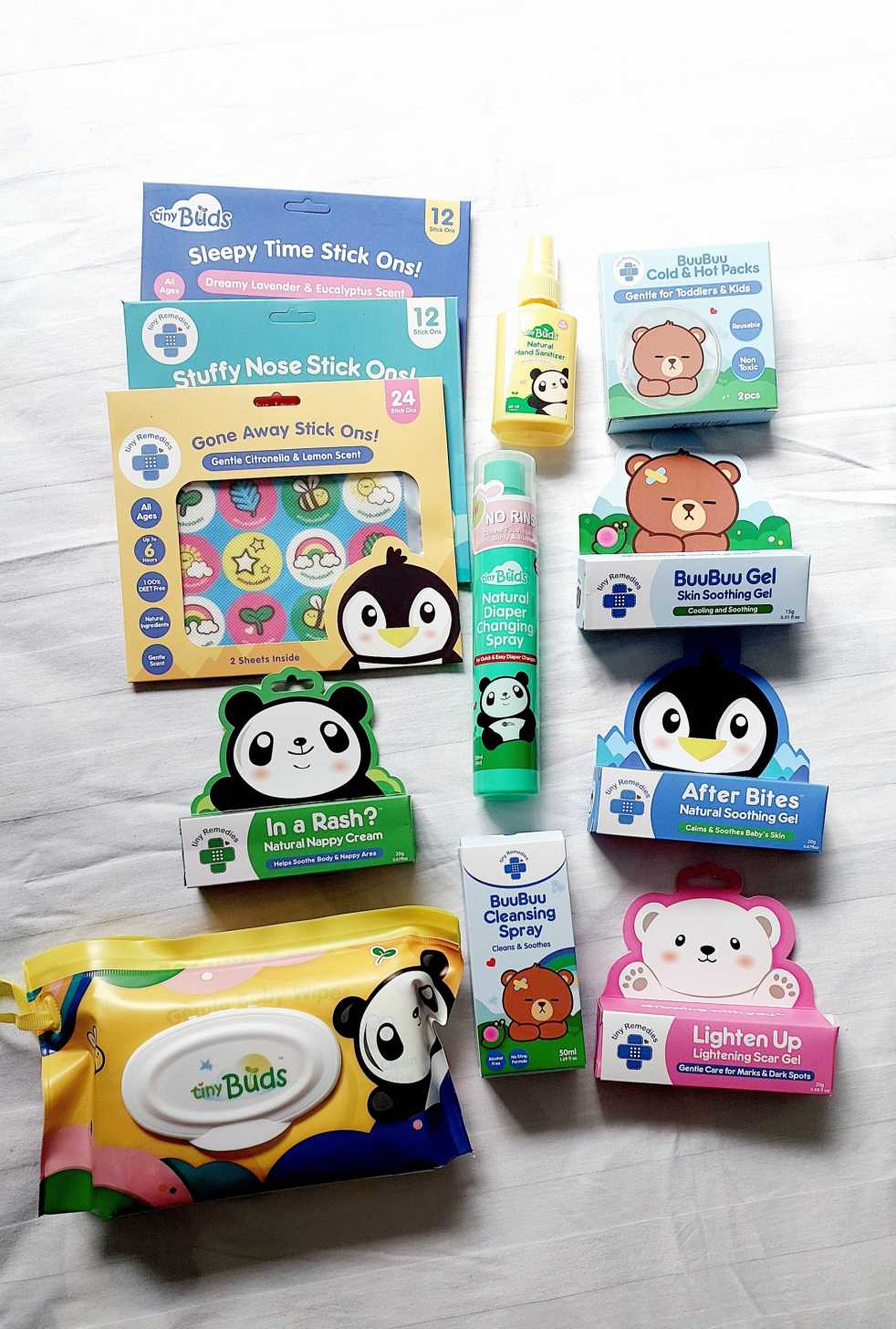
Your baby’s skin is more delicate than most, this is why you have to choose products that are designed for sensitive skin. Tiny Buds is a pioneer in integrating natural ingredients into baby care and today has over 50 innovative natural baby care essentials and is one of the Top Baby Personal Care brands. Here… Continue reading Product Review: Tiny Buds Baby Naturals Baby Essentials
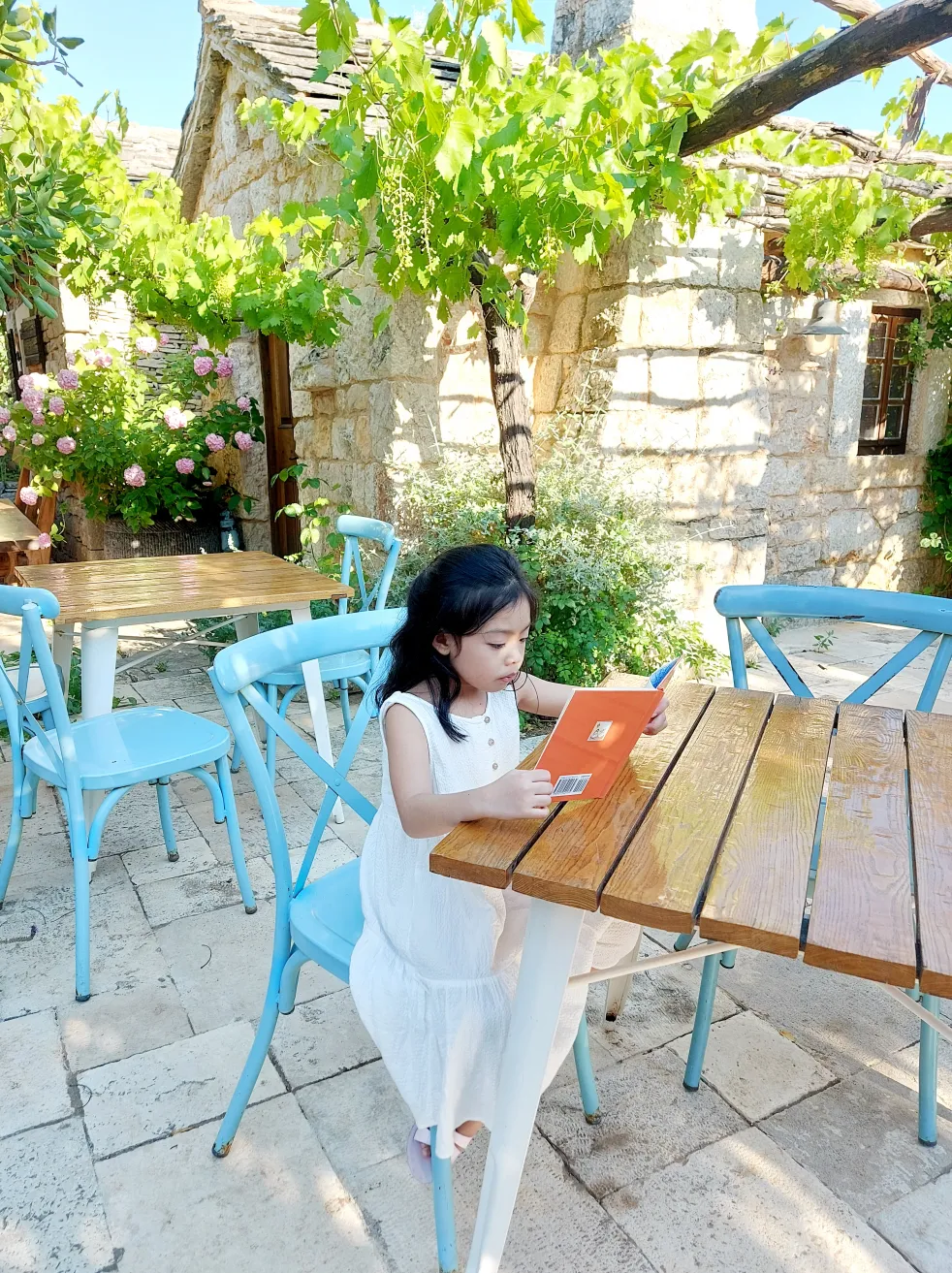
Where your child goes to school is a big decision and shouldn’t be taken lightly. Given how their education can impact their future, you might be tempted to take control and decide for them. However, you might be doing more damage than helping them in the long run. Your job as parents is to support… Continue reading HOW TO CHOOSE THE BEST SCHOOL FOR YOUR CHILD

As poet and philosopher Rumi once eloquently said, “raise your words, not your voice. It is rain that grows flowers, not thunder.” Parenting is a challenging journey, and the truth is that nobody has everything figured out. One parenting style might suit others best, and some might favor other methods. However, children respond better to… Continue reading A SIMPLE GUIDE TO GENTLE PARENTING

Whether you’re a new mom to be, mom of a toddler, mom who have school-aged kids, you’re bound to have so many questions. Let's start with your baby's skin. Infant skin has unique needs; gentle care is essential to prevent damage to the skin barrier, which can lead to irritation. When caring for infant skin,… Continue reading Keeping Baby’s Diapered Skin Healthy

As parents, we want to give our child the best possible start in life and that begins with nurturing their intelligence. Throughout history, the notion of success has been linked to academic intelligence. However, there has been an increased awareness on the importance of emotional intelligence. This question gets at the heart of the never-ending… Continue reading IQ or EQ, which one is a better predictor of your child’s success?
 wondermomma.net