
Last August, IKEA Philippines engaged with Better World Smokey Mountain, a newly opened community center operated by the San Miguel Foundation, which shares a similar goal of improving the lives of many Filipino people. Through this partnership, IKEA Philippines provided and assembled home furnishings for the classrooms and library of Better World Smokey Mountain community… Continue reading Help Create a Better World with IKEA Soft Toys
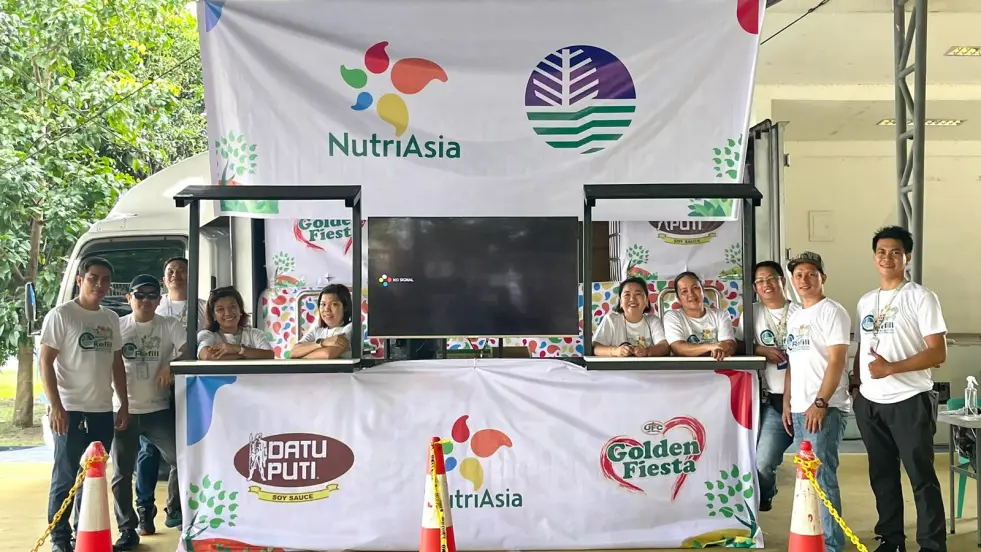
NutriAsia, the country’s top producer of condiments and sauces, continues its support of Refill Revolution; a project by the Department of Environment and Natural Resources EMB 3 that aims to help reduce Filipinos’ single-use plastics consumption. At Refill Revolution, residents get to recycle their single-use plastic bottles by reusing and filling it with their choice… Continue reading NutriAsia and DENR renews partnership for Refill Revolution
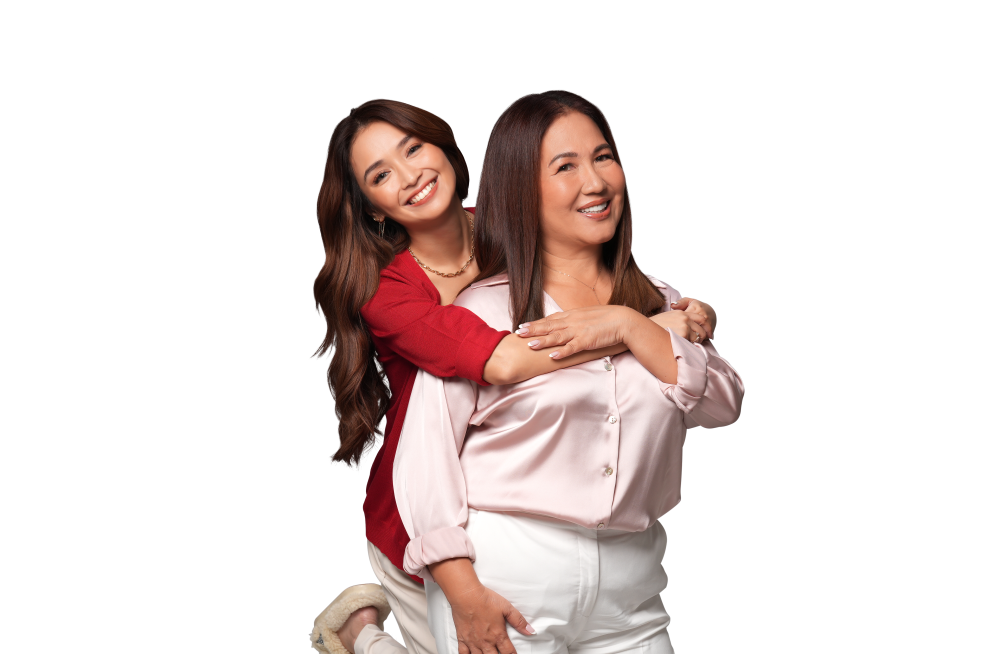
Simple baby sign language signs every parent should know
Babies often understand far more than they can say. Before their first words become clear, they may reach, point, fuss, or cry to communicate hunger, tiredness, discomfort, and interest. Simple baby sign language gives these early messages a consistent visual form.
Baby signs are easy gestures used alongside spoken words. They can be especially helpful for families raising children with more than one language, including households where English, Filipino, Cebuano, or another local language is spoken. The goal is not to replace speech, but to give your child another gentle way to be understood.
You do not need a formal class or a large vocabulary to begin. A few useful gestures, repeated calmly during familiar routines, can make communication feel more connected for both parent and child.
Why baby signs can be useful
Infants develop the physical ability to wave, point, clap, and reach before they can coordinate the mouth movements needed for many spoken words. A familiar hand gesture may therefore become a bridge between an experience and a spoken label. When a parent says “milk” while making the same sign each time, the baby gradually connects the movement, word, and meaning.
Signing can also reduce some of the frustration that comes from unmet needs. A baby who can show “more,” “finished,” or “help” may not need to rely on crying every time. This does not mean every upset moment will disappear. Babies still have developing emotional regulation, and signs are one communication tool among many.
Using gestures with speech supports responsive parenting. Watch your baby’s face, body language, and sounds, then answer with words and a sign. This back-and-forth teaches your child that communication is shared, meaningful, and worth attempting.
When babies are ready to learn
Many babies can begin seeing and copying simple gestures from around six to nine months, although readiness varies widely. Some children notice signs early but do not use them until closer to their first birthday. Others begin with natural actions such as waving goodbye, reaching up to be carried, or shaking their head.
Look for signs of readiness rather than focusing on a specific age. Your baby may watch your hands closely, imitate clapping, understand familiar words, or use gestures to request something. A child who can sit with support and engage in short social exchanges may enjoy practicing.
Choose one or two signs connected to your baby’s strongest interests. “Milk,” “eat,” “more,” and “up” are often practical starting points. Repeat them during real moments instead of turning practice into a test. If your baby looks away or becomes frustrated, pause and try again later.
Everyday signs to start with
The clearest gestures are those used frequently and paired with an immediate experience. Use the spoken word every time, keep the movement simple, and make the gesture visible without placing your baby’s hands into a forced position.
Sign languages have regional variations, and families may adapt gestures for comfort or convenience. The examples below are commonly used baby signs inspired by American Sign Language. Consistency within your household matters more than perfect performance.
| Meaning | Simple hand movement | Use it with |
|---|---|---|
| More | Bring fingertips of both hands together repeatedly | More food, play, or cuddles |
| All done | Turn both open hands outward and gently wave them | The end of a meal or activity |
| Eat | Bring fingertips together and move them toward your mouth | Snacks, meals, and feeding |
| Milk | Open and close both hands as if squeezing | Breastfeeding, bottles, or milk |
| Water | Form a “W” with three fingers and tap near your chin | Offering a drink |
| Help | Place one flat hand on the palm of the other and lift both together | Assistance with a toy or task |
| Up | Raise both open hands upward | Being picked up |
| Sleep | Place one hand beside your face and lower it toward your chin | Nap and bedtime routines |
Start with signs that solve a real communication need. If your baby rarely drinks from a cup yet, “water” may be less useful than “up” or “more.” Add new gestures gradually after your child begins recognizing the first few.
How to teach signs gently
Always say the word as you make the gesture. For example, hold up the food, say “eat,” and make the sign before offering it. This gives your baby several clues at once: the object, the sound, your facial expression, and the hand movement.
Repeat signs in the same context several times a day. During mealtimes, you might say “more?” and pause while signing. That short pause gives your baby a chance to respond instead of having the adult immediately guess or provide the item.
Celebrate any attempt, even if the movement is incomplete. A baby may produce a small hand wiggle that only resembles the adult sign. Treat it as meaningful communication, respond warmly, and model the full gesture again. Avoid requiring a perfect sign before meeting a reasonable need.
Everyone who regularly cares for the baby should use the same signs when possible. Grandparents, babysitters, and older siblings can copy a small family sign list. In a multilingual home, pair the gesture with the words each caregiver naturally uses; the movement can remain consistent while the spoken language changes.
Make signs part of daily routines
Repetition works best when signs are attached to predictable events. Use “sleep” during the wind-down routine, “up” when lifting your baby, and “all done” when clearing a plate. Routine gives the gesture a clear meaning and helps your child anticipate what happens next.
Play is another natural setting. Sign “more” before continuing a song, “help” when a toy is difficult to open, and “all done” when putting materials away. Bath time can include “water,” while outdoor walks can provide chances to use signs for “dog,” “bird,” or “ball” as your child’s vocabulary grows.
Follow your child’s interests rather than trying to demonstrate every possible sign. If your baby loves bubbles, repeatedly sign “more” before blowing another round. If they want to be carried, model “up” before lifting them. Communication becomes more memorable when it produces a meaningful result.
Keep expectations realistic and safe
Baby sign language is not a competition, and there is no ideal number of signs a child should know by a particular month. Some babies use gestures for a short period and then move quickly into spoken words. Others continue signing while their verbal vocabulary develops. Both patterns can be typical.
Continue talking, reading, singing, and responding to sounds and gestures. Signs should accompany rich language, eye contact, facial expressions, and shared attention. They should never be used to discourage vocal attempts or to insist that a baby communicate in only one way.
If your child does not respond to sounds, loses communication skills they previously had, or you have concerns about hearing, speech, or development, discuss them with a pediatrician or child development professional. Baby signs can support communication, but they do not replace a developmental assessment or hearing check.
Helpful habits for a calmer start
- Begin with two or three useful signs and use them every day.
- Pair each gesture with a spoken word and a real object or activity.
- Pause after signing so your baby has time to process and respond.
- Accept approximate movements and respond positively to every effort.
- Share your family’s sign choices with other caregivers for consistency.
Keep a small note on your phone or refrigerator showing the gestures your household uses. This can help adults remember the same movements and prevent confusion when several caregivers speak different languages. You can add a new sign when an existing one is familiar and useful.
The most important part is the relationship behind the gesture. A warm face, patient pause, and attentive response teach your baby that their message matters. With regular use during meals, play, bath time, and bedtime, a few simple signs can become a natural part of family communication.
Choose one sign to use during your next daily routine, say the word clearly, and repeat the gesture with patience. As your baby begins to notice and respond, build a small vocabulary around the moments that matter most to your family.

Mercato Centrale, in collaboration with Indian Women in Enterprise Philippines (I-We), is set to host "The Great Indian Fiesta" to mark 75 years of friendship between India and the Philippines. The dynamic two-day event is scheduled to take place on September 30 to October 1, 2023, at Paseo De Roxas Street, Makati City. Aiming to… Continue reading Mercato Centrale Partners with I-We to Host ‘The Great Indian Fiesta’, Commemorating 75 Years of India-Philippines Friendship

My stomach would usually start growling at 10 am even after taking a big breakfast. This is probably because I am a morning person and I move a lot throughout the day hence snacking is something that I can't avoid. This potatoes and chicken wrap recipe is easy to prepare and would keep me full… Continue reading Potato and Chicken Wrap
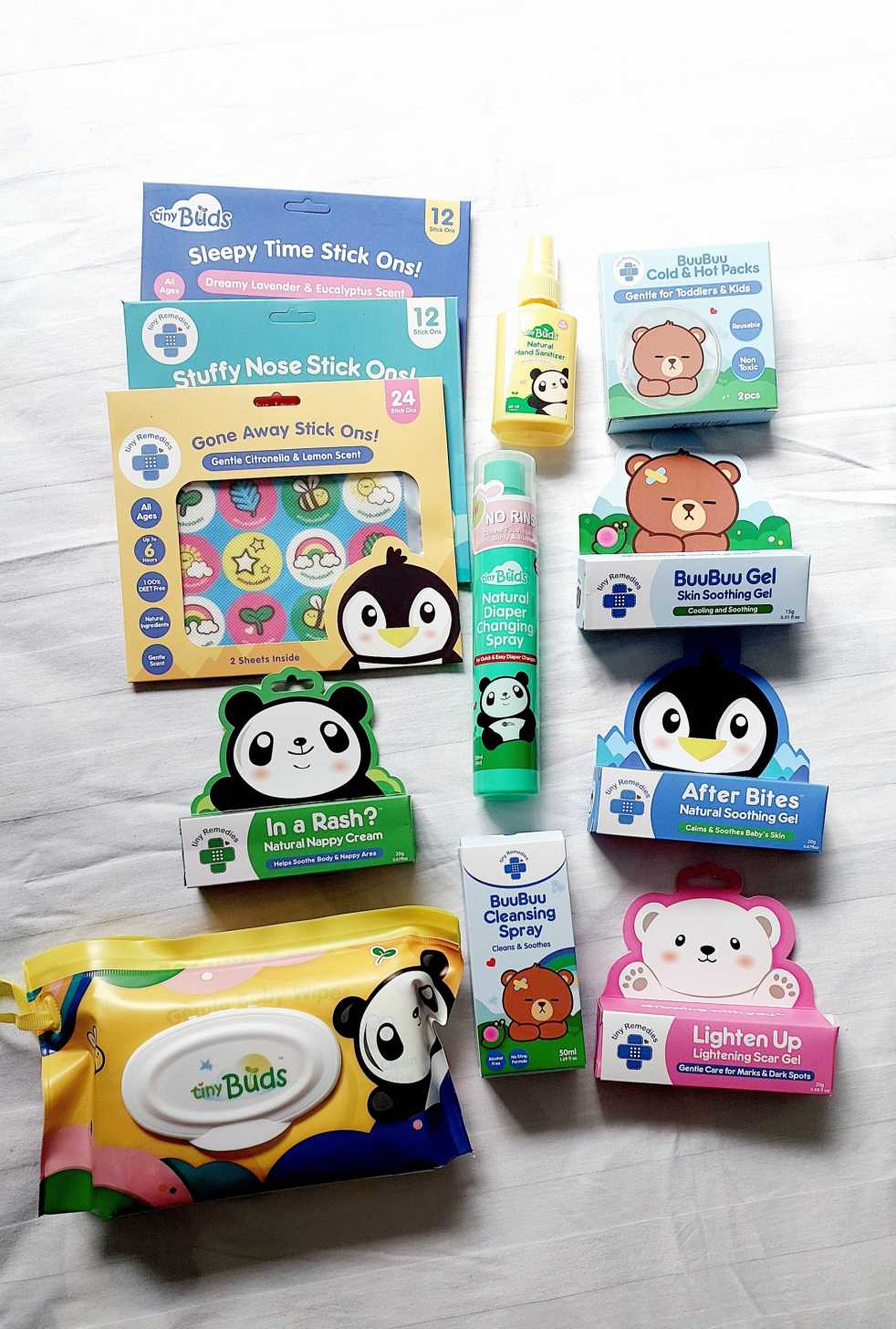
Your baby’s skin is more delicate than most, this is why you have to choose products that are designed for sensitive skin. Tiny Buds is a pioneer in integrating natural ingredients into baby care and today has over 50 innovative natural baby care essentials and is one of the Top Baby Personal Care brands. Here… Continue reading Product Review: Tiny Buds Baby Naturals Baby Essentials
Where your child goes to school is a big decision and shouldn’t be taken lightly. Given how their education can impact their future, you might be tempted to take control and decide for them. However, you might be doing more damage than helping them in the long run. Your job as parents is to support… Continue reading HOW TO CHOOSE THE BEST SCHOOL FOR YOUR CHILD
As poet and philosopher Rumi once eloquently said, “raise your words, not your voice. It is rain that grows flowers, not thunder.” Parenting is a challenging journey, and the truth is that nobody has everything figured out. One parenting style might suit others best, and some might favor other methods. However, children respond better to… Continue reading A SIMPLE GUIDE TO GENTLE PARENTING
Whether you’re a new mom to be, mom of a toddler, mom who have school-aged kids, you’re bound to have so many questions. Let's start with your baby's skin. Infant skin has unique needs; gentle care is essential to prevent damage to the skin barrier, which can lead to irritation. When caring for infant skin,… Continue reading Keeping Baby’s Diapered Skin Healthy
As parents, we want to give our child the best possible start in life and that begins with nurturing their intelligence. Throughout history, the notion of success has been linked to academic intelligence. However, there has been an increased awareness on the importance of emotional intelligence. This question gets at the heart of the never-ending… Continue reading IQ or EQ, which one is a better predictor of your child’s success?
 wondermomma.net