

Last August, IKEA Philippines engaged with Better World Smokey Mountain, a newly opened community center operated by the San Miguel Foundation, which shares a similar goal of improving the lives of many Filipino people. Through this partnership, IKEA Philippines provided and assembled home furnishings for the classrooms and library of Better World Smokey Mountain community… Continue reading Help Create a Better World with IKEA Soft Toys

NutriAsia, the country’s top producer of condiments and sauces, continues its support of Refill Revolution; a project by the Department of Environment and Natural Resources EMB 3 that aims to help reduce Filipinos’ single-use plastics consumption. At Refill Revolution, residents get to recycle their single-use plastic bottles by reusing and filling it with their choice… Continue reading NutriAsia and DENR renews partnership for Refill Revolution

Signs Your Baby Is Ready to Drop the Night Feeding
Night feeds are a normal part of babyhood, and there is no single age when every child should stop waking for milk. Some babies gradually sleep through after they are established on daytime feeds, while others continue to wake for comfort, habit or genuine hunger. Readiness depends on growth, feeding patterns, temperament and health rather than the number on the calendar.
For Australian families, the change may also be shaped by warm summer nights, daylight saving in states such as New South Wales and Victoria, or support from a local child and family health nurse. Whether your baby is breastfed, formula-fed or combination-fed, a calm, flexible approach is usually more helpful than forcing a sudden overnight change.
What Night Feeding Usually Looks Like
A night feed is any breastfeed or bottle offered during the sleep period. It may be a full feed, a short breastfeed, a small bottle or several brief “snack” feeds. Babies often wake because they are hungry, but feeding can also help them settle between sleep cycles.
Young babies have small stomachs and rapid growth, so waking overnight is expected. Even after a baby begins sleeping for a longer stretch, illness, teething, developmental changes and changes in routine can bring night waking back. This does not mean your earlier progress has been lost.
It is useful to look at the whole 24-hour pattern. A baby who takes satisfying feeds during the day, has regular wet nappies and follows a healthy growth curve may be closer to reducing an overnight feed than a baby who feeds lightly during daylight hours.
Signs Your Baby May Be Ready
One of the clearest signs is that your baby is naturally taking less milk overnight. They may breastfeed for only a few minutes, leave part of a bottle or wake at a predictable time but settle with a cuddle, pat or sip of water if developmentally appropriate. A feed that has become brief and distracted can indicate that the waking is more about sleep association than hunger.
Another clue is strong daytime feeding. Your baby may take full breastfeeds or bottles across the day, show interest in solids when developmentally ready and remain content between feeds. They should also have regular wet nappies and continue to gain weight according to their personal pattern.
Longer stretches of sleep are encouraging, especially when your baby can resettle at bedtime and after some overnight wakings. Readiness does not require uninterrupted sleep every night. It means your baby appears able to manage the missed calories and has other ways to return to sleep.
Age And Development Matter
Many healthy babies begin reducing night feeds sometime between six and twelve months, but this is a broad guide rather than a rule. Premature babies, babies with reflux, feeding difficulties or slow weight gain may need overnight milk for longer. Your child’s corrected age may also matter if they were born early.
Starting solids does not automatically mean a baby will sleep through. First foods provide new tastes and textures, but breast milk or infant formula remains an important source of nutrition during the first year. Increasing solids simply to prevent waking can lead to pressure at mealtimes and does not guarantee better sleep.
Before reducing feeds, discuss the plan with your GP, maternal and child health nurse or paediatrician if your baby is under six months, was premature, has a medical condition or has had concerns about growth. In Australia, families can also contact the Pregnancy, Birth and Baby helpline or their state-based child and family health service for guidance.
How To Trial A Gentle Change
Begin with one feed rather than removing every night feed at once. Choose a waking when your baby usually drinks very little, then offer comfort first. A quiet cuddle, patting, rocking or a consistent phrase may be enough. Keep the room dim and avoid turning the change into playtime.
For a bottle-fed baby, some parents reduce the amount gradually over several nights, following professional advice about safe preparation and storage. Never dilute infant formula to make a smaller feed. For a breastfed baby, shorten the feed gently or offer one breast and then settle in another way. If your baby becomes very distressed or shows clear hunger cues, pause and try again later.
A predictable bedtime routine can support the transition. Bathing is optional; a feed, clean nappy, sleep clothing, a short story and a cuddle may be enough. Place your baby on their back in a clear, firm, flat sleep space, following Red Nose Australia safe-sleep guidance.
Hunger Or Habit At Night
Hunger cues include active rooting, searching for the breast or bottle, hand-to-mouth movements and sustained sucking once feeding begins. A baby who feeds eagerly and takes a substantial amount may still need that feed. Crying alone is less specific because babies cry for many reasons, including discomfort and tiredness.
Habitual waking often looks different. Your baby may wake at the same time, take only a few sucks, fall asleep before finishing or settle quickly when held. They may also wake soon after bedtime because they need help linking sleep cycles, rather than because they need extra calories.
Check practical causes before assuming the waking is a habit. A wet or soiled nappy, a blocked nose, eczema, overheating, teething pain or a room that is too cold can disturb sleep. Australian homes can become hot during a Brisbane summer or chilly overnight in Melbourne, so dress your baby for the room temperature without using loose blankets, hot-water bottles or weighted sleep products.
Protecting Daytime Feeds And Milk Supply
When a baby drops a night feed, offer unhurried opportunities to feed during the day. Breastfed babies may need extra daytime feeds for a while, and some parents notice fuller breasts in the morning during the adjustment. Gradual reduction is often more comfortable for the breastfeeding parent and may lower the risk of engorgement or blocked ducts.
Formula-fed babies should continue to receive correctly prepared infant formula according to their health professional’s advice. Australian supermarkets and pharmacies carry a range of formula products, but changing brands or using follow-on formula is not a substitute for checking whether your baby is ready to reduce milk overnight.
Keep track of wet nappies, mood, daytime appetite and general wellbeing for several days. A temporary change after a cold, family travel, a new childcare routine or a growth spurt is common. Return to the previous pattern if your baby seems unusually hungry, unsettled or tired.
When To Seek Feeding Advice
Speak with a health professional before night-weaning if your baby has fewer wet nappies, persistent vomiting, diarrhoea, difficulty feeding, marked lethargy or poor weight gain. A baby who is difficult to wake for feeds or seems unwell needs prompt medical attention. Trust your instincts if something feels different from your baby’s usual behaviour.
It is also worth seeking support if the process is causing significant distress for your family. Tresillian provides parenting support in New South Wales, while comparable child and family health services operate across other states and territories. A GP or lactation consultant can help distinguish comfort waking from low milk intake and create a plan that suits your baby.
The goal is not necessarily to achieve a full night without waking. A successful change may simply be one less feed, a longer first sleep stretch or a calmer way to resettle. Babies develop at different speeds, and responding to hunger remains more important than following a strict schedule.
A Practical Plan For Reducing A Feed
Choose a relatively settled week, when your baby is well and there are no major disruptions such as travel, moving house or starting childcare. Make sure the final evening feed is calm and satisfying, but avoid pressuring your baby to take extra milk. Keep the response to the selected waking consistent for several nights.
The comparison below can help you interpret common patterns. It is a guide rather than a diagnostic tool, and individual feeding advice should take priority.
| What You Notice Overnight | What It May Suggest | A Gentle Response |
|---|---|---|
| Full, eager feed with active swallowing | Genuine hunger may remain | Keep the feed and review daytime intake |
| Very short feed followed by quick sleep | Comfort or sleep association may be involved | Try patting or cuddling first |
| Baby settles with a brief cuddle | Resettling skills are developing | Gradually reduce the chosen feed |
| Waking has increased during illness or teething | Temporary discomfort or extra need for comfort | Pause night-weaning and respond as needed |
| Fewer wet nappies or poor daytime intake | Milk intake may be insufficient | Seek advice before removing a feed |
Helpful Night-Weaning Practices
- Reduce one overnight feed at a time rather than changing every waking.
- Offer regular, relaxed breastfeeds or correctly prepared formula feeds during the day.
- Keep overnight lights low, voices quiet and interactions brief.
- Continue safe sleep practices, including placing your baby on their back in a clear cot.
- Pause the plan during illness, poor feeding or signs that your baby is not coping.

Mercato Centrale, in collaboration with Indian Women in Enterprise Philippines (I-We), is set to host "The Great Indian Fiesta" to mark 75 years of friendship between India and the Philippines. The dynamic two-day event is scheduled to take place on September 30 to October 1, 2023, at Paseo De Roxas Street, Makati City. Aiming to… Continue reading Mercato Centrale Partners with I-We to Host ‘The Great Indian Fiesta’, Commemorating 75 Years of India-Philippines Friendship

My stomach would usually start growling at 10 am even after taking a big breakfast. This is probably because I am a morning person and I move a lot throughout the day hence snacking is something that I can't avoid. This potatoes and chicken wrap recipe is easy to prepare and would keep me full… Continue reading Potato and Chicken Wrap
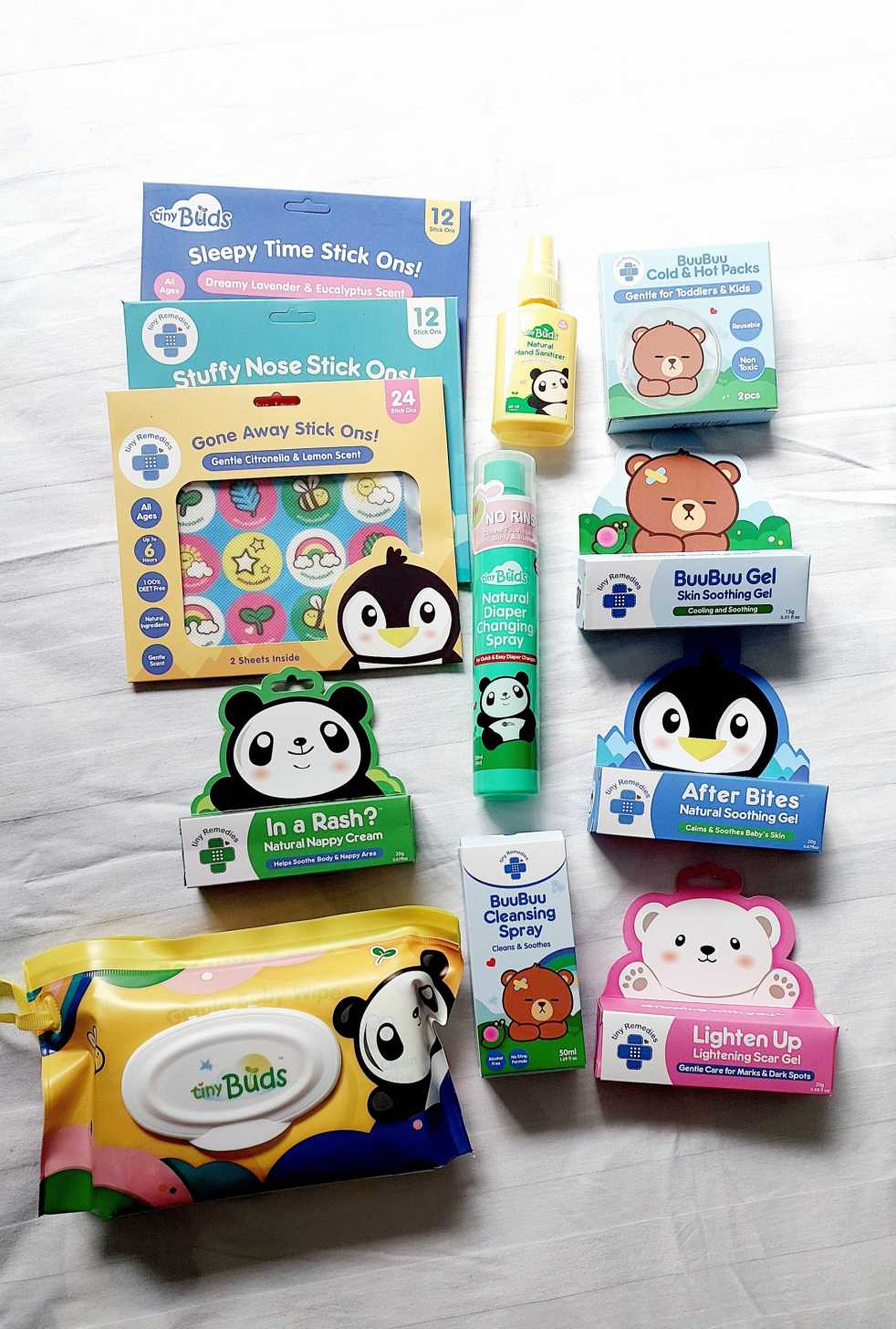
Your baby’s skin is more delicate than most, this is why you have to choose products that are designed for sensitive skin. Tiny Buds is a pioneer in integrating natural ingredients into baby care and today has over 50 innovative natural baby care essentials and is one of the Top Baby Personal Care brands. Here… Continue reading Product Review: Tiny Buds Baby Naturals Baby Essentials

Where your child goes to school is a big decision and shouldn’t be taken lightly. Given how their education can impact their future, you might be tempted to take control and decide for them. However, you might be doing more damage than helping them in the long run. Your job as parents is to support… Continue reading HOW TO CHOOSE THE BEST SCHOOL FOR YOUR CHILD

As poet and philosopher Rumi once eloquently said, “raise your words, not your voice. It is rain that grows flowers, not thunder.” Parenting is a challenging journey, and the truth is that nobody has everything figured out. One parenting style might suit others best, and some might favor other methods. However, children respond better to… Continue reading A SIMPLE GUIDE TO GENTLE PARENTING

Whether you’re a new mom to be, mom of a toddler, mom who have school-aged kids, you’re bound to have so many questions. Let's start with your baby's skin. Infant skin has unique needs; gentle care is essential to prevent damage to the skin barrier, which can lead to irritation. When caring for infant skin,… Continue reading Keeping Baby’s Diapered Skin Healthy

As parents, we want to give our child the best possible start in life and that begins with nurturing their intelligence. Throughout history, the notion of success has been linked to academic intelligence. However, there has been an increased awareness on the importance of emotional intelligence. This question gets at the heart of the never-ending… Continue reading IQ or EQ, which one is a better predictor of your child’s success?
 wondermomma.net