

Last August, IKEA Philippines engaged with Better World Smokey Mountain, a newly opened community center operated by the San Miguel Foundation, which shares a similar goal of improving the lives of many Filipino people. Through this partnership, IKEA Philippines provided and assembled home furnishings for the classrooms and library of Better World Smokey Mountain community… Continue reading Help Create a Better World with IKEA Soft Toys

NutriAsia, the country’s top producer of condiments and sauces, continues its support of Refill Revolution; a project by the Department of Environment and Natural Resources EMB 3 that aims to help reduce Filipinos’ single-use plastics consumption. At Refill Revolution, residents get to recycle their single-use plastic bottles by reusing and filling it with their choice… Continue reading NutriAsia and DENR renews partnership for Refill Revolution

Screen time limits for kids: what actually works
Screens are part of modern family life. Children use them for schoolwork, video calls with relatives, creative projects, entertainment, and sometimes a much-needed quiet break while a parent cooks dinner. The goal is not to remove technology from childhood, but to make its place predictable, healthy, and manageable.
Many families struggle with the same pattern: a child watches longer than planned, becomes upset when the device is removed, and then asks for “just one more” episode. Strict rules can quickly turn into daily arguments, especially when adults are also checking phones throughout the day. Effective screen time limits depend less on a perfect number and more on routines that protect sleep, movement, relationships, and responsibilities.
The best approach is flexible enough for real life and clear enough for children to understand. It considers age, temperament, content, family schedules, and the way screens affect a child’s behavior after use. With a few consistent habits, parents can reduce conflict without treating technology as the enemy.
Start with the child, not the clock
Age-based recommendations are useful starting points, but they should not be treated as a complete parenting plan. A preschooler who becomes frantic after ten minutes of fast-paced cartoons may need a different routine from a calm seven-year-old who enjoys a slow educational program. Observe what happens before, during, and after digital use.
Look for practical signals. Is your child sleeping well, getting active play, completing school tasks, eating regularly, and enjoying family interaction? If these areas are healthy, a modest amount of leisure media may fit comfortably. If screens are replacing sleep, outdoor time, conversation, or imaginative play, the routine needs adjustment.
Content also matters. A video chat with grandparents, a drawing app, homework, and a rapid-fire gaming session are different experiences. Instead of counting every minute as identical, consider the purpose, pace, quality, and social value of what your child is doing.
Set limits children can predict
Children cope better with boundaries when they know what will happen next. A vague instruction such as “stop soon” creates uncertainty, while a clear routine gives them time to prepare. Explain the plan before the device is turned on: where they may use it, what they may watch, how long the session lasts, and what comes afterward.
Use a visible timer, a device setting, or a simple family schedule. Give a ten-minute warning and a two-minute warning, then follow through calmly. The warning is not a negotiation; it is a transition cue. Younger children may need an adult to sit nearby and guide the ending, while older children can take responsibility for setting the timer.
A predictable ending ritual can reduce resistance. The child might pause the game, place the tablet on its charging shelf, and choose between two next activities. Offering limited choices preserves parental leadership while giving children some control: “Would you like to build with blocks or help wash the fruit?”
Build a family media routine
Screen rules work best when they are connected to daily rhythms rather than enforced as isolated punishments. Common anchors include no devices during meals, screens only after essential tasks, and a device-free period before bedtime. These boundaries are easier to remember than a long list of changing exceptions.
Keep bedrooms, dining areas, and family conversations protected where possible. Charge phones, tablets, and gaming devices in a shared location overnight. A child who has unrestricted access to a device beside the bed is being asked to exercise self-control at the exact time when tiredness makes self-control harder.
Parents need a realistic role in the routine. Children notice when adults demand phone-free meals while checking messages at the table. Family rules can include everyone, with reasonable exceptions for work, caregiving, or urgent communication. The purpose is to model balanced media use, not to create identical expectations for every family member.
Families looking for practical guidance on parenting, child development, and everyday home life can also explore parenting resources that support a calmer, more informed approach.
Match the plan to everyday family life
A screen schedule should account for the child’s actual day. School hours, homework, chores, meals, naps, sports, church activities, traffic, weather, and the availability of safe outdoor play all influence how much recreational media feels reasonable. A rigid rule designed for one household may be unhelpful in another.
For families in the Philippines, routines may need to accommodate shared devices, multigenerational homes, small living spaces, brownouts, rainy afternoons, or relatives who use video calls to stay connected. These circumstances do not make boundaries impossible. They simply mean the plan should focus on priorities and transitions rather than copying a fixed schedule from another household.
When children are sick, traveling, or experiencing a major family change, temporary flexibility can be appropriate. Tell them that the change is temporary and identify when the regular routine will return. A thoughtful exception is different from abandoning the boundary altogether.
| Situation | Helpful limit | What makes it work |
|---|---|---|
| School-age child using entertainment media after homework | A defined daily window | Use a timer and name the next activity |
| Preschooler watching cartoons | Short, adult-selected sessions | Watch together and avoid autoplay |
| Gaming with friends | A planned stopping point | End after a round or match, not mid-challenge |
| Video calls with relatives | Flexible family connection time | Keep the call purposeful and protect sleep |
| Device use before bed | A screen-free wind-down period | Replace it with reading, music, or quiet play |
Make content and co-viewing count
High-quality content cannot replace sleep, movement, or responsive conversation, but it can support learning and connection. Choose programs and apps that match the child’s developmental level, use a manageable pace, and encourage thinking, language, creativity, or social understanding. Disable autoplay where possible so one episode does not silently become five.
Co-viewing is especially valuable for younger children. Ask what is happening, name emotions, connect the story to real life, and invite the child to predict what comes next. These small conversations turn passive viewing into shared learning. They also help parents notice frightening, confusing, commercial, or unsuitable material quickly.
For older children, privacy and independence should grow gradually. Teach them how to evaluate advertisements, protect personal information, recognize manipulative design, and respond to unkind behavior online. Parental controls are useful support, but digital literacy and trust are what help children make safer choices over time.
Handle pushback without turning it into a battle
Protest is normal when an enjoyable activity ends. A child’s anger does not mean the boundary is harmful or that the parent has made a mistake. Stay close, keep your voice steady, and acknowledge the feeling: “You really wanted to keep playing. It is hard to stop when you are having fun.”
Avoid lengthy lectures during a meltdown. Repeat the limit briefly and guide the child toward the next step. If the device is thrown or a sibling is hurt, address the behavior separately with a calm, related consequence, such as pausing device access until the child can use it safely. Do not add unpredictable punishments that make the rule feel arbitrary.
If transitions are difficult every day, change the setup rather than simply repeating the command louder. Shorten sessions, remove autoplay, choose slower content, give earlier warnings, or schedule screen use after an active period. A child who is hungry, overtired, or overstimulated may need help regulating before being expected to switch activities.
Practical rules that hold up
The most successful family media plans are simple enough to use repeatedly. Write the key rules where everyone can see them, review them when the child’s schedule changes, and involve older children in discussing reasonable responsibilities. The plan should protect essential needs while leaving room for enjoyment.
Use these principles as a starting point:
- Protect sleep, meals, schoolwork, movement, and family connection before planning leisure screen use.
- Choose a clear stopping signal, such as a timer, charging station, or end-of-episode routine.
- Give children limited choices about what they watch and what they do afterward.
- Review content regularly and turn off autoplay, unnecessary notifications, and unsuitable recommendations.
- Apply the main family values to adult device use as well as children’s media habits.
A written plan is helpful, but consistency matters more than decoration. If a parent changes the rule every evening, children learn to keep asking. If the family follows a simple routine most days and explains exceptions honestly, children gradually understand that limits are dependable rather than personal.
The aim is a healthier relationship with screens, not a household free from all disagreement. Begin with one protected routine, such as device-free meals or a consistent bedtime wind-down. Keep the rule clear for a week, observe what improves, and then adjust the next part of the day. Small changes repeated calmly can give children the structure they need while leaving technology in its proper place.

Mercato Centrale, in collaboration with Indian Women in Enterprise Philippines (I-We), is set to host "The Great Indian Fiesta" to mark 75 years of friendship between India and the Philippines. The dynamic two-day event is scheduled to take place on September 30 to October 1, 2023, at Paseo De Roxas Street, Makati City. Aiming to… Continue reading Mercato Centrale Partners with I-We to Host ‘The Great Indian Fiesta’, Commemorating 75 Years of India-Philippines Friendship

My stomach would usually start growling at 10 am even after taking a big breakfast. This is probably because I am a morning person and I move a lot throughout the day hence snacking is something that I can't avoid. This potatoes and chicken wrap recipe is easy to prepare and would keep me full… Continue reading Potato and Chicken Wrap
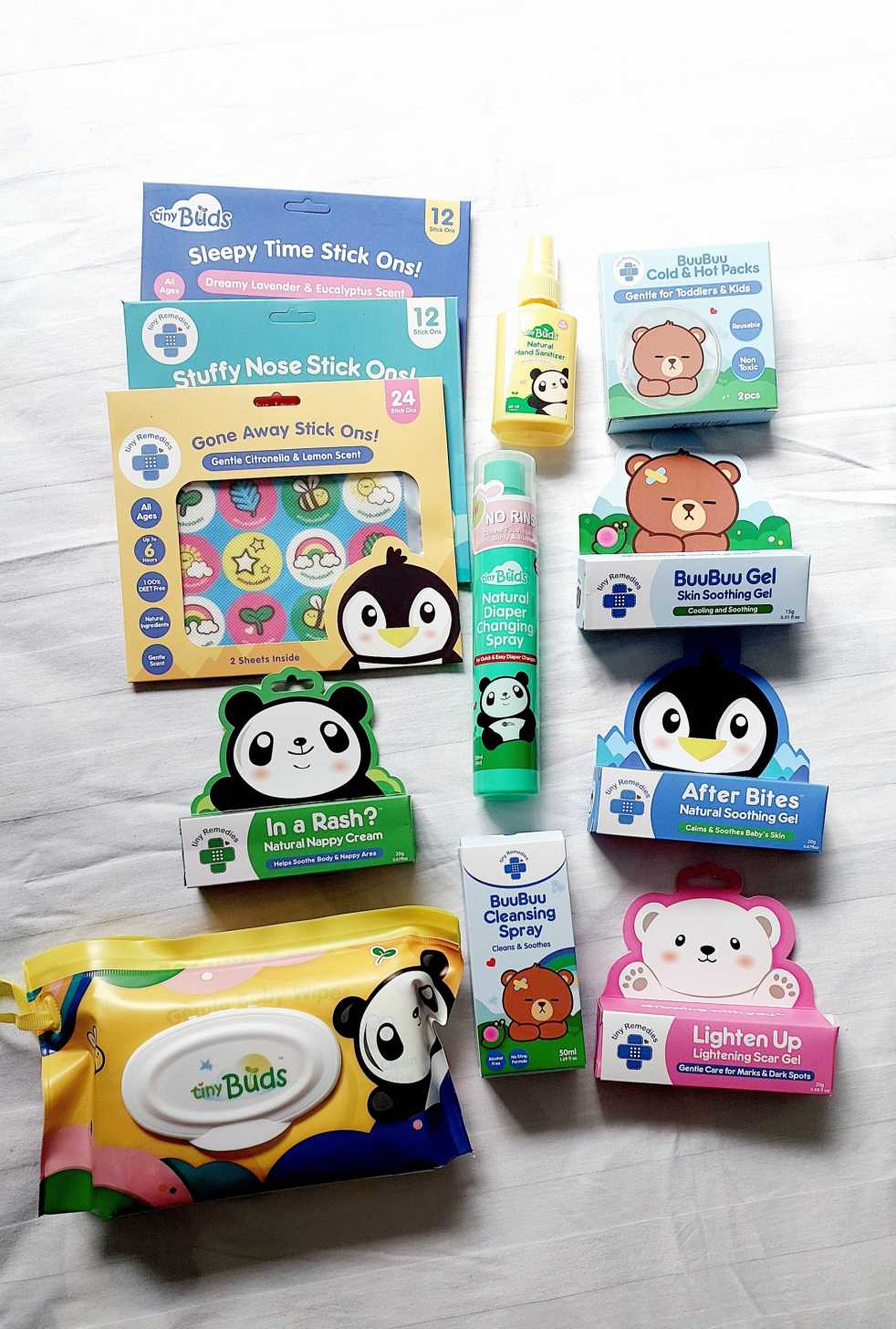
Your baby’s skin is more delicate than most, this is why you have to choose products that are designed for sensitive skin. Tiny Buds is a pioneer in integrating natural ingredients into baby care and today has over 50 innovative natural baby care essentials and is one of the Top Baby Personal Care brands. Here… Continue reading Product Review: Tiny Buds Baby Naturals Baby Essentials
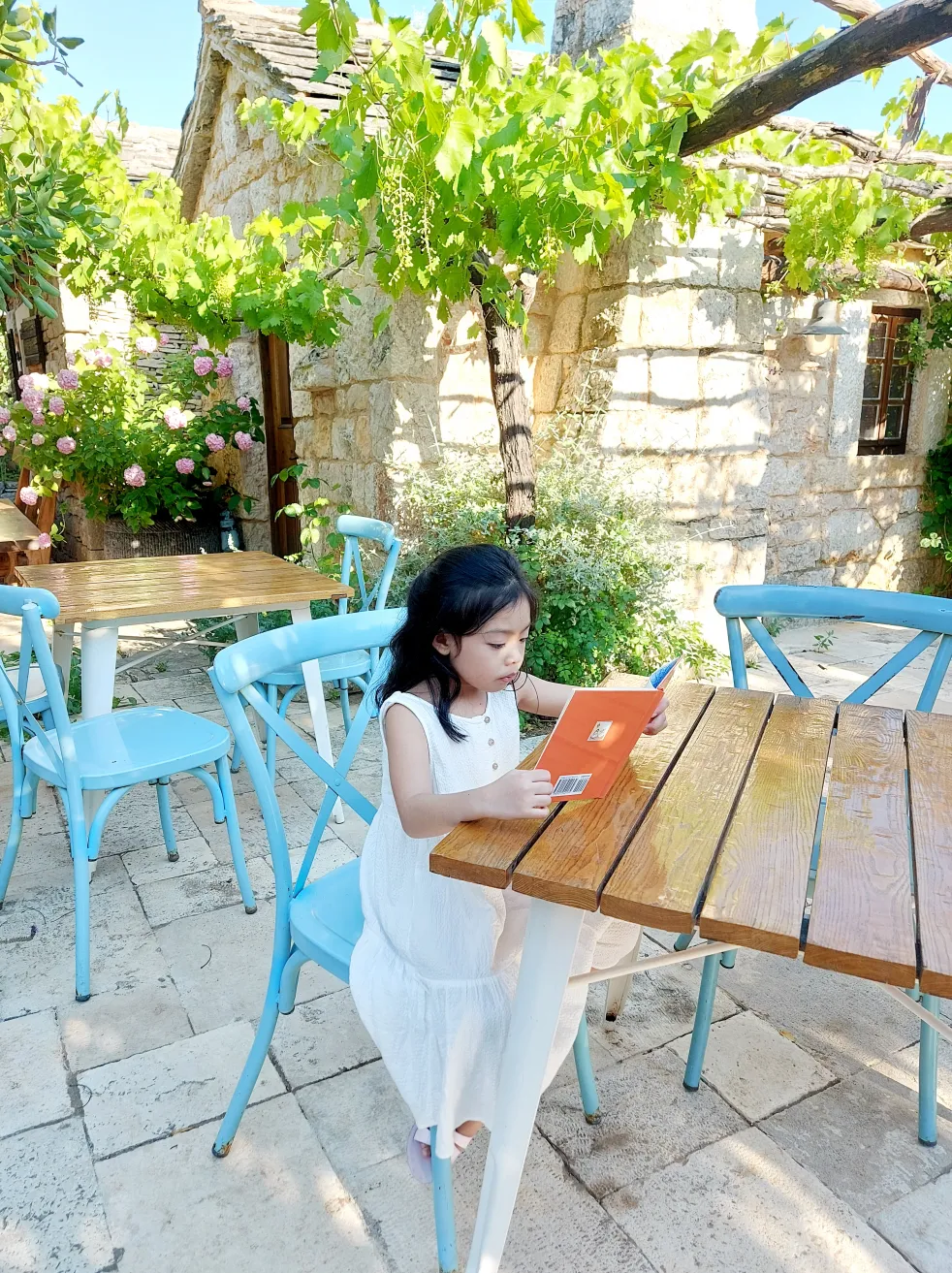
Where your child goes to school is a big decision and shouldn’t be taken lightly. Given how their education can impact their future, you might be tempted to take control and decide for them. However, you might be doing more damage than helping them in the long run. Your job as parents is to support… Continue reading HOW TO CHOOSE THE BEST SCHOOL FOR YOUR CHILD

As poet and philosopher Rumi once eloquently said, “raise your words, not your voice. It is rain that grows flowers, not thunder.” Parenting is a challenging journey, and the truth is that nobody has everything figured out. One parenting style might suit others best, and some might favor other methods. However, children respond better to… Continue reading A SIMPLE GUIDE TO GENTLE PARENTING

Whether you’re a new mom to be, mom of a toddler, mom who have school-aged kids, you’re bound to have so many questions. Let's start with your baby's skin. Infant skin has unique needs; gentle care is essential to prevent damage to the skin barrier, which can lead to irritation. When caring for infant skin,… Continue reading Keeping Baby’s Diapered Skin Healthy
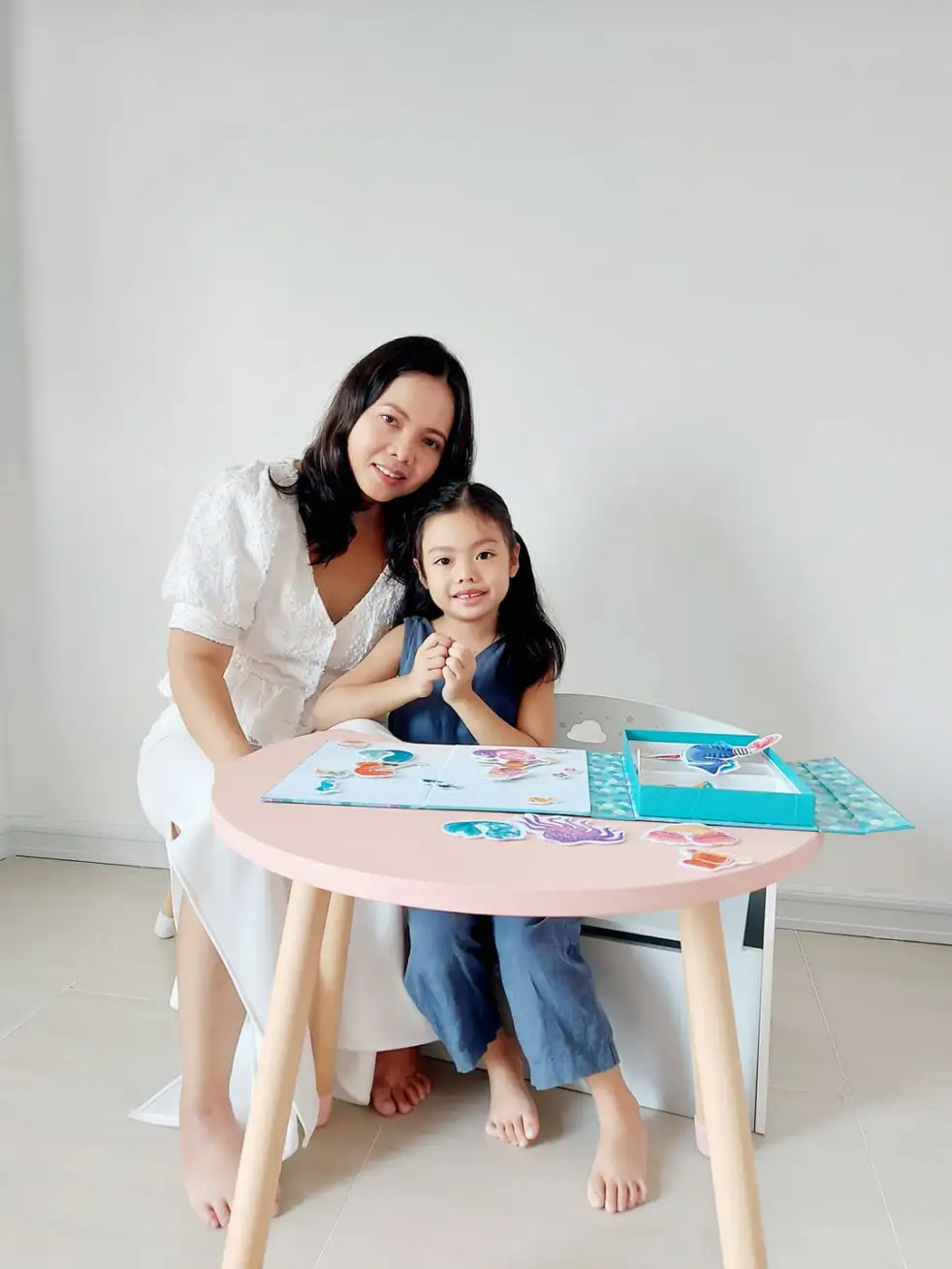
As parents, we want to give our child the best possible start in life and that begins with nurturing their intelligence. Throughout history, the notion of success has been linked to academic intelligence. However, there has been an increased awareness on the importance of emotional intelligence. This question gets at the heart of the never-ending… Continue reading IQ or EQ, which one is a better predictor of your child’s success?
 wondermomma.net