

Last August, IKEA Philippines engaged with Better World Smokey Mountain, a newly opened community center operated by the San Miguel Foundation, which shares a similar goal of improving the lives of many Filipino people. Through this partnership, IKEA Philippines provided and assembled home furnishings for the classrooms and library of Better World Smokey Mountain community… Continue reading Help Create a Better World with IKEA Soft Toys
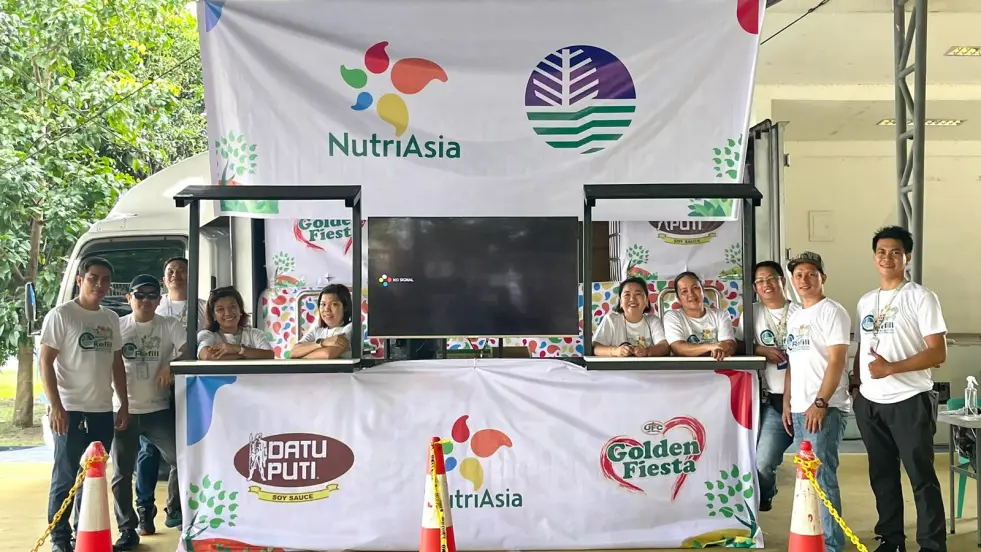
NutriAsia, the country’s top producer of condiments and sauces, continues its support of Refill Revolution; a project by the Department of Environment and Natural Resources EMB 3 that aims to help reduce Filipinos’ single-use plastics consumption. At Refill Revolution, residents get to recycle their single-use plastic bottles by reusing and filling it with their choice… Continue reading NutriAsia and DENR renews partnership for Refill Revolution

Raising Generous Kids Through Connection and Choice
Generosity is a quality many parents hope to nurture in their children. It can appear in small, everyday moments: offering a sibling the last strawberry, making room for someone in a game, helping pack away toys, or noticing that a friend feels left out. These actions build a child’s understanding that relationships involve care, cooperation and attention to other people’s needs.
Sharing, however, does not come naturally to every young child. Toddlers are still developing impulse control and often see possessions as an important part of their security. A favourite truck, comfort toy or snack may feel deeply personal, even when an adult sees it as something ordinary. Expecting instant generosity can create distress rather than genuine empathy.
Teaching sharing without force means allowing children to develop these skills gradually. Parents can set respectful boundaries, model generosity and provide language for difficult social moments. The aim is not to make a child surrender every treasured item, but to help them understand choice, fairness, turn-taking and kindness.
For Australian families, these lessons often unfold during playdates, childcare drop-offs, school activities and visits with extended family. Whether children are sharing a backyard cubby in Brisbane, snacks at a Melbourne park or toys at a Sydney playgroup, calm guidance helps generosity become a comfortable part of family life.
Why Forced Sharing Can Backfire
When a child is pressured to hand over a toy immediately, they may learn that adults can remove their belongings without warning. This can make them hold possessions more tightly, become anxious around other children or interpret sharing as losing. A forced “give it to your friend” can also produce compliance in the moment without helping the child understand why generosity matters.
Young children need time to develop perspective-taking. A toddler may know that another child is crying but still be unable to imagine how their own actions could help. This is a normal stage of child development, not proof that a child is selfish. Patience gives the brain time to connect feelings, choices and consequences.
Parents can acknowledge both children’s needs: “You are still playing with the digger, and Sam would like a turn.” This approach recognises the child’s ownership while making space for a fair solution. It avoids shame and shows that another child’s wish matters too.
There are times when adults must intervene firmly, especially if a child hits, snatches or damages someone’s property. The boundary can be clear without demanding emotional generosity: “I won’t let you grab it. You can ask for a turn, or choose another truck.” Safety and respect are the priority; a forced apology or gift is not required.
Start With Ownership and Consent
Children are more willing to share when they feel secure about what belongs to them. Before visitors arrive, invite your child to place special toys somewhere safe. This can include a comfort blanket, a favourite soft toy or a collection that is difficult to share. Keeping these items private reduces the chance of conflict and communicates that generosity does not mean giving up everything.
Create a clear distinction between personal possessions and communal items. Some toys can be available to everyone, while others remain private. This system works well for siblings and can be explained simply: “The wooden blocks are for everyone. Your birthday robot is yours, so we will keep it in your room.”
Consent is especially useful when children are expected to share their bodies, food or belongings. Encourage relatives to ask before picking up a child, and let children decide whether they want to offer a toy or hug. A child who experiences respectful boundaries is more likely to respect the boundaries of others.
This can be practised during ordinary family routines. At a weekend barbecue or a school holiday gathering, children might choose which games are communal and which items stay in a bag. A little preparation before a busy event often prevents the pressure that leads to tears and possessive behaviour.
Teach Turn-Taking With Practical Language
“Share nicely” is too vague for many children. Give them words they can use: “Can I have it when you are finished?” “I’m still using it.” “Let’s set a timer.” “Would you like to choose this one instead?” Rehearsing these phrases during relaxed play makes them easier to recall when emotions run high.
Turn-taking does not have to mean dividing every item equally or using a strict timer for all play. A child may need a few more minutes to complete a pretend game or finish building a tower. Parents can help identify a natural stopping point: “You want to finish the bridge, then it will be Mia’s turn.”
For younger children, visual supports can make waiting easier. A sand timer, phone timer or simple sequence such as “two more turns, then swap” gives the child a concrete expectation. At childcare or preschool, educators may already use similar routines, so families can adopt familiar language at home.
Games provide low-pressure practice. Rolling a ball back and forth, taking turns choosing a book, or letting each person add an ingredient to pancake batter teaches reciprocity without focusing on a moral lesson. At an Australian playgroup or a local library story session, parents can quietly model waiting, offering and accepting turns.
Model Generosity in Everyday Family Life
Children learn generosity by watching how adults behave. Let them see you offer a visitor a seat, save a portion of dinner for someone arriving late or help a neighbour carry shopping. Explain the action in simple terms: “Grandad has been working outside, so I’m making him a cup of tea.” This connects kindness with attention and practical care.
Generosity also includes time, effort and emotional support. A child can help a younger sibling find a missing shoe, place donated books in a box or draw a picture for a relative. In Australia, families may involve children in a school sausage sizzle, a local food drive or a community fundraiser. The value comes from participation and empathy, not from performing goodness for praise.
Use specific observations rather than broad labels. “You noticed Leo was waiting and gave him a block” tells a child exactly what they did well. It is more helpful than repeatedly calling them “a generous child”, which can feel like an expectation they must always meet.
Parents should model receiving as well as giving. Say, “Thank you for helping me,” and accept a child’s small offering warmly, even when it is a dandelion, a toy cup of pretend tea or half a biscuit. This teaches that generosity creates connection and that the recipient’s appreciation matters.
Build Generosity Into Routines and Relationships
Regular family routines make kindness easier to practise than occasional demands. At dinner, each person might name one helpful action they noticed. During tidy-up time, family members can work together rather than assigning the entire task to one child. A child could choose a book to donate when the family is clearing a shelf, while understanding that treasured books can stay.
Food can be a sensitive area, so avoid making children give away food from their own plate. Instead, involve them in preparing a shared snack, placing fruit on a platter or deciding how to divide muffins among family members. Shopping at Coles or Woolworths can become a chance to select an item for a community pantry or add a small donation at the checkout, provided the activity remains voluntary and age-appropriate.
With siblings, fairness may mean different things at different times. One child may need extra support while another needs uninterrupted space. Explain that equal treatment is not always identical treatment: “You are having a rest because you are sick. Your sister can keep playing nearby.” This helps children understand care without turning every interaction into a competition.
Generosity grows through repeated experiences of trust. A child who is allowed to protect special belongings, refuse unwanted physical contact and ask for a turn can gradually become more open with ordinary things. Over time, sharing becomes a choice connected to empathy rather than a rule enforced through embarrassment, threats or guilt. That foundation supports considerate friendships, cooperative learning and a warmer family life.

Mercato Centrale, in collaboration with Indian Women in Enterprise Philippines (I-We), is set to host "The Great Indian Fiesta" to mark 75 years of friendship between India and the Philippines. The dynamic two-day event is scheduled to take place on September 30 to October 1, 2023, at Paseo De Roxas Street, Makati City. Aiming to… Continue reading Mercato Centrale Partners with I-We to Host ‘The Great Indian Fiesta’, Commemorating 75 Years of India-Philippines Friendship

My stomach would usually start growling at 10 am even after taking a big breakfast. This is probably because I am a morning person and I move a lot throughout the day hence snacking is something that I can't avoid. This potatoes and chicken wrap recipe is easy to prepare and would keep me full… Continue reading Potato and Chicken Wrap
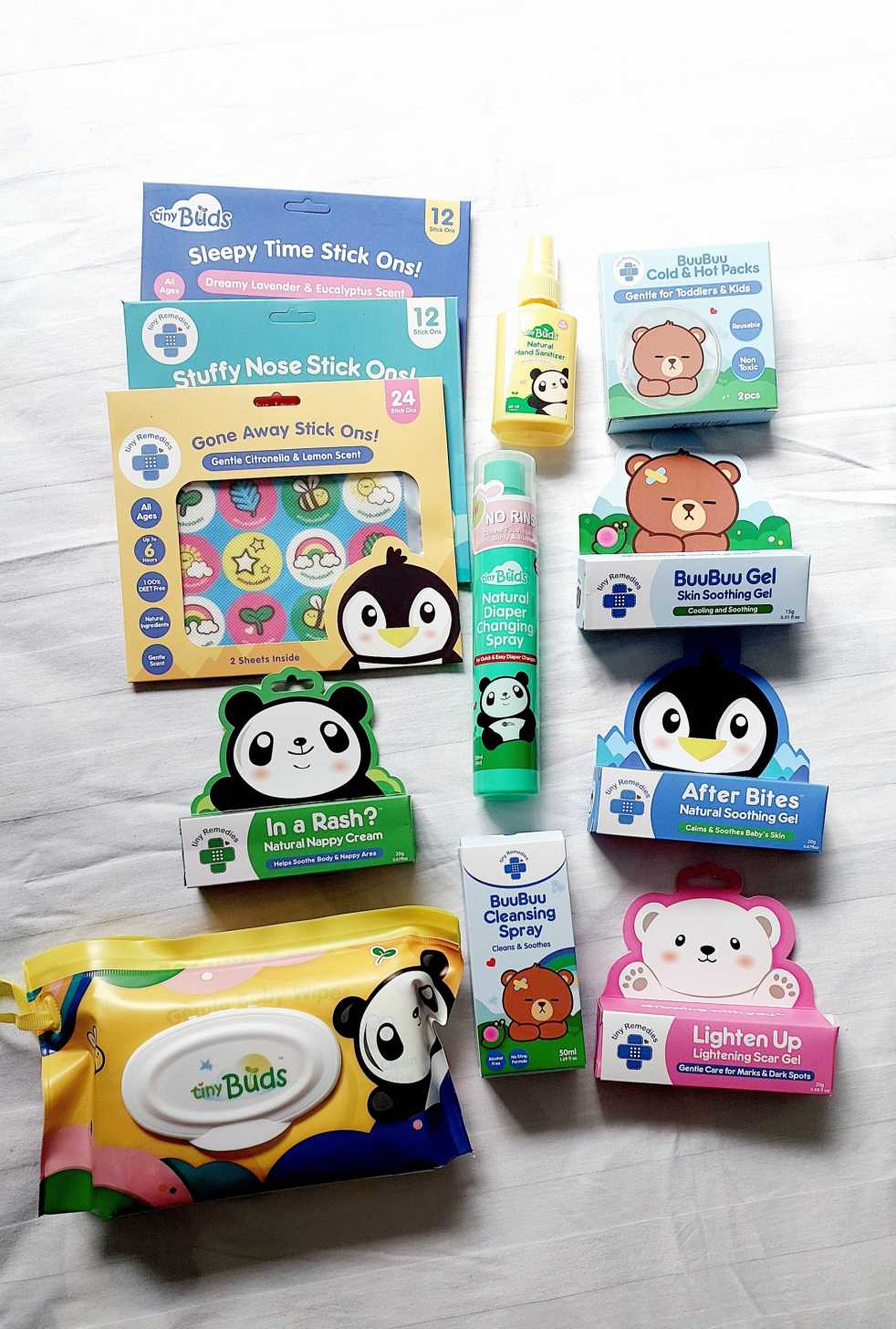
Your baby’s skin is more delicate than most, this is why you have to choose products that are designed for sensitive skin. Tiny Buds is a pioneer in integrating natural ingredients into baby care and today has over 50 innovative natural baby care essentials and is one of the Top Baby Personal Care brands. Here… Continue reading Product Review: Tiny Buds Baby Naturals Baby Essentials
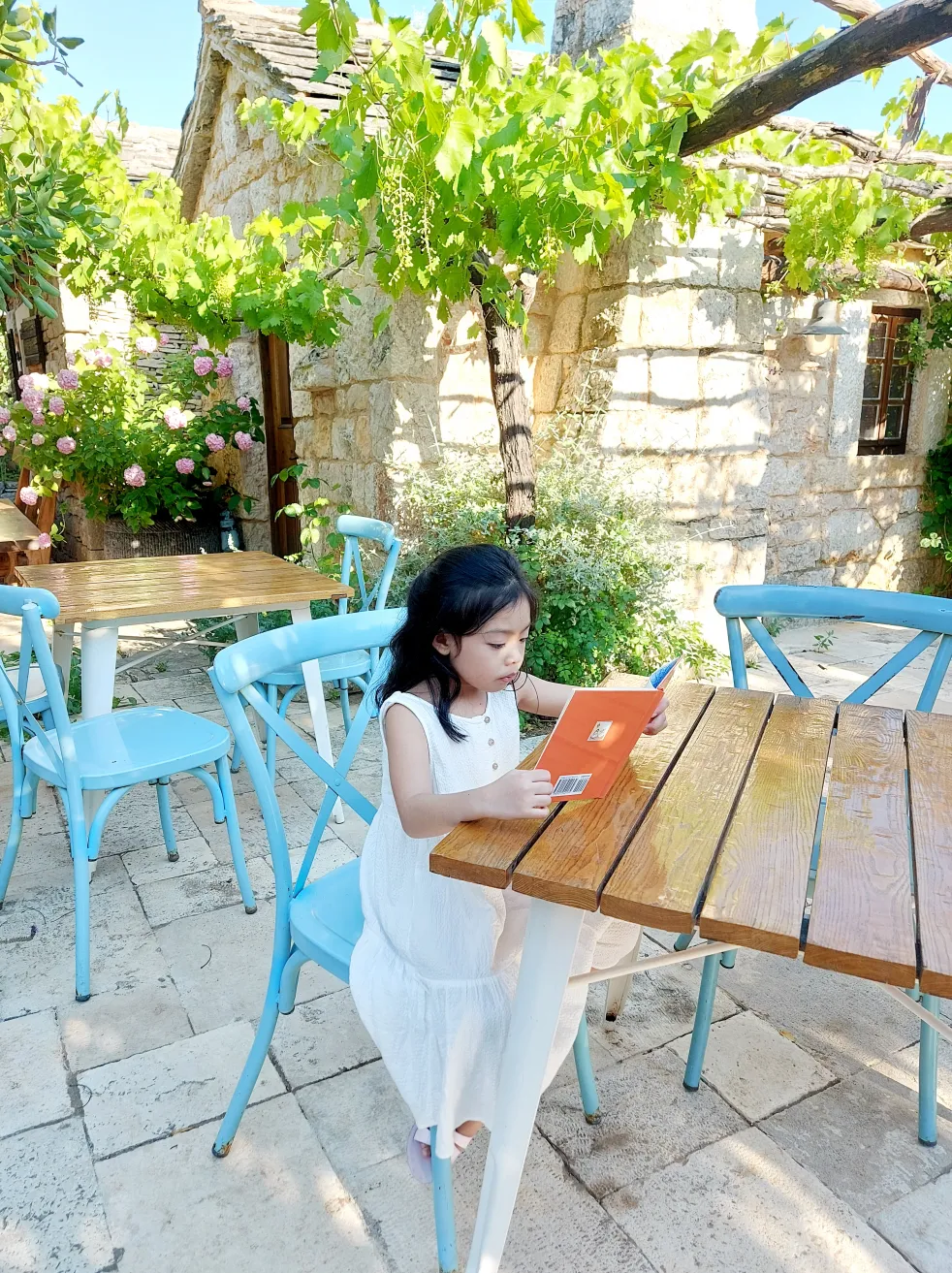
Where your child goes to school is a big decision and shouldn’t be taken lightly. Given how their education can impact their future, you might be tempted to take control and decide for them. However, you might be doing more damage than helping them in the long run. Your job as parents is to support… Continue reading HOW TO CHOOSE THE BEST SCHOOL FOR YOUR CHILD
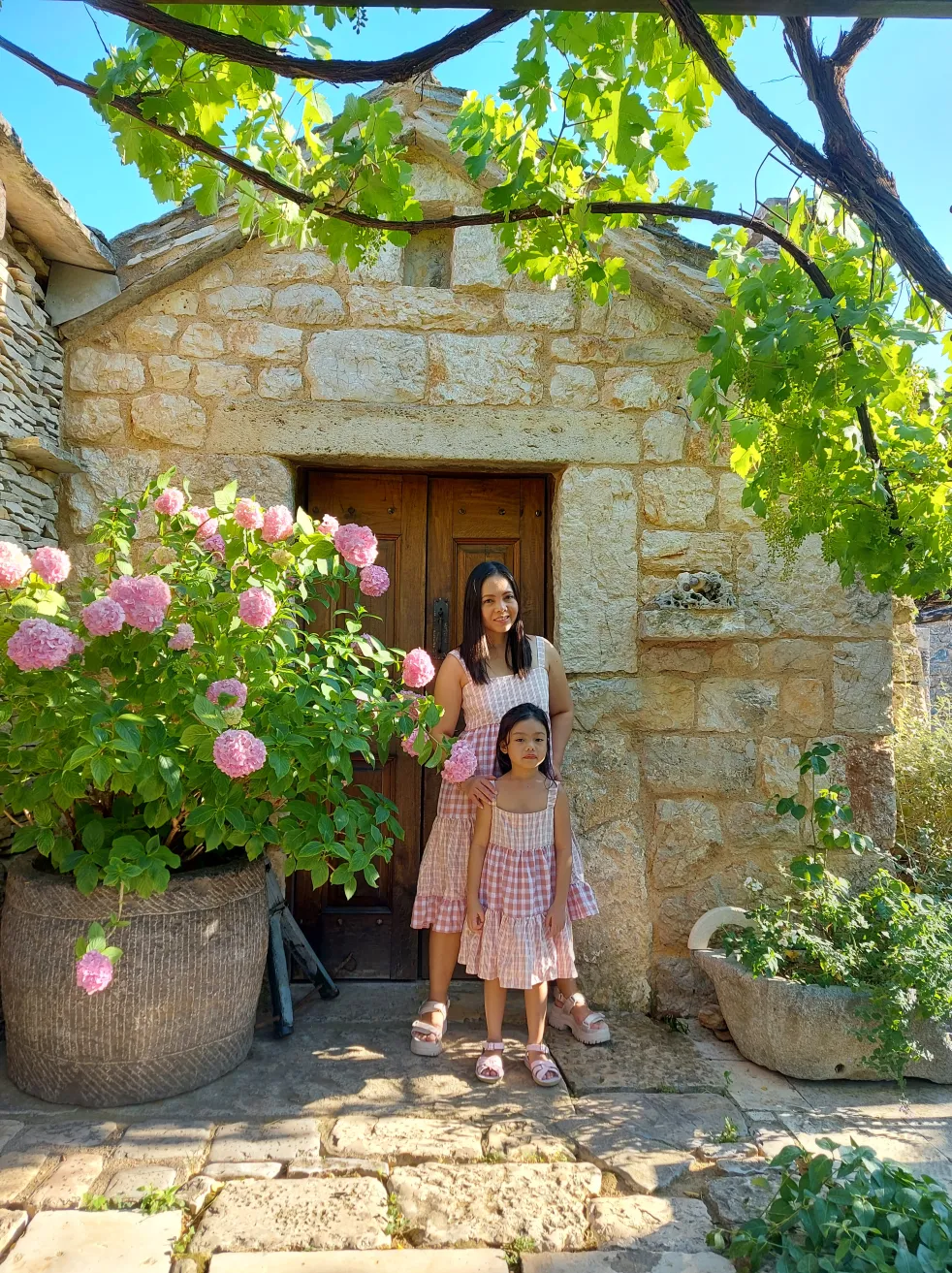
As poet and philosopher Rumi once eloquently said, “raise your words, not your voice. It is rain that grows flowers, not thunder.” Parenting is a challenging journey, and the truth is that nobody has everything figured out. One parenting style might suit others best, and some might favor other methods. However, children respond better to… Continue reading A SIMPLE GUIDE TO GENTLE PARENTING

Whether you’re a new mom to be, mom of a toddler, mom who have school-aged kids, you’re bound to have so many questions. Let's start with your baby's skin. Infant skin has unique needs; gentle care is essential to prevent damage to the skin barrier, which can lead to irritation. When caring for infant skin,… Continue reading Keeping Baby’s Diapered Skin Healthy
As parents, we want to give our child the best possible start in life and that begins with nurturing their intelligence. Throughout history, the notion of success has been linked to academic intelligence. However, there has been an increased awareness on the importance of emotional intelligence. This question gets at the heart of the never-ending… Continue reading IQ or EQ, which one is a better predictor of your child’s success?
 wondermomma.net