

Last August, IKEA Philippines engaged with Better World Smokey Mountain, a newly opened community center operated by the San Miguel Foundation, which shares a similar goal of improving the lives of many Filipino people. Through this partnership, IKEA Philippines provided and assembled home furnishings for the classrooms and library of Better World Smokey Mountain community… Continue reading Help Create a Better World with IKEA Soft Toys
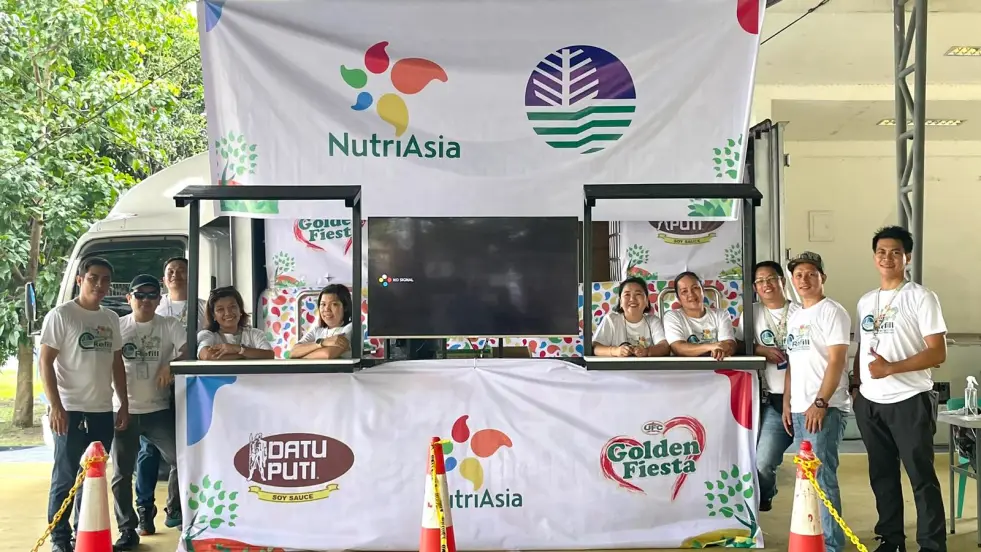
NutriAsia, the country’s top producer of condiments and sauces, continues its support of Refill Revolution; a project by the Department of Environment and Natural Resources EMB 3 that aims to help reduce Filipinos’ single-use plastics consumption. At Refill Revolution, residents get to recycle their single-use plastic bottles by reusing and filling it with their choice… Continue reading NutriAsia and DENR renews partnership for Refill Revolution

Raising a child who loves nature: outdoor explorations in the city
City routines can make nature seem confined to a holiday or a large suburban garden. For city-dwelling families, connection can begin on a smaller scale: a weed in a path, birds moving between buildings, or leaves under a street tree can open a doorway to close observation and active play.
Young children learn through movement, repetition and the senses. They do not need an ecosystem lesson before kneeling beside soil or following an ant trail. When adults offer time, wonder and freedom to investigate, outdoor exploration strengthens language, concentration, resilience and a sense of belonging.
Connection grows when children revisit familiar places. The same creek, courtyard or playground changes with light, weather and season, giving them a living reference close to home. The aim is not to identify every species or cover the greatest distance; it is to notice deeply and feel safe enough to explore.
Australian family life makes this approach practical. Council playgrounds, public libraries, ovals and public transport often sit within reach of urban homes. Families seeking a wider parenting perspective can browse gentle parenting guidance while adapting outings to their child’s age, energy and immediate surroundings.
Begin with nature close to home
Many Australian cities offer rich starting points without a long drive. Families can explore Sydney Harbour foreshores, Melbourne’s Yarra paths, Brisbane’s City Botanic Gardens, or smaller pocket parks and nature strips. The important quality is accessibility rather than prestige: the route should work with a pram, a family’s walking speed and a child who may need frequent breaks.
Start with a short, predictable loop and let one feature hold your attention. A creek crossing, nesting bird, old tree or patch of moss can become the destination for the whole outing. Returning often gives children a chance to notice changes and creates the continuity that a constantly changing holiday destination cannot.
Build a rhythm that fits family life
A reliable rhythm keeps nature from becoming another item on an overfilled family calendar. A short walk before breakfast, a park stop after the library or a wander during the school run can work better than one ambitious weekly outing. Attach the activity to something already happening, then shorten it when your child’s energy is low.
Weekend explorations can be slightly longer, but they need little specialist equipment. A drink, sun protection, comfortable layers and a small observation tool are enough. Let children choose between two suitable routes or destinations; this small piece of control supports autonomy while keeping adult planning manageable.
Follow curiosity through sensory play
Young explorers enjoy the city through sound, texture, movement and discovery. They can listen for insects, compare the feel of bark and stone, watch shadows change, or follow water through a garden bed. Such activities reveal that nature is present between buildings and infrastructure, not only beyond the city edge.
Adults can support this play by observing closely and describing without correcting too quickly. Follow a child’s attention, invite comparisons, and allow uncertain discoveries to remain unresolved. Questions about patterns, habitats and changes build scientific thinking, while imaginative play with sticks, leaves and found objects brings emotional expression into the same experience.
Make thoughtful choices for safe, natural play
Australian garden centres and online marketplaces offer many native plants, outdoor toys and family products, but labels still matter. The Australian Consumer Law requires businesses not to sell unsafe goods; relevant Australian Standards markings, clear age guidance and sound instructions add another layer of protection. Adult supervision remains essential.
Choose Australian native or locally adapted plants for home gardens, follow nursery labels and local council advice, and leave wild plants, fungi and fallen seeds where they belong. Families should pack a broad-brimmed hat, light clothing, water and broad-spectrum, water-resistant SPF 30 or higher sunscreen; they must reapply it according to the label and after swimming or heavy sweating.
It is also important to inspect bikes, scooters and helmets, use an Australian Standards-compliant bicycle helmet, and follow current road rules and age-appropriate child-restraint requirements in your state. Furthermore, adults must carry hand-washing supplies and check ingredient and allergen labels on packaged snacks; children must never taste plants, mushrooms or water discovered outdoors.
These habits protect both the child and the shared habitat. They also model the restraint a family needs when a trail is closed, a specimen is protected or a creature needs space. Responsible outdoor fun is not about avoiding every unknown; it is about preparing sensibly and preserving the reasons for exploring outdoors.
Prepare for Australian outdoor conditions
UV can remain high across much of Australia, so sun protection belongs in every outing bag. Check the daily UV Index, choose shade and shorter walks near midday during hot periods, and use sunscreen on exposed skin. Hats, light long-sleeved clothing and accessible water reduce reliance on sunscreen alone.
Weather can change quickly, particularly in Melbourne and southern Tasmania, while Brisbane, Sydney and northern Australia often bring greater heat and humidity. Keep a spare layer in the pram or backpack, move a walk indoors when storms make paths unsafe, and never enter floodwater. Drinking, toilets and a reliable rest point matter for small children whose bodies heat quickly.
Water needs equal care. Urban ponds, fountains and stormwater drains may contain sharp objects, chemicals or organisms, so they are for looking rather than touching or tasting. During hot weather, watch for headache, nausea, flushed skin, unusual tiredness or changed behaviour; move somewhere cool, offer water and seek medical help promptly if symptoms continue or worsen.
Protect autonomy with kind boundaries
A gentle approach invites participation instead of demanding it. Offer two ways to engage, such as walking slowly or finding a safe place to sit, and accept that a child may prefer to watch insects for the entire outing. Following their pace shows respect and gives them ownership of the relationship with nature.
Boundaries still need to be clear. Adults should model consent by asking before touching another child and by not forcing contact with animals, insects or unfamiliar dogs. Around dog parks, busy roads and waterways, stay close enough to intervene; Australian drivers travel on the left, so crossings still require full attention. These limits let children explore without feeling abandoned.
Build connection through repeat visits
Regular visits turn ordinary streets into a map of living things. A child can compare the first spring leaves with summer shade, watch a nest after rain, or record the same bird from a window. Seasonal memory links outdoor experiences with language and science, while repeated encounters develop patience and care.
Community links make that map wider. Libraries, school gardens, Landcare groups, Friends of parks organisations and council nature programs can provide workshops, planting days and reliable local information. Shared observations become family stories and neighbourhood knowledge. A child trusted to pause, look closely and return often develops more than familiarity with plants and animals; they develop a confident place for themselves in the wider living world.

Mercato Centrale, in collaboration with Indian Women in Enterprise Philippines (I-We), is set to host "The Great Indian Fiesta" to mark 75 years of friendship between India and the Philippines. The dynamic two-day event is scheduled to take place on September 30 to October 1, 2023, at Paseo De Roxas Street, Makati City. Aiming to… Continue reading Mercato Centrale Partners with I-We to Host ‘The Great Indian Fiesta’, Commemorating 75 Years of India-Philippines Friendship

My stomach would usually start growling at 10 am even after taking a big breakfast. This is probably because I am a morning person and I move a lot throughout the day hence snacking is something that I can't avoid. This potatoes and chicken wrap recipe is easy to prepare and would keep me full… Continue reading Potato and Chicken Wrap
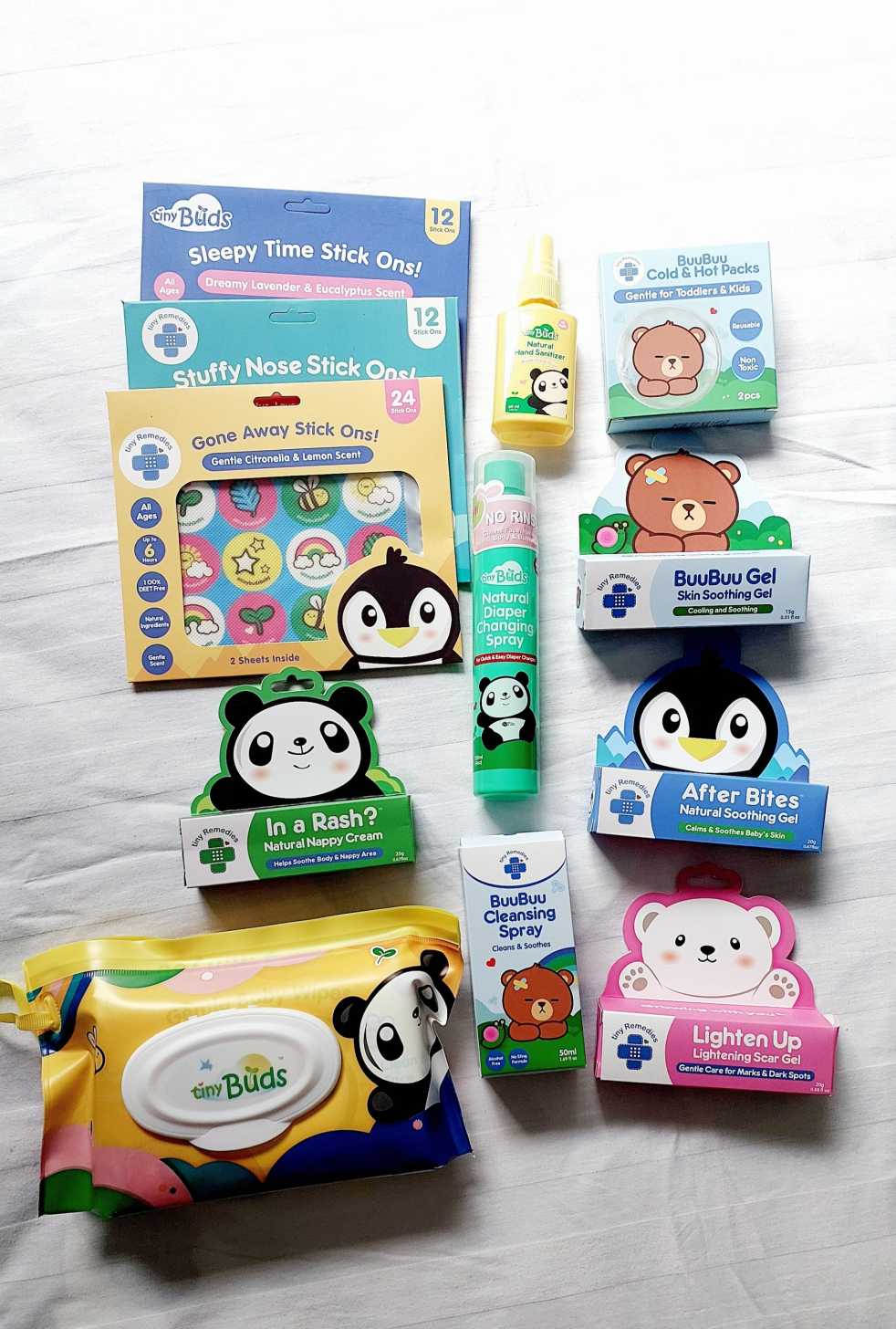
Your baby’s skin is more delicate than most, this is why you have to choose products that are designed for sensitive skin. Tiny Buds is a pioneer in integrating natural ingredients into baby care and today has over 50 innovative natural baby care essentials and is one of the Top Baby Personal Care brands. Here… Continue reading Product Review: Tiny Buds Baby Naturals Baby Essentials
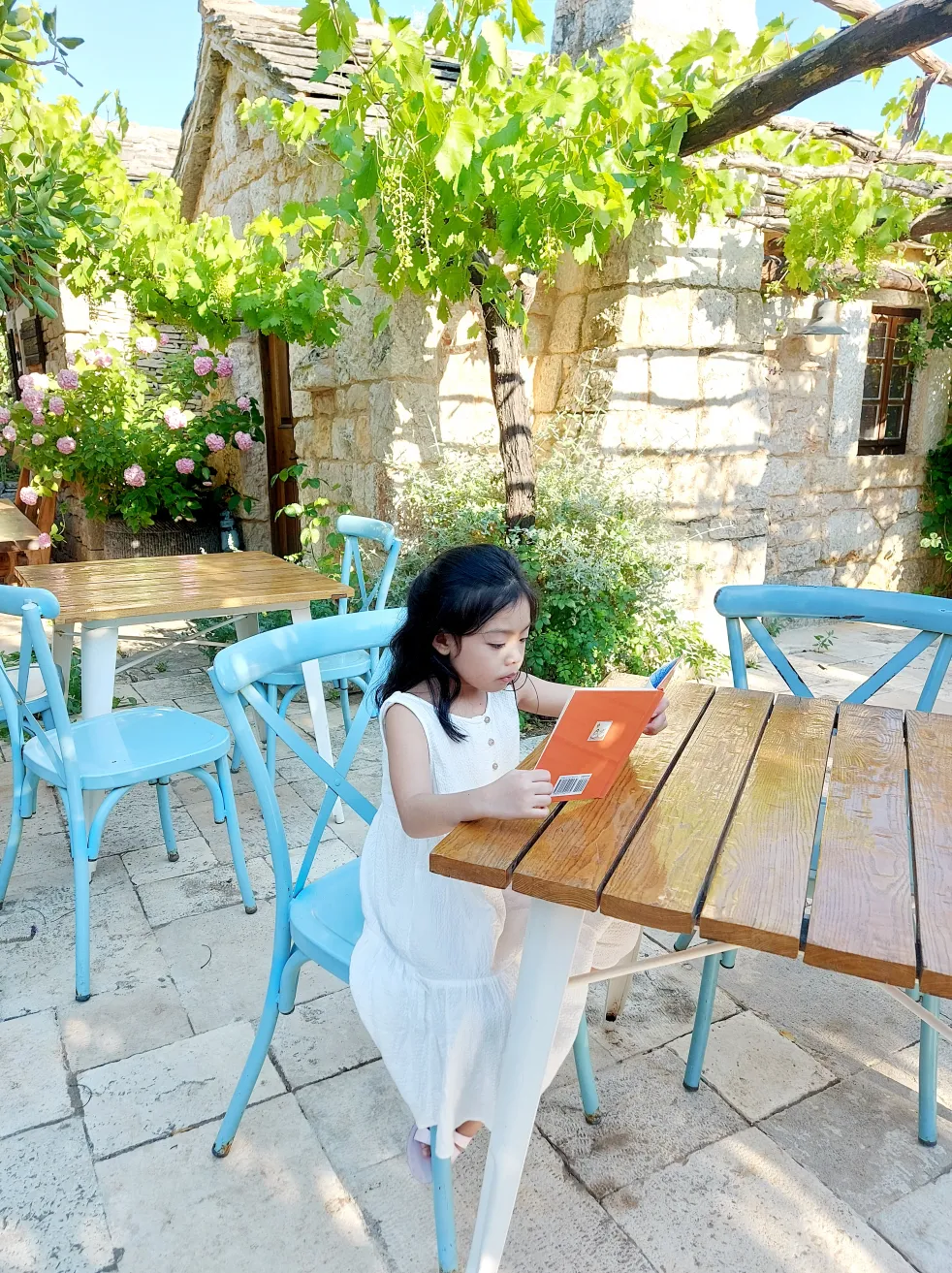
Where your child goes to school is a big decision and shouldn’t be taken lightly. Given how their education can impact their future, you might be tempted to take control and decide for them. However, you might be doing more damage than helping them in the long run. Your job as parents is to support… Continue reading HOW TO CHOOSE THE BEST SCHOOL FOR YOUR CHILD
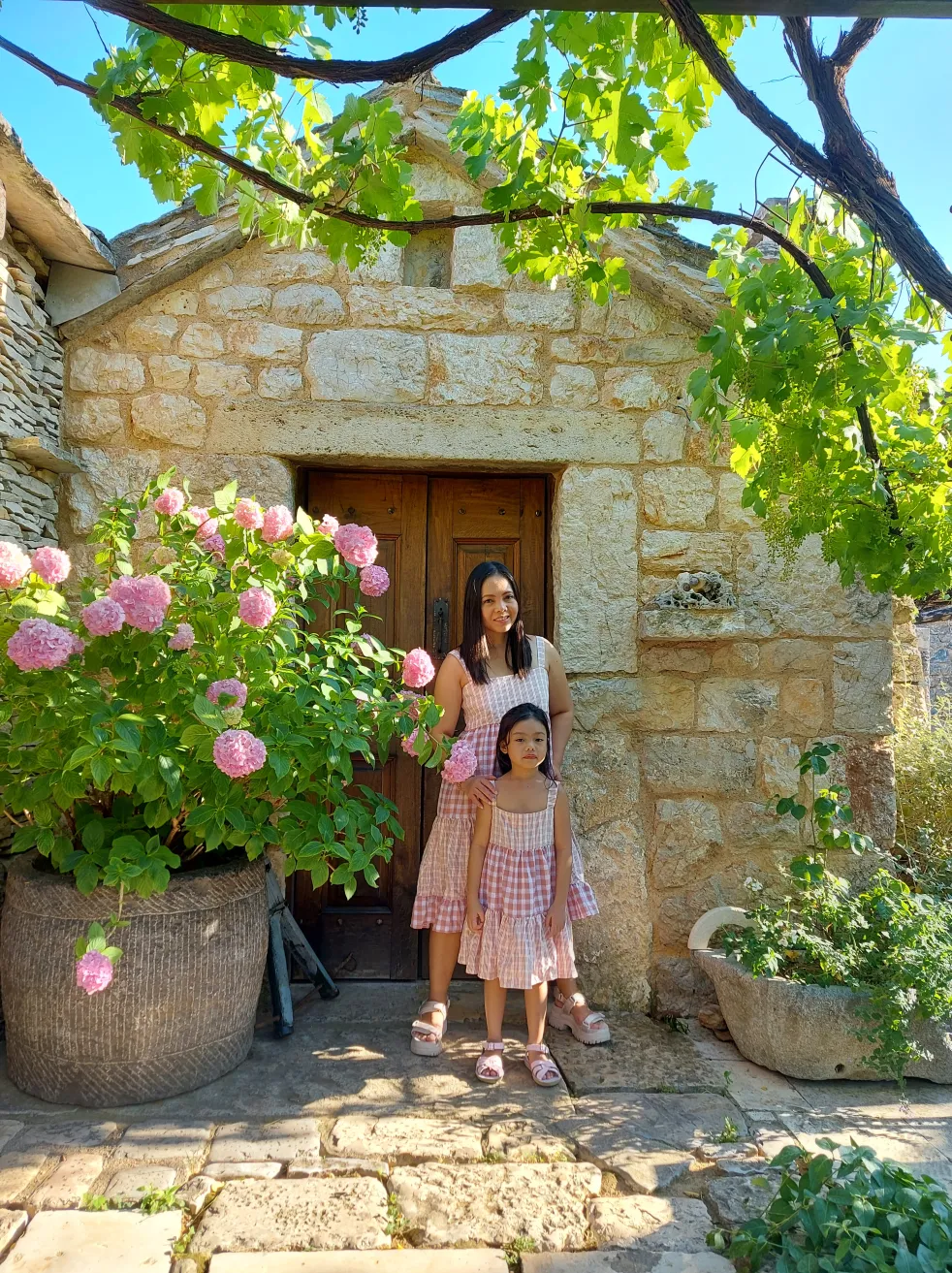
As poet and philosopher Rumi once eloquently said, “raise your words, not your voice. It is rain that grows flowers, not thunder.” Parenting is a challenging journey, and the truth is that nobody has everything figured out. One parenting style might suit others best, and some might favor other methods. However, children respond better to… Continue reading A SIMPLE GUIDE TO GENTLE PARENTING

Whether you’re a new mom to be, mom of a toddler, mom who have school-aged kids, you’re bound to have so many questions. Let's start with your baby's skin. Infant skin has unique needs; gentle care is essential to prevent damage to the skin barrier, which can lead to irritation. When caring for infant skin,… Continue reading Keeping Baby’s Diapered Skin Healthy
As parents, we want to give our child the best possible start in life and that begins with nurturing their intelligence. Throughout history, the notion of success has been linked to academic intelligence. However, there has been an increased awareness on the importance of emotional intelligence. This question gets at the heart of the never-ending… Continue reading IQ or EQ, which one is a better predictor of your child’s success?
 wondermomma.net