

Last August, IKEA Philippines engaged with Better World Smokey Mountain, a newly opened community center operated by the San Miguel Foundation, which shares a similar goal of improving the lives of many Filipino people. Through this partnership, IKEA Philippines provided and assembled home furnishings for the classrooms and library of Better World Smokey Mountain community… Continue reading Help Create a Better World with IKEA Soft Toys
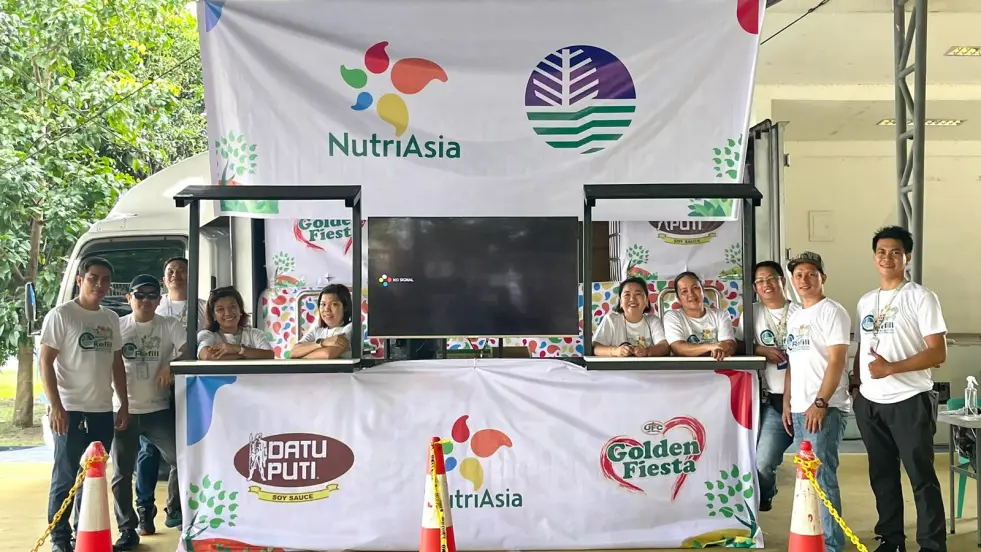
NutriAsia, the country’s top producer of condiments and sauces, continues its support of Refill Revolution; a project by the Department of Environment and Natural Resources EMB 3 that aims to help reduce Filipinos’ single-use plastics consumption. At Refill Revolution, residents get to recycle their single-use plastic bottles by reusing and filling it with their choice… Continue reading NutriAsia and DENR renews partnership for Refill Revolution

Raising A Bilingual Child With English And Filipino At Home
A child growing up with English and Filipino has the opportunity to develop strong communication skills while staying connected to family, culture and community. For many Filipino-Australian families, English may dominate childcare, school and public life, while Filipino is heard at home, during family gatherings or when speaking with relatives overseas.
Bilingual parenting does not require perfectly equal use of both languages. Children often understand one language better than they speak it, move between languages depending on the person they are talking to, or go through periods when English becomes their preferred choice. These patterns are common parts of language development.
The most effective approach is warm, consistent and practical. Filipino can become part of meals, bedtime, play, storytelling and everyday instructions rather than feeling like a formal lesson. English can continue to support school readiness and friendships across Australian communities.
| Area | English | Filipino |
|---|---|---|
| Common settings | Childcare, school, sport and community activities | Home, family gatherings, church and conversations with relatives |
| Useful strength | Classroom learning and social confidence | Cultural identity, family connection and emotional expression |
| Easy daily practice | Books, songs, errands and pretend play | Greetings, food words, stories and household routines |
| Parent’s role | Provide rich conversation and vocabulary | Make regular use feel natural and meaningful |
| Progress to expect | Speaking may develop quickly through frequent exposure | Understanding may come before confident speaking |
Build A Natural Family Language Routine
Begin with situations that happen every day. A parent might use Filipino during breakfast, English during the school run and both languages while shopping. Another family may choose “Filipino at home” for certain parts of the day. There is no single correct model, provided children receive plenty of meaningful interaction.
Young children learn through repetition, so familiar phrases are more valuable than long vocabulary lists. Words such as kain na for “it is time to eat”, halika for “come here” and tulog na for “time to sleep” can become part of a predictable routine. Add gestures, facial expressions and objects to help children understand meaning.
Australian life offers many useful opportunities. Filipino can be used while packing a lunchbox, travelling on public transport in Sydney or Melbourne, visiting a Brisbane park, or preparing food for a weekend gathering. English will naturally appear in childcare drop-off, swimming lessons and conversations with neighbours. This balance gives each language a genuine purpose.
Choose A Flexible Bilingual Approach
Some families use the “one parent, one language” approach, where each parent generally speaks a different language. It can work well when both adults feel comfortable, although it is not essential. Other families use Filipino for family conversations and English for books or homework. A flexible approach may be more realistic when parents have different confidence levels.
Code-switching, or moving between English and Filipino in the same conversation, is normal. A child might say, “I want the red laruan,” or answer a Filipino question in English. Rather than correcting every mixed sentence, repeat the idea naturally in the target language: “Yes, you want the red toy. Gusto mo ang pulang laruan.”
Parents should avoid making language feel like a test. If a child answers in English after being spoken to in Filipino, continue the conversation warmly. Understanding Filipino is still a valuable achievement, and speaking often grows when children feel safe from criticism.
Make Filipino Visible In Books And Play
Shared reading is one of the easiest ways to develop vocabulary in both languages. Keep English picture books alongside Filipino storybooks, bilingual books and family-made books with photographs. A simple book about a visit to grandparents can include both languages and familiar details, such as lola, lolo, favourite snacks or a video call with relatives in the Philippines.
Songs, rhymes and pretend play help children hear rhythm and everyday expressions. Sing Filipino nursery songs while washing hands, play shop using names for fruit and vegetables, or let a child cook with a parent using words such as kanin, tubig and kutsara. The goal is frequent interaction, not perfect pronunciation.
Libraries in Australian cities often provide multicultural story sessions, children’s programs and digital resources. Families can also look for Filipino community groups, weekend schools and cultural festivals. A book borrowed from a local library or a conversation with another Filipino-speaking family can make the language feel present beyond the home.
Support Language Through Everyday Connections
Family members can play an important role, especially grandparents, aunties, uncles and relatives who speak Filipino more comfortably. Regular video calls can give children a reason to use greetings, answer simple questions and share what they have been doing. Keep calls short and playful if a child is young or shy.
Food is another powerful connection. Cooking adobo, pancit or arroz caldo can introduce words for ingredients, actions and textures. A trip to a Filipino grocery shop can become a language game: identify mangga, saging or isda, then compare labels and prices in English. Filipino markets and specialty grocers in areas with established communities can help children see the language as part of ordinary Australian life.
Parents can also connect cultural learning with gentle safety education. When a family is preparing for a new pet, for example, discussing boundaries and careful handling in both languages reinforces vocabulary with real meaning. Advice about safe pet introduction can support these conversations, particularly when a baby or toddler is learning how to behave around an animal.
Work With Childcare And School
Tell educators that your child hears English and Filipino at home. Sharing key words, family names and cultural routines can help teachers create a more inclusive environment. Under Australia’s National Quality Framework, early childhood services are expected to build respectful relationships with families and support children’s identities, cultures and connections. This framework operates through the Education and Care Services National Law and Regulations and the National Quality Standard.
The Early Years Learning Framework also recognises communication, belonging and cultural identity as important parts of early learning. Parents can ask whether educators welcome home-language books, music or family photographs. A service does not need to offer a Filipino program to show respect; small steps, such as learning greetings or including multicultural stories, can make a difference.
When children start school, English may become much stronger because of daily classroom exposure. This does not mean Filipino is no longer useful. Continue using it for affection, family stories and cultural knowledge. If a child has a speech or language concern, speak with the classroom teacher, child and family health nurse, GP or speech pathologist. Multilingual development should be assessed carefully, with attention to all languages rather than English alone.
Encourage Confidence Without Pressure
Praise communication attempts instead of demanding immediate replies. “I like how you told me what you wanted” is more helpful than asking a child to repeat a word several times. Offer choices in Filipino, use visual cues and give extra time for an answer. Children often need longer to retrieve a word when they are learning two languages.
Keep language goals realistic for the child’s age and personality. A toddler may use single words, while a preschooler may tell mixed-language stories. Older children might understand Filipino well but resist speaking it with peers. Private family routines, Filipino media selected with parental guidance and visits to community events can maintain exposure without turning home into another classroom.
Useful habits include:
- Speak Filipino during one predictable routine, such as dinner or bath time.
- Keep bilingual books, songs and labelled household objects within easy reach.
- Invite relatives to use simple questions and wait patiently for the child’s response.
- Celebrate cultural events, recipes and family stories in both English and Filipino.
- Accept mixed-language sentences while modelling the words you want your child to hear.
Protect The Joy Of Two Languages
Bilingual development grows through relationships. A child is more likely to keep using Filipino when the language carries laughter, comfort, stories and meaningful attention. Correcting grammar can wait when a child is excitedly explaining a game or describing something they saw at the park.
It is also fine to adjust the family plan as circumstances change. A new baby, a move from Perth to Adelaide, different work schedules or starting primary school may alter which language is easiest at particular times. Rather than treating these changes as failure, look for small ways to restore regular Filipino exposure.
English and Filipino can support different parts of a child’s world while strengthening each other. English may open doors in education and wider Australian society, while Filipino can preserve family history and deepen relationships. With patient modelling and enjoyable daily practice, both languages can become a confident part of home life.

Mercato Centrale, in collaboration with Indian Women in Enterprise Philippines (I-We), is set to host "The Great Indian Fiesta" to mark 75 years of friendship between India and the Philippines. The dynamic two-day event is scheduled to take place on September 30 to October 1, 2023, at Paseo De Roxas Street, Makati City. Aiming to… Continue reading Mercato Centrale Partners with I-We to Host ‘The Great Indian Fiesta’, Commemorating 75 Years of India-Philippines Friendship

My stomach would usually start growling at 10 am even after taking a big breakfast. This is probably because I am a morning person and I move a lot throughout the day hence snacking is something that I can't avoid. This potatoes and chicken wrap recipe is easy to prepare and would keep me full… Continue reading Potato and Chicken Wrap
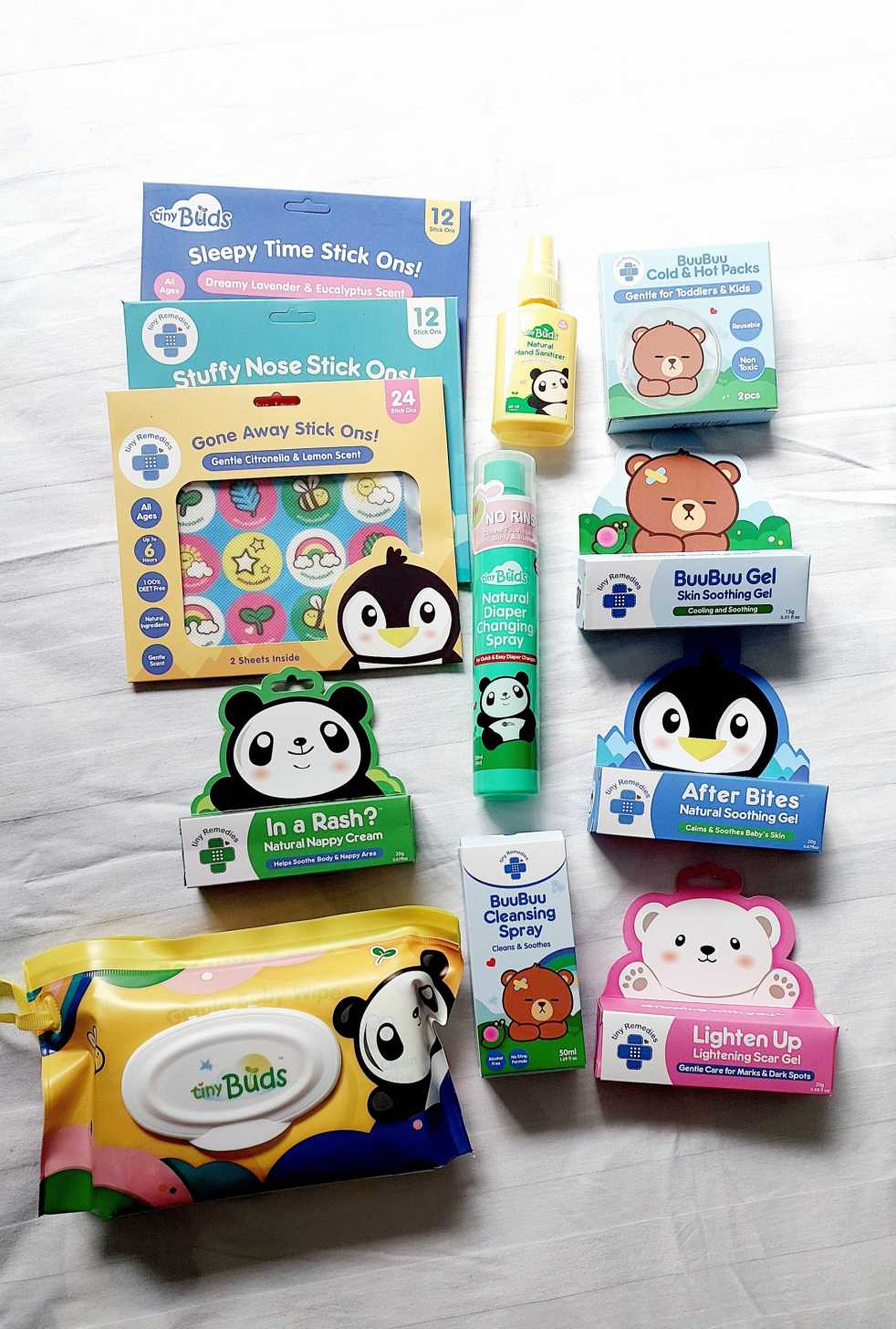
Your baby’s skin is more delicate than most, this is why you have to choose products that are designed for sensitive skin. Tiny Buds is a pioneer in integrating natural ingredients into baby care and today has over 50 innovative natural baby care essentials and is one of the Top Baby Personal Care brands. Here… Continue reading Product Review: Tiny Buds Baby Naturals Baby Essentials
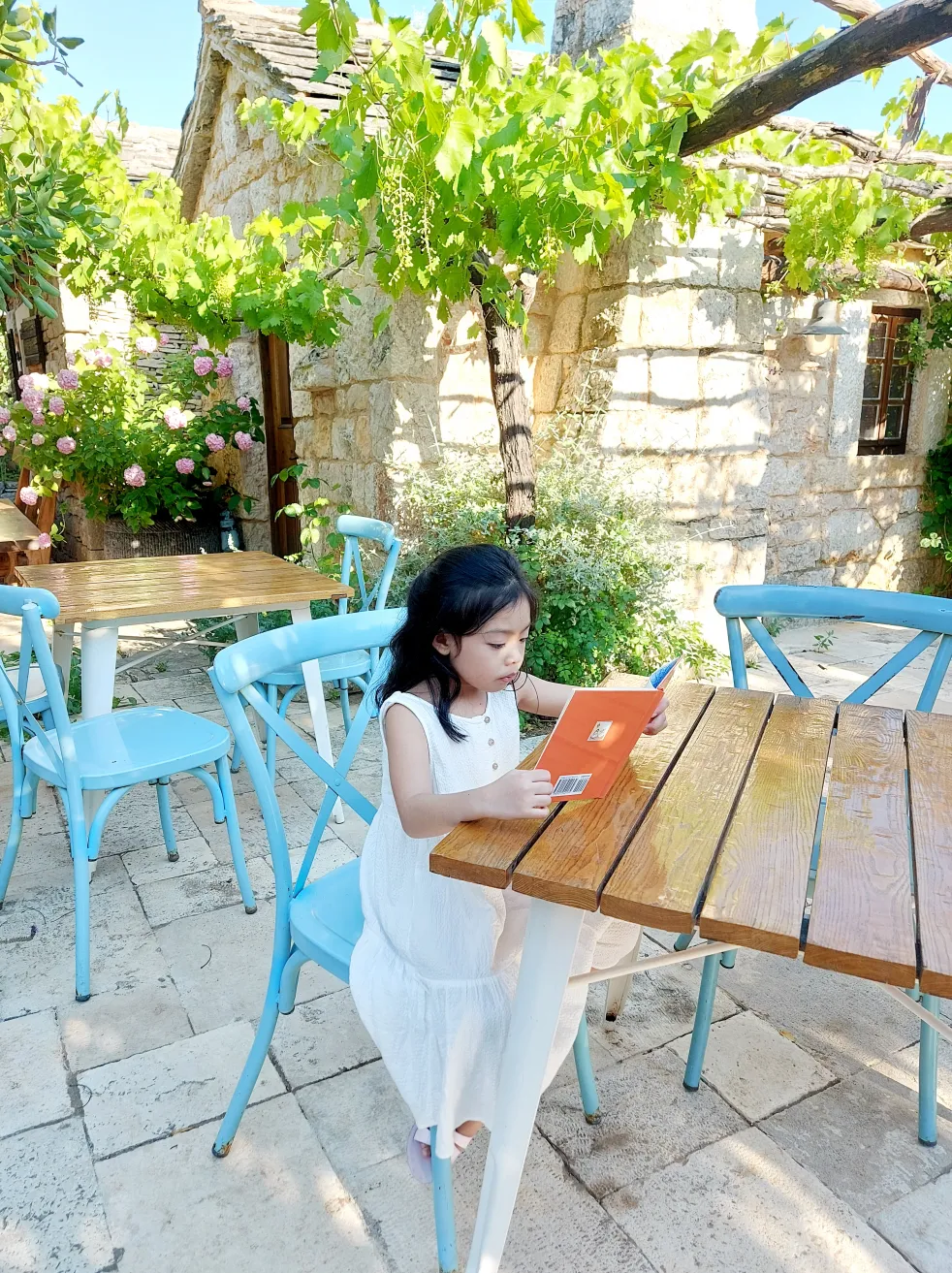
Where your child goes to school is a big decision and shouldn’t be taken lightly. Given how their education can impact their future, you might be tempted to take control and decide for them. However, you might be doing more damage than helping them in the long run. Your job as parents is to support… Continue reading HOW TO CHOOSE THE BEST SCHOOL FOR YOUR CHILD
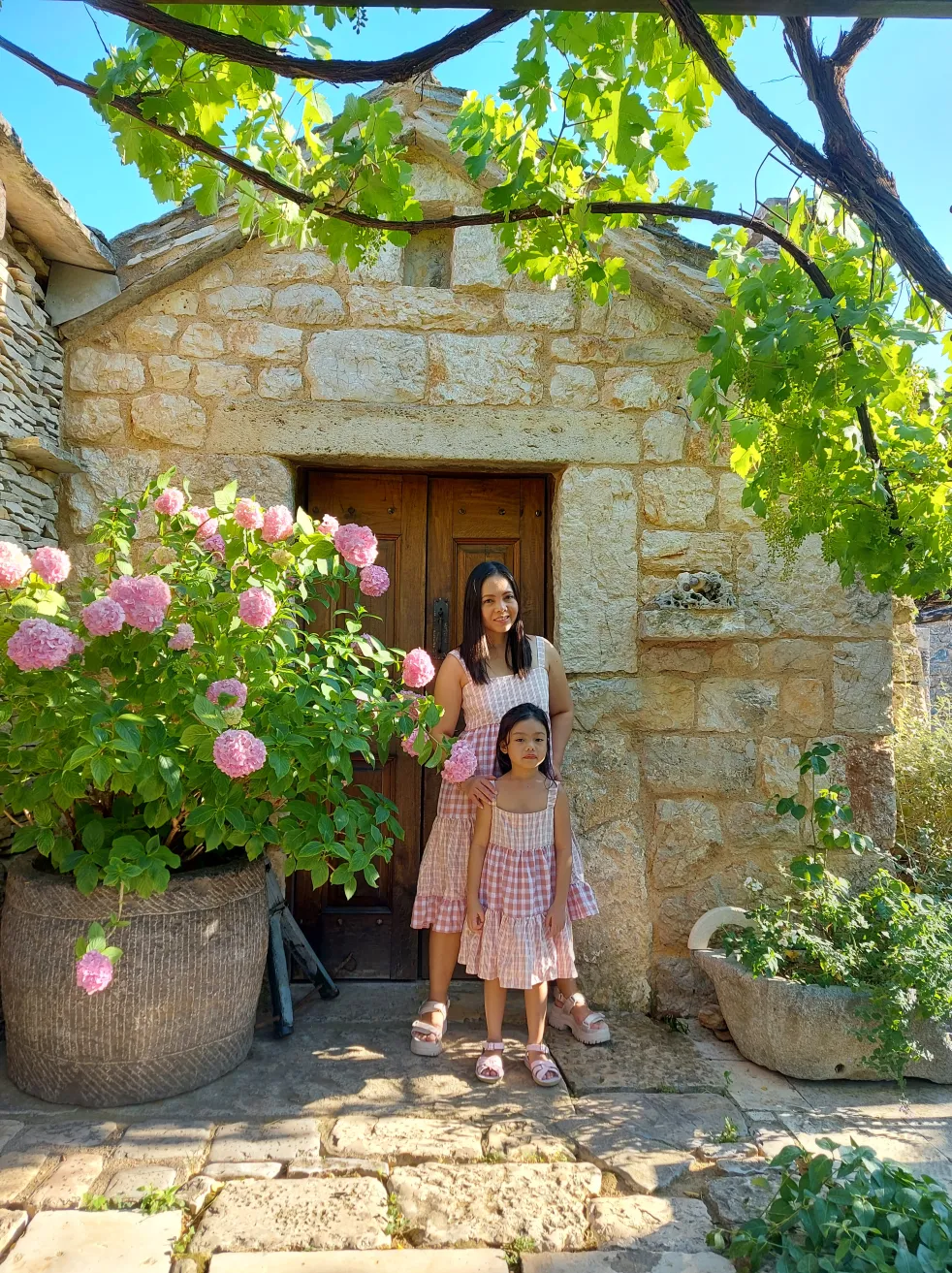
As poet and philosopher Rumi once eloquently said, “raise your words, not your voice. It is rain that grows flowers, not thunder.” Parenting is a challenging journey, and the truth is that nobody has everything figured out. One parenting style might suit others best, and some might favor other methods. However, children respond better to… Continue reading A SIMPLE GUIDE TO GENTLE PARENTING
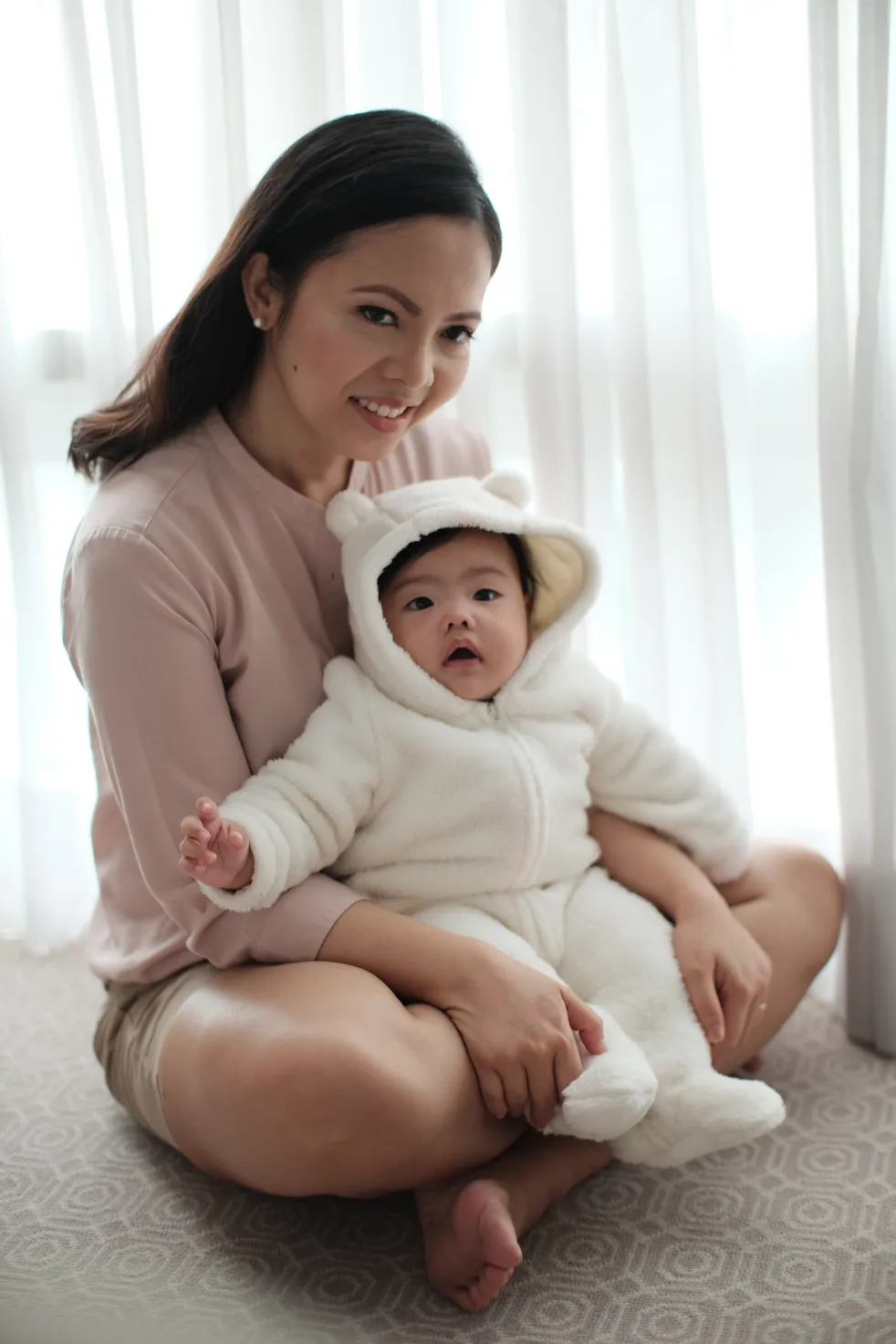
Whether you’re a new mom to be, mom of a toddler, mom who have school-aged kids, you’re bound to have so many questions. Let's start with your baby's skin. Infant skin has unique needs; gentle care is essential to prevent damage to the skin barrier, which can lead to irritation. When caring for infant skin,… Continue reading Keeping Baby’s Diapered Skin Healthy
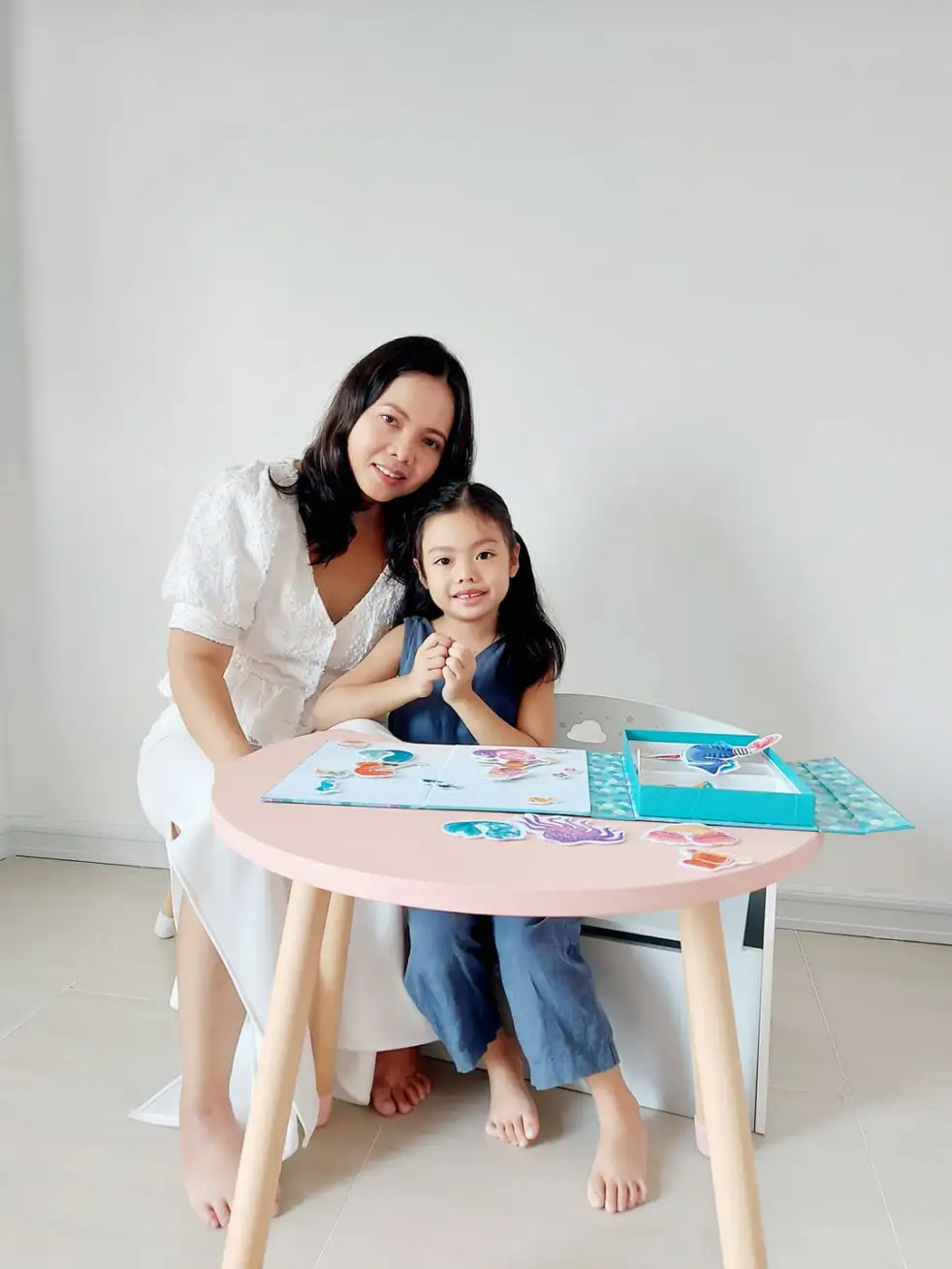
As parents, we want to give our child the best possible start in life and that begins with nurturing their intelligence. Throughout history, the notion of success has been linked to academic intelligence. However, there has been an increased awareness on the importance of emotional intelligence. This question gets at the heart of the never-ending… Continue reading IQ or EQ, which one is a better predictor of your child’s success?
 wondermomma.net