

Last August, IKEA Philippines engaged with Better World Smokey Mountain, a newly opened community center operated by the San Miguel Foundation, which shares a similar goal of improving the lives of many Filipino people. Through this partnership, IKEA Philippines provided and assembled home furnishings for the classrooms and library of Better World Smokey Mountain community… Continue reading Help Create a Better World with IKEA Soft Toys

NutriAsia, the country’s top producer of condiments and sauces, continues its support of Refill Revolution; a project by the Department of Environment and Natural Resources EMB 3 that aims to help reduce Filipinos’ single-use plastics consumption. At Refill Revolution, residents get to recycle their single-use plastic bottles by reusing and filling it with their choice… Continue reading NutriAsia and DENR renews partnership for Refill Revolution

Protecting Your Child's Teeth: When to Start, What to Avoid
The first gummy grin belongs to a baby who has had teeth forming beneath the gums since the second trimester. By the time that tiny white crown pushes through, usually around six months of age, the groundwork for a lifetime of smiles has already been laid. Australian parents live in a country with strong oral health research and practical support, but everyday choices at home still matter most.
Fluoride in tap water, a public health measure that began in places like Beaconsfield, Tasmania in the 1960s, has reduced decay rates across most capital cities. Yet sugary drinks remain widely available, kids' snacks are heavily marketed, and access to affordable dental care varies dramatically between inner-city Sydney, regional Queensland and remote parts of the Northern Territory. Knowing what to start, and what to sidestep, helps families navigate that uneven landscape.
Parents are the gatekeepers of their child's mouth long before any dentist takes a look. Choices about bottles, bedtime drinks, grazing snacks and brushing routines shape the enamel that needs to last into the teenage years and beyond. Some damage, once it starts, is expensive to reverse, which is why prevention deserves a real place in everyday family life.
This piece walks through when to begin caring for little teeth, the traps that catch many Australian families, foods and drinks worth questioning, routines that actually stick, how to tap into local dental support, and habits that carry children into their tween years with confidence.
When the First Tooth Arrives and Why Timing Matters
Most babies cut their first tooth somewhere between four and ten months, with the lower front incisors usually appearing first. Even before a tooth shows up, parents can begin wiping the gums with a clean, damp cloth after feeds. Once a tooth appears, a soft infant brush and a smear of low-fluoride toothpaste designed for under-twos is the typical recommendation.
The Australian Dental Association encourages a first dental visit by the time a child turns one, or within six months of the first tooth appearing. The visit is usually more about education than treatment: checking eruption patterns, discussing fluoride exposure, walking through feeding habits and answering the small questions that pile up during the baby months. In Melbourne or Brisbane, finding a paediatric dentist comfortable with infants is rarely difficult; in smaller towns it may mean travelling to the nearest regional centre.
Baby teeth matter beyond their temporary role. They hold space for adult teeth, support clear speech and allow proper chewing for nutrition. Losing them early to decay can lead to crowding, costly orthodontic work and a lingering fear of the dental chair.
Fluoride, Tap Water and the Local Reality
Fluoride in drinking water is one of the quiet wins of Australian public health. Coverage is high across Sydney, Adelaide, Perth and Canberra, with most residents benefiting from adjusted levels that strengthen enamel and slow decay. Queensland lags behind in some regional councils, and parts of the Northern Territory rely on tank water or small community supplies that may not include fluoride. Hobart sits somewhere in the middle, with most suburbs covered and a few outer areas outside the network.
For children who drink mains tap water, brushing twice daily with fluoride toothpaste is usually enough to keep early decay at bay. Parents in low-fluoride areas can ask their dentist about fluoride varnish treatments or supplementary drops, prescribed case by case. Toothpaste strength matters too. Children under six should use a lower-concentration paste and a tiny smear, while older kids can graduate to a pea-sized amount of standard family toothpaste.
Common Missteps That Catch Australian Families
The bottle at bedtime is one of the most familiar scenes in Australian households, and one of the riskiest for young teeth. Milk, formula or juice pooling around the gums while a baby sleeps feeds the bacteria that cause early childhood caries. Water is the only safe drink for a sleeping child.
Other frequent missteps include dipping a dummy in honey, sharing a spoon to test food (this passes cavity-causing bacteria from adult to child), and assuming that temporary teeth do not need professional attention. Skipping check-ups can mean missing decay silently working between teeth.
Pacifier use beyond the toddler years can nudge developing teeth out of alignment. Most dentists recommend gentle weaning by around two to three years of age, before the front teeth begin to drift.
Foods and Drinks That Quietly Wear Down Enamel
Sugar sneaks into Australian pantries in forms that look wholesome. Fruit juices marketed for children, breakfast drinks like Milo mixed into warm milk, fruit leathers, muesli bars and some toddler biscuits pack enough sugar to keep decay busy between brushings. Dried fruit in particular sticks to the grooves of molars, providing a long-lasting sugar bath for bacteria.
Soft drinks and sports drinks are a particular concern for older kids. A single 600ml bottle of a popular Australian sports drink can contain more than ten teaspoons of sugar. Electrolyte products, useful during intense summer sport, are not everyday drinks and should be saved for genuine dehydration.
Better choices include plain water, full-cream milk for under-twos and reduced-fat milk thereafter, sliced fresh fruit, cheese, plain yoghurt and crunchy vegetables. Letting kids graze on sugary snacks throughout the day is harder on teeth than eating them at once during a meal, because each grazing session starts a fresh acid attack on enamel.
Brushing Routines That Stick
A brushing routine only works when it fits the rhythm of family life. Many Australian households find that brushing together after dinner and again in the morning soon becomes automatic. A two-minute song, a sand timer or a brushing app designed for kids can keep little hands engaged until they have the dexterity to manage alone, usually around seven or eight years old.
Choosing the right brush matters too. A small head with soft bristles suits small mouths, and electric toothbrushes designed for children can make the job easier once a child is old enough to use them safely. Parents should still do a final brush themselves until the child can write their own name neatly, a rough but reliable marker of fine motor skill.
Accessing Affordable Dental Care Across the Country
The Child Dental Benefits Schedule provides eligible families with up to a set amount of government-funded dental care over a two-year period for children aged between two and seventeen. The benefit covers examinations, cleaning, x-rays, fissure sealing and basic restorative work, and is accepted by many private dentists across Sydney, Perth and Adelaide. Eligibility is means-tested and tied to Family Tax Benefit payments, so it is worth checking through Services Australia or the family's MyGov account.
Public dental services operate in every state and territory, often through community health centres and school-based programs. Wait times can be long, particularly in outer suburbs of Melbourne and Brisbane and across large parts of regional Western Australia. Private health insurance extras cover can shorten waiting times for those who hold it. For very remote communities, mobile dental vans and the Royal Flying Doctor Service occasionally bring care to places that would otherwise go without.
Habits That Carry Children Into the Tween Years
By primary school, children can take more responsibility for their own brushing, though a parent should still check in regularly. The tween years bring new challenges: sports, orthodontic assessments and peer influence on snacks and drinks. Custom-fitted mouthguards are essential for kids playing rugby union, rugby league, AFL, hockey or any contact sport, and are far safer than the boil-and-bite alternatives sold at supermarkets.
Conversations about why certain foods are kept for occasional treats, rather than demonised, help children develop a healthy relationship with sugar. Modelling good habits matters too, since kids who see parents brushing, flossing and choosing water tend to copy the pattern. With the right start and a few honest conversations along the way, protecting your child's teeth becomes less about rules and more about a shared family rhythm that lasts.
Daily Habits Worth Building From the Start
- Wipe gums with a damp cloth even before teeth appear
- Book the first dental visit by the first birthday
- Use a smear of low-fluoride toothpaste for under-twos, then a pea-sized amount
- Offer water only during sleep and between meals
- Keep sugary snacks and drinks to mealtimes rather than grazing
- Brush together morning and night, finishing the job yourself until your child can write their name neatly
- Schedule regular check-ups and ask about fluoride needs in your area

Mercato Centrale, in collaboration with Indian Women in Enterprise Philippines (I-We), is set to host "The Great Indian Fiesta" to mark 75 years of friendship between India and the Philippines. The dynamic two-day event is scheduled to take place on September 30 to October 1, 2023, at Paseo De Roxas Street, Makati City. Aiming to… Continue reading Mercato Centrale Partners with I-We to Host ‘The Great Indian Fiesta’, Commemorating 75 Years of India-Philippines Friendship

My stomach would usually start growling at 10 am even after taking a big breakfast. This is probably because I am a morning person and I move a lot throughout the day hence snacking is something that I can't avoid. This potatoes and chicken wrap recipe is easy to prepare and would keep me full… Continue reading Potato and Chicken Wrap
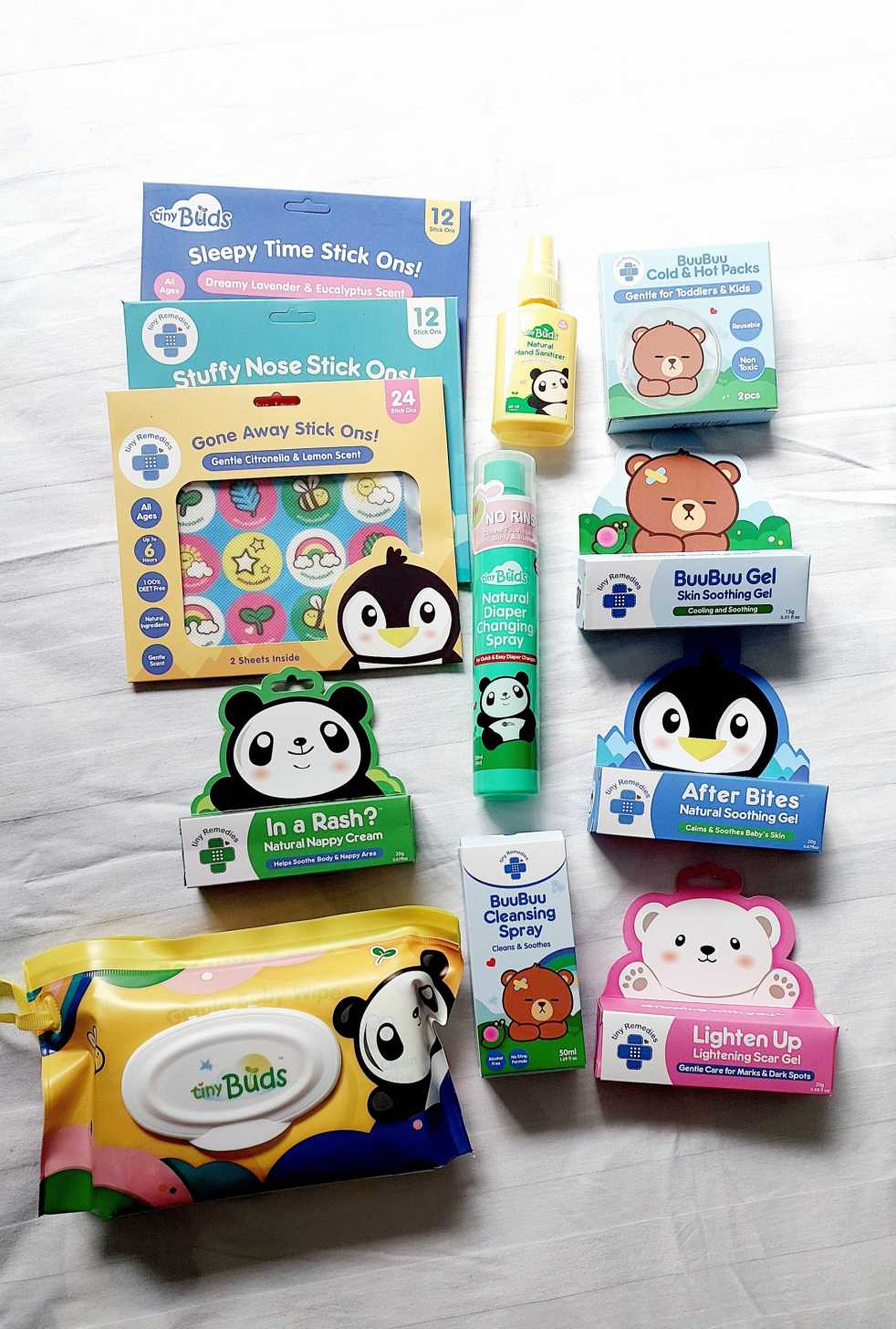
Your baby’s skin is more delicate than most, this is why you have to choose products that are designed for sensitive skin. Tiny Buds is a pioneer in integrating natural ingredients into baby care and today has over 50 innovative natural baby care essentials and is one of the Top Baby Personal Care brands. Here… Continue reading Product Review: Tiny Buds Baby Naturals Baby Essentials
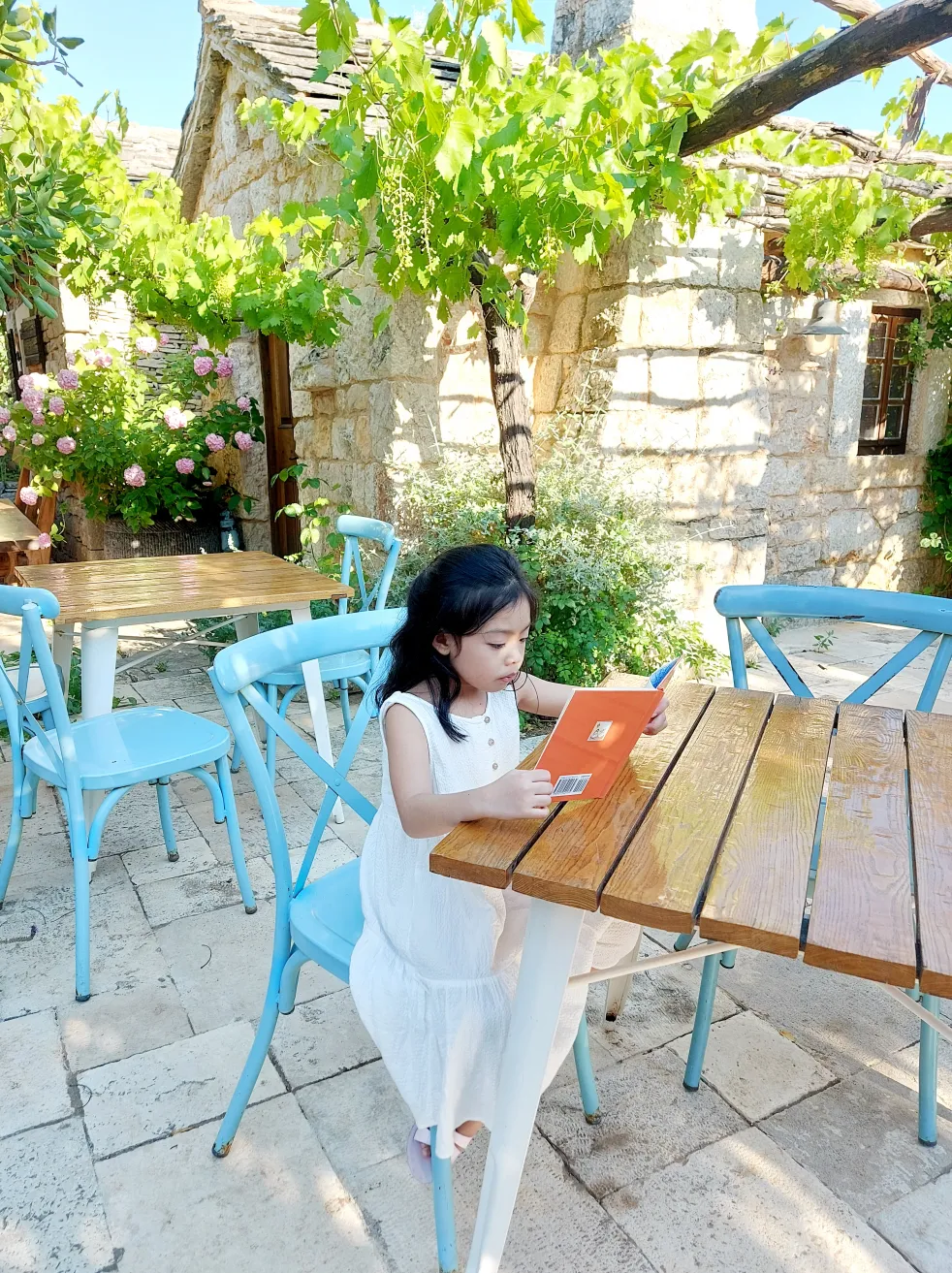
Where your child goes to school is a big decision and shouldn’t be taken lightly. Given how their education can impact their future, you might be tempted to take control and decide for them. However, you might be doing more damage than helping them in the long run. Your job as parents is to support… Continue reading HOW TO CHOOSE THE BEST SCHOOL FOR YOUR CHILD

As poet and philosopher Rumi once eloquently said, “raise your words, not your voice. It is rain that grows flowers, not thunder.” Parenting is a challenging journey, and the truth is that nobody has everything figured out. One parenting style might suit others best, and some might favor other methods. However, children respond better to… Continue reading A SIMPLE GUIDE TO GENTLE PARENTING

Whether you’re a new mom to be, mom of a toddler, mom who have school-aged kids, you’re bound to have so many questions. Let's start with your baby's skin. Infant skin has unique needs; gentle care is essential to prevent damage to the skin barrier, which can lead to irritation. When caring for infant skin,… Continue reading Keeping Baby’s Diapered Skin Healthy

As parents, we want to give our child the best possible start in life and that begins with nurturing their intelligence. Throughout history, the notion of success has been linked to academic intelligence. However, there has been an increased awareness on the importance of emotional intelligence. This question gets at the heart of the never-ending… Continue reading IQ or EQ, which one is a better predictor of your child’s success?
 wondermomma.net