
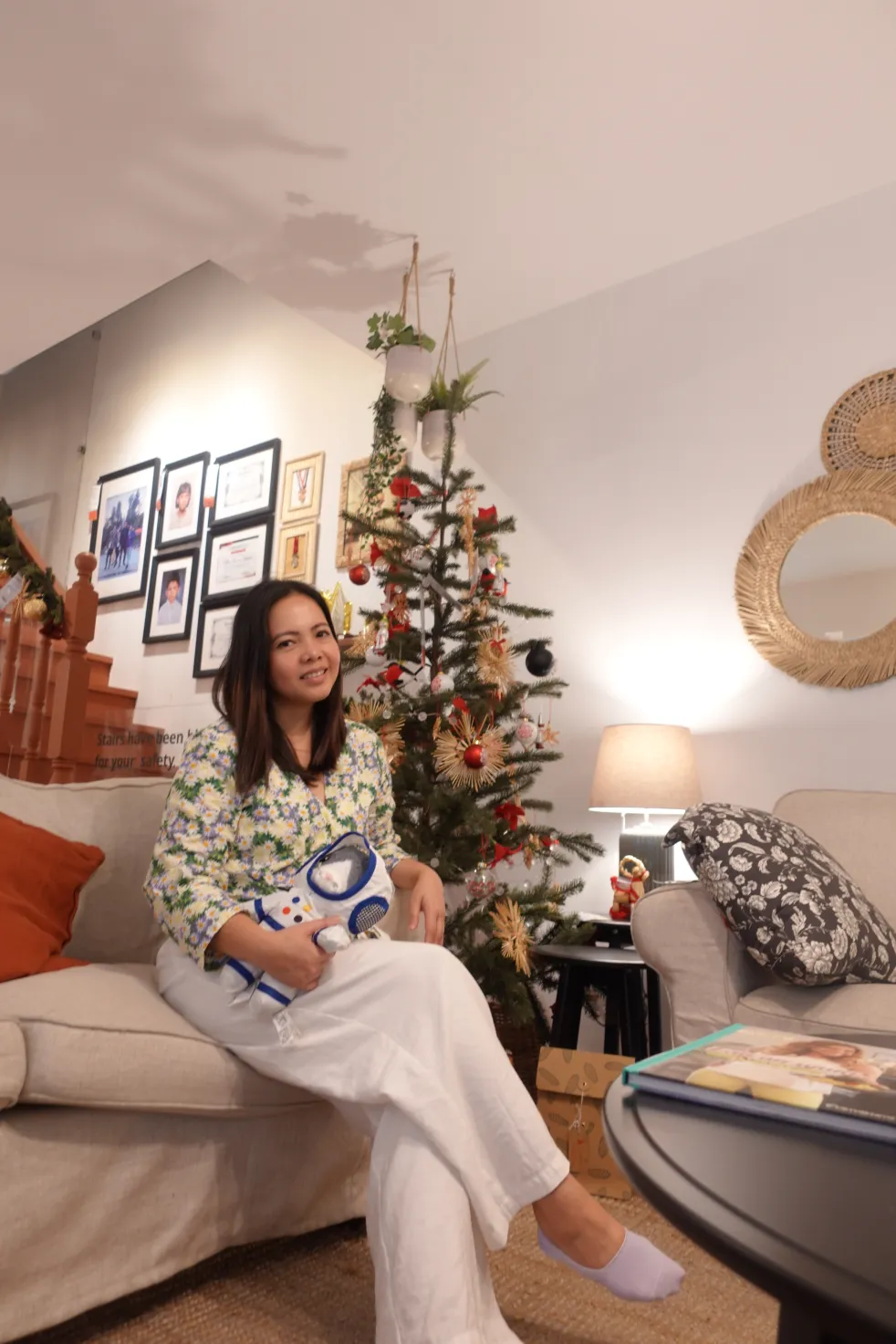
Last August, IKEA Philippines engaged with Better World Smokey Mountain, a newly opened community center operated by the San Miguel Foundation, which shares a similar goal of improving the lives of many Filipino people. Through this partnership, IKEA Philippines provided and assembled home furnishings for the classrooms and library of Better World Smokey Mountain community… Continue reading Help Create a Better World with IKEA Soft Toys
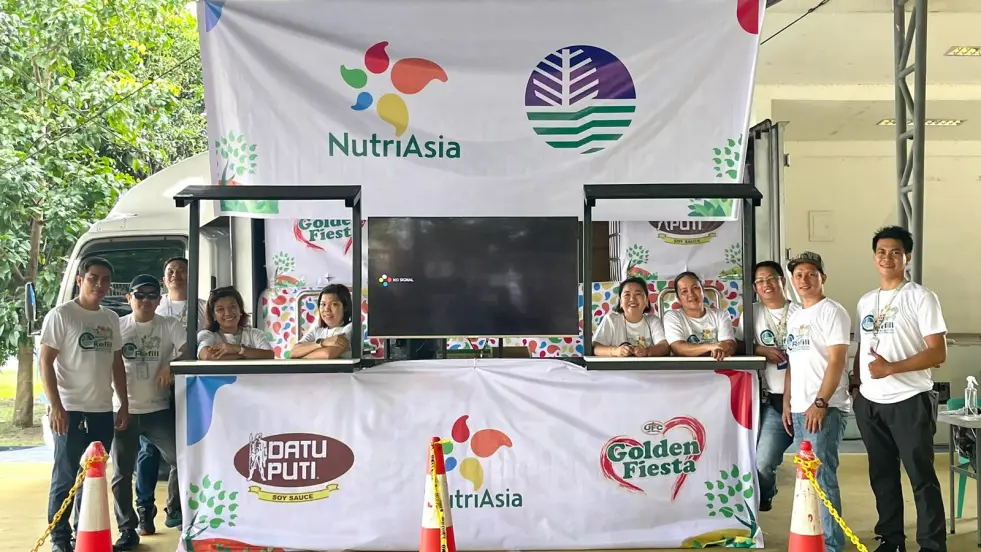
NutriAsia, the country’s top producer of condiments and sauces, continues its support of Refill Revolution; a project by the Department of Environment and Natural Resources EMB 3 that aims to help reduce Filipinos’ single-use plastics consumption. At Refill Revolution, residents get to recycle their single-use plastic bottles by reusing and filling it with their choice… Continue reading NutriAsia and DENR renews partnership for Refill Revolution

A practical toy rotation system to keep your child engaged
Most parents eventually notice the same pattern in the playroom: a mountain of toys, yet their child seems bored within minutes and asks for a screen. The clutter grows, the excitement fades, and the toys that once sparked imagination sit untouched in the corner. It is a common experience in family homes from Sydney to Perth, where living spaces are often compact and storage is at a premium.
A toy rotation system offers a refreshing solution that requires no extra purchases and minimal extra space. By dividing your child's collection into smaller groups and cycling them on a set schedule, you recreate that "new toy" feeling every few weeks. The approach aligns beautifully with the play-based learning principles encouraged under the Australian Early Years Learning Framework, which values intentional, unhurried engagement with materials.
Beyond rekindling interest, rotation supports focus, creativity, and longer attention spans. It also gives parents a practical way to stay on top of tidying without a daily battle. Whether you live in a Brisbane apartment or a suburban Adelaide home, the system can be tailored to your family rhythm and the realities of Australian life.
This guide walks you through setting up a rotation that actually works, from sorting and categorising to building a sustainable schedule. You will find practical tips drawn from early childhood educators, real parenting routines, and the kinds of toy collections common in Australian households.
Why rotation works for growing minds
Children crave novelty, but they also need repetition to truly master new skills. A toy rotation system strikes a careful balance between these two needs. When the same toys reappear after a break, a toddler often treats a familiar puzzle as a fresh challenge, while a preschooler might discover new ways to build with blocks they had previously ignored.
Australian early childhood research consistently highlights the value of intentional play environments. Rather than overwhelming children with choices, educators working under the National Quality Framework recommend curating smaller selections that invite deeper engagement. Rotation brings that same principle into the family home, turning the playroom into a space that grows with your child rather than against them.
There is also a practical developmental benefit. When fewer toys are available at once, children spend more time negotiating, problem-solving, and using their imagination to combine objects in unexpected ways. Parents often report that language skills improve and tantrums decrease once the constant pull of overstimulation is removed from daily play.
Finally, rotation gives you a clearer window into your child's current interests and stage. Because you see the same toys reappear in waves, you can track which ones hold attention longest, which spark social play, and which are ready to be passed on. This kind of observation is gold for tailoring activities to your child's unique rhythm.
Sorting your collection with a fresh eye
Before you can rotate, you need to know exactly what you have. Set aside a weekend morning, perhaps after a Saturday trip to the local farmers' market in Melbourne or a morning swim at the beach in Perth, and pull every toy out into a single space. Yes, every single one, including the basket of "little bits" that lives in the lounge room.
Group the toys into rough categories: building and construction, pretend play and dolls, vehicles and transport, art and sensory, puzzles and games, musical instruments, and outdoor or gross-motor toys. Within each category, separate the favourites from the rarely touched items. Be honest about what truly gets used and what simply takes up shelf space.
Safety also matters during this process. Australia follows strict mandatory toy safety standards under the Australian Consumer Law, and products from major retailers such as Kmart, Target, Big W, and IKEA are generally compliant. Even so, check for loose parts, frayed fabric, or broken pieces as you sort. Anything damaged should be repaired, recycled through a local council program, or discarded safely.
Once sorted, count how many toys fall into each category. This will help you decide how many groups to create and how long each rotation should last. A good rule of thumb for preschool-aged children is around eight to twelve toys per group, depending on the size and complexity of the items.
Designing your rotation categories
With your sorted piles in front of you, it is time to build the actual sets. Aim for three to five rotation groups per category, depending on the size of your collection. For example, you might have three bins of building toys, each with a different theme such as magnetic tiles, wooden blocks, and Duplo.
When designing each group, think about variety and balance. Mix open-ended toys with more directed ones, pair active options with quieter activities, and include at least one item that encourages social play. If you are rotating for a toddler, include a familiar comfort toy in every group so your child always has a sense of security.
Consider the Australian climate and lifestyle too. In tropical Darwin or humid Brisbane, plastic and wooden toys can be affected by moisture, so store rotation bins in a cool, dry spot. If you have a backyard, you might create a separate outdoor rotation with sand toys, water tables, and ride-on vehicles, swapping them seasonally to match the weather.
Label each bin clearly with a picture or a simple word, especially if your child is old enough to recognise them. Clear plastic containers from an office supply store work well and let you see the contents at a glance. For a more aesthetic option, fabric baskets from a local homewares shop can keep the rotation looking calm and intentional in the living area.
Building a schedule that actually sticks
The best rotation system is the one your family can maintain. Start with a simple cycle of one to two weeks per group, and adjust as you learn what holds your child's attention. Some families prefer a Monday switch-over to mark the start of a fresh play period, while others align rotations with the child care or kindergarten week.
Keep a small notebook, a whiteboard on the fridge, or a note on your phone with the current rotation plan. This avoids the "what bin is out again?" confusion that often derails good intentions. If you are using the Child Care Subsidy or your child attends long daycare in a city like Sydney or Hobart, you might keep the home rotation slightly different from what they experience at care to add extra novelty.
Store the inactive bins in a closet, under a bed, or on a high shelf that your child cannot easily access. Out of sight really does help with the novelty factor, particularly for younger children who have not yet developed strong object permanence. If space is tight, vacuum bags or under-bed storage can hold the off-rotation toys neatly.
Build in a quarterly review every three months. During this review, swap toys in and out of the rotation permanently, donate outgrown items to a local op shop, and refresh categories based on your child's evolving interests. The Salvos and Vinnies accept good-quality toys, and many community groups across Australia welcome donations for playgroup kits.
Keeping the system fresh and engaging
Even the best rotation can grow stale if you never refresh it. Every few months, look for small ways to breathe new life into the existing toys. Add a piece of blue silk to the block bin, a set of cardboard tubes to the construction group, or a few small figurines to the vehicle set. These tiny additions can completely change how a child plays with familiar items.
Theme weeks are another easy win. Create a space week with rockets and astronauts, a café week with play food and a toy till, or a construction week with hard hats and diggers. You do not need to buy anything new, just rearrange what you already have. Parents in regional towns like Ballarat or Cairns often share theme ideas through local Facebook parenting groups, and these can be a great source of inspiration.
Invite grandparents, aunties, uncles, or friends into the rotation too. A beloved relative who gifts a small toy for a birthday or Christmas can have that item featured as a special piece in the next rotation, giving it extra meaning. You can also rotate in items from your own childhood, like a wooden spoon for drumming or a set of buttons for sorting, which adds storytelling and connection.
If your child attends kindergarten or preschool, chat with the educators about what toys and materials capture their interest. Australian early childhood services guided by the EYLF often use loose parts and open-ended materials, and you can mirror that approach at home by adding shells, pine cones, or smooth stones to a sensory bin.
Adapting the system as your child grows
A toy rotation is not a one-size-fits-all solution, and it should evolve with your child. Toddlers thrive on very short rotations of about a week, with simple, chunky toys that support gross motor development. Preschoolers can handle longer cycles and more complex sets, including board games, craft kits, and early STEM toys.
As your child moves into the primary school years, the rotation often shifts from toys to activities and projects. You might rotate craft supplies, Lego sets, science kits, or books alongside a few beloved toys. The principles remain the same: fewer choices, deeper engagement, and a sense that each item has its own moment to shine.
Keep the system flexible enough to leave room for spontaneous play. Some days your child will want the same toy for an entire week, and that is perfectly fine. Rotation is a tool, not a rule, and the goal is always to support your child's natural curiosity and joy.
For more gentle parenting ideas and family lifestyle tips from across Australia, you can find additional resources at wondermomma.net, where practical advice meets real-life routines.
Smart habits for a long-lasting rotation
- Keep a simple rotation chart on the fridge so the whole family knows which bin is in use.
- Store inactive bins in a cool, dry spot away from direct sunlight to protect wooden and fabric toys.
- Donate outgrown toys seasonally to local op shops rather than letting them pile up in the garage.
- Add one or two loose parts like shells, buttons, or cardboard tubes to keep familiar toys feeling new.
- Review the rotation every three months and adjust the categories based on your child's current stage and interests.

Mercato Centrale, in collaboration with Indian Women in Enterprise Philippines (I-We), is set to host "The Great Indian Fiesta" to mark 75 years of friendship between India and the Philippines. The dynamic two-day event is scheduled to take place on September 30 to October 1, 2023, at Paseo De Roxas Street, Makati City. Aiming to… Continue reading Mercato Centrale Partners with I-We to Host ‘The Great Indian Fiesta’, Commemorating 75 Years of India-Philippines Friendship

My stomach would usually start growling at 10 am even after taking a big breakfast. This is probably because I am a morning person and I move a lot throughout the day hence snacking is something that I can't avoid. This potatoes and chicken wrap recipe is easy to prepare and would keep me full… Continue reading Potato and Chicken Wrap
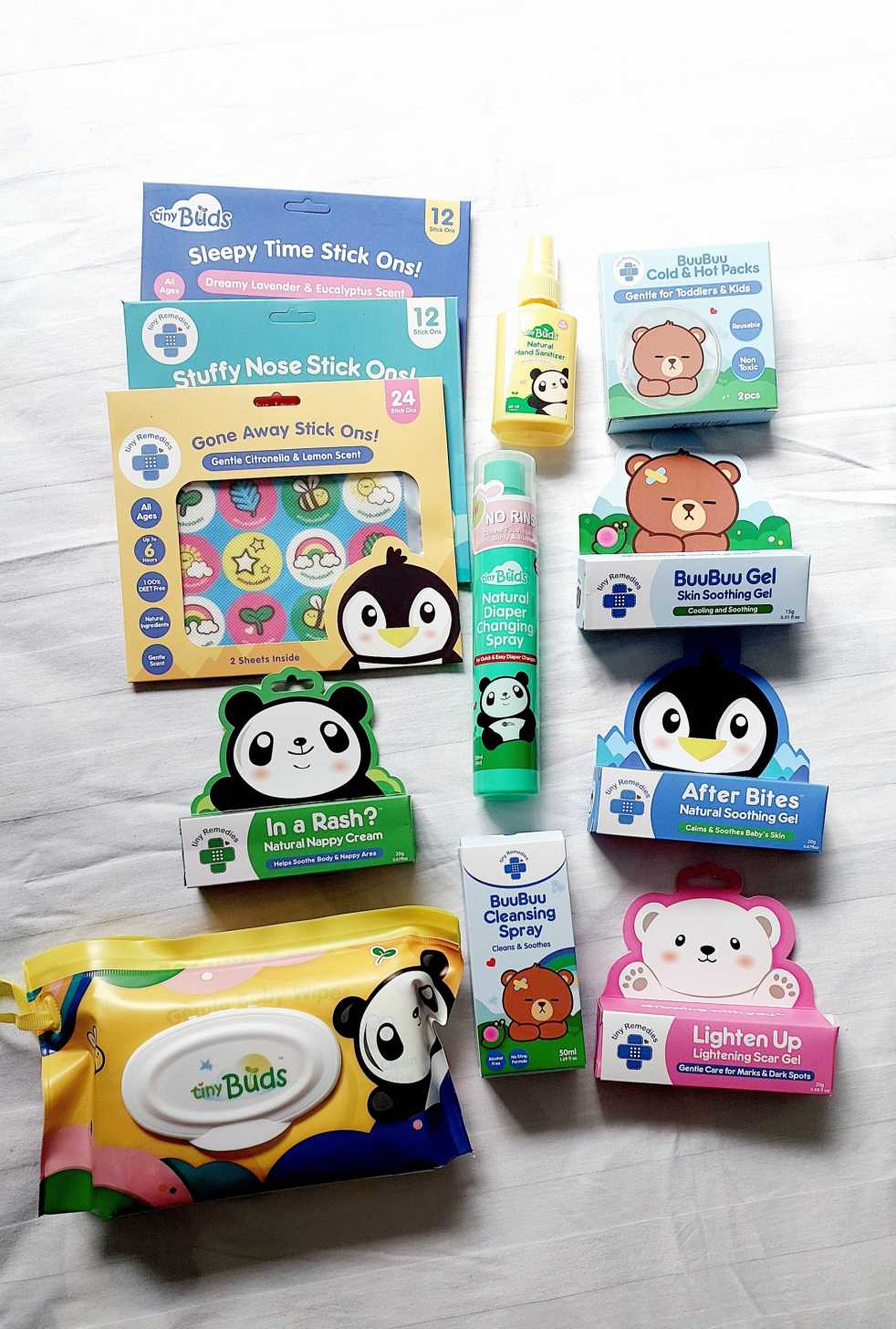
Your baby’s skin is more delicate than most, this is why you have to choose products that are designed for sensitive skin. Tiny Buds is a pioneer in integrating natural ingredients into baby care and today has over 50 innovative natural baby care essentials and is one of the Top Baby Personal Care brands. Here… Continue reading Product Review: Tiny Buds Baby Naturals Baby Essentials
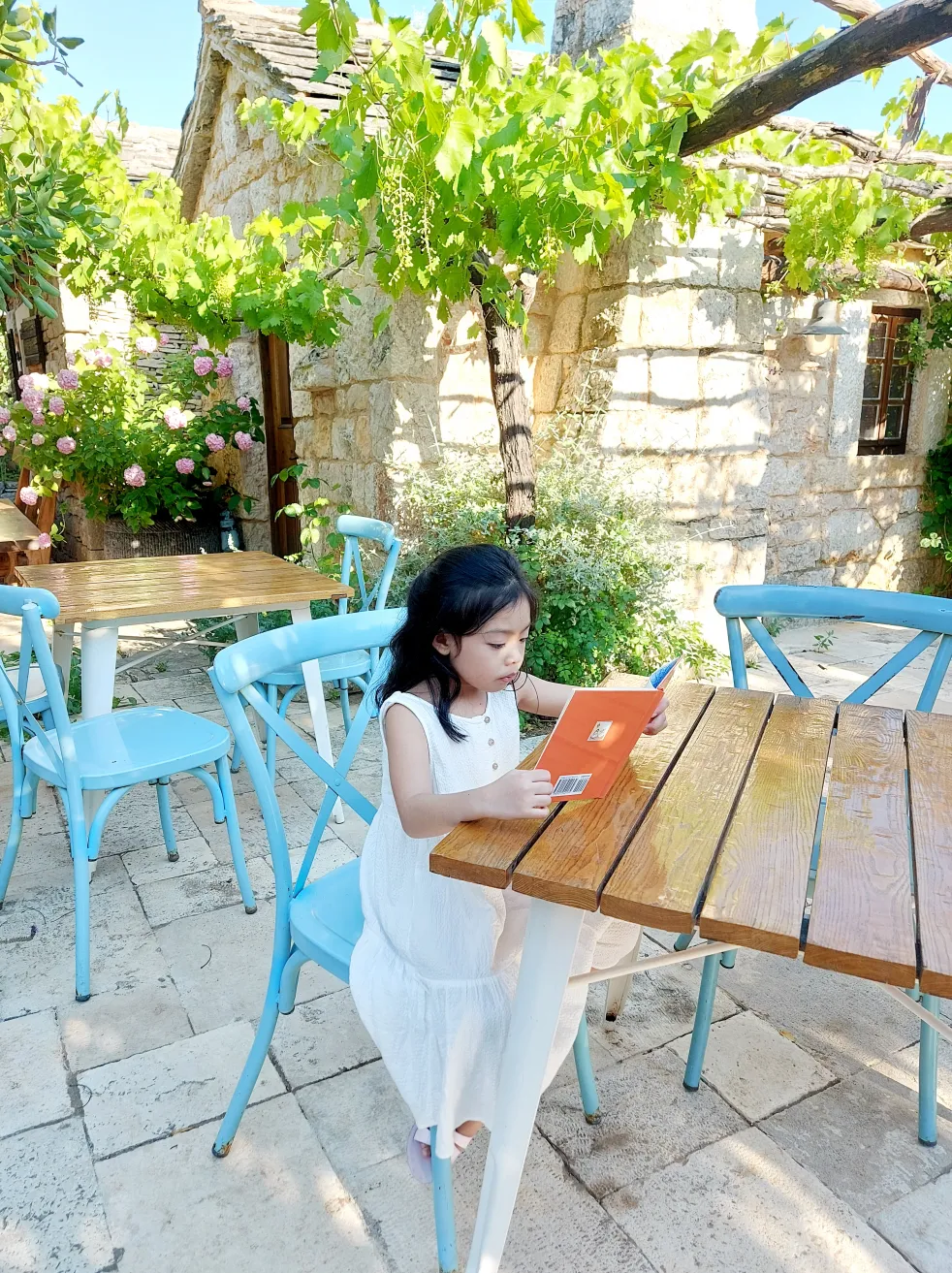
Where your child goes to school is a big decision and shouldn’t be taken lightly. Given how their education can impact their future, you might be tempted to take control and decide for them. However, you might be doing more damage than helping them in the long run. Your job as parents is to support… Continue reading HOW TO CHOOSE THE BEST SCHOOL FOR YOUR CHILD
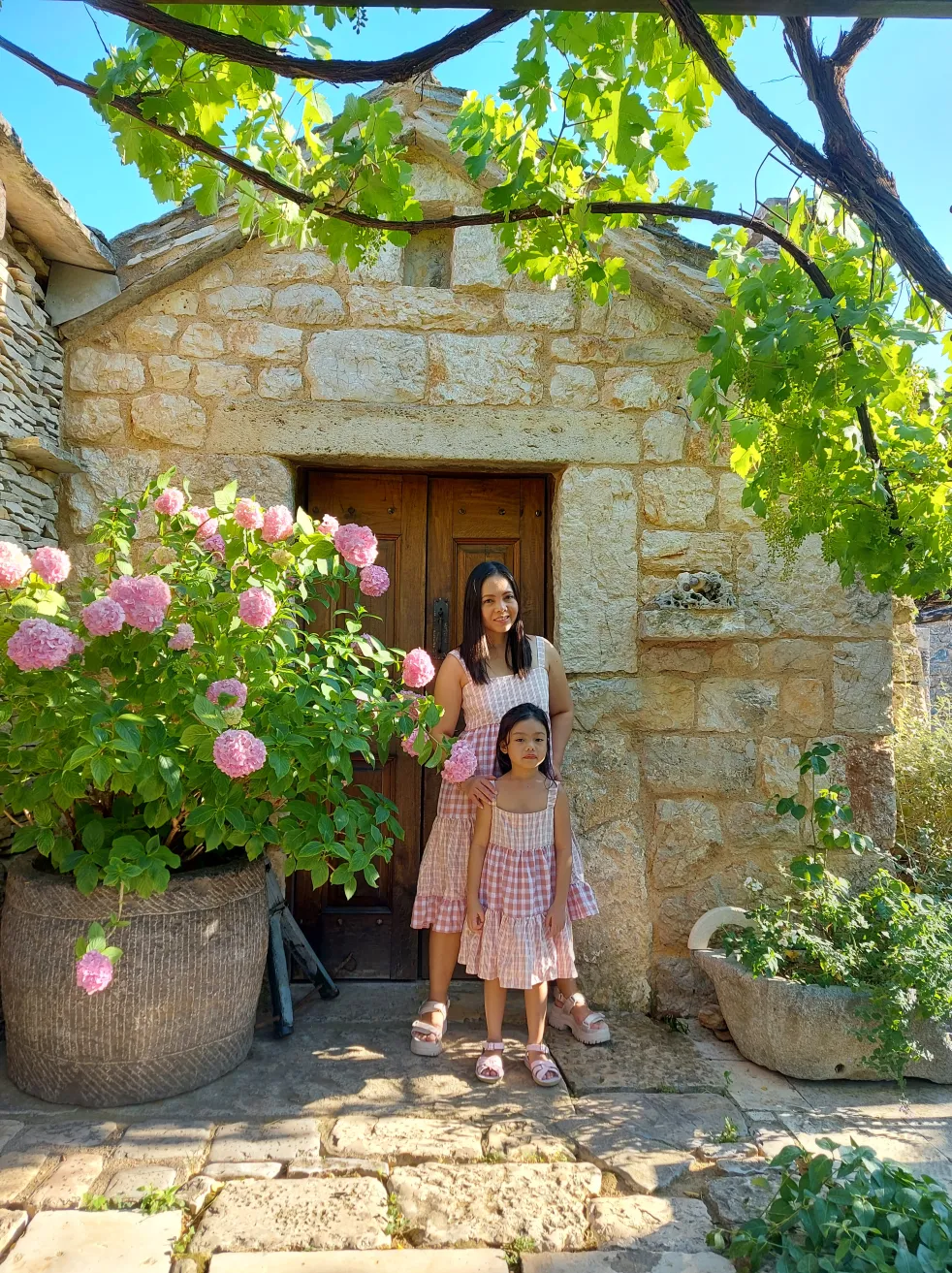
As poet and philosopher Rumi once eloquently said, “raise your words, not your voice. It is rain that grows flowers, not thunder.” Parenting is a challenging journey, and the truth is that nobody has everything figured out. One parenting style might suit others best, and some might favor other methods. However, children respond better to… Continue reading A SIMPLE GUIDE TO GENTLE PARENTING
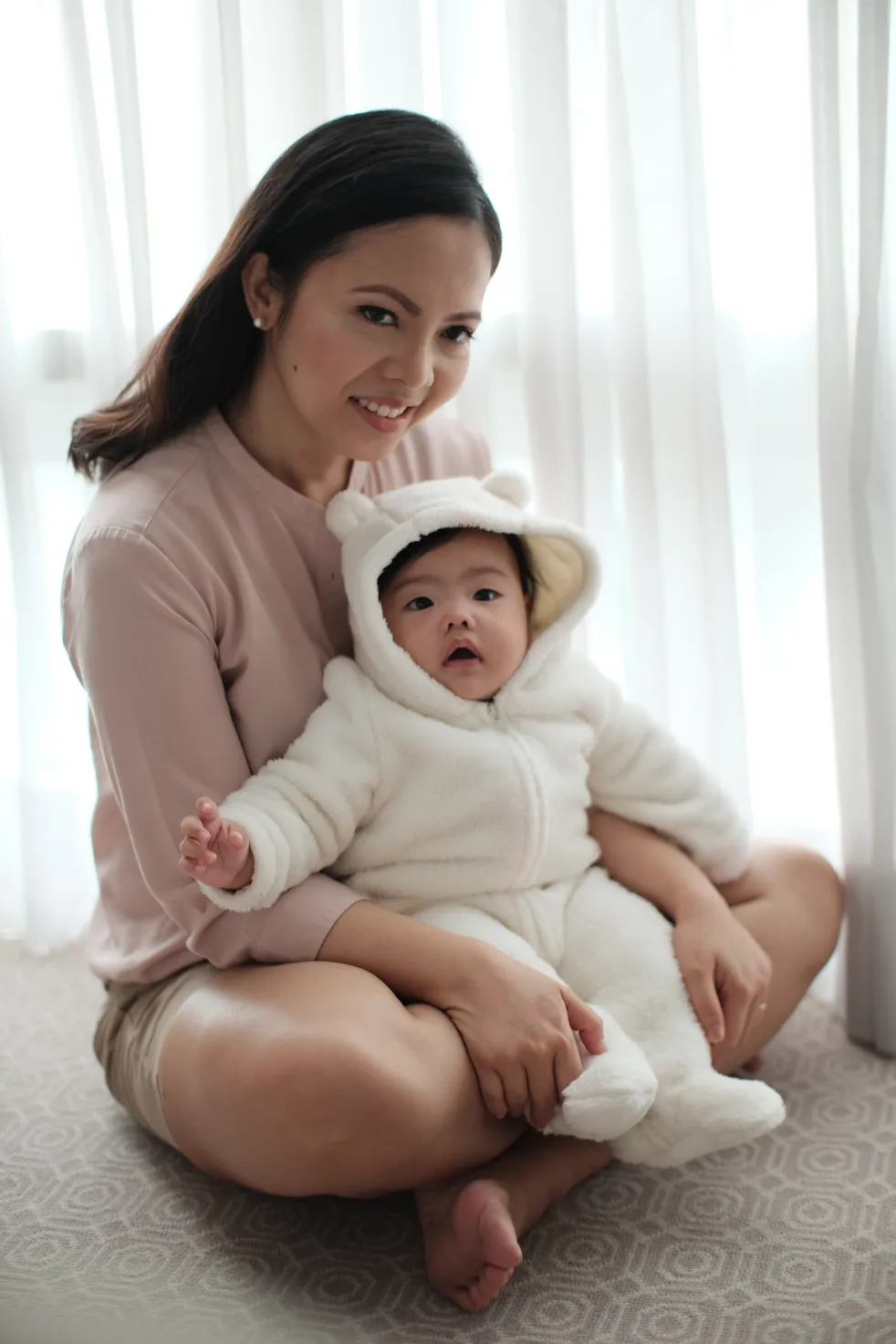
Whether you’re a new mom to be, mom of a toddler, mom who have school-aged kids, you’re bound to have so many questions. Let's start with your baby's skin. Infant skin has unique needs; gentle care is essential to prevent damage to the skin barrier, which can lead to irritation. When caring for infant skin,… Continue reading Keeping Baby’s Diapered Skin Healthy
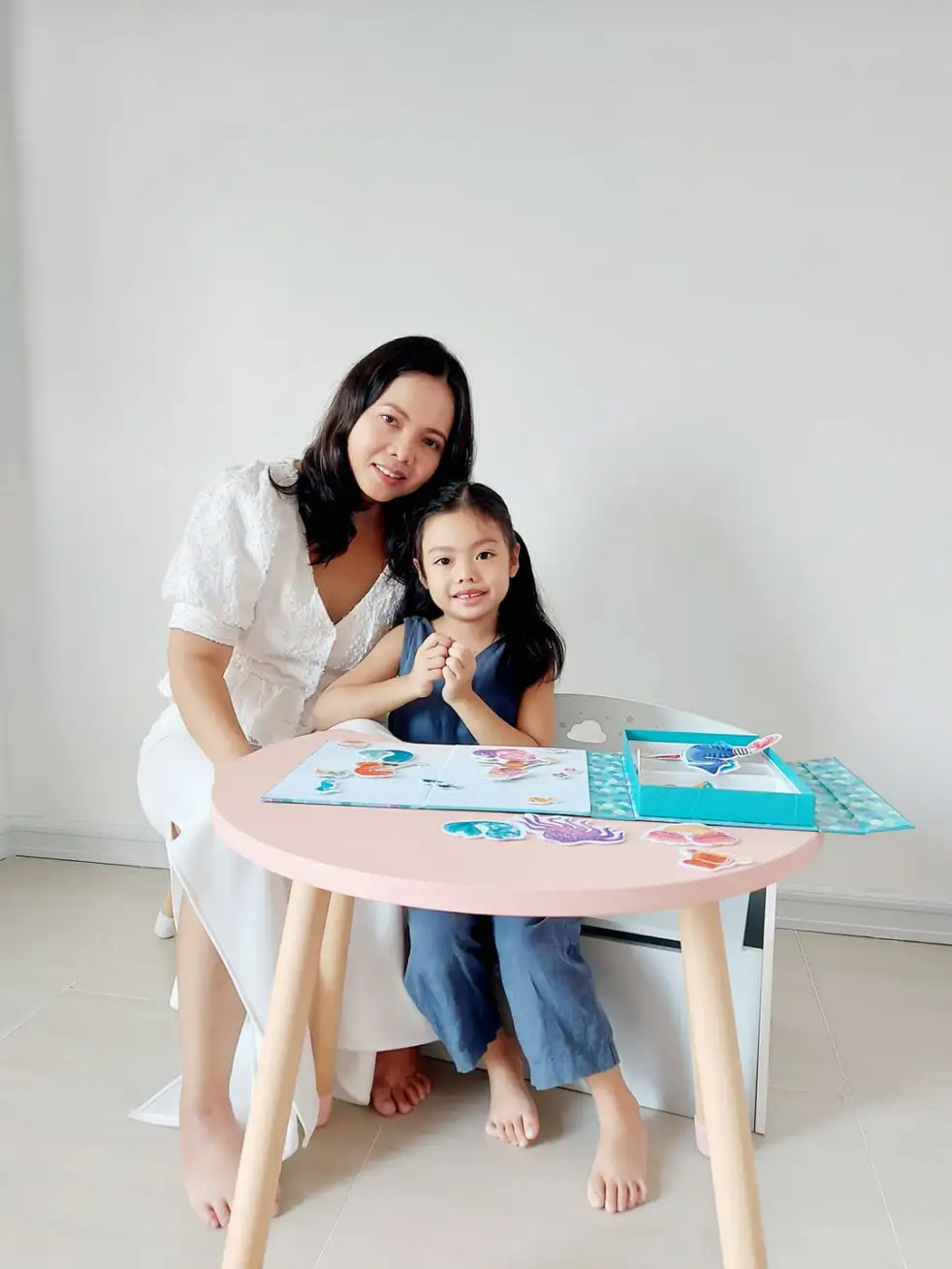
As parents, we want to give our child the best possible start in life and that begins with nurturing their intelligence. Throughout history, the notion of success has been linked to academic intelligence. However, there has been an increased awareness on the importance of emotional intelligence. This question gets at the heart of the never-ending… Continue reading IQ or EQ, which one is a better predictor of your child’s success?
 wondermomma.net