

Last August, IKEA Philippines engaged with Better World Smokey Mountain, a newly opened community center operated by the San Miguel Foundation, which shares a similar goal of improving the lives of many Filipino people. Through this partnership, IKEA Philippines provided and assembled home furnishings for the classrooms and library of Better World Smokey Mountain community… Continue reading Help Create a Better World with IKEA Soft Toys

NutriAsia, the country’s top producer of condiments and sauces, continues its support of Refill Revolution; a project by the Department of Environment and Natural Resources EMB 3 that aims to help reduce Filipinos’ single-use plastics consumption. At Refill Revolution, residents get to recycle their single-use plastic bottles by reusing and filling it with their choice… Continue reading NutriAsia and DENR renews partnership for Refill Revolution

Nighttime Potty Training: Signs And Strategies That Work
Nighttime toilet learning usually takes longer than daytime toilet training. A child may confidently use the toilet during the day and still wet the bed several nights a week. This is usually a normal part of development rather than a sign that your parenting approach has failed.
Dry nights depend on several body systems maturing together. Your child needs to notice a full bladder while asleep, produce less urine overnight, and wake or hold on long enough to reach the toilet. These changes happen at different ages, so comparing siblings or playgroup friends can create unnecessary pressure.
Australian families also manage practical factors such as cooler Melbourne winters, humid nights in Brisbane, shared bedrooms, school routines and the cost of nappies or pull-ups. A calm plan should suit your household, protect sleep and leave room for temporary setbacks.
The most useful approach combines readiness signs, gentle routines and realistic expectations. Rewards can encourage participation, but shame, punishment and repeated forced toilet trips rarely create lasting dry nights.
| Approach | When it may help | What to remember |
|---|---|---|
| Underwear with waterproof protection | Your child wakes dry often and wants to try | Expect occasional wet beds |
| Pull-ups or night nappies | Wetting is frequent or sleep is very deep | Present them as practical sleepwear, not a punishment |
| Scheduled toilet visit | Your child naturally wakes at a predictable time | Do not rely on carrying a fully asleep child every night |
| Bedwetting alarm | Your child is motivated and regularly wets the bed | It needs adult support, patience and consistent use |
| Waiting and revisiting later | Your child is distressed or showing no readiness signs | Pausing is a positive decision, not a failure |
How To Recognise Nighttime Readiness
A child may be ready to practise overnight dryness when their nappy or pull-up is often dry in the morning. Waking to use the toilet, staying dry after a daytime nap and passing a large amount of urine first thing can also suggest that bladder capacity and overnight urine control are developing.
Interest matters as well. Your child may ask to wear underwear, dislike a wet nappy, tell you when they need to wee or poo, and follow the bathroom routine with little help. They should be able to get out of bed, lower clothing and reach the toilet or potty safely, although they will still need assistance at night.
Readiness is rarely all-or-nothing. A child can be physically capable but emotionally reluctant, particularly after moving house, welcoming a new baby, starting childcare or changing rooms. If bedtime toilet training leads to tears, prolonged battles or lost sleep, return to a night nappy and try again later.
Age alone is not a reliable guide. Many children become consistently dry between five and seven, while some take longer. Bedwetting is common in primary-school-aged children, and it is not deliberate behaviour. A family history of later bladder control can also make a difference.
Build A Low-Stress Bedtime Routine
Start with a toilet visit as part of the normal bedtime sequence rather than making it a dramatic event. A simple order might be dinner, bath, pyjamas, teeth, toilet and a short story. Offer water when your child is thirsty, but avoid turning fluid restriction into the main strategy. Children need adequate hydration throughout the day, especially during Australian summer heat and active afternoons.
Make the bathroom easy to reach. A dim night-light, a clear path, a stable step and a child-sized toilet seat can reduce fear and accidents. In a two-storey home, a potty near the bedroom may be useful for a younger child. Keep spare pyjamas and sheets together so a wet bed can be changed without a long, stimulating interruption.
Protect the mattress with a waterproof cover and consider layered bedding: mattress protector, sheet, another protector and a second sheet. This is especially practical during a cold Canberra or Melbourne winter when drying bulky bedding is difficult. Wash wet clothing and sheets promptly, but avoid treating the accident as a crisis.
Praise actions your child can control. “You listened to your body” or “You helped put the wet pyjamas in the basket” is more helpful than promising a reward for a dry night. A sticker chart can recognise using the toilet before bed, getting changed calmly or helping with laundry, rather than making overnight bladder control the measure of success.
Choose Protection Without Shame
There is no need to remove night nappies simply because daytime underwear is going well. Pull-ups, reusable night pants and standard nappies can protect sleep while your child’s body matures. Explain that the product is there to keep the bed comfortable, just as a raincoat keeps clothes dry. Neutral language helps children avoid feeling babyish or embarrassed.
When your child has several dry mornings and wants to try underwear, begin with a low-pressure experiment. Protect the mattress, tell your child what will happen if the bed becomes wet, and keep nightwear close by. A single dry night does not mean the transition is complete, just as one wet night does not mean it has failed.
Families in Australia will find disposable night pants in supermarkets, pharmacies and major online retailers, while reusable options are available from local cloth-nappy businesses and specialist stores. Check sizing, absorbency, fit around the legs and washing instructions. Under the Australian Consumer Law, products sold must be safe, fit for their stated purpose and match descriptions, but individual children may still need different designs.
Avoid waking a child several times simply to keep the sheet dry. A scheduled toilet visit may reduce wetness for a short period, but carrying a deeply sleeping child to the toilet does not necessarily teach them to recognise bladder signals. If you use a planned wake-up, involve your child enough for them to become properly awake and aware of the toilet visit.
Use Alarms And Professional Support Wisely
A bedwetting alarm can help some children learn to respond to a full bladder. A moisture sensor sounds or vibrates when wetness begins, and the parent initially helps the child wake, turn it off and finish on the toilet. Progress can take several weeks, and early alarms may disturb everyone in the household.
Success is more likely when the child understands the plan and wants to participate. Follow the device instructions, keep a record of wet and dry nights, and check that the alarm is comfortable and working correctly. Do not frame it as a test of willpower. A child who becomes anxious may benefit from stopping and trying again later.
Speak with a GP or child health nurse if bedwetting begins suddenly after a long dry period, or if it comes with pain when urinating, unusual thirst, constipation, fever, snoring, daytime accidents or a weak urine stream. Constipation is a frequent contributor because a full bowel can press on the bladder, so regular bowel habits deserve attention.
Australian families can also seek guidance from an continence service or the National Continence Helpline. A health professional can assess urinary tract infection, diabetes, constipation, sleep concerns or other medical causes. Treatment may include constipation management, a bedwetting alarm or, in selected situations, prescribed medicine. Never use someone else’s medication or an online remedy without medical advice.
Handle Accidents And Setbacks Calmly
A wet bed is information, not misbehaviour. Keep your response brief: help your child shower or change, replace the bedding and return to sleep. Avoid teasing, punishment, public discussion or making the child wash everything alone. Children cannot reliably control wet nights, and shame can increase anxiety around sleepovers and school camps.
Setbacks often happen during illness, travel, family stress, colder weather or changes in routine. A child who stays dry at home may wet during a sleepover because the bathroom is unfamiliar or they are nervous about asking for help. Pack discreet spare clothes and, if appropriate, tell the supervising adult privately about the child’s needs.
Childcare centres, preschools and schools in Australia usually have their own toileting and spare-clothing procedures, so check the policy before a transition or overnight excursion. There is no universal requirement that every child must have mastered nighttime dryness before starting school, and expectations can differ between services and states. A private conversation with staff can protect dignity and prevent assumptions.
Keep the goal focused on comfort, confidence and gradual development. Some children will move from nappies to dry nights quickly; others will use protection for years while their sleep and bladder control mature. A supportive routine, practical bedding and timely health advice give children the best chance to progress without turning bedtime into a nightly battle.

Mercato Centrale, in collaboration with Indian Women in Enterprise Philippines (I-We), is set to host "The Great Indian Fiesta" to mark 75 years of friendship between India and the Philippines. The dynamic two-day event is scheduled to take place on September 30 to October 1, 2023, at Paseo De Roxas Street, Makati City. Aiming to… Continue reading Mercato Centrale Partners with I-We to Host ‘The Great Indian Fiesta’, Commemorating 75 Years of India-Philippines Friendship

My stomach would usually start growling at 10 am even after taking a big breakfast. This is probably because I am a morning person and I move a lot throughout the day hence snacking is something that I can't avoid. This potatoes and chicken wrap recipe is easy to prepare and would keep me full… Continue reading Potato and Chicken Wrap
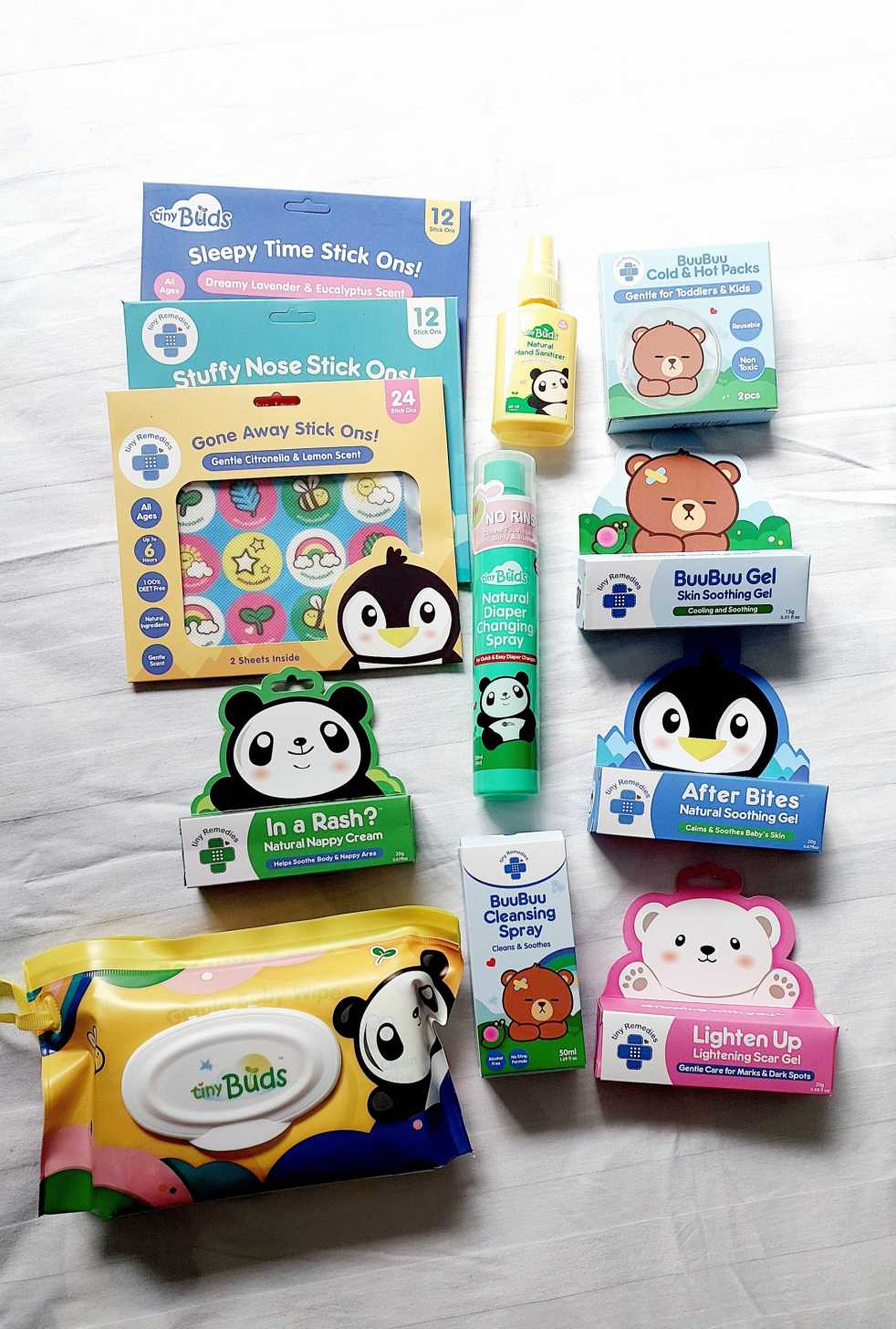
Your baby’s skin is more delicate than most, this is why you have to choose products that are designed for sensitive skin. Tiny Buds is a pioneer in integrating natural ingredients into baby care and today has over 50 innovative natural baby care essentials and is one of the Top Baby Personal Care brands. Here… Continue reading Product Review: Tiny Buds Baby Naturals Baby Essentials

Where your child goes to school is a big decision and shouldn’t be taken lightly. Given how their education can impact their future, you might be tempted to take control and decide for them. However, you might be doing more damage than helping them in the long run. Your job as parents is to support… Continue reading HOW TO CHOOSE THE BEST SCHOOL FOR YOUR CHILD

As poet and philosopher Rumi once eloquently said, “raise your words, not your voice. It is rain that grows flowers, not thunder.” Parenting is a challenging journey, and the truth is that nobody has everything figured out. One parenting style might suit others best, and some might favor other methods. However, children respond better to… Continue reading A SIMPLE GUIDE TO GENTLE PARENTING

Whether you’re a new mom to be, mom of a toddler, mom who have school-aged kids, you’re bound to have so many questions. Let's start with your baby's skin. Infant skin has unique needs; gentle care is essential to prevent damage to the skin barrier, which can lead to irritation. When caring for infant skin,… Continue reading Keeping Baby’s Diapered Skin Healthy

As parents, we want to give our child the best possible start in life and that begins with nurturing their intelligence. Throughout history, the notion of success has been linked to academic intelligence. However, there has been an increased awareness on the importance of emotional intelligence. This question gets at the heart of the never-ending… Continue reading IQ or EQ, which one is a better predictor of your child’s success?
 wondermomma.net