

Last August, IKEA Philippines engaged with Better World Smokey Mountain, a newly opened community center operated by the San Miguel Foundation, which shares a similar goal of improving the lives of many Filipino people. Through this partnership, IKEA Philippines provided and assembled home furnishings for the classrooms and library of Better World Smokey Mountain community… Continue reading Help Create a Better World with IKEA Soft Toys
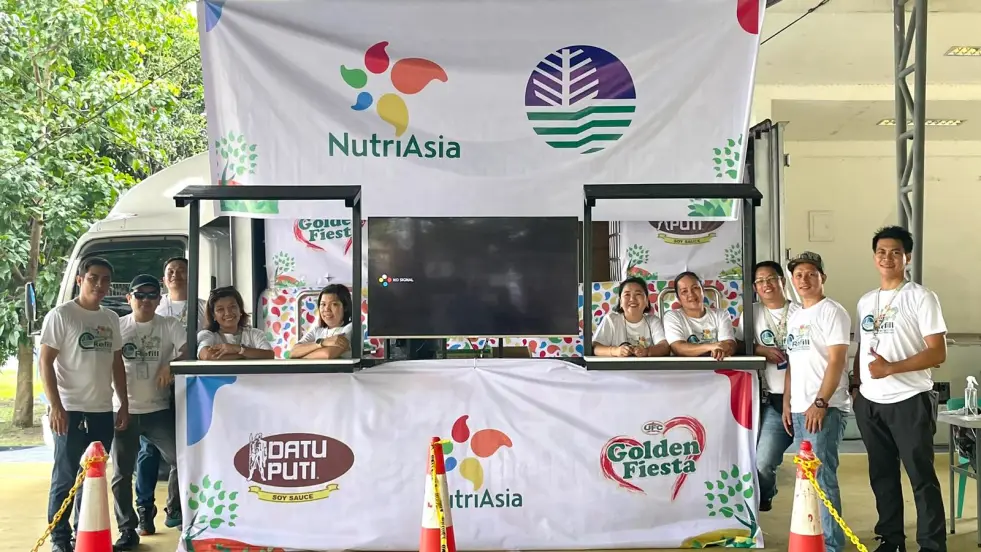
NutriAsia, the country’s top producer of condiments and sauces, continues its support of Refill Revolution; a project by the Department of Environment and Natural Resources EMB 3 that aims to help reduce Filipinos’ single-use plastics consumption. At Refill Revolution, residents get to recycle their single-use plastic bottles by reusing and filling it with their choice… Continue reading NutriAsia and DENR renews partnership for Refill Revolution

Navigating tantrums at the grocery store
Navigating tantrums at the grocery store is less about creating a flawless outing and more about reducing triggers, staying emotionally available and helping children recover. Bright signs, noisy refrigeration units, long queues and unfamiliar people can make a routine shop feel overwhelming. A child may also be communicating hunger, fatigue or a need for more control. Planning for those pressures can make the difference between a difficult visit and a manageable one.
Tantrums and meltdowns are often used interchangeably, although a tantrum commonly follows frustration while a meltdown can occur when the nervous system becomes overloaded. The labels matter less than the response: children need connection, clear limits and time to regulate. Punishing a distressed child or demanding an immediate apology rarely calms the situation and can leave them feeling unsupported.
Gentle parenting does not mean allowing every behaviour or avoiding all discomfort. It means protecting the child’s dignity while maintaining safe, fair boundaries. When adults remain calm, speak simply and offer workable choices, children gradually learn that emotions can be felt without losing connection. The goal is not a silent supermarket visit; it is a child who knows how to return to safety when big feelings arrive.
Prevent the overload before leaving home
Start with the timing. Many families find that a short shop after breakfast or lunch produces fewer battles than a late-afternoon trip when everyone is hungry and tired. This is particularly noticeable in hot Australian cities, where children can become overheated and restless after a long, active morning. If a shop is unavoidable during a vulnerable period, change the plan rather than expecting your child to manage it perfectly.
Food can prevent a public struggle, but keep the snack simple and easy to eat. A banana, small yoghurt or crackers in the pram may take the edge off hunger without filling the child so heavily that they feel sluggish. Let them drink water before leaving, and use the toilet, as an empty bladder adds another source of discomfort. A familiar blanket or small toy can also provide security in a busy environment.
If a baby joins the outing, build some active floor time into the morning and review baby tummy time mats for a comfortable, supervised option at home. For older children, showing photographs of the supermarket or practising a simple list can make the visit feel more familiar. Ask them to choose between two manageable jobs, such as finding the apples or placing cereal in the trolley.
Stay connected when feelings rise in the aisle
When a child’s voice rises, move closer without making their distress the centre of the entire shop. Say what you see and validate the feeling: “You are very angry because I said no to the toy.” This tells them that you understand, while the boundary remains clear. Avoid lectures, comparisons and threats such as “If you do not stop, we will leave without buying anything.”
Offer choices only when they are real. Instead of asking whether your child wants to leave immediately, try, “Do you want to walk beside me to the car, or sit with me in the quiet end of this aisle?” Two acceptable options give a frustrated child some control without surrendering your responsibility as the adult. Keep your voice low and your body relaxed; children often borrow the emotional intensity of the people around them.
A meltdown needs a smaller goal than perfect behaviour. You might say, “We are going to stay here. I will hold your hand while you breathe.” Use a slow exhale, a wall push or a quiet lap, depending on what helps your child. If there is no safe space nearby, step outside to the car or a shaded area. Leaving briefly is not abandoning the boundary; it is preventing the child and surrounding shoppers from becoming overwhelmed.
Make the checkout routine predictable
The checkout is often where fatigue becomes most visible because the shopping is finished but the child still has to wait. Prepare them for this stage by explaining it before you reach the queue: “We have everything. Now we wait, pay and go home.” Avoid adding unnecessary requests during this already restricted period. If a small meltdown begins, focus on breathing, safe movement and being with them rather than enforcing a final piece of good behaviour.
Australian supermarkets commonly have self-checkout lanes as well as staffed checkouts, so select the option that suits your child. A parent may scan slowly while another adult keeps the child beside the trolley. Many Coles and Woolworths stores also let children under four travel free, and loading the car boot is easier when everyone has stayed together. Familiar routines matter, especially when the family is already tired after work and school activities.
At home, avoid immediately turning the outing into a lecture about what went wrong. Offer water, a quiet place and gentle reconnection after the emotional intensity has passed. Later, when your child is calm, you can identify the trigger and rehearse one simple response for next time. A child who learned from the experience is more likely to use it than one who was overwhelmed by a long explanation.
Fit the plan to Australian shopping life
Shopping conditions differ across Australia. In Sydney, Melbourne and Brisbane, many families live in apartments with compact kitchens, making frequent top-up shops or online grocery deliveries common. Some children consequently experience the supermarket as a regular extension of home rather than an occasional family excursion. Building connection into that reality means accepting that small shops, crowded weekend markets and hurried top-up trips can trigger the same emotions as a full weekly shop.
The local market includes Woolworths and Coles, independent IGA stores, Foodland outlets and neighbourhood fruit-and-vegetable shops. Takeaway food, bakery treats and supermarket displays add choices that children may urgently want. A planned shop reduces exposure to these prompts, but refusing an item calmly is still valuable practice. “We are buying bananas today; the toy is for another day” gives the child information rather than leaving them to guess what is possible.
Everyday Australian habits can support calmer outings. Bring reusable bags, use the trolley rather than carrying several items, and give children a job that does not require waiting. Near the car park, keep children close among moving vehicles and trolleys. The Australian Consumer Law requires retailers and suppliers to provide safe, fit-for-purpose goods and prohibits misleading claims, which matters when buying equipment or products for children. Food sold in Australia must also meet Food Standards Australia New Zealand requirements, including prescribed ingredient and allergen information.
A child does not need to understand these regulations to experience a better shop, but clear labels and trustworthy products make parenting decisions easier. When a product or ingredient causes concern, take a photograph of the packaging and ask the store team or the child’s healthcare professional. Reliable information reduces the mental load adults carry during an already stressful outing.
A calm grocery-run checklist
Use this sequence to decide what is realistic for your family rather than copying an idealised shopping day. Adjust it for your child’s age, temperament, health and the length of the trip. Even two or three dependable steps can prevent the visit from becoming a crisis.
- Shop when your child is fed, rested and likely to have enough time for the visit.
- Pack water, a familiar snack, a small toy and a backup bag for accidents.
- Give the child one simple job and offer two manageable choices when frustration appears.
- Name the feeling, keep the boundary and stay close without delivering a long lecture.
- Use a quiet exit or a brief car break if the child’s nervous system becomes overloaded.
- Keep checkout expectations simple, then reconnect during recovery and revisit the lesson later.
The most useful plan is one the whole family can follow on a difficult day. Eating before the shop, allowing a quiet break and returning without shame all show children that emotional limits do not mean emotional abandonment. Grocery shopping will still include noisy aisles and unpredictable moments, but calm adults and predictable boundaries give children a reliable path back to connection.

Mercato Centrale, in collaboration with Indian Women in Enterprise Philippines (I-We), is set to host "The Great Indian Fiesta" to mark 75 years of friendship between India and the Philippines. The dynamic two-day event is scheduled to take place on September 30 to October 1, 2023, at Paseo De Roxas Street, Makati City. Aiming to… Continue reading Mercato Centrale Partners with I-We to Host ‘The Great Indian Fiesta’, Commemorating 75 Years of India-Philippines Friendship

My stomach would usually start growling at 10 am even after taking a big breakfast. This is probably because I am a morning person and I move a lot throughout the day hence snacking is something that I can't avoid. This potatoes and chicken wrap recipe is easy to prepare and would keep me full… Continue reading Potato and Chicken Wrap
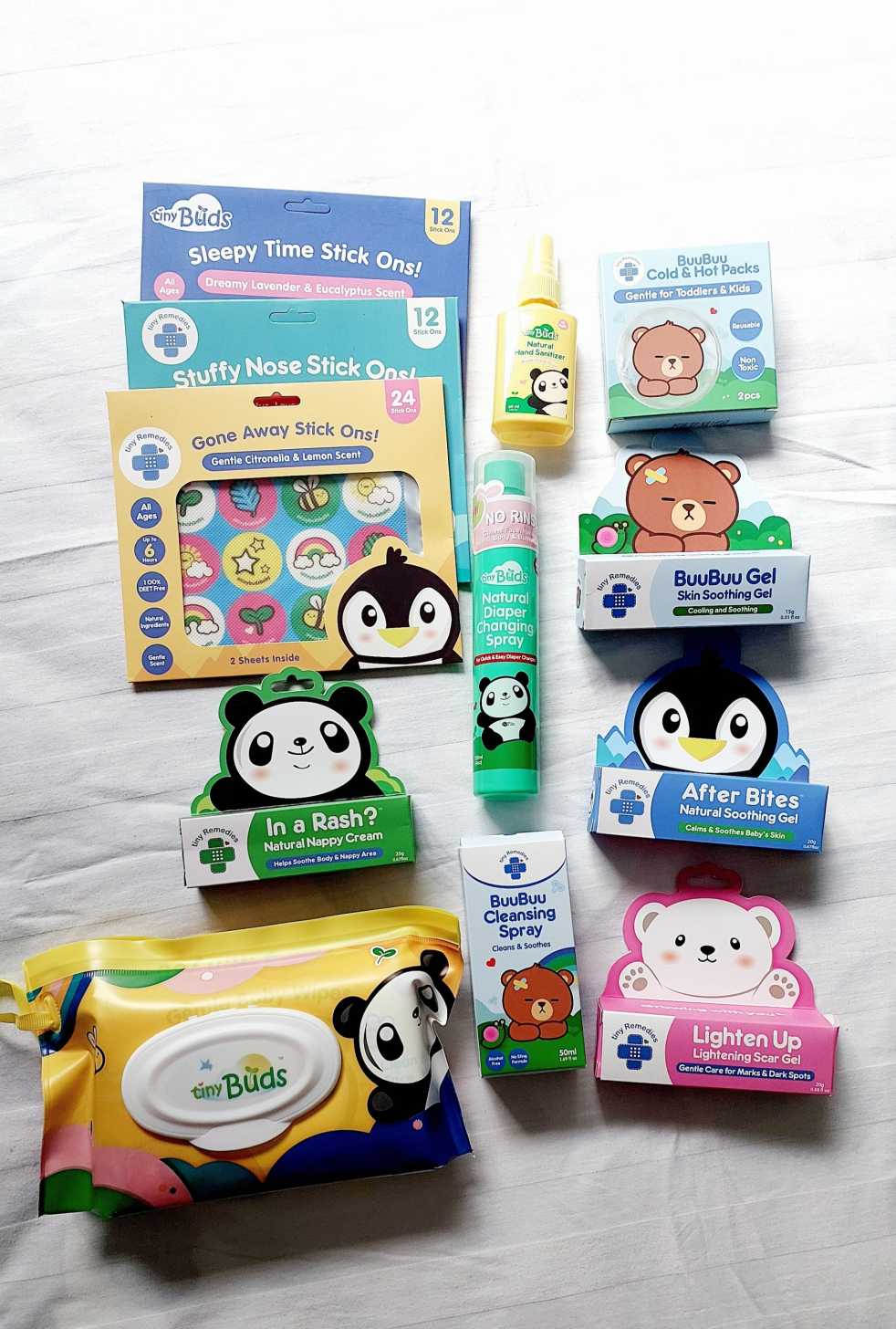
Your baby’s skin is more delicate than most, this is why you have to choose products that are designed for sensitive skin. Tiny Buds is a pioneer in integrating natural ingredients into baby care and today has over 50 innovative natural baby care essentials and is one of the Top Baby Personal Care brands. Here… Continue reading Product Review: Tiny Buds Baby Naturals Baby Essentials
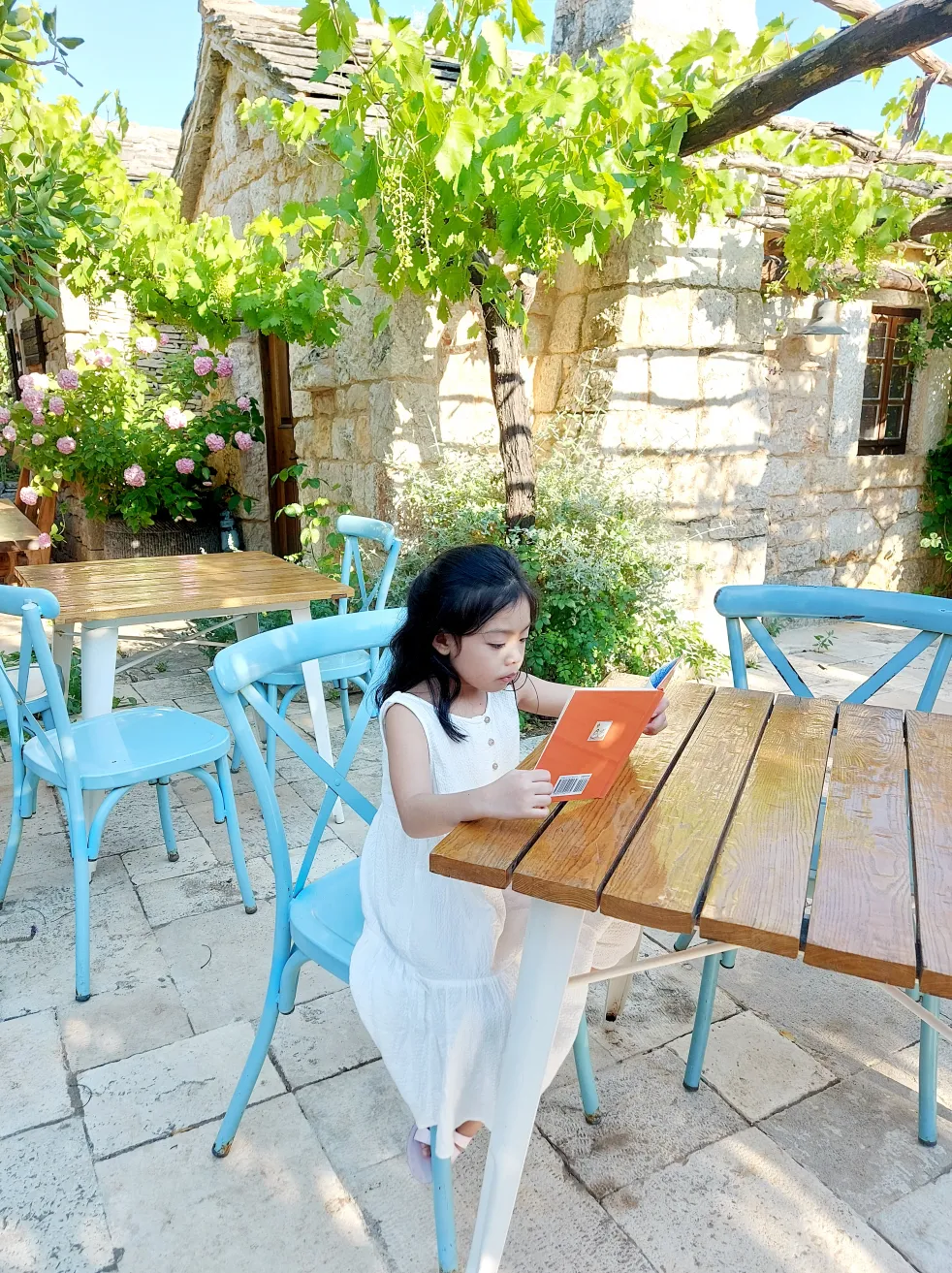
Where your child goes to school is a big decision and shouldn’t be taken lightly. Given how their education can impact their future, you might be tempted to take control and decide for them. However, you might be doing more damage than helping them in the long run. Your job as parents is to support… Continue reading HOW TO CHOOSE THE BEST SCHOOL FOR YOUR CHILD

As poet and philosopher Rumi once eloquently said, “raise your words, not your voice. It is rain that grows flowers, not thunder.” Parenting is a challenging journey, and the truth is that nobody has everything figured out. One parenting style might suit others best, and some might favor other methods. However, children respond better to… Continue reading A SIMPLE GUIDE TO GENTLE PARENTING

Whether you’re a new mom to be, mom of a toddler, mom who have school-aged kids, you’re bound to have so many questions. Let's start with your baby's skin. Infant skin has unique needs; gentle care is essential to prevent damage to the skin barrier, which can lead to irritation. When caring for infant skin,… Continue reading Keeping Baby’s Diapered Skin Healthy
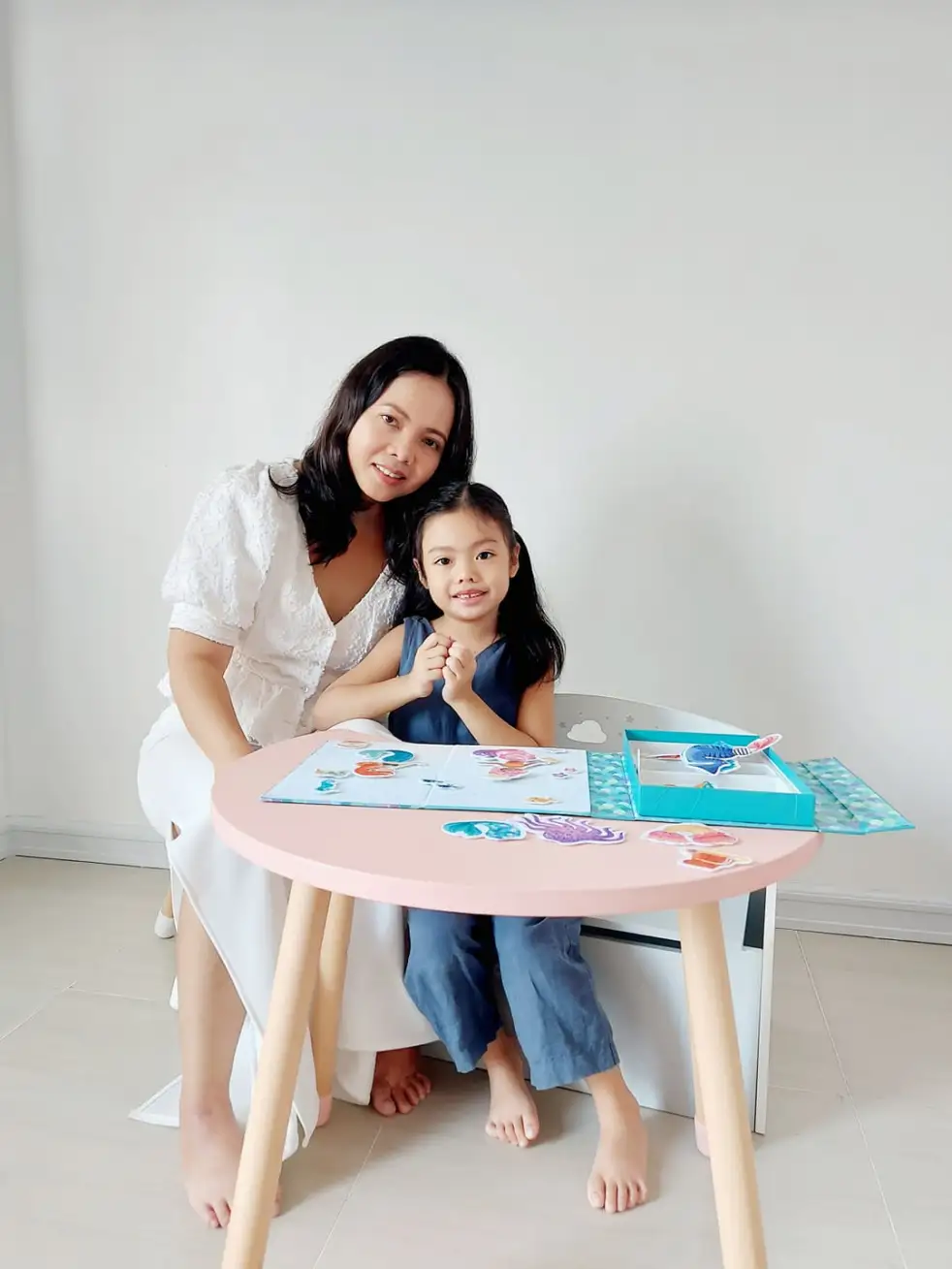
As parents, we want to give our child the best possible start in life and that begins with nurturing their intelligence. Throughout history, the notion of success has been linked to academic intelligence. However, there has been an increased awareness on the importance of emotional intelligence. This question gets at the heart of the never-ending… Continue reading IQ or EQ, which one is a better predictor of your child’s success?
 wondermomma.net