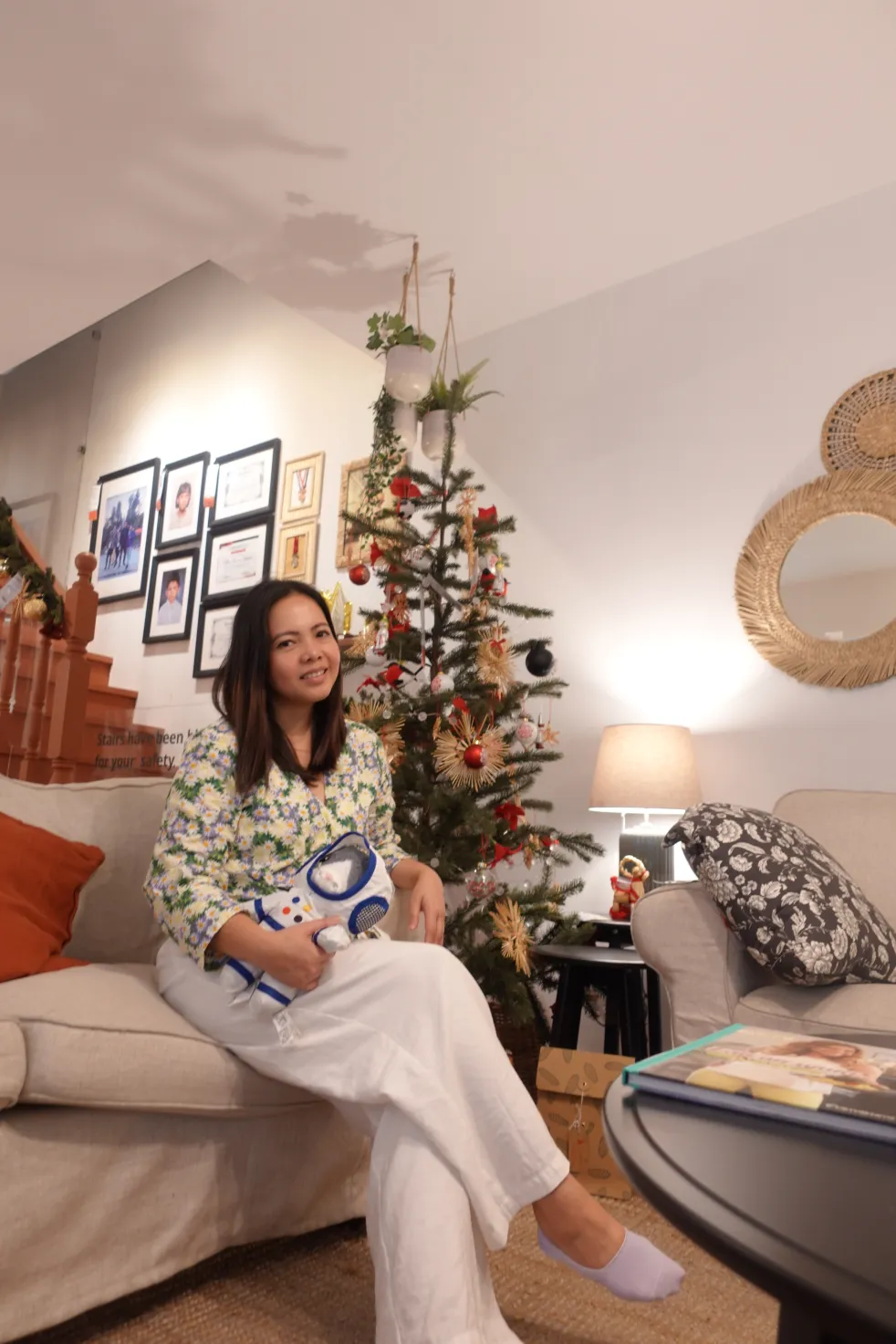
Last August, IKEA Philippines engaged with Better World Smokey Mountain, a newly opened community center operated by the San Miguel Foundation, which shares a similar goal of improving the lives of many Filipino people. Through this partnership, IKEA Philippines provided and assembled home furnishings for the classrooms and library of Better World Smokey Mountain community… Continue reading Help Create a Better World with IKEA Soft Toys
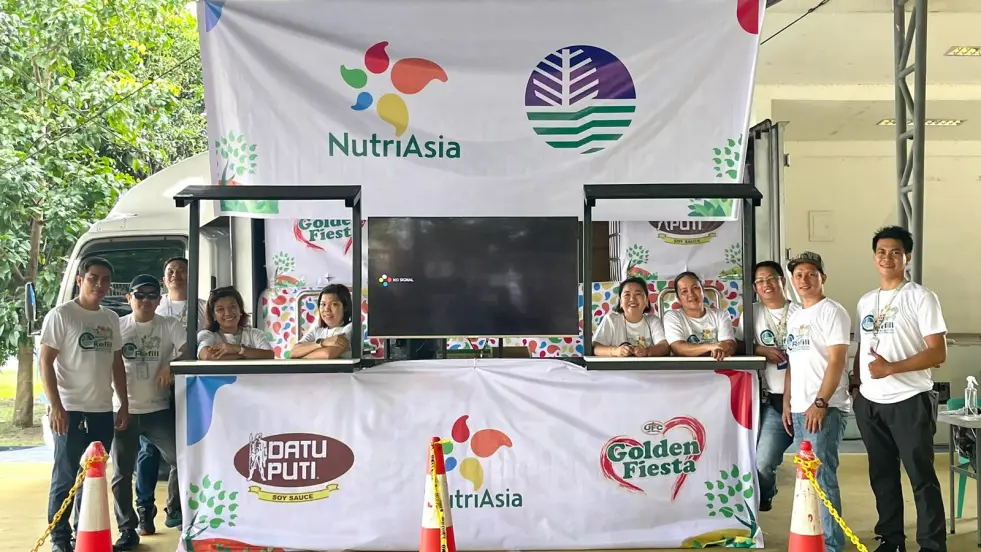
NutriAsia, the country’s top producer of condiments and sauces, continues its support of Refill Revolution; a project by the Department of Environment and Natural Resources EMB 3 that aims to help reduce Filipinos’ single-use plastics consumption. At Refill Revolution, residents get to recycle their single-use plastic bottles by reusing and filling it with their choice… Continue reading NutriAsia and DENR renews partnership for Refill Revolution
Navigating Public School Enrollment in the Philippines
Enrolling a child in a public school in the Philippines can feel complicated, especially for first-time parents, families moving to a new community, and those transferring from a private school. The process usually involves checking age requirements, finding the correct school, preparing documents, and following the schedule set by the Department of Education (DepEd) and the local school.
Public schools generally do not charge tuition for basic education, but families may still need to plan for uniforms, supplies, transportation, meals, projects, and other school-related expenses. Knowing what to expect can make registration more organized and less stressful.
Enrollment procedures may differ slightly between schools and divisions. Some accept online registration, while others use printed forms or conduct in-person enrollment. Official announcements from the school, the Schools Division Office, and DepEd should always take priority over older checklists shared online.
Start with age requirements and enrollment dates
For kindergarten, the child generally needs to meet the age requirement set by DepEd for the applicable school year. Grade 1 applicants usually need to have completed kindergarten and meet the prescribed age and readiness requirements. Cutoff dates and special provisions can change, so parents should verify the current policy with the receiving school.
Public school enrollment commonly takes place before the opening of classes, but the exact dates are announced annually. Some schools open early registration for incoming kindergarten, Grade 1, Grade 7, and Grade 11 learners. Early registration helps schools estimate class sizes and identify children who may need assistance with documents or placement.
Late enrollment may still be accepted, particularly when a family transfers residence or a learner arrives from another school. However, available slots, class capacity, and school-level procedures can affect placement. Contacting the school as soon as possible is better than waiting for the first day of classes.
Prepare the essential documents
A PSA birth certificate is commonly requested for new learners, especially those entering kindergarten or Grade 1. If the original document is not yet available, ask the school what temporary proof it accepts. Requirements can vary, and some schools may provide guidance for children whose birth records need correction or late registration.
Learners transferring from another school are usually asked to submit their latest report card, often referred to as Form 138 or the School Form 9. A certificate of transfer or other school record may also be required. For incoming Grade 7 or Grade 11 students, the previous school’s records help the new school confirm grade level and academic history.
Other documents may include immunization or health records, a learner’s basic information, photographs, and proof of address. A school may ask for a barangay certificate or utility bill when residency affects school placement, although this is not a universal requirement. Keep both original documents and photocopies in a labeled envelope.
Families should also inform the school about medical conditions, allergies, disabilities, developmental needs, or learning accommodations. Sharing this information early allows teachers and school personnel to plan appropriate support while respecting the child’s privacy.
Choose the right enrollment route
The nearest public school is often the most practical starting point because schools may prioritize learners who live within their service area. Distance, transportation, safety, and class availability all matter. A school that is slightly farther away may not be able to accept a child if its grade level is already full.
Ask the school registrar or principal about the catchment area, available slots, class schedule, language used in early instruction, and requirements for transferees. For senior high school, compare the tracks, strands, specializations, and facilities offered by nearby schools before submitting the final application.
Families relocating between cities or provinces may need to coordinate with both the old and new schools. Bring transfer documents and explain the move clearly. If the preferred school cannot accommodate the learner, the local Schools Division Office may help identify another public school with available capacity.
| Enrollment route | Suitable for | Common records needed | Important consideration |
|---|---|---|---|
| Neighborhood public school | Children living near the school | Birth certificate, enrollment form, previous school record when applicable | Service-area rules and class capacity may apply |
| Transfer from another public school | Families moving to a new area | Report card, transfer credentials, birth certificate | Coordinate release and acceptance of learner records |
| Transfer from a private school | Learners changing to public education | Report card, birth certificate, school records | Confirm grade placement and any missing requirements |
| Incoming Grade 7 or Grade 11 | Learners entering a new school level | Previous school records and enrollment documents | Available programs, strands, and slots differ by school |
| Alternative Learning System | Out-of-school children, youth, and adults who meet program conditions | Identity and previous education information | Assessment and program schedules are handled separately |
Complete the form carefully
Whether the school uses an online enrollment platform or printed forms, enter the learner’s name exactly as it appears on the birth certificate. Check spelling, birth date, address, parent or guardian details, contact numbers, and emergency information before submitting. Small errors can create problems when school records are prepared.
Use an active mobile number and email address if requested. Schools may send announcements about document submission, orientation, class assignments, or changes in schedules. If a parent does not have reliable internet access, ask whether the school has a help desk or accepts in-person registration.
Do not pay anyone to guarantee a slot in a public school. Basic education in public schools is tuition-free, and official school contributions or voluntary activities should be explained transparently. Ask for an official receipt for any authorized payment and report suspicious collection practices to the school head or appropriate DepEd office.
For online enrollment, save a screenshot or printed copy of the confirmation page. For in-person registration, request proof that the form and documents were received. These records are useful if the school later asks for information already submitted.
Plan for school costs and daily routines
Tuition may be free, but the first month can still bring several expenses. A simple budget can include notebooks, pencils, bags, uniforms, shoes, identification materials, art supplies, meals, transportation, and contributions for classroom activities. Buying only the items listed by the school helps prevent unnecessary spending.
Ask whether uniforms are required immediately or whether the child may attend in appropriate everyday clothing while waiting for supplies. Some schools have support programs for uniforms, learning materials, feeding, or transportation. Barangay officials, parent organizations, and local government offices may also know about assistance available to qualified families.
Visit the route to school before classes begin. Check travel time, crossing points, waiting areas, and pickup arrangements. Young children should know who is authorized to fetch them, while older children need clear instructions about commuting safely and what to do if plans change.
A gradual adjustment can help children who are nervous about a new school. Practice waking, eating, bathing, packing a bag, and sleeping according to the school schedule. Talk about asking a teacher for help, using the restroom, caring for belongings, and telling a trusted adult about bullying or unsafe behavior.
Use this practical enrollment checklist
A short checklist keeps the process manageable and helps parents notice missing details before the deadline.
- Check the child’s grade level, age eligibility, and the school’s enrollment calendar.
- Contact the preferred public school to confirm service-area rules, available slots, and current requirements.
- Prepare the PSA birth certificate, report card or transfer records, identification, photographs, and copies of supporting documents.
- Submit the enrollment form through the approved online or in-person channel and keep proof of submission.
- Set aside a realistic budget for supplies, uniforms, meals, transportation, and possible school activities.
Parents of children with disabilities or additional learning needs should ask about the school’s inclusion services, guidance support, and referral process. It is helpful to bring medical, therapy, or educational records when available, while sharing only information relevant to the child’s support.
After enrollment, keep a folder for school announcements, receipts, forms, report cards, and contact details. Follow the school’s official social media page or communication channel, but verify important announcements directly with the school because schedules can change due to weather, local events, or DepEd directives.
A calm, prepared approach gives children a stronger start in their new learning environment. Begin with the official school announcement, organize the documents early, and speak directly with school staff whenever a requirement is unclear. Families can also use WonderMomma’s parenting and education resources to build practical routines that support children throughout the school year.

Mercato Centrale, in collaboration with Indian Women in Enterprise Philippines (I-We), is set to host "The Great Indian Fiesta" to mark 75 years of friendship between India and the Philippines. The dynamic two-day event is scheduled to take place on September 30 to October 1, 2023, at Paseo De Roxas Street, Makati City. Aiming to… Continue reading Mercato Centrale Partners with I-We to Host ‘The Great Indian Fiesta’, Commemorating 75 Years of India-Philippines Friendship

My stomach would usually start growling at 10 am even after taking a big breakfast. This is probably because I am a morning person and I move a lot throughout the day hence snacking is something that I can't avoid. This potatoes and chicken wrap recipe is easy to prepare and would keep me full… Continue reading Potato and Chicken Wrap
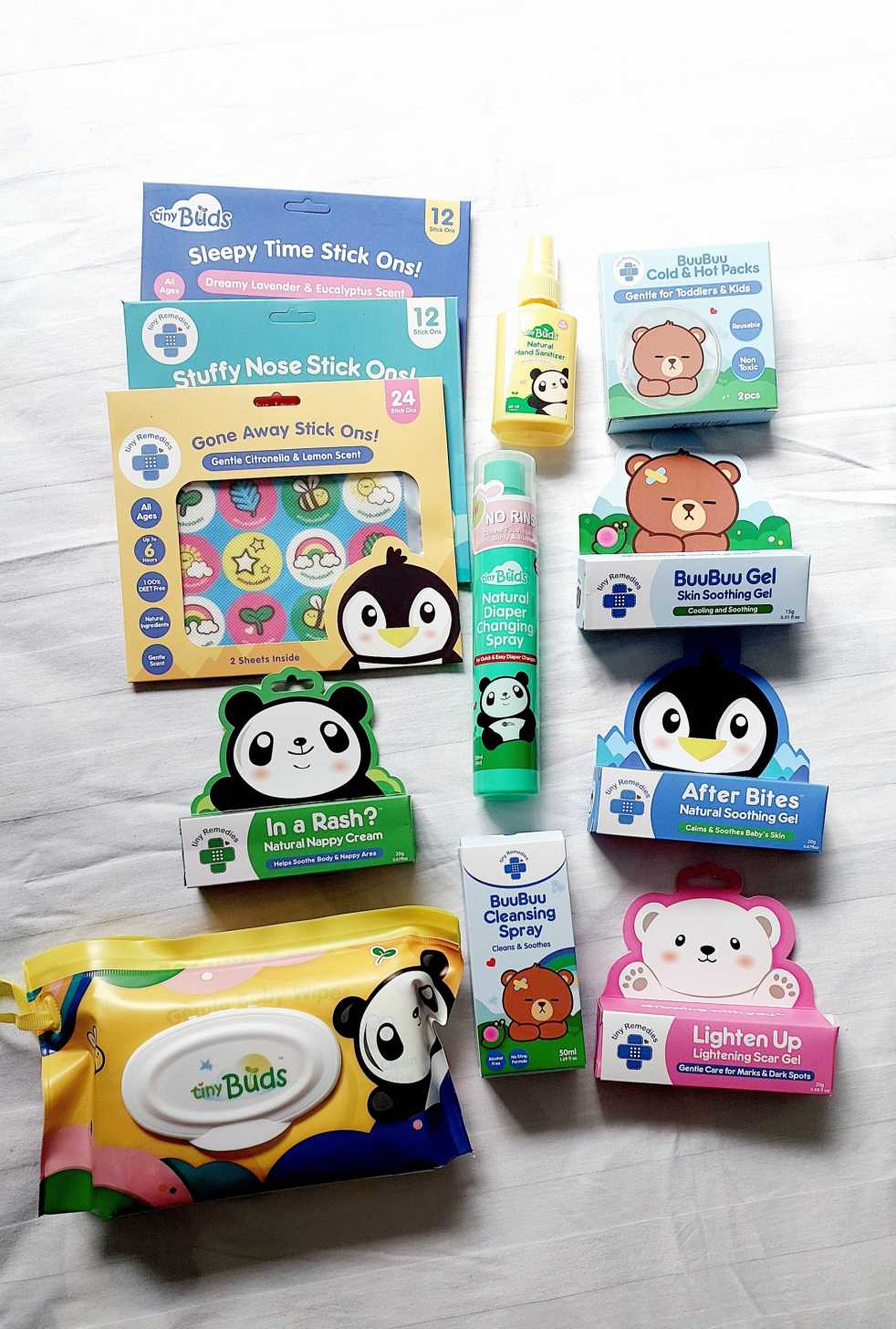
Your baby’s skin is more delicate than most, this is why you have to choose products that are designed for sensitive skin. Tiny Buds is a pioneer in integrating natural ingredients into baby care and today has over 50 innovative natural baby care essentials and is one of the Top Baby Personal Care brands. Here… Continue reading Product Review: Tiny Buds Baby Naturals Baby Essentials
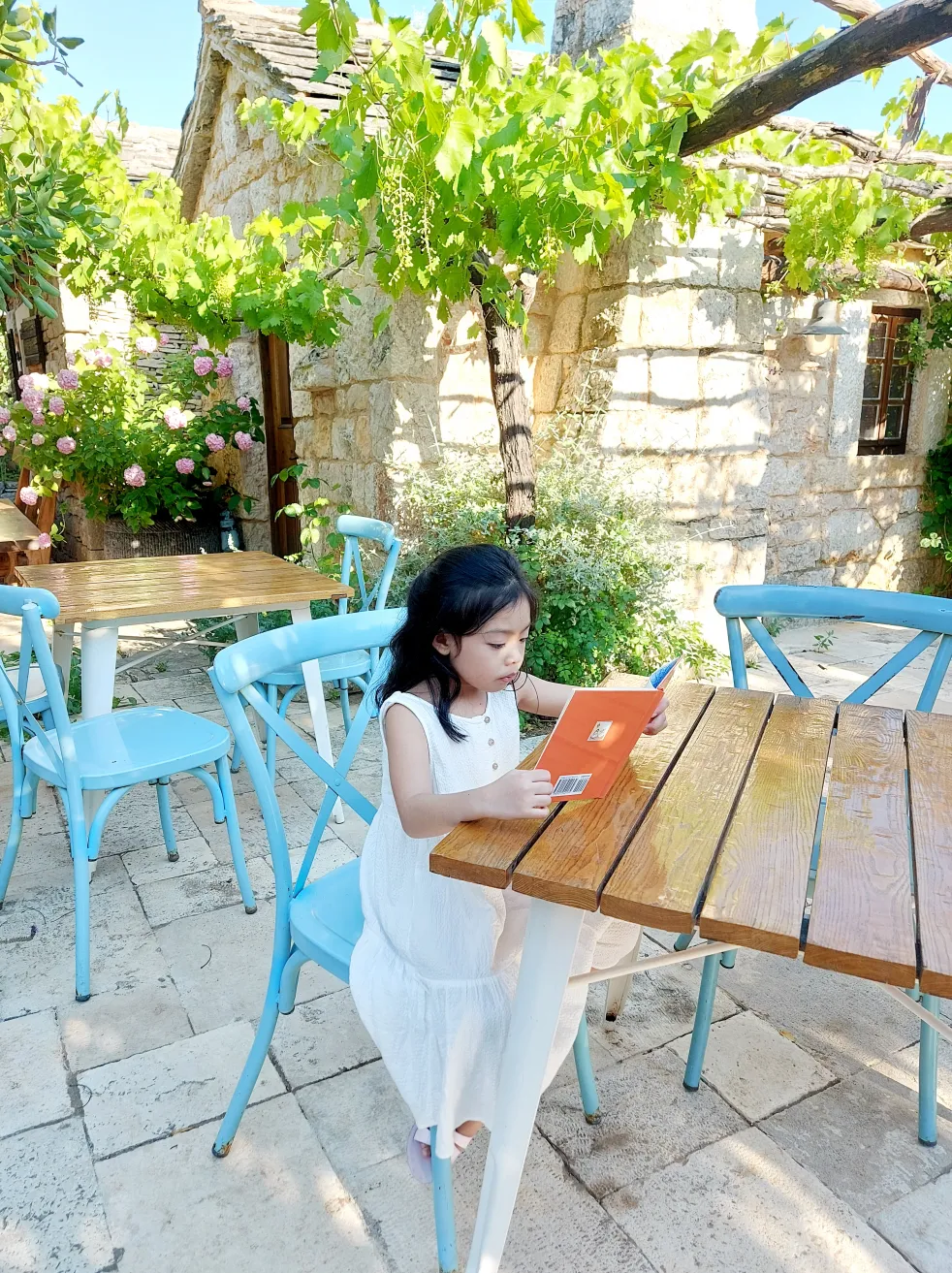
Where your child goes to school is a big decision and shouldn’t be taken lightly. Given how their education can impact their future, you might be tempted to take control and decide for them. However, you might be doing more damage than helping them in the long run. Your job as parents is to support… Continue reading HOW TO CHOOSE THE BEST SCHOOL FOR YOUR CHILD
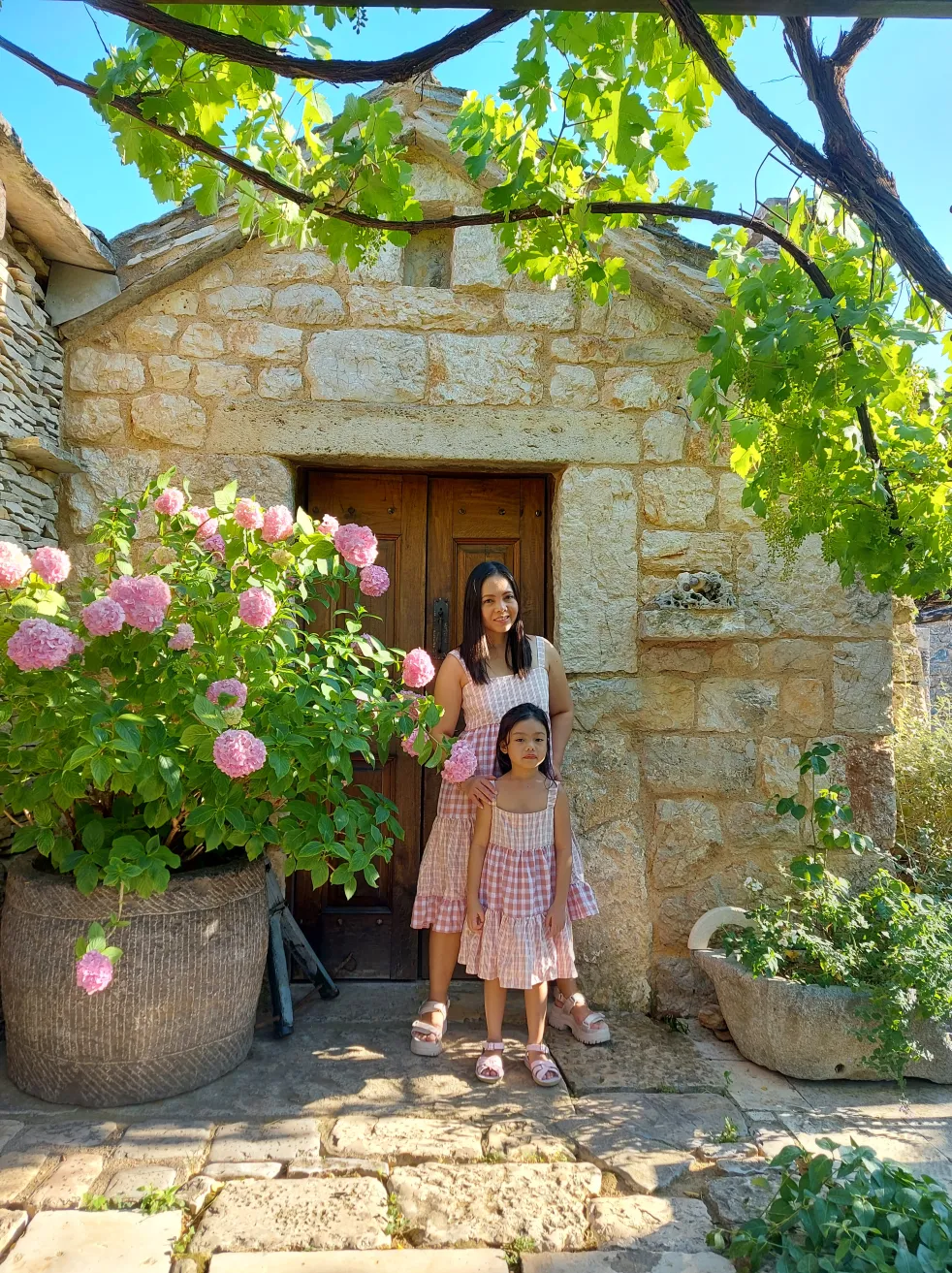
As poet and philosopher Rumi once eloquently said, “raise your words, not your voice. It is rain that grows flowers, not thunder.” Parenting is a challenging journey, and the truth is that nobody has everything figured out. One parenting style might suit others best, and some might favor other methods. However, children respond better to… Continue reading A SIMPLE GUIDE TO GENTLE PARENTING
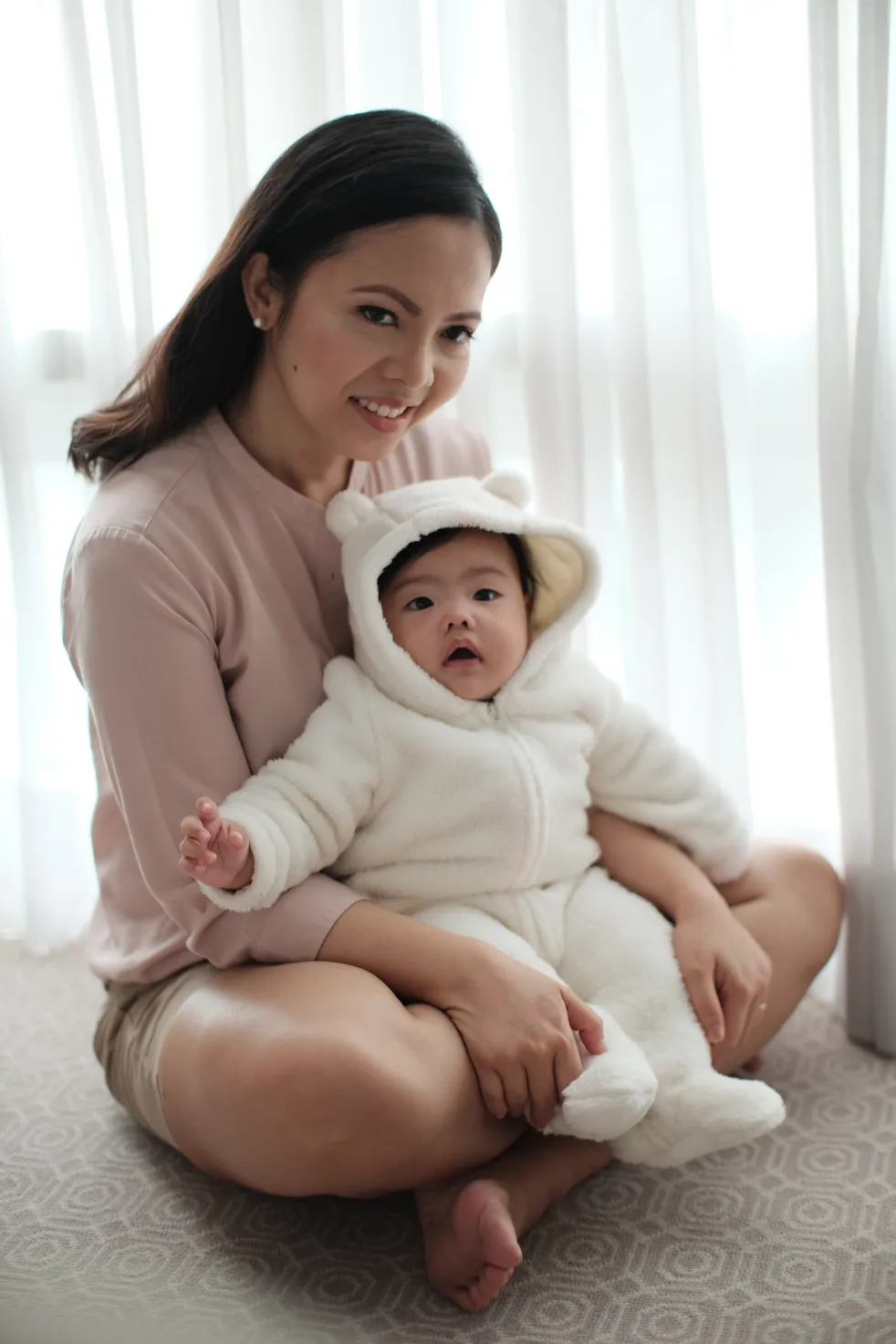
Whether you’re a new mom to be, mom of a toddler, mom who have school-aged kids, you’re bound to have so many questions. Let's start with your baby's skin. Infant skin has unique needs; gentle care is essential to prevent damage to the skin barrier, which can lead to irritation. When caring for infant skin,… Continue reading Keeping Baby’s Diapered Skin Healthy
As parents, we want to give our child the best possible start in life and that begins with nurturing their intelligence. Throughout history, the notion of success has been linked to academic intelligence. However, there has been an increased awareness on the importance of emotional intelligence. This question gets at the heart of the never-ending… Continue reading IQ or EQ, which one is a better predictor of your child’s success?
 wondermomma.net