

Last August, IKEA Philippines engaged with Better World Smokey Mountain, a newly opened community center operated by the San Miguel Foundation, which shares a similar goal of improving the lives of many Filipino people. Through this partnership, IKEA Philippines provided and assembled home furnishings for the classrooms and library of Better World Smokey Mountain community… Continue reading Help Create a Better World with IKEA Soft Toys

NutriAsia, the country’s top producer of condiments and sauces, continues its support of Refill Revolution; a project by the Department of Environment and Natural Resources EMB 3 that aims to help reduce Filipinos’ single-use plastics consumption. At Refill Revolution, residents get to recycle their single-use plastic bottles by reusing and filling it with their choice… Continue reading NutriAsia and DENR renews partnership for Refill Revolution

Navigating developmental milestones from 0 to 12 months
The first year brings remarkable changes in movement, communication, feeding, sleep, and social connection. A newborn who mainly observes the world can become a mobile, expressive baby who reaches for toys, responds to familiar voices, and explores with growing confidence within twelve months.
Developmental milestones are useful guideposts, not strict deadlines. Babies gain skills at different rates, and progress can be uneven. One child may sit early but take longer to babble, while another may communicate socially before becoming interested in crawling. Family routines, health, temperament, opportunities for play, and individual development all influence this journey.
For parents, the goal is to notice patterns, respond warmly, and provide safe chances to practise new abilities. Tracking changes can help you celebrate progress and share useful details with your child’s pediatrician, especially during regular health visits.
Understanding developmental progress
Infant development is usually observed across several areas: gross motor skills, fine motor coordination, language and communication, social-emotional development, and problem-solving. These areas overlap. For example, reaching for a caregiver combines physical control, vision, curiosity, and emotional connection.
Milestone checklists are best used as conversation tools rather than tests. A baby may briefly show a new skill, lose interest, and return to it later. Premature babies are often assessed using corrected age during the early months, so ask a healthcare professional how to interpret progress appropriately.
Daily interaction supports development more effectively than expensive equipment or structured lessons. Talking during diaper changes, singing while preparing food, offering floor play, and responding to a baby’s sounds all create meaningful learning opportunities.
From birth to 3 months
During the newborn period, babies gradually become more alert and responsive. They may focus on faces, startle at loud sounds, calm when held, and recognise familiar voices. By around two months, many babies begin smiling socially, making soft cooing sounds, and watching people move nearby.
Head and neck control develops slowly. Tummy time while the baby is awake and supervised strengthens the neck, shoulders, arms, and back. Begin with short sessions on a firm surface, including chest-to-chest time with a parent if the baby dislikes floor play. Always place the baby on their back for sleep.
At this stage, connection matters more than performance. Copy your baby’s sounds, pause to allow a response, and describe what you are doing. Gentle eye contact, skin-to-skin contact, and predictable routines can support attachment while helping babies learn that communication is shared.
From 4 to 6 months
Between four and six months, many babies show stronger head control, push up during tummy time, roll from tummy to back, and reach intentionally for objects. Some begin rolling in both directions or sitting with support. Movement may look awkward at first, so provide a clear, safe area on the floor rather than relying on seats that restrict natural practice.
Hand skills also become more purposeful. Babies grasp toys, bring objects to their mouths, and pass items from one hand to the other. Use large, washable toys without small detachable parts. Teething may begin during this period, making safe chew toys and a discussion with a healthcare provider helpful if discomfort affects feeding or sleep.
Babbling often becomes louder and more varied. Babies may laugh, squeal, respond to their names, and show excitement when a familiar person appears. Read simple picture books, sing local songs, and imitate vocal sounds. These exchanges build early language even when the baby cannot yet use words.
| Age range | Movement and hand skills | Communication | Social and thinking skills | Helpful support |
|---|---|---|---|---|
| 0–3 months | Lifts head briefly, moves arms and legs, begins reaching | Cries differently, calms to familiar voices, coos | Watches faces, smiles socially, enjoys interaction | Supervised tummy time, talking, cuddling, high-contrast images |
| 4–6 months | Rolls, pushes up, grasps toys, brings objects to mouth | Laughs, squeals, babbles, responds to sounds | Recognises familiar people, explores cause and effect | Floor play, safe teething objects, songs, simple books |
| 7–9 months | Sits independently, transfers objects, may crawl or move in other ways | Responds to name, uses varied babbling, gestures | Enjoys peekaboo, looks for hidden objects, may show stranger anxiety | Safe exploration space, turn-taking games, labelled objects |
| 10–12 months | Pulls to stand, cruises, points, uses pincer grasp | Understands simple phrases, imitates sounds, may use a few words | Copies actions, follows simple directions, seeks shared attention | Finger foods as advised, stacking toys, imitation games, responsive conversation |
From 7 to 9 months
Many babies can sit without support during this period and begin moving toward interesting objects. Crawling is common, but it is not the only healthy form of mobility. Some babies bottom-shuffle, roll, pivot, or move directly toward pulling up. What matters is growing strength, coordination, and interest in exploring.
Hand-to-hand transfer becomes more controlled, and babies may use their fingers to pick up smaller pieces of food. If complementary feeding has started according to professional guidance, offer soft, age-appropriate foods and supervise every meal. Learn choking first aid and keep small household objects, coins, batteries, and medication out of reach.
Social awareness becomes more noticeable. Babies may enjoy peekaboo, react when a caregiver leaves, or hesitate around unfamiliar people. These responses reflect developing memory and attachment. A calm goodbye routine and reassurance can help the baby feel secure without forcing interaction.
From 10 to 12 months
Near the first birthday, many babies pull themselves up, cruise along furniture, squat with support, or stand briefly. A few may walk independently, while others need several more months. Walking age varies widely, and early walking is not a measure of intelligence or future athletic ability.
Communication may include pointing, waving, clapping, imitating sounds, and understanding familiar words such as “no,” “come,” or the name of a favourite object. Some babies say one or more meaningful words; others communicate mainly through gestures and babbling. Respond to every attempt by naming what the baby notices and expanding simple sounds into words.
Problem-solving also becomes more visible. Babies may look for a hidden toy, place objects into containers, copy household actions, or repeat an activity that produces an interesting result. Offer safe household items such as plastic cups, fabric books, and large blocks, while keeping supervision close during exploration.
Simple ways to encourage healthy development
A supportive home environment gives babies repeated opportunities to move, communicate, and recover from small frustrations. Follow the baby’s interest, allow time for independent play, and step in when safety or emotional support is needed. Avoid comparing siblings, cousins, or online updates, since visible milestones rarely show the whole child.
Responsive caregiving is especially important in the first year. Pick up and comfort a distressed baby, while also allowing brief pauses for the baby to attempt a movement or solve a simple problem. Consistent routines around sleep, feeding, hygiene, and play create a sense of security without requiring a rigid schedule.
- Provide daily supervised floor time and keep screens away from babies, except for brief video calls with family.
- Talk, sing, read, and use facial expressions during ordinary routines such as bathing and preparing meals.
- Offer simple, age-appropriate toys that encourage grasping, reaching, transferring, stacking, and imitation.
- Make the home safer as mobility increases by securing furniture and covering outlets, stairs, cords, medicines, and cleaning products.
- Record meaningful changes and bring concerns to regular wellness visits instead of relying on social media comparisons.
When professional guidance helps
Contact your child’s healthcare provider if a baby loses a skill they previously had, seems unusually difficult to rouse, does not feed well, or shows little response to sound, faces, or movement. Concerns about muscle stiffness, marked floppiness, persistent one-sided movement, vision, hearing, or social interaction also deserve timely attention.
By the end of the first year, discuss development if your baby does not sit with support or independently as expected by their clinician, does not babble or respond to sounds, shows no interest in shared interaction, or cannot use either side of the body comfortably. These signs do not automatically indicate a diagnosis, but early assessment can connect families with helpful support.
Keep a simple record of new skills, questions, feeding changes, sleep patterns, and any videos that show a movement concern. In the Philippines, families can seek guidance from a pediatrician, barangay health worker, rural health unit, or child development specialist. Trusting your observations and seeking advice early are practical parts of caring for your baby.
Celebrate the first year through connection rather than comparison. Use these milestones as gentle guideposts, make room for your baby’s individual pace, and share your observations with a trusted healthcare professional at routine visits. Revised expectations, safe play, and responsive care can help every new skill unfold with confidence.

Mercato Centrale, in collaboration with Indian Women in Enterprise Philippines (I-We), is set to host "The Great Indian Fiesta" to mark 75 years of friendship between India and the Philippines. The dynamic two-day event is scheduled to take place on September 30 to October 1, 2023, at Paseo De Roxas Street, Makati City. Aiming to… Continue reading Mercato Centrale Partners with I-We to Host ‘The Great Indian Fiesta’, Commemorating 75 Years of India-Philippines Friendship

My stomach would usually start growling at 10 am even after taking a big breakfast. This is probably because I am a morning person and I move a lot throughout the day hence snacking is something that I can't avoid. This potatoes and chicken wrap recipe is easy to prepare and would keep me full… Continue reading Potato and Chicken Wrap
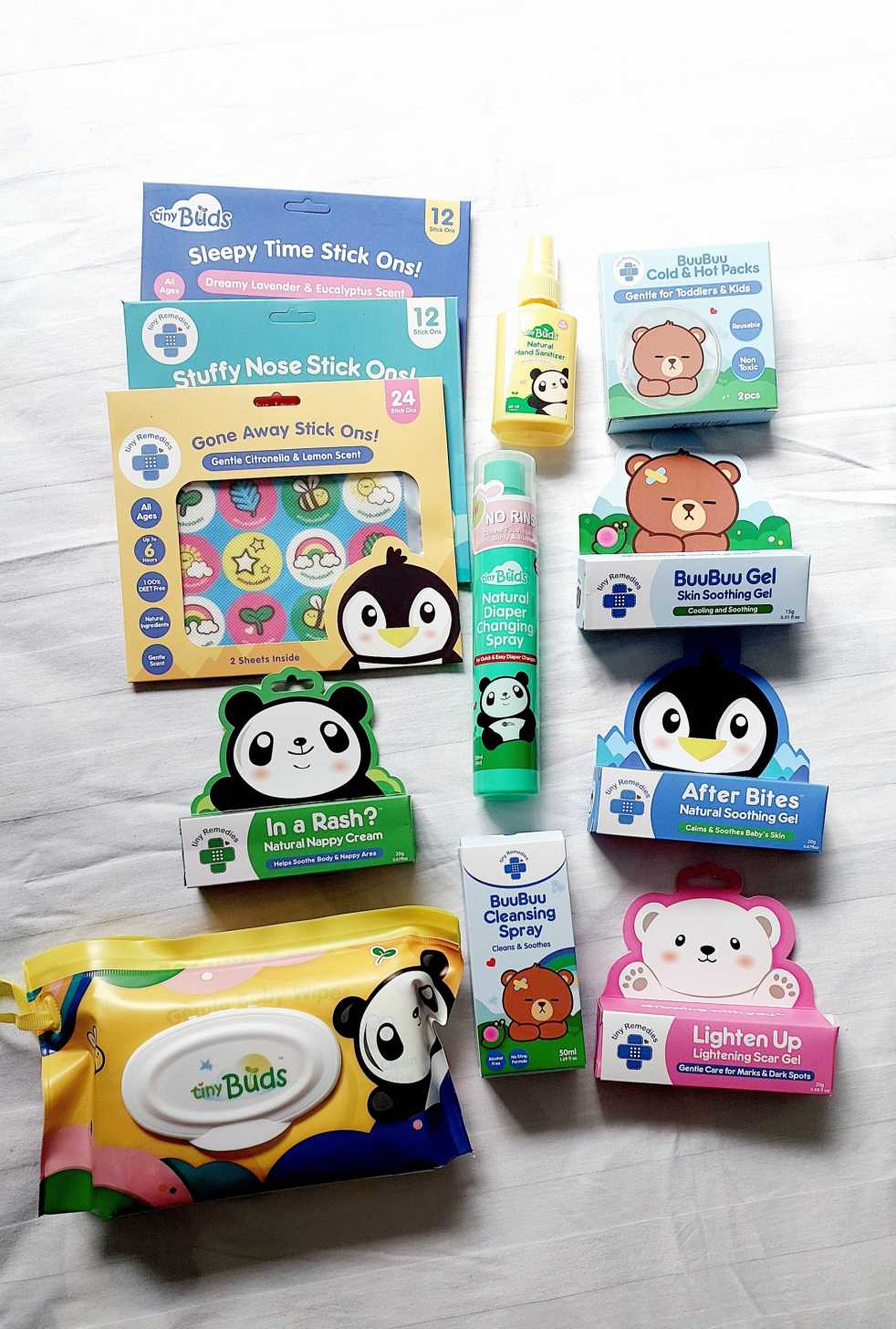
Your baby’s skin is more delicate than most, this is why you have to choose products that are designed for sensitive skin. Tiny Buds is a pioneer in integrating natural ingredients into baby care and today has over 50 innovative natural baby care essentials and is one of the Top Baby Personal Care brands. Here… Continue reading Product Review: Tiny Buds Baby Naturals Baby Essentials
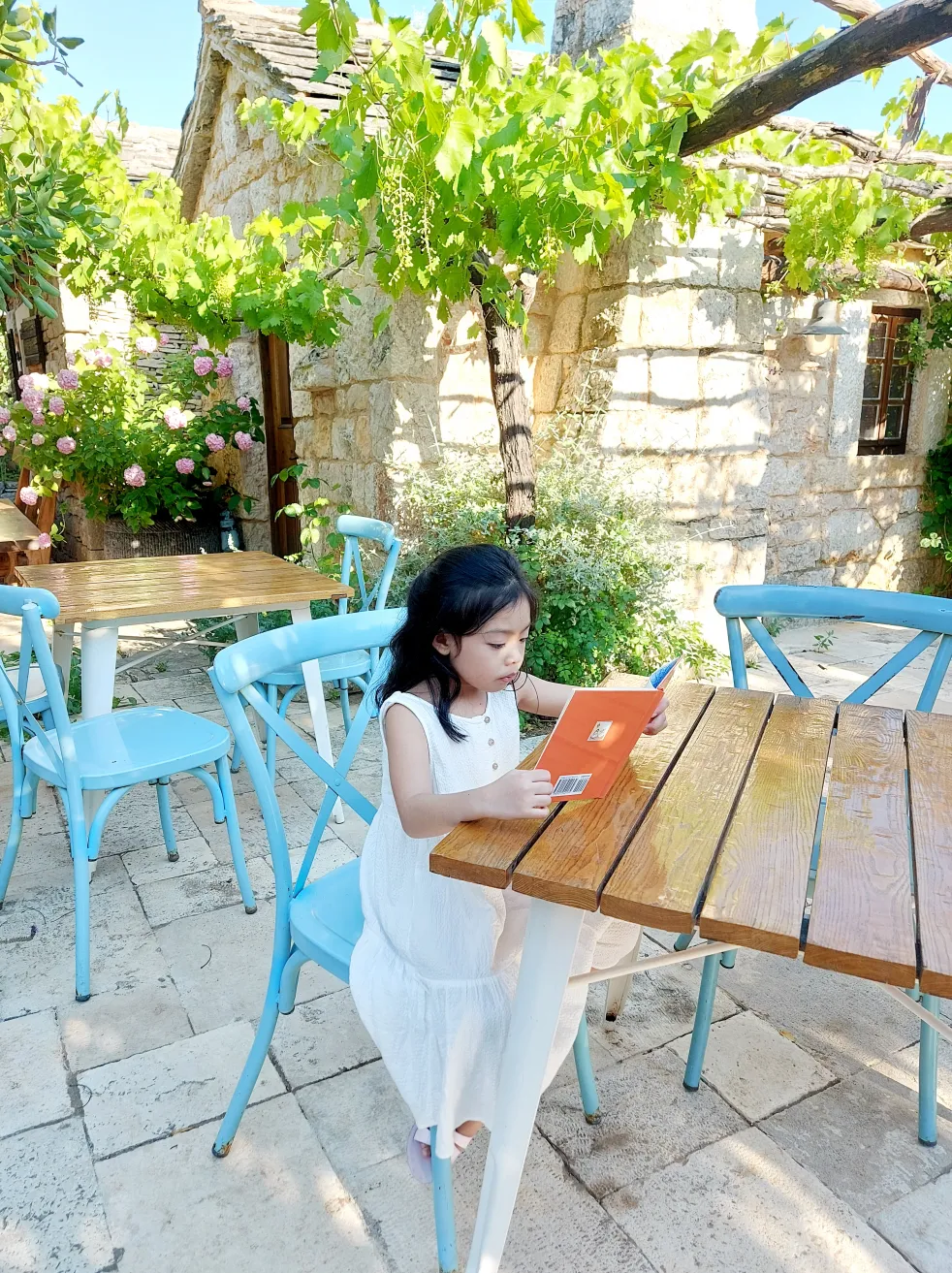
Where your child goes to school is a big decision and shouldn’t be taken lightly. Given how their education can impact their future, you might be tempted to take control and decide for them. However, you might be doing more damage than helping them in the long run. Your job as parents is to support… Continue reading HOW TO CHOOSE THE BEST SCHOOL FOR YOUR CHILD
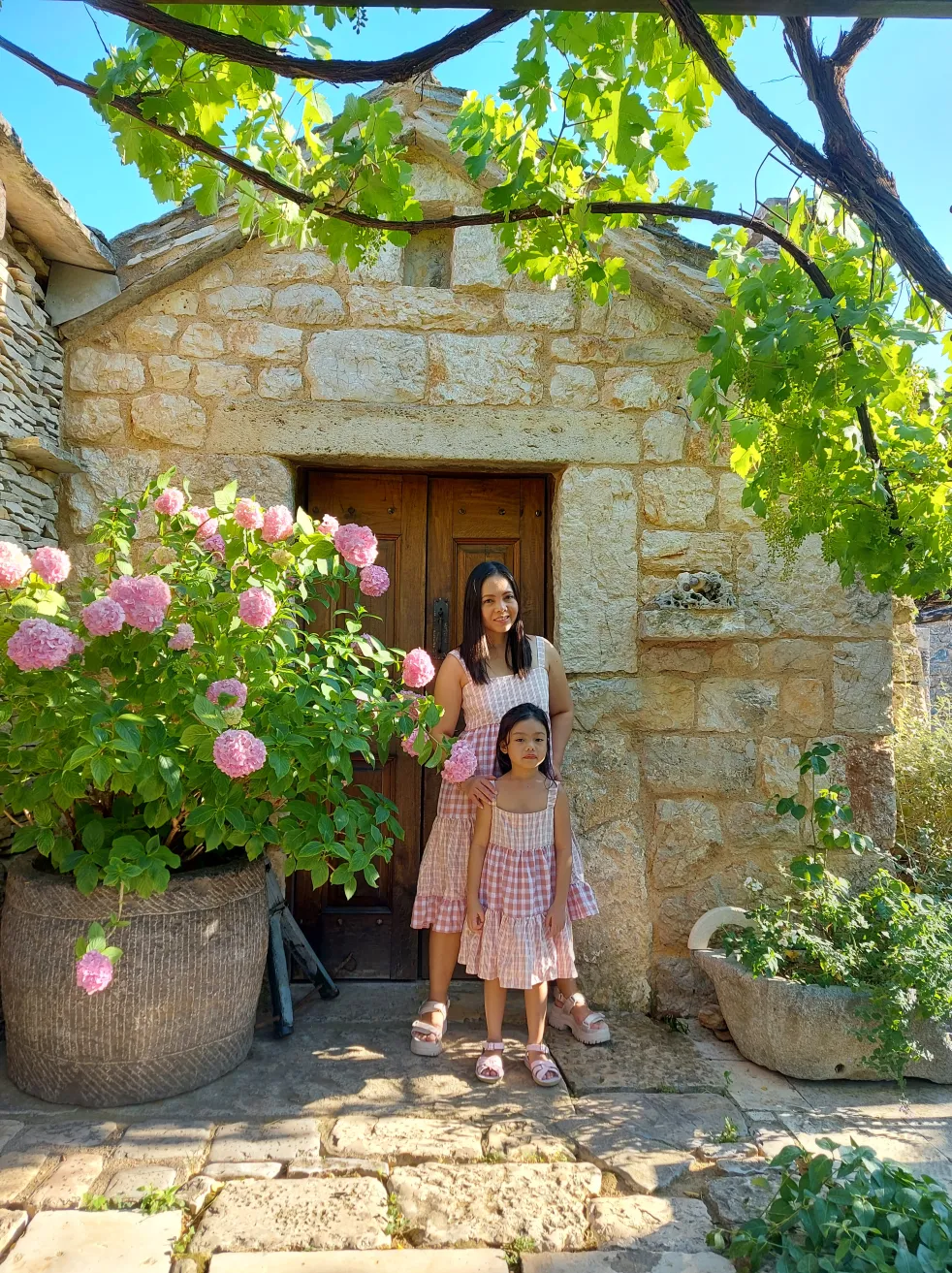
As poet and philosopher Rumi once eloquently said, “raise your words, not your voice. It is rain that grows flowers, not thunder.” Parenting is a challenging journey, and the truth is that nobody has everything figured out. One parenting style might suit others best, and some might favor other methods. However, children respond better to… Continue reading A SIMPLE GUIDE TO GENTLE PARENTING
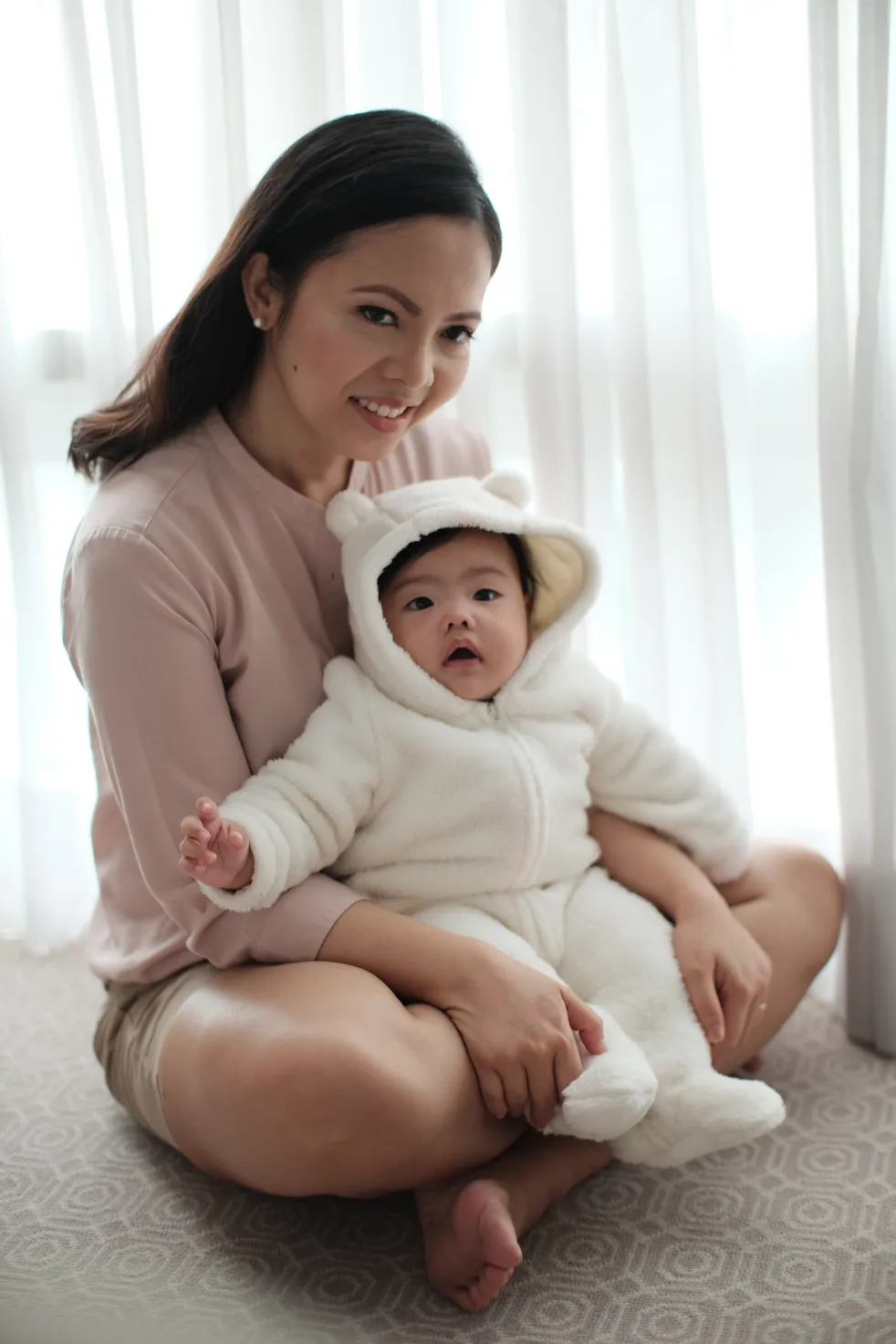
Whether you’re a new mom to be, mom of a toddler, mom who have school-aged kids, you’re bound to have so many questions. Let's start with your baby's skin. Infant skin has unique needs; gentle care is essential to prevent damage to the skin barrier, which can lead to irritation. When caring for infant skin,… Continue reading Keeping Baby’s Diapered Skin Healthy
As parents, we want to give our child the best possible start in life and that begins with nurturing their intelligence. Throughout history, the notion of success has been linked to academic intelligence. However, there has been an increased awareness on the importance of emotional intelligence. This question gets at the heart of the never-ending… Continue reading IQ or EQ, which one is a better predictor of your child’s success?
 wondermomma.net