

Last August, IKEA Philippines engaged with Better World Smokey Mountain, a newly opened community center operated by the San Miguel Foundation, which shares a similar goal of improving the lives of many Filipino people. Through this partnership, IKEA Philippines provided and assembled home furnishings for the classrooms and library of Better World Smokey Mountain community… Continue reading Help Create a Better World with IKEA Soft Toys
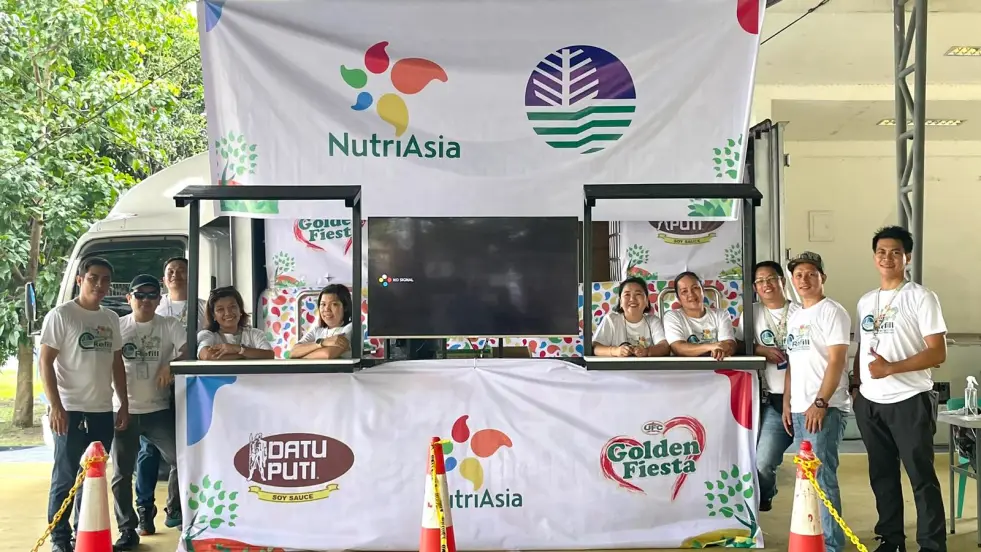
NutriAsia, the country’s top producer of condiments and sauces, continues its support of Refill Revolution; a project by the Department of Environment and Natural Resources EMB 3 that aims to help reduce Filipinos’ single-use plastics consumption. At Refill Revolution, residents get to recycle their single-use plastic bottles by reusing and filling it with their choice… Continue reading NutriAsia and DENR renews partnership for Refill Revolution

Mindful mornings for a calmer family start
Mornings rarely unfold exactly as planned when children are involved. A missing school shoe, a slow breakfast, or a toddler who refuses to get dressed can quickly turn a quiet household into a hurried one. A mindful morning does not mean creating a picture-perfect routine. It means building enough rhythm, warmth and breathing space for everyone to begin the day with greater steadiness.
For Australian families, the morning may include a childcare drop-off in Brisbane heat, a tram ride through Melbourne, a school run across suburban Perth, or a busy commute from western Sydney. Small changes can make these transitions easier, whether your family has ten minutes to spare or a full hour before leaving home.
| Morning approach | Likely atmosphere | Best suited to |
|---|---|---|
| Strict minute-by-minute schedule | Efficient but potentially tense | Older children who manage time well |
| Flexible routine with anchor points | Predictable and calm | Most family households |
| Child-led morning | Connected but slower | Days without an early appointment |
| Prepared evening routine | Quicker and less cluttered | Working parents and school mornings |
Start with a few reliable anchors
A peaceful family morning usually needs only a few fixed points: waking, eating, dressing, brushing teeth and leaving. These anchors provide structure without making every minute feel controlled. Children can learn what happens next through repetition, even when the exact timing changes.
Use simple language such as, “First we get dressed, then we eat,” or “After shoes, we check the bag.” A picture chart can help preschoolers follow the sequence without hearing repeated instructions. For older children, a short written list near the breakfast area may encourage independence and reduce the number of reminders parents need to give.
Try to keep the first part of the morning free from unnecessary decisions. Place school uniforms, childcare bags and shoes in the same areas each evening. When children know where their belongings belong, the routine becomes a shared family system rather than a parent-managed search operation.
Prepare the evening before
The gentlest morning often begins after dinner. Checking the weather, packing lunchboxes and filling water bottles can remove several small tasks from the early hours. In Australia, this is especially helpful during hot weather, when families may need hats, sunscreen, cooler clothing and extra water before heading outside.
A brief evening reset does not require a spotless house. Clear enough space for breakfast, load the dishwasher if possible and place bags near the door. If a child is anxious about school or childcare, spend a few minutes talking before bedtime rather than trying to solve the concern while everyone is rushing.
Families can also agree on a “launch pad” near the entrance. Each person places shoes, bags, hats and keys there. In a compact Melbourne terrace or a busy apartment in central Sydney, one organised corner can prevent a surprising amount of morning friction.
Make waking feel less abrupt
A loud alarm, bright overhead light and immediate instructions can make children feel under pressure before they are fully awake. Open curtains gradually, use a soft voice and allow a short transition from sleep to activity. Natural light can support the body’s waking rhythm, although summer daylight and daylight saving may make Australian mornings feel bright unusually early.
You do not need to wake every child in the same way. One child may respond well to a cuddle, while another prefers a quiet warning followed by a few minutes alone. Respecting these differences is part of responsive parenting, not indulgence. The aim is to help children move into the day with a regulated nervous system.
A simple breathing ritual can be useful for the whole family. Try three slow breaths while sitting on the edge of the bed, or name one thing each person is looking forward to. For young children, blowing imaginary bubbles or pretending to smell a flower and blow out a candle makes the practice playful rather than formal.
Keep breakfast simple and nourishing
Breakfast does not need to be elaborate to support concentration and energy. Porridge with banana, wholegrain toast with eggs, yoghurt with fruit, or a smoothie prepared the night before can work well on school and childcare days. The Australian Dietary Guidelines encourage a varied diet built around fruit, vegetables, grains, protein foods and dairy or suitable alternatives.
Offer a small range of choices instead of asking an open-ended question. “Would you like toast or oats?” is easier for a tired child to answer than “What do you want for breakfast?” Keep expectations realistic: appetite may vary, and some children eat more at morning tea or lunch than at home.
For families managing allergies, sensory preferences or a tight grocery budget, repeat meals can be practical. Local supermarkets and weekend markets offer plenty of seasonal Australian produce, but families do not need expensive specialty products to create balanced breakfasts. Frozen fruit, store-brand oats and leftover cooked vegetables can all be useful.
Use connection before correction
A child who is refusing socks may be tired, overwhelmed or struggling with the transition, rather than deliberately creating difficulty. Kneel to their level, acknowledge the feeling and state the limit clearly: “You do not want to get dressed. We still need clothes before breakfast. Do you want the blue shirt or the green one?”
This approach combines empathy with a firm boundary. Gentle parenting does not mean allowing every choice or avoiding expectations. It means considering the child’s developmental stage, offering manageable options and guiding behaviour without shame, threats or unnecessary power struggles.
A short moment of connection can save time later. A hug, a playful voice or a shared joke may help a child cooperate more readily than repeated commands. When an older child is frustrated, describe the next step without lecturing: “The bus leaves soon. I will help you find the other shoe, then you can put it on.”
Protect attention from digital noise
Screens can make mornings feel quieter for a few minutes, but they may also make transitions harder when it is time to stop. A family rule such as “devices stay off until we leave” can reduce negotiation, especially for younger children. Parents may also benefit from delaying news, social media and work messages until the essential morning tasks are complete.
Keep phones away from the breakfast table when possible. This gives children a chance to talk and helps adults notice signs of tiredness, worry or sensory overload. It also creates a more consistent example than asking children to put devices away while adults continue checking notifications.
If a screen is genuinely part of the routine, use a visible timer and explain the stopping point before it begins. Audio stories or calm music may offer background comfort without drawing everyone into a fast-moving visual feed. The best choice depends on the child, the household and the time available.
Build safety into the routine
Mindfulness includes paying attention to practical safety. Check that bags are not blocking walkways, hot drinks are out of reach and medicines or cleaning products are secured. In Australian homes, sun protection is a regular morning consideration: hats, shade, protective clothing and sunscreen may be needed before school, sport or childcare.
For travel, allow enough time to use crossings safely and settle children into the correct restraint. Australian road rules require approved child restraints for young passengers, with requirements linked to age and the child’s size. A calm departure is safer than rushing through the front door while carrying a toddler and searching for keys.
Childcare and preschool routines can vary by service, so check what each centre expects families to bring. The National Quality Standard places emphasis on children’s wellbeing and relationships in early childhood settings, and consistent handovers help educators understand how a child has slept, eaten or settled that morning. A brief, useful update is often better than trying to explain everything at the gate.
Leave room for imperfect days
Even a thoughtful routine will occasionally fall apart. A child may wake unwell, a train may be delayed, or a lunchbox may be left on the kitchen bench. Treating these moments as evidence of failure can increase family stress. Instead, focus on the next helpful action: get dressed, pack a simple snack, or contact the school or childcare service.
It can help to create a “minimum morning” plan for difficult days. This might include water, a basic breakfast, clothes, medication if required, a bag and safe transport. Everything else becomes optional. Knowing that this plan exists can reassure parents who are balancing paid work, school schedules and the unpredictable needs of several children.
At the end of the week, notice what worked without judging what did not. Perhaps the bag station helped, the picture chart was ignored, or breakfast was easier when music played softly. Mindful family life grows through these small observations. Over time, the morning becomes less about achieving perfect calm and more about returning to connection, preparation and shared confidence.

Mercato Centrale, in collaboration with Indian Women in Enterprise Philippines (I-We), is set to host "The Great Indian Fiesta" to mark 75 years of friendship between India and the Philippines. The dynamic two-day event is scheduled to take place on September 30 to October 1, 2023, at Paseo De Roxas Street, Makati City. Aiming to… Continue reading Mercato Centrale Partners with I-We to Host ‘The Great Indian Fiesta’, Commemorating 75 Years of India-Philippines Friendship

My stomach would usually start growling at 10 am even after taking a big breakfast. This is probably because I am a morning person and I move a lot throughout the day hence snacking is something that I can't avoid. This potatoes and chicken wrap recipe is easy to prepare and would keep me full… Continue reading Potato and Chicken Wrap
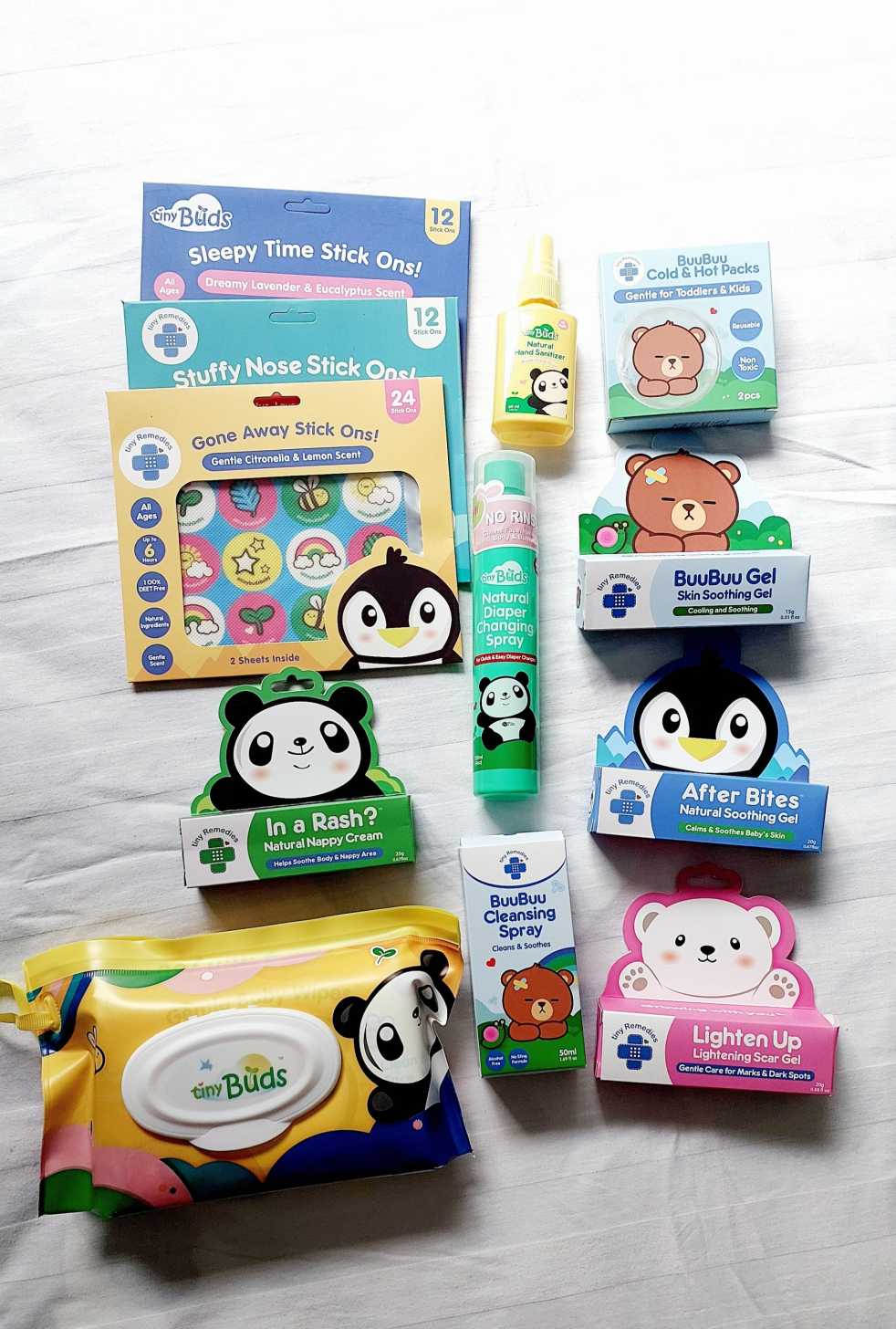
Your baby’s skin is more delicate than most, this is why you have to choose products that are designed for sensitive skin. Tiny Buds is a pioneer in integrating natural ingredients into baby care and today has over 50 innovative natural baby care essentials and is one of the Top Baby Personal Care brands. Here… Continue reading Product Review: Tiny Buds Baby Naturals Baby Essentials
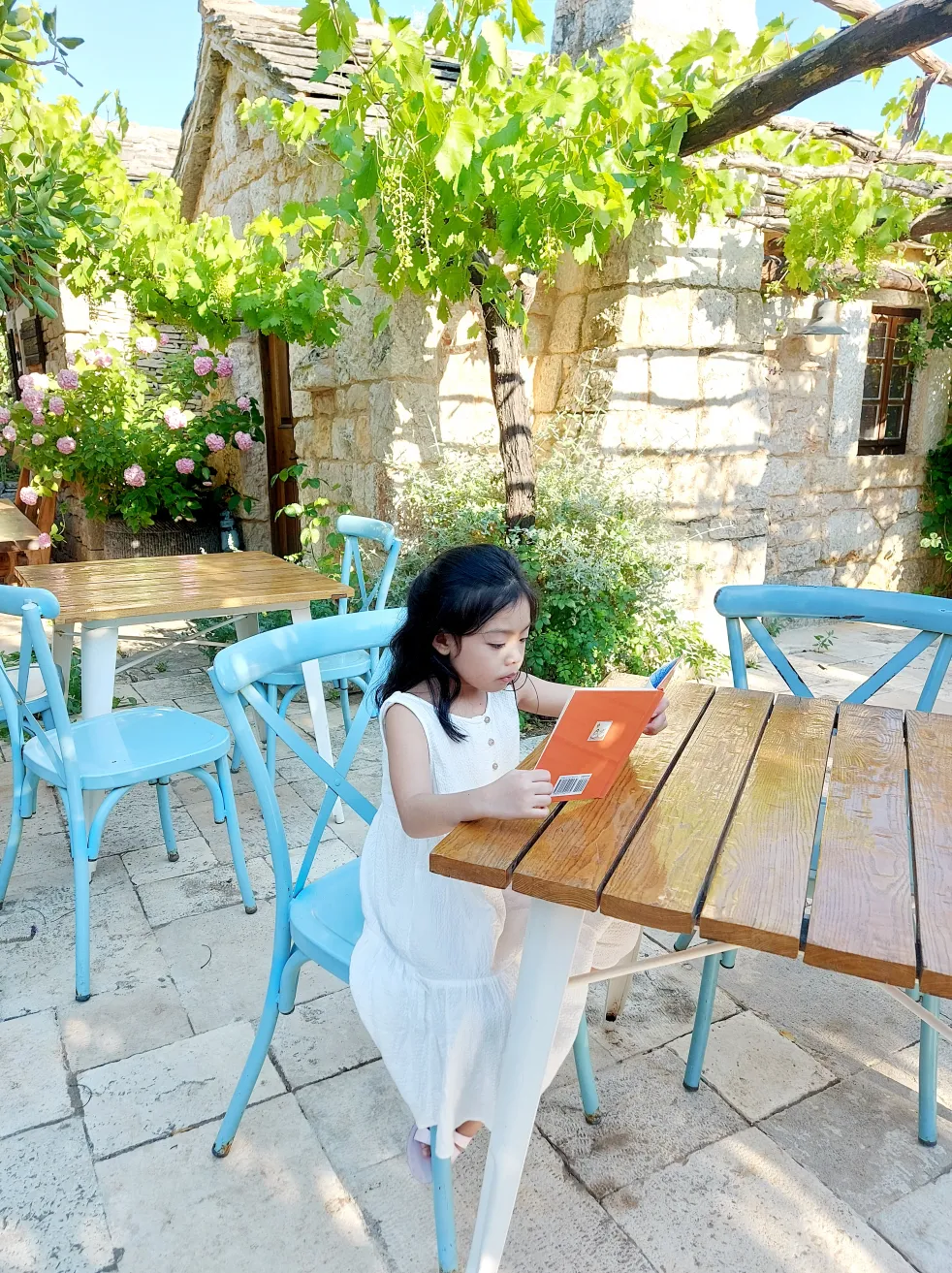
Where your child goes to school is a big decision and shouldn’t be taken lightly. Given how their education can impact their future, you might be tempted to take control and decide for them. However, you might be doing more damage than helping them in the long run. Your job as parents is to support… Continue reading HOW TO CHOOSE THE BEST SCHOOL FOR YOUR CHILD
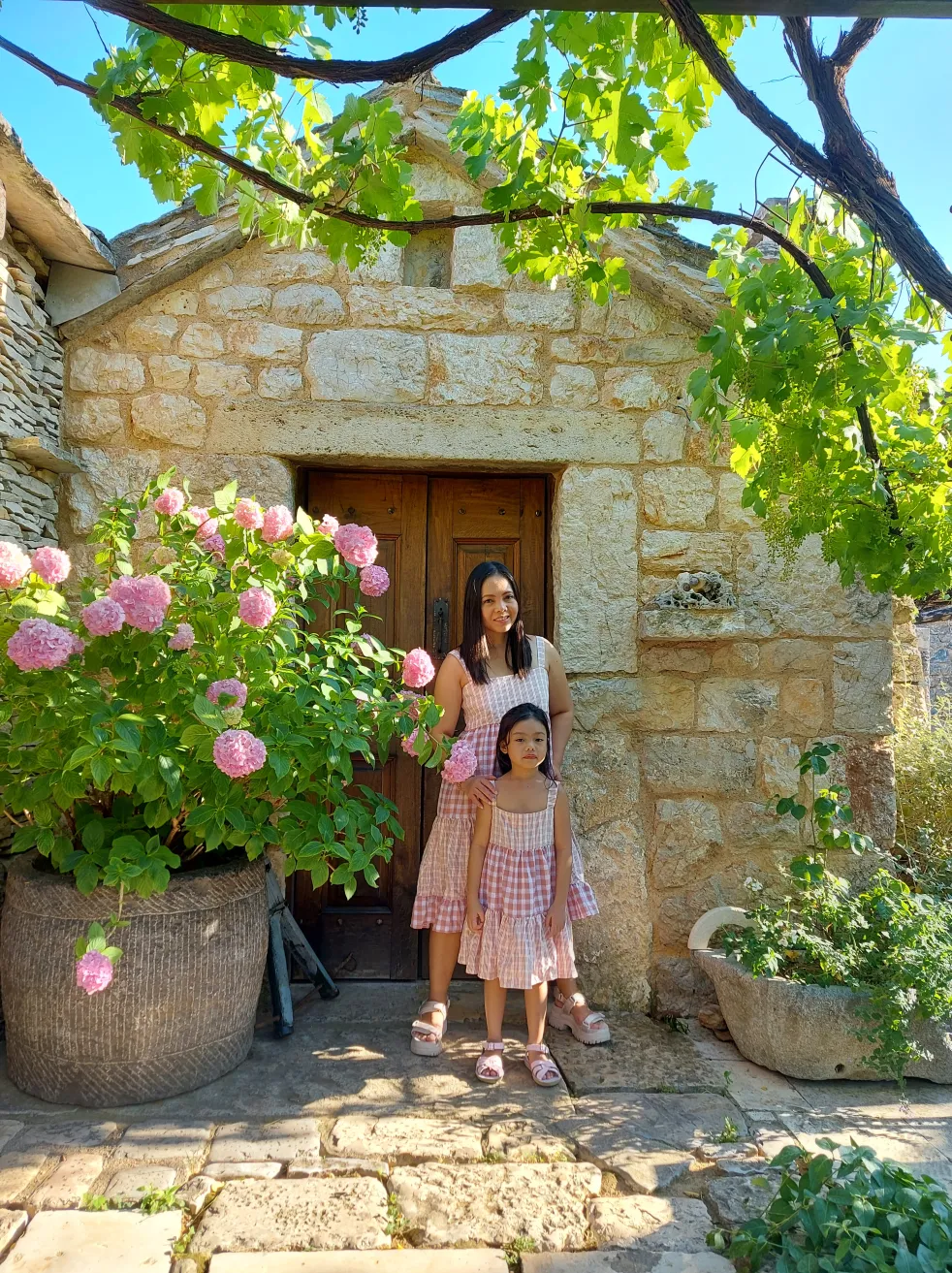
As poet and philosopher Rumi once eloquently said, “raise your words, not your voice. It is rain that grows flowers, not thunder.” Parenting is a challenging journey, and the truth is that nobody has everything figured out. One parenting style might suit others best, and some might favor other methods. However, children respond better to… Continue reading A SIMPLE GUIDE TO GENTLE PARENTING

Whether you’re a new mom to be, mom of a toddler, mom who have school-aged kids, you’re bound to have so many questions. Let's start with your baby's skin. Infant skin has unique needs; gentle care is essential to prevent damage to the skin barrier, which can lead to irritation. When caring for infant skin,… Continue reading Keeping Baby’s Diapered Skin Healthy
As parents, we want to give our child the best possible start in life and that begins with nurturing their intelligence. Throughout history, the notion of success has been linked to academic intelligence. However, there has been an increased awareness on the importance of emotional intelligence. This question gets at the heart of the never-ending… Continue reading IQ or EQ, which one is a better predictor of your child’s success?
 wondermomma.net