

Last August, IKEA Philippines engaged with Better World Smokey Mountain, a newly opened community center operated by the San Miguel Foundation, which shares a similar goal of improving the lives of many Filipino people. Through this partnership, IKEA Philippines provided and assembled home furnishings for the classrooms and library of Better World Smokey Mountain community… Continue reading Help Create a Better World with IKEA Soft Toys
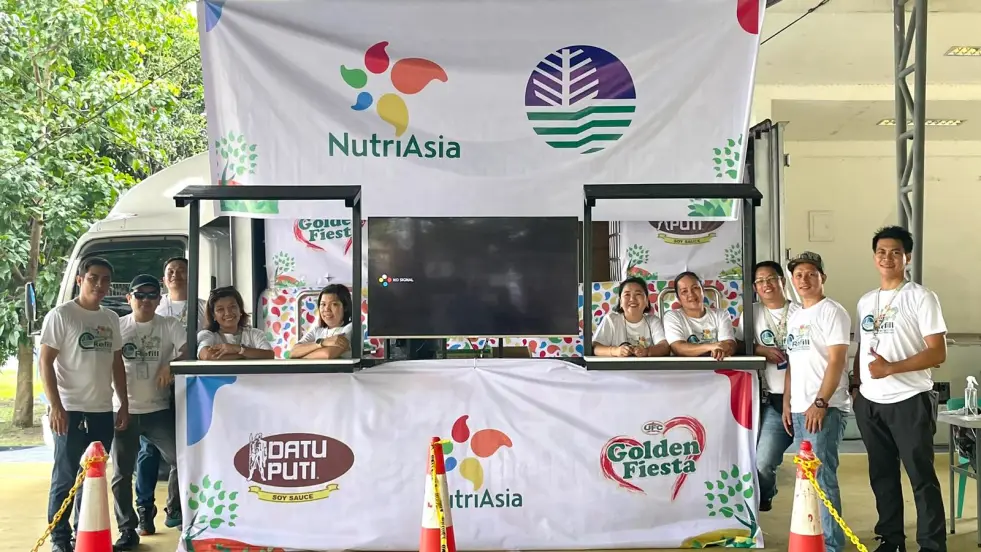
NutriAsia, the country’s top producer of condiments and sauces, continues its support of Refill Revolution; a project by the Department of Environment and Natural Resources EMB 3 that aims to help reduce Filipinos’ single-use plastics consumption. At Refill Revolution, residents get to recycle their single-use plastic bottles by reusing and filling it with their choice… Continue reading NutriAsia and DENR renews partnership for Refill Revolution

Managing your own stress as a stay-at-home mum
The daily rhythm of stay-at-home motherhood can feel like another job on a day already crowded with feeding, cleaning, school preparation and emotional support. The role offers connection and flexibility, but it can also leave little room to switch off. Recognising that tension is not a sign of inadequate commitment; it is a sign that your capacity needs care too.
Stress often builds quietly: a shortened fuse, a headache before lunch, resentment during pickup, or the sense that you can never finish what you started. These signs deserve attention before they become resentment, illness or exhaustion. A manageable routine is not the same as a perfect one, and asking for help does not change your commitment to your family.
Australian routines add their own texture. In Sydney and Melbourne, traffic and long distances can turn a quick school run or errand into a draining commitment. Elsewhere, a walk around the block, a swim at a council pool and a stop at Coles or Woolworths may be the only predictable pockets of time outside the house. Parenting can offer useful ideas, and practical parenting guidance can help with routines without pretending one approach fits every family.
The most useful approach is small and specific: notice early signals, protect time to recover, share work that does not require your voice or presence, and seek professional support when symptoms persist. These steps work best as a combined routine rather than a test you can pass or fail.
Recognise stress before it builds
Stress does not always look dramatic. It may show up as constant urgency, difficulty switching off, anger that feels disproportionate, or a persistent wish to escape ordinary requests. Naming the pattern matters because each signal calls for a different response; adding more tasks rarely solves a depleted nervous system.
| What you notice | Short-term response | Support for the pattern |
|---|---|---|
| Constant rushing | Pick one essential task for fifteen minutes | Review recurring duties and hand one over |
| Irritability after school pickup | Take a brief pause and request a handover | Plan a weekly share of pickups and settling |
| Dread before each day begins | Write down the first three priorities | Restore choice by delegating a complete responsibility |
| Low mood or anxiety most days | Tell a trusted person what is happening | Arrange a GP review and discuss mental health support |
Choose one small, proportionate action rather than redesigning the entire day. If you are racing between jobs, use a fifteen-minute reset to finish one essential task. If you are depleted after school pickup, ask another trusted adult to take the children while you eat or sit quietly. The aim is to interrupt the cycle, not win a productivity contest.
Track patterns for a week, noting sleep, mood, demands and moments of relative calm. Look for repeated triggers such as mornings, evenings, visitor days or an unequal share of household work. A clear pattern is often easier to address than a vague feeling of being overwhelmed.
Build recovery into an ordinary day
Recovery works best when it is planned before exhaustion makes every choice feel difficult. Reserve a short window that belongs only to you, even if it is twenty minutes for a shower, a chapter, a walk or a cup of tea. Put it in the shared calendar and treat it as an appointment, not a reward for finishing everything.
Choose options that match your energy rather than an idealised self-care list. On hot afternoons, Australia’s high UV index makes outdoor exercise harder, but shaded parks, early-morning walks, indoor play centres and council pools can offer gentler movement. In cooler weather, layer up and take advantage of the low-cost recreation programmes many councils provide.
Keep the plan flexible enough for children’s changing needs. If the planned window disappears because of a medical appointment or a delayed nap, use a backup version: five slow breaths, one song, or a glass of water away from the sink. Small replacements preserve the habit of pausing without pretending every disruption can be controlled.
Share the invisible work
A stay-at-home mum often becomes the default organiser, even when she is not physically carrying a task. The mental load includes remembering appointments, checking ingredients, tracking clothing sizes, noticing moods and coordinating transport. These jobs can consume attention without looking like visible work, so start by describing the whole picture rather than asking for one extra favour.
Use a specific conversation: identify what must happen this week, who owns each job, and what support you need from your partner, relatives or friends. A shared planning checklist can prevent a vague promise from becoming another invisible responsibility; a simple shared planning checklist can give everyone a clear view of tasks, deadlines and swaps.
Ask other adults to own outcomes, not merely offer to help when prompted. A partner can prepare breakfast three mornings a week; another relative can collect one sibling; a friend can sit with the baby while you take a walk. Ownership reduces the need to supervise, delegate and remember, which are themselves demanding forms of work.
Build support outside the house
Social connection is a practical resource, not an extra task to perform perfectly. Regular contact with another adult can interrupt isolation, provide perspective and make it easier to ask for concrete assistance. If your days feel closed off, choose one repeatable point of contact: a weekly coffee, a library group, a parents’ meeting or a walking routine with a friend.
Local communities offer low-pressure ways to connect. Libraries, council community centres, playgroups, parent-and-baby groups and indoor play spaces can reduce isolation for both you and your child. Across Australian cities, these neighbourhood-based activities are often more accessible than one large central event, particularly when children, transport and summer heat are involved.
When a child has disability, additional needs or complex health needs, ask a GP about supports such as an NDIS plan, allied health services and respite options. For ordinary childcare needs, occasional approved care can create valuable time alone; the federal Child Care Subsidy may reduce fees for eligible families. Availability and eligibility vary, so confirm current details before arranging care.
Protect sleep, meals and everyday health
Stress often disrupts the fundamentals first. Irregular meals, endless snacks eaten over the sink and sleep broken by night-time needs can leave you tense and unfocused. Make food preparation realistic: keep one easy meal available, combine leftovers and accept that some dinners will be simple. Regular nourishment supports steadier mood, while hydration matters particularly during hot Australian summers.
Build a short wind-down routine that does not depend on perfect conditions. Dim the lights, reduce notifications and write down anything you are worried about so your mind does not have to keep rehearsing it. Where safe and practical, share night-time duties with your partner; even a predictable rota is better than assuming one person will manage every wake-up.
Use familiar local services to reduce daily friction. Coles and Woolworths offer online ordering and click-and-collect in many areas, which can turn shopping into a shorter errand, though delivery fees and minimum orders should be weighed against your budget. A nearby pharmacy, GP clinic or community health centre can also support practical health needs without adding a complicated trip.
Recognise when stress needs professional care
Short-term stress can improve with rest, boundaries and shared responsibilities, but some patterns need a clinician’s support. If anxiety, low mood, panic, persistent irritability or physical symptoms continue for weeks, or if you cannot manage basic tasks, book a GP appointment. A mental health professional can help you understand what is happening and choose treatment that fits.
In Australia, a GP can discuss a Medicare Mental Health Treatment Plan, which may help with subsidised psychology or psychiatric care for eligible people. State and territory laws, including the Mental Health Act 1958 in some jurisdictions, govern involuntary assessment and treatment, with local rules differing. If there is immediate danger to you or someone else, call 000 or go to an emergency department rather than waiting for a routine appointment.
Professional care can sit alongside practical support from family, friends and community services; one does not replace the other. A therapist may help you recognise patterns, while a GP can assess sleep, hormones, physical health and other contributors. Telling your support network that you are seeking help can make follow-through easier. Steady care is not another performance standard, and early support can prevent exhaustion from becoming the family’s normal setting.

Mercato Centrale, in collaboration with Indian Women in Enterprise Philippines (I-We), is set to host "The Great Indian Fiesta" to mark 75 years of friendship between India and the Philippines. The dynamic two-day event is scheduled to take place on September 30 to October 1, 2023, at Paseo De Roxas Street, Makati City. Aiming to… Continue reading Mercato Centrale Partners with I-We to Host ‘The Great Indian Fiesta’, Commemorating 75 Years of India-Philippines Friendship

My stomach would usually start growling at 10 am even after taking a big breakfast. This is probably because I am a morning person and I move a lot throughout the day hence snacking is something that I can't avoid. This potatoes and chicken wrap recipe is easy to prepare and would keep me full… Continue reading Potato and Chicken Wrap
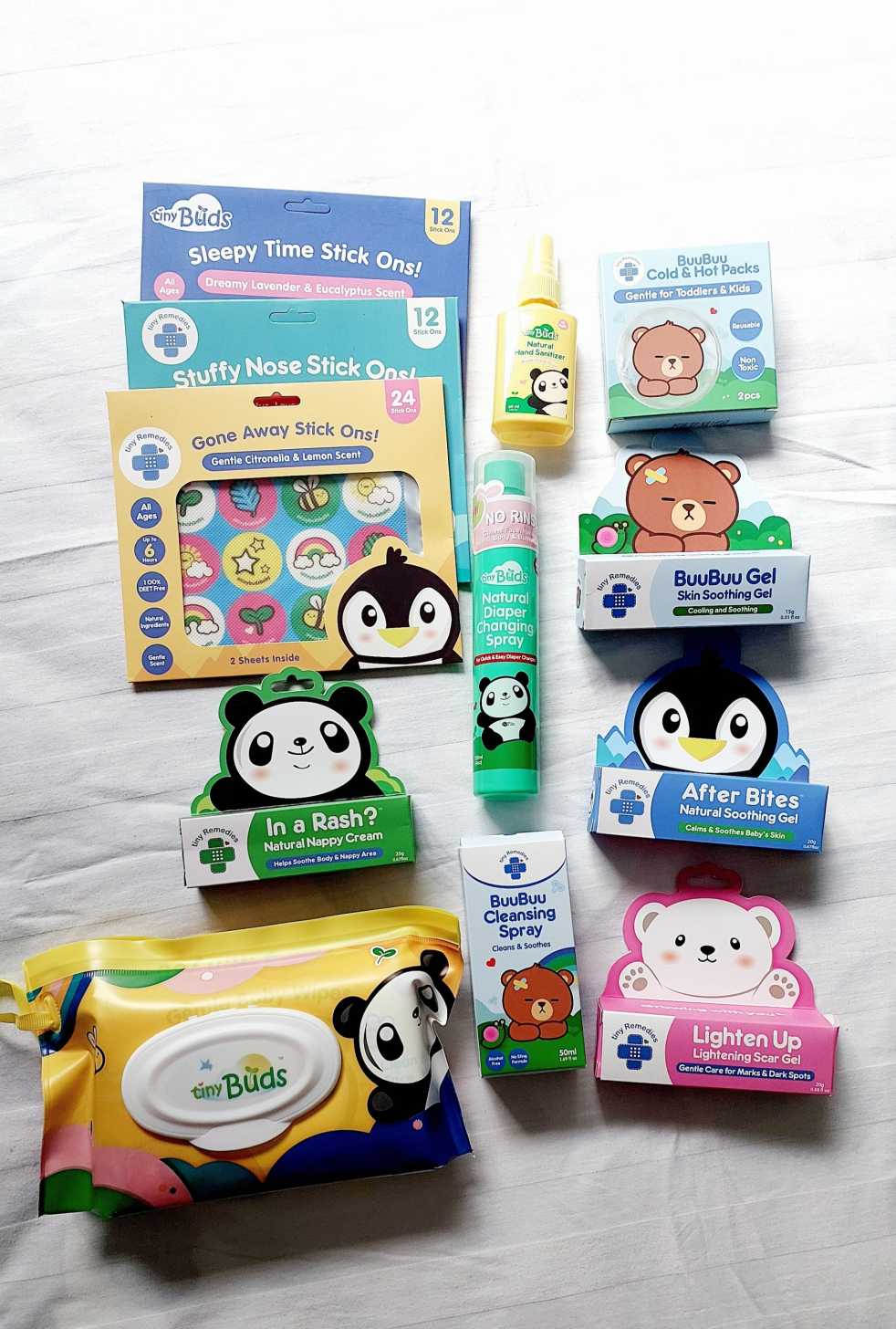
Your baby’s skin is more delicate than most, this is why you have to choose products that are designed for sensitive skin. Tiny Buds is a pioneer in integrating natural ingredients into baby care and today has over 50 innovative natural baby care essentials and is one of the Top Baby Personal Care brands. Here… Continue reading Product Review: Tiny Buds Baby Naturals Baby Essentials
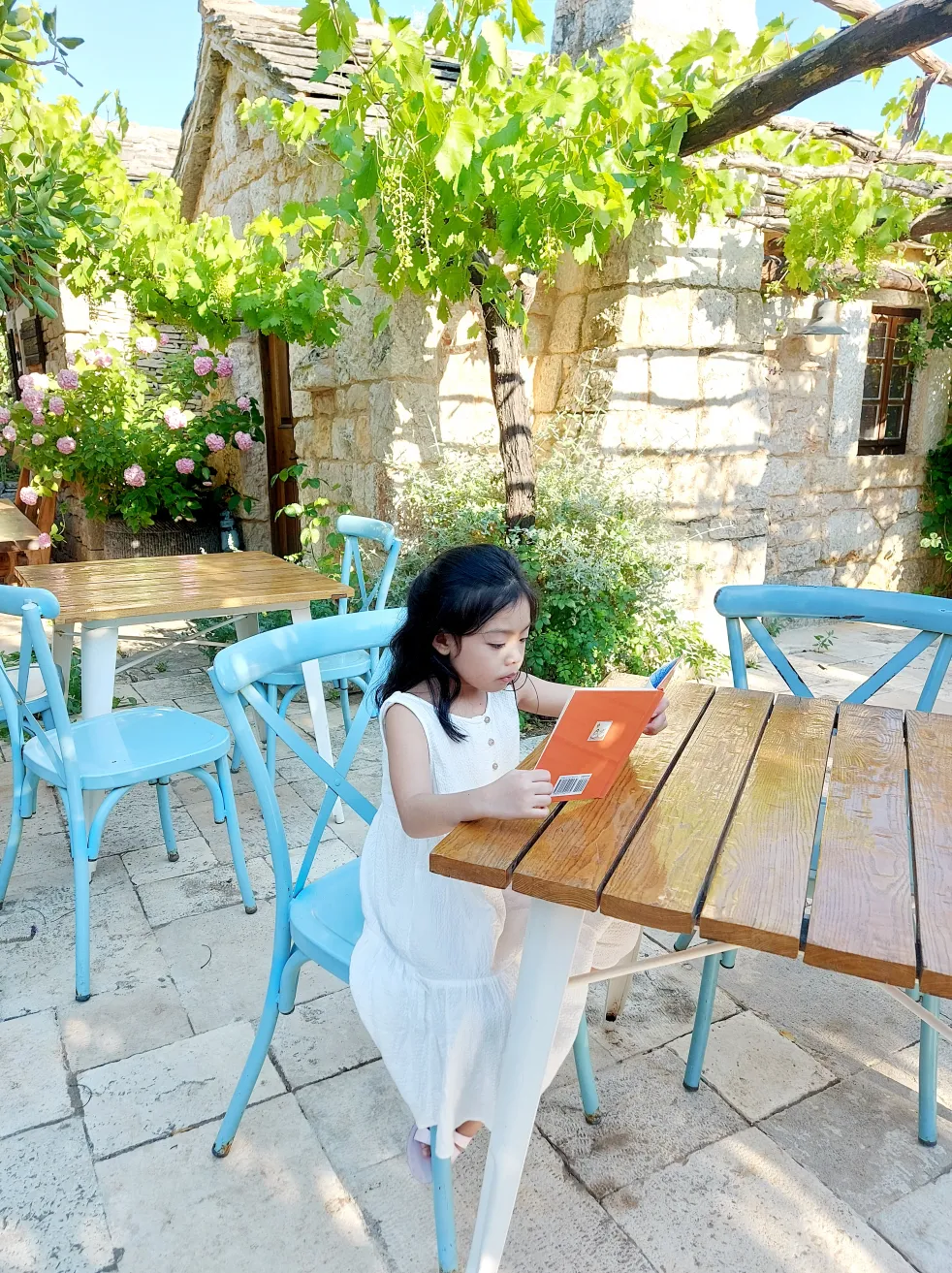
Where your child goes to school is a big decision and shouldn’t be taken lightly. Given how their education can impact their future, you might be tempted to take control and decide for them. However, you might be doing more damage than helping them in the long run. Your job as parents is to support… Continue reading HOW TO CHOOSE THE BEST SCHOOL FOR YOUR CHILD

As poet and philosopher Rumi once eloquently said, “raise your words, not your voice. It is rain that grows flowers, not thunder.” Parenting is a challenging journey, and the truth is that nobody has everything figured out. One parenting style might suit others best, and some might favor other methods. However, children respond better to… Continue reading A SIMPLE GUIDE TO GENTLE PARENTING

Whether you’re a new mom to be, mom of a toddler, mom who have school-aged kids, you’re bound to have so many questions. Let's start with your baby's skin. Infant skin has unique needs; gentle care is essential to prevent damage to the skin barrier, which can lead to irritation. When caring for infant skin,… Continue reading Keeping Baby’s Diapered Skin Healthy
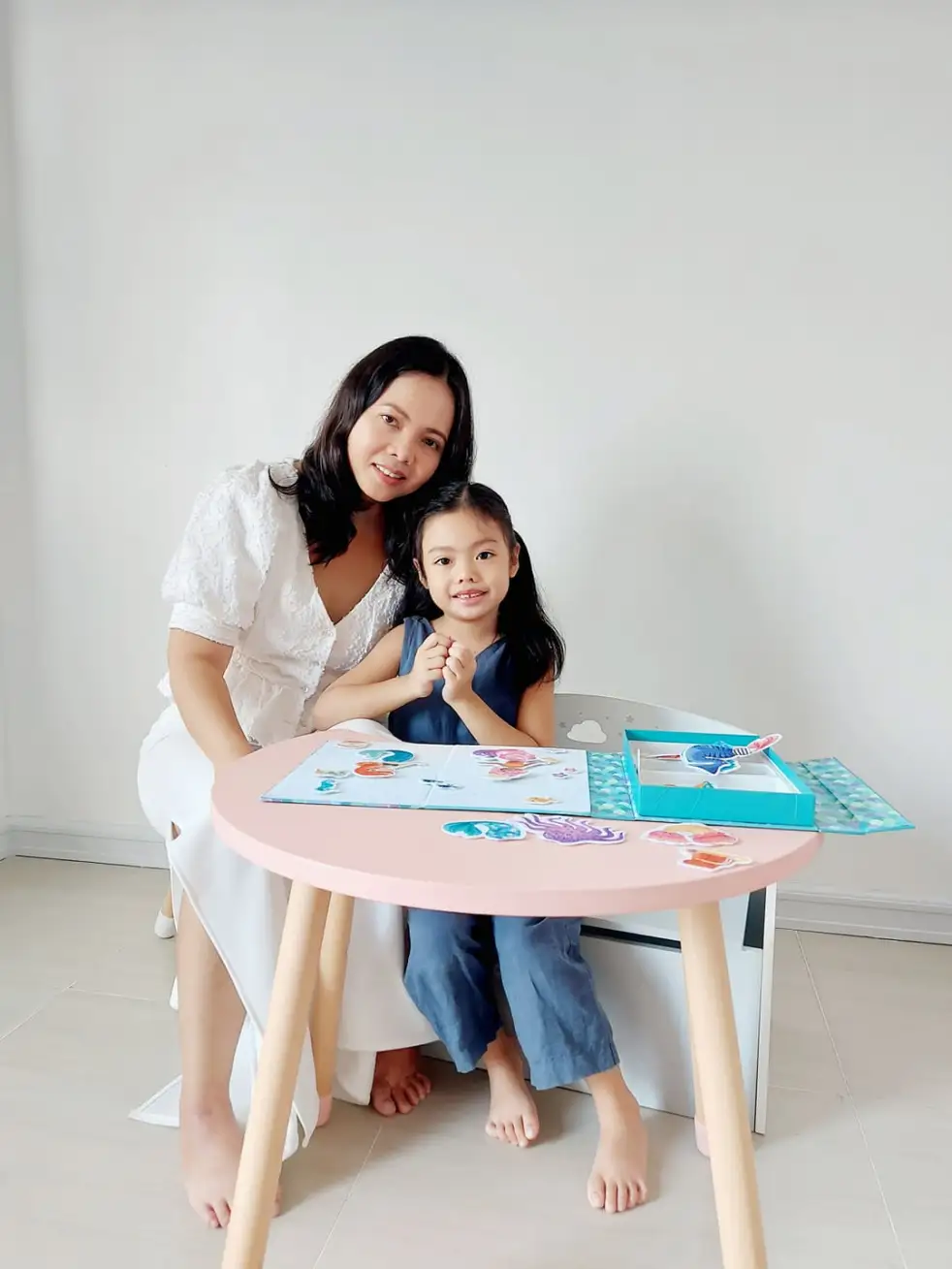
As parents, we want to give our child the best possible start in life and that begins with nurturing their intelligence. Throughout history, the notion of success has been linked to academic intelligence. However, there has been an increased awareness on the importance of emotional intelligence. This question gets at the heart of the never-ending… Continue reading IQ or EQ, which one is a better predictor of your child’s success?
 wondermomma.net