

Last August, IKEA Philippines engaged with Better World Smokey Mountain, a newly opened community center operated by the San Miguel Foundation, which shares a similar goal of improving the lives of many Filipino people. Through this partnership, IKEA Philippines provided and assembled home furnishings for the classrooms and library of Better World Smokey Mountain community… Continue reading Help Create a Better World with IKEA Soft Toys

NutriAsia, the country’s top producer of condiments and sauces, continues its support of Refill Revolution; a project by the Department of Environment and Natural Resources EMB 3 that aims to help reduce Filipinos’ single-use plastics consumption. At Refill Revolution, residents get to recycle their single-use plastic bottles by reusing and filling it with their choice… Continue reading NutriAsia and DENR renews partnership for Refill Revolution

Managing sibling rivalry when a new baby arrives
A new baby changes the rhythm of an entire household. Sleep becomes less predictable, adults have less time and patience, and an older child may suddenly feel that a once-familiar place in the family has become uncertain. Even a child who was excited about becoming a big brother or sister can respond with anger, clinginess, tears or challenging behaviour.
Sibling rivalry after a baby arrives is usually a bid for reassurance rather than a sign of poor character. An older child may test whether their parents still notice them, love them and make room for their feelings. They may regress, speak in a baby voice, refuse ordinary tasks or become rough with the baby.
Families in Australia may also be adjusting to practical pressures such as long commutes in Sydney or Melbourne, hot summer days, childcare arrangements and relatives who live interstate. A parent recovering from birth may be relying on a partner, grandparents, a maternal and child health nurse, or support through local community services.
The aim is not to prevent every jealous feeling. It is to help children express those feelings safely while building a warm relationship between siblings. Small routines, calm boundaries and regular one-to-one attention can make the transition gentler for everyone.
Prepare your older child before the birth
Children cope better when they know what will change and what will stay familiar. Explain the baby’s arrival in simple, concrete language, using books, dolls or photographs. Talk about practical details such as where the baby will sleep, who will take the older child to school or daycare, and who may visit after the birth.
Avoid promising that the baby will be a constant playmate. Newborns mostly feed, sleep, cry and need carrying, so an older child may feel disappointed if they expect immediate interaction. Instead, describe realistic ways they can be involved, such as choosing a muslin wrap, singing softly or helping fetch a clean nappy.
Give your child permission to have mixed feelings. Say, “You can love the baby and still feel cross when I am busy.” This reduces the pressure to perform happiness. If possible, practise short separations before the birth, especially if another adult will handle school drop-offs or bedtime during the hospital stay.
Australian families can use local resources in an age-appropriate way. A visit to a library in Brisbane, Perth or Adelaide can provide picture books about becoming a sibling, while a child and family health service can offer guidance about preparing toddlers and preschoolers.
Protect familiar routines and special time
A predictable routine helps an older child feel secure when the household feels different. Keep important rituals where possible: the same bedtime story, Saturday morning pancakes, school pick-up chats or a walk to the local park. The routine does not need to be elaborate; consistency matters more than entertainment.
Create a small daily pocket of undivided attention. Ten minutes of floor play, drawing or reading can be more reassuring than a whole afternoon when a parent is distracted. Let the older child choose the activity sometimes, and put the phone away so they can see that this time belongs to them.
Use clear language when you need to attend to the baby. Rather than saying, “Wait, I’m busy,” try, “I am feeding the baby, then I will sit beside you and finish the puzzle.” Keep the promise, even if the planned activity needs to be brief. A kitchen timer can help a young child understand when their turn is coming.
Partners and trusted adults can protect these connections too. A grandparent might take the older child for an outing, or a parent working from home might reserve a short after-school ritual. The goal is to ensure that the child is still experienced as important, rather than remembered only when they are being difficult.
Respond to jealousy with empathy and boundaries
Jealousy often appears as whining, tantrums, toileting accidents, sleep disruption or demands to be carried. Respond to the feeling first and the behaviour second. “You wanted me to hold you while I was holding the baby” acknowledges the experience without agreeing to unsafe or impractical demands.
Empathy does not mean allowing aggression. If the child hits, pushes or grabs the baby, move close and block the action calmly: “I won’t let you hurt the baby. You are angry. I will help you use gentle hands.” Avoid long lectures in the heated moment. Once everyone is calm, practise what the child can do instead, such as calling an adult, squeezing a cushion or stomping on the ground.
Try not to label the older child as jealous, naughty or a bad helper. Labels can become part of a child’s identity and may intensify resentment. Describe what you see and set the limit: “You threw the rattle because you wanted my attention. Rattles are for placing on the floor, not throwing at people.”
Gentle parenting still includes firm safety limits. The baby should never be left alone with a child who is acting aggressively, even if the older child usually behaves well. Supervision, physical separation and calm repetition are protective measures, not punishments.
Invite involvement without creating responsibility
Many older children enjoy having a meaningful role, but they should not be made responsible for the baby’s safety or comfort. Offer choices such as selecting between two outfits, bringing a clean bib or helping to sing during nappy changes. Thank them for participating without suggesting that they must always be helpful.
Be alert to the difference between genuine interest and pressure. Some children want to touch the baby; others prefer to watch from a distance. Let them set the pace. Never force a cuddle, kiss or photo for visiting relatives. Consent and bodily autonomy apply to sibling relationships as well.
Give attention to the older child’s achievements and interests that have nothing to do with being a sibling. Ask about a Lego creation, celebrate a swimming lesson or display artwork from school. A child needs to remain a whole person, rather than becoming the family’s permanent assistant.
Gifts can also affect the emotional atmosphere. Some Australian families give the older child a small present when the baby comes home, but this is optional. A thoughtful book or activity may help, yet no object can replace warmth, time and dependable care.
Make shared moments safe and positive
Look for low-pressure activities that allow both children to be nearby. The older child might build with blocks while the baby lies on a play mat, listen to a story during a feed or help choose music for a quiet afternoon. Keep expectations modest, especially during the newborn months.
Notice and describe positive interactions as they happen. “You stopped when the baby turned away” or “You brought the blanket very carefully” gives specific feedback. Avoid demanding affection or repeatedly saying, “Be gentle,” without showing what gentleness looks like.
If conflict begins over a toy, move quickly and calmly. A newborn may not understand turn-taking, while a toddler may struggle to wait. Keep treasured toys in a separate place, provide duplicates where practical and use short, clear turns. For example, “The baby has the soft book. You can choose the truck or sit beside me.”
Older children can also need protection from the baby’s future grabbing and crawling. As the infant becomes mobile, establish shared rules: hands are not for snatching, bedrooms may be private, and an older child can ask an adult for help. Fairness does not mean treating children identically; it means considering each child’s developmental needs.
Seek support when the strain continues
Some rivalry is expected, but persistent distress deserves attention. Speak with a GP, child and family health nurse, early childhood educator or school wellbeing staff if aggression is frequent, sleep and eating are greatly affected, or the older child seems withdrawn for several weeks.
Parental wellbeing matters as well. Exhaustion can make ordinary sibling conflict feel impossible, particularly when feeding difficulties, postnatal recovery or financial stress are involved. In Australia, families may be able to access support through their GP, community health services, Parentline in their state or territory, and local playgroups.
Keep records of patterns rather than judging isolated incidents. Note when rivalry peaks, what happened beforehand and what helped. Conflict may be worse before dinner, after daycare, during hot weather or when the parent is feeding the baby. Adjusting the environment can be more effective than repeating instructions.
The following approaches can help match a response to the child’s likely need:
| What you notice | Possible need underneath | Helpful response | Boundary to keep |
|---|---|---|---|
| Clinginess or baby talk | Reassurance and closeness | Offer a cuddle, simple play and extra connection | Do not shame regression |
| Interrupting feeds | Attention and predictability | Explain when the feed will end and provide a nearby activity | The baby’s immediate care continues |
| Hitting or pushing | Big feelings and limited impulse control | Block the action, name the feeling and practise an alternative | Keep bodies safe and supervise closely |
| Taking baby equipment | Inclusion or curiosity | Offer a safe helping job or similar toy | Baby medicines and small items stay out of reach |
| Refusing routines | A need for control | Give two acceptable choices and use visual reminders | Essential sleep, hygiene and safety rules remain |
| Saying “Take the baby back” | Fear of losing their place | Reassure them that the family has room for both children | Do not demand affection or gratitude |
A secure sibling relationship is built through hundreds of ordinary moments: a parent listening after a difficult afternoon, a boundary delivered without humiliation, a shared laugh during bath time and a reliable return to familiar routines. The older child does not need to be endlessly patient or delighted. They need reassurance that the baby’s arrival has changed the family’s schedule, not their place within it.

Mercato Centrale, in collaboration with Indian Women in Enterprise Philippines (I-We), is set to host "The Great Indian Fiesta" to mark 75 years of friendship between India and the Philippines. The dynamic two-day event is scheduled to take place on September 30 to October 1, 2023, at Paseo De Roxas Street, Makati City. Aiming to… Continue reading Mercato Centrale Partners with I-We to Host ‘The Great Indian Fiesta’, Commemorating 75 Years of India-Philippines Friendship

My stomach would usually start growling at 10 am even after taking a big breakfast. This is probably because I am a morning person and I move a lot throughout the day hence snacking is something that I can't avoid. This potatoes and chicken wrap recipe is easy to prepare and would keep me full… Continue reading Potato and Chicken Wrap
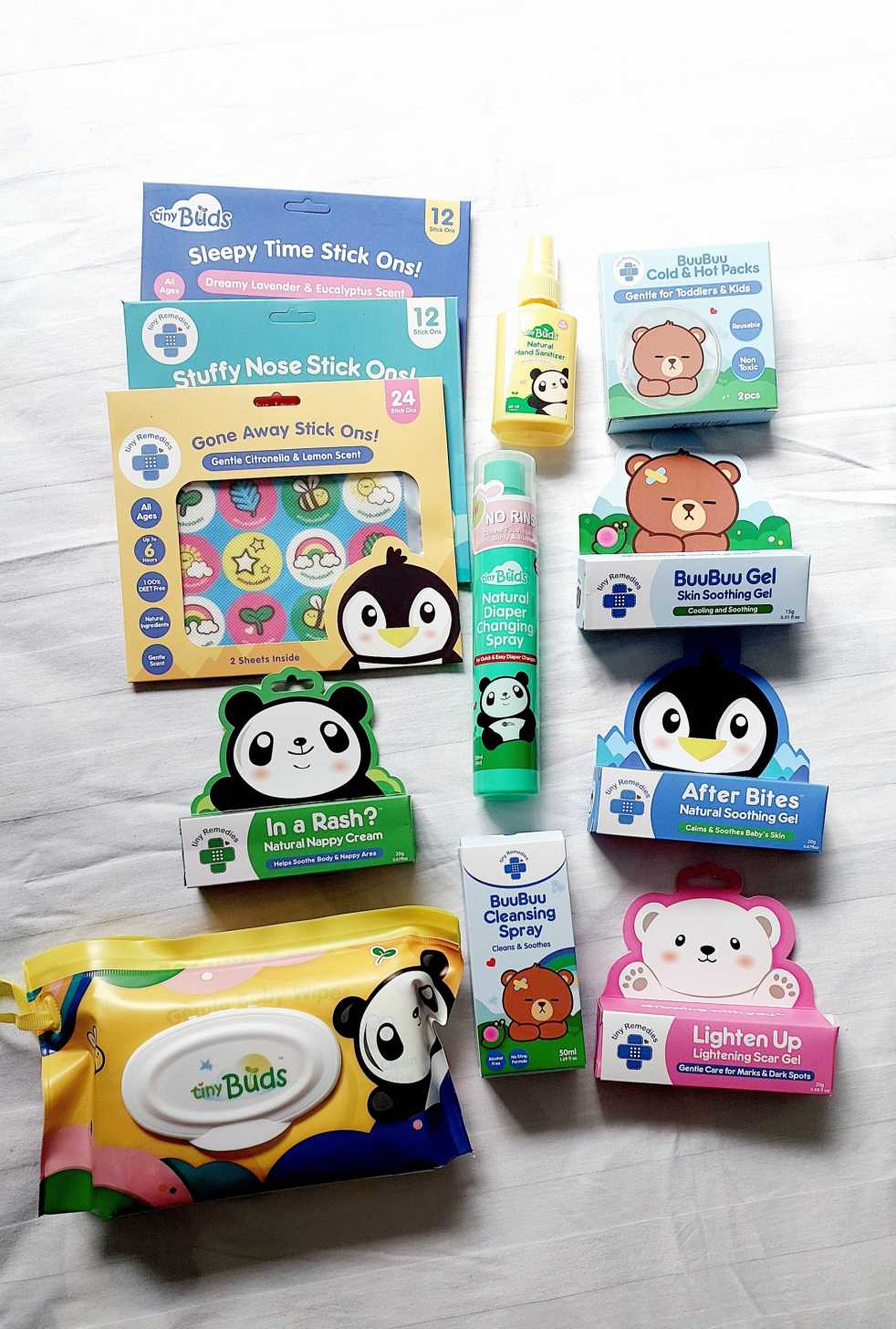
Your baby’s skin is more delicate than most, this is why you have to choose products that are designed for sensitive skin. Tiny Buds is a pioneer in integrating natural ingredients into baby care and today has over 50 innovative natural baby care essentials and is one of the Top Baby Personal Care brands. Here… Continue reading Product Review: Tiny Buds Baby Naturals Baby Essentials
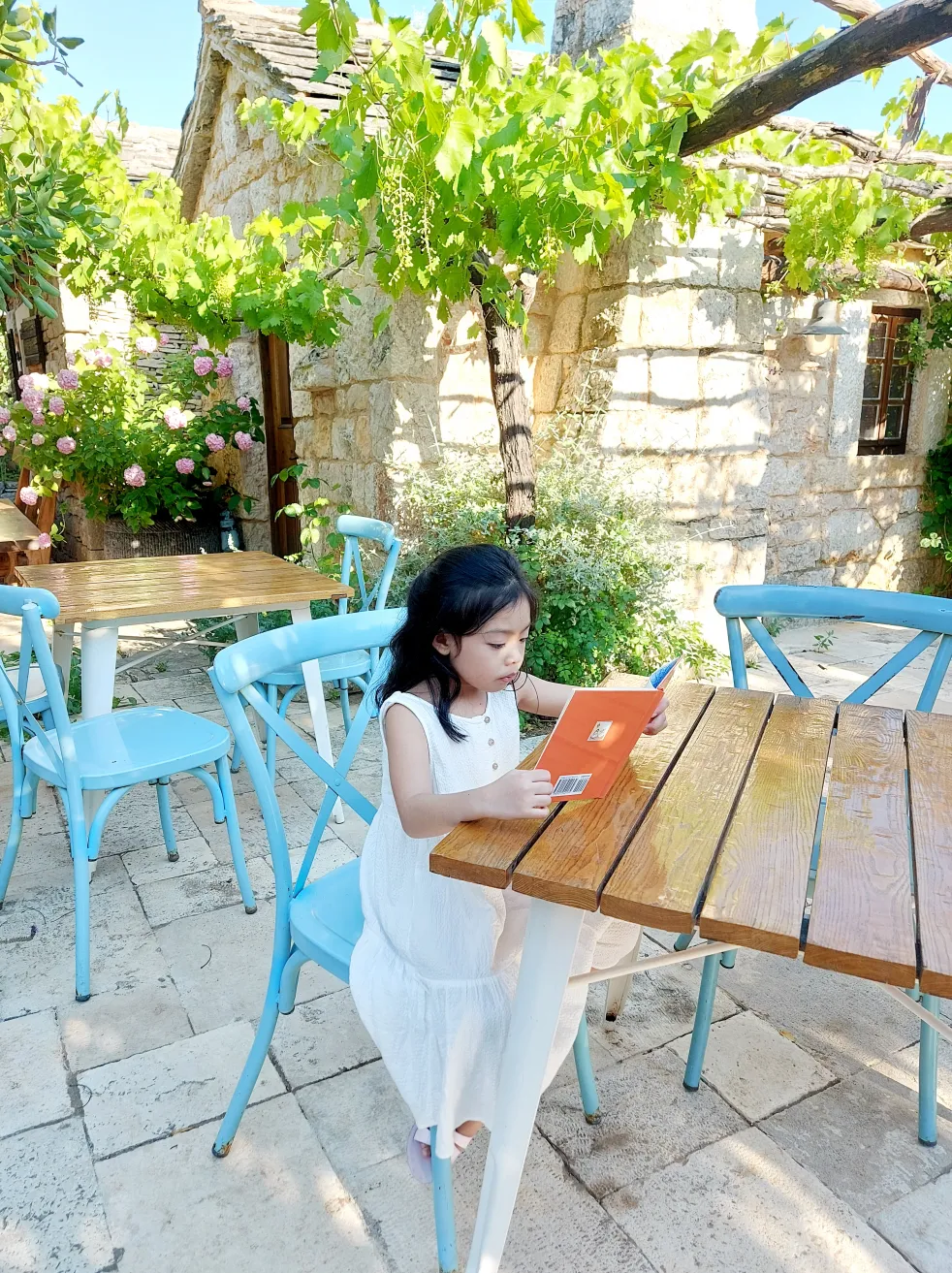
Where your child goes to school is a big decision and shouldn’t be taken lightly. Given how their education can impact their future, you might be tempted to take control and decide for them. However, you might be doing more damage than helping them in the long run. Your job as parents is to support… Continue reading HOW TO CHOOSE THE BEST SCHOOL FOR YOUR CHILD
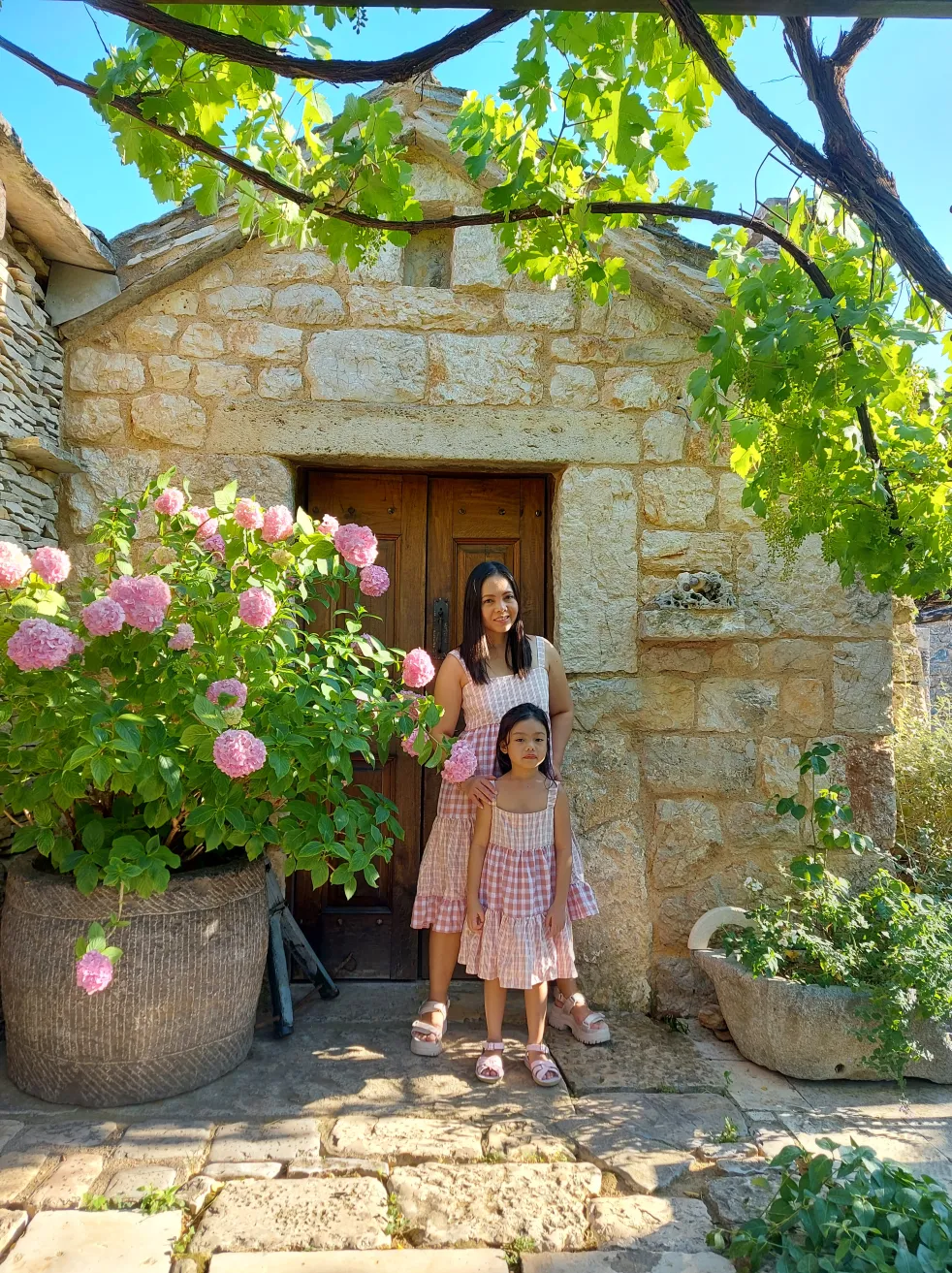
As poet and philosopher Rumi once eloquently said, “raise your words, not your voice. It is rain that grows flowers, not thunder.” Parenting is a challenging journey, and the truth is that nobody has everything figured out. One parenting style might suit others best, and some might favor other methods. However, children respond better to… Continue reading A SIMPLE GUIDE TO GENTLE PARENTING
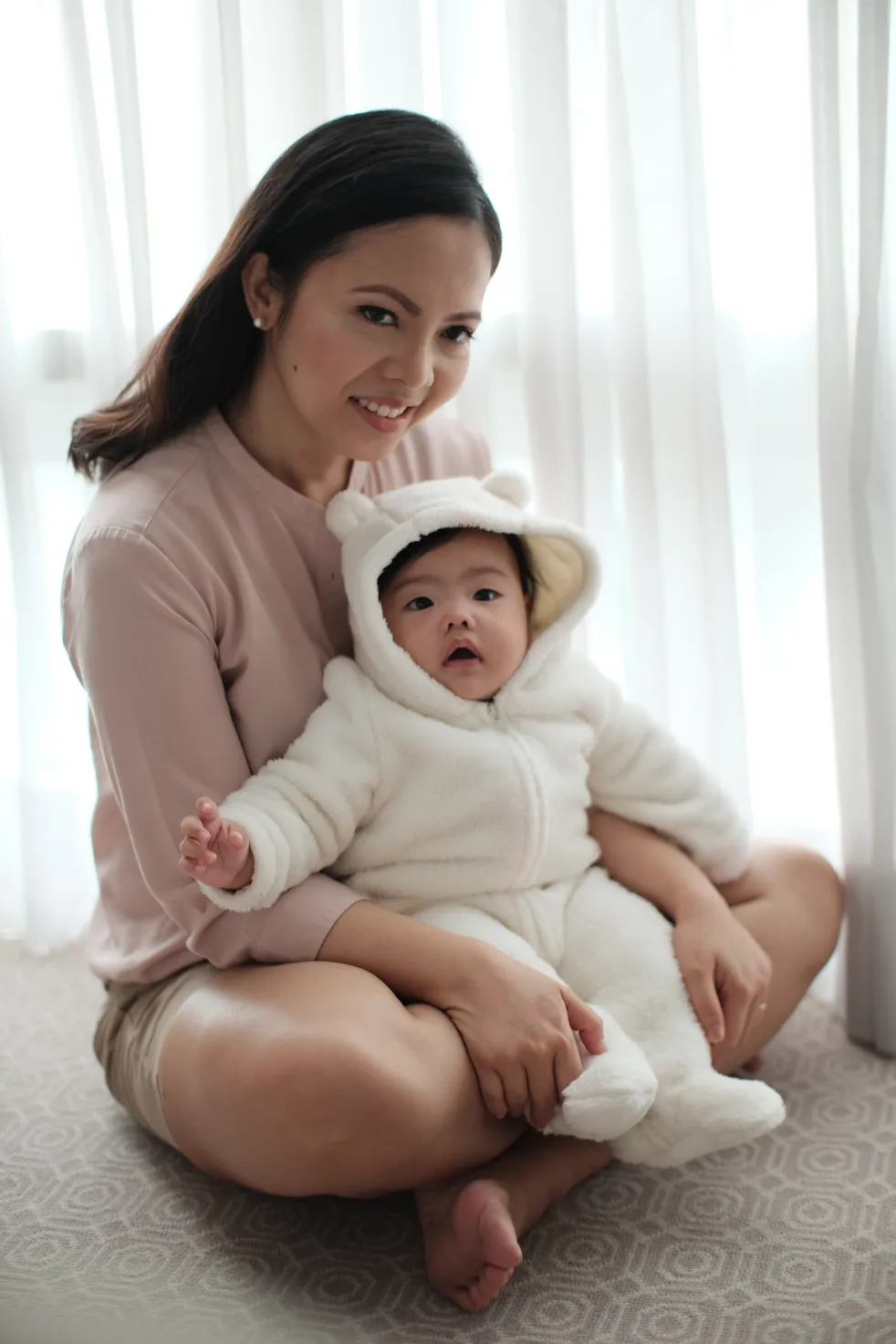
Whether you’re a new mom to be, mom of a toddler, mom who have school-aged kids, you’re bound to have so many questions. Let's start with your baby's skin. Infant skin has unique needs; gentle care is essential to prevent damage to the skin barrier, which can lead to irritation. When caring for infant skin,… Continue reading Keeping Baby’s Diapered Skin Healthy
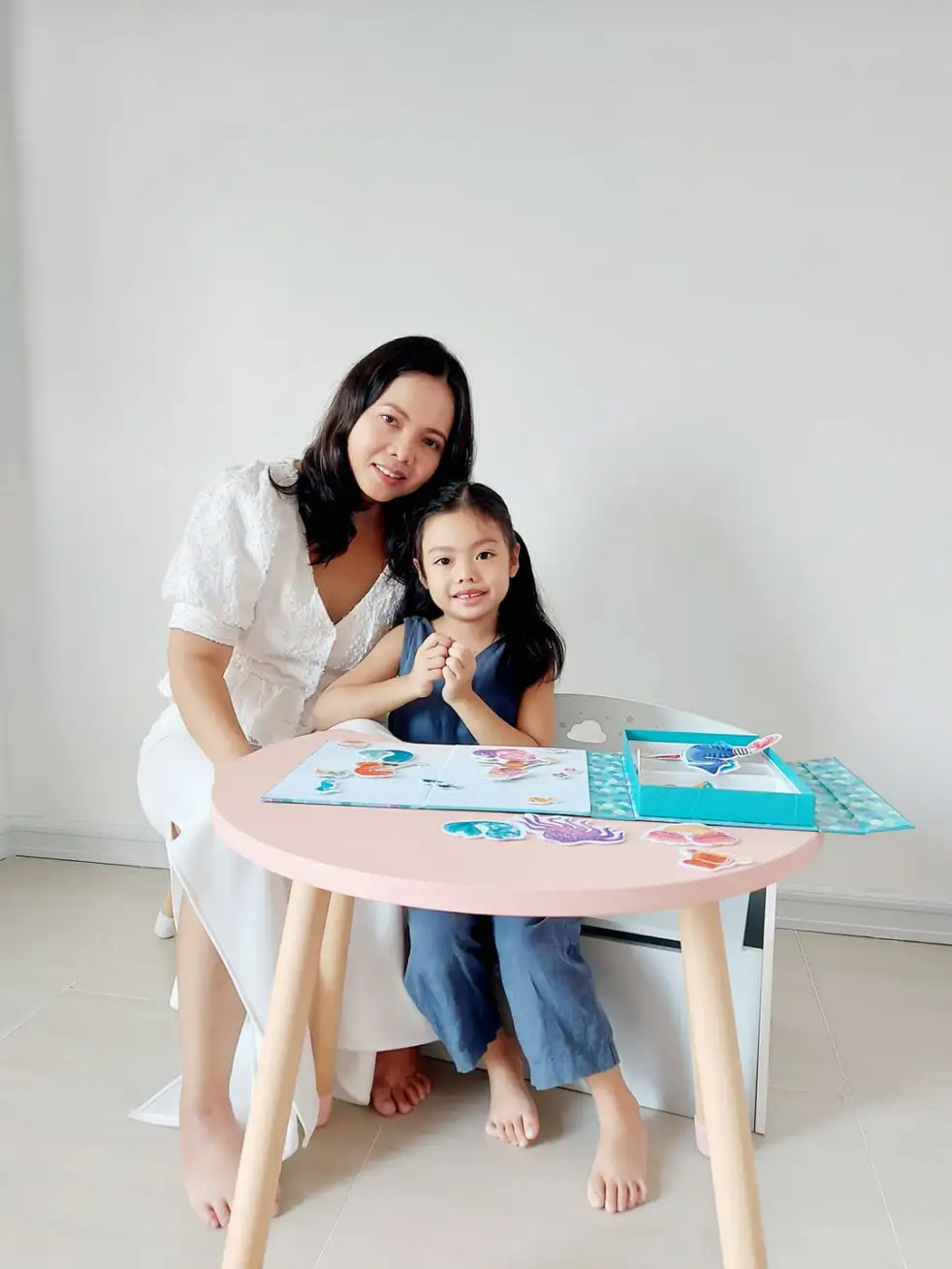
As parents, we want to give our child the best possible start in life and that begins with nurturing their intelligence. Throughout history, the notion of success has been linked to academic intelligence. However, there has been an increased awareness on the importance of emotional intelligence. This question gets at the heart of the never-ending… Continue reading IQ or EQ, which one is a better predictor of your child’s success?
 wondermomma.net