
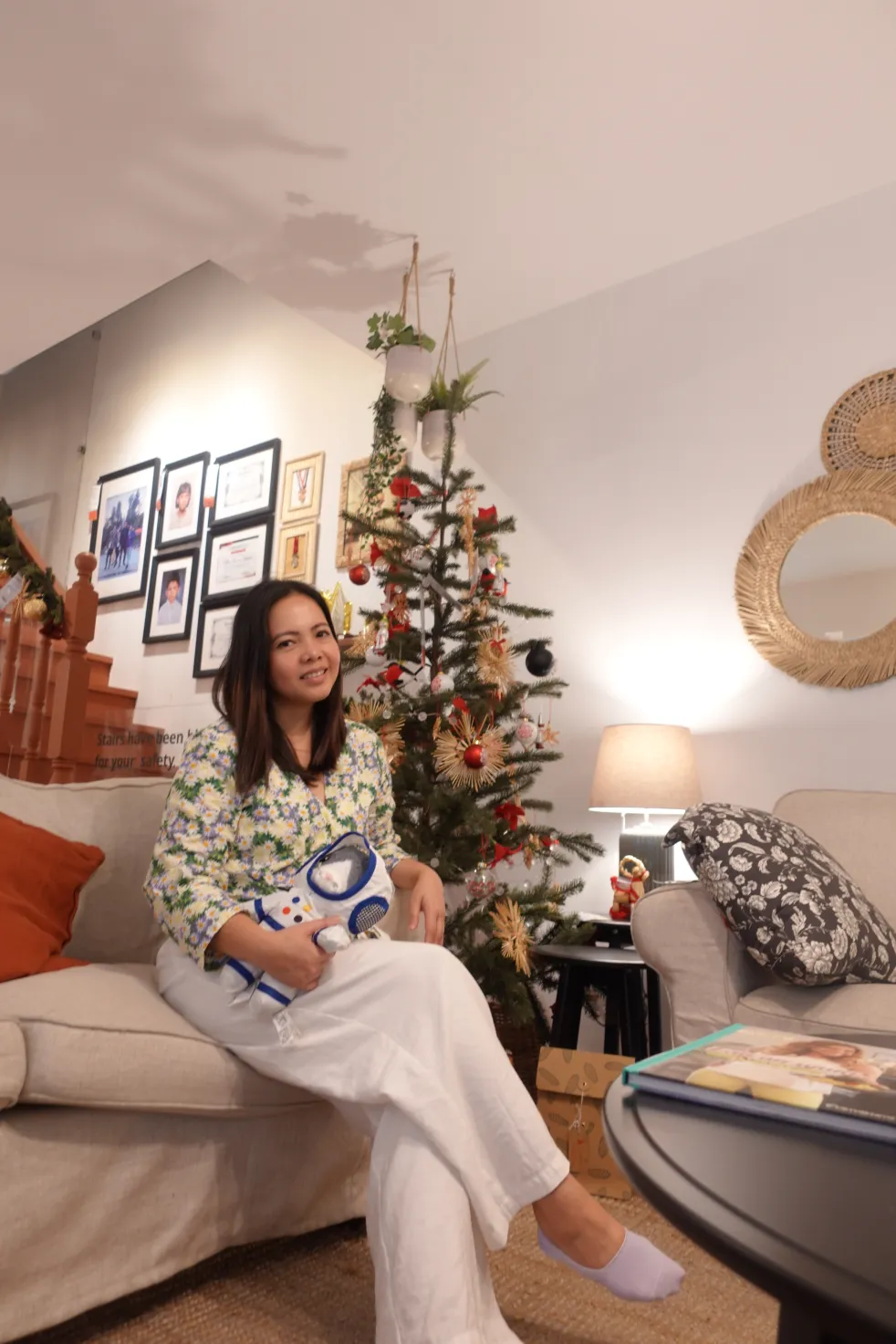
Last August, IKEA Philippines engaged with Better World Smokey Mountain, a newly opened community center operated by the San Miguel Foundation, which shares a similar goal of improving the lives of many Filipino people. Through this partnership, IKEA Philippines provided and assembled home furnishings for the classrooms and library of Better World Smokey Mountain community… Continue reading Help Create a Better World with IKEA Soft Toys

NutriAsia, the country’s top producer of condiments and sauces, continues its support of Refill Revolution; a project by the Department of Environment and Natural Resources EMB 3 that aims to help reduce Filipinos’ single-use plastics consumption. At Refill Revolution, residents get to recycle their single-use plastic bottles by reusing and filling it with their choice… Continue reading NutriAsia and DENR renews partnership for Refill Revolution

Managing screen time for kids under five without the guilt
Parenting a young child in Australia often feels like juggling a hundred tiny tasks at once. Between school pick-up at kindy, brekkie dishes, work emails, and a load of washing that never seems to end, screens become the easiest way to buy twenty quiet minutes. Most mums I speak to are not handing over the iPad because they love it; they are doing it because the afternoon demands a breather. The guilt that follows, however, can be louder than the Bluey episode ever was.
The good news is that managing screen time for under-fives does not require perfection or a strict tech-detox plan. It is about building small, repeatable rhythms that fit your household and your child's developmental stage. This guide walks through what actually works for Australian families, what the official advice looks like, and how to swap just enough screen minutes for real-world play without losing your mind.
Why the under-five years matter for screen habits
The early years are a period of rapid brain growth, language development, and motor skill building. Passive viewing, where a child watches without interaction or narration, offers far less learning value than unstructured activity such as climbing, stacking blocks, or pretending to cook with a wooden spoon. The Australian government recognises this in its 24-Hour Movement Guidelines, which encourage toddlers and pre-schoolers to spend at least three hours each day moving, playing, and exploring.
Sleep is another factor that parents of young children quickly learn to protect. Blue light from tablets and TVs can delay the onset of melatonin, making the bedtime routine longer and far more frustrating. When screens creep into the final hour before bed, parents often find themselves battling a second wind of energy at the very moment they need calm. Setting boundaries around screens in the evening can transform sleep for the whole household.
What the Australian guidance actually says
The eSafety Commissioner, Australia's online safety agency, recommends no screen time at all for children under two, with the exception of video calling with family. For children aged two to five, the advice is to limit sedentary screen time to about one hour per day, and ideally less. These are guidelines rather than hard rules, but they give families a benchmark when everyone from the in-laws to the childcare educator seems to have an opinion.
Many Australian early childhood centres and kindies echo similar messages. Educators often encourage parents to focus on co-viewing when screens are used, meaning an adult watches alongside the child and talks about what is happening. This simple act turns a passive activity into a language-building one, and it is one of the easiest changes a family can make without cutting screen minutes entirely.
Setting up a family media plan that sticks
A family media plan is not a contract pinned to the fridge that no one reads. It is a short, realistic agreement that everyone, including the adults in the house, follows. Start by choosing a daily screen window that works for your week. For many families, a single 20 to 30 minute session in the arvo is enough to break up the long stretch between nap and dinner.
Write the plan down, but keep it to one page. Include which days screens are allowed, what kind of content counts, and where devices live overnight. Some parents in my local mums' group charge tablets in the kitchen so they are not temptingly close to the cot. Small logistics like this often matter more than grand rules that fall apart by Thursday.
Creating screen-free zones and times in your home
Certain spaces and moments work best when they stay screen-free. The easiest ones to protect in a busy household include:
- The dinner table, every single night, no exceptions
- Bedrooms, including for adults who check phones after lights-out
- The first thirty minutes after waking, before the day begins
- Bath time and the wind-down hour before bed
The dinner table is the obvious one, and yet it is often the first to slip when parents are tired and a Peppa Pig distraction is tempting. Keeping mealtimes as conversation time helps children build vocabulary and social skills that screens simply cannot offer. It also models a habit many adults struggle with themselves.
Bedrooms are another important zone. A TV in a child's room is linked to later bedtimes, poorer sleep quality, and more difficulty waking in the morning. Bath time, story time, and the final wind-down before lights-out are easier to navigate without a competing screen pulling attention away from books and cuddles.
Filling the gap with real-world play
When you reduce screen minutes, you will hear the words "I'm bored" more than once. That is normal, and it is actually useful. Boredom is the seed of imaginative play, and young children are remarkably inventive once they realise the tablet is not coming back on. Stocking a few go-to activities makes the transition smoother.
Realistic alternatives that work for Aussie families:
- A rotation of three or four simple toys, such as blocks, cars, and playdough, kept on a low shelf within reach
- A "busy bag" with colouring pages, stickers, and pipe cleaners, swapped weekly so it feels new
- Water play in the laundry tub or backyard with a jug and some cups, especially lovely during a hot Brisbane or Perth arvo
- A walk to the local playground or library, even twenty minutes counts as movement and fresh air
Local libraries across the country run free storytime sessions for under-fives, and many suburbs have toddler-friendly music groups at the local hall. These outings double as social time for parents, which is often the real reason a screen gets handed over in the first place.
Handling tantrums when screens switch off
Even with a solid plan, there will be moments when the screen goes off and a small person loses the plot. The first step is to acknowledge the feeling. Phrases like "I know you wanted to keep watching, and it's hard to stop" help a young child feel seen without giving in. Once the emotion has been named, the next step is distraction, not negotiation.
A ten-minute warning before the screen turns off is one of the most effective tools parents describe. Pairing the warning with a clear next activity helps the brain shift gears. Some families use a visual timer so children can see the countdown themselves. Toddlers and pre-schoolers respond surprisingly well to a sand timer that gives them control over the transition, and they will often warn you when it is nearly empty.
Mealtimes, bedtimes, and offline rhythms
The hours between afternoon pick-up and bedtime are where screen habits usually slip. Hunger, tiredness, and competing parental responsibilities all collide, which is why having a simple rhythm helps. Prepping dinner earlier in the day, or relying on a handful of reliable recipes, takes the edge off the witching hour.
For families short on time during the week, a few reliable dinner ideas can be a lifesaver. These easy weeknight dinner recipes keep the table full and the tablets away. Pairing dinner with a quick chat about the day, then a bath and a book, builds a wind-down that signals sleep is coming without needing a screen to bridge the gap.
Reading aloud is the single most valuable offline habit a family can build. It supports language development, attention span, and bonding, and it is something even the busiest parent can do for ten minutes before bed. Whether it is a lift-the-flap book, a rhyme, or the same picture book for the hundredth time, the repetition matters more than the variety. Australian publishers like Allen & Unwin and Hardie Grant Egmont produce wonderful local titles, and most libraries carry them for free.
Managing screen time for kids under five is less about reaching an ideal number and more about finding a rhythm that respects your child's development and your own sanity. Start small, choose one boundary to tighten this week, and notice the difference it makes at bedtime, at the dinner table, and in the way your child plays on their own. The screen will always be there. The slow, screen-free moments of early childhood will not, and they are the ones your family will remember.

Mercato Centrale, in collaboration with Indian Women in Enterprise Philippines (I-We), is set to host "The Great Indian Fiesta" to mark 75 years of friendship between India and the Philippines. The dynamic two-day event is scheduled to take place on September 30 to October 1, 2023, at Paseo De Roxas Street, Makati City. Aiming to… Continue reading Mercato Centrale Partners with I-We to Host ‘The Great Indian Fiesta’, Commemorating 75 Years of India-Philippines Friendship

My stomach would usually start growling at 10 am even after taking a big breakfast. This is probably because I am a morning person and I move a lot throughout the day hence snacking is something that I can't avoid. This potatoes and chicken wrap recipe is easy to prepare and would keep me full… Continue reading Potato and Chicken Wrap
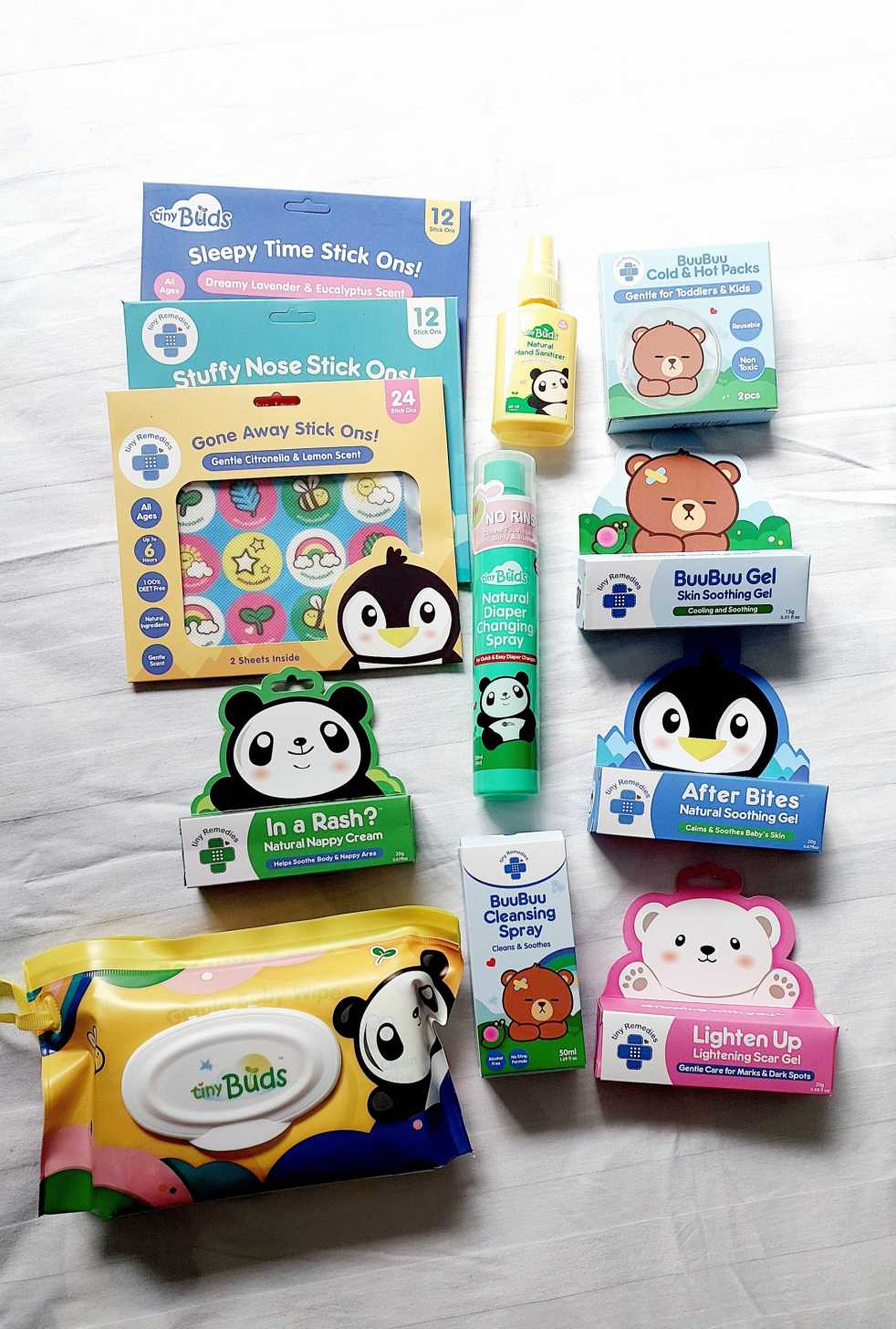
Your baby’s skin is more delicate than most, this is why you have to choose products that are designed for sensitive skin. Tiny Buds is a pioneer in integrating natural ingredients into baby care and today has over 50 innovative natural baby care essentials and is one of the Top Baby Personal Care brands. Here… Continue reading Product Review: Tiny Buds Baby Naturals Baby Essentials
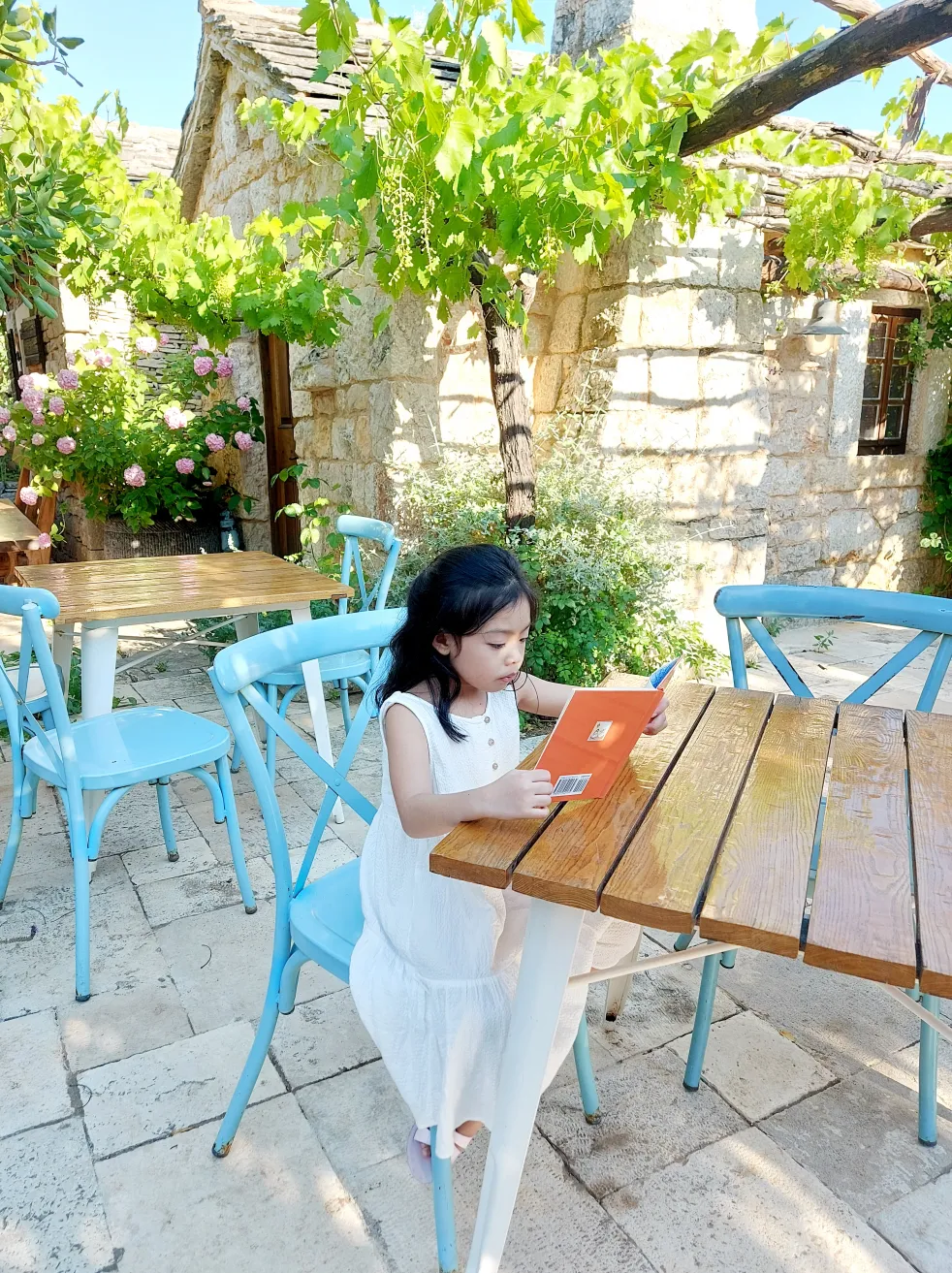
Where your child goes to school is a big decision and shouldn’t be taken lightly. Given how their education can impact their future, you might be tempted to take control and decide for them. However, you might be doing more damage than helping them in the long run. Your job as parents is to support… Continue reading HOW TO CHOOSE THE BEST SCHOOL FOR YOUR CHILD

As poet and philosopher Rumi once eloquently said, “raise your words, not your voice. It is rain that grows flowers, not thunder.” Parenting is a challenging journey, and the truth is that nobody has everything figured out. One parenting style might suit others best, and some might favor other methods. However, children respond better to… Continue reading A SIMPLE GUIDE TO GENTLE PARENTING

Whether you’re a new mom to be, mom of a toddler, mom who have school-aged kids, you’re bound to have so many questions. Let's start with your baby's skin. Infant skin has unique needs; gentle care is essential to prevent damage to the skin barrier, which can lead to irritation. When caring for infant skin,… Continue reading Keeping Baby’s Diapered Skin Healthy
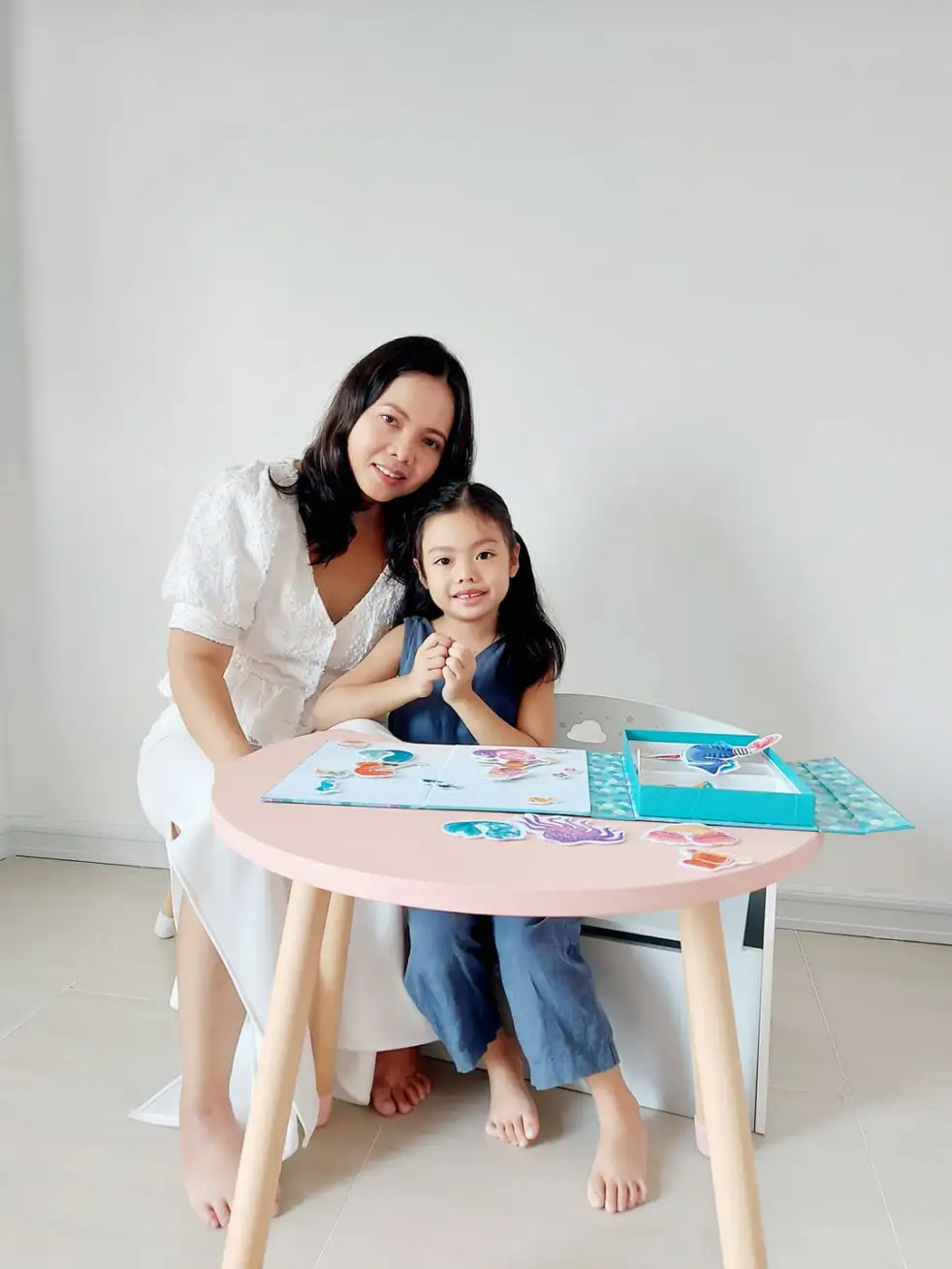
As parents, we want to give our child the best possible start in life and that begins with nurturing their intelligence. Throughout history, the notion of success has been linked to academic intelligence. However, there has been an increased awareness on the importance of emotional intelligence. This question gets at the heart of the never-ending… Continue reading IQ or EQ, which one is a better predictor of your child’s success?
 wondermomma.net