

Last August, IKEA Philippines engaged with Better World Smokey Mountain, a newly opened community center operated by the San Miguel Foundation, which shares a similar goal of improving the lives of many Filipino people. Through this partnership, IKEA Philippines provided and assembled home furnishings for the classrooms and library of Better World Smokey Mountain community… Continue reading Help Create a Better World with IKEA Soft Toys

NutriAsia, the country’s top producer of condiments and sauces, continues its support of Refill Revolution; a project by the Department of Environment and Natural Resources EMB 3 that aims to help reduce Filipinos’ single-use plastics consumption. At Refill Revolution, residents get to recycle their single-use plastic bottles by reusing and filling it with their choice… Continue reading NutriAsia and DENR renews partnership for Refill Revolution

Managing postpartum hair loss with calm, practical care
A few months after giving birth, many mothers notice extra strands on the pillow, in the shower drain, or caught in a hairbrush. The sudden shedding can feel alarming, especially when pregnancy made hair look thicker, shinier, and fuller than usual. While postpartum hair loss is common, seeing it happen can still affect confidence during an already demanding season.
This experience is usually linked to normal hormonal changes after delivery. During pregnancy, higher estrogen levels keep more hairs in the active growth phase. After birth, estrogen falls, and those retained hairs move into the shedding phase together. The result can look dramatic, but it is often temporary.
As a mom, I have found that the most helpful approach is a mix of realistic expectations, gentle hair care, nourishing meals, and attention to symptoms that may need medical advice. The goal is not to stop every loose strand. It is to protect the scalp and hair while the body finds its new rhythm.
Why shedding increases after childbirth
Postpartum hair shedding is commonly called telogen effluvium. It often begins around two to four months after delivery, although timing varies. Some mothers notice it earlier, while others see increased hair fall after they have already returned to work or settled into a new feeding and sleep routine.
The shedding can continue for several months. Many women see gradual improvement by six to twelve months after birth, especially when the hair cycle and hormone levels stabilize. The hairline may look thinner near the temples, and the part may seem wider. These changes do not necessarily mean permanent hair loss.
Stress, illness, a difficult delivery, poor sleep, rapid weight loss, and breastfeeding-related nutritional demands can influence how much hair falls. A postpartum body is recovering from pregnancy and birth, so hair changes may reflect several factors at the same time.
A gentle routine for fragile hair
Start with simple handling. Use a wide-tooth comb, detangle from the ends upward, and avoid pulling through knots. A loose braid or low ponytail can keep hair manageable, but avoid tight buns, slicked-back styles, and extensions that place tension on the roots.
Wash according to your scalp’s needs rather than trying to stretch every wash. A mild shampoo can remove oil and sweat without excessive scrubbing. In a warm or humid climate such as the Philippines, frequent washing may feel more comfortable and can help prevent scalp buildup. Apply conditioner mainly to the lengths and ends if your roots become oily.
Limit heat styling, bleaching, rebonding, and harsh chemical treatments while the hair is shedding. Let it dry partially before using a hair dryer, choose a low-heat setting, and avoid rubbing wet hair with a rough towel. A soft cotton shirt or microfiber towel can reduce friction.
Nourishment that supports recovery
Hair growth depends on adequate energy and nutrients, but restrictive diets can make postpartum shedding worse. Include regular meals with protein sources such as eggs, fish, chicken, tofu, beans, yogurt, or lean meat. Protein supports the structure of each hair strand and helps the body repair after pregnancy and delivery.
Iron-rich foods are also important, particularly after blood loss during birth. Dark leafy greens, beans, lean red meat, fortified cereals, and seafood can contribute iron to the diet. Pairing plant-based iron sources with vitamin C foods, such as tomatoes, citrus, guava, or bell peppers, can improve absorption.
A prenatal or postpartum supplement may be appropriate, especially while breastfeeding, but supplements should match individual needs. Avoid taking high-dose biotin or multiple overlapping products without professional guidance. Excessive supplementation does not guarantee faster regrowth, and biotin can interfere with certain laboratory test results.
Everyday habits that reduce breakage
Postpartum hair loss involves shedding from the follicle, while breakage happens along the hair shaft. The two can appear together. Short pieces around the sink or uneven ends may indicate dryness or mechanical damage rather than increased shedding from the scalp.
Use a smooth pillowcase if it helps reduce tangling, and remove hair accessories before sleeping. Choose fabric-covered elastics instead of thin rubber bands. When carrying a baby, be mindful of necklaces, bag straps, and tiny fingers that can catch loose hair and pull unexpectedly.
Scalp massage may feel relaxing and can help distribute shampoo, but it should be gentle. Use the pads of your fingers rather than scratching with your nails. There is no need to apply strong oils or unproven growth products. Some essential oils can irritate sensitive skin, and anything used on the scalp should be considered carefully during breastfeeding if a baby may touch or ingest residue.
What to expect from common options
| Option or habit | What it may help with | Important consideration |
|---|---|---|
| Gentle shampoo and conditioner | Cleansing, softness, and reduced tangling | Choose products that suit the scalp; “natural” does not always mean irritation-free |
| Loose hairstyles | Less pulling and traction at the roots | Avoid tight ponytails, braids, and extensions |
| Protein- and iron-containing meals | Overall recovery and healthy hair production | Ask a clinician about iron testing before taking iron supplements |
| Haircut or shorter style | Easier detangling and a fuller-looking shape | A haircut does not change hair growth from the follicle |
| Scalp massage | Relaxation and gentle cleansing | Stop if there is soreness, redness, scaling, or increased irritation |
| Minoxidil or other treatments | May be considered for selected types of hair loss | Discuss safety with a dermatologist, particularly during breastfeeding |
Cosmetic changes can make this stage easier. A shorter cut may reduce tangles and make the ends look denser, while a change in parting can disguise a widening line. Volumizing products, hair fibers, or a soft headband may also provide temporary coverage without treating the underlying cycle.
Be cautious with products promising instant regrowth. Some postpartum hair loss products contain strong active ingredients, and safety can depend on pregnancy status, breastfeeding, scalp condition, and other medicines. A dermatologist can identify whether the shedding is typical telogen effluvium or another form of hair loss before recommending treatment.
Signs that deserve medical attention
A healthcare professional should assess hair loss that is sudden, severe, or continuing without improvement beyond the expected recovery period. Seek advice sooner if there are smooth bald patches, a painful or intensely itchy scalp, thick scaling, redness, sores, or broken hairs in unusual patterns.
Other symptoms may point to an underlying issue rather than routine postpartum shedding. Fatigue that feels extreme, dizziness, shortness of breath, feeling unusually cold, heart palpitations, changes in weight, or persistent low mood can occur with conditions such as anemia or thyroid disorders. These symptoms deserve attention regardless of what is happening with the hair.
A doctor may ask about delivery, bleeding, diet, breastfeeding, medications, family history, and the timing of the shedding. Blood tests may be used to check iron status, thyroid function, or other possible contributors. Avoid starting iron or hormone-related treatment based only on social media advice or a product advertisement.
Small ways to feel more like yourself
Hair loss can affect identity at a time when many mothers already feel that their bodies have changed beyond recognition. It is reasonable to care about appearance while caring for a baby. A practical haircut, a favorite headband, or ten quiet minutes to wash and condition your hair can be a meaningful act of self-care.
Try to judge progress by monthly photographs rather than daily strand counts. Hair naturally sheds every day, and checking the drain repeatedly can increase anxiety. Take a photo in similar lighting and with the same part once a month if tracking helps you; otherwise, give yourself permission to stop monitoring.
The most useful priorities are:
- Eat regular meals with protein, iron-rich foods, fruits, vegetables, and enough fluids.
- Detangle gently and choose loose hairstyles that do not pull on the scalp.
- Reduce frequent heat styling, bleaching, rebonding, and aggressive brushing.
- Ask a doctor about persistent shedding, scalp changes, or symptoms of anemia or thyroid problems.
- Discuss supplements and hair-growth medicines with a qualified healthcare professional, especially while breastfeeding.
Postpartum hair loss can be unsettling, but it is often a temporary chapter in the body’s adjustment after birth. Treat your hair gently, support your recovery with consistent nourishment, and seek care when the pattern does not look typical. Save this guide for the months ahead, share it with another new mother, and make an appointment with a healthcare professional if your hair or overall health is causing concern.

Mercato Centrale, in collaboration with Indian Women in Enterprise Philippines (I-We), is set to host "The Great Indian Fiesta" to mark 75 years of friendship between India and the Philippines. The dynamic two-day event is scheduled to take place on September 30 to October 1, 2023, at Paseo De Roxas Street, Makati City. Aiming to… Continue reading Mercato Centrale Partners with I-We to Host ‘The Great Indian Fiesta’, Commemorating 75 Years of India-Philippines Friendship

My stomach would usually start growling at 10 am even after taking a big breakfast. This is probably because I am a morning person and I move a lot throughout the day hence snacking is something that I can't avoid. This potatoes and chicken wrap recipe is easy to prepare and would keep me full… Continue reading Potato and Chicken Wrap
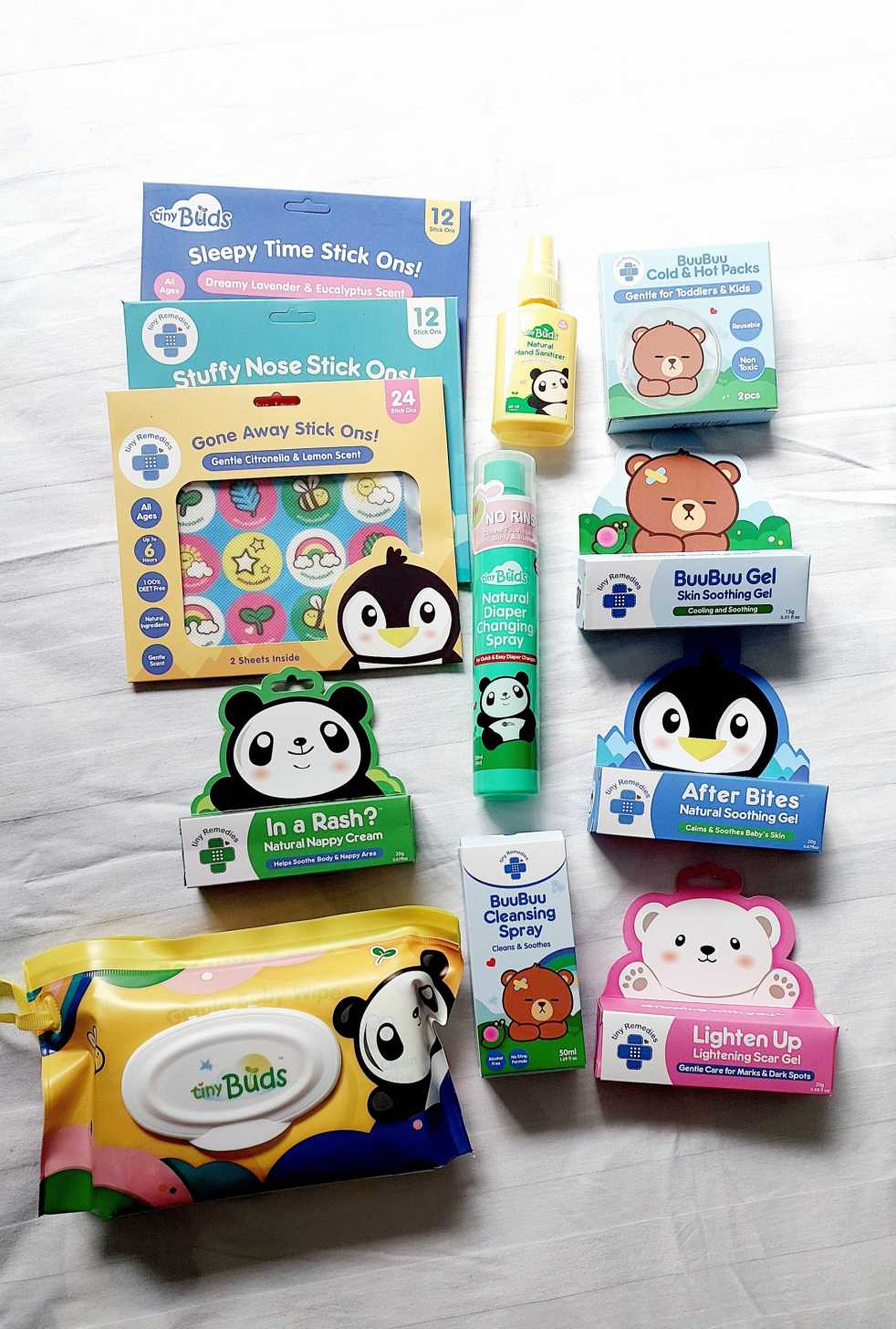
Your baby’s skin is more delicate than most, this is why you have to choose products that are designed for sensitive skin. Tiny Buds is a pioneer in integrating natural ingredients into baby care and today has over 50 innovative natural baby care essentials and is one of the Top Baby Personal Care brands. Here… Continue reading Product Review: Tiny Buds Baby Naturals Baby Essentials
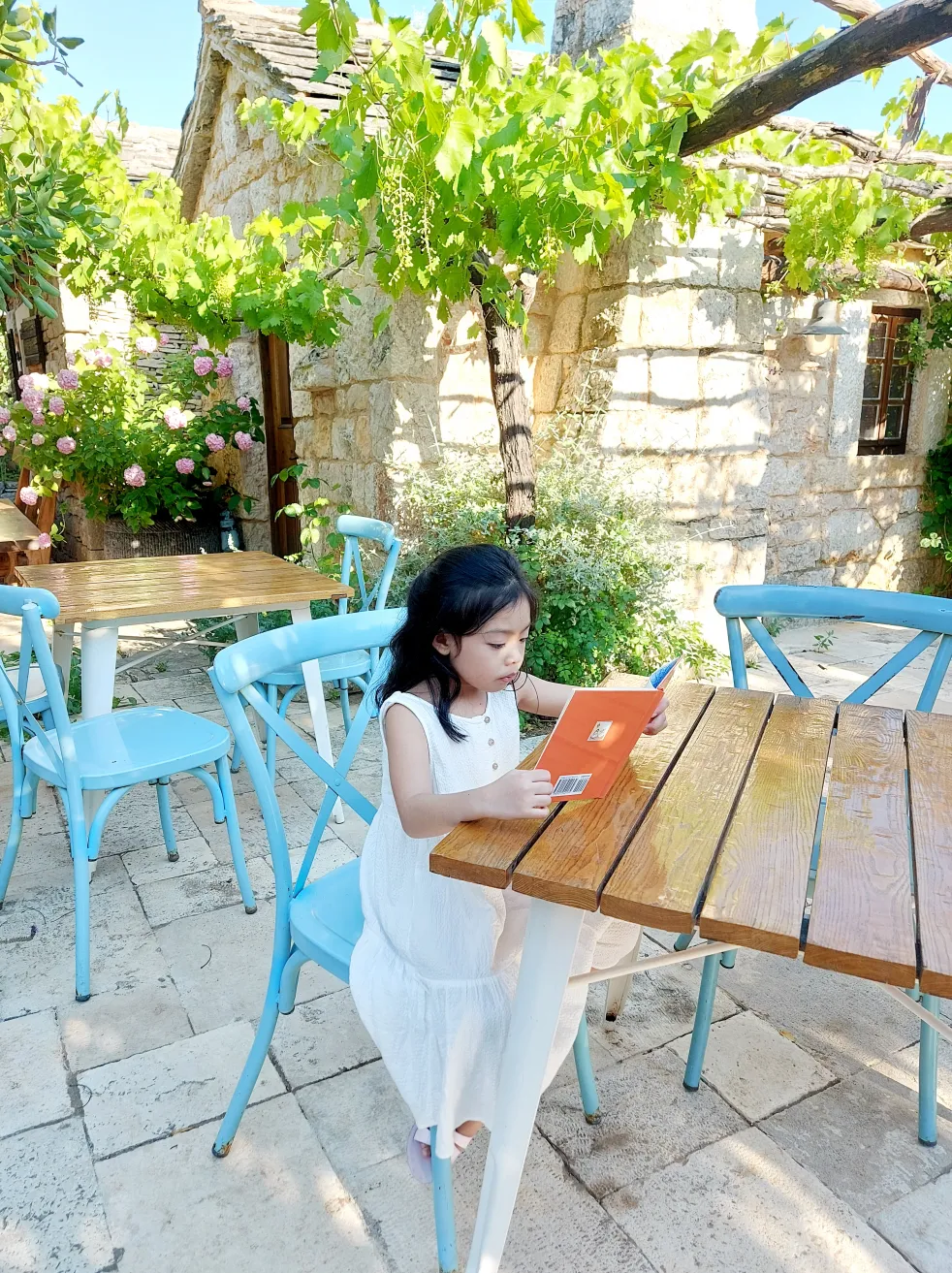
Where your child goes to school is a big decision and shouldn’t be taken lightly. Given how their education can impact their future, you might be tempted to take control and decide for them. However, you might be doing more damage than helping them in the long run. Your job as parents is to support… Continue reading HOW TO CHOOSE THE BEST SCHOOL FOR YOUR CHILD
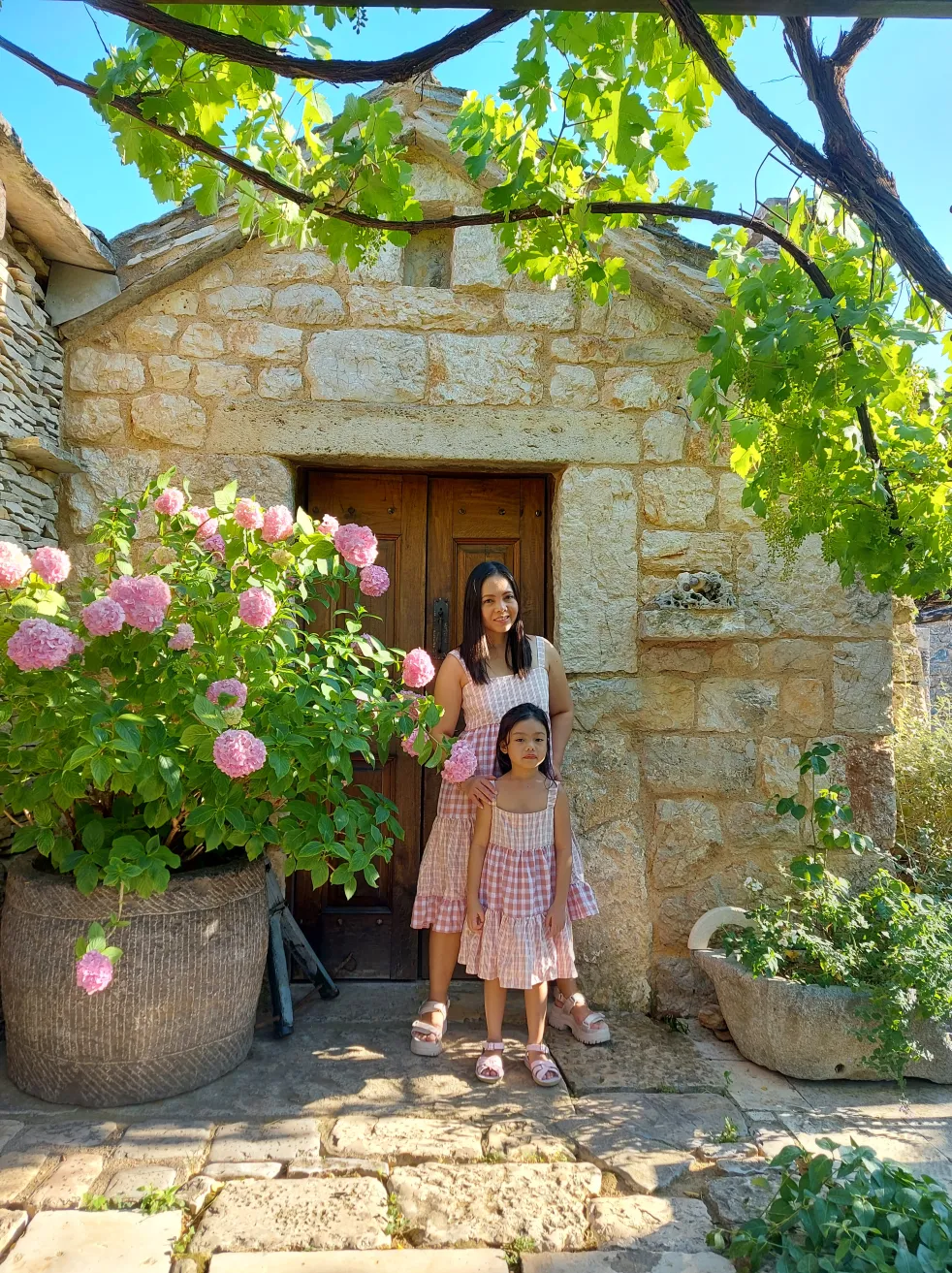
As poet and philosopher Rumi once eloquently said, “raise your words, not your voice. It is rain that grows flowers, not thunder.” Parenting is a challenging journey, and the truth is that nobody has everything figured out. One parenting style might suit others best, and some might favor other methods. However, children respond better to… Continue reading A SIMPLE GUIDE TO GENTLE PARENTING
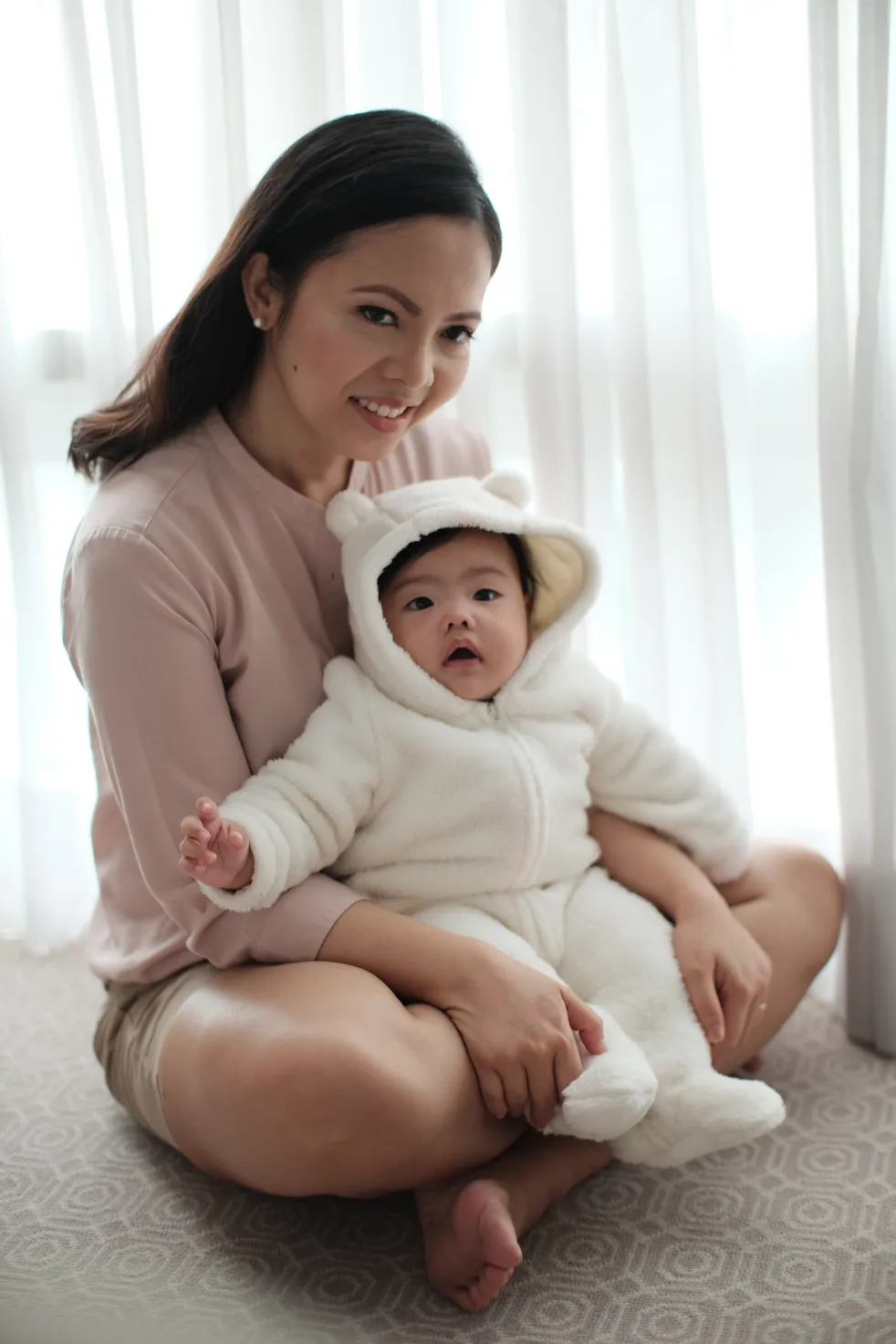
Whether you’re a new mom to be, mom of a toddler, mom who have school-aged kids, you’re bound to have so many questions. Let's start with your baby's skin. Infant skin has unique needs; gentle care is essential to prevent damage to the skin barrier, which can lead to irritation. When caring for infant skin,… Continue reading Keeping Baby’s Diapered Skin Healthy
As parents, we want to give our child the best possible start in life and that begins with nurturing their intelligence. Throughout history, the notion of success has been linked to academic intelligence. However, there has been an increased awareness on the importance of emotional intelligence. This question gets at the heart of the never-ending… Continue reading IQ or EQ, which one is a better predictor of your child’s success?
 wondermomma.net