

Last August, IKEA Philippines engaged with Better World Smokey Mountain, a newly opened community center operated by the San Miguel Foundation, which shares a similar goal of improving the lives of many Filipino people. Through this partnership, IKEA Philippines provided and assembled home furnishings for the classrooms and library of Better World Smokey Mountain community… Continue reading Help Create a Better World with IKEA Soft Toys

NutriAsia, the country’s top producer of condiments and sauces, continues its support of Refill Revolution; a project by the Department of Environment and Natural Resources EMB 3 that aims to help reduce Filipinos’ single-use plastics consumption. At Refill Revolution, residents get to recycle their single-use plastic bottles by reusing and filling it with their choice… Continue reading NutriAsia and DENR renews partnership for Refill Revolution

A Calm, Safe Move From Crib to Bed
Moving a child from a crib to a bed is a major milestone for the whole family. It gives your little one more independence, yet it can also bring bedtime resistance, nighttime wandering, and early-morning wake-ups. A thoughtful plan makes the change feel familiar rather than sudden.
There is no single perfect age for a toddler bed transition. Many children move between 18 months and 3½ years, but readiness matters more than a birthday. Some children are ready because they can climb out of the crib, while others benefit from staying in a secure sleep space a little longer.
The goal is to protect sleep, build confidence, and create clear boundaries. With preparation, patient language, and consistent responses, your child can learn to sleep comfortably in a new bed.
Know When Your Child Is Ready
Climbing out of the crib is one of the clearest signs that a change may be necessary. A child who can lift a leg over the rail could fall and get hurt, even if they have never attempted an escape before. Follow the crib manufacturer’s height and weight limits, and check whether the product can safely convert into a toddler bed.
Readiness may also appear in your child’s behavior. They might talk about wanting a “big kid” bed, understand simple safety instructions, or stay in bed during quiet time. A child who is coping with a new sibling, toilet learning, travel, illness, or a change in childcare may need extra time before taking on another transition.
Avoid moving to a bed simply because another child has arrived or because relatives think your toddler is old enough. If the crib remains safe and your child is sleeping well, waiting can be a perfectly reasonable choice. The exception is climbing, which requires prompt attention to prevent injury.
Prepare The Sleep Space
Make the new sleep environment feel familiar by keeping the same sheets, blanket, comfort object, white noise, and bedtime lighting. If possible, place the bed where the crib stood. Familiar surroundings can reduce the sense that everything has changed at once.
Choose a low, stable bed designed for young children, or use a properly assembled crib conversion kit. A mattress should fit snugly, without gaps around the edges. Avoid bulky pillows, heavy quilts, cords, and decorative items that could create entanglement or suffocation risks. Bed rails should be used carefully because some types leave dangerous gaps between the mattress and rail.
Childproof the entire room before the first night. Secure furniture to the wall, cover accessible outlets, anchor drawers, lock windows, and move medicines, toiletries, small objects, and cords out of reach. If the bedroom opens to stairs or an unsafe area, use an appropriate child safety gate or door strategy. The room should be safe enough for brief exploration if your child wakes before you do.
Make The Change Feel Predictable
Talk about the bed for several days using calm, positive language. Read a picture book about sleeping in a new bed, let your child choose between two sheet colors, or invite them to place a favorite stuffed toy on the mattress. Give choices that preserve your boundaries: “Would you like the blue pajamas or the green ones?” works better than asking whether they want to sleep in the bed.
Some families switch all at once, while others begin with naps or quiet time. A gradual approach can suit a cautious child, but it may confuse a child who understands that the bed is optional. Choose the method that fits your child’s temperament and your household routine, then use it consistently for several nights.
| Approach | Works Well For | Main Benefit | Possible Challenge |
|---|---|---|---|
| Immediate switch | Children climbing out or eager for independence | Clear and simple boundary | More protest during the first nights |
| Nap-first transition | Cautious children who need practice | Introduces the bed gradually | Nighttime expectations may take longer |
| Crib-to-toddler-bed conversion | Children attached to their familiar crib | Keeps the same basic sleep space | The child may still test new freedom |
| Floor-level sleep setup | Families prioritizing easy access and low height | Reduces the risk of a fall from a raised bed | Requires thorough room childproofing |
Whatever method you choose, keep the bedtime sequence unchanged. Bath, pajamas, stories, cuddles, and lights out should happen in the same order and at roughly the same time. Predictability helps a child understand that the new bed is part of the old routine.
Respond Calmly To Bedtime Escapes
Your child may leave the bed repeatedly because the new freedom is exciting. Respond with as little drama as possible. Guide them back, use a brief phrase such as “It is sleep time,” and avoid adding snacks, long conversations, or extra play. The same response each time teaches that leaving the room does not create an interesting new activity.
Praise behavior you want to see. In the morning, say, “You stayed in bed until the light came on,” or “You went back to sleep in your new bed.” A simple visual bedtime chart can help older toddlers understand when it is time to rest and when it is time to get up. Avoid making the reward so elaborate that sleep becomes a performance.
Night waking can increase temporarily because your child is adjusting to the unfamiliar arrangement. Check for genuine needs such as illness, thirst, a wet diaper, or fear, then return to the established routine. If stomach discomfort is affecting sleep in a younger child, these tips to soothe a gassy baby may be useful for understanding common causes and gentle comfort measures.
Set Gentle Boundaries Around Independence
A bed gives your child freedom, so explain exactly what that freedom includes. They may choose a stuffed animal, adjust a blanket, or call for help, but they may not open the front door, enter the kitchen, or climb furniture. Practice these rules during the day when everyone is calm.
A toddler clock or wake-up light can provide a concrete signal. For younger children, use simple words and an image: “When the light is yellow, stay in bed. When it turns green, you may call me.” The system may take several days to learn, so pair it with supervision and a physically safe bedroom.
Keep your reaction steady when your child tests limits. Anger can make bedtime more frightening, while lengthy negotiations can reward repeated exits. Gentle parenting does not mean allowing unsafe behavior; it means holding the boundary without shame, threats, or intimidation. A calm return to bed is often more effective than a lecture.
Protect Sleep During The Adjustment
Try to begin the transition during a relatively stable period. Avoid starting immediately before a long trip, family celebration, major illness, or another significant change. When timing cannot be controlled, lower expectations and offer additional reassurance while keeping the basic routine intact.
Daytime habits matter. Regular outdoor play, age-appropriate naps, and enough physical activity can support healthy sleep pressure. An overtired child may resist bedtime more intensely, so moving bedtime slightly earlier may help during the first week. Keep screens away from the wind-down period and make the bedroom comfortable, especially in warm weather.
If your child becomes highly distressed, pauses in progress can be sensible. You might return temporarily to a safer familiar arrangement while working on readiness, provided the crib remains within its safety limits and your child cannot climb out. If sleep problems continue for several weeks, or if snoring, breathing pauses, pain, or extreme daytime tiredness appear, discuss them with a pediatrician.
Use This Transition Checklist
A short checklist can keep adults consistent, especially when grandparents, babysitters, or other caregivers handle bedtime. Agree on the same bedtime words, return-to-bed response, and morning signal. Children adjust faster when every adult follows the same expectations.
Keep the focus on safety and connection rather than speed. Your child does not need to love the new bed immediately. Small signs of progress—staying in bed for longer, settling with fewer reminders, or returning to sleep after waking—show that the skill is developing.
- Confirm that your child is ready or that crib climbing requires a safer sleep arrangement.
- Childproof the bedroom, including furniture, windows, outlets, cords, and access to stairs.
- Keep familiar bedding, comfort items, lighting, and bedtime steps.
- Use brief, calm responses when your child leaves the bed.
- Praise progress in the morning and allow several consistent nights before changing the plan.
A successful transition is built through repetition, reassurance, and realistic expectations. Prepare the room, explain the new routine, and stay close enough for your child to feel secure while giving them space to practice independence. Begin with the safest approach for your family tonight, and let steady, gentle consistency guide the move.

Mercato Centrale, in collaboration with Indian Women in Enterprise Philippines (I-We), is set to host "The Great Indian Fiesta" to mark 75 years of friendship between India and the Philippines. The dynamic two-day event is scheduled to take place on September 30 to October 1, 2023, at Paseo De Roxas Street, Makati City. Aiming to… Continue reading Mercato Centrale Partners with I-We to Host ‘The Great Indian Fiesta’, Commemorating 75 Years of India-Philippines Friendship

My stomach would usually start growling at 10 am even after taking a big breakfast. This is probably because I am a morning person and I move a lot throughout the day hence snacking is something that I can't avoid. This potatoes and chicken wrap recipe is easy to prepare and would keep me full… Continue reading Potato and Chicken Wrap
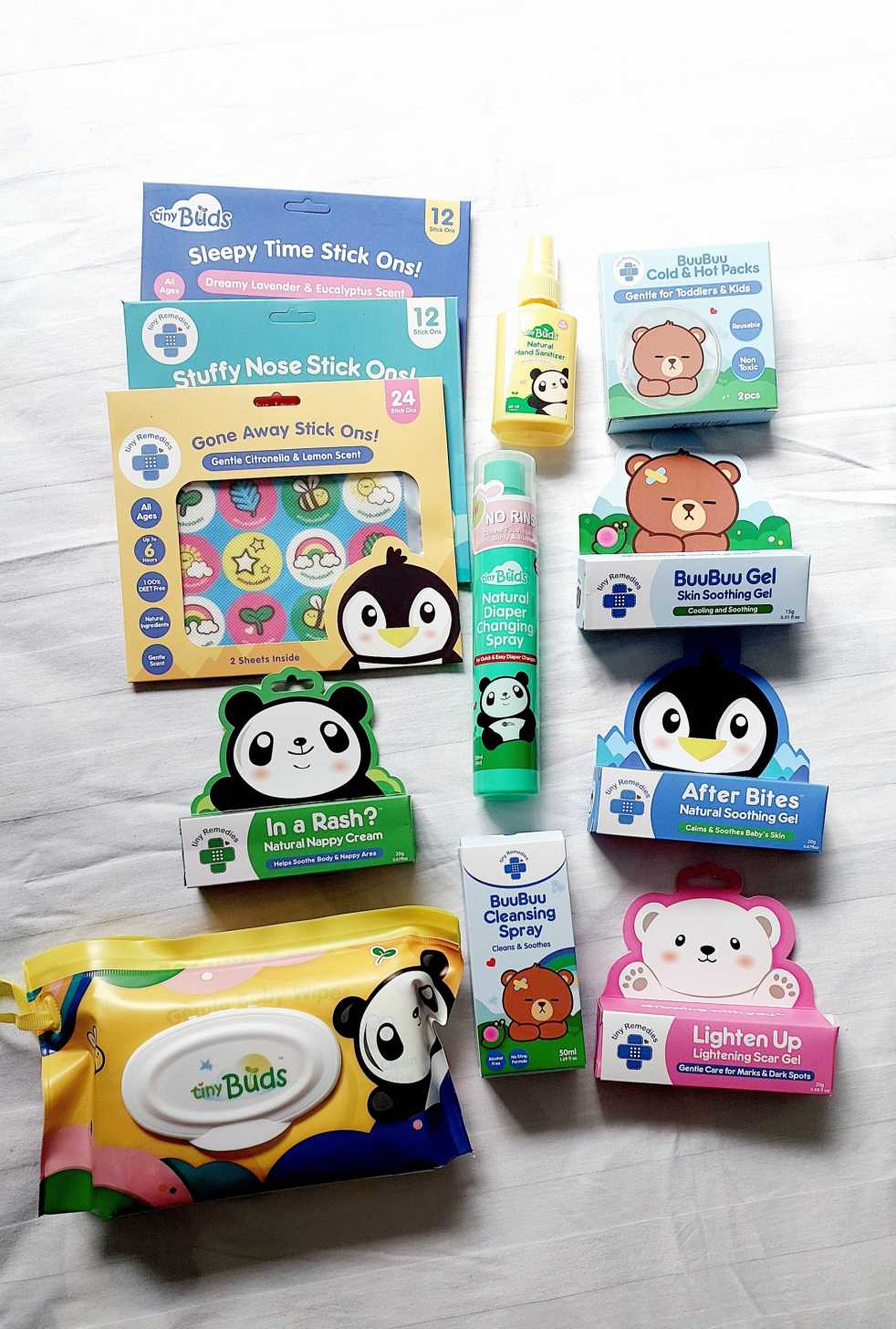
Your baby’s skin is more delicate than most, this is why you have to choose products that are designed for sensitive skin. Tiny Buds is a pioneer in integrating natural ingredients into baby care and today has over 50 innovative natural baby care essentials and is one of the Top Baby Personal Care brands. Here… Continue reading Product Review: Tiny Buds Baby Naturals Baby Essentials

Where your child goes to school is a big decision and shouldn’t be taken lightly. Given how their education can impact their future, you might be tempted to take control and decide for them. However, you might be doing more damage than helping them in the long run. Your job as parents is to support… Continue reading HOW TO CHOOSE THE BEST SCHOOL FOR YOUR CHILD

As poet and philosopher Rumi once eloquently said, “raise your words, not your voice. It is rain that grows flowers, not thunder.” Parenting is a challenging journey, and the truth is that nobody has everything figured out. One parenting style might suit others best, and some might favor other methods. However, children respond better to… Continue reading A SIMPLE GUIDE TO GENTLE PARENTING

Whether you’re a new mom to be, mom of a toddler, mom who have school-aged kids, you’re bound to have so many questions. Let's start with your baby's skin. Infant skin has unique needs; gentle care is essential to prevent damage to the skin barrier, which can lead to irritation. When caring for infant skin,… Continue reading Keeping Baby’s Diapered Skin Healthy
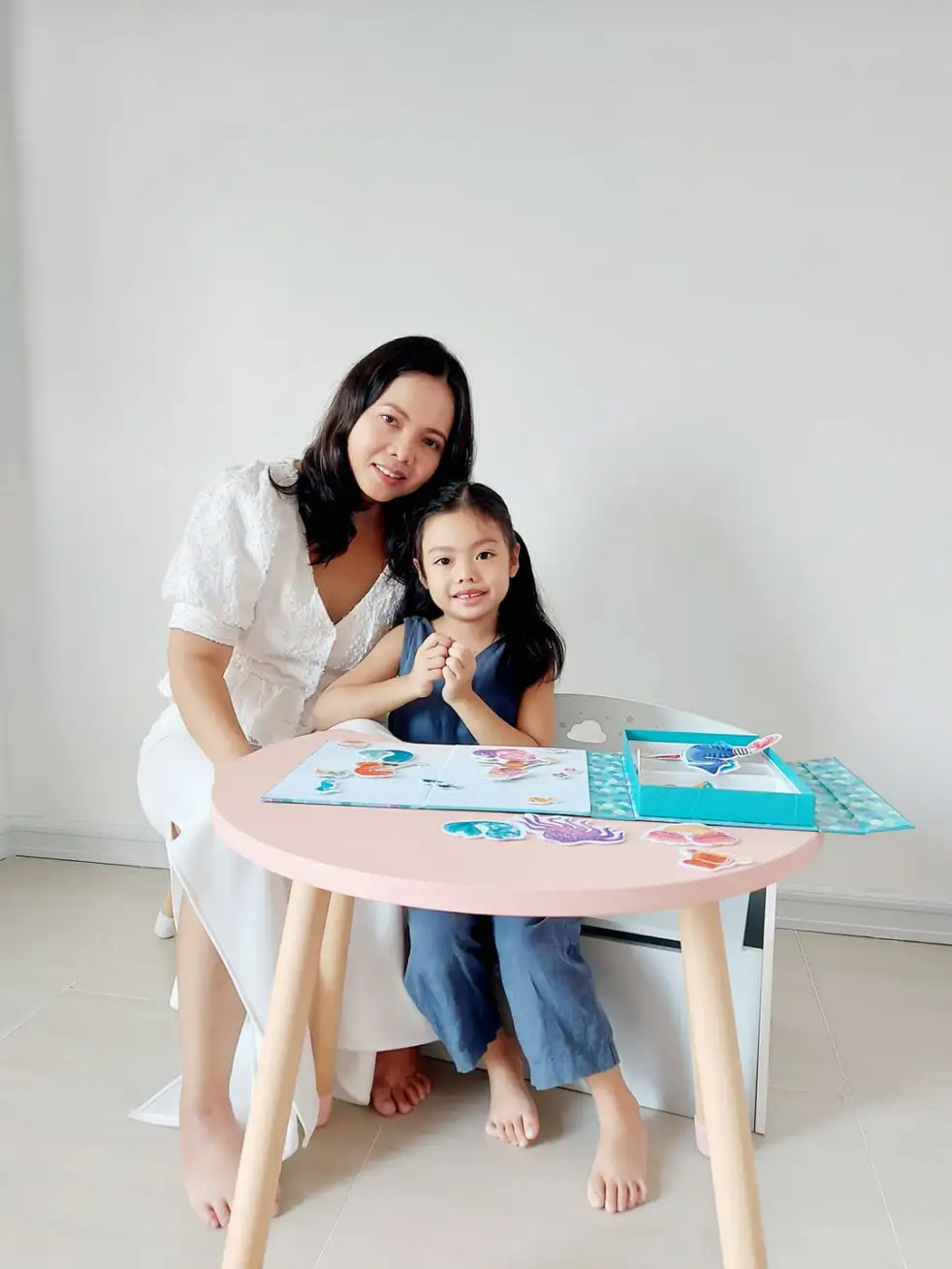
As parents, we want to give our child the best possible start in life and that begins with nurturing their intelligence. Throughout history, the notion of success has been linked to academic intelligence. However, there has been an increased awareness on the importance of emotional intelligence. This question gets at the heart of the never-ending… Continue reading IQ or EQ, which one is a better predictor of your child’s success?
 wondermomma.net