

Last August, IKEA Philippines engaged with Better World Smokey Mountain, a newly opened community center operated by the San Miguel Foundation, which shares a similar goal of improving the lives of many Filipino people. Through this partnership, IKEA Philippines provided and assembled home furnishings for the classrooms and library of Better World Smokey Mountain community… Continue reading Help Create a Better World with IKEA Soft Toys

NutriAsia, the country’s top producer of condiments and sauces, continues its support of Refill Revolution; a project by the Department of Environment and Natural Resources EMB 3 that aims to help reduce Filipinos’ single-use plastics consumption. At Refill Revolution, residents get to recycle their single-use plastic bottles by reusing and filling it with their choice… Continue reading NutriAsia and DENR renews partnership for Refill Revolution

A Gentle Guide to Moving Your Baby from Swaddle to Sleep Sack
Swaddling can help a newborn feel secure during the early weeks, especially when the startle reflex interrupts sleep. As babies grow stronger and more mobile, however, a tightly wrapped blanket becomes less suitable. Moving to a wearable sleep sack gives your baby room to move while keeping bedding away from the face.
The change does not need to happen overnight. A gradual transition can help your baby adjust to the new sensation and may reduce disrupted naps or bedtime resistance. The right timing depends on development rather than a specific age, so watch your baby’s movements closely.
A sleep sack transition also works best when paired with a consistent bedtime routine and a safe sleep environment. In warm areas such as the Philippines, choosing a lightweight, breathable fabric is especially important for comfortable sleep.
Why It Is Time to Stop Swaddling
The most important sign is an attempt to roll from the back toward the tummy. This can happen earlier than expected, sometimes around two to four months, although every baby develops differently. Once rolling signs appear, stop wrapping the arms inside the swaddle because a baby needs free arms to push up, turn, and reposition.
Other signs include repeatedly breaking out of the wrap, twisting the body, or using the arms to reach the face. These movements show that your baby is becoming more active and needs greater freedom during sleep. A swaddle that was once calming may begin to feel restrictive.
If your baby was born prematurely or has a medical condition affecting movement, ask your pediatrician for individualized guidance. A healthcare professional can help you decide when to stop swaddling and whether a particular type of wearable blanket is appropriate.
Recognizing Your Baby’s Readiness
Readiness is usually linked to physical development rather than sleep quality. A baby who wakes frequently is not necessarily ready to leave the swaddle, while a baby who sleeps well may still need a safer alternative if rolling attempts have started.
Look for these indicators:
- Your baby can move both arms freely and brings hands toward the mouth.
- The baby pushes against the mattress or turns the body to one side.
- The swaddle becomes loose during sleep.
- Your baby seems frustrated by restricted arms.
- Your baby is approaching the stage when rolling commonly begins.
Some babies show several signs at once, while others make the change suddenly. Begin observing during playtime, tummy time, and bedtime rather than relying only on age. Tummy time while awake and supervised can also help build the strength needed for safe movement.
Choosing a Suitable Sleep Sack
A wearable blanket should fit securely around the chest and neck without covering the face. The arm openings must be snug enough to prevent slipping inside the sack, while the lower section should allow the hips and legs to bend and move naturally. Avoid products that compress the chest, restrict the hips, or attach weights.
Consider the fabric and room temperature before choosing a tog rating or thickness. Lightweight cotton, bamboo blends, or muslin may be more comfortable in a warm bedroom, while fleece or thicker materials may suit cooler conditions. Check your baby’s chest or back for signs of overheating instead of relying on cold hands, which are often normal.
| Feature | What to look for | What to avoid |
|---|---|---|
| Fit | Snug neckline and armholes; enough room for hips | Loose openings that allow slipping |
| Fabric | Breathable, soft, and suitable for the room temperature | Heavy, scratchy, or poorly ventilated material |
| Shape | Roomy at the hips and legs | Tight wrapping around the lower body |
| Fastening | Secure zipper or simple closures | Loose ties, ribbons, or detachable parts |
| Weight | Regular, unweighted construction | Weighted panels or beads |
| Care | Easy to wash and inspect regularly | Damaged seams or broken fasteners |
Always follow the manufacturer’s sizing guidance. A sleep sack that is too large can ride up over the face, while one that is too small may limit comfortable leg movement.
Ways to Make the Transition Gradual
A gradual approach can be helpful when your baby is not yet rolling but appears ready for more arm freedom. Start by leaving one arm out for a few nights. If your baby settles comfortably, move to both arms out while keeping the sleep sack or swaddle snug around the torso. After that, use a regular arms-free sleep sack.
Some families prefer practicing during daytime naps first, when it is easier to observe the baby. Others begin at bedtime because the longest sleep period offers a more consistent routine. Choose the approach that allows you to monitor your baby without adding unnecessary stress.
Never use a loose blanket to replace the swaddle. If your baby needs a familiar layer, select an appropriately sized transitional product that keeps the arms free and cannot unravel. Once rolling begins, avoid any design that holds the arms against the body.
Keeping Sleep Safe
Place your baby on the back for every sleep, including naps. Use a firm, flat mattress covered by a fitted sheet, and keep pillows, quilts, bumpers, stuffed toys, and loose cloth out of the sleep area. The sleep sack should be the only wearable layer needed over suitable clothing.
Room-sharing without bed-sharing is recommended for many families during infancy. Keep the crib, bassinet, or play yard close to your bed, but give your baby a separate sleep surface. If you bring the baby into bed for feeding or comfort, return the baby to the individual sleep space before you fall asleep.
Check the sleep sack during the night and after washing. Look for stretched neck openings, damaged zippers, loose threads, or torn seams. Do not put a hood, hat, scarf, or necklace on a sleeping baby, and remove any clothing that could bunch around the face.
Building a Calm Bedtime Routine
A predictable sequence can make the arms-free sleep sack feel like part of a familiar pattern. Keep the routine simple: dim the lights, change the diaper, dress your baby in suitable sleepwear, feed if needed, read or sing quietly, and place the baby down on the back.
Give your baby a few minutes to explore the new freedom before assuming something is wrong. Hands may move more, and the baby may rub the face, suck fingers, or briefly startle. These behaviors can be part of learning to settle without the snug feeling of a swaddle.
Try to place your baby down drowsy but awake when possible. This gives the baby an opportunity to practice settling in the new sleepwear. Gentle patting, a calm voice, and consistent white noise at a safe volume may provide reassurance without recreating an unsafe wrap.
Handling Resistance and Sleep Disruptions
A few unsettled nights are common after changing sleepwear. Your baby may wake more often, startle easily, or take longer to fall asleep. Keep responses quiet and consistent, and check basic needs such as hunger, a wet diaper, illness, or an uncomfortable room temperature.
If your baby is not rolling and you began with one arm out, you may continue that step for a little longer. However, if rolling attempts appear, discontinue the arms-in swaddle immediately. Safety takes priority over maintaining a familiar sleep pattern.
Avoid switching between several products in the same night or adding loose blankets for extra comfort. Too many changes can make it difficult to understand what is helping, while unsafe bedding increases risk. A simple sleep sack, a firm sleep surface, and a steady routine provide a clearer path forward.
A Simple Transition Checklist
- Check daily for rolling attempts, pushing up, or twisting toward the side.
- Select an arms-free, correctly sized sleep sack with room around the hips.
- Match the material and thickness to the bedroom temperature.
- Practice the new sleepwear during a supervised nap if your baby is not yet rolling.
- Keep the sleep space bare, firm, flat, and separate from adult bedding.
- Inspect the garment regularly for loose threads, worn seams, or faulty fasteners.
The move away from swaddling is a meaningful step in your baby’s growing independence. Some babies adjust in a few nights, while others need a slower routine with plenty of reassurance. By following developmental cues and maintaining safe sleep habits, you can make the change comfortable without rushing your baby.
Explore more practical baby-care and gentle parenting guidance on WonderMomma to support your family through every new stage.

Mercato Centrale, in collaboration with Indian Women in Enterprise Philippines (I-We), is set to host "The Great Indian Fiesta" to mark 75 years of friendship between India and the Philippines. The dynamic two-day event is scheduled to take place on September 30 to October 1, 2023, at Paseo De Roxas Street, Makati City. Aiming to… Continue reading Mercato Centrale Partners with I-We to Host ‘The Great Indian Fiesta’, Commemorating 75 Years of India-Philippines Friendship

My stomach would usually start growling at 10 am even after taking a big breakfast. This is probably because I am a morning person and I move a lot throughout the day hence snacking is something that I can't avoid. This potatoes and chicken wrap recipe is easy to prepare and would keep me full… Continue reading Potato and Chicken Wrap
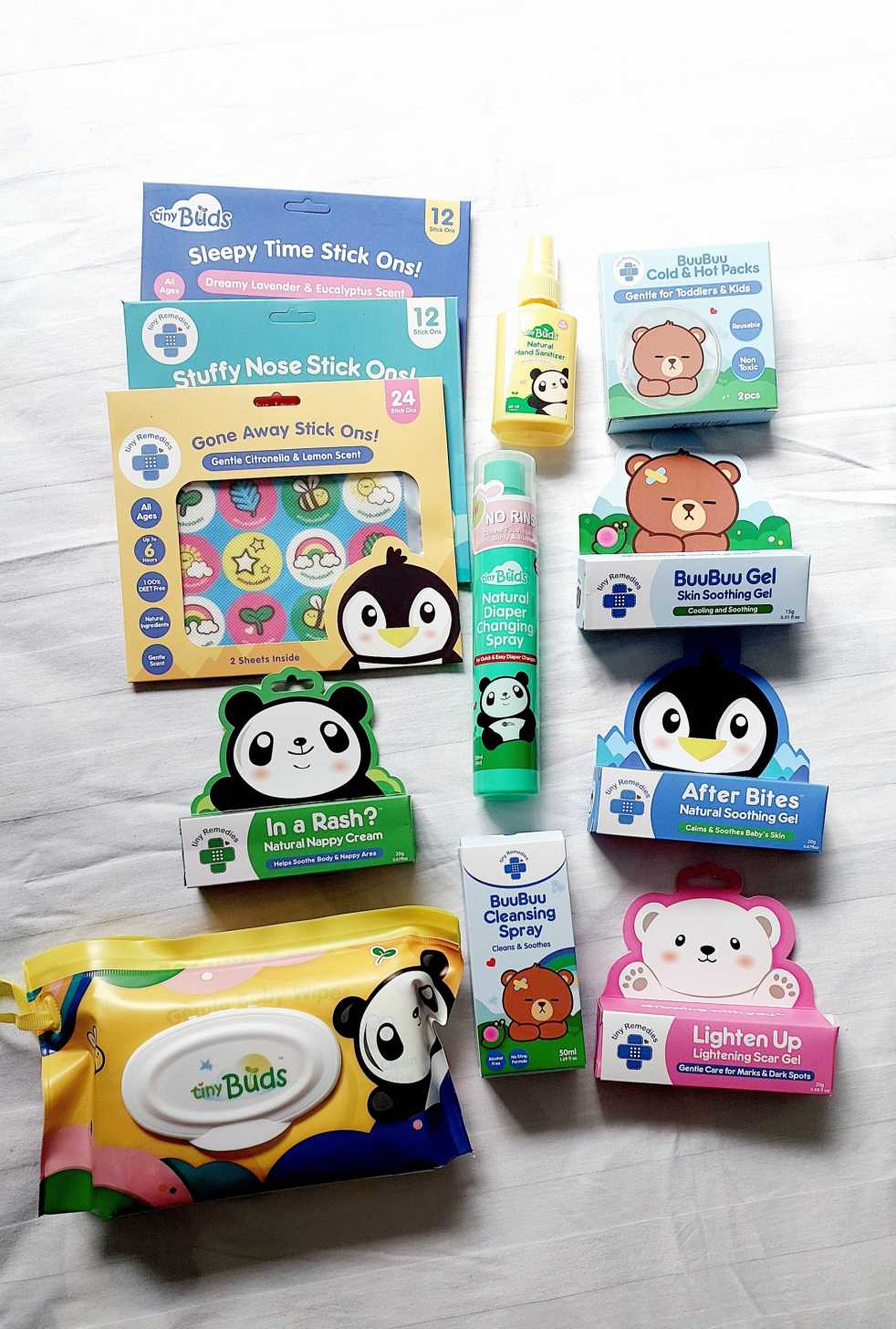
Your baby’s skin is more delicate than most, this is why you have to choose products that are designed for sensitive skin. Tiny Buds is a pioneer in integrating natural ingredients into baby care and today has over 50 innovative natural baby care essentials and is one of the Top Baby Personal Care brands. Here… Continue reading Product Review: Tiny Buds Baby Naturals Baby Essentials
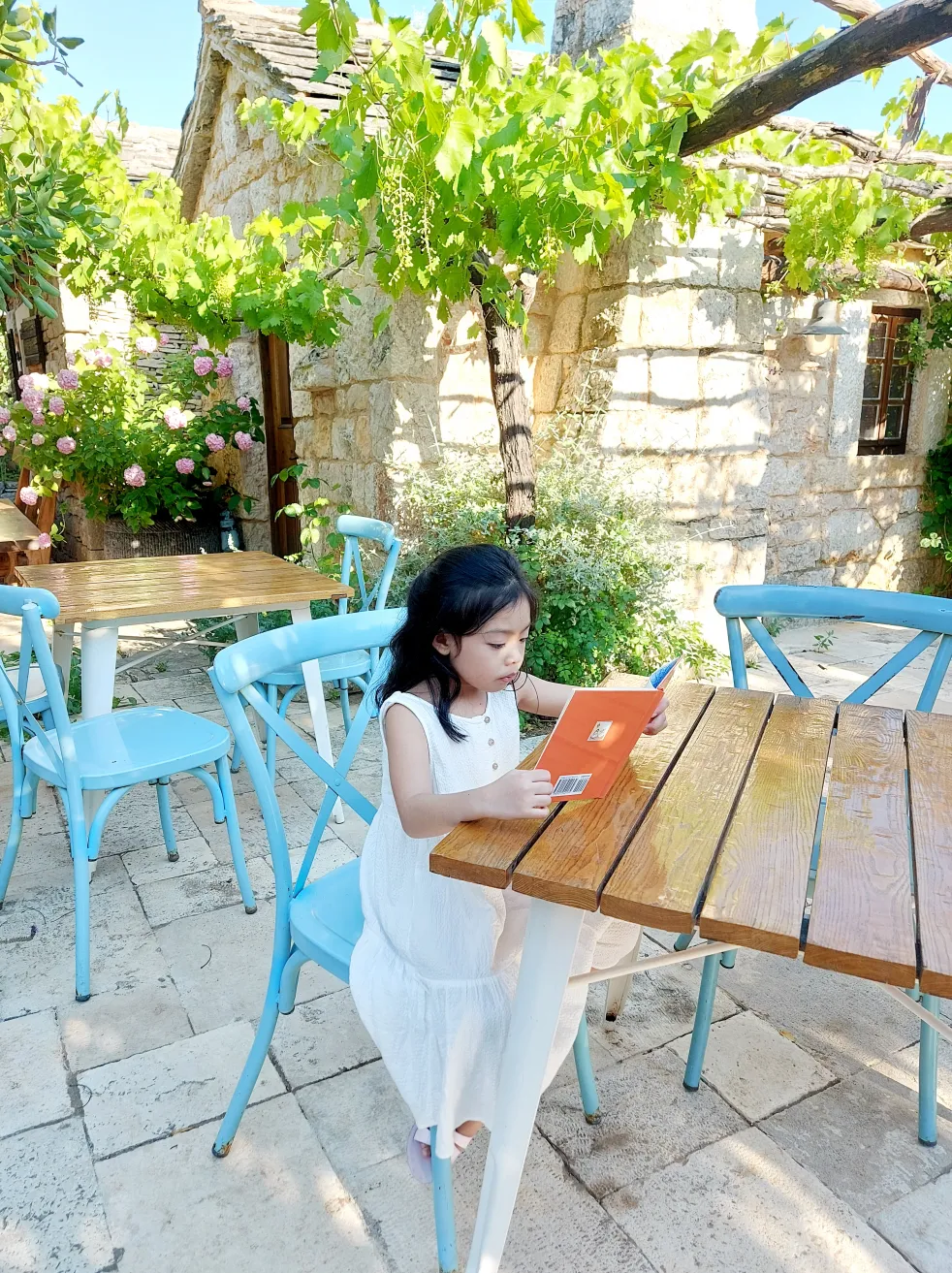
Where your child goes to school is a big decision and shouldn’t be taken lightly. Given how their education can impact their future, you might be tempted to take control and decide for them. However, you might be doing more damage than helping them in the long run. Your job as parents is to support… Continue reading HOW TO CHOOSE THE BEST SCHOOL FOR YOUR CHILD

As poet and philosopher Rumi once eloquently said, “raise your words, not your voice. It is rain that grows flowers, not thunder.” Parenting is a challenging journey, and the truth is that nobody has everything figured out. One parenting style might suit others best, and some might favor other methods. However, children respond better to… Continue reading A SIMPLE GUIDE TO GENTLE PARENTING
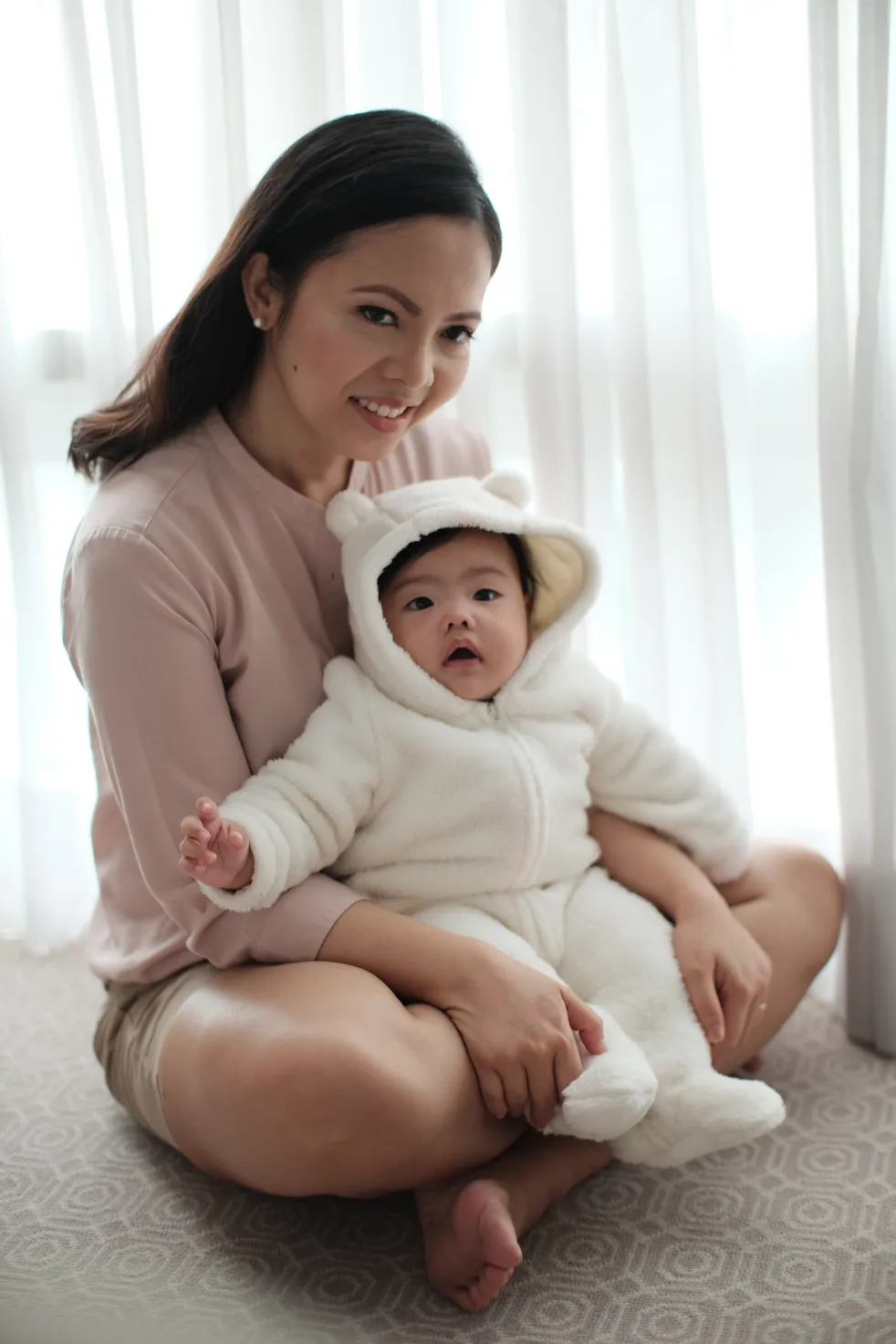
Whether you’re a new mom to be, mom of a toddler, mom who have school-aged kids, you’re bound to have so many questions. Let's start with your baby's skin. Infant skin has unique needs; gentle care is essential to prevent damage to the skin barrier, which can lead to irritation. When caring for infant skin,… Continue reading Keeping Baby’s Diapered Skin Healthy

As parents, we want to give our child the best possible start in life and that begins with nurturing their intelligence. Throughout history, the notion of success has been linked to academic intelligence. However, there has been an increased awareness on the importance of emotional intelligence. This question gets at the heart of the never-ending… Continue reading IQ or EQ, which one is a better predictor of your child’s success?
 wondermomma.net