
Last August, IKEA Philippines engaged with Better World Smokey Mountain, a newly opened community center operated by the San Miguel Foundation, which shares a similar goal of improving the lives of many Filipino people. Through this partnership, IKEA Philippines provided and assembled home furnishings for the classrooms and library of Better World Smokey Mountain community… Continue reading Help Create a Better World with IKEA Soft Toys
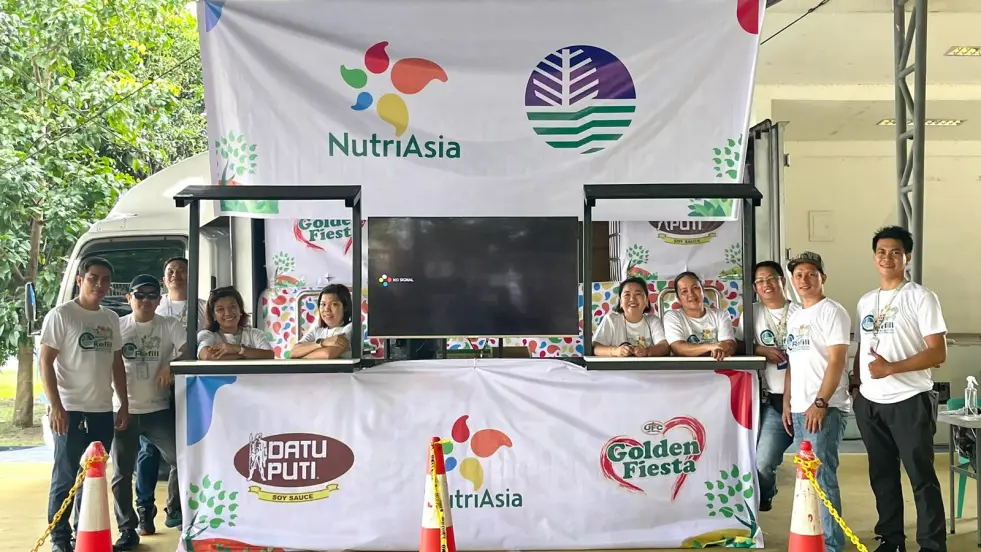
NutriAsia, the country’s top producer of condiments and sauces, continues its support of Refill Revolution; a project by the Department of Environment and Natural Resources EMB 3 that aims to help reduce Filipinos’ single-use plastics consumption. At Refill Revolution, residents get to recycle their single-use plastic bottles by reusing and filling it with their choice… Continue reading NutriAsia and DENR renews partnership for Refill Revolution
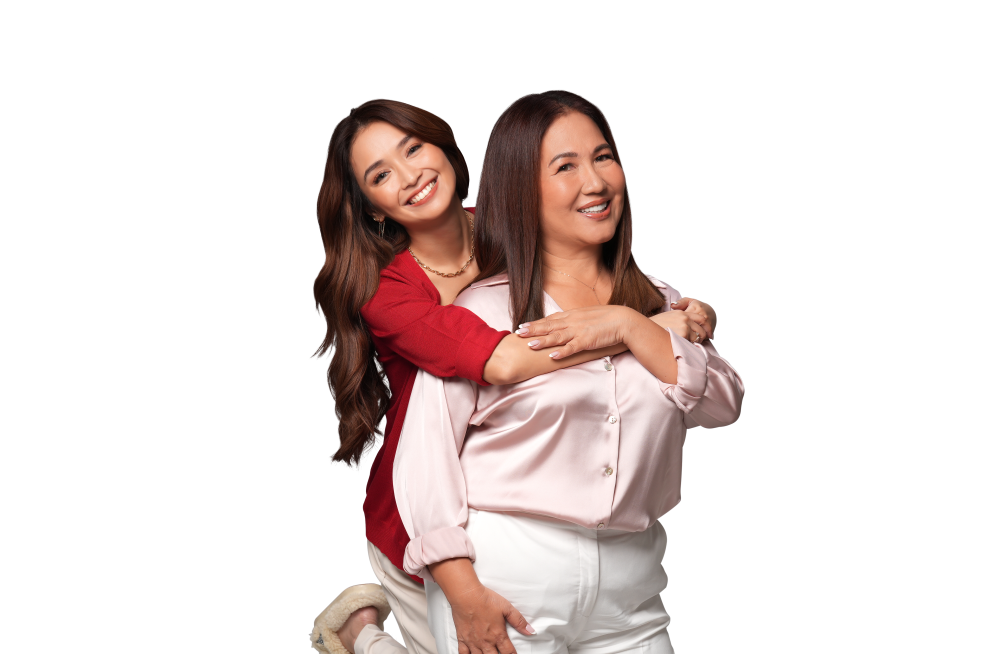
How to teach your child to use the toilet gently
Toilet learning is a gradual life skill, not a race or a test of good parenting. Some children show interest shortly after turning two, while others are closer to four before they feel ready. Development, temperament, communication skills and daily routines all affect the timing.
A gentle approach protects your child’s sense of safety and keeps accidents from becoming a source of shame. The aim is to help them notice body signals, understand what the toilet is for and practise with patient support.
Australian families may also need to balance toilet training with long days at childcare, trips to the shops, visits to grandparents and outings where public toilets are unfamiliar. A flexible plan usually works better than expecting every day to go smoothly.
| Approach | What it looks like | Strengths | Watch-outs |
|---|---|---|---|
| Child-led | Follows signs of readiness and allows plenty of time | Low pressure and emotionally supportive | Progress can be slow |
| Routine-based | Offers the toilet at regular moments, such as after waking | Gives the child predictable practice | Avoid making it rigid |
| Intensive | Focuses on toilet learning over several days at home | Can create a clear change in routine | May overwhelm an unready child |
| Supported combination | Uses readiness, routine and encouragement together | Adaptable to the child and family | Requires consistency from adults |
Notice signs of readiness
Readiness is usually a collection of small signs rather than one decisive milestone. Your child may tell you when they have wet or soiled their nappy, hide while doing a poo, show curiosity about the bathroom or want to copy adults and older children.
Other clues include staying dry for longer periods, having predictable bowel movements, pulling trousers up and down, following simple instructions and communicating a need through words, gestures or facial expressions. They do not need to demonstrate every sign before you begin gentle preparation.
Emotional readiness matters as much as physical ability. A child who has recently started childcare, welcomed a new sibling, moved house or experienced illness may need extra time. In Australia, a child and family health nurse can discuss development and toileting through local health services, while your GP can help if constipation or pain is affecting progress.
Make the bathroom feel safe
Begin by allowing your child to explore the toilet without any demand to use it. They can sit on it fully clothed, flush when they are ready or help choose a step stool. Explain what happens in simple language: “We do wees and poos in the toilet, then we wipe, flush and wash our hands.”
A child-sized potty may feel less intimidating, particularly if your bathroom toilet is tall or the flushing sound is startling. If you use a toilet seat insert, pair it with a stable step so your child’s feet are supported. Foot support helps them feel secure and makes it easier to relax their pelvic muscles for a bowel movement.
Keep the room warm, well lit and uncluttered. Avoid rushing your child because another family member needs the bathroom. A relaxed book or brief chat can help, but long periods of sitting are unnecessary. Five minutes is plenty; if nothing happens, calmly move on.
Build a predictable routine
Offer toilet opportunities at natural transition points rather than asking repeatedly throughout the day. Useful times include after waking, before a bath, before leaving home, after meals and before bed. A calm prompt such as “Would you like to try?” gives your child some control.
Use neutral words for body functions and choose terms everyone uses consistently. “Wee”, “poo”, “toilet” and “underpants” are clear Australian family language. If your child uses a preferred word, accept it while gently adding the standard term so other carers understand them.
Praise effort and awareness rather than results. You might say, “You noticed your body needed a wee,” or “You sat on the toilet and had a try.” Small rewards can be useful for some children, but constant stickers, sweets or prizes may make toileting feel like a performance. Warm attention, a cuddle or choosing the bedtime story can be just as meaningful.
Respond calmly to accidents and constipation
Accidents are a normal part of learning. When one happens, keep your voice steady: “Your clothes are wet. We’ll get changed.” Involve your child in simple clean-up steps without making them feel guilty. Avoid teasing, scolding or showing disappointment, since anxiety can make children hold on to urine or stool.
Constipation can make toilet learning painful and frightening. Signs may include hard stools, fewer bowel movements, hiding to poo, stomach pain, withholding or small smears in the underwear. Encourage water, fruit, vegetables and regular movement, and speak with a GP if symptoms continue. Do not use laxatives unless a health professional recommends the product and dose.
Night-time dryness often develops later than daytime toilet use. Many children need nappies or pull-ups overnight for quite a while. Explain that their body is still learning to wake when their bladder is full. Protect the mattress and treat a wet bed as a practical laundry issue, not misbehaviour.
Keep toileting consistent beyond home
Tell childcare educators what words, routines and equipment you use at home. Australian early learning services usually have their own procedures for toileting, spare clothing, hygiene and accidents, so discuss the plan before leaving nappies behind completely. Pack several changes of clothes, including socks, and label everything.
Practise using toilets away from home before expecting your child to manage a full day out. Public toilets at a shopping centre, library, park or service station can be noisy, echoing and unfamiliar. A foldable seat, travel potty, hand sanitiser and spare underwear may make outings easier, although handwashing with soap and water remains the preferred option whenever available.
For longer drives, offer a toilet stop before departure and at regular intervals. In warmer parts of Australia, children may drink more water and need extra opportunities to wee. Keep spare clothes in the car rather than relying on a perfect journey, and use reassuring language if an accident happens at the beach, playground or local oval.
Protect confidence during setbacks
Progress rarely follows a straight line. A child may use the toilet confidently for several days and then return to nappies during travel, illness, family stress or a change in childcare. This does not erase what they have learned. Reduce pressure, return to familiar routines and offer support until they feel settled again.
Some children resist sitting because they fear falling in, dislike the flushing noise or associate the toilet with pain. Address the specific concern rather than increasing reminders. Let them flush after leaving the room, use a quieter potty temporarily or place a visual sequence near the bathroom showing trousers down, sit, wipe, flush and wash hands.
Get professional advice if your child has persistent pain, blood in the urine or stool, repeated urinary infections, severe constipation, ongoing wetting after being reliably dry, or intense distress around toileting. A GP, continence nurse, occupational therapist or child health professional can check for physical, sensory, developmental or emotional factors.
Practical habits that make toilet learning easier
- Keep a potty or toilet insert accessible, with a stable step for foot support.
- Dress your child in elastic-waisted trousers or shorts that can be lowered quickly.
- Offer toilet visits at predictable transition points without forcing a sit.
- Use the same calm words at home, childcare and with other caregivers.
- Keep spare underwear, trousers, wipes and a plastic bag in your outing kit.
- Praise noticing, communicating and trying rather than demanding a dry day.
- Pause intensive practice when illness, travel or major family changes create extra stress.
Toilet learning works best when children feel trusted and supported. Your role is to provide access, information, routine and reassurance while their body and confidence develop at their own pace. A calm response to both success and accidents gives them the message that toileting is an ordinary skill they can learn, one small step at a time.

Mercato Centrale, in collaboration with Indian Women in Enterprise Philippines (I-We), is set to host "The Great Indian Fiesta" to mark 75 years of friendship between India and the Philippines. The dynamic two-day event is scheduled to take place on September 30 to October 1, 2023, at Paseo De Roxas Street, Makati City. Aiming to… Continue reading Mercato Centrale Partners with I-We to Host ‘The Great Indian Fiesta’, Commemorating 75 Years of India-Philippines Friendship

My stomach would usually start growling at 10 am even after taking a big breakfast. This is probably because I am a morning person and I move a lot throughout the day hence snacking is something that I can't avoid. This potatoes and chicken wrap recipe is easy to prepare and would keep me full… Continue reading Potato and Chicken Wrap
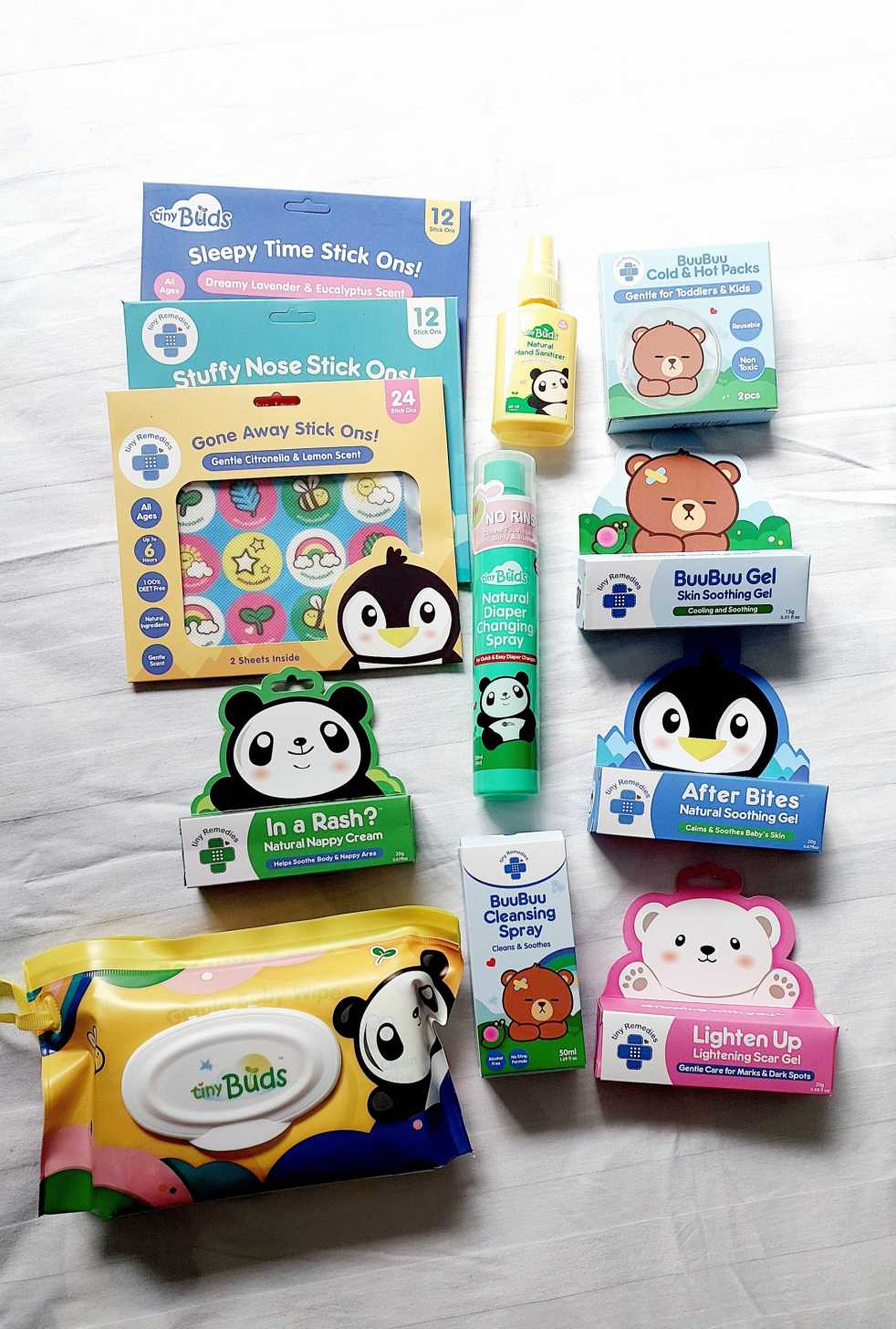
Your baby’s skin is more delicate than most, this is why you have to choose products that are designed for sensitive skin. Tiny Buds is a pioneer in integrating natural ingredients into baby care and today has over 50 innovative natural baby care essentials and is one of the Top Baby Personal Care brands. Here… Continue reading Product Review: Tiny Buds Baby Naturals Baby Essentials
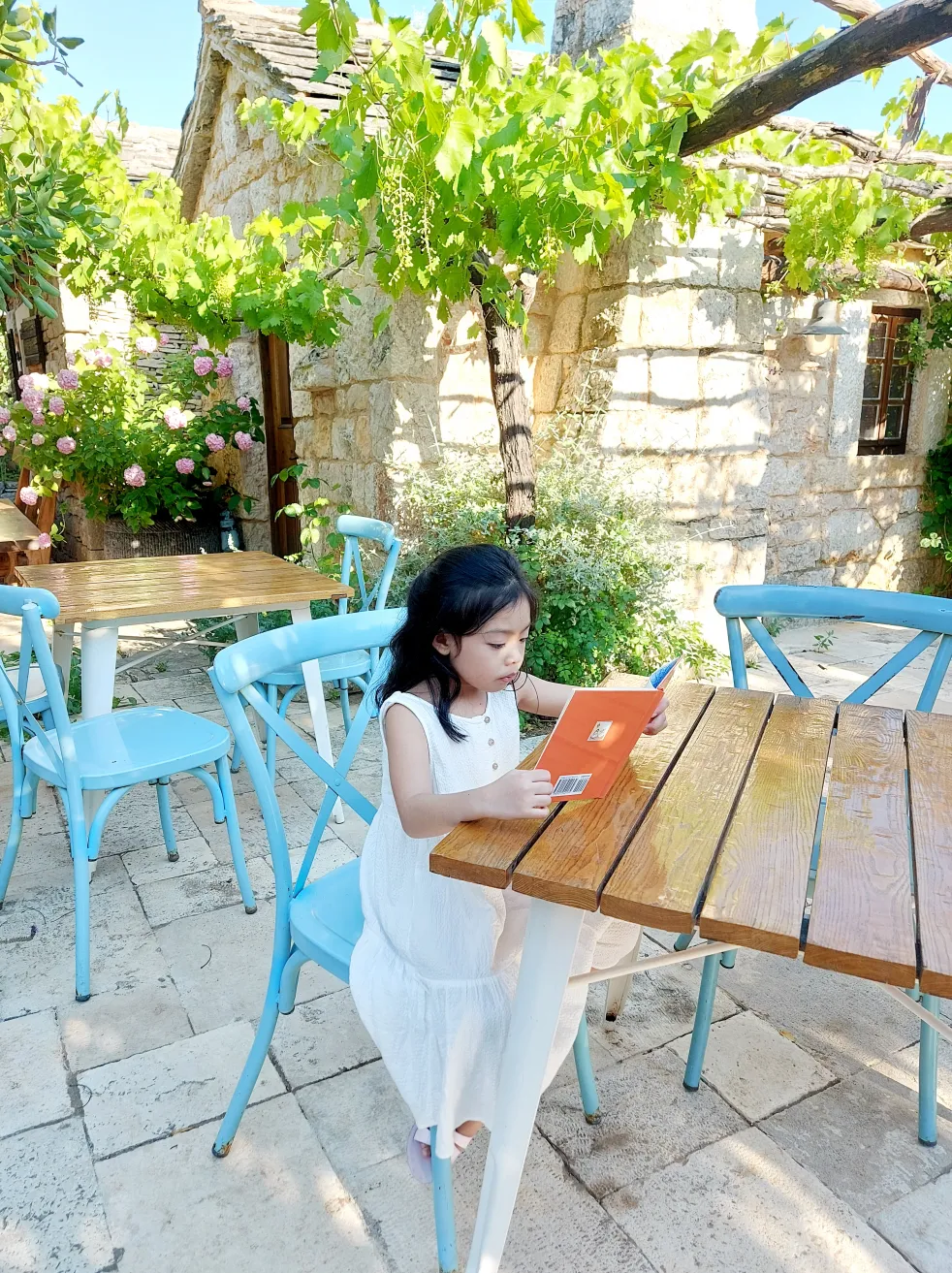
Where your child goes to school is a big decision and shouldn’t be taken lightly. Given how their education can impact their future, you might be tempted to take control and decide for them. However, you might be doing more damage than helping them in the long run. Your job as parents is to support… Continue reading HOW TO CHOOSE THE BEST SCHOOL FOR YOUR CHILD
As poet and philosopher Rumi once eloquently said, “raise your words, not your voice. It is rain that grows flowers, not thunder.” Parenting is a challenging journey, and the truth is that nobody has everything figured out. One parenting style might suit others best, and some might favor other methods. However, children respond better to… Continue reading A SIMPLE GUIDE TO GENTLE PARENTING
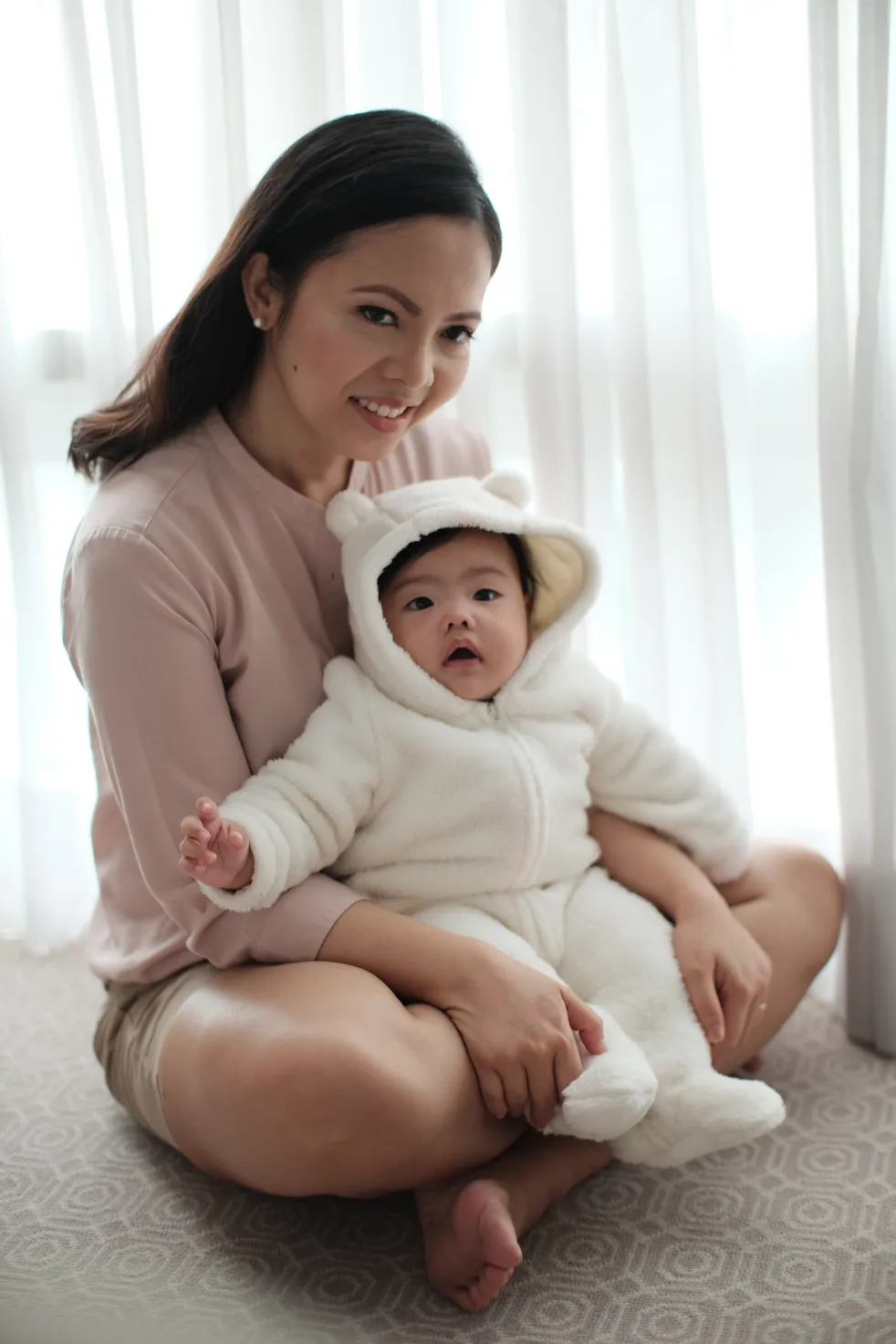
Whether you’re a new mom to be, mom of a toddler, mom who have school-aged kids, you’re bound to have so many questions. Let's start with your baby's skin. Infant skin has unique needs; gentle care is essential to prevent damage to the skin barrier, which can lead to irritation. When caring for infant skin,… Continue reading Keeping Baby’s Diapered Skin Healthy
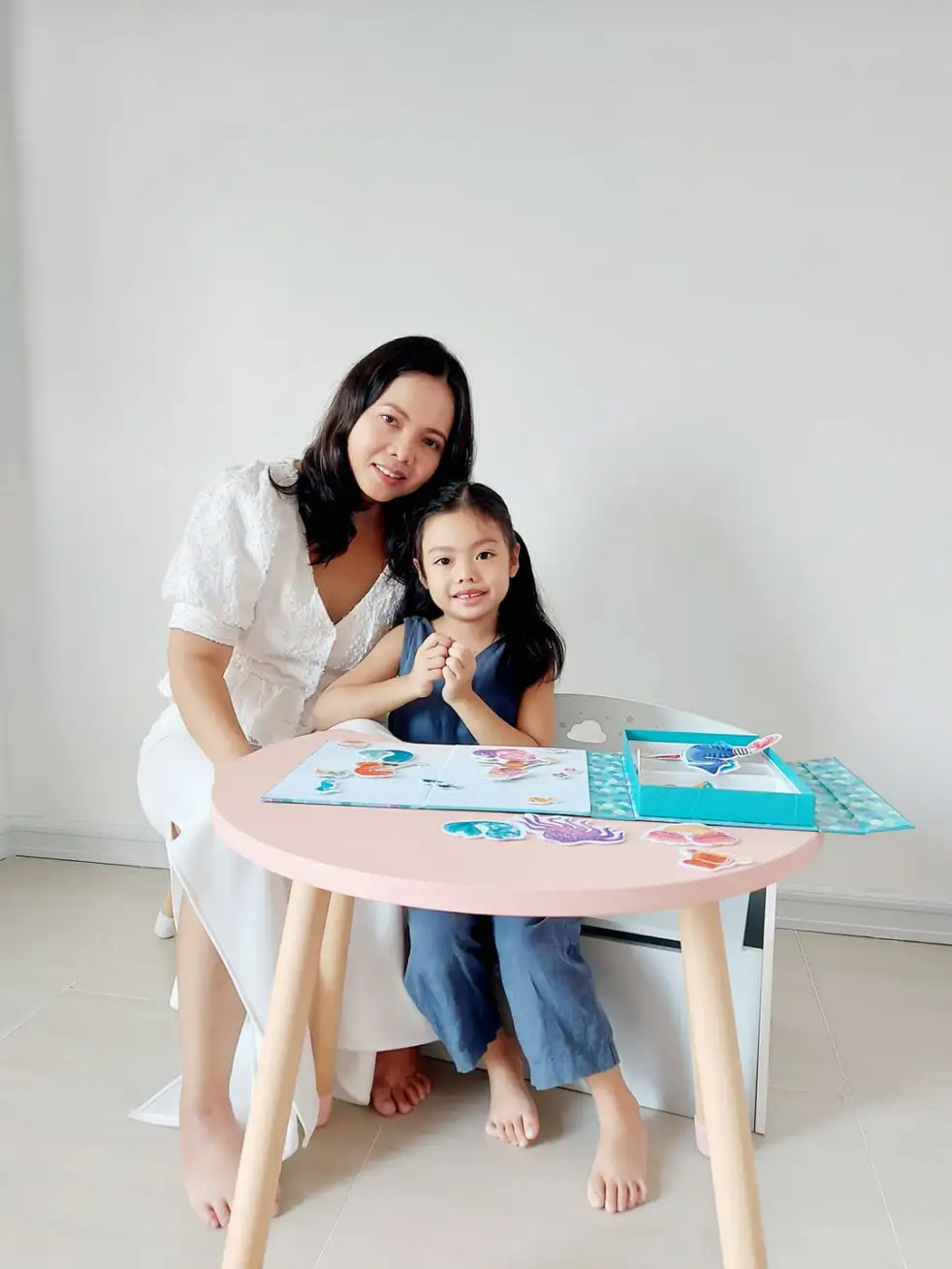
As parents, we want to give our child the best possible start in life and that begins with nurturing their intelligence. Throughout history, the notion of success has been linked to academic intelligence. However, there has been an increased awareness on the importance of emotional intelligence. This question gets at the heart of the never-ending… Continue reading IQ or EQ, which one is a better predictor of your child’s success?
 wondermomma.net