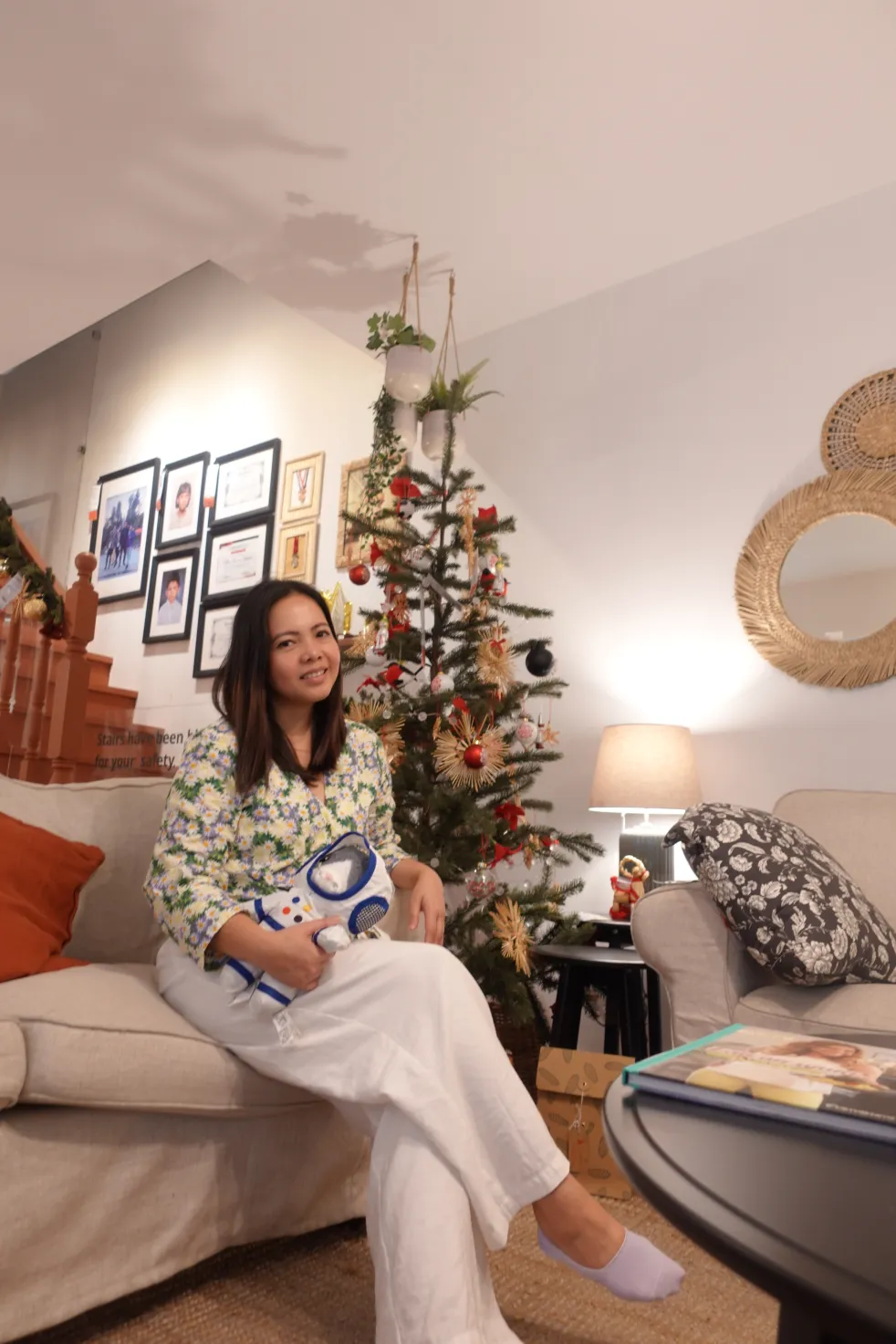
Last August, IKEA Philippines engaged with Better World Smokey Mountain, a newly opened community center operated by the San Miguel Foundation, which shares a similar goal of improving the lives of many Filipino people. Through this partnership, IKEA Philippines provided and assembled home furnishings for the classrooms and library of Better World Smokey Mountain community… Continue reading Help Create a Better World with IKEA Soft Toys
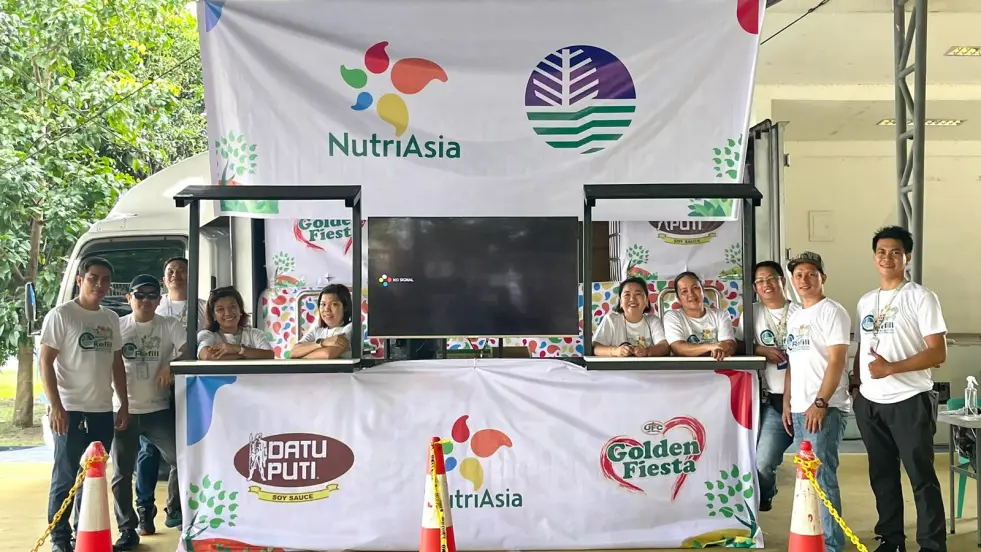
NutriAsia, the country’s top producer of condiments and sauces, continues its support of Refill Revolution; a project by the Department of Environment and Natural Resources EMB 3 that aims to help reduce Filipinos’ single-use plastics consumption. At Refill Revolution, residents get to recycle their single-use plastic bottles by reusing and filling it with their choice… Continue reading NutriAsia and DENR renews partnership for Refill Revolution

Teaching Letter Recognition Through Everyday Objects
Learning letters becomes more meaningful when children see them in the places, routines, and objects they already know. A cereal box, favorite toy, family name, or kitchen label can become a simple teaching tool. Instead of treating alphabet practice as a worksheet-only activity, parents can weave letter learning into ordinary moments at home.
Children usually recognize letters gradually. They may first notice the shape of a familiar capital letter, then connect it with a sound, a word, and eventually other forms of the same letter. Repetition helps, but playful repetition is more likely to hold their attention.
The goal is to make print feel useful and enjoyable. Short activities during meals, errands, bath time, or play can build early literacy skills without making your child feel tested.
Begin With Letters That Matter
Start with letters your child sees often. The first letter of their name is a natural choice because it has personal meaning. Point it out on a name label, birthday card, backpack, or drawing. Say the letter clearly and connect it to the beginning sound: “M is for Mia” or “J is for juice.”
Family names, pet names, and favorite foods can provide additional familiar examples. If your child loves bananas, you might notice the letter B on a shopping list or food package. These connections help children understand that letters represent sounds in real words.
There is no need to introduce the entire alphabet at once. A small group of meaningful letters gives your child time to notice differences in shape and sound. Once those letters become familiar, add one or two new ones.
Find Letters During Daily Routines
A home letter hunt can happen almost anywhere. While preparing breakfast, invite your child to find the letter A on a package. During story time, look for the first letter of a character’s name. In the bathroom, point out letters on soap containers or toothpaste boxes.
Keep the activity relaxed and brief. You might say, “I see a big S. Can you find another S?” If your child points to a different letter, respond warmly and guide them toward the correct one instead of treating the mistake as a failure.
Outdoor walks also offer many opportunities for alphabet recognition. Street signs, store names, vehicle labels, apartment numbers, and posters contain large, clear print. Let your child notice letters naturally rather than expecting them to identify every word.
At the grocery store, compare labels that begin with the same letter. At home, place a few safe household items on the floor and ask your child to group objects that start with the same sound. This combines visual letter recognition with phonemic awareness.
Connect Printed Letters With Real Objects
Children benefit from seeing a printed letter beside an object that represents its sound. Place a paper “C” beside a cup, a “B” beside a ball, or an “F” beside a fork. Say the sound naturally, without stretching it so much that it becomes unclear.
You can create a small basket for one focus letter. For the letter T, include a toy, towel, spoon, or picture of a tree. Ask your child to choose which items belong in the basket. Some objects may be confusing if their names begin with different sounds, so focus on a few clear examples.
Picture books are useful for reinforcing these connections. Pause occasionally to point out a large letter or a familiar word, but avoid interrupting every page. The pleasure of listening to a story remains important for vocabulary, comprehension, and attention.
| Everyday setting | Letter activity | Skill being practiced |
|---|---|---|
| Kitchen | Find a target letter on food packaging | Visual recognition |
| Bedroom | Match name cards to personal items | Letter and word awareness |
| Bath time | Trace a letter in foam or water | Shape formation |
| Car ride | Spot letters on signs and buildings | Environmental print |
| Play area | Sort toys by beginning sound | Phonemic awareness |
| Story time | Find a repeated letter in a book | Attention to print |
Make Letter Practice Creative
Hands-on activities help children remember letter shapes because they involve movement, touch, and decision-making. Your child might form a letter with building blocks, bend pipe cleaners into an outline, or trace a large letter in rice or flour. Always supervise small materials and choose tools that suit your child’s age.
Recycled materials can turn alphabet practice into a creative project. Use clean cardboard, bottle caps, paper tubes, or magazine cutouts to build a letter collage. For more ideas that combine creativity with reuse, try these recycled art projects for kids. Invite your child to decorate a letter using objects that begin with its sound.
Movement can make the activity especially engaging. Draw large letters with sidewalk chalk and let your child walk along the lines. Call out a letter and ask them to jump to it on a homemade alphabet mat. These games support letter recognition while developing balance and coordination.
Let the finished work remain visible for a few days. A letter collage on the refrigerator or a set of homemade alphabet cards can become a prompt for repeated, casual review.
Match Activities To Your Child’s Development
Preschoolers often need large, simple print and plenty of repetition. Begin with uppercase letters because their forms are usually easier to distinguish, then gradually introduce lowercase versions. Avoid presenting similar shapes together at first, such as b and d or p and q.
Some children remember letters through sound, while others respond better to shape, color, movement, or touch. If your child struggles with a letter card, try connecting it to a song, an object, or a tactile activity. A child who does not enjoy tracing may still recognize letters successfully while searching for them on signs.
The following progression can help parents choose an activity without turning learning into a rigid schedule:
| Approximate stage | Helpful focus | Example |
|---|---|---|
| Early exposure | Notice letters in context | Point out the first letter of a name |
| Beginning recognition | Identify a few familiar shapes | Find M among three letter cards |
| Sound connection | Link letters with initial sounds | Match S with sock and spoon |
| Growing confidence | Compare uppercase and lowercase | Pair A with a |
| Early writing | Reproduce simple letter forms | Build or trace a large T |
Children develop at different rates, so these stages are flexible. A child may recognize a letter in a book but not remember it later on a card. That uneven performance is common and usually improves with repeated exposure.
Keep Learning Gentle And Consistent
A few minutes of focused practice can be more effective than a long lesson. Choose moments when your child is rested and interested. If they become frustrated, switch to reading, singing, or a physical game and return to letter work another day.
Praise effort and observation rather than speed. Say, “You looked carefully at those shapes,” or “You remembered the sound in sun.” Specific encouragement helps children understand what they did well and supports a positive attitude toward learning.
These simple habits can make alphabet recognition part of family life:
- Keep a small set of letter cards near books or toys.
- Use your child’s name and favorite objects as recurring examples.
- Repeat the same letter in several settings across the week.
- Offer choices, such as finding a letter, building it, or drawing it.
- Correct gently by modeling the answer instead of demanding repetition.
Avoid turning every outing into a quiz. Children need time to observe print without pressure. When letter activities remain playful, they are more likely to participate and remember what they have seen.
As your child becomes more confident, combine letter recognition with early reading and writing. Ask them to find the first letter of a word, hear the beginning sound, or help label a drawing. Everyday objects then become bridges between spoken language, printed symbols, and meaningful communication.
Choose one familiar letter this week and notice it together during meals, play, errands, and story time. Add a simple object match or creative activity, repeat it naturally, and celebrate each small discovery as your child builds a lasting foundation for literacy.

Mercato Centrale, in collaboration with Indian Women in Enterprise Philippines (I-We), is set to host "The Great Indian Fiesta" to mark 75 years of friendship between India and the Philippines. The dynamic two-day event is scheduled to take place on September 30 to October 1, 2023, at Paseo De Roxas Street, Makati City. Aiming to… Continue reading Mercato Centrale Partners with I-We to Host ‘The Great Indian Fiesta’, Commemorating 75 Years of India-Philippines Friendship

My stomach would usually start growling at 10 am even after taking a big breakfast. This is probably because I am a morning person and I move a lot throughout the day hence snacking is something that I can't avoid. This potatoes and chicken wrap recipe is easy to prepare and would keep me full… Continue reading Potato and Chicken Wrap
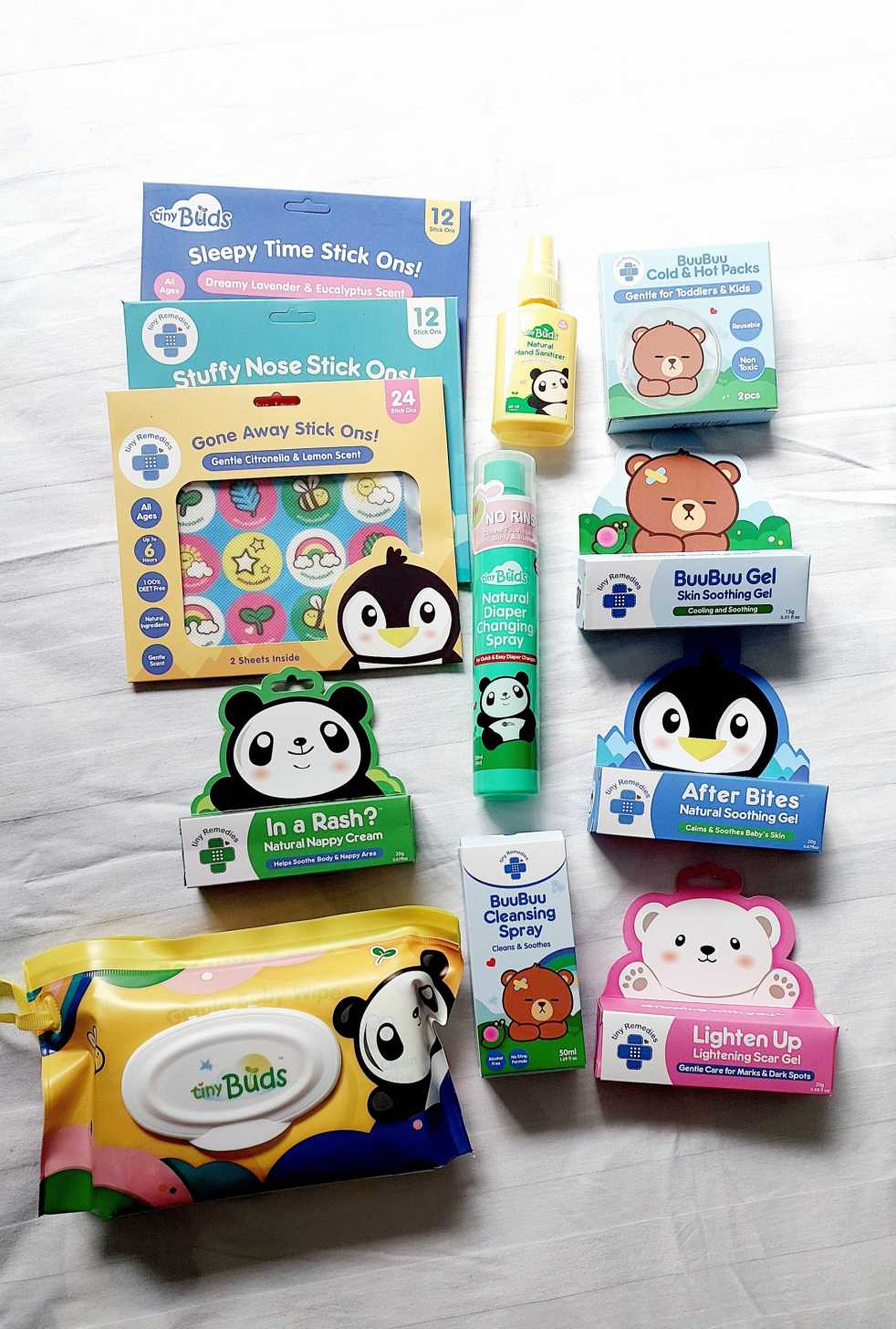
Your baby’s skin is more delicate than most, this is why you have to choose products that are designed for sensitive skin. Tiny Buds is a pioneer in integrating natural ingredients into baby care and today has over 50 innovative natural baby care essentials and is one of the Top Baby Personal Care brands. Here… Continue reading Product Review: Tiny Buds Baby Naturals Baby Essentials
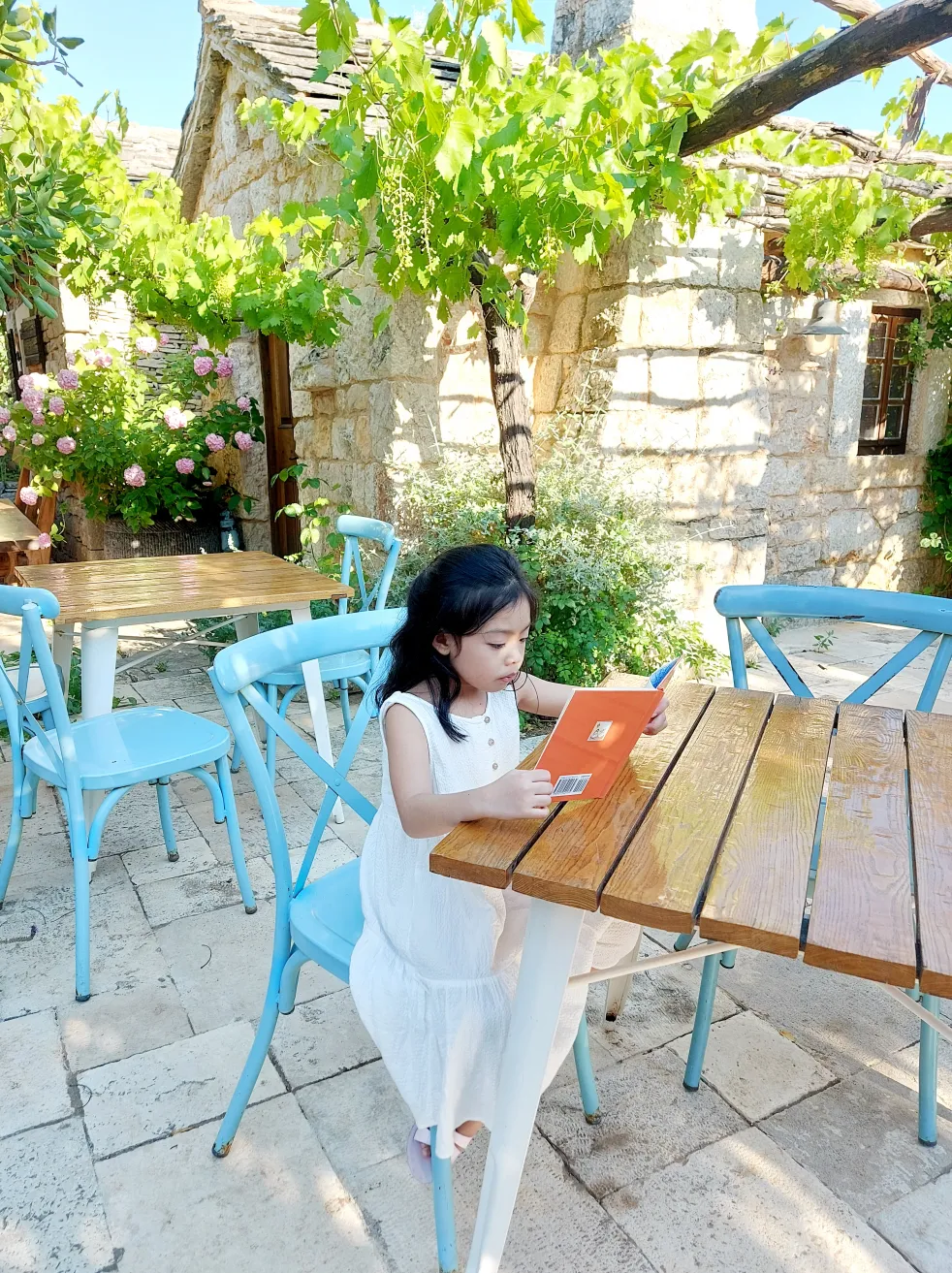
Where your child goes to school is a big decision and shouldn’t be taken lightly. Given how their education can impact their future, you might be tempted to take control and decide for them. However, you might be doing more damage than helping them in the long run. Your job as parents is to support… Continue reading HOW TO CHOOSE THE BEST SCHOOL FOR YOUR CHILD
As poet and philosopher Rumi once eloquently said, “raise your words, not your voice. It is rain that grows flowers, not thunder.” Parenting is a challenging journey, and the truth is that nobody has everything figured out. One parenting style might suit others best, and some might favor other methods. However, children respond better to… Continue reading A SIMPLE GUIDE TO GENTLE PARENTING
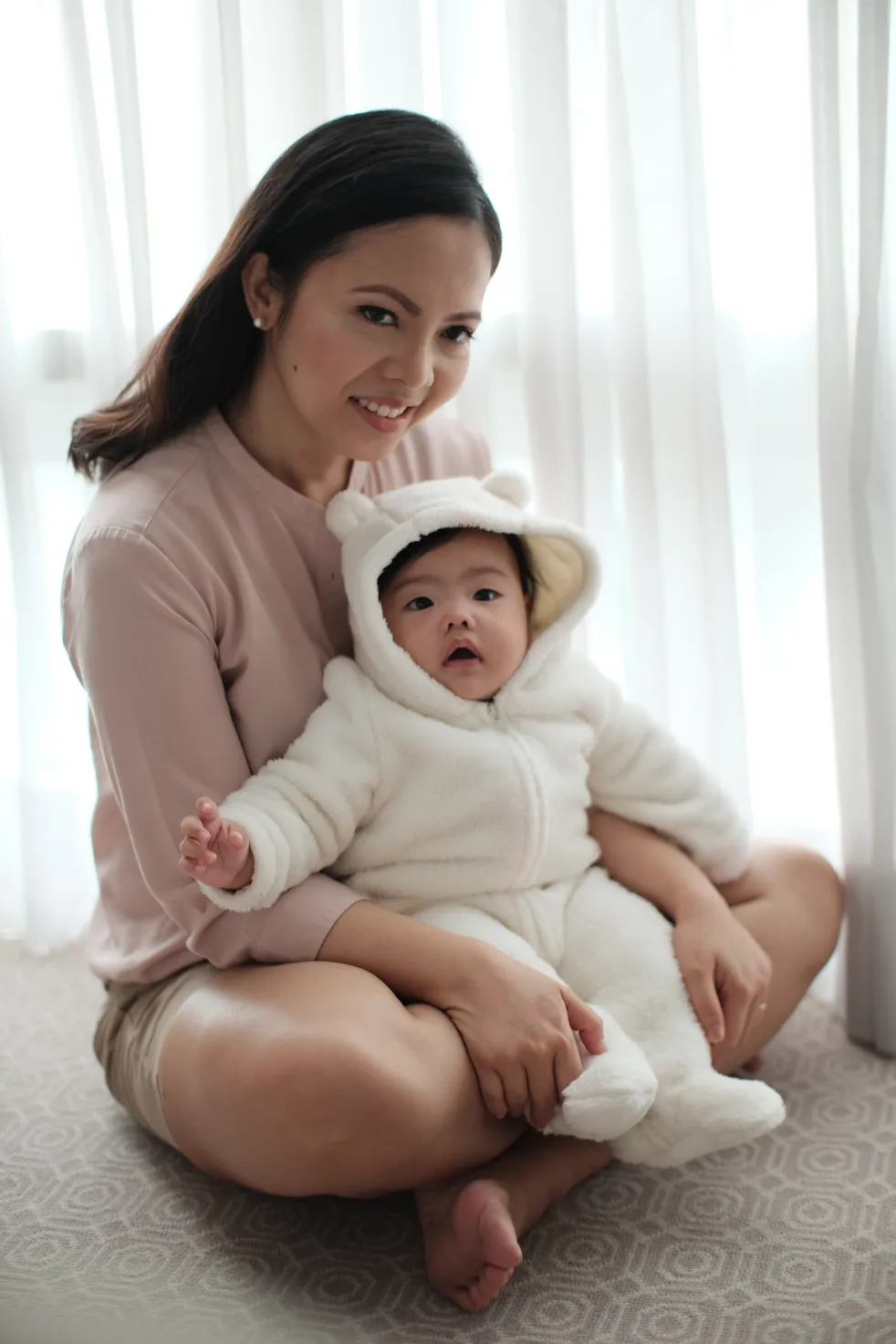
Whether you’re a new mom to be, mom of a toddler, mom who have school-aged kids, you’re bound to have so many questions. Let's start with your baby's skin. Infant skin has unique needs; gentle care is essential to prevent damage to the skin barrier, which can lead to irritation. When caring for infant skin,… Continue reading Keeping Baby’s Diapered Skin Healthy
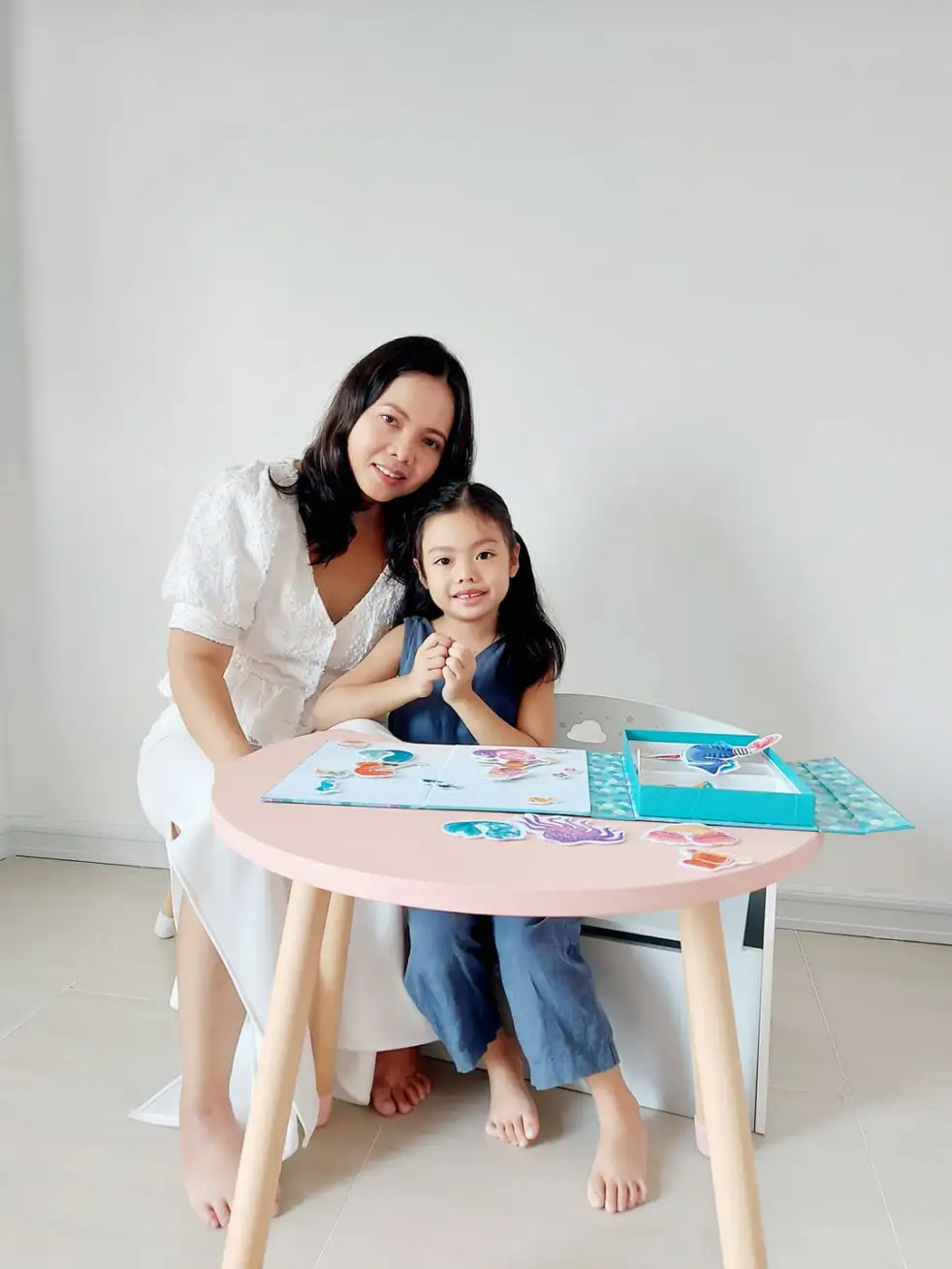
As parents, we want to give our child the best possible start in life and that begins with nurturing their intelligence. Throughout history, the notion of success has been linked to academic intelligence. However, there has been an increased awareness on the importance of emotional intelligence. This question gets at the heart of the never-ending… Continue reading IQ or EQ, which one is a better predictor of your child’s success?
 wondermomma.net