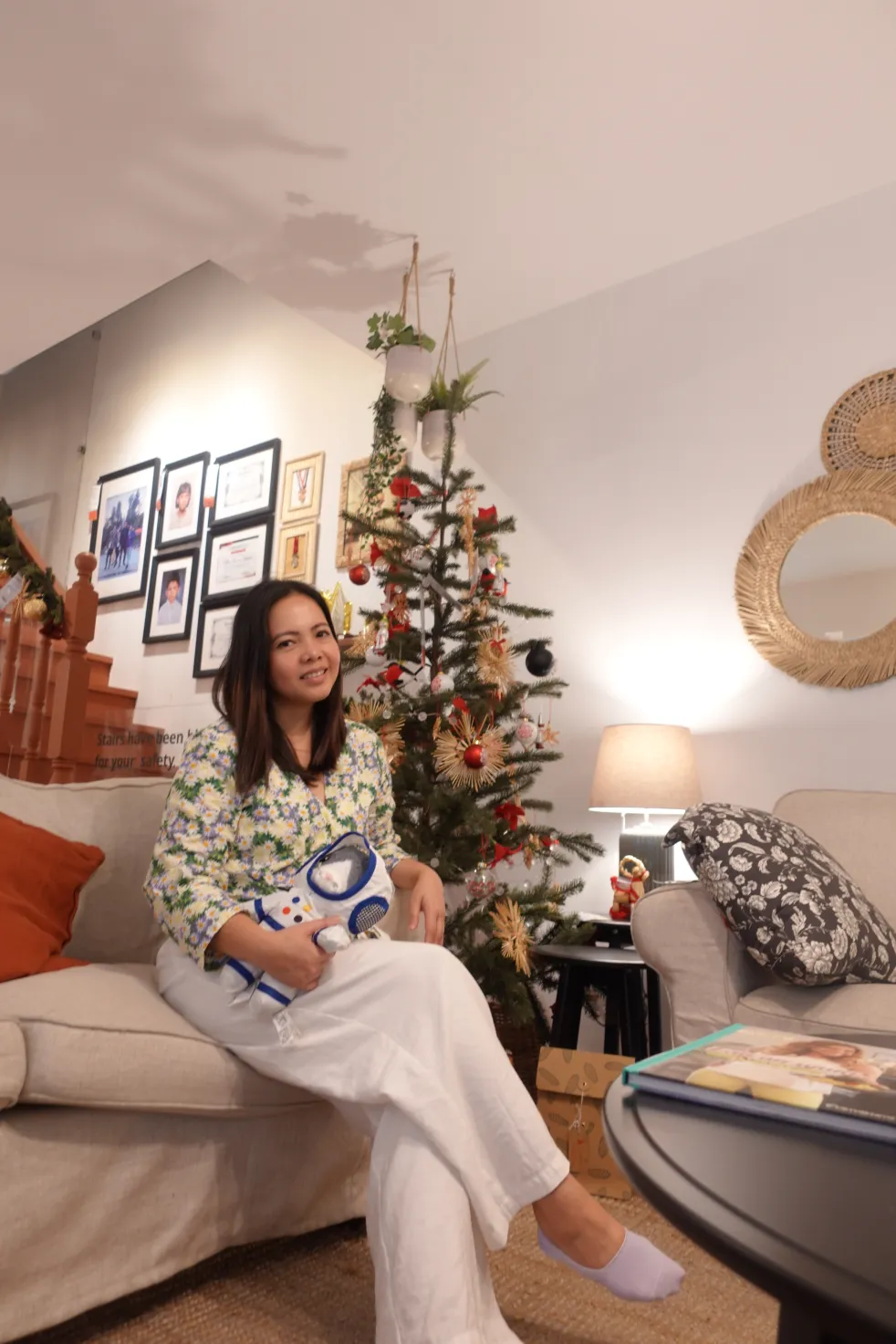
Last August, IKEA Philippines engaged with Better World Smokey Mountain, a newly opened community center operated by the San Miguel Foundation, which shares a similar goal of improving the lives of many Filipino people. Through this partnership, IKEA Philippines provided and assembled home furnishings for the classrooms and library of Better World Smokey Mountain community… Continue reading Help Create a Better World with IKEA Soft Toys

NutriAsia, the country’s top producer of condiments and sauces, continues its support of Refill Revolution; a project by the Department of Environment and Natural Resources EMB 3 that aims to help reduce Filipinos’ single-use plastics consumption. At Refill Revolution, residents get to recycle their single-use plastic bottles by reusing and filling it with their choice… Continue reading NutriAsia and DENR renews partnership for Refill Revolution

How to Teach Your Child to Put Away Their Toys
A home with children rarely stays tidy for long. Blocks scatter across the floor, stuffed animals gather on the sofa, and art supplies seem to travel from one room to another. Teaching children to put away their toys is less about achieving a spotless home and more about helping them develop responsibility, organization, and respect for shared spaces.
Young children need plenty of guidance before they can manage cleanup independently. They are still learning how to follow steps, shift from one activity to another, and understand why belongings have a proper place. A calm, predictable approach makes the process feel like part of family life rather than a punishment.
The goal is to create a simple toy organization system your child can understand and use. With realistic expectations, clear instructions, and patient repetition, tidying can become a familiar routine that grows along with your child.
Why Tidying Toys Matters
Putting toys away teaches practical life skills that extend beyond the playroom. Children practice sorting, decision-making, following directions, and completing a task. These abilities support future routines such as packing a school bag, organizing clothes, and caring for personal belongings.
A regular cleanup habit also makes play safer. Toys left on the floor can become tripping hazards, while small pieces may be stepped on or picked up by younger siblings. Returning items to their places keeps the living area easier to navigate and helps children see that their choices affect the whole family.
Keep the emotional focus positive. A child does not need to feel ashamed of making a mess; play naturally involves movement and exploration. The useful lesson is that making a mess and restoring the space are two connected parts of an enjoyable activity.
Create A Child-Friendly Cleanup Space
Children are more likely to tidy when storage is easy to reach. Place baskets, open bins, or low shelves at your child’s height. Heavy boxes and high cabinets can make the task frustrating, while transparent or labeled containers help children identify where items belong.
Use broad categories instead of demanding perfect organization. One basket for building toys, another for pretend-play items, and a small container for puzzles may be enough. For younger children, photographs or simple drawings on labels can make the system easier to understand than written words.
Avoid giving every tiny object its own location. Too many categories turn cleanup into a complicated sorting exercise. Leave enough open space for your child to move around safely, and check regularly for broken toys or pieces that are no longer used.
Safety matters when children are handling toys and storage containers. Choose sturdy furniture, avoid unstable stacks, and keep very small pieces away from babies and toddlers. Everyday care routines also benefit from a calm, prepared approach, much like learning how to trim toddler nails without turning the moment into a stressful struggle.
Teach The Routine One Step At A Time
A young child may not understand a broad instruction such as “Clean up your room.” Give one clear direction instead: “Please put the cars in the red basket.” Once that is finished, offer the next step. Short instructions reduce confusion and allow your child to experience success quickly.
Demonstrate the process while explaining what you are doing. Say, “I’m putting the blocks in this bin because this is where they belong.” Then invite your child to help. At first, you may need to work alongside them, hand over one item at a time, or gently guide their hands toward the correct basket.
Create a consistent cue before cleanup begins. You might say, “Playtime is finished, and now it is time to reset the room.” A short song, timer, or familiar phrase can help children prepare for the transition. Give advance notice when possible, such as a five-minute warning before it is time to stop playing.
Praise specific actions rather than using general approval. “You put all the farm animals in their basket” tells your child exactly what they did well. Encouragement should recognize effort and cooperation, especially when the task is still new.
Match Expectations To Your Child’s Age
Children develop organizing skills gradually, so the amount of responsibility should fit their stage. Toddlers can carry a toy to a basket with help, while preschoolers may sort several types of toys. Older children can take responsibility for resetting a play area and checking whether anything has been left behind.
At every age, participation matters more than speed. It may be faster for an adult to clean everything alone, but doing so removes an important opportunity for practice. You can finish the job after your child contributes, particularly when the mess is large or the day has been tiring.
| Age range | Helpful cleanup task | Support that works |
|---|---|---|
| 1–2 years | Place a few familiar toys in a nearby basket | Use gestures, simple words, and hand-over-hand guidance |
| 2–3 years | Return books, cars, or stuffed animals to labeled bins | Give one instruction at a time and model the action |
| 3–5 years | Sort toys into categories and clear a small play space | Use a timer, cleanup song, or picture labels |
| 5–7 years | Reset the room, organize collections, and check the floor | Provide a short checklist and limited choices |
| 8 years and older | Maintain personal toy areas and help with shared spaces | Agree on expectations and review the system together |
Respond Calmly To Resistance
Refusal is common, especially when a child is deeply engaged in imaginative play. A sudden demand to stop can feel disruptive. Acknowledge the feeling while keeping the boundary clear: “You want to keep building. It is hard to stop, and the blocks still need to go in the basket before dinner.”
Offer limited choices that both lead to cleanup. Your child might choose whether to put away the dolls or the books first, or decide whether to use a song or a timer. Choices provide a sense of control without removing the expectation that the space will be restored.
If your child becomes upset, reduce the task rather than turning it into a battle. Ask them to put away five items, clear one section, or place toys in a temporary “sort later” basket. Once the first step is complete, they may be more willing to continue.
Avoid threats, sarcasm, or prolonged lectures. These responses can make tidying feel like a power struggle. A steady voice and brief reminders communicate that cleanup is a normal family responsibility, not a test of love or obedience.
Build Habits That Last
Consistency is more effective than occasional intensive cleaning. Add short reset periods to the daily rhythm, such as before meals, before bath time, and before bed. Frequent five-minute sessions are easier for children than facing a huge pile of toys at the end of the week.
Keep the routine flexible during travel, illness, or especially busy days. The purpose is to build a dependable habit, not to enforce perfection. When the family is exhausted, gathering toys into broad baskets may be enough. You can sort them properly another time.
As your child grows, revisit the storage system. A toddler’s toy basket may no longer suit a school-age child with craft materials, collections, or board games. Invite your child to help decide what should remain accessible, what can be stored, and what might be donated.
Use these practical strategies to make toy cleanup easier:
- Keep fewer toys available at one time and rotate stored items every few weeks.
- Store favorite everyday toys in open baskets that do not require complicated lids.
- Use a “home” for each category and involve your child in choosing the labels.
- Schedule a brief family reset so children see adults caring for shared spaces too.
- Celebrate steady participation with warm attention rather than material rewards.
Make Cleanup Part Of Play
Children often respond well when tidying feels active instead of dull. Turn cleanup into a sorting game, such as finding all the blue blocks or rescuing stuffed animals from the floor. You can pretend that toy cars are driving back to their garage or that the dolls are returning home for bedtime.
A little playfulness does not mean the child is avoiding responsibility. It can help them practice the same skills while staying engaged. As the habit becomes familiar, gradually reduce the games and keep the simple routine as the main structure.
Songs and rhythm can also support transitions. A short cleanup song gives the child a clear beginning and end, while a timer can make the task feel manageable. Avoid using competition if it causes stress or arguments between siblings; cooperation is usually more valuable than finishing first.
Children learn from what they observe. When adults put away cooking supplies, return books to shelves, or clear the table, they see that maintaining a home is an ordinary shared task. Invite them to join small household routines so toy organization feels connected to family life.
Start with one play area, one storage system, and one daily cleanup cue. Stay close enough to guide your child, then gradually step back as their confidence grows. With patient repetition and realistic expectations, putting toys away can become a dependable habit that supports independence while keeping family spaces calmer and safer.

Mercato Centrale, in collaboration with Indian Women in Enterprise Philippines (I-We), is set to host "The Great Indian Fiesta" to mark 75 years of friendship between India and the Philippines. The dynamic two-day event is scheduled to take place on September 30 to October 1, 2023, at Paseo De Roxas Street, Makati City. Aiming to… Continue reading Mercato Centrale Partners with I-We to Host ‘The Great Indian Fiesta’, Commemorating 75 Years of India-Philippines Friendship

My stomach would usually start growling at 10 am even after taking a big breakfast. This is probably because I am a morning person and I move a lot throughout the day hence snacking is something that I can't avoid. This potatoes and chicken wrap recipe is easy to prepare and would keep me full… Continue reading Potato and Chicken Wrap
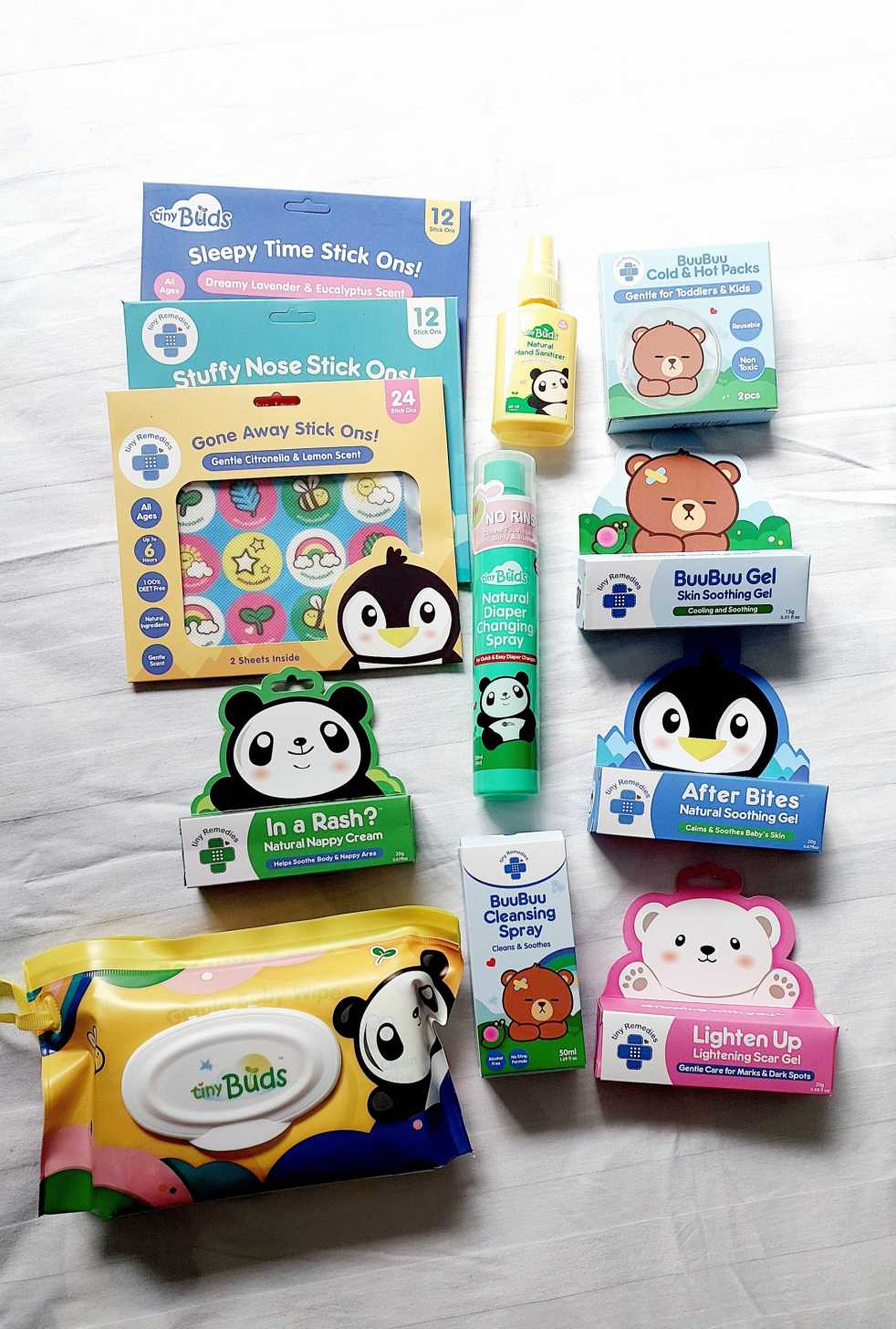
Your baby’s skin is more delicate than most, this is why you have to choose products that are designed for sensitive skin. Tiny Buds is a pioneer in integrating natural ingredients into baby care and today has over 50 innovative natural baby care essentials and is one of the Top Baby Personal Care brands. Here… Continue reading Product Review: Tiny Buds Baby Naturals Baby Essentials
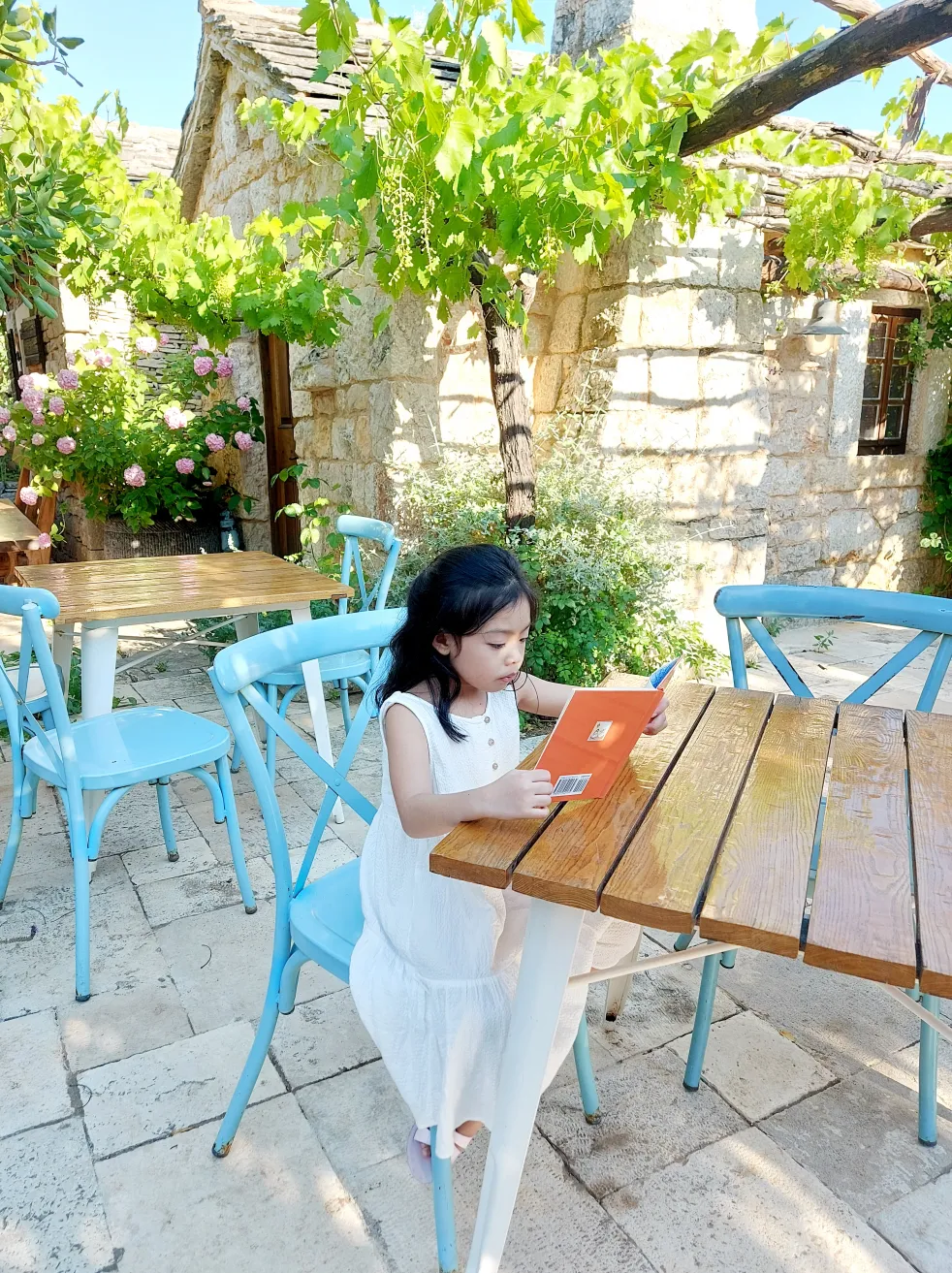
Where your child goes to school is a big decision and shouldn’t be taken lightly. Given how their education can impact their future, you might be tempted to take control and decide for them. However, you might be doing more damage than helping them in the long run. Your job as parents is to support… Continue reading HOW TO CHOOSE THE BEST SCHOOL FOR YOUR CHILD
As poet and philosopher Rumi once eloquently said, “raise your words, not your voice. It is rain that grows flowers, not thunder.” Parenting is a challenging journey, and the truth is that nobody has everything figured out. One parenting style might suit others best, and some might favor other methods. However, children respond better to… Continue reading A SIMPLE GUIDE TO GENTLE PARENTING

Whether you’re a new mom to be, mom of a toddler, mom who have school-aged kids, you’re bound to have so many questions. Let's start with your baby's skin. Infant skin has unique needs; gentle care is essential to prevent damage to the skin barrier, which can lead to irritation. When caring for infant skin,… Continue reading Keeping Baby’s Diapered Skin Healthy
As parents, we want to give our child the best possible start in life and that begins with nurturing their intelligence. Throughout history, the notion of success has been linked to academic intelligence. However, there has been an increased awareness on the importance of emotional intelligence. This question gets at the heart of the never-ending… Continue reading IQ or EQ, which one is a better predictor of your child’s success?
 wondermomma.net