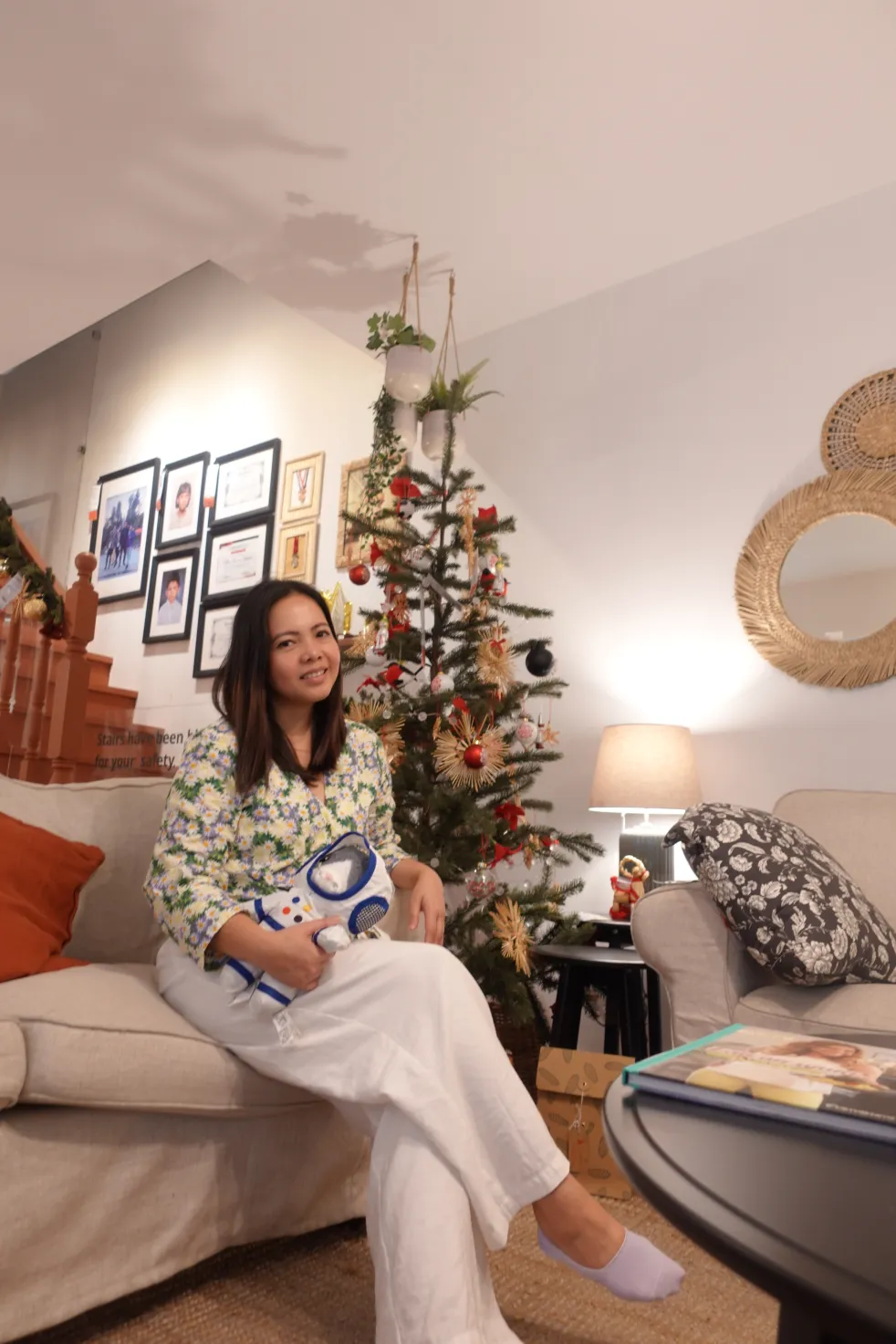
Last August, IKEA Philippines engaged with Better World Smokey Mountain, a newly opened community center operated by the San Miguel Foundation, which shares a similar goal of improving the lives of many Filipino people. Through this partnership, IKEA Philippines provided and assembled home furnishings for the classrooms and library of Better World Smokey Mountain community… Continue reading Help Create a Better World with IKEA Soft Toys

NutriAsia, the country’s top producer of condiments and sauces, continues its support of Refill Revolution; a project by the Department of Environment and Natural Resources EMB 3 that aims to help reduce Filipinos’ single-use plastics consumption. At Refill Revolution, residents get to recycle their single-use plastic bottles by reusing and filling it with their choice… Continue reading NutriAsia and DENR renews partnership for Refill Revolution

How to teach your child to clean up toys
A playroom covered in blocks, dolls, books, and art supplies can make the end of the day feel overwhelming. For young children, however, tidying up is not an instinctive task. They need to learn what “clean” means, where items belong, and how to shift calmly from playtime to the next part of the day.
Teaching your child to clean up toys works best when it becomes a predictable family habit rather than a punishment. With simple directions, realistic expectations, and plenty of practice, children can gradually build responsibility while still enjoying free play.
The goal is not a perfectly arranged room every time. It is to help your child understand that belongings have homes and that everyone contributes to caring for shared spaces.
Start with a small, clear routine
Begin with one cleanup moment that happens at roughly the same time each day. You might tidy toys before lunch, after afternoon play, or before the bedtime routine. Consistency helps children know what to expect, especially toddlers who find sudden transitions difficult.
Use a short phrase such as “Playtime is finished; now we put the toys away.” Keep your voice calm and direct. Long explanations can overwhelm a young child, so give one instruction at a time: “Please put the cars in the basket.” Once that job is finished, offer the next step.
A short song, timer, or tidy-up cue can make the transition more familiar. A two-minute warning is also helpful: “You have two more minutes to play, then we will clean up.” This gives your child time to finish a game instead of feeling that play has been taken away without warning.
Make the storage system easy to use
Children are more likely to put toys away when the storage arrangement matches their abilities. Low baskets, open shelves, and wide containers are easier for small hands than tall cupboards or boxes with complicated lids. Keep the most frequently used toys within reach and place fragile or adult-supervised items higher up.
Use broad categories instead of demanding perfect sorting. A basket for blocks, one for pretend-play items, and one for stuffed animals may be enough. Picture labels can help toddlers who cannot read yet. A simple drawing of a car, book, or puzzle shows where an item belongs without requiring repeated reminders.
Avoid filling every container to the top. If a basket is difficult to use, your child may abandon the task. Rotating some toys into storage can also reduce clutter and make old favourites feel new again. In a smaller home, a few versatile baskets can work in the living room, bedroom, or a shared family area.
Teach the skill through connection and practice
Young children usually need to clean up with an adult before they can do it independently. Sit nearby, model the action, and describe what you are doing: “I am putting the red blocks in this basket.” Then invite your child to copy one small part. At first, success may mean placing three toys away.
Turn the task into cooperation rather than a test. You can say, “You collect the animals, and I will collect the food,” or “Let’s see how many books we can return before the song ends.” Keep the tone playful, but avoid making speed the only measure of success. The purpose is to build a reliable habit, not create pressure.
If your child refuses, acknowledge the feeling while holding the boundary: “You want to keep playing. It is hard to stop. The toys still need to go back before dinner.” Offering two acceptable choices can restore a sense of control: “Would you like to put away the puzzles or the dolls first?”
| Child’s stage | Helpful cleanup expectation | Adult support |
|---|---|---|
| Toddlers | Put a few familiar items into an open basket | Demonstrate, use simple words, and help hand over objects |
| Preschoolers | Sort basic categories and tidy one play area | Give two-step directions and stay nearby |
| Early school years | Return toys, books, and craft supplies independently | Set a routine, check gently, and teach care for belongings |
| Older children | Manage personal items and shared spaces | Agree on responsibilities and follow through consistently |
Use visual cues and natural consequences
A picture checklist can make the process easier to remember. It might show three steps: put toys in baskets, return books to the shelf, and leave the floor clear. Keep the list short and place it at your child’s eye level. When the routine becomes familiar, gradually remove the prompts.
Natural consequences help children connect actions with outcomes. If puzzle pieces are left on the floor, the puzzle may be unavailable until it has been gathered. If crayons are not returned, drawing time may need to wait while everyone looks for them. State the consequence without anger and avoid threats that you will not carry out.
Try to separate mess from misbehaviour. Children may scatter toys while exploring, building, or creating an imaginative game. Cleanup is a normal part of play, not evidence that your child is being naughty. A calm reminder preserves trust and makes it easier for the child to try again.
Some children become upset when a room feels visually busy or when they are asked to switch activities quickly. Creating a peaceful, predictable area at home may support smoother transitions; this calming corner guide offers ideas for making a small reset space part of family life.
Build responsibility without shame
Praise the specific action you want to encourage. Instead of saying only “Good job,” try “You put all the animals in their basket” or “You remembered to return the books.” Specific feedback helps children understand which behaviour was helpful and gives them a clear sense of progress.
Avoid labels such as “messy” or “lazy.” A child who struggles to tidy may be tired, distracted, unsure where things belong, or overwhelmed by too many toys. Focus on the next manageable action: “Let’s start with everything on the floor.” Once the first category is done, continue if your child has the energy.
Responsibility should grow gradually. A preschooler may need an adult beside them, while an older child can take ownership of a bedroom or craft area. Family expectations can be adjusted for age, temperament, and the amount of time available. On busy school days or during family gatherings, a quick reset may be more realistic than a detailed sort.
Make cleanup part of everyday family life
Children learn from what they see. When adults return dishes, fold blankets, and put personal items away, children receive a practical example of shared care. Invite them into small household tasks without suggesting that tidying is only a child’s duty.
Use regular “reset points” rather than waiting until the entire home is chaotic. A five-minute family tidy before dinner can gather toys from common areas. Another short reset before bed can prepare the room for sleep. In a Filipino household where relatives, siblings, or visitors may share spaces, teaching children to clear communal areas is especially useful.
Keep play materials manageable by observing what your child actually uses. Donate or store items that are broken, incomplete, or consistently ignored. Involve your child in choosing a few toys to pass on when appropriate, explaining that another child may enjoy them. This teaches generosity while making toy organization easier.
Simple ways to keep the habit going
- Keep a small number of open baskets in the areas where your child usually plays.
- Give a warning before cleanup so the transition does not feel abrupt.
- Ask your child to tidy one category or one corner at a time.
- Use picture labels and short, consistent phrases.
- Praise effort, cooperation, and remembering rather than perfect results.
Help the habit grow with your child
Expect the process to change over time. A toddler may need hand-over-hand guidance, while a school-age child may be ready to decide how to organize a collection. Review the system when toys start overflowing, siblings share a space, or your child’s interests change.
If cleanup regularly leads to intense distress, look for the underlying difficulty. The room may contain too many choices, the transition may come at a tiring time, or the storage may be hard to manage. Simplifying the environment and offering more preparation can be more effective than repeating instructions louder.
Small improvements matter. When your child returns one toy without being asked, joins the family reset, or remembers where a favourite book belongs, notice that progress. With patient modeling and consistent routines, putting toys away becomes a practical life skill that supports independence, cooperation, and respect for the home.
Start today with one basket, one short cleanup cue, and one clearly defined task. Stay close, keep expectations realistic, and let your child experience the satisfaction of making the space ready for the next activity.

Mercato Centrale, in collaboration with Indian Women in Enterprise Philippines (I-We), is set to host "The Great Indian Fiesta" to mark 75 years of friendship between India and the Philippines. The dynamic two-day event is scheduled to take place on September 30 to October 1, 2023, at Paseo De Roxas Street, Makati City. Aiming to… Continue reading Mercato Centrale Partners with I-We to Host ‘The Great Indian Fiesta’, Commemorating 75 Years of India-Philippines Friendship

My stomach would usually start growling at 10 am even after taking a big breakfast. This is probably because I am a morning person and I move a lot throughout the day hence snacking is something that I can't avoid. This potatoes and chicken wrap recipe is easy to prepare and would keep me full… Continue reading Potato and Chicken Wrap
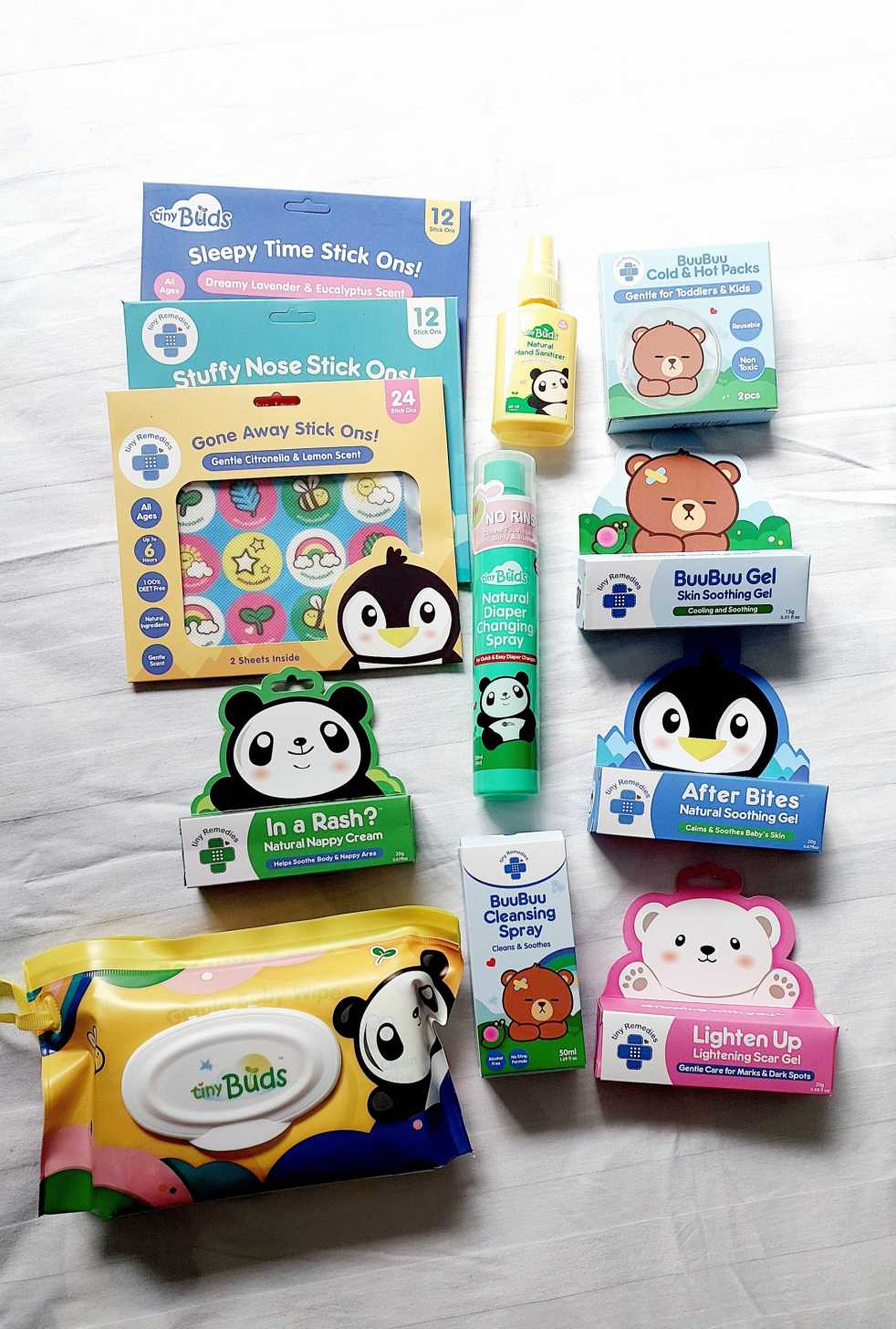
Your baby’s skin is more delicate than most, this is why you have to choose products that are designed for sensitive skin. Tiny Buds is a pioneer in integrating natural ingredients into baby care and today has over 50 innovative natural baby care essentials and is one of the Top Baby Personal Care brands. Here… Continue reading Product Review: Tiny Buds Baby Naturals Baby Essentials
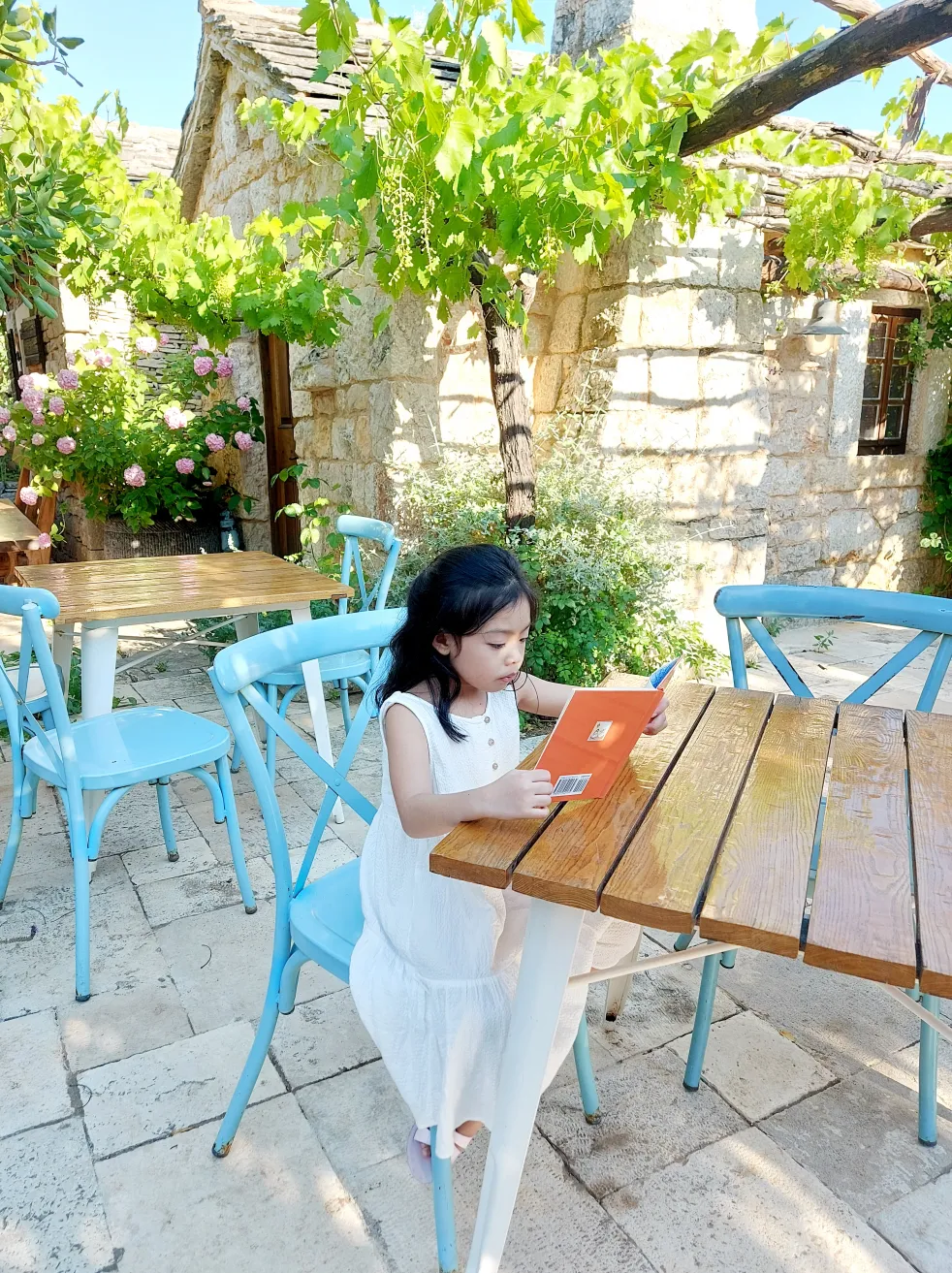
Where your child goes to school is a big decision and shouldn’t be taken lightly. Given how their education can impact their future, you might be tempted to take control and decide for them. However, you might be doing more damage than helping them in the long run. Your job as parents is to support… Continue reading HOW TO CHOOSE THE BEST SCHOOL FOR YOUR CHILD
As poet and philosopher Rumi once eloquently said, “raise your words, not your voice. It is rain that grows flowers, not thunder.” Parenting is a challenging journey, and the truth is that nobody has everything figured out. One parenting style might suit others best, and some might favor other methods. However, children respond better to… Continue reading A SIMPLE GUIDE TO GENTLE PARENTING

Whether you’re a new mom to be, mom of a toddler, mom who have school-aged kids, you’re bound to have so many questions. Let's start with your baby's skin. Infant skin has unique needs; gentle care is essential to prevent damage to the skin barrier, which can lead to irritation. When caring for infant skin,… Continue reading Keeping Baby’s Diapered Skin Healthy
As parents, we want to give our child the best possible start in life and that begins with nurturing their intelligence. Throughout history, the notion of success has been linked to academic intelligence. However, there has been an increased awareness on the importance of emotional intelligence. This question gets at the heart of the never-ending… Continue reading IQ or EQ, which one is a better predictor of your child’s success?
 wondermomma.net