
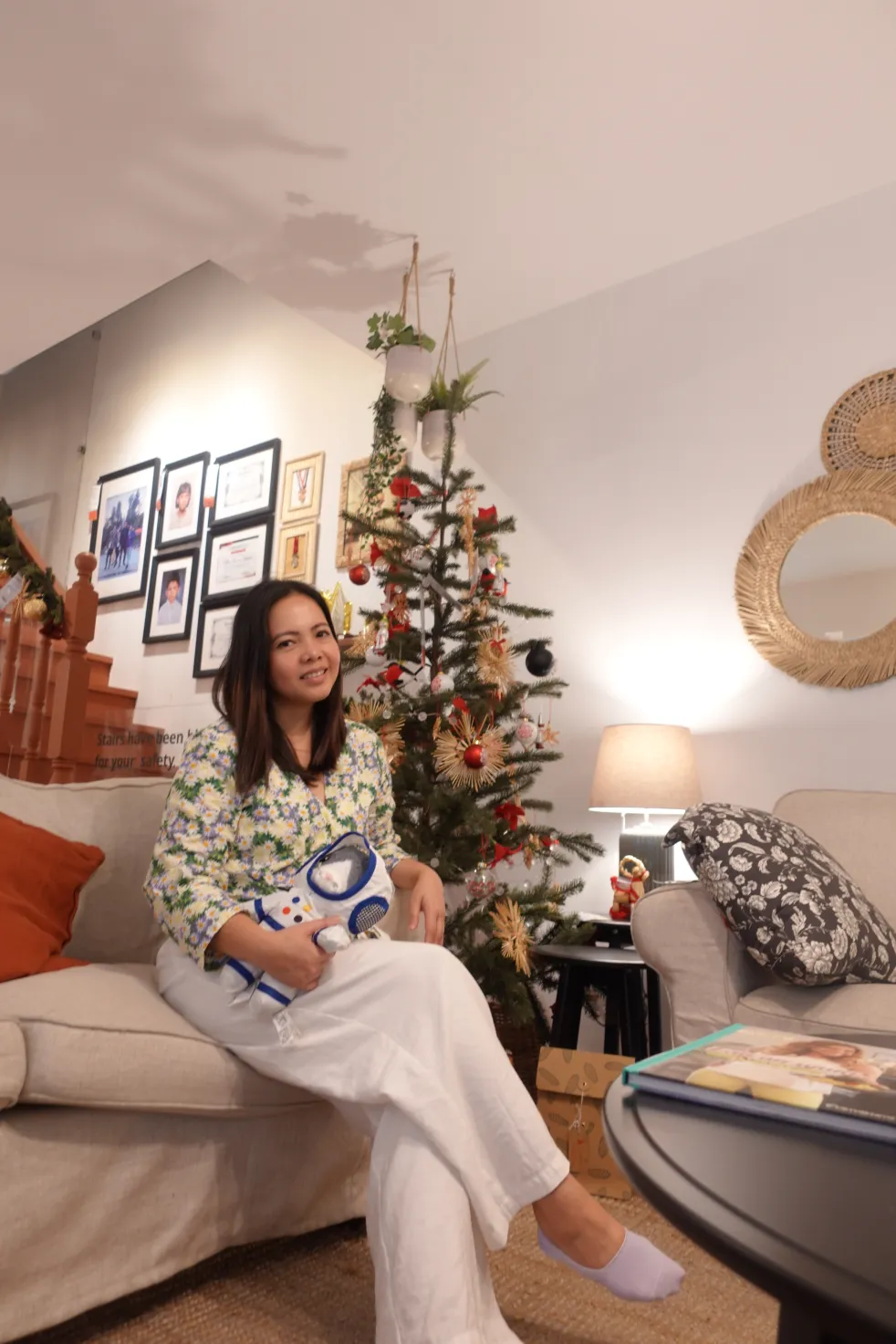
Last August, IKEA Philippines engaged with Better World Smokey Mountain, a newly opened community center operated by the San Miguel Foundation, which shares a similar goal of improving the lives of many Filipino people. Through this partnership, IKEA Philippines provided and assembled home furnishings for the classrooms and library of Better World Smokey Mountain community… Continue reading Help Create a Better World with IKEA Soft Toys
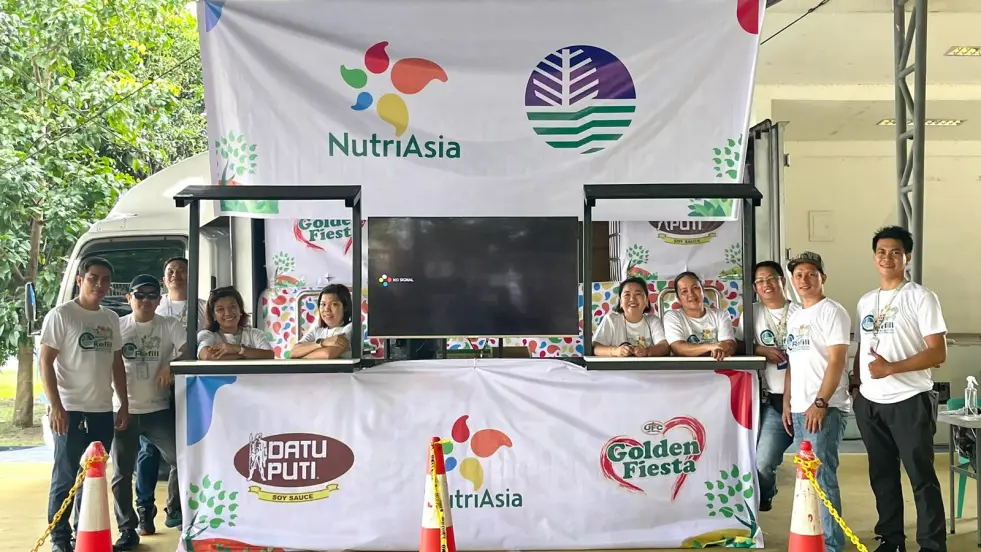
NutriAsia, the country’s top producer of condiments and sauces, continues its support of Refill Revolution; a project by the Department of Environment and Natural Resources EMB 3 that aims to help reduce Filipinos’ single-use plastics consumption. At Refill Revolution, residents get to recycle their single-use plastic bottles by reusing and filling it with their choice… Continue reading NutriAsia and DENR renews partnership for Refill Revolution

Simple ways to teach children to clean up after themselves
Walk into any Australian family home after a long Saturday morning and you will see the evidence of childhood everywhere. Lego bits under the couch in Brisbane, sand from the beach still in the bathtub in Perth, half-finished drawings taped to the fridge in Melbourne. The mess is real, and so is the wish that kids would just put their things away without being asked ten times.
Learning to tidy up is more than a household skill. It is a building block for independence, responsibility, and a calmer home. Children who regularly help with small chores grow up with a stronger sense of ownership over their space, and research from early childhood educators across Australia points to clear links between tidy habits and focus at school.
This guide brings together practical, family-tested ideas that work in real Australian households. From the first toddler meltdown to the trickier pre-teen years, these strategies respect the rhythms of family life while gently building lifelong habits.
Start with a tidy space they actually use
The first step in teaching kids to clean up after themselves is making sure they have a space that feels inviting and accessible. If a toy bin is too heavy or a shelf is too high, even the most willing child will give up before they start.
Walk through your home and look at where the mess lives. In a typical Sydney terrace or a Queenslander in Adelaide, that often means the lounge room floor and the back deck. Invest in open-front storage cubes, low book baskets, and labelled bins that even a two-year-old can open. Big W and Kmart Australia stock affordable options, while IKEA at Marsden Park has the famous Trofast drawer system that Aussie parents swear by.
Keep it simple. Aim for fewer containers that are easy to empty and refill rather than a maze of small baskets. Children respond better when every toy has a clear home and the path from play to pack-away is short and obvious.
Make tidying a game, not a chore
Children rarely resist play, and tidying can absolutely be turned into one. Turn on a familiar song from the Wiggles or the latest Bluey episode soundtrack, set a timer, and see who can pick up the most blocks before the music stops. Parents in suburban Melbourne often use the "one minute tidy" trick, where the whole family races to clear a hotspot before the kitchen timer dings.
Pretend play also works wonders. Tell your child that the toy dinosaurs are sleeping and need to be tucked into their basket, or that the dolls are boarding a plane and must pack their bags. For older kids, frame tidying as a "rescue mission" where they save the lounge room from the toy invasion. The point is to shift the emotional tone from obligation to imagination.
When tidying feels like a game, children associate the activity with laughter rather than nagging. Over time, the playful frame fades, and the habit quietly takes root.
Build a simple routine that sticks
Habits form through repetition, and tidy habits are no different. The Australian household rhythm offers several natural moments to anchor a quick clean-up: before lunch, before the evening bath, and before bedtime story. Pick one or two that suit your family, and stick to them for at least three weeks.
A visual checklist on the fridge helps younger children who cannot yet read. Draw a picture of toys in a bin, a book on a shelf, and shoes by the door. Older kids might enjoy ticking off tasks on a laminated chart. Many early childhood centres in Perth and Adelaide use this approach, and it works just as well at home.
Routines work best when they are predictable and short. A five-minute tidy before bath is far easier to maintain than a chaotic whole-house clean on Sunday night. Keep expectations realistic for the age and season of life you are in.
Use tools and storage that fit little hands
Children are far more likely to participate when the equipment feels like it belongs to them. A small dustpan and brush, a tiny mop, and a personal laundry basket can transform tidying from a parent-led task into a grown-up activity they are proud of.
Bunnings Warehouse stocks compact cleaning sets designed for children, and most suburban stores in Hobart and Darwin carry similar lines. Look for lightweight brooms with short handles, magnetic whiteboard organisers, and step stools that let little ones reach the bathroom sink without help. Even a simple spray bottle filled with water becomes a magic "cleaning potion" in the eyes of a four-year-old.
Labelling matters too. Picture labels work for pre-readers, and word labels suit school-age kids. Resist the urge to label everything in fine detail; broad categories like "cars", "dress-ups", and "art" keep things easy to remember.
Lead by example at home
Children learn far more from watching than from listening. If a parent tosses clothes on the floor and leaves dishes in the sink, no amount of instruction will convince a child to behave differently. Modelling tidy behaviour is the quiet, powerful engine behind every successful family system.
Let your child see you wipe down the kitchen bench after dinner, hang up your bag after work, and put your own shoes away. Narrate what you are doing out loud. "I am putting my keys in the bowl because they always go there." This kind of language is gold for toddlers and preschoolers who are soaking up every routine they witness.
Australian families with busy weekend footy schedules in winter or cricket on the lawn in summer often find that shared clean-ups after the game become a natural ritual. Children who see their parents fold the washing together learn that looking after a home is a shared job, not a punishment.
Praise effort over perfection
How adults respond to tidying attempts shapes how children feel about the task for years to come. A toddler who puts four blocks in the wrong bin and two in the right one deserves recognition for effort, not a lecture about sorting. Praise the behaviour you want to see, and let the small mistakes slide.
Be specific with your words. Instead of a vague "good job", try "I love how you put the crayons back in the box". Older children respond well to genuine, calm acknowledgement rather than over-the-top cheering. A simple thank-you, a high-five, or a quiet "I noticed you made your bed this morning" goes a long way.
Avoid using tidying as a punishment or reward in extreme ways. Linking clean-up to the loss of screen time often builds resentment, while paying for every small task can turn children into reluctant cleaners who only work for money. Aim for a steady, warm tone that frames tidying as a normal part of family life.
What to do when the system falls apart
Even the best system will break down. A new baby, a move from Sydney to a smaller rental in the hills, a long summer holiday at the beach, or simply a tough week at work can throw routines out the window. When that happens, the goal is to reset gently rather than to start over.
Start small. Choose one room or one task and rebuild the routine there before expanding. Talk with your child about what is and is not working, and listen to their ideas. Children often have creative solutions, like a "lost toy hospital" basket where missing pieces eventually find their way home.
If the mess feels overwhelming, remember that Australian families have access to great resources, from parent forums on Essential Kids to free early childhood workshops at local libraries in Brisbane, Canberra, and Geelong. Asking for help is part of the parenting journey, and a reset is always possible.
| Age group | Tidy tasks they can handle | Tips that help most |
|---|---|---|
| Toddlers (1–3) | Put toys in a bin, drop a nappy in the bin, place shoes near the door | Picture labels, clean-up songs, bins within reach |
| Preschoolers (3–5) | Sort toys by category, wipe a small spill, help set the table | Short timers, sticker charts, simple two-step instructions |
| Early primary (5–8) | Make the bed, fold a tea towel, pack a school bag | Visual checklists, designated spots, light chores by rotation |
| Older kids (9–12) | Empty a dishwasher, vacuum a small rug, sort laundry by colour | Weekly responsibility charts, family meetings, own storage drawers |
Practical ideas to try this week
- Set up one labelled basket or cube for the toys that cause the most mess, and start the habit there.
- Choose a familiar two-minute song as your daily clean-up anthem and play it at the same time each evening.
- Give your child their own small cleaning tools so tidying feels grown-up and special.
- Pick one weekend task, like tidying the toy room together, and turn it into a shared event rather than a lecture.
- End each day by acknowledging one tidy moment with a calm, specific word of thanks.

Mercato Centrale, in collaboration with Indian Women in Enterprise Philippines (I-We), is set to host "The Great Indian Fiesta" to mark 75 years of friendship between India and the Philippines. The dynamic two-day event is scheduled to take place on September 30 to October 1, 2023, at Paseo De Roxas Street, Makati City. Aiming to… Continue reading Mercato Centrale Partners with I-We to Host ‘The Great Indian Fiesta’, Commemorating 75 Years of India-Philippines Friendship

My stomach would usually start growling at 10 am even after taking a big breakfast. This is probably because I am a morning person and I move a lot throughout the day hence snacking is something that I can't avoid. This potatoes and chicken wrap recipe is easy to prepare and would keep me full… Continue reading Potato and Chicken Wrap
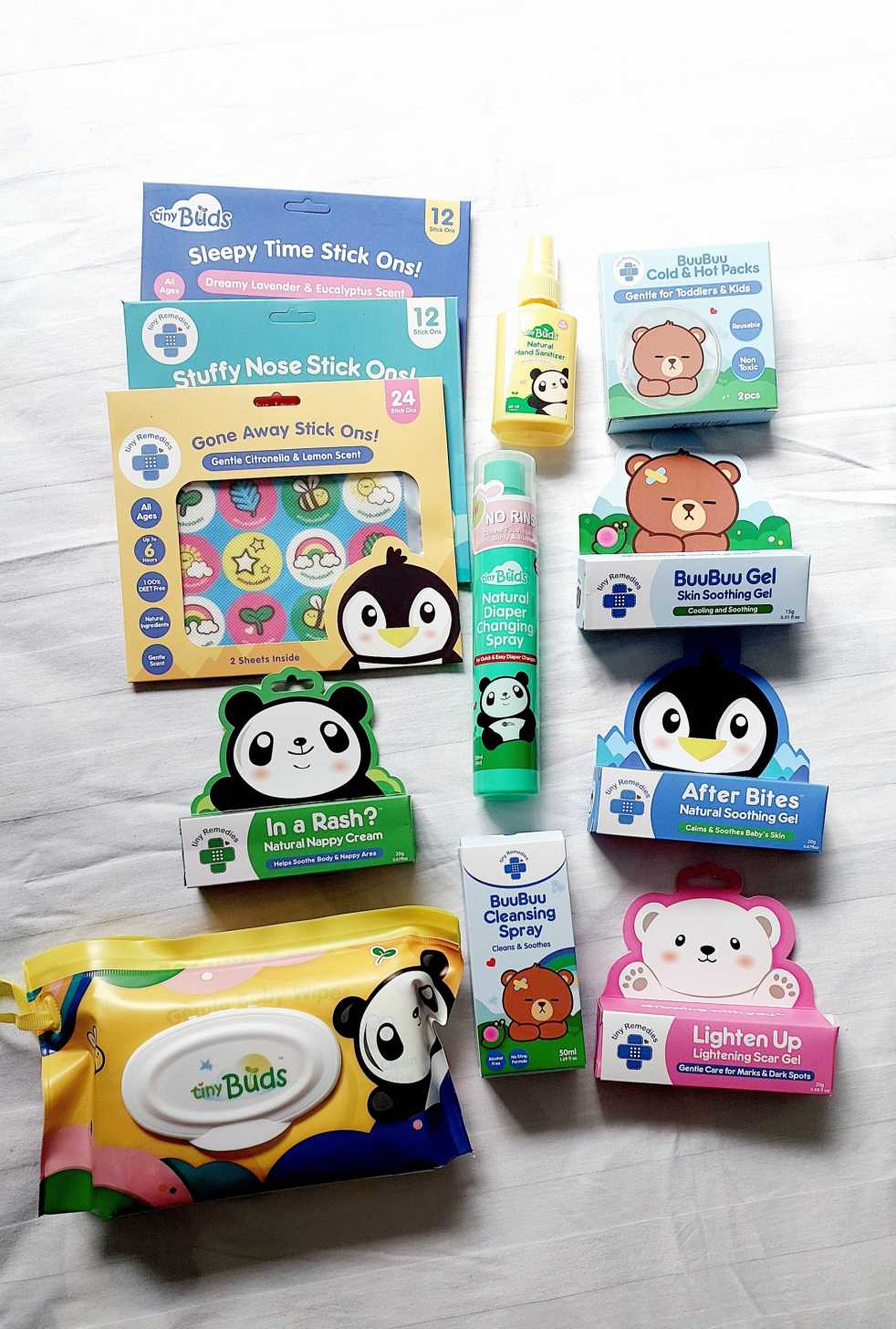
Your baby’s skin is more delicate than most, this is why you have to choose products that are designed for sensitive skin. Tiny Buds is a pioneer in integrating natural ingredients into baby care and today has over 50 innovative natural baby care essentials and is one of the Top Baby Personal Care brands. Here… Continue reading Product Review: Tiny Buds Baby Naturals Baby Essentials
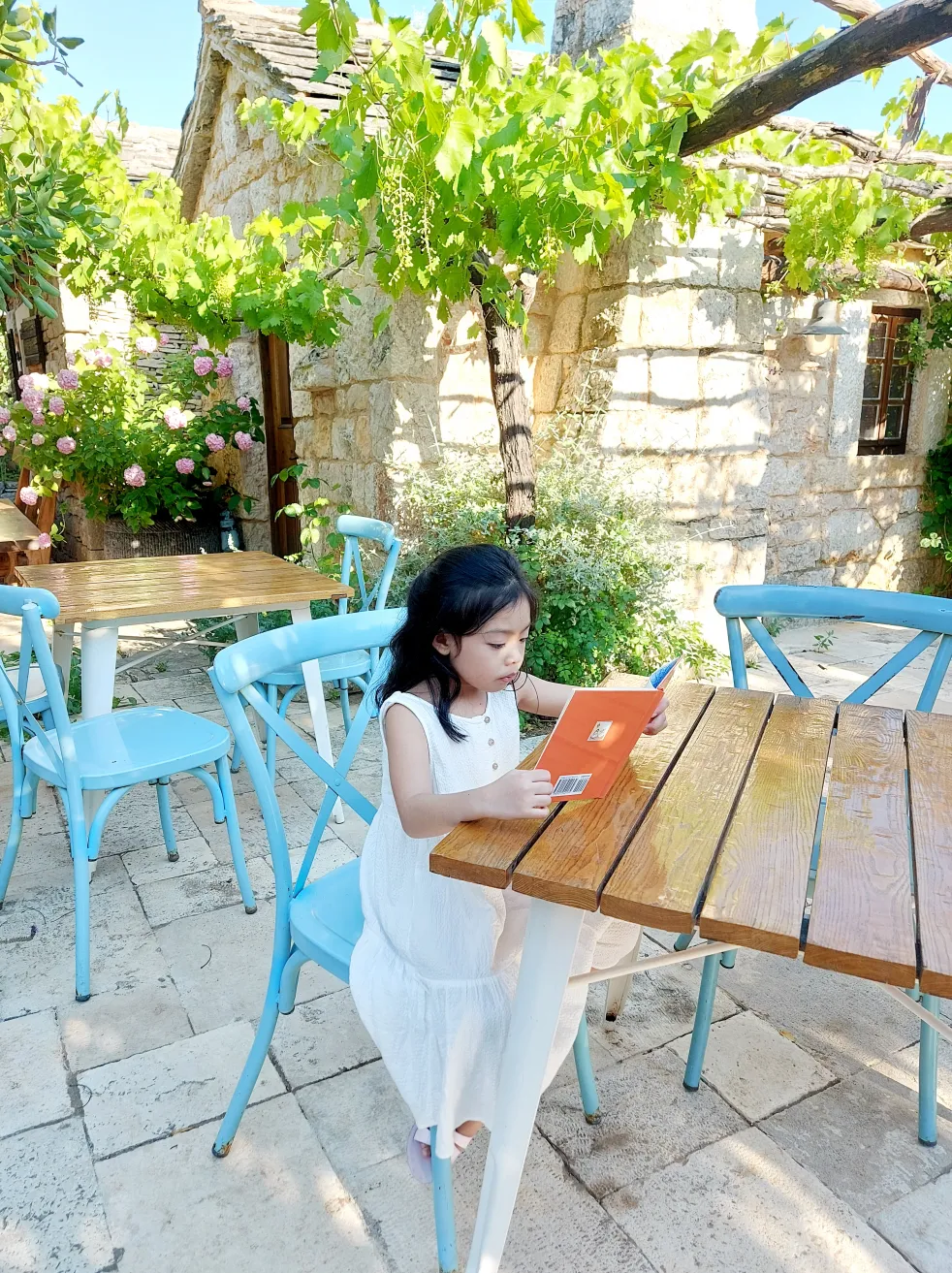
Where your child goes to school is a big decision and shouldn’t be taken lightly. Given how their education can impact their future, you might be tempted to take control and decide for them. However, you might be doing more damage than helping them in the long run. Your job as parents is to support… Continue reading HOW TO CHOOSE THE BEST SCHOOL FOR YOUR CHILD
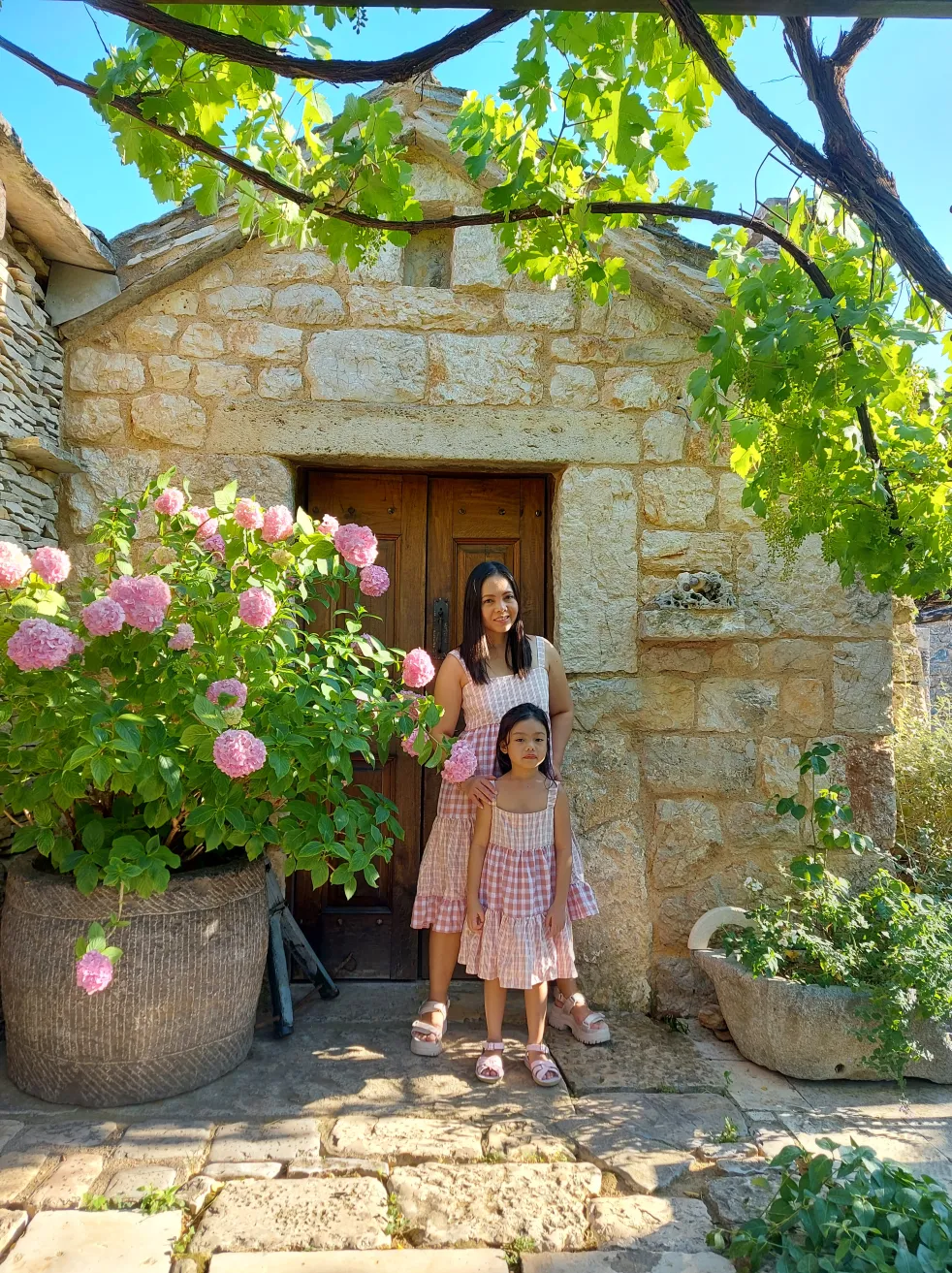
As poet and philosopher Rumi once eloquently said, “raise your words, not your voice. It is rain that grows flowers, not thunder.” Parenting is a challenging journey, and the truth is that nobody has everything figured out. One parenting style might suit others best, and some might favor other methods. However, children respond better to… Continue reading A SIMPLE GUIDE TO GENTLE PARENTING
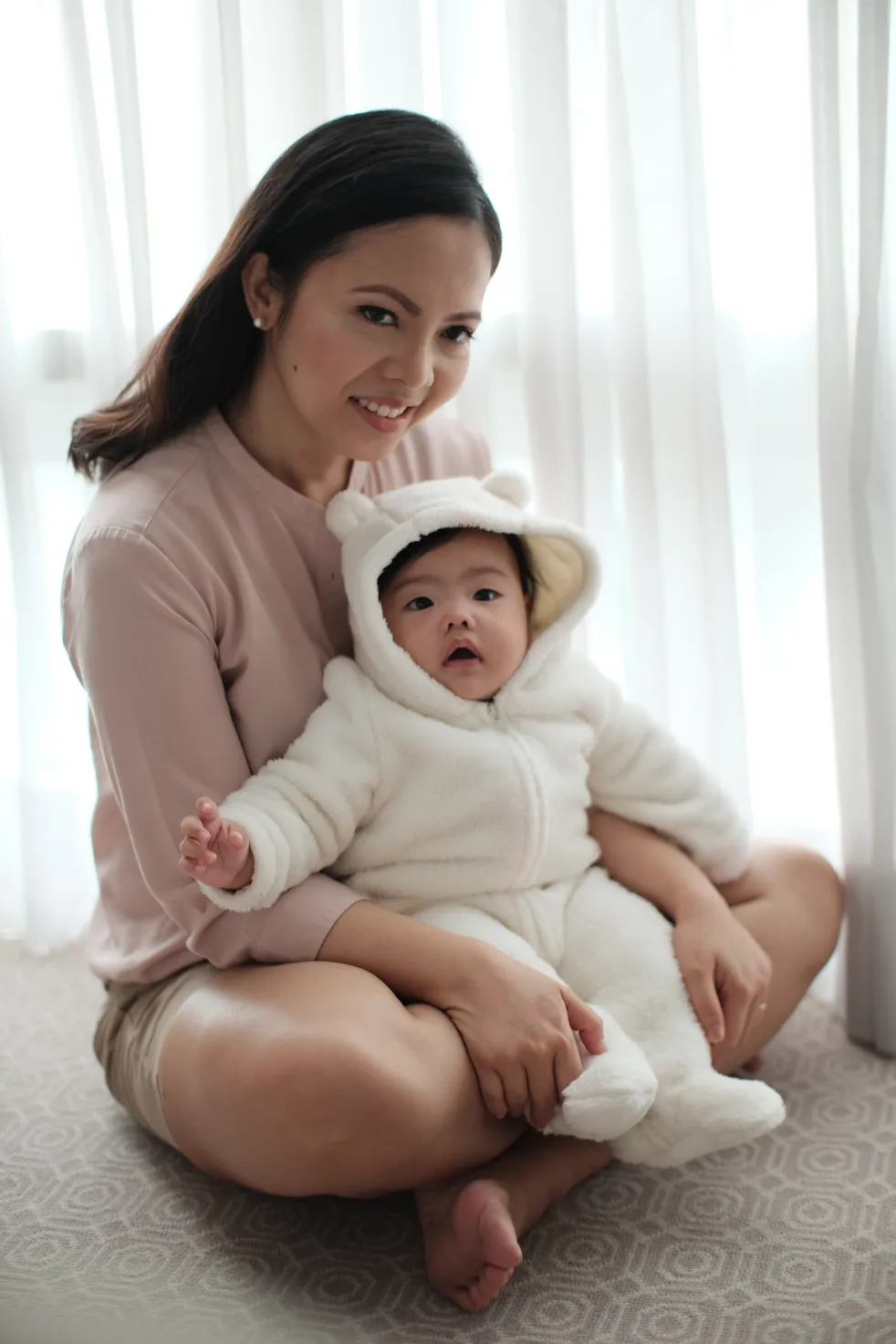
Whether you’re a new mom to be, mom of a toddler, mom who have school-aged kids, you’re bound to have so many questions. Let's start with your baby's skin. Infant skin has unique needs; gentle care is essential to prevent damage to the skin barrier, which can lead to irritation. When caring for infant skin,… Continue reading Keeping Baby’s Diapered Skin Healthy
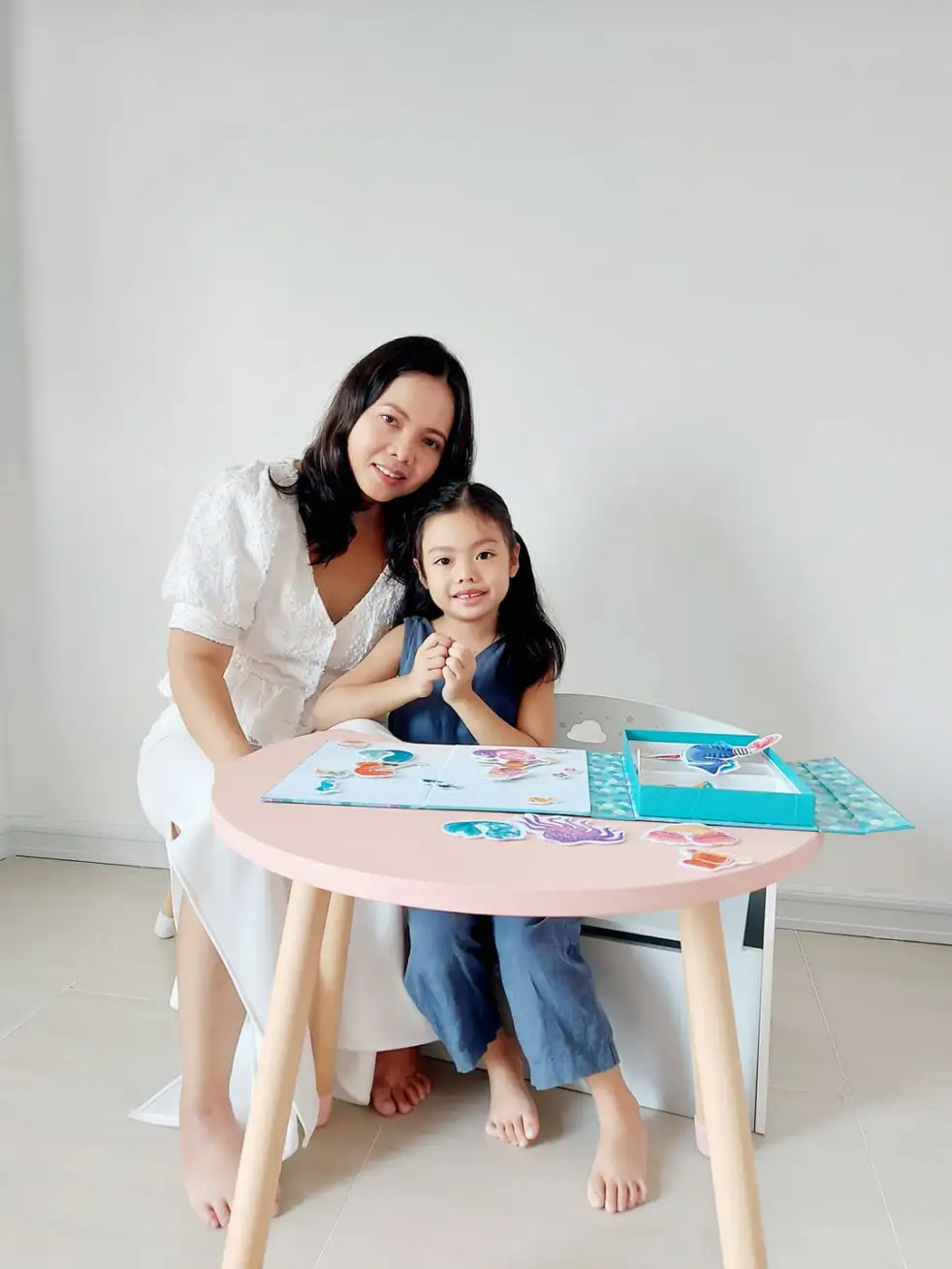
As parents, we want to give our child the best possible start in life and that begins with nurturing their intelligence. Throughout history, the notion of success has been linked to academic intelligence. However, there has been an increased awareness on the importance of emotional intelligence. This question gets at the heart of the never-ending… Continue reading IQ or EQ, which one is a better predictor of your child’s success?
 wondermomma.net