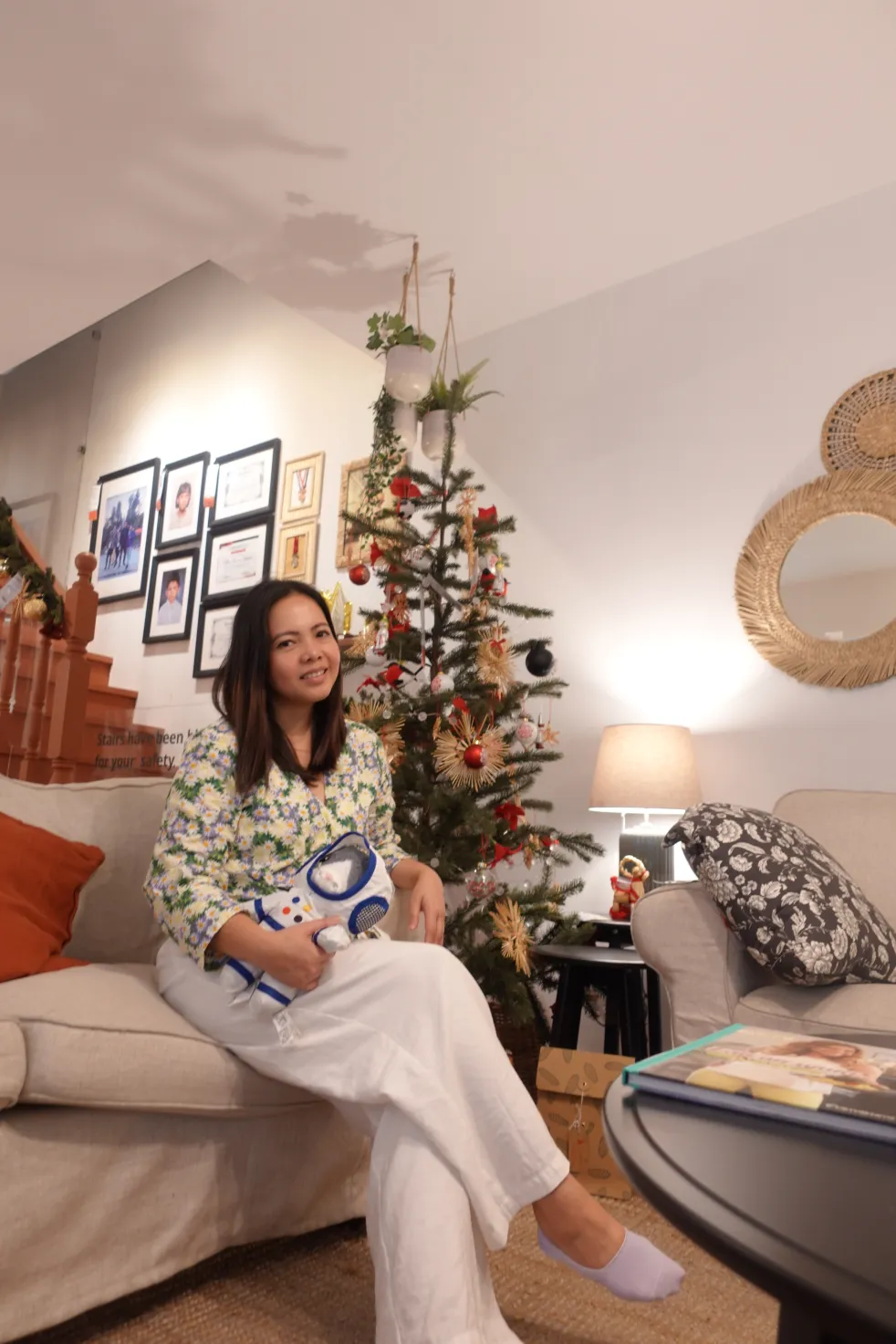
Last August, IKEA Philippines engaged with Better World Smokey Mountain, a newly opened community center operated by the San Miguel Foundation, which shares a similar goal of improving the lives of many Filipino people. Through this partnership, IKEA Philippines provided and assembled home furnishings for the classrooms and library of Better World Smokey Mountain community… Continue reading Help Create a Better World with IKEA Soft Toys
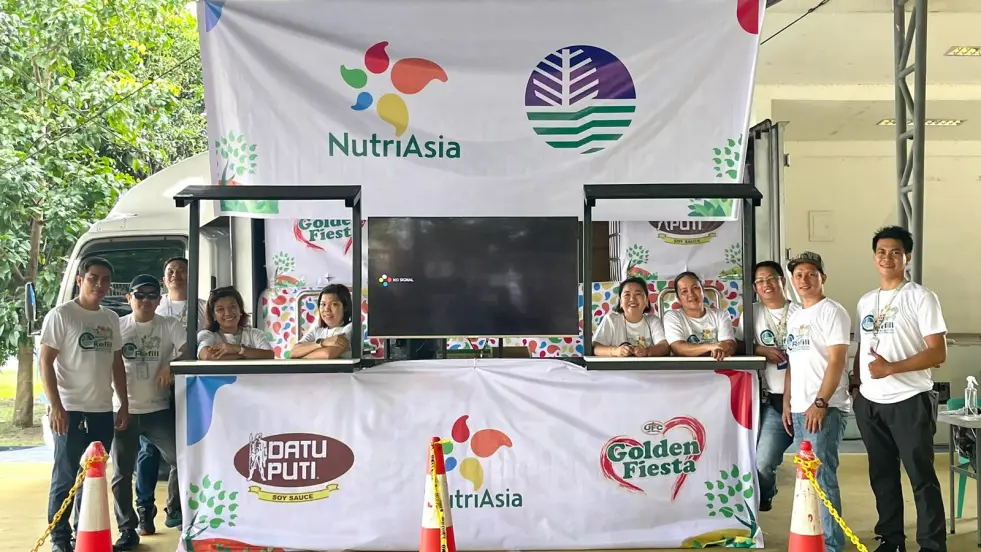
NutriAsia, the country’s top producer of condiments and sauces, continues its support of Refill Revolution; a project by the Department of Environment and Natural Resources EMB 3 that aims to help reduce Filipinos’ single-use plastics consumption. At Refill Revolution, residents get to recycle their single-use plastic bottles by reusing and filling it with their choice… Continue reading NutriAsia and DENR renews partnership for Refill Revolution

Teaching Children Their Full Name And Address Safely
Knowing their full name and home address gives children an important safety skill. It can help them identify themselves to a trusted adult, explain where they live to emergency services, or find their way back to their family if they become separated. The aim is calm, age-appropriate learning rather than making a child feel frightened about getting lost.
Children develop memory skills at different rates. A preschooler may remember their first and last name, while a school-aged child may learn their street, suburb, state and postcode over time. Short practice sessions, songs, games and everyday routines can make this information familiar without turning it into a stressful test.
| Skill | A younger child may learn | A child ready for more detail | Safety reminder |
|---|---|---|---|
| Full name | First name and family name | Correct pronunciation and spelling | Use the name used on official records |
| Home location | Street name and number | Unit, street, suburb, state and postcode | Practise in small sections |
| Emergency communication | Saying “I need help” | Answering an operator’s questions | Call Triple Zero (000) only for urgent emergencies |
| Privacy | Naming trusted adults | Knowing when personal details may be shared | Never announce the address publicly for practice |
Start With Their Full Name
Begin with the name your child uses at school, childcare and medical appointments. Say it naturally during daily routines: “Your full name is Maya Singh,” or “Your first name is Oliver and your family name is Chen.” This helps children understand that a full name has separate parts.
Many children initially know their nickname but cannot say their family name clearly. Avoid correcting them sharply. Repeat the correct version slowly and let them copy you when they are ready. Clapping the syllables, singing the name to a familiar tune or writing it on a drawing can help make the information memorable.
Explain the difference between a first name, middle name and family name in simple language. If your family uses two surnames, a hyphenated surname, a culturally specific naming custom or a different name at home, practise the version the child would need when speaking with a teacher, police officer or emergency operator. The goal is useful identification, not perfect recitation.
Teach The Address In Small Parts
A complete Australian address can contain several details: unit or apartment number, street number, street name, suburb, state and postcode. Children do not need to memorise every part in one lesson. Start with the street number and name, then add the suburb once the first section feels comfortable.
Use the way addresses are written in your area. A child in Sydney may need to distinguish the suburb from the city, while a family in regional Queensland may use a town, property name or rural route. Explain that the postcode helps Australia Post and emergency services identify the right area, but it is only one part of the address.
Write the address in large print and place it somewhere private, such as inside a cupboard door or a family information folder. A small card made with supplies from an Australian retailer such as Officeworks can go in a school bag, but it should not be displayed on the outside or left where other children can read it. Replace cards when you move house or your contact details change.
Turn Practice Into Everyday Play
Children often remember information more easily when their bodies and imaginations are involved. During a walk, point out the house number and street sign, then say the details together. On the way home from school, ask your child to notice the suburb sign or familiar landmark without expecting them to navigate alone.
Pretend play can build confidence. Use toy phones to practise a call to a parent, a neighbour or Triple Zero. You can say, “Tell me your full name,” and later, “Where do you live?” Keep the tone friendly and stop before your child becomes frustrated. A game of posting a pretend letter to their own home can reinforce the order of the address.
For children who enjoy music, make a simple rhythm for the street number, street name and suburb. Others may prefer tracing the words, arranging magnetic letters or drawing a map from the local park to home. Visual learners may benefit from a photograph of the front gate or a familiar street sign, while children with speech or language difficulties may need extra time, picture cards or support from a speech pathologist.
Explain When Personal Details Are Shared
Learning an address should come with clear privacy rules. Tell your child that their name and home location are private information, like a password or a family phone number. They should not call it out at the playground, put it in a public online profile or tell someone who approaches them without a good reason.
Give them a simple rule: share these details with a parent, carer, teacher, police officer, paramedic, firefighter or another trusted adult helping them. If a stranger asks where they live, they can move towards a safe adult and say, “I need help finding my family.” Avoid teaching children that every unfamiliar person is dangerous; focus on behaviour, safe places and trusted helpers.
Explain that emergency operators may need an address when there is an immediate threat to life, such as a serious injury, fire or dangerous situation. In Australia, children should learn that the emergency number is Triple Zero (000), not 911. Practise stating the address clearly, then staying on the line and answering questions. They should never call 000 as a game.
It is also useful to teach the difference between a home address and a meeting place. If your family becomes separated at a shopping centre in Melbourne, a local library in Brisbane or a busy event in Perth, the child should go to an agreed help point rather than trying to walk home. School offices, customer service desks, police officers and uniformed event staff may be suitable trusted locations.
Build Confidence And Keep Skills Current
Memory becomes stronger through brief repetition over time. Practise in the car, while preparing lunch or during a bedtime routine, rather than conducting a formal examination. Ask your child to fill in one missing detail: “Our street is ___,” or “We live in the suburb of ___.” Praise effort and accuracy without making mistakes feel serious.
Include other useful safety information gradually. Depending on age, your child may learn a parent’s phone number, the names of their school and childcare centre, and how to describe a nearby landmark. A child who lives in a unit may need to remember the building number and apartment number; a child on a farm may need to know the property name, nearest town and a clear description of the driveway.
Review the details after moving house, changing schools or updating a phone number. Australian children may spend time between homes, grandparents, family day care and holiday accommodation, so teach the difference between their main home and another familiar address. They do not need to memorise every location, but they should know which adult to ask when plans change.
Safety learning works best when it gives children a sense of capability. A calm child who knows their full name, understands the private nature of their address and can identify trusted helpers has practical tools for handling an unexpected situation. Regular, gentle practice allows these details to become familiar without creating unnecessary fear.

Mercato Centrale, in collaboration with Indian Women in Enterprise Philippines (I-We), is set to host "The Great Indian Fiesta" to mark 75 years of friendship between India and the Philippines. The dynamic two-day event is scheduled to take place on September 30 to October 1, 2023, at Paseo De Roxas Street, Makati City. Aiming to… Continue reading Mercato Centrale Partners with I-We to Host ‘The Great Indian Fiesta’, Commemorating 75 Years of India-Philippines Friendship

My stomach would usually start growling at 10 am even after taking a big breakfast. This is probably because I am a morning person and I move a lot throughout the day hence snacking is something that I can't avoid. This potatoes and chicken wrap recipe is easy to prepare and would keep me full… Continue reading Potato and Chicken Wrap
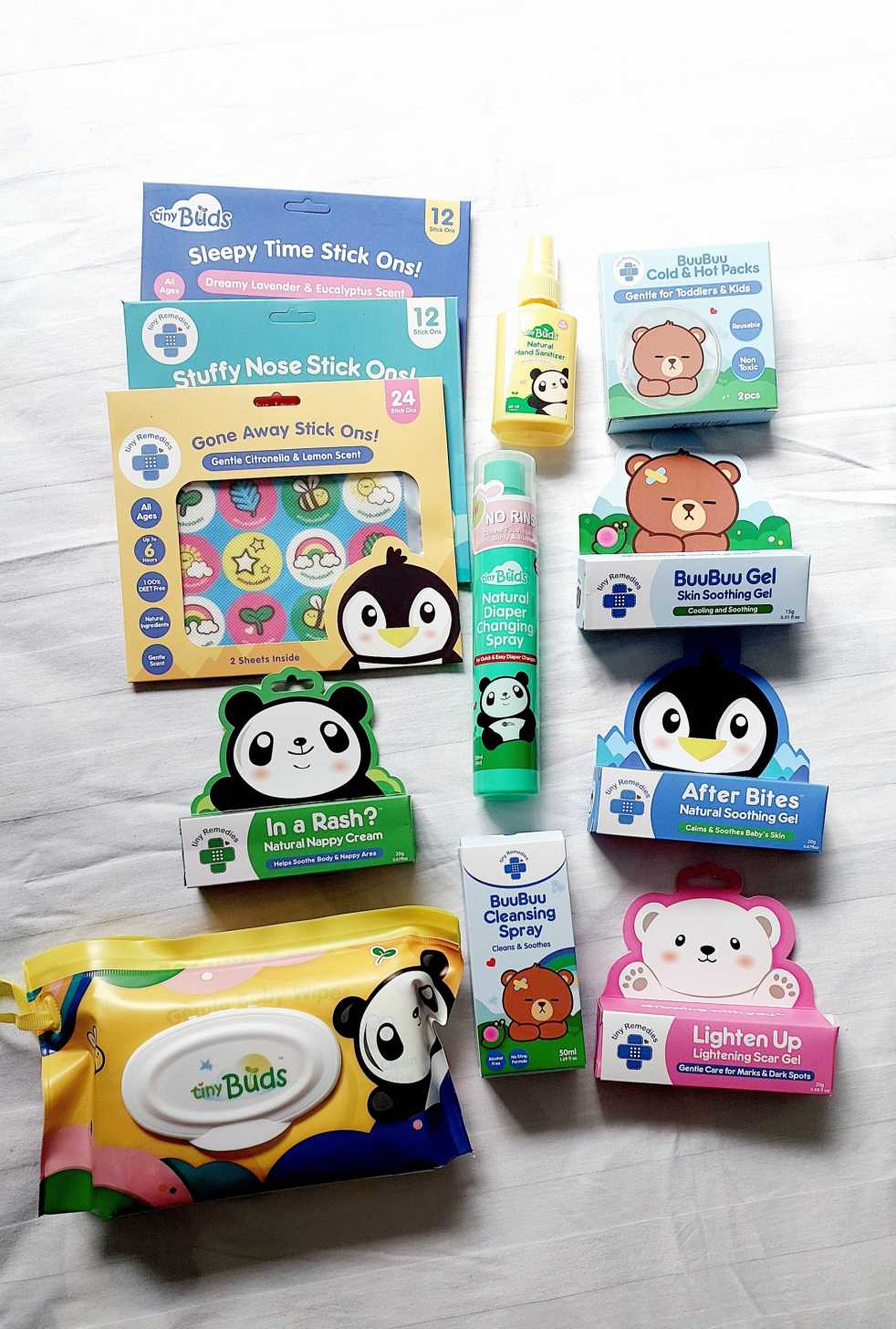
Your baby’s skin is more delicate than most, this is why you have to choose products that are designed for sensitive skin. Tiny Buds is a pioneer in integrating natural ingredients into baby care and today has over 50 innovative natural baby care essentials and is one of the Top Baby Personal Care brands. Here… Continue reading Product Review: Tiny Buds Baby Naturals Baby Essentials
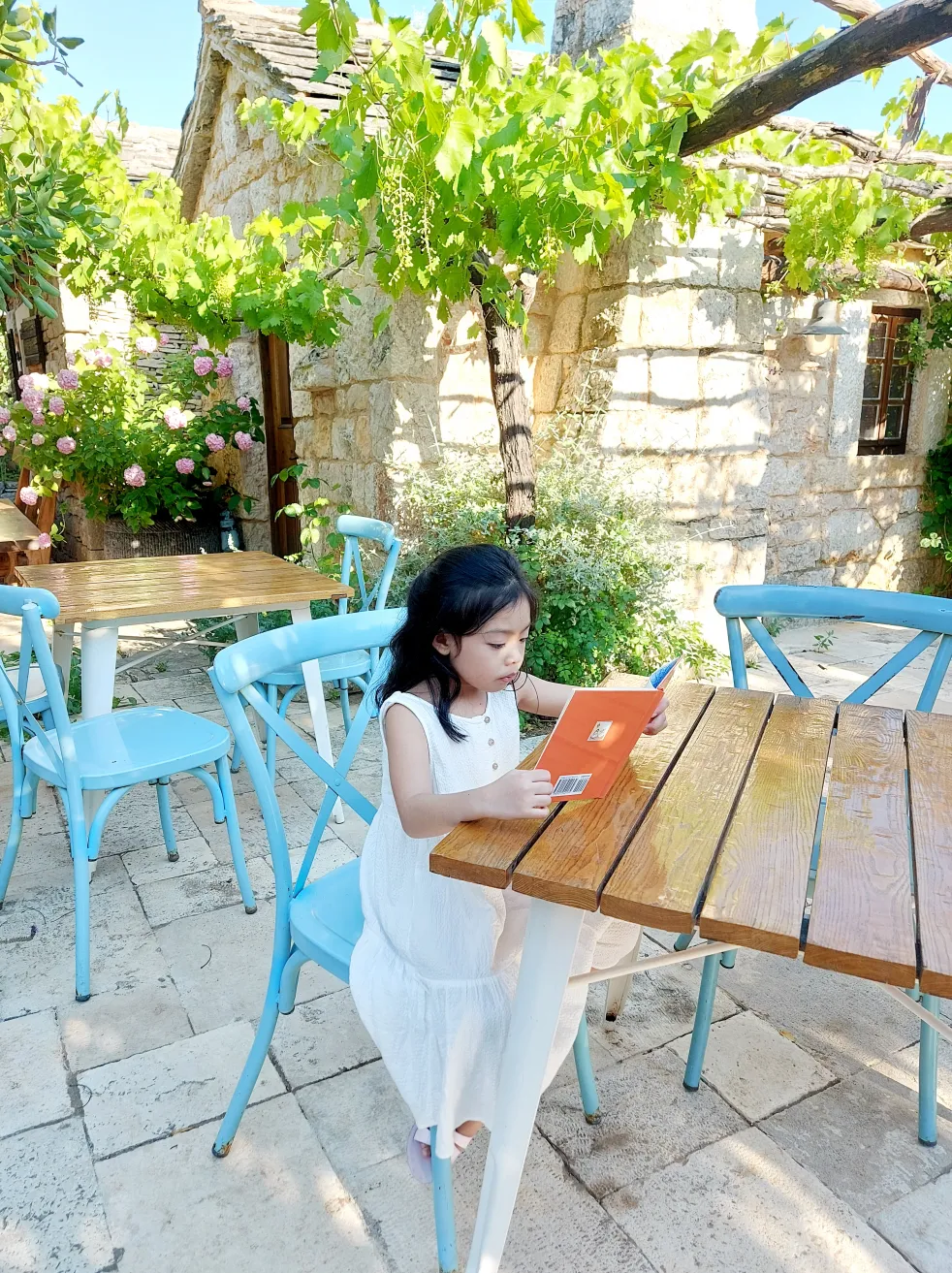
Where your child goes to school is a big decision and shouldn’t be taken lightly. Given how their education can impact their future, you might be tempted to take control and decide for them. However, you might be doing more damage than helping them in the long run. Your job as parents is to support… Continue reading HOW TO CHOOSE THE BEST SCHOOL FOR YOUR CHILD
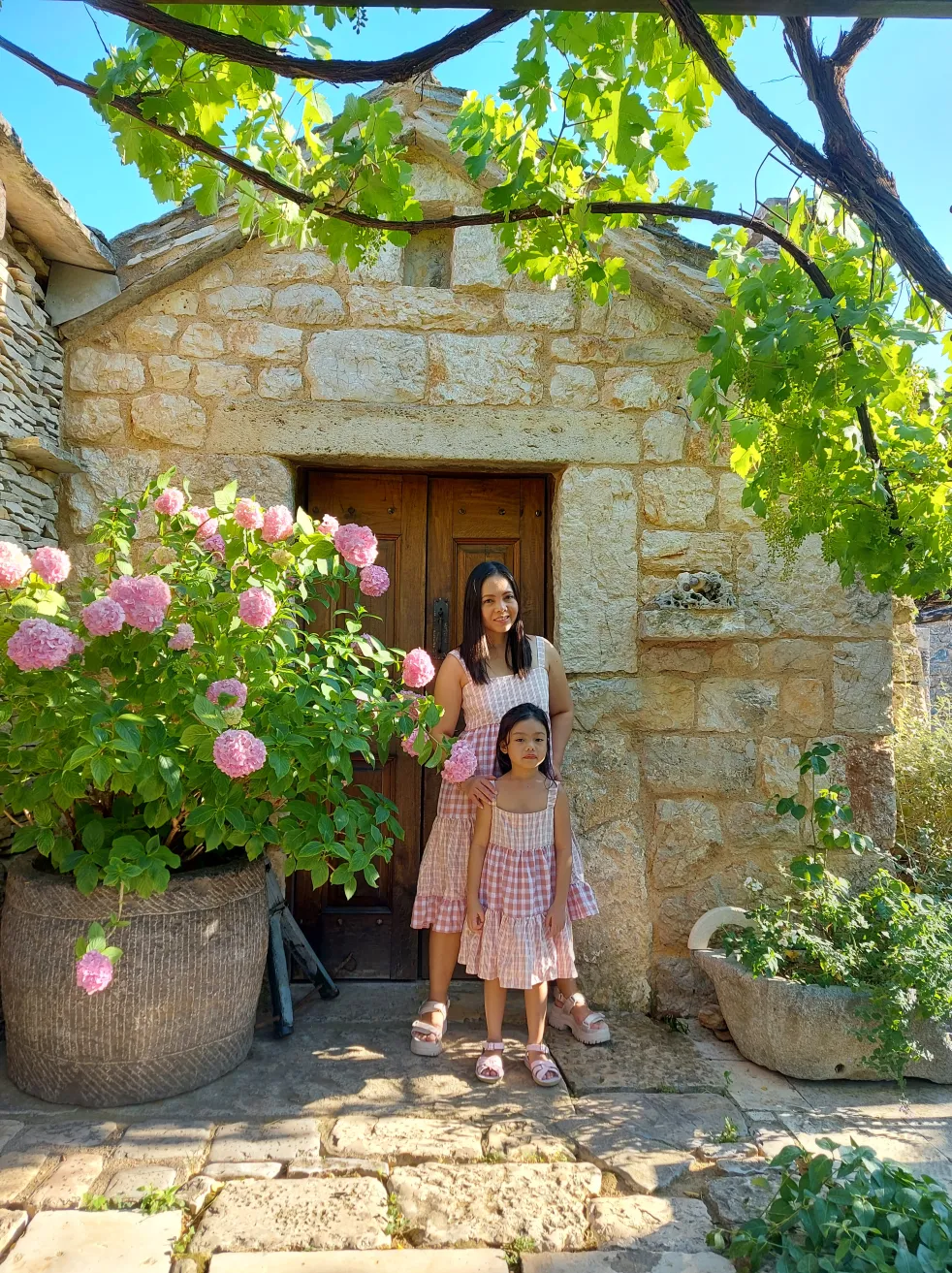
As poet and philosopher Rumi once eloquently said, “raise your words, not your voice. It is rain that grows flowers, not thunder.” Parenting is a challenging journey, and the truth is that nobody has everything figured out. One parenting style might suit others best, and some might favor other methods. However, children respond better to… Continue reading A SIMPLE GUIDE TO GENTLE PARENTING

Whether you’re a new mom to be, mom of a toddler, mom who have school-aged kids, you’re bound to have so many questions. Let's start with your baby's skin. Infant skin has unique needs; gentle care is essential to prevent damage to the skin barrier, which can lead to irritation. When caring for infant skin,… Continue reading Keeping Baby’s Diapered Skin Healthy
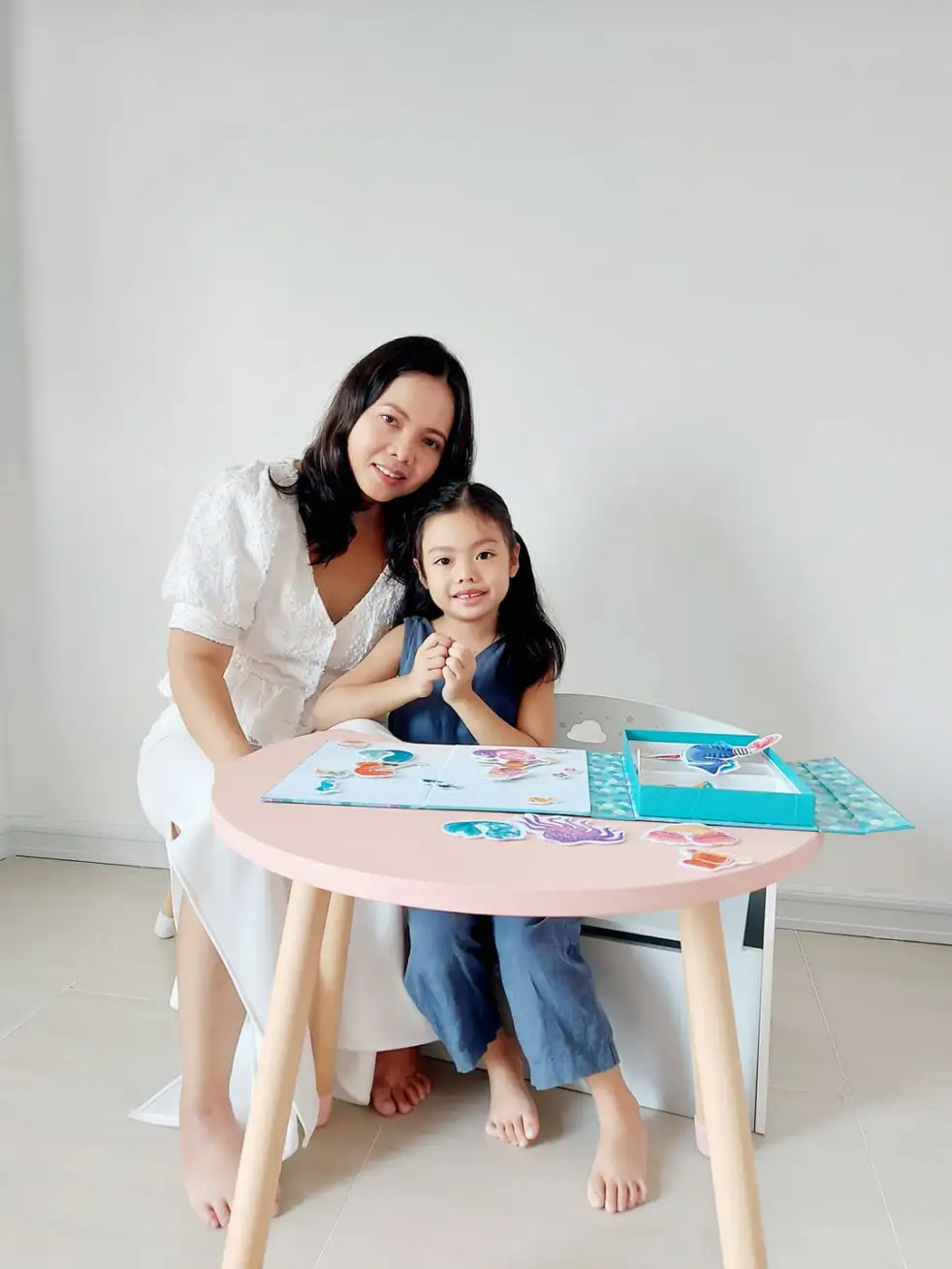
As parents, we want to give our child the best possible start in life and that begins with nurturing their intelligence. Throughout history, the notion of success has been linked to academic intelligence. However, there has been an increased awareness on the importance of emotional intelligence. This question gets at the heart of the never-ending… Continue reading IQ or EQ, which one is a better predictor of your child’s success?
 wondermomma.net