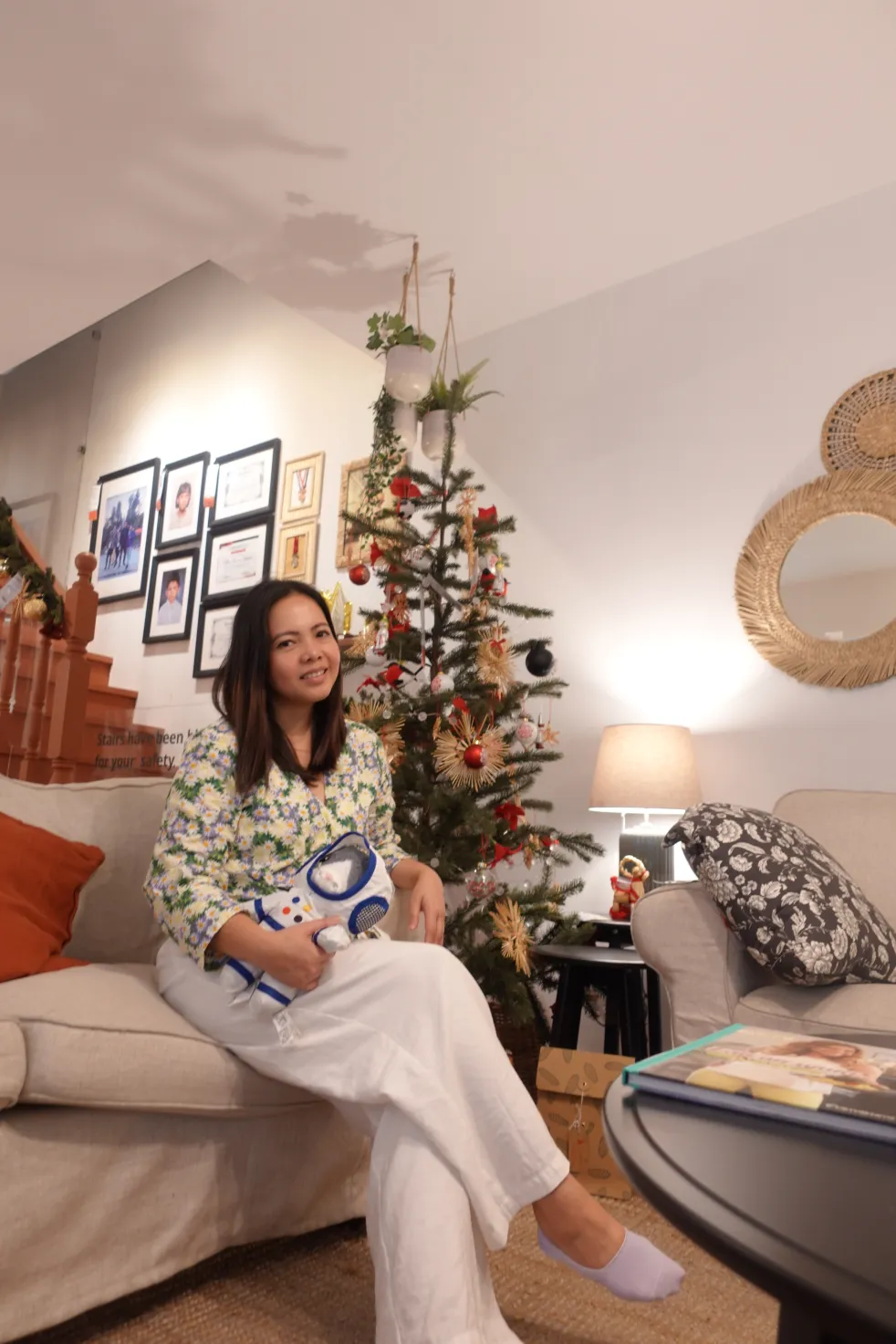
Last August, IKEA Philippines engaged with Better World Smokey Mountain, a newly opened community center operated by the San Miguel Foundation, which shares a similar goal of improving the lives of many Filipino people. Through this partnership, IKEA Philippines provided and assembled home furnishings for the classrooms and library of Better World Smokey Mountain community… Continue reading Help Create a Better World with IKEA Soft Toys
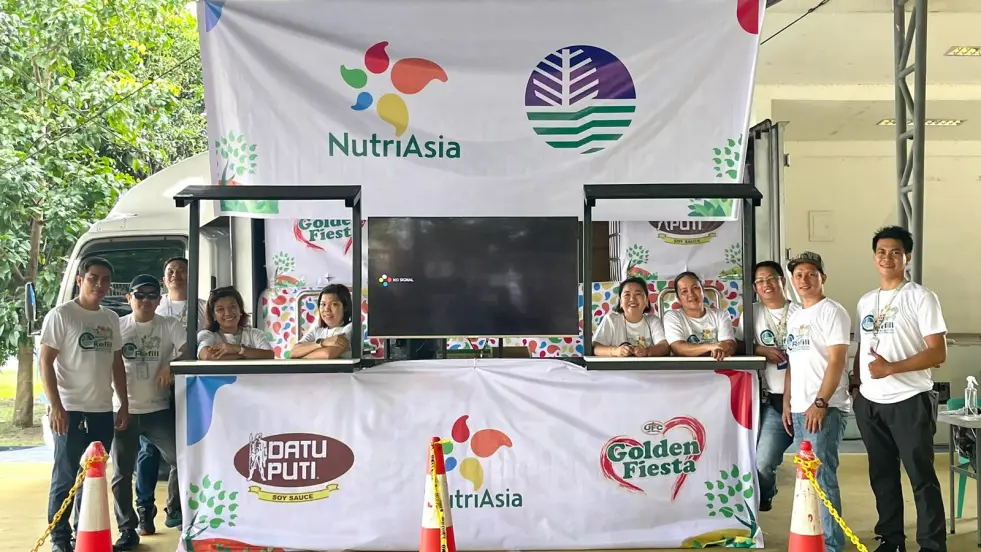
NutriAsia, the country’s top producer of condiments and sauces, continues its support of Refill Revolution; a project by the Department of Environment and Natural Resources EMB 3 that aims to help reduce Filipinos’ single-use plastics consumption. At Refill Revolution, residents get to recycle their single-use plastic bottles by reusing and filling it with their choice… Continue reading NutriAsia and DENR renews partnership for Refill Revolution

Teaching children their full name and address safely
A child who can say their full name and where they live has an important safety skill. This knowledge can help a trusted adult assist them if they become separated from family at a shopping centre, park, beach or community event. It also supports everyday independence as children begin school, attend playgroup and take part in activities away from home.
Learning a name and address is more than memorising a string of words. Children need to understand which information belongs together, when it is appropriate to share it and which adults are safe to approach. Young children may remember a street name before they can recall a postcode, so progress should be gradual and encouraging.
Australian families can build this practice into ordinary routines rather than turning it into a stressful test. A few minutes in the car, during bath time or while packing a school bag can be enough. Keep the language simple, repeat it often and accept that children may need many reminders.
| Age or stage | Main learning focus | Helpful practice |
|---|---|---|
| Around 2–3 years | First and family name | Songs, picture cards and simple repetition |
| Around 3–4 years | Street name and suburb | Pointing out street signs and saying the address together |
| Around 4–5 years | Full address sequence | Pretend conversations with a trusted adult |
| School age | Address, postcode and safety judgement | Role-play at school, home and familiar public places |
Start with the parts of a home address
Begin with the child’s full name, including their family name. Use it naturally when labelling belongings, completing forms or introducing them to relatives. Some children use a nickname at home, so explain that their full name is the name written on official documents and school records.
Next, teach the address in small sections: house or unit number, street name, suburb, state and postcode. For example, a child might learn, “12 Banksia Street, Werribee, Victoria, 3030,” one piece at a time. If your family lives in a unit, include the unit number and explain the difference between the apartment number and the building’s street number.
A rhythm can make the sequence easier to recall. Say the address with a steady beat while walking to the letterbox or looking at the front gate. Children often remember information better when it is linked with movement, a familiar view or a repeated daily activity.
Avoid correcting every small pronunciation error. Repeat the accurate version warmly and allow the child to try again later. Confidence matters because a child who is embarrassed may avoid answering when a safe adult genuinely needs the information.
Use everyday routines to build memory
Place the address on a small card near the front door and read it together when leaving home. You might say, “We are going to the library now, and this is where we live.” When walking through the neighbourhood, point out the street sign and house number without making the outing feel like a lesson.
Routine-based learning works well for other early skills too. A child who practises a new task through calm repetition may benefit from the same approach when learning personal information; ideas for building confidence with daily routines appear in this guide to practice everyday routines.
Try using a song or a made-up chant for the postcode and suburb. Clapping the syllables in the street name can help, especially if it is unfamiliar or has an Indigenous Australian place name. Keep sessions short, perhaps two or three repetitions, and stop before the child becomes frustrated.
Books, toy houses and drawing activities can add variety. Ask the child to draw the front of the home, then help them add the number and street name. A pretend letter addressed to the family can reinforce how an address is written while connecting the lesson to Australia Post and familiar mail arriving at home.
Teach when information should stay private
Knowing an address does not mean a child should tell everyone who asks. Explain that their full name, home address, school name and phone number are private details. They should not announce them at the playground, post them online, write them on a public sign or share them with strangers.
Use clear safety language rather than frightening warnings. A useful rule is: “You can tell a safe grown-up when you need help, but you do not need to tell everyone.” Safe adults may include a parent, carer, teacher, police officer, security guard or staff member wearing an official uniform. Children should still move towards help in a public place rather than hide because someone may know their name.
Explain that a safe adult might need the information if the child is lost or hurt. At a busy Westfield-style shopping centre, a railway station or a crowded Australian beach, a child can approach customer service, a lifeguard, a police officer or a family with children and say they need help. They can give their name and address when asked by that trusted helper.
Teach children that online spaces require the same care. A game, messaging app or social media account should never be used to share the family address without a parent or carer’s permission. Rehearse a simple response: “I don’t share that. I need to ask my mum, dad or carer.”
Practise with realistic role-play
Role-play helps a child use the information under pressure. Pretend that they have become separated from you at a supermarket or community festival. Ask them to say their full name, identify a safe helper and explain that they need to find their parent or carer. Keep the scenario calm and stop if the child becomes distressed.
Practise different versions of the same situation. A child may need to tell a teacher after school, a police officer at a local station or a surf lifesaver near the water. For families who use public transport, rehearse what to do if they are separated on a train platform or at a tram stop. They should stay in the public area and ask an official worker for help rather than leave with an unfamiliar person.
In Australia, children should know that 000 is the emergency number for police, fire or ambulance when someone is seriously injured, in danger or needs urgent help. Older children can learn how to give their full name, address and a brief description of the emergency. Explain that 000 is for urgent situations, not for finding a lost toy or solving a minor disagreement.
Role-play should include an alternative for children who are shy, non-speaking or still developing language. They might show an address card, point to a parent’s contact card or use an agreed communication device. A laminated card in a school bag can support memory, but teach the child not to hand it to just anyone; it is for a trusted helper when they are lost or need assistance.
Support children as their details change
Review the information whenever your family moves house, changes suburbs or updates a phone number. This is especially important for families renting, living between two homes or staying temporarily with relatives. Say the new address during ordinary routines until it feels familiar, and remove old cards from bags and drawers.
School-aged children may need to learn the state and postcode as well as the street address. In Australia, similar street names can appear in different suburbs, so the suburb and state help distinguish one location from another. Children who attend vacation care, sport or after-school activities should know which address applies when they are travelling between homes.
Check that your child can recognise the home rather than relying only on memory. They can identify the front door, letterbox, unit complex or nearest safe landmark, such as a local library or council building. Avoid teaching them to use an isolated landmark as their address, since shops, parks and signs can change.
Keep practising without turning the skill into an exam. Ask for the information during a relaxed car trip, before a visit to grandparents or while preparing for a school excursion. Praise effort and accuracy, then calmly fill in any missing part. With patient repetition, a child can learn their full name and address while also understanding the more important lesson: personal information is useful for getting help, and it should be shared carefully.

Mercato Centrale, in collaboration with Indian Women in Enterprise Philippines (I-We), is set to host "The Great Indian Fiesta" to mark 75 years of friendship between India and the Philippines. The dynamic two-day event is scheduled to take place on September 30 to October 1, 2023, at Paseo De Roxas Street, Makati City. Aiming to… Continue reading Mercato Centrale Partners with I-We to Host ‘The Great Indian Fiesta’, Commemorating 75 Years of India-Philippines Friendship

My stomach would usually start growling at 10 am even after taking a big breakfast. This is probably because I am a morning person and I move a lot throughout the day hence snacking is something that I can't avoid. This potatoes and chicken wrap recipe is easy to prepare and would keep me full… Continue reading Potato and Chicken Wrap
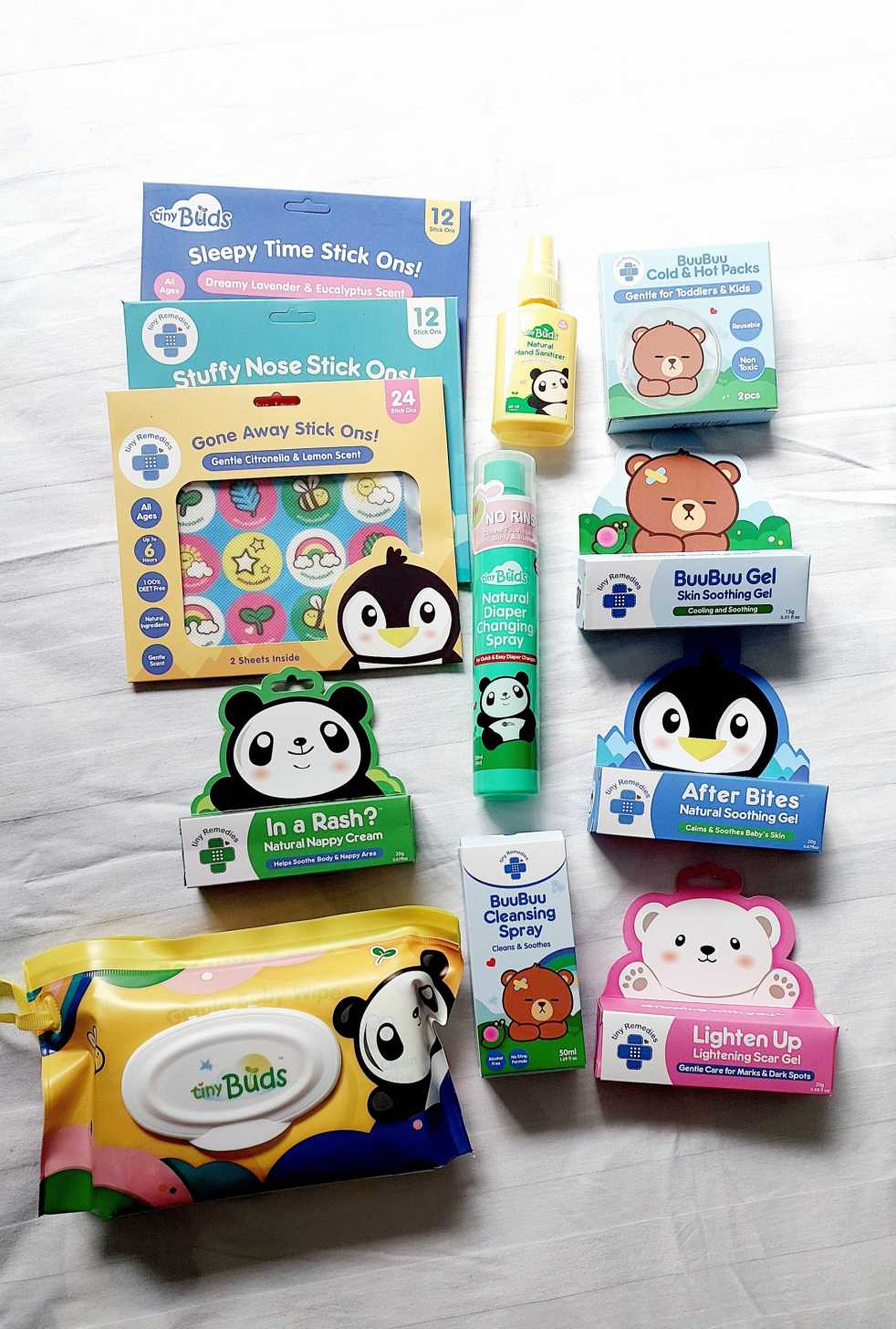
Your baby’s skin is more delicate than most, this is why you have to choose products that are designed for sensitive skin. Tiny Buds is a pioneer in integrating natural ingredients into baby care and today has over 50 innovative natural baby care essentials and is one of the Top Baby Personal Care brands. Here… Continue reading Product Review: Tiny Buds Baby Naturals Baby Essentials
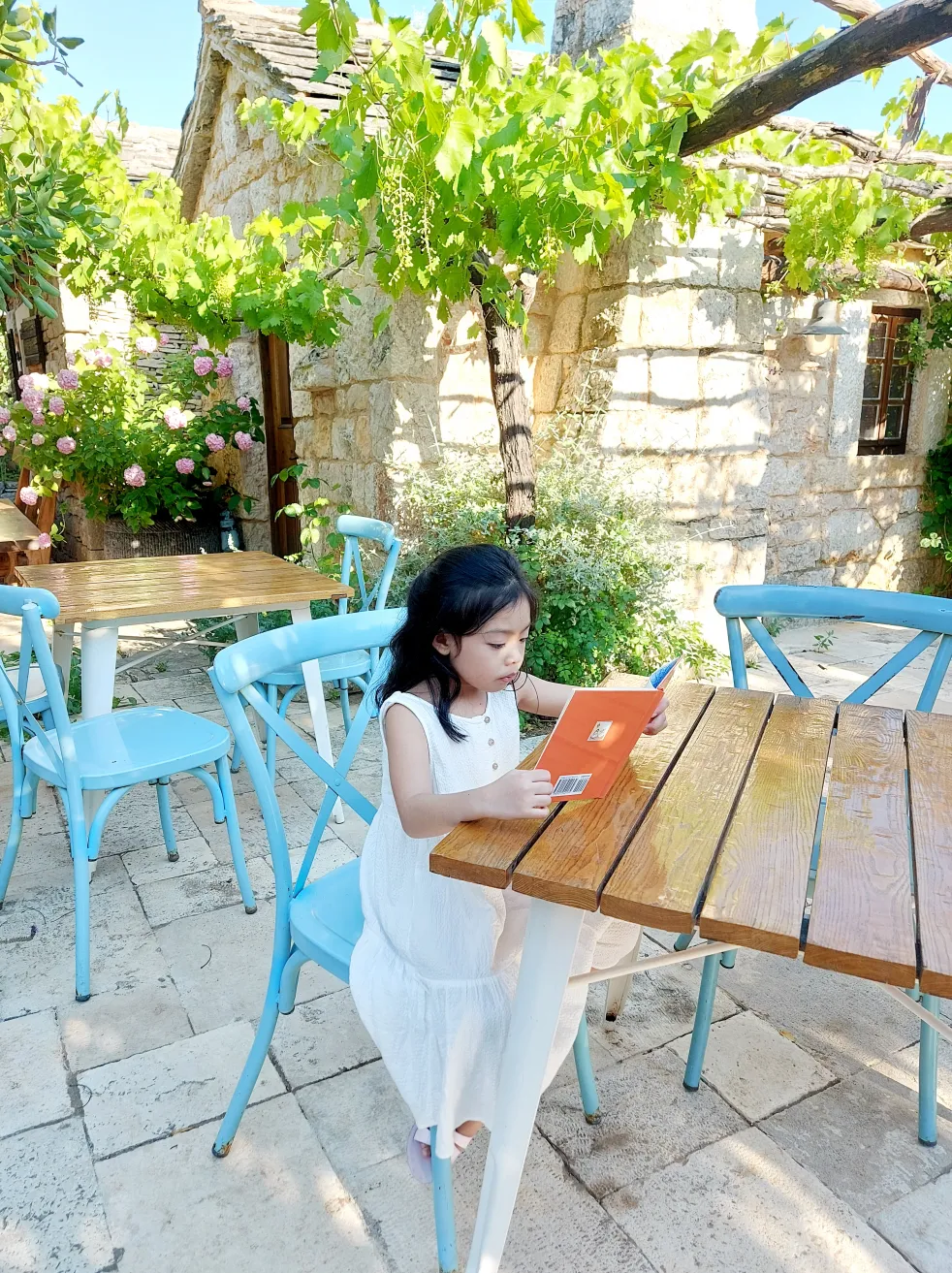
Where your child goes to school is a big decision and shouldn’t be taken lightly. Given how their education can impact their future, you might be tempted to take control and decide for them. However, you might be doing more damage than helping them in the long run. Your job as parents is to support… Continue reading HOW TO CHOOSE THE BEST SCHOOL FOR YOUR CHILD
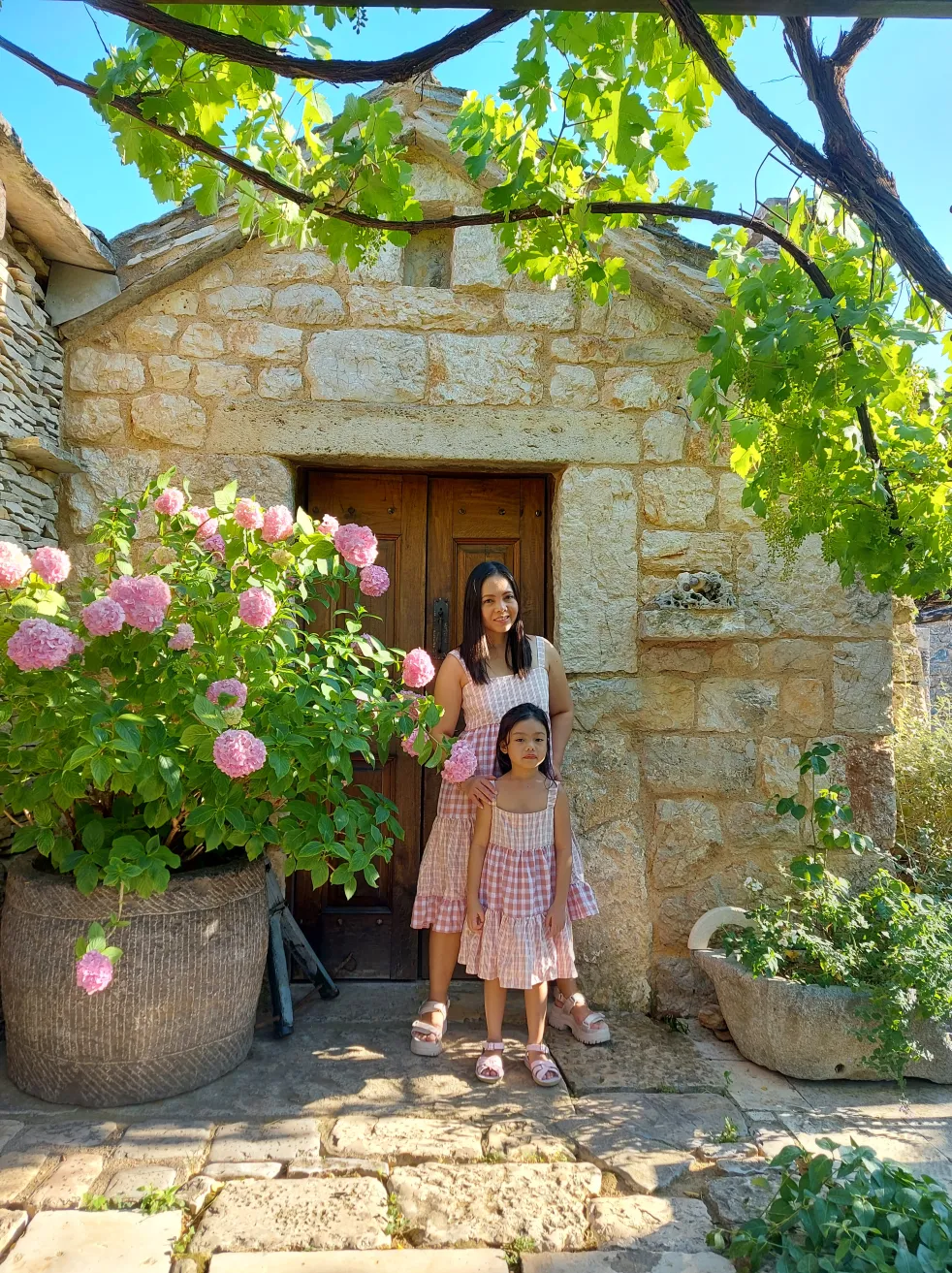
As poet and philosopher Rumi once eloquently said, “raise your words, not your voice. It is rain that grows flowers, not thunder.” Parenting is a challenging journey, and the truth is that nobody has everything figured out. One parenting style might suit others best, and some might favor other methods. However, children respond better to… Continue reading A SIMPLE GUIDE TO GENTLE PARENTING

Whether you’re a new mom to be, mom of a toddler, mom who have school-aged kids, you’re bound to have so many questions. Let's start with your baby's skin. Infant skin has unique needs; gentle care is essential to prevent damage to the skin barrier, which can lead to irritation. When caring for infant skin,… Continue reading Keeping Baby’s Diapered Skin Healthy
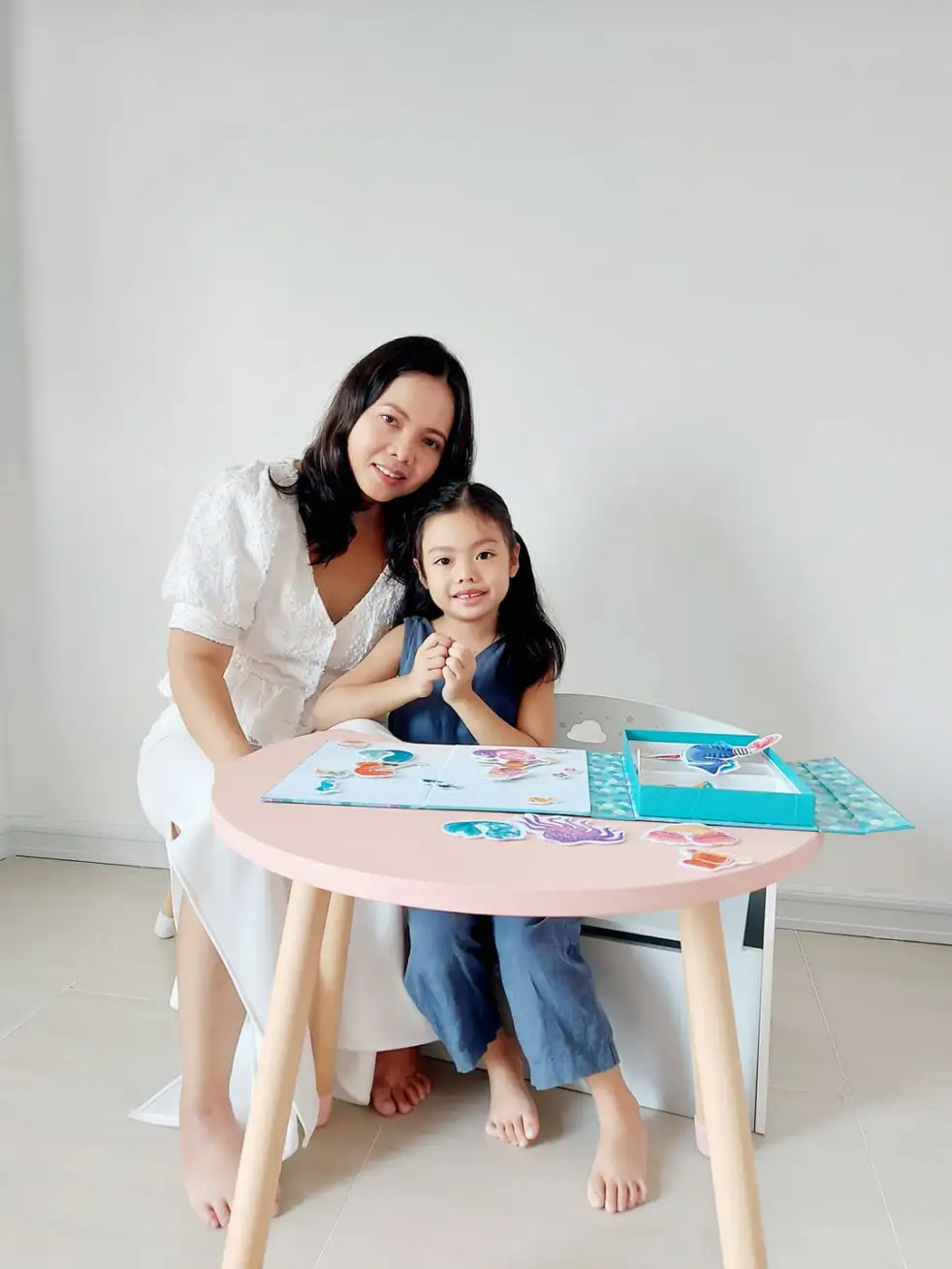
As parents, we want to give our child the best possible start in life and that begins with nurturing their intelligence. Throughout history, the notion of success has been linked to academic intelligence. However, there has been an increased awareness on the importance of emotional intelligence. This question gets at the heart of the never-ending… Continue reading IQ or EQ, which one is a better predictor of your child’s success?
 wondermomma.net