

Last August, IKEA Philippines engaged with Better World Smokey Mountain, a newly opened community center operated by the San Miguel Foundation, which shares a similar goal of improving the lives of many Filipino people. Through this partnership, IKEA Philippines provided and assembled home furnishings for the classrooms and library of Better World Smokey Mountain community… Continue reading Help Create a Better World with IKEA Soft Toys
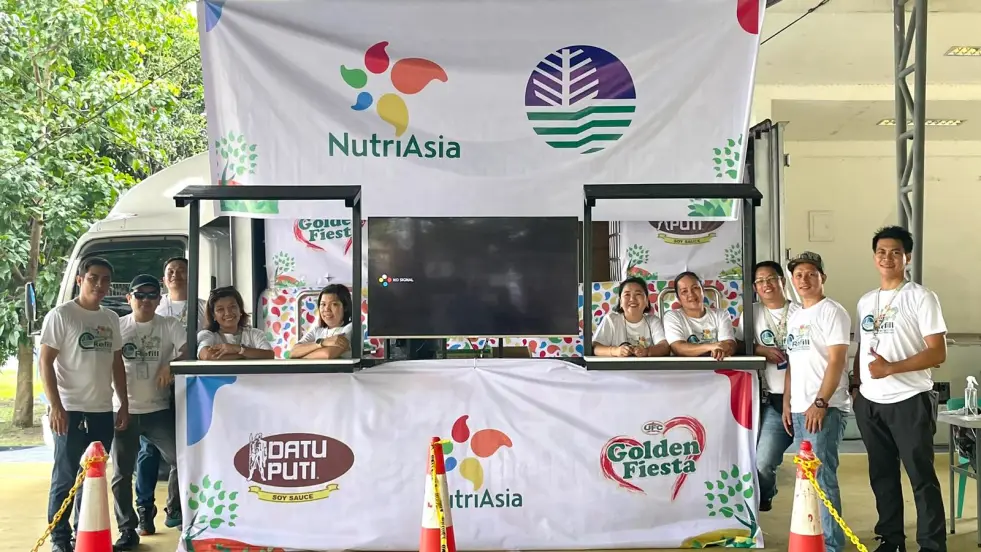
NutriAsia, the country’s top producer of condiments and sauces, continues its support of Refill Revolution; a project by the Department of Environment and Natural Resources EMB 3 that aims to help reduce Filipinos’ single-use plastics consumption. At Refill Revolution, residents get to recycle their single-use plastic bottles by reusing and filling it with their choice… Continue reading NutriAsia and DENR renews partnership for Refill Revolution

How to teach your child road safety in busy cities
Busy Australian city streets combine fast traffic, narrow footpaths, parked cars, bicycles, delivery riders and public transport. Each journey can look chaotic to a small child, especially during the morning school run or when traffic gathers around a bus. Children learn safety from the behaviour adults model around them, so street teaching begins with what they see you doing.
Road danger is real, but constant alarm can make children afraid of moving independently. Calm explanations and repeated practice are more useful than a once-off lecture. A child who knows what to do at a kerb, driveway or crossing is better able to act when an adult is distracted or the traffic pattern changes.
Australian families also have local habits to build into the lesson: traffic travels on the left, buses pull close to kerbs, and many children travel by car, bicycle, scooter or train. School zones commonly have a 40 km/h limit during signed times, although speed limits and operating hours vary between states and territories.
The goal is not to make a child frightened of every vehicle. It is to give them manageable habits: stop in the right place, check all directions, stay visible and ask for help. Those skills can develop gradually at home, on quiet streets and during ordinary city trips.
Start with the streets your child actually uses
Walk the route with your child before asking them to handle it alone. Look for hidden driveways, parked vehicles that block sightlines, corners where drivers may turn quickly, bus stops, tram crossings and shared paths. Notice where your child runs, talks or becomes distracted rather than assuming they have noticed the same hazards you have.
| Street feature | What a child may miss | What to practise together |
|---|---|---|
| A partly hidden driveway | A car emerging from beside a parked vehicle | Stop before the driveway and identify which direction a vehicle could come from |
| A bus at the kerb | Cars moving around it and passengers crossing the road | Wait for the bus to move and cross only when the full view is clear |
| A quiet side street | The approach of a fast or quiet vehicle | Explain that little sound does not mean little danger |
Use this route as your child’s personal learning plan instead of describing every street as dangerous. A problem-solving conversation about one corner is more useful than a broad warning about traffic. It also lets your child contribute observations, such as noticing a ball rolling into the road or a vehicle slowing near the school zone.
Build a simple journey routine
A short sequence can make decision-making automatic. Stop at a safe place away from the kerb, hold your child’s hand when needed, look in every direction and listen before moving. Explain that checking traffic means looking both ways, over the shoulder and around objects that hide vehicles. The green pedestrian signal is a useful signal, but your child should still check that vehicles have stopped.
- Stop: Pause with both feet still and away from the edge of the kerb.
- Look: Check every direction, including behind parked cars and around corners.
- Listen: Notice engines, indicators, bicycles and buses, without relying on sound alone.
- Cross: If it is safe, walk rather than run and keep looking while moving.
The same routine can be reinforced in predictable settings so it becomes familiar rather than frightening:
- Before leaving the car, bus or front door
- After school when many families are crossing together
- On the walk to a park, shop or neighbour’s house
- Whenever your child uses a new route or visits a different crossing
Keep the wording consistent. Repeated phrases such as “kerb, look, listen, check again” are easier for young children to remember than long instructions issued while you are both moving. Praise the process rather than the outcome: acknowledging that your child stopped and checked can build the habit even if you had to hold their hand.
Practise skills without fear or pressure
Road safety can be learned through play. Use toy cars on a rug, draw a simple street with chalk, or let your child choose the safe route in a role-play game. You can act as the driver, pedestrian or traffic controller, then reverse roles so your child explains what the person in each position should do.
When mistakes happen, describe the action instead of labelling your child as careless or reckless. Saying “you moved before checking the driveway” is more useful than “you are careless.” Calmly return to the kerb and repeat the sequence. Children who are shouted at may become quieter near traffic without becoming safer, so clear limits and patient repetition deserve priority.
Choose practice locations that match your child’s abilities. A quiet residential street may be suitable for learning the words, while a busy shopping district is better for supervised observation. Let your child point out cars, signs and safe crossing places, then explain what makes each one safe. This keeps them involved while the adult remains responsible for controlling the situation.
Turn Australian road rules into everyday habits
The Australian Road Rules, together with state and territory legislation, shape what families need to learn. Children do not need to memorise legal wording, but they should understand that signs, signals and marked crossings have a purpose. Because traffic drives on the left, explain that checking only one direction is not enough. Vehicles can turn, reverse, approach quietly or travel at different speeds.
Seat belts and approved child restraints are among the most important road-safety habits adults can model. Use a restraint that suits your child’s age and size, and treat buckling up as an automatic step rather than an optional extra. Children often copy what they see, so an adult who reaches for a phone or skips a belt sends a different message from one who prepares properly before every journey.
Speed and vulnerable-road-user rules are equally relevant. School zones often reduce the limit to 40 km/h, with some Australian schools using 30 km/h or other arrangements. Drive slowly through the active period, watch for children near crossings and never pass a stopped school bus with its warning lights active. When riding alongside cyclists, drivers must leave a safe passing distance, often at least 1.5 metres under state road rules. Australia’s national Road Safety Strategy 2021–2030 supports safer speeds, protected road users and reduced serious harm, while the exact rules depend on the relevant state or territory.
Make visibility and equipment support the behaviour
Clothing can help other road users notice your child, but it cannot replace safe behaviour. Choose bright or reflective items for early morning and evening travel, especially during winter when daylight hours are shorter. Reflective bicycle stickers, armbands, shoe covers and clip-on tags are widely available from Australian retailers and cycling stores.
For children who cycle or use scooters, select a correctly fitted helmet meeting Australian safety standards. Look for adjustable straps and a secure position rather than buying solely on appearance. Scooter rules, including where they may be ridden and which protective equipment is compulsory, differ across Australian jurisdictions, so check local requirements before allowing a child to travel independently.
Lights, bells and high-visibility vests can be useful on shared paths and around dusk. Equipment works best when the child understands its purpose: a light helps them be seen but does not make them invisible to a driver looking elsewhere. Teach them to keep both hands available for control, avoid headphones near traffic and use a voice or bell to warn pedestrians before passing. Replace damaged equipment and helmets after a significant impact, even when no damage is visible.
Adjust as routes and independence change
Public transport creates its own hazards. At bus stops, teach your child to wait on the footpath and stay back from the kerb until the bus stops. They should board and leave one person at a time and watch for traffic when walking away from the stop. Melbourne’s tram network adds another local consideration: children need to understand that tram tracks are road space, not safe play areas, and should cross only at suitable locations.
As children grow, reduce direct assistance gradually rather than changing everything on a birthday. Some may be ready to wait at a crossing while an adult remains nearby; others may still need to cross holding hands. Consider whether the child notices parked cars, follows the routine without reminders and can communicate clearly. Agree on what to do if they become separated, including staying in a safe public place and identifying a trusted adult.
Independence should also include realistic limits. A teenager may recognise danger but still be tempted by a phone, headphones or a group of friends. Keep expectations clear about devices, passenger behaviour and what to do when a car appears to miss them. Consistent, patient practice gives children the confidence to pause, decide and move through city streets safely.

Mercato Centrale, in collaboration with Indian Women in Enterprise Philippines (I-We), is set to host "The Great Indian Fiesta" to mark 75 years of friendship between India and the Philippines. The dynamic two-day event is scheduled to take place on September 30 to October 1, 2023, at Paseo De Roxas Street, Makati City. Aiming to… Continue reading Mercato Centrale Partners with I-We to Host ‘The Great Indian Fiesta’, Commemorating 75 Years of India-Philippines Friendship

My stomach would usually start growling at 10 am even after taking a big breakfast. This is probably because I am a morning person and I move a lot throughout the day hence snacking is something that I can't avoid. This potatoes and chicken wrap recipe is easy to prepare and would keep me full… Continue reading Potato and Chicken Wrap
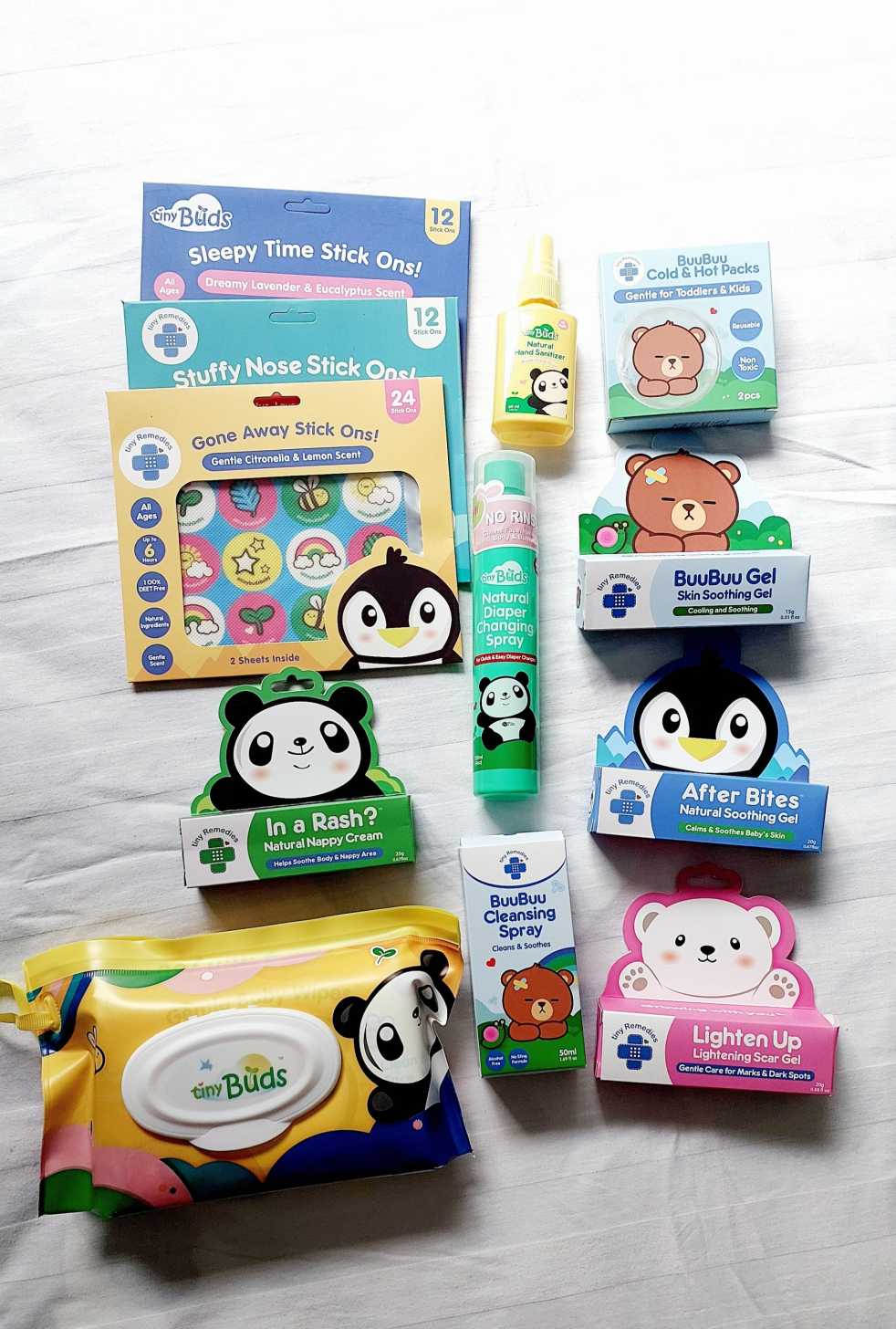
Your baby’s skin is more delicate than most, this is why you have to choose products that are designed for sensitive skin. Tiny Buds is a pioneer in integrating natural ingredients into baby care and today has over 50 innovative natural baby care essentials and is one of the Top Baby Personal Care brands. Here… Continue reading Product Review: Tiny Buds Baby Naturals Baby Essentials
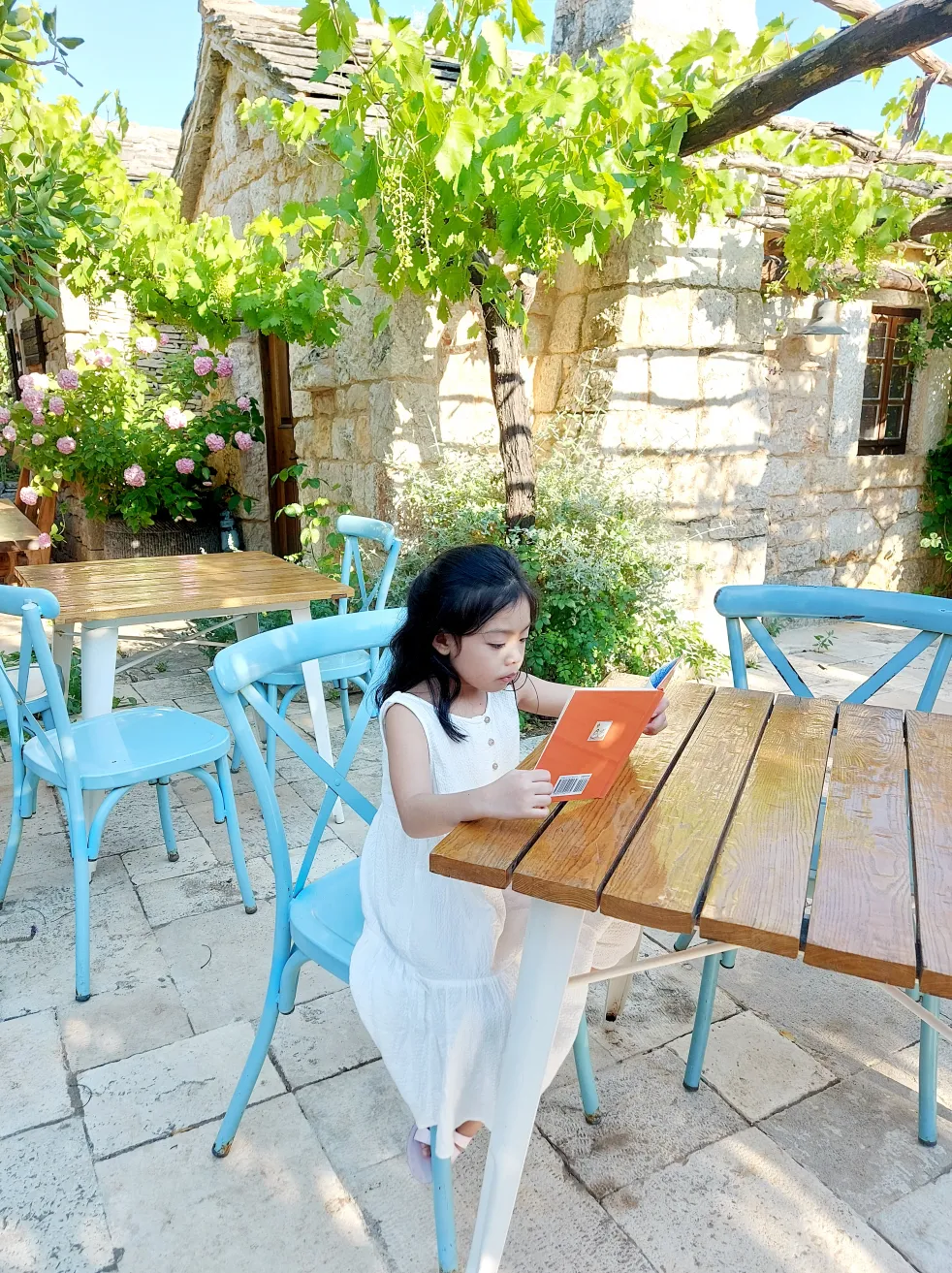
Where your child goes to school is a big decision and shouldn’t be taken lightly. Given how their education can impact their future, you might be tempted to take control and decide for them. However, you might be doing more damage than helping them in the long run. Your job as parents is to support… Continue reading HOW TO CHOOSE THE BEST SCHOOL FOR YOUR CHILD
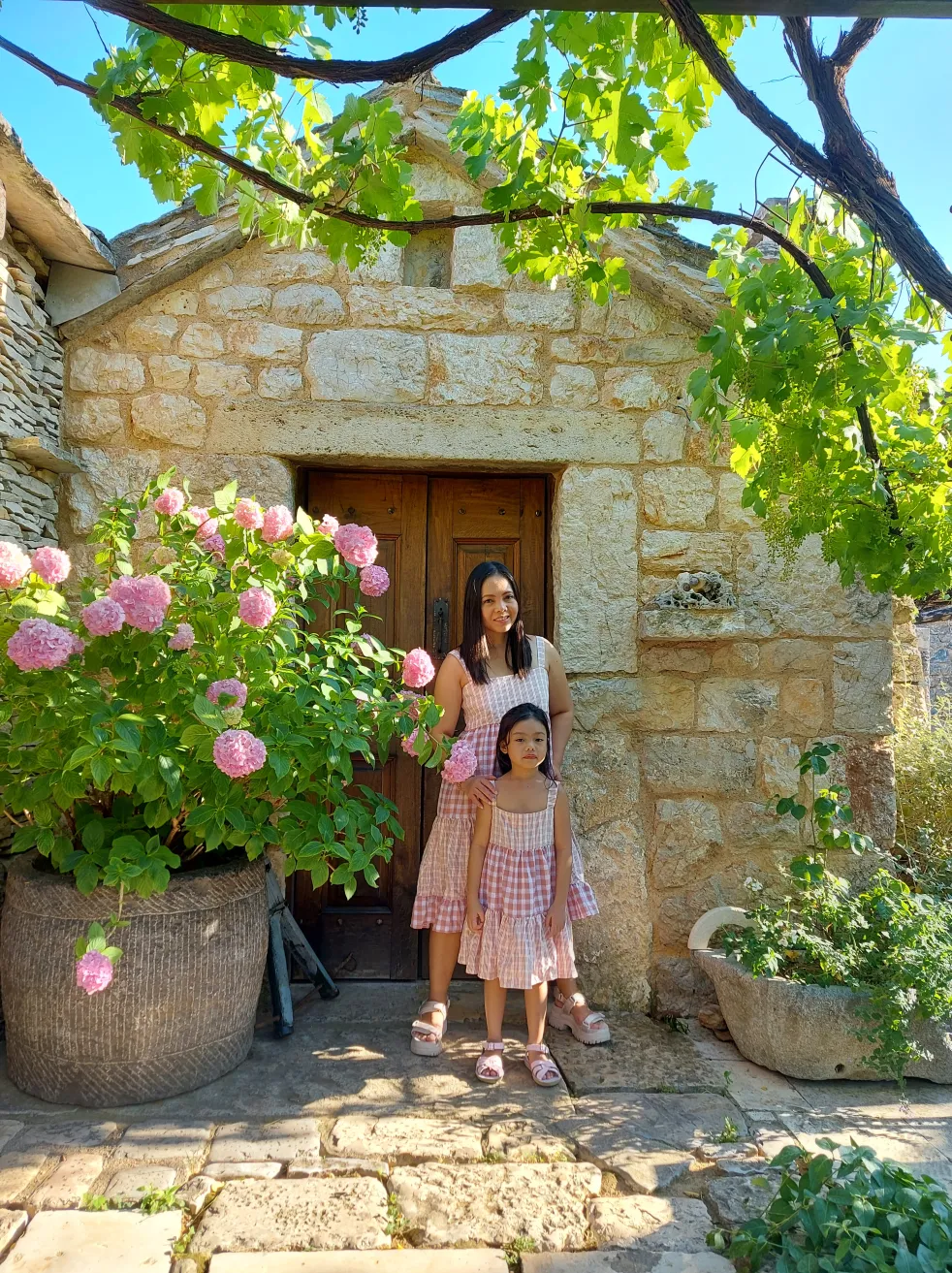
As poet and philosopher Rumi once eloquently said, “raise your words, not your voice. It is rain that grows flowers, not thunder.” Parenting is a challenging journey, and the truth is that nobody has everything figured out. One parenting style might suit others best, and some might favor other methods. However, children respond better to… Continue reading A SIMPLE GUIDE TO GENTLE PARENTING

Whether you’re a new mom to be, mom of a toddler, mom who have school-aged kids, you’re bound to have so many questions. Let's start with your baby's skin. Infant skin has unique needs; gentle care is essential to prevent damage to the skin barrier, which can lead to irritation. When caring for infant skin,… Continue reading Keeping Baby’s Diapered Skin Healthy
As parents, we want to give our child the best possible start in life and that begins with nurturing their intelligence. Throughout history, the notion of success has been linked to academic intelligence. However, there has been an increased awareness on the importance of emotional intelligence. This question gets at the heart of the never-ending… Continue reading IQ or EQ, which one is a better predictor of your child’s success?
 wondermomma.net