

Last August, IKEA Philippines engaged with Better World Smokey Mountain, a newly opened community center operated by the San Miguel Foundation, which shares a similar goal of improving the lives of many Filipino people. Through this partnership, IKEA Philippines provided and assembled home furnishings for the classrooms and library of Better World Smokey Mountain community… Continue reading Help Create a Better World with IKEA Soft Toys
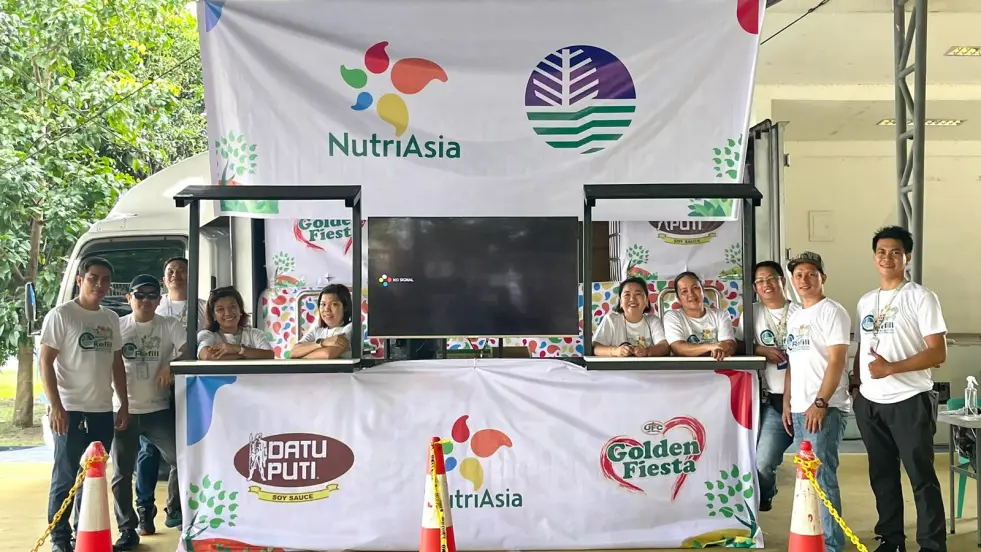
NutriAsia, the country’s top producer of condiments and sauces, continues its support of Refill Revolution; a project by the Department of Environment and Natural Resources EMB 3 that aims to help reduce Filipinos’ single-use plastics consumption. At Refill Revolution, residents get to recycle their single-use plastic bottles by reusing and filling it with their choice… Continue reading NutriAsia and DENR renews partnership for Refill Revolution

How to talk to your child about stranger danger calmly
Children need practical safety skills, but they also need to feel that the world is mostly made up of safe, caring adults. A conversation about unfamiliar people should build confidence rather than make every trip to the shops, playground or school feel threatening. The aim is to help your child notice unsafe behaviour, seek help quickly and trust their own feelings.
“Stranger danger” is a familiar phrase, yet it can be too narrow. Many children are harmed by someone they already know, while most unfamiliar adults are ordinary people who may offer help appropriately. A better approach focuses on actions, boundaries and safe choices instead of teaching children that every unknown person is dangerous.
Keep the discussion short, clear and suited to your child’s age. Revisit it naturally before a family outing, at the start of a new school year or when practising what to do if you become separated. Calm repetition makes safety information easier to remember under stress.
| Age or stage | Main safety message | Useful practice |
|---|---|---|
| Preschool | Stay close, say no, and find a trusted adult | Practise calling for a parent and stopping at a safe place |
| Early primary | Recognise unsafe requests and leave quickly | Role-play a simple “no, go, tell” response |
| Older primary | Consider online and offline contact | Discuss secrets, pressure, location sharing and reporting |
| Teenagers | Balance independence with support | Plan check-ins, transport options and emergency contacts |
Focus on behaviour, not appearances
Children often imagine a “stranger” as a frightening-looking person, which can create false confidence around familiar adults or friendly-looking people. Explain that unsafe behaviour can come from anyone, and that a person’s clothes, age, gender or appearance do not reliably show whether they are safe. The important clues are what someone says, asks or tries to do.
Use examples that make sense in Australian family life. Someone might ask a child to leave a playground, shopping centre or local oval to look for a puppy. An adult may offer a lift near the school gate, request help finding a lost item or ask a child to keep a conversation secret. Tell your child that grown-ups who genuinely need help can ask another adult, a staff member or a police officer.
A child does not need to decide whether someone is “good” or “bad”. They only need to recognise an unsafe request and move towards safety. Teach phrases such as, “I don’t know you,” “I need to ask my mum,” or “Stop. I’m going now.” A loud voice, running towards a busy group and making a fuss are sensible responses when a person will not respect boundaries.
Give them a small set of memorable rules
Too many instructions can disappear when a child feels overwhelmed. Choose three or four rules and repeat them in the same wording. “Stay where we can see you” works for younger children, while older children can remember: “Don’t go anywhere with someone, don’t accept gifts or rides, and tell a trusted adult if a request feels wrong.”
Teach children that adults rarely ask children to keep safety-related secrets. A surprise, such as a birthday present, can be shared later; a secret involving touching, messages, photographs, a meeting or leaving with someone should be told straight away. Reassure them that they will not be punished for speaking up, even if they disobeyed a rule, replied to a message or took something before becoming worried.
Practise the “no, go, tell” sequence. Say no firmly, go to a safe location and tell a trusted adult. Safe locations may include a school office, library desk, police station, pharmacy, café counter or a family with children. In a large Australian shopping centre, your child can look for a uniformed centre worker or head to a staffed service desk rather than wandering through car parks.
Build a trusted-adult network
A child should know several adults they can approach, not just one parent. Depending on their age, this may include a teacher, school wellbeing officer, grandparent, neighbour, coach, relative or parent of a close friend. Use names and faces rather than vague instructions such as “find someone nice”. Explain that uniforms can help identify workers, but children should still choose a public, staffed place and stay visible.
Create a family safety plan for common situations. Decide where children should go if they are separated from you at the supermarket, a beach, a festival or a train station. In Australia, you can teach older children that Triple Zero (000) is for urgent police, fire or ambulance help. Younger children should learn their full name, a parent’s name and how to say their home suburb, without being expected to memorise a complete address immediately.
Practise calling you from a borrowed phone and make sure emergency contacts are current. If your child walks to school or catches public transport, identify well-used routes, crossing points and places where an adult can help. A plan that fits your local community is easier to follow than a general warning about “strangers”.
Rehearse without creating fear
Role-play is effective when it is brief and predictable. Begin with a low-pressure example: “I’m going to pretend I don’t know you and ask you to come with me to find a dog. What could you do?” Let your child answer, then praise the safety action rather than testing them repeatedly. If they freeze or give the wrong response, calmly demonstrate it and try again later.
Avoid pretending to kidnap your child, hiding behind bushes or arranging a frightening test. These activities can damage trust and make children anxious about ordinary outings. Safety education should leave them feeling capable: they can use their voice, move towards people and ask for help.
Use everyday moments to reinforce consent and body boundaries. Children may say no to hugs from relatives, move away from tickling or ask for privacy when changing clothes. Respecting these choices teaches them that their body belongs to them and that adults should listen when they express discomfort. It also makes it more likely they will recognise and report an unwanted touch.
Creative activities can support these conversations without turning them into a frightening lesson. For example, while making keepsake handprint crafts, a parent can casually discuss the trusted adults in the child’s support network and what to do if they ever feel unsafe.
Include online contacts and changing independence
For school-age children, an unfamiliar person may first appear in a game, group chat or social media account. Explain that someone online is still a stranger, even if they know the child’s username, favourite game or school. Children should not share their full name, school, address, regular activities, passwords, live location or private photographs with people they have only met online.
Make reporting feel ordinary rather than shameful. A child can stop replying, block the account, save evidence and tell a trusted adult. Do not promise that you will never remove access to an app, because that can discourage disclosure. Instead, explain that your first job is to keep them safe and work out the next step together. Australian families can also use guidance from the eSafety Commissioner when reviewing privacy settings, gaming chats and image-based abuse concerns.
As children become more independent, safety talks should cover lifts from acquaintances, parties, public transport and meeting online contacts. Agree on check-in messages, a code word for an uncomfortable situation and a backup way home. A teenager should know they can call a parent for collection without being yelled at in the moment, even if plans changed or alcohol is involved.
Respond steadily when your child tells you
If a child reports an uncomfortable interaction, listen before investigating. Keep your face and voice calm, thank them for telling you and say clearly, “You did the right thing.” Avoid asking why they went with the person, answered the message or failed to shout. Children may already feel confused or responsible, and blame can make them less likely to disclose future concerns.
Use open, simple prompts such as, “Tell me what happened,” or “What did they say next?” Do not pressure a child to repeat details many times or suggest answers. Write down their words as accurately as possible, preserve relevant messages or images and seek appropriate support. If there is immediate danger, contact emergency services on 000; for non-urgent concerns involving a child’s safety, contact local police or child protection services in your state or territory.
Keep reminding your child that safety is a shared responsibility. They are allowed to change their mind, leave an interaction and ask for help at any time. With calm language, realistic practice and reliable adults around them, children can develop strong personal safety skills without learning to fear every unfamiliar face.

Mercato Centrale, in collaboration with Indian Women in Enterprise Philippines (I-We), is set to host "The Great Indian Fiesta" to mark 75 years of friendship between India and the Philippines. The dynamic two-day event is scheduled to take place on September 30 to October 1, 2023, at Paseo De Roxas Street, Makati City. Aiming to… Continue reading Mercato Centrale Partners with I-We to Host ‘The Great Indian Fiesta’, Commemorating 75 Years of India-Philippines Friendship

My stomach would usually start growling at 10 am even after taking a big breakfast. This is probably because I am a morning person and I move a lot throughout the day hence snacking is something that I can't avoid. This potatoes and chicken wrap recipe is easy to prepare and would keep me full… Continue reading Potato and Chicken Wrap
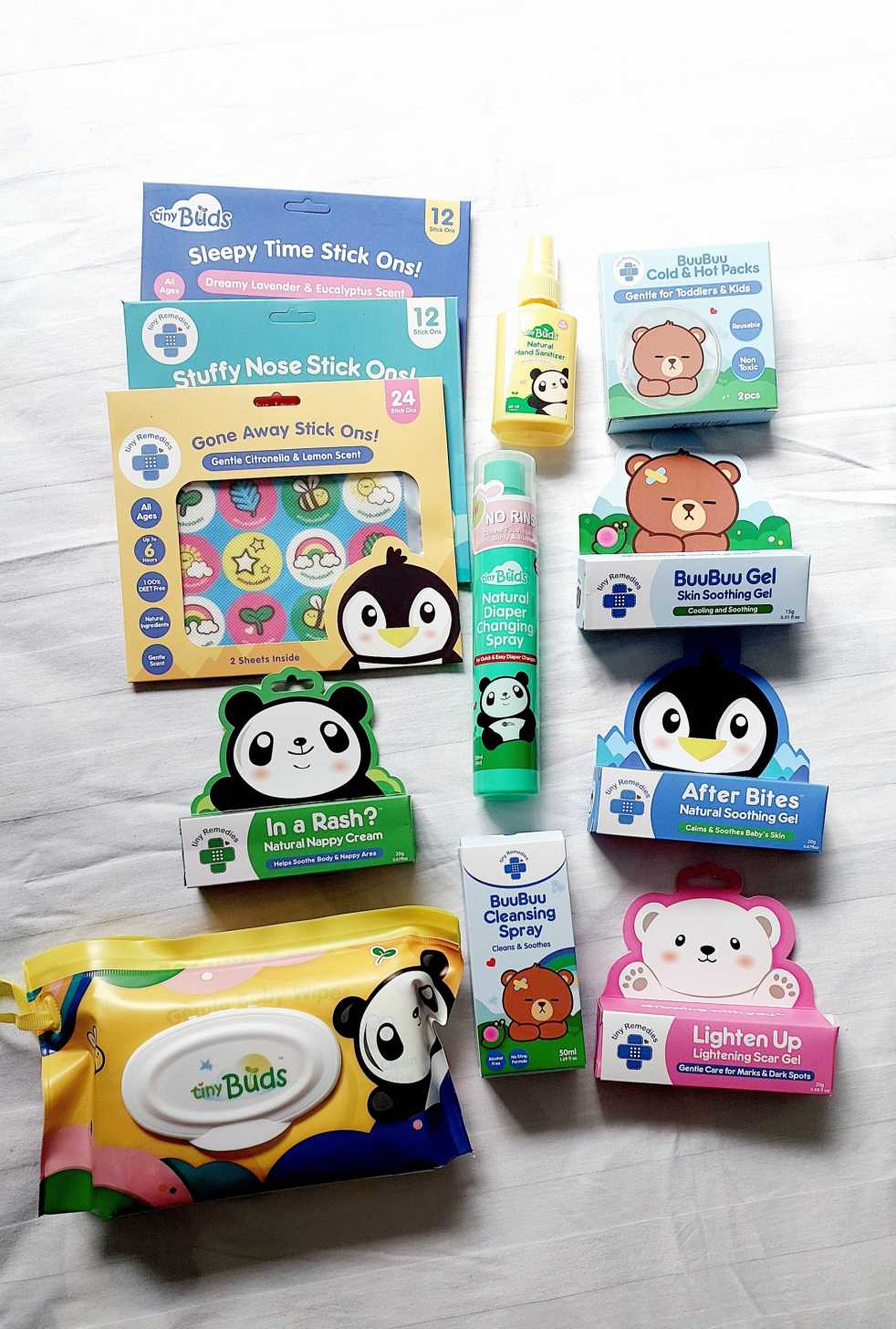
Your baby’s skin is more delicate than most, this is why you have to choose products that are designed for sensitive skin. Tiny Buds is a pioneer in integrating natural ingredients into baby care and today has over 50 innovative natural baby care essentials and is one of the Top Baby Personal Care brands. Here… Continue reading Product Review: Tiny Buds Baby Naturals Baby Essentials
Where your child goes to school is a big decision and shouldn’t be taken lightly. Given how their education can impact their future, you might be tempted to take control and decide for them. However, you might be doing more damage than helping them in the long run. Your job as parents is to support… Continue reading HOW TO CHOOSE THE BEST SCHOOL FOR YOUR CHILD
As poet and philosopher Rumi once eloquently said, “raise your words, not your voice. It is rain that grows flowers, not thunder.” Parenting is a challenging journey, and the truth is that nobody has everything figured out. One parenting style might suit others best, and some might favor other methods. However, children respond better to… Continue reading A SIMPLE GUIDE TO GENTLE PARENTING

Whether you’re a new mom to be, mom of a toddler, mom who have school-aged kids, you’re bound to have so many questions. Let's start with your baby's skin. Infant skin has unique needs; gentle care is essential to prevent damage to the skin barrier, which can lead to irritation. When caring for infant skin,… Continue reading Keeping Baby’s Diapered Skin Healthy
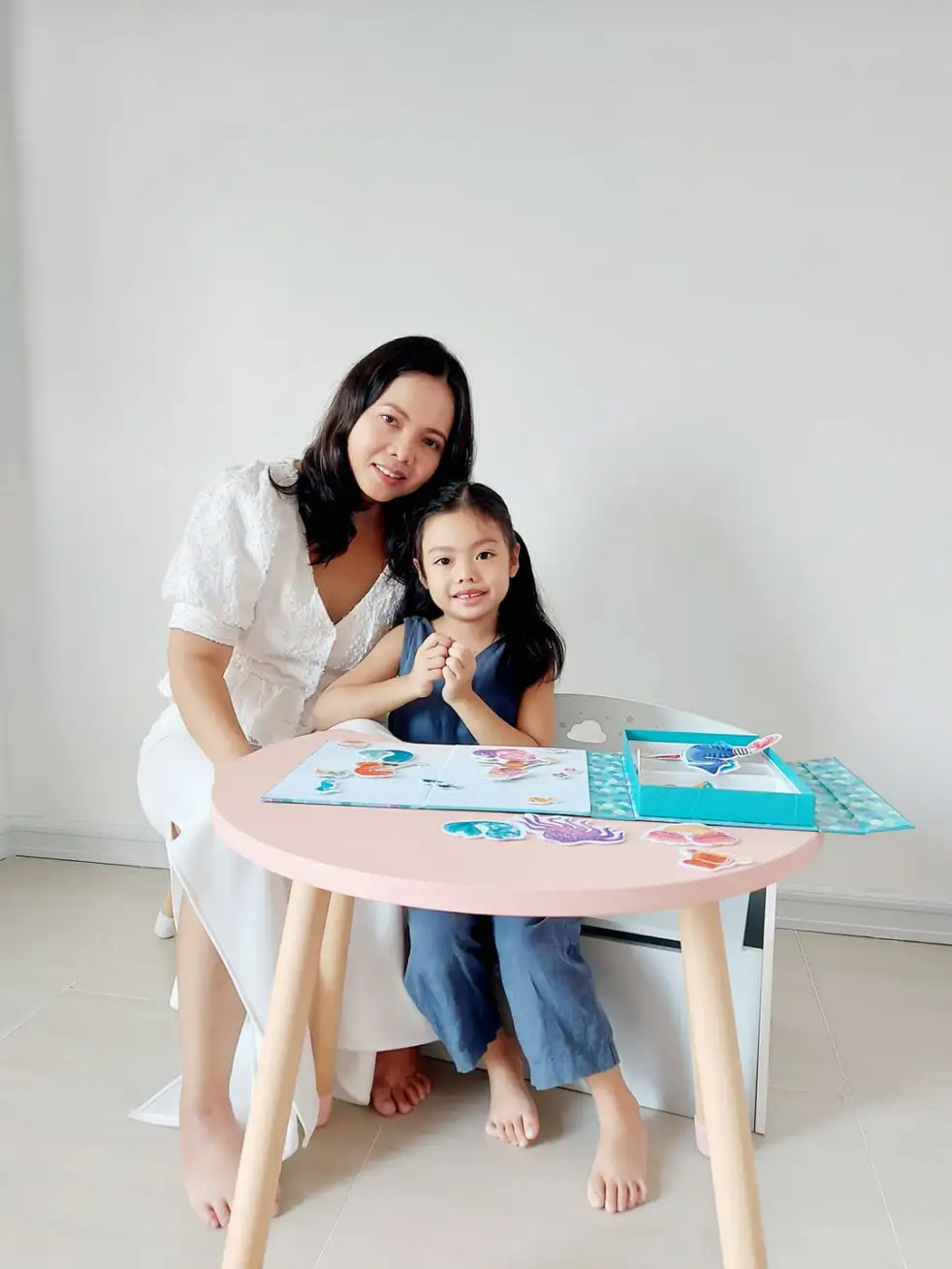
As parents, we want to give our child the best possible start in life and that begins with nurturing their intelligence. Throughout history, the notion of success has been linked to academic intelligence. However, there has been an increased awareness on the importance of emotional intelligence. This question gets at the heart of the never-ending… Continue reading IQ or EQ, which one is a better predictor of your child’s success?
 wondermomma.net