

Last August, IKEA Philippines engaged with Better World Smokey Mountain, a newly opened community center operated by the San Miguel Foundation, which shares a similar goal of improving the lives of many Filipino people. Through this partnership, IKEA Philippines provided and assembled home furnishings for the classrooms and library of Better World Smokey Mountain community… Continue reading Help Create a Better World with IKEA Soft Toys

NutriAsia, the country’s top producer of condiments and sauces, continues its support of Refill Revolution; a project by the Department of Environment and Natural Resources EMB 3 that aims to help reduce Filipinos’ single-use plastics consumption. At Refill Revolution, residents get to recycle their single-use plastic bottles by reusing and filling it with their choice… Continue reading NutriAsia and DENR renews partnership for Refill Revolution

How to Talk to Kids About the Death of a Pet
The death of a pet can be a child’s first close experience of grief. Dogs, cats, rabbits, birds and guinea pigs are part of daily family life, so their absence may be felt at breakfast, bedtime, school drop-off and every familiar moment in between. Children may understand that a pet has died while still expecting to see it walk through the door.
A calm, honest conversation helps children feel safe. They need simple information, permission to mourn and reassurance that the adults around them can handle their feelings. The right words will vary according to age, temperament, family beliefs and the circumstances of the animal’s death.
There is no single correct way to respond. A child in Sydney may want to draw pictures of a much-loved dog, while a child in regional Queensland may prefer helping in the garden where the pet used to play. Gentle support allows each child to grieve in a way that feels natural to them.
| Child’s stage | What they may understand | Helpful approach |
|---|---|---|
| Toddlers and preschoolers | Death may seem temporary or reversible | Use short, literal explanations and repeat them patiently |
| Primary school children | They can understand that the body has stopped working | Explain what happened without unnecessary medical detail |
| Older children | They may ask about illness, ageing and mortality | Answer honestly, acknowledge uncertainty and invite discussion |
| Neurodivergent children | Abstract language or sudden changes may be especially difficult | Use visual schedules, concrete words and extra processing time |
Prepare For A Calm, Honest Conversation
Choose a quiet time when you do not need to rush to school, work or an appointment. Sit at the child’s level and tell them what has happened directly: “Max’s body stopped working today, and he died.” The words “died” and “dead” are clearer than phrases such as “went to sleep” or “went away”.
Euphemisms can create new fears. A child who hears that a cat was “put to sleep” may become anxious about going to bed, while “we lost the dog” may sound as though the animal could still be found. You can use gentle language alongside clear language: “We are very sad because Bella died. She cannot feel pain or come back, but we will always remember her.”
Give only the information the child needs at that moment. If the pet was euthanised after a serious illness, explain that the vet gave medicine to stop suffering and that the decision was made to provide comfort. In Australia, many families use a local veterinary clinic for this process, and children may benefit from knowing that a trained vet was helping.
Use Words That Match Their Age
Young children often ask the same question many times. Repetition is part of making sense of a permanent change, rather than a sign that they were not listening. Answer briefly and consistently, then offer physical comfort or a familiar activity.
Primary school children may wonder whether they caused the death, whether another pet will die soon or whether they themselves could die. Reassure them plainly: “Nothing you said or did made this happen.” If the pet died from old age or illness, explain that different bodies cope with sickness in different ways.
Older children may look for detailed information online or talk with friends before speaking to a parent. Be ready for practical questions about cremation, burial, the body or what happens after death. Family beliefs can be shared as beliefs, while biological facts should remain clear. A child does not need to accept one particular spiritual explanation to feel supported.
Helpful phrases include:
- “You can feel sad, angry, confused or okay.”
- “It is all right to talk about your pet whenever you need to.”
- “The whole family is learning how to live without them.”
- “Your memories of them will stay with you.”
Make Space For Feelings And Memories
Grief does not always look like crying. A child might become clingy, irritable, quiet, restless or unusually cheerful. Some children want to talk constantly, while others return to toys and games soon after hearing the news. These different responses are normal and do not show how much the pet mattered.
Avoid telling children to be brave, move on or stop being upset. Instead, name what you notice: “You seem cross today. I wonder if you are missing Scout.” This gives the child language for a complicated feeling without forcing them to discuss more than they can manage.
Memory-making can provide a gentle way to express love. A child might make a scrapbook, paint a portrait, write a letter, collect favourite photos or plant a native flower. Families in Melbourne or Adelaide may hold a small backyard remembrance, while families in apartments can create a memory box or display a collar and photograph on a shelf.
Parents can also draw on practical parenting resources for ideas about child development, family routines and emotional wellbeing. The aim is not to erase sadness but to give it a safe place within family life.
Keep Familiar Routines Steady
After a pet dies, ordinary routines can feel strangely empty. Keep meals, school, bedtime and weekend activities as predictable as possible. Familiar structure reassures children that the family is still safe and that daily life will gradually become manageable.
Children may need extra support at school. Tell the classroom teacher or school wellbeing coordinator what has happened, especially if the child is distracted, tearful or reluctant to participate. Australian schools often have wellbeing staff who can provide a quiet place or a short check-in during the day.
Small practical changes should be explained before they happen. If the food bowls, bed or litter tray will be packed away, involve the child where appropriate and allow time to say goodbye. Avoid rushing to replace the pet. A new animal is a different relationship, not a way to cancel grief.
Useful ways to support everyday adjustment include:
- Keeping a regular bedtime and morning routine
- Letting the child carry a comfort item to school
- Telling trusted adults what support may be needed
- Taking gentle walks without pretending the loss has not happened
Include Children In A Meaningful Goodbye
A farewell ceremony can help children understand that the relationship mattered. It may be as simple as sharing favourite stories, lighting a candle with adult supervision, listening to a meaningful song or placing drawings beside a photograph. Let the child choose whether to participate and avoid presenting one ritual as the only proper response.
Burial and cremation arrangements vary across Australia. Local council rules may apply to backyard burial, particularly in urban areas, and some families choose a veterinary cremation service instead. Ask the vet to explain the available options in straightforward terms. If the family chooses a communal cremation, the child can still create a separate memorial.
Be careful with images and details if the pet died suddenly or in a distressing way. Children generally benefit more from seeing a favourite photograph than from seeing the body after a traumatic accident. An adult can decide what is emotionally appropriate while respecting the child’s wish to say goodbye.
A farewell can happen later, too. Families move, travel and manage busy schedules, and the first days may feel overwhelming. A beach walk near Perth, a visit to a favourite park in Brisbane or a quiet moment beside a garden can become a meaningful tribute when everyone is ready.
Watch For Ongoing Distress
Most children gradually adjust with support, though grief may return around birthdays, holidays, school projects or the anniversary of the death. A child who seemed fine may suddenly cry months later after seeing a similar dog. Respond with patience rather than assuming they have gone backwards.
Seek professional guidance if distress is intense, lasts for an extended period or interferes with sleep, eating, school attendance, friendships or ordinary play. Signs may include persistent guilt, severe anxiety, repeated nightmares, withdrawal, aggressive behaviour or constant fear that another loved one will die.
A GP can discuss emotional and physical changes and recommend appropriate services. In Australia, families may also speak with a school counsellor, a child psychologist or a recognised grief support service. If a child talks about wanting to die or hurt themselves, treat it as urgent and seek immediate help through emergency services or a crisis support provider.
Adults need care as well. Children often take emotional cues from parents, so it is healthy to say, “I am crying because I miss her, and I am safe.” Sharing grief honestly, while continuing to provide reassurance and dependable care, teaches children that love can remain meaningful after a pet’s life has ended.

Mercato Centrale, in collaboration with Indian Women in Enterprise Philippines (I-We), is set to host "The Great Indian Fiesta" to mark 75 years of friendship between India and the Philippines. The dynamic two-day event is scheduled to take place on September 30 to October 1, 2023, at Paseo De Roxas Street, Makati City. Aiming to… Continue reading Mercato Centrale Partners with I-We to Host ‘The Great Indian Fiesta’, Commemorating 75 Years of India-Philippines Friendship

My stomach would usually start growling at 10 am even after taking a big breakfast. This is probably because I am a morning person and I move a lot throughout the day hence snacking is something that I can't avoid. This potatoes and chicken wrap recipe is easy to prepare and would keep me full… Continue reading Potato and Chicken Wrap
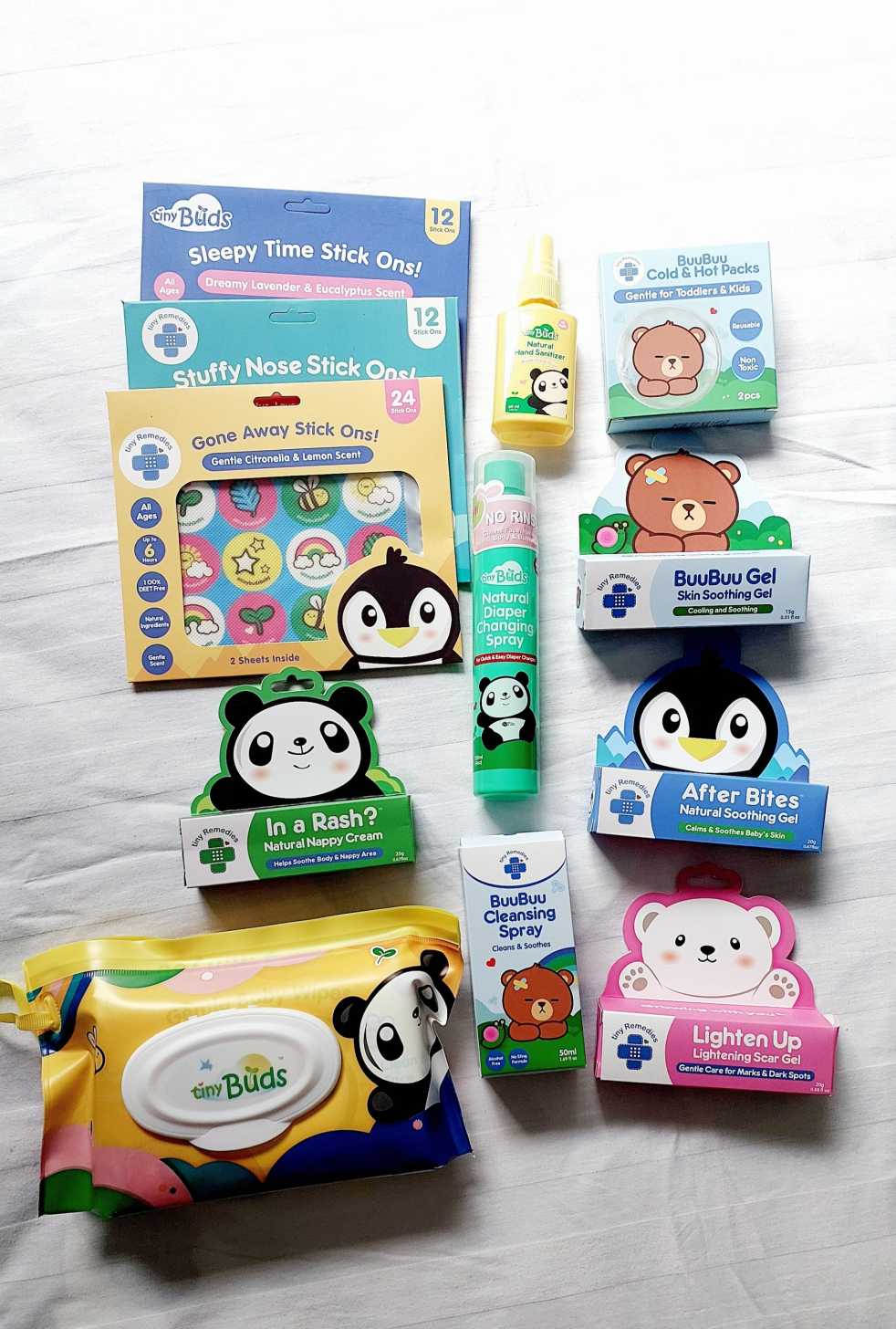
Your baby’s skin is more delicate than most, this is why you have to choose products that are designed for sensitive skin. Tiny Buds is a pioneer in integrating natural ingredients into baby care and today has over 50 innovative natural baby care essentials and is one of the Top Baby Personal Care brands. Here… Continue reading Product Review: Tiny Buds Baby Naturals Baby Essentials
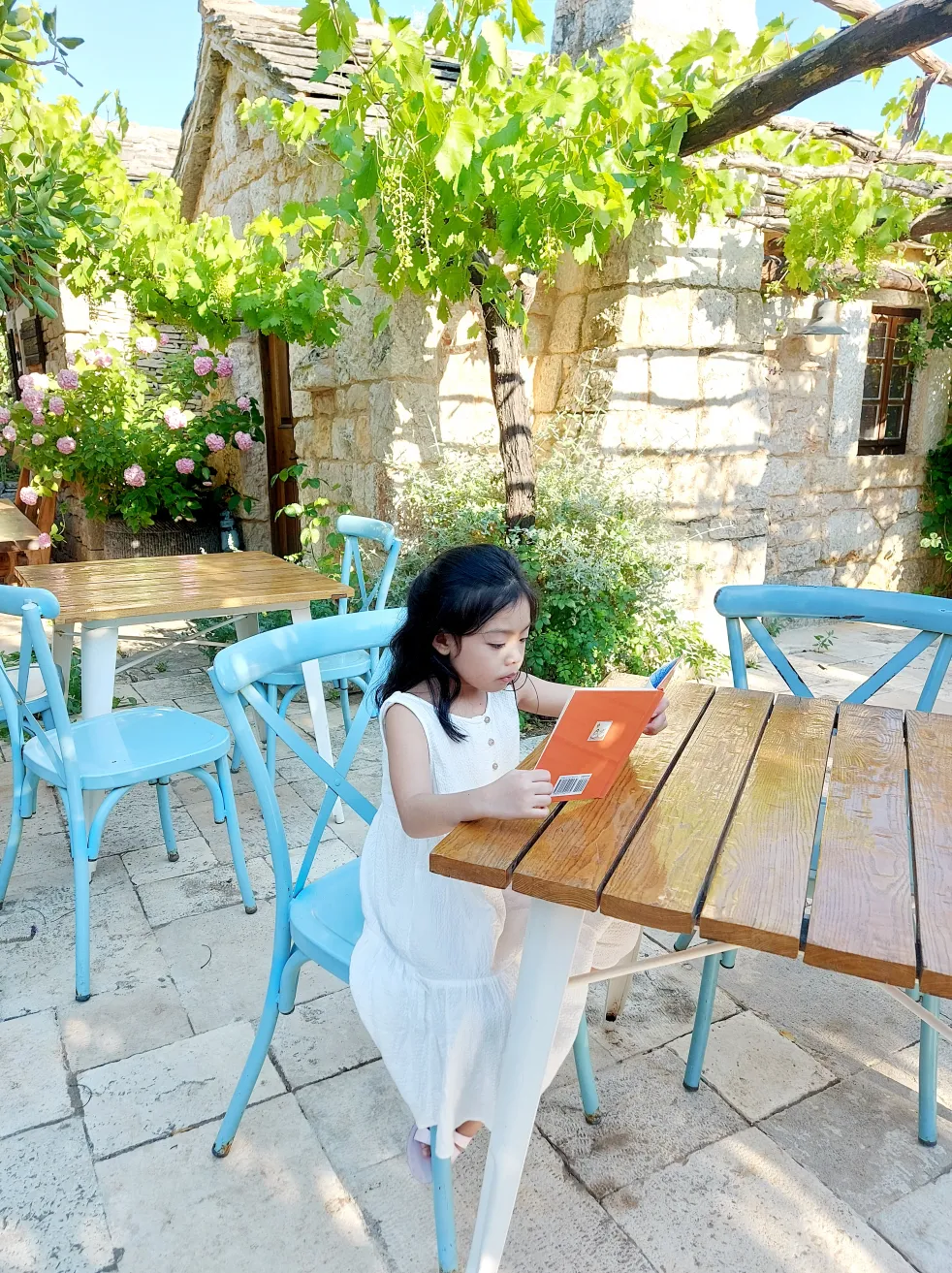
Where your child goes to school is a big decision and shouldn’t be taken lightly. Given how their education can impact their future, you might be tempted to take control and decide for them. However, you might be doing more damage than helping them in the long run. Your job as parents is to support… Continue reading HOW TO CHOOSE THE BEST SCHOOL FOR YOUR CHILD
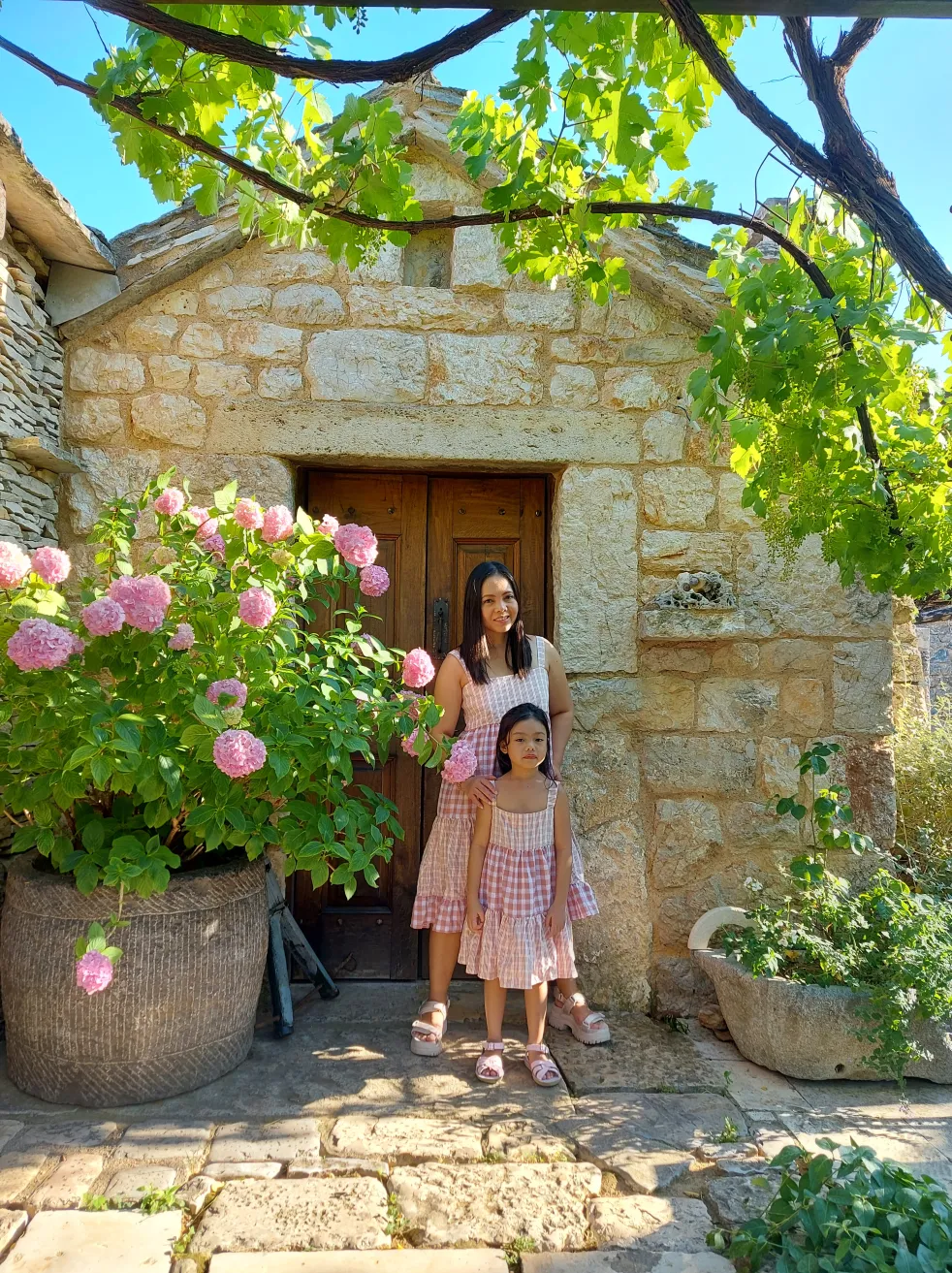
As poet and philosopher Rumi once eloquently said, “raise your words, not your voice. It is rain that grows flowers, not thunder.” Parenting is a challenging journey, and the truth is that nobody has everything figured out. One parenting style might suit others best, and some might favor other methods. However, children respond better to… Continue reading A SIMPLE GUIDE TO GENTLE PARENTING

Whether you’re a new mom to be, mom of a toddler, mom who have school-aged kids, you’re bound to have so many questions. Let's start with your baby's skin. Infant skin has unique needs; gentle care is essential to prevent damage to the skin barrier, which can lead to irritation. When caring for infant skin,… Continue reading Keeping Baby’s Diapered Skin Healthy
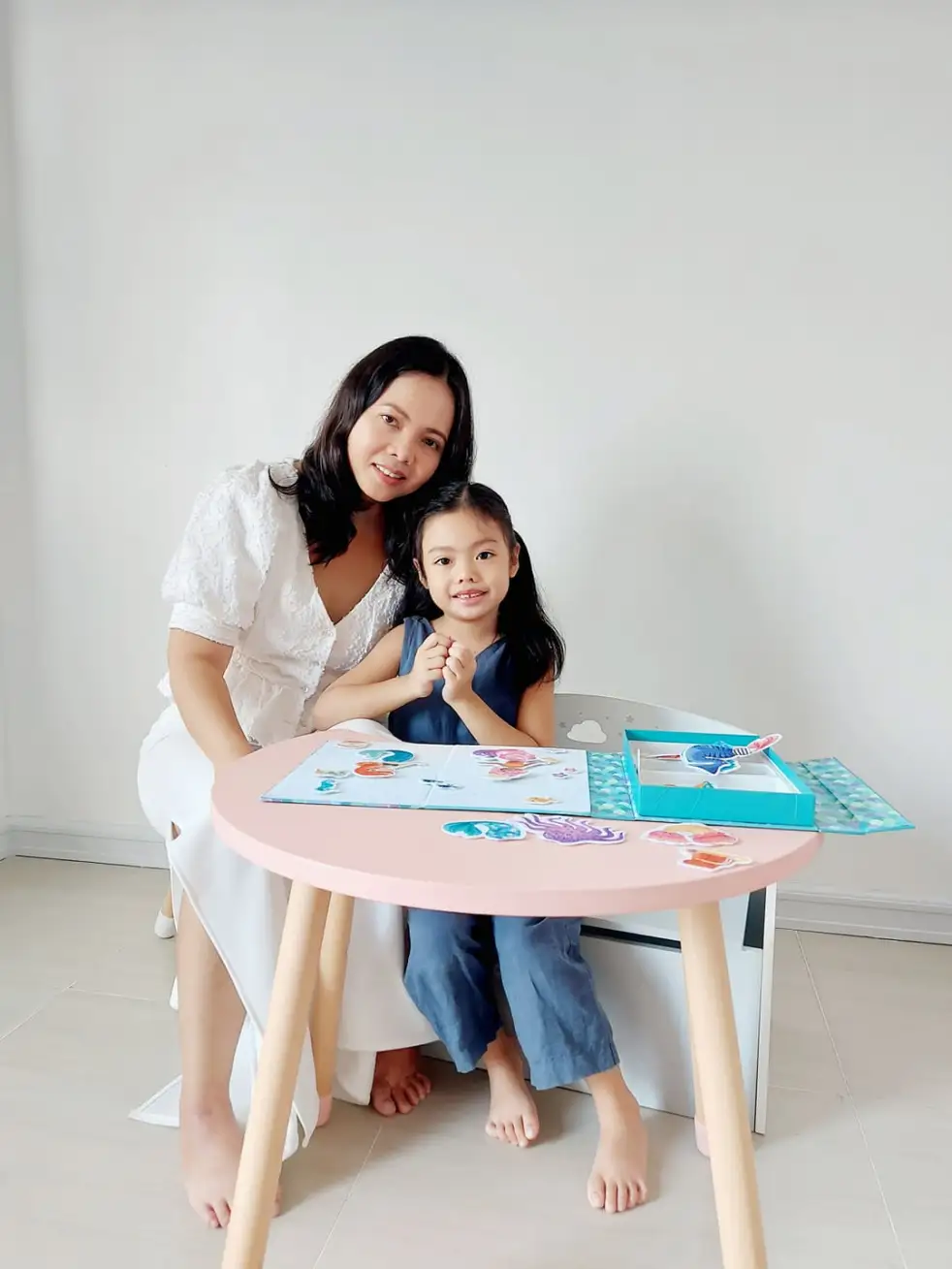
As parents, we want to give our child the best possible start in life and that begins with nurturing their intelligence. Throughout history, the notion of success has been linked to academic intelligence. However, there has been an increased awareness on the importance of emotional intelligence. This question gets at the heart of the never-ending… Continue reading IQ or EQ, which one is a better predictor of your child’s success?
 wondermomma.net