

Last August, IKEA Philippines engaged with Better World Smokey Mountain, a newly opened community center operated by the San Miguel Foundation, which shares a similar goal of improving the lives of many Filipino people. Through this partnership, IKEA Philippines provided and assembled home furnishings for the classrooms and library of Better World Smokey Mountain community… Continue reading Help Create a Better World with IKEA Soft Toys
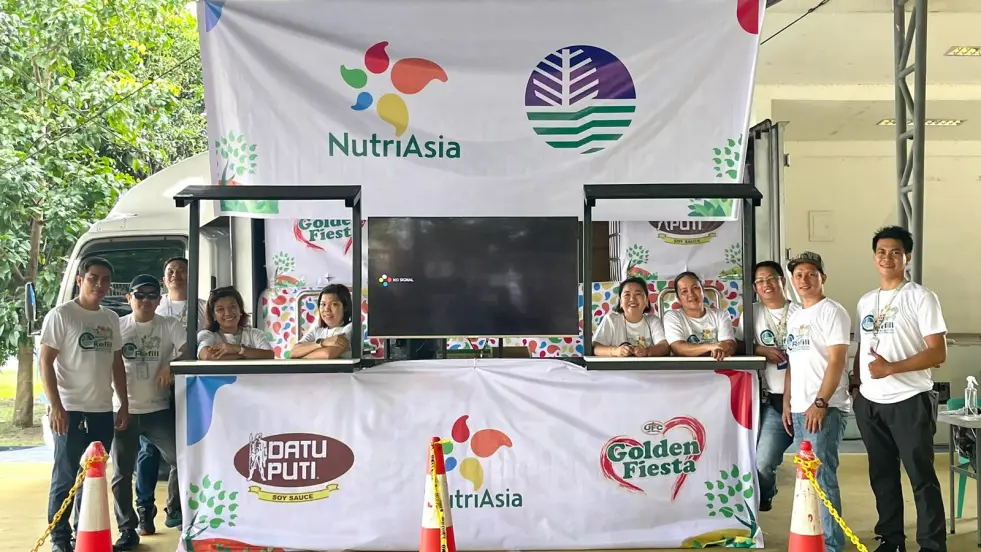
NutriAsia, the country’s top producer of condiments and sauces, continues its support of Refill Revolution; a project by the Department of Environment and Natural Resources EMB 3 that aims to help reduce Filipinos’ single-use plastics consumption. At Refill Revolution, residents get to recycle their single-use plastic bottles by reusing and filling it with their choice… Continue reading NutriAsia and DENR renews partnership for Refill Revolution

How Singing Helps Build Your Child’s Speech Skills
Singing is one of the simplest ways to encourage early communication at home. Babies and toddlers are drawn to a familiar voice, a steady beat and the playful repetition of a favourite song. Long before children can pronounce every word, they are listening to sounds, watching facial expressions and learning how conversation works.
A song gives children a gentle structure for practising speech and language. The melody slows phrases down, repeated lyrics make new words easier to remember, and pauses create opportunities for your child to respond. Singing can support babbling, vocabulary, pronunciation, turn-taking and confidence without making practice feel like a lesson.
Families in Australia can use songs throughout an ordinary day, whether they are travelling on a Sydney bus, preparing breakfast in Melbourne or attending rhyme time at a local library. The activity costs nothing, works in small spaces and can include English, Auslan or a family’s home language.
Why music supports early communication
Songs highlight the rhythm and pitch of spoken language. Children begin to notice that words contain smaller sound patterns, that some syllables are stressed and that phrases have an ending. This awareness supports later speech clarity and early literacy.
Repetition is especially valuable. Hearing “row, row, row” or “round and round” several times allows a child to anticipate the next sound. They may first join in with a hum, then a final syllable, and eventually a whole word. These small attempts are meaningful steps in expressive language development.
Singing also creates a responsive interaction. When an adult pauses before a familiar word, the child has space to make a sound, gesture or facial expression. Respond warmly to every attempt rather than correcting pronunciation immediately. The goal is shared communication and enjoyment.
Choosing songs that invite participation
The best songs for speech practice are short, predictable and easy to repeat. Action songs such as “Heads, Shoulders, Knees and Toes”, “The Wheels on the Bus” and “If You’re Happy and You Know It” combine words with movement, helping children connect language to meaning.
Songs with animal sounds, counting or body parts are useful for growing vocabulary. You can stretch out a sound in “moo”, “baa” or “beep”, then wait for your child to copy it. These playful sounds are often easier for a young child than longer words and can build confidence with vocal imitation.
Choose songs that match your child’s interests. A toddler who loves trucks may enjoy a made-up verse about a fire engine, while an older preschooler may prefer rhymes about dinosaurs or space. Australian families can also draw on familiar songs from ABC Kids, playgroup sessions and community library programs.
Turn everyday routines into singing time
A routine song can make ordinary moments predictable. Try a gentle tune while washing hands, packing a childcare bag, putting on sunscreen or walking to the park. Repeated language linked to an action gives your child a clear reason to listen and use particular words.
Keep the lyrics flexible. Instead of singing the same verse every time, add your child’s name, clothing colour or current activity. “Toby is putting on his red hat” gives a natural model for names, verbs, colours and sentence structure.
Pause often. Sing “This is the way we brush our…” and let your child fill in “teeth”. If they do not answer, complete the phrase yourself and continue cheerfully. A pause should feel like an invitation, not a test. Families looking for more practical ideas about home learning and family routines can explore these parenting resources.
Add movement, gestures and objects
Actions help children understand words before they can say them. Point to body parts, pretend to drive a bus, clap the beat or lift a toy animal when its sound appears in the song. Physical cues give children another way to participate if speech is still developing.
Use real objects when possible. A spoon, teddy, ball or toy car can make a song more engaging and provide opportunities for simple phrases such as “big ball”, “go car” or “more music”. Follow your child’s attention instead of directing every move.
Face your child so they can watch your mouth and expressions. This is useful when singing slowly and clearly, particularly for words with visible mouth movements such as “pop”, “bye” and “more”. Avoid exaggerating every sound or demanding eye contact; a comfortable, relaxed interaction is more supportive.
Keep a small singing kit nearby
- A few board books with rhymes or repeated phrases
- Shakers, scarves or safe household objects
- Photos of family members for personalised songs
- A playlist of calm, lively and action-based music
Make space for family languages
A child can learn through singing in more than one language. If your family speaks Mandarin, Arabic, Hindi, Tagalog, Vietnamese or another language at home, use those songs freely. A strong home language gives children rich opportunities to understand stories, express needs and connect with family members.
You do not need to translate every lyric word for word. Singing a familiar song in two languages can draw attention to different sounds and sentence patterns. You might sing the first verse in English and the next in a home language, or use a family lullaby at bedtime.
For multilingual children, allow responses in any language. Mixing languages can be a normal part of communication as children develop. Share useful information about the languages your child hears with educators, child and family health nurses or a speech pathologist so their communication can be understood in context.
Follow your child’s pace
Speech development varies widely. Some children sing entire lines before they use many conversational words, while others communicate through gestures, sounds and movement for longer. Notice progress over time, such as more varied babbling, new gestures, longer attention or an increased willingness to take a turn.
If a child becomes frustrated, reduce the demand. Hum the tune, offer an action or let them listen while you sing. A quiet child may be participating by watching, smiling or moving to the beat. These responses still show engagement.
Families in Australia can speak with a maternal and child health nurse, GP or early childhood educator if they have concerns. In many areas, community health services and local councils provide child development checks, while a speech pathologist can assess communication skills and suggest individual strategies. Seek advice if your child loses skills, seems unable to hear, is very hard to understand for their age or is not progressing in communication.
Notice these useful signs
- Your child copies a sound, action or final word
- They wait for a familiar pause in a song
- They use gestures to request another verse
- They show growing interest in books, rhymes or conversation
Adjust singing for different ages
Babies benefit from face-to-face singing, gentle rocking and repeated vowel sounds. Keep songs slow and expressive, and stop when your baby looks away or becomes overstimulated. Simple vocal play such as “la-la”, humming and “ba-ba” can encourage turn-taking.
Toddlers often enjoy songs with choices and predictable endings. Offer two options, such as “bus song or animal song”, and model short phrases. Let them decide the action, insert their name into the lyrics or take the role of ringing the bell.
Preschoolers can help invent verses, clap syllables and change the tempo. Ask them to create a song about a trip to the beach, a visit to grandparents or a rainy afternoon. This encourages storytelling, descriptive vocabulary and flexible thinking.
| Age or stage | Singing idea | Communication skill |
|---|---|---|
| Babies | Repeat a short lullaby with pauses | Listening and vocal turn-taking |
| Toddlers | Use action songs and fill-in-the-blank lyrics | Vocabulary and imitation |
| Younger preschoolers | Add names, objects and simple choices | Phrases and expressive language |
| Older preschoolers | Invent verses and retell events in song | Storytelling and sentence structure |
Build a relaxed weekly rhythm
Speech-supportive singing does not need a formal schedule. A few minutes at predictable points can be more effective than a long session that leaves everyone tired. Try one song during breakfast, an action rhyme after childcare and a quiet lullaby before bed.
Repeat favourites for several days, then introduce one new song. Familiar songs help children practise, while new ones expose them to fresh vocabulary. Keep background music low enough for your child to hear your voice clearly, especially in a busy home or during a car trip.
At the end of the week, notice which songs encouraged the most interaction. A child may prefer silly sound effects, movement, a slow tune or a song featuring their name. Use those preferences to create more opportunities for communication in ways that feel warm, playful and achievable.

Mercato Centrale, in collaboration with Indian Women in Enterprise Philippines (I-We), is set to host "The Great Indian Fiesta" to mark 75 years of friendship between India and the Philippines. The dynamic two-day event is scheduled to take place on September 30 to October 1, 2023, at Paseo De Roxas Street, Makati City. Aiming to… Continue reading Mercato Centrale Partners with I-We to Host ‘The Great Indian Fiesta’, Commemorating 75 Years of India-Philippines Friendship

My stomach would usually start growling at 10 am even after taking a big breakfast. This is probably because I am a morning person and I move a lot throughout the day hence snacking is something that I can't avoid. This potatoes and chicken wrap recipe is easy to prepare and would keep me full… Continue reading Potato and Chicken Wrap
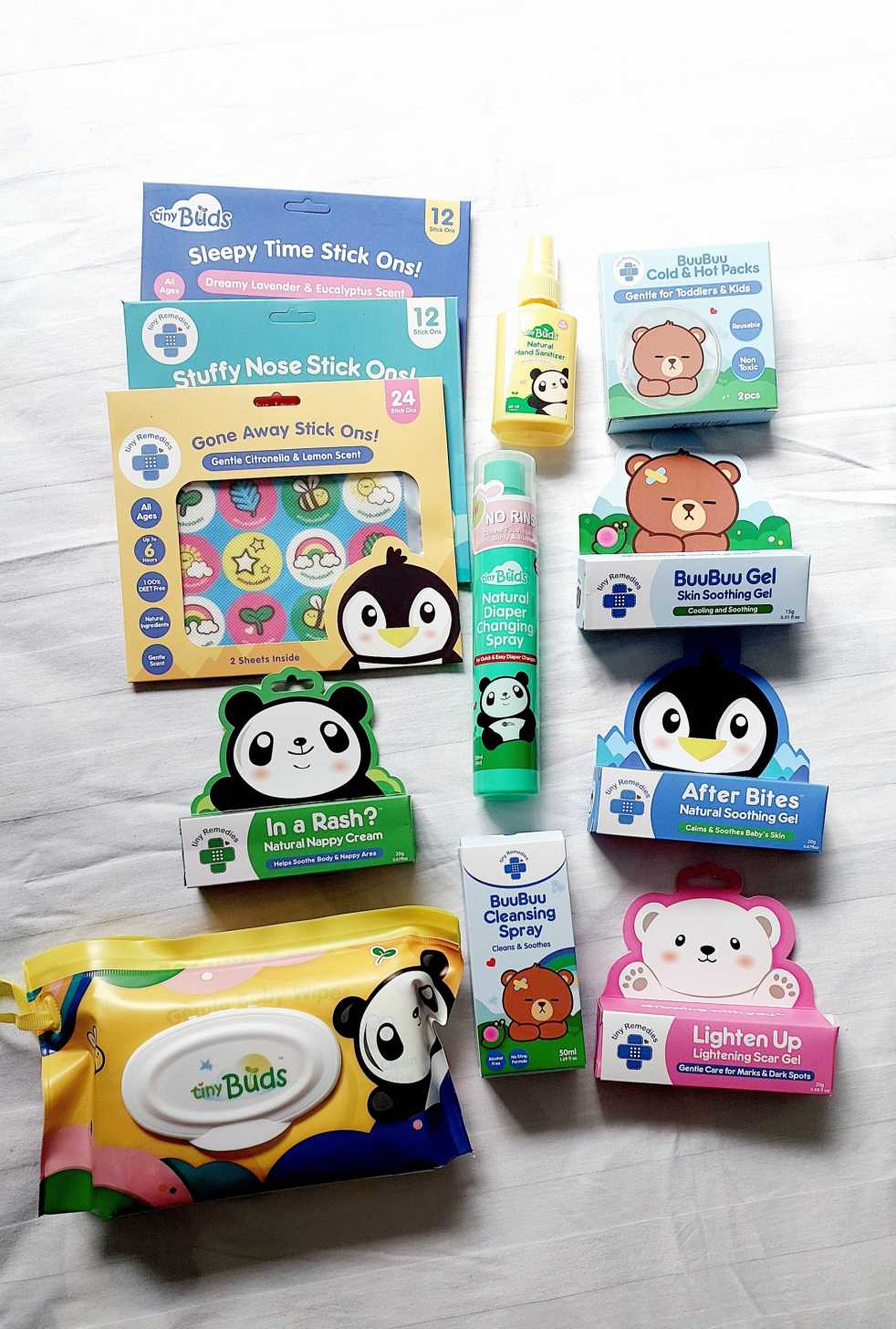
Your baby’s skin is more delicate than most, this is why you have to choose products that are designed for sensitive skin. Tiny Buds is a pioneer in integrating natural ingredients into baby care and today has over 50 innovative natural baby care essentials and is one of the Top Baby Personal Care brands. Here… Continue reading Product Review: Tiny Buds Baby Naturals Baby Essentials
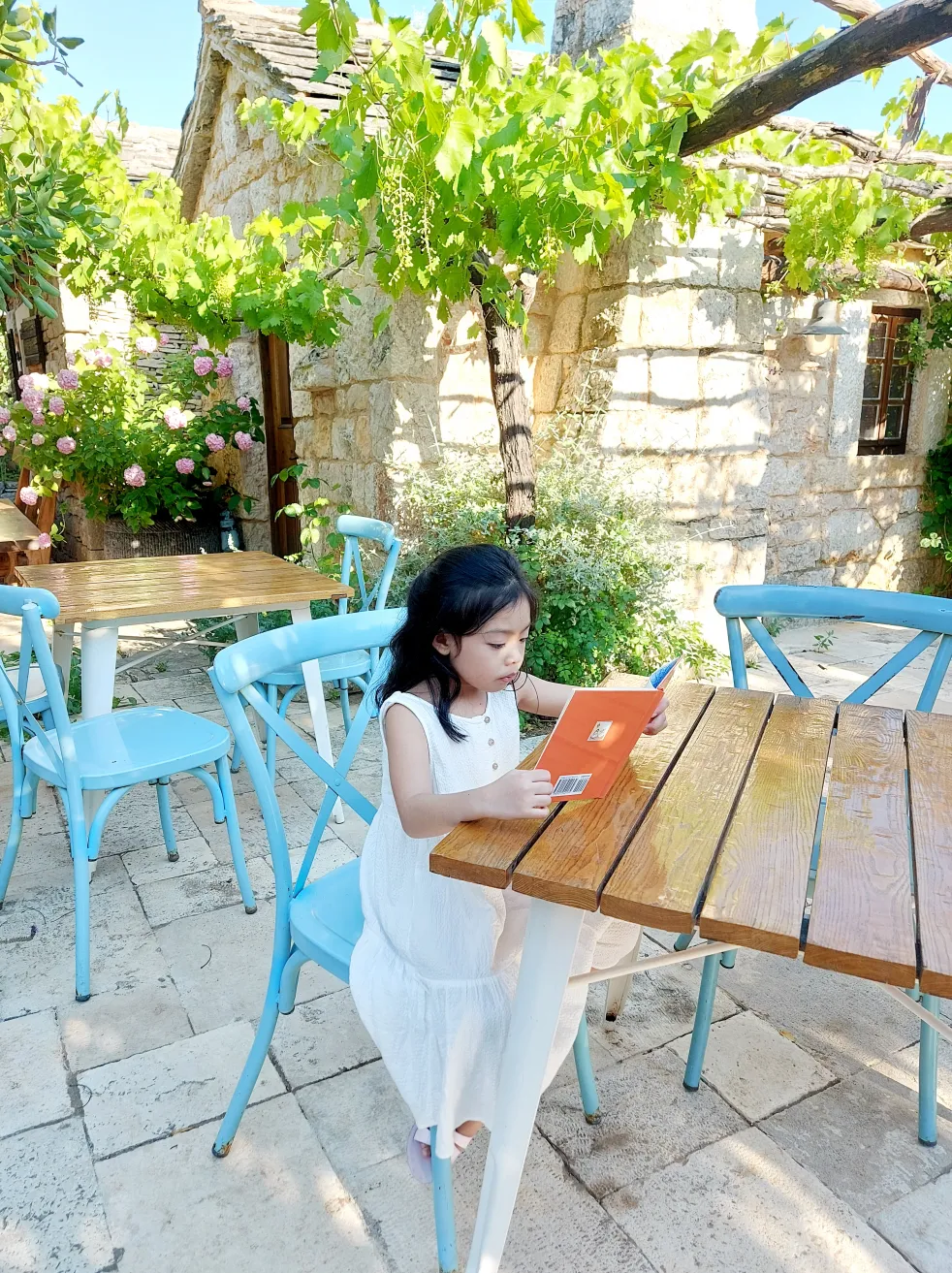
Where your child goes to school is a big decision and shouldn’t be taken lightly. Given how their education can impact their future, you might be tempted to take control and decide for them. However, you might be doing more damage than helping them in the long run. Your job as parents is to support… Continue reading HOW TO CHOOSE THE BEST SCHOOL FOR YOUR CHILD
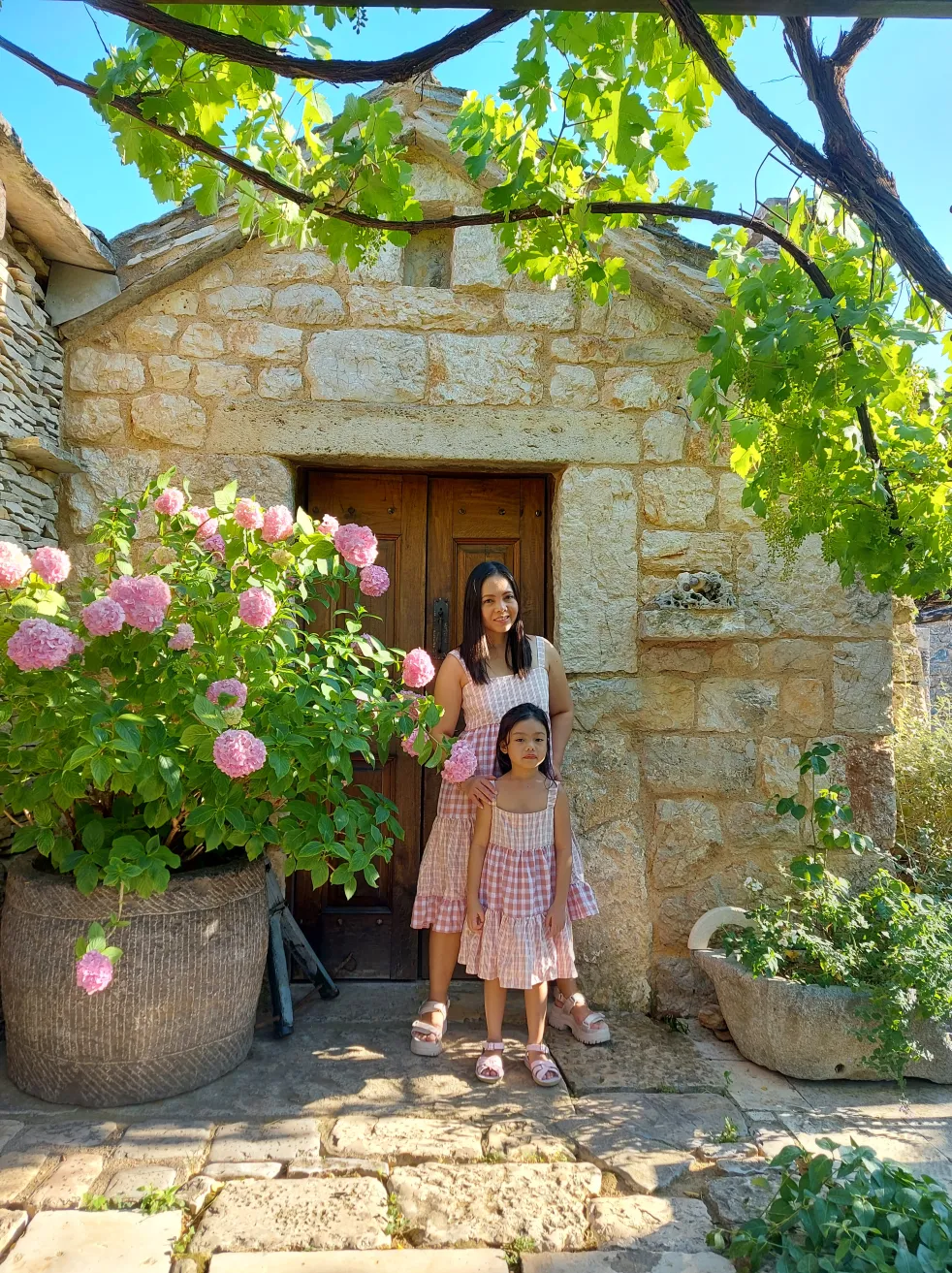
As poet and philosopher Rumi once eloquently said, “raise your words, not your voice. It is rain that grows flowers, not thunder.” Parenting is a challenging journey, and the truth is that nobody has everything figured out. One parenting style might suit others best, and some might favor other methods. However, children respond better to… Continue reading A SIMPLE GUIDE TO GENTLE PARENTING

Whether you’re a new mom to be, mom of a toddler, mom who have school-aged kids, you’re bound to have so many questions. Let's start with your baby's skin. Infant skin has unique needs; gentle care is essential to prevent damage to the skin barrier, which can lead to irritation. When caring for infant skin,… Continue reading Keeping Baby’s Diapered Skin Healthy
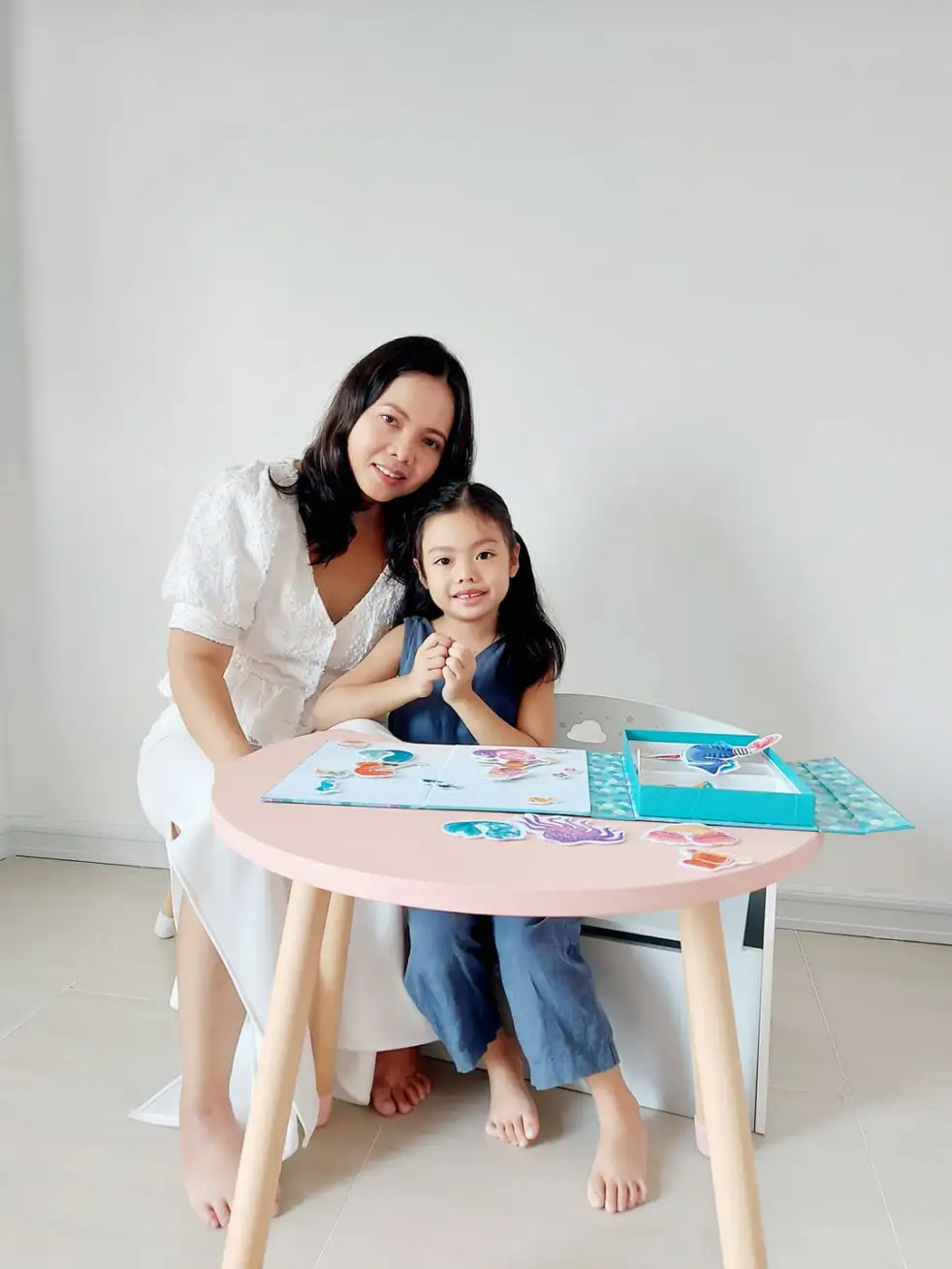
As parents, we want to give our child the best possible start in life and that begins with nurturing their intelligence. Throughout history, the notion of success has been linked to academic intelligence. However, there has been an increased awareness on the importance of emotional intelligence. This question gets at the heart of the never-ending… Continue reading IQ or EQ, which one is a better predictor of your child’s success?
 wondermomma.net