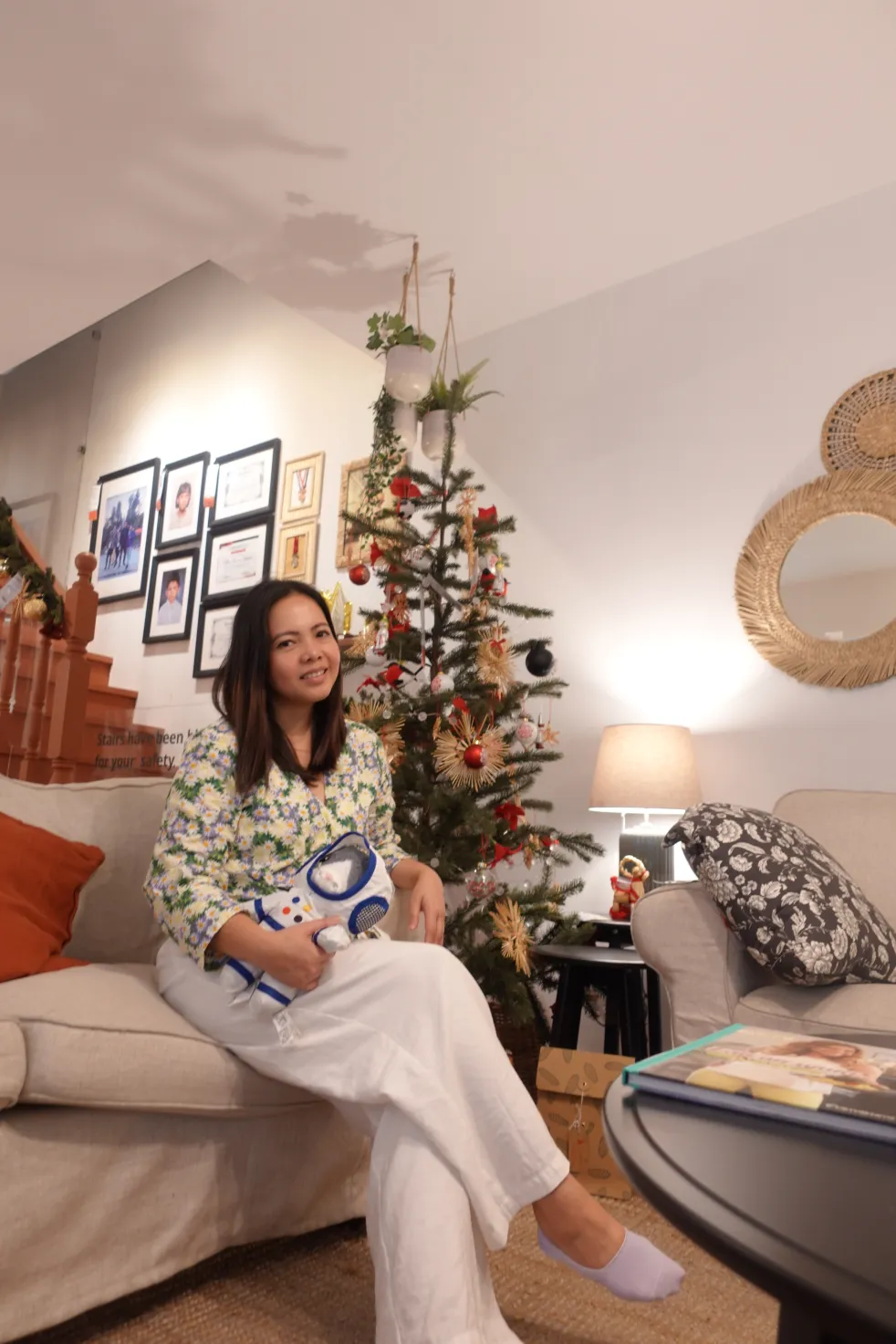
Last August, IKEA Philippines engaged with Better World Smokey Mountain, a newly opened community center operated by the San Miguel Foundation, which shares a similar goal of improving the lives of many Filipino people. Through this partnership, IKEA Philippines provided and assembled home furnishings for the classrooms and library of Better World Smokey Mountain community… Continue reading Help Create a Better World with IKEA Soft Toys
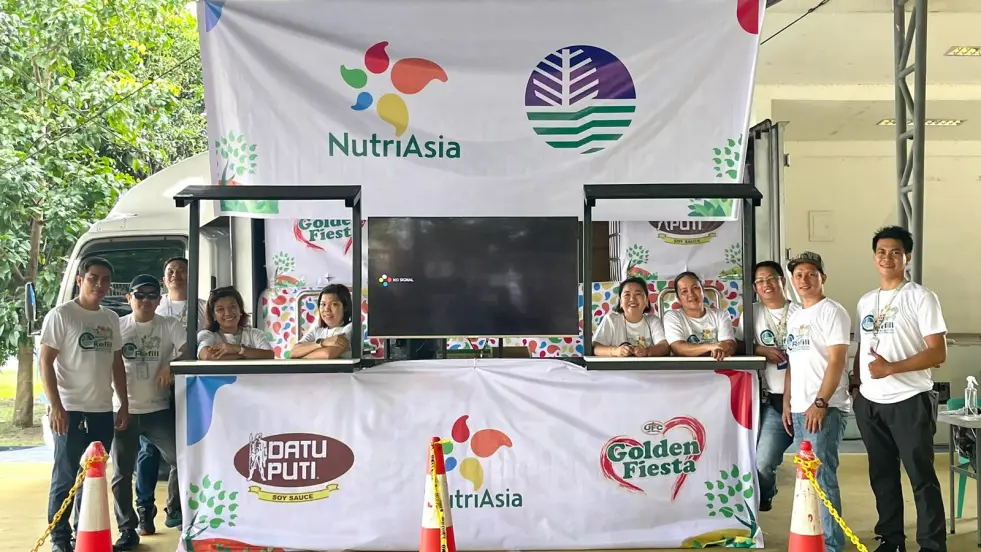
NutriAsia, the country’s top producer of condiments and sauces, continues its support of Refill Revolution; a project by the Department of Environment and Natural Resources EMB 3 that aims to help reduce Filipinos’ single-use plastics consumption. At Refill Revolution, residents get to recycle their single-use plastic bottles by reusing and filling it with their choice… Continue reading NutriAsia and DENR renews partnership for Refill Revolution

Supporting Your Child's Speech Development at Home
Being a parent often means marvelling at every small leap your child makes, from the first smile to that very first proper sentence. Across Australia, families value raising confident communicators, and language development comes up often at playgroups in Brisbane, school gates in Adelaide, and toddler music sessions in Perth. While every child follows their own timeline, there are countless gentle ways to nurture their skills without turning the lounge room into a classroom.
Aussie parents tend to favour a balanced approach that blends play, conversation, and the occasional structured activity. Speech pathologists in the Australian healthcare system often emphasise that the most powerful learning happens during ordinary moments, from bath time to a walk to the local park or a trip to Coles. Creating a language-rich home does not require expensive toys or hours of planning. It is about being present, slowing down, and tuning into what your child is trying to express.
Many mums and dads feel uncertain about whether their toddler is keeping up, particularly when comparing notes at kindy drop-off. Knowing what is typical for each age, and when to seek guidance, can ease a lot of that worry. This guide walks through practical strategies you can weave into daily life, alongside reassurance about support networks available throughout the country.
If you are after a broader collection of gentle parenting resources and family-friendly recommendations, you will find plenty at wondermomma.net.
Understanding Typical Speech Milestones
By around twelve months, most Aussie bubs are babbling with intent, perhaps saying "mum" or "dad" and responding to their name. By two years, many children combine two words, such as "more milk" or "daddy go", and follow simple instructions during play.
From two to three years, vocabulary expands rapidly. You might hear your child name parts of a flower during a visit to the Royal Botanic Gardens, or point out a "big red truck" while stuck in traffic on the M1. By preschool age, sentences become longer and clearer, and those delightful "why" questions begin, leaving you Googling answers at bedtime.
Milestones are guides rather than strict deadlines. Bilingual children may mix languages or hit certain words slightly later, which is generally considered normal. Boys, premmies, and children with chronic ear infections can also progress at a different pace. If something feels off, your local child and family health nurse or GP can offer a Medicare-rebated referral for a speech pathology assessment.
Reading Aloud and Building a Story Routine
Reading aloud is one of the most powerful habits you can build. Australian paediatric speech pathologists recommend daily shared reading from infancy, even when your baby can only chew on the corner of the book. The rhythm of your voice, the repetition of phrases, and pointing at pictures all help wire up early language pathways.
Books with rhyme, repetition, and predictable phrases work wonders. Possum Magic and Where is the Green Sheep? are firm favourites on Aussie bookshelves and naturally invite your child to fill in the blank at the end of a line. Librarians at your local branch, whether the State Library of Victoria or a regional library in Tamworth, often run free Baby Rhyme Time sessions to complement your home routine.
As your child grows, invite them to turn pages, predict what happens next, and chat about the pictures. Ask open-ended questions like "What do you think the kookaburra is doing?" rather than "What colour is the kookaburra?". This builds expressive language and shows stories are a two-way conversation.
Everyday Talk and the Power of Narration
One of the most effective strategies is also the easiest to overlook: simply narrating your day. When you describe what you are doing while making a Vegemite sandwich, hanging out the washing, or driving past the local primary school, you give your child a running commentary of vocabulary in context. Speech pathologists sometimes call this technique "sportscasting".
Slowing down your speech, pausing, and waiting for a response are equally important. It can feel unnatural at first, especially if you are used to filling silences, but a five-second pause after asking a question gives your toddler time to process and reply. Resist the urge to jump in with the answer, and celebrate any attempt, whether it is a word, a sound, or a gesture.
Family meals are another golden opportunity. Turning off the telly and chatting about the day encourages richer conversation than background noise ever could. Children who regularly dine with attentive adults tend to develop broader vocabularies and stronger narrative skills.
Play-Based Activities That Build Words
Play is the natural classroom for young children, and it is where speech really takes flight. Pretend play, in particular, allows kids to experiment with vocabulary, take on different roles, and practise social language. Setting up a little cafe with play food, or a vet surgery with stuffed animals, opens the door to all sorts of new words.
Below is a quick comparison of popular play-based activities and the speech skills they tend to support:
| Activity | Best Age Range | Speech Skills Targeted | Aussie Tip |
|---|---|---|---|
| Pretend tea party with toy cups | 18 months to 3 years | Vocabulary, turn-taking, requests | Use a small kettle and talk about "pouring tea" |
| Dress-ups and role play | 2 to 4 years | Storytelling, descriptive language | Raid the op shop for costumes and old hats |
| Building blocks or train sets | 12 months to 3 years | Following directions, positional words | Talk about "on top", "next to", and "underneath" |
| Sandpit or mud kitchen play | 2 to 5 years | Describing textures, sequencing | Mix water and dirt, then narrate each step |
| Drawing and scribbling together | 18 months to 4 years | Labelling, asking questions | Ask "what are you drawing?" and write their words down |
Rotating these activities through the week keeps things fresh, and following your child's lead matters more than sticking to a schedule. If they want to spend forty minutes lining up toy cars, chat about colours, sizes, and where each one is heading, and you have turned play into a language lesson without anyone noticing.
Songs, Rhymes, and Musical Word Play
Aussie kids grow up surrounded by music, from Wiggles tracks in the lounge room to bush ballad singalongs at community festivals. Songs are brilliant for speech because they slow down language, repeat tricky sounds, and pair words with memorable tunes. Classics like "Kookaburra Sits in the Old Gum Tree" or "Waltzing Matilda" introduce new vocabulary while supporting syllable awareness.
Action songs such as "Head, Shoulders, Knees and Toes" add movement, helping children link words to meaning. You do not need a perfect singing voice; your child is far more interested in your presence than your pitch. Clap along, exaggerate the consonants, and pause before rhyming words so your child can jump in.
Some families explore simple Auslan signs alongside spoken words, especially when a child is a late talker. Many community centres in Queensland and Western Australia run introductory Auslan playgroups. Combining a gesture with the spoken word can reduce frustration and give your child another way to express themselves.
Screen Time, Books, and Finding the Right Balance
The Australian Government Department of Health recommends no screen time for children under two, except for video chatting, and limited sedentary screen time for two to five-year-olds. The bigger picture is what you do together rather than what you avoid. Co-viewing a slow-paced show like Bluey, then chatting about it afterwards, is far more valuable than passive background viewing.
Choose content that models clear speech, simple narratives, and repetition. Pause to discuss what is happening, ask your child to predict the next event, or mimic a character's catchphrase. Solo viewing rarely leads to new vocabulary because there is no responsive adult to scaffold understanding.
Books still win overall, but a thoughtfully chosen episode will not derail your efforts. Treat screens as a shared activity, then weave the language you hear into real-life play afterwards, such as acting out a Bluey scene in the backyard.
Knowing When to Seek Extra Support
Most children develop speech and language skills smoothly, but sometimes a little extra help makes a world of difference. Trust your gut if your child is not babbling by twelve months, has limited eye contact, struggles to follow simple instructions at two, or is difficult to understand by three. Other signs include a sudden loss of words or frustration during communication.
In Australia, start by chatting with your child and family health nurse, GP, or paediatrician. Many community health centres offer free or low-cost speech pathology services, and private sessions may be partially covered by private health insurance or, where eligible, the NDIS. Telehealth has become widely accepted, which is a blessing for families in regional areas like the NT.
Early intervention is the most effective approach. If therapy is recommended, the strategies your speech pathologist shares will fit right into your home routine, from backyard play to reading before bed. With the right support and a language-rich home, the vast majority of children catch up beautifully and chatter away confidently at school.

Mercato Centrale, in collaboration with Indian Women in Enterprise Philippines (I-We), is set to host "The Great Indian Fiesta" to mark 75 years of friendship between India and the Philippines. The dynamic two-day event is scheduled to take place on September 30 to October 1, 2023, at Paseo De Roxas Street, Makati City. Aiming to… Continue reading Mercato Centrale Partners with I-We to Host ‘The Great Indian Fiesta’, Commemorating 75 Years of India-Philippines Friendship

My stomach would usually start growling at 10 am even after taking a big breakfast. This is probably because I am a morning person and I move a lot throughout the day hence snacking is something that I can't avoid. This potatoes and chicken wrap recipe is easy to prepare and would keep me full… Continue reading Potato and Chicken Wrap
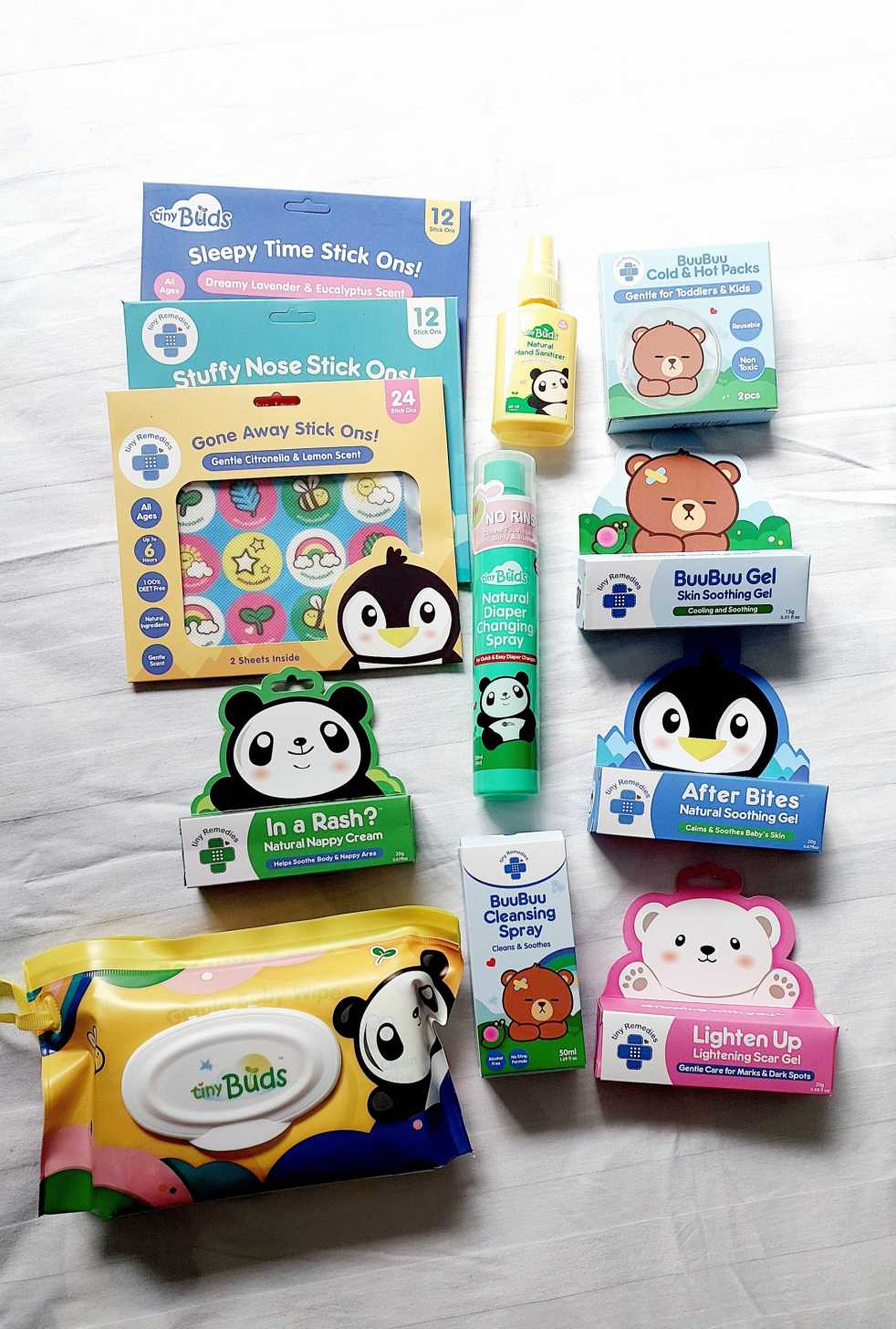
Your baby’s skin is more delicate than most, this is why you have to choose products that are designed for sensitive skin. Tiny Buds is a pioneer in integrating natural ingredients into baby care and today has over 50 innovative natural baby care essentials and is one of the Top Baby Personal Care brands. Here… Continue reading Product Review: Tiny Buds Baby Naturals Baby Essentials
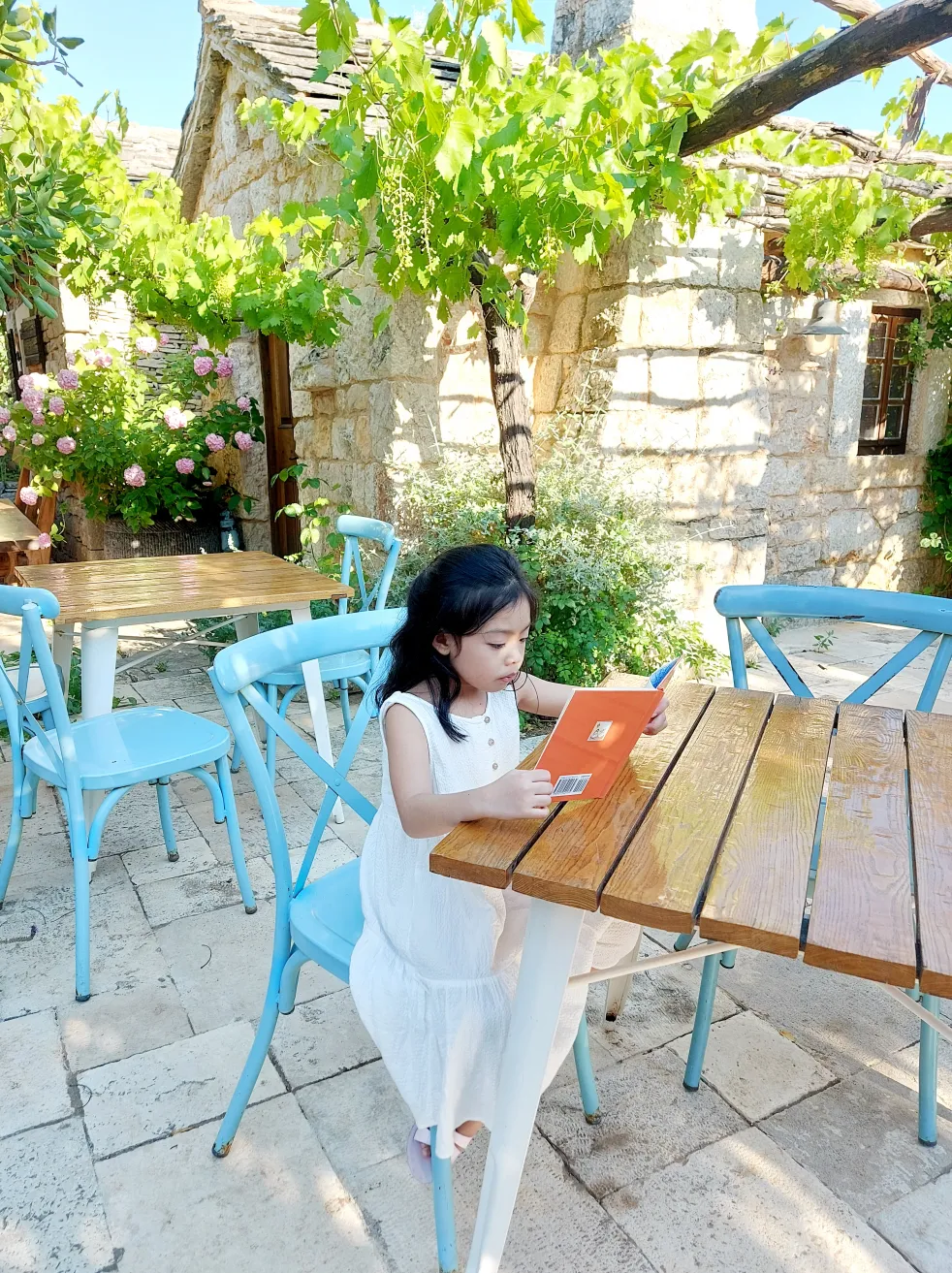
Where your child goes to school is a big decision and shouldn’t be taken lightly. Given how their education can impact their future, you might be tempted to take control and decide for them. However, you might be doing more damage than helping them in the long run. Your job as parents is to support… Continue reading HOW TO CHOOSE THE BEST SCHOOL FOR YOUR CHILD
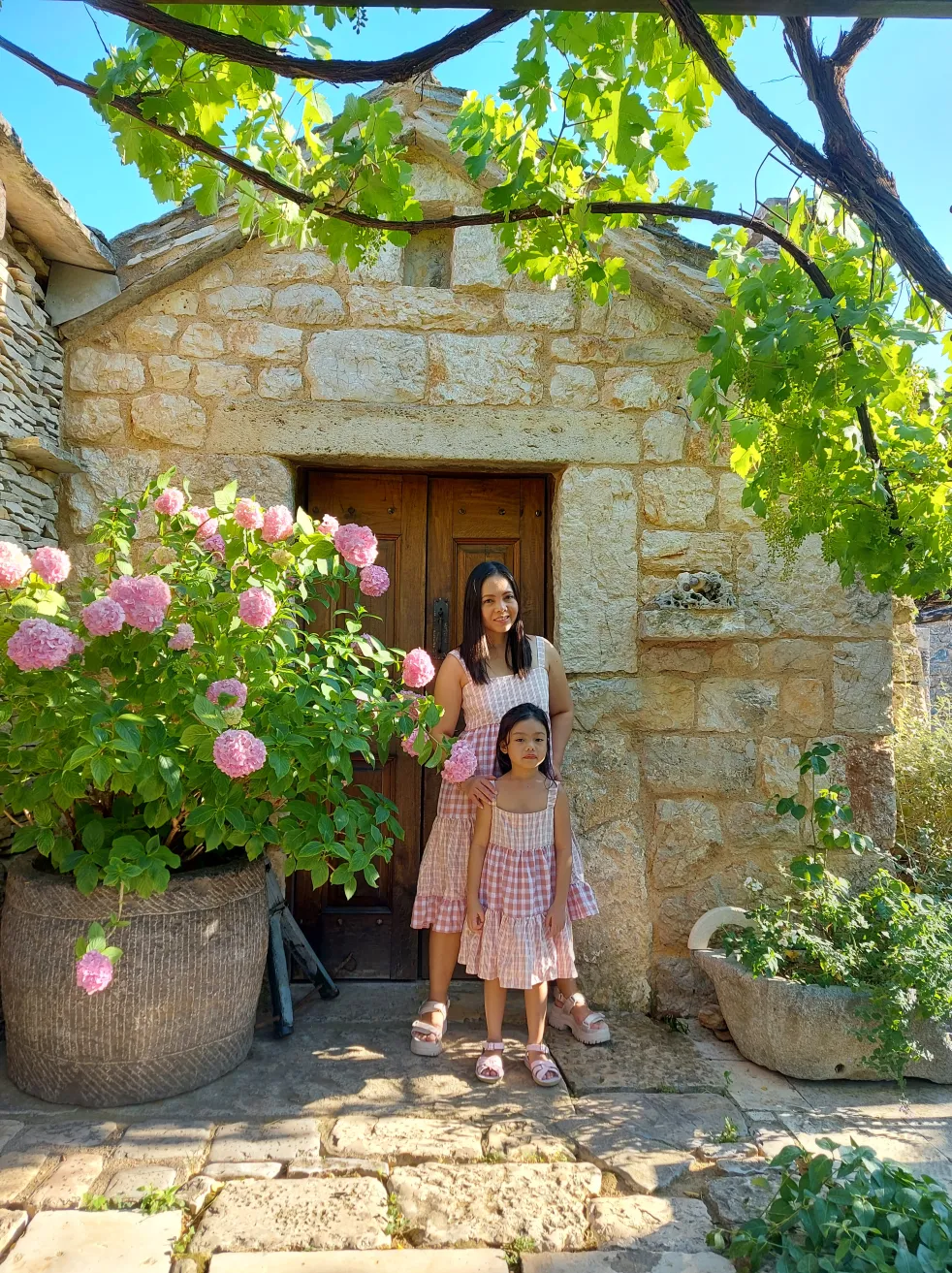
As poet and philosopher Rumi once eloquently said, “raise your words, not your voice. It is rain that grows flowers, not thunder.” Parenting is a challenging journey, and the truth is that nobody has everything figured out. One parenting style might suit others best, and some might favor other methods. However, children respond better to… Continue reading A SIMPLE GUIDE TO GENTLE PARENTING

Whether you’re a new mom to be, mom of a toddler, mom who have school-aged kids, you’re bound to have so many questions. Let's start with your baby's skin. Infant skin has unique needs; gentle care is essential to prevent damage to the skin barrier, which can lead to irritation. When caring for infant skin,… Continue reading Keeping Baby’s Diapered Skin Healthy
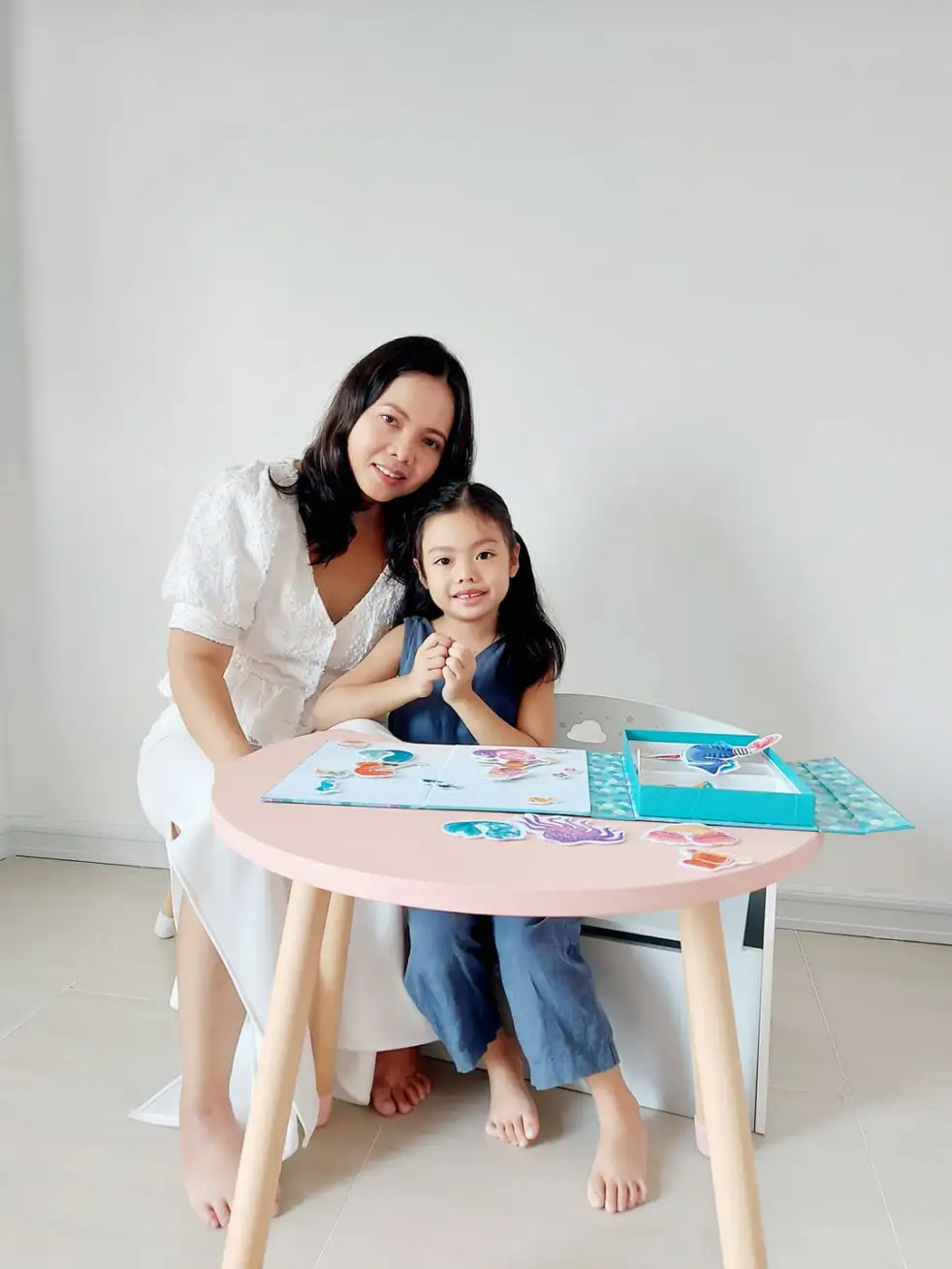
As parents, we want to give our child the best possible start in life and that begins with nurturing their intelligence. Throughout history, the notion of success has been linked to academic intelligence. However, there has been an increased awareness on the importance of emotional intelligence. This question gets at the heart of the never-ending… Continue reading IQ or EQ, which one is a better predictor of your child’s success?
 wondermomma.net