

Last August, IKEA Philippines engaged with Better World Smokey Mountain, a newly opened community center operated by the San Miguel Foundation, which shares a similar goal of improving the lives of many Filipino people. Through this partnership, IKEA Philippines provided and assembled home furnishings for the classrooms and library of Better World Smokey Mountain community… Continue reading Help Create a Better World with IKEA Soft Toys

NutriAsia, the country’s top producer of condiments and sauces, continues its support of Refill Revolution; a project by the Department of Environment and Natural Resources EMB 3 that aims to help reduce Filipinos’ single-use plastics consumption. At Refill Revolution, residents get to recycle their single-use plastic bottles by reusing and filling it with their choice… Continue reading NutriAsia and DENR renews partnership for Refill Revolution

How to support your child’s emotional intelligence
Children learn to understand feelings long before they can explain them clearly. A toddler who throws a toy, a preschooler who cries over a small disappointment, or an older child who suddenly withdraws may be communicating an emotional need rather than simply misbehaving. With steady support, children can learn to identify emotions, manage strong reactions, understand other people’s perspectives, and make thoughtful choices.
Emotional intelligence develops through everyday experiences at home. It grows when parents listen without rushing to correct, name feelings without judgment, and show children that emotions are safe to discuss. These skills help children build confidence, resilience, friendships, and healthier relationships as they grow.
The goal is not to raise a child who is cheerful all the time. Sadness, anger, fear, jealousy, and frustration are normal parts of family life. Your role is to guide your child through these experiences while setting clear limits around unsafe or hurtful behavior.
Notice feelings before correcting behavior
When a child is overwhelmed, their ability to listen and reason may temporarily decrease. Starting with a lecture or punishment can make the moment more difficult. First, notice what your child may be feeling and offer calm reassurance. You might say, “You are very upset because playtime is finished,” or, “It looks like you felt worried when you could not find me.”
Naming an emotion does not mean approving every action connected to it. You can accept the feeling while limiting the behavior: “It is okay to feel angry. I will not let you hit your brother.” This approach teaches an important distinction between emotions and actions. Feelings are allowed; harmful behavior requires guidance.
Pay attention to nonverbal signs as well. A child may show stress through stomachaches, clinginess, irritability, quietness, changes in sleep, or difficulty concentrating. Observing patterns can help you identify triggers such as hunger, tiredness, crowded places, screen overuse, or sudden changes in routine.
Build a language for emotions
Children need words to describe their inner experiences. Begin with simple terms such as happy, sad, angry, scared, excited, tired, and calm. As your child grows, add more specific words, including disappointed, embarrassed, nervous, proud, lonely, confused, frustrated, and relieved. A wider emotional vocabulary gives children more choices than simply saying “good” or “bad.”
Use ordinary moments to talk about feelings rather than waiting for a crisis. While reading a story, ask what a character might be feeling and what clues show it. During family conversations, describe your own emotions appropriately: “I felt worried when we were running late, so I took three slow breaths.” This models self-awareness without making your child responsible for your feelings.
A feelings chart, drawing activity, or set of emotion cards can make conversations easier for young children. You can also invite them to point to a face that matches their mood. Avoid turning every conversation into a lesson. Short, natural exchanges repeated over time are more effective than lengthy explanations.
Teach calming skills through practice
Self-regulation is a skill children develop gradually. When your child is calm, practice techniques that can be used during stressful moments. Try slow breathing, counting to ten, stretching, squeezing a soft ball, listening to quiet music, drinking water, or moving to a peaceful corner. Keep the options simple and allow your child to discover what feels helpful.
A calming space should not be presented as a punishment area. It can include pillows, books, stuffed animals, drawing materials, or a familiar sensory toy. Explain that the space is available when someone needs time to settle. Young children may need you nearby while they calm down; independence comes later through repeated, supported practice.
Your own behavior is one of the strongest lessons your child receives. If you raise your voice whenever you feel stressed, your child may learn that intense emotions should be expressed through shouting. When possible, pause and say, “I need a moment to calm my body before we talk.” This demonstrates emotional regulation in a realistic way.
| Everyday situation | Helpful parent response | Skill your child develops |
|---|---|---|
| A toy breaks | “You are disappointed. Let’s look at what happened.” | Identifying feelings and recovering from setbacks |
| A sibling takes a toy | “You wanted a turn. Use words instead of grabbing.” | Assertive communication and impulse control |
| A child loses a game | “Losing feels hard. You can be upset and still congratulate the winner.” | Managing frustration and showing respect |
| A child feels nervous at school | “New places can feel scary. Let’s think of one safe step.” | Coping with anxiety and problem-solving |
| A child hurts someone | “You were angry, but hitting is not safe. Let’s check if they are okay.” | Accountability, empathy, and repair |
Use boundaries that protect connection
Gentle parenting does not mean allowing every behavior. Children feel more secure when expectations are clear, consistent, and appropriate for their age. State the limit briefly, explain what is allowed, and follow through calmly. For example: “You may be angry, but you may not throw the blocks. You can place them on the floor or ask for help.”
Whenever possible, offer limited choices. “Would you like to put on the blue shirt or the yellow one?” gives a child a sense of control within a necessary routine. For an older child, invite collaboration: “Homework has been difficult lately. What might help you begin before dinner?” Shared problem-solving encourages responsibility without removing parental leadership.
Consequences should teach rather than shame. If a child spills art materials after ignoring a safety rule, involve them in cleaning up. Avoid labels such as “bad,” “dramatic,” or “selfish,” which can make children feel that a difficult moment defines their character. Focus on the action and the next step: “The paint was thrown, so we need to clean the table and try again safely tomorrow.”
Grow empathy through daily family life
Empathy develops when children experience being understood and see adults treating others with care. Listen attentively, reflect what you hear, and avoid immediately comparing their problem with someone else’s. Saying “That was a big disappointment for you” communicates that their experience matters, even when the issue seems small to an adult.
You can gently invite perspective-taking without forcing an apology or demanding instant kindness. Ask, “How do you think your friend felt when the game ended?” or, “What could help your sister feel safe after you shouted?” Keep the questions suitable for your child’s age. A young child may need concrete choices, while an older child can consider several possible viewpoints.
Real empathy includes action. Encourage children to help prepare food for a family member, welcome a new classmate, care for a pet, or participate in a community activity. In the Philippines, simple family traditions such as visiting relatives, sharing food with neighbors, or helping during local celebrations can become meaningful opportunities to practice generosity and consideration.
Help children solve emotional problems
Once your child is calmer, guide them through a simple problem-solving process. First, identify what happened. Next, name the feeling and the need behind it. Then brainstorm possible responses and choose one that is safe and respectful. Finally, revisit the situation later to notice what worked.
For example, if two siblings want the same toy, you might say, “You both want the truck. You are frustrated. We could use a timer, find another vehicle, or play together. Which idea should we try?” You may need to make the final decision, but involving children in the process helps them develop flexibility and decision-making skills.
Mistakes are valuable learning opportunities. If your child says something hurtful, guide them toward repair rather than forcing a meaningless apology. They might draw a picture, offer help, replace a damaged item, or say, “I’m sorry I shouted. Next time I will ask for space.” Repair teaches accountability while preserving dignity.
Create a family culture of emotional safety
Children are more likely to share difficult feelings when they trust that adults will listen. Set aside small moments for connection, such as talking during a meal, walking home from school, or having a bedtime check-in. A predictable question like “What felt easy and what felt hard today?” can open the door to honest conversation.
Protect private feelings from teasing and public embarrassment. If a child is crying in front of relatives or visitors, respond with compassion rather than insisting that they stop immediately. You can move to a quieter place and help them regain control. This is especially important for children who are naturally sensitive, shy, or easily overstimulated.
Seek additional support when emotional or behavioral changes are intense, persistent, or interfere with sleep, school, friendships, eating, or daily routines. A pediatrician, school counselor, or qualified child mental health professional can help identify what your child needs. Reaching out is a responsible step, not a sign of failure.
Small habits that make a lasting difference
- Name your own feelings calmly and show healthy ways to manage them.
- Set aside a few minutes each day for uninterrupted listening and connection.
- Keep limits short, consistent, and focused on safety rather than shame.
- Read stories together and discuss characters’ feelings, choices, and repair efforts.
- Praise specific skills, such as asking for help, waiting for a turn, or trying again.
Supporting emotional intelligence happens through hundreds of ordinary moments: a hug after a difficult morning, a pause before responding to anger, a conversation about a story, or a calm repair after conflict. Begin with one manageable habit this week, practice it consistently, and let your child see that every feeling can be understood and every mistake can become a chance to learn.

Mercato Centrale, in collaboration with Indian Women in Enterprise Philippines (I-We), is set to host "The Great Indian Fiesta" to mark 75 years of friendship between India and the Philippines. The dynamic two-day event is scheduled to take place on September 30 to October 1, 2023, at Paseo De Roxas Street, Makati City. Aiming to… Continue reading Mercato Centrale Partners with I-We to Host ‘The Great Indian Fiesta’, Commemorating 75 Years of India-Philippines Friendship

My stomach would usually start growling at 10 am even after taking a big breakfast. This is probably because I am a morning person and I move a lot throughout the day hence snacking is something that I can't avoid. This potatoes and chicken wrap recipe is easy to prepare and would keep me full… Continue reading Potato and Chicken Wrap
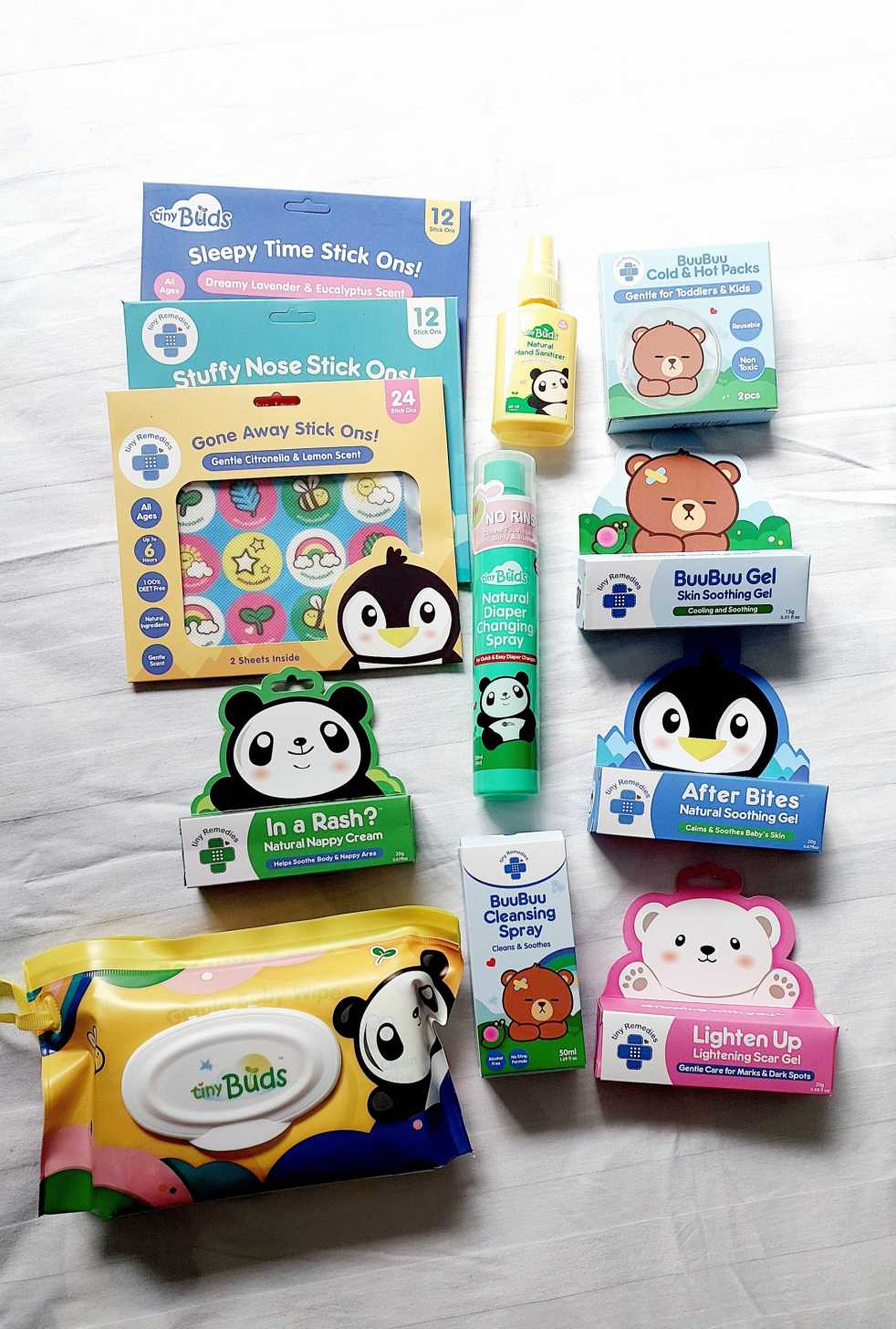
Your baby’s skin is more delicate than most, this is why you have to choose products that are designed for sensitive skin. Tiny Buds is a pioneer in integrating natural ingredients into baby care and today has over 50 innovative natural baby care essentials and is one of the Top Baby Personal Care brands. Here… Continue reading Product Review: Tiny Buds Baby Naturals Baby Essentials
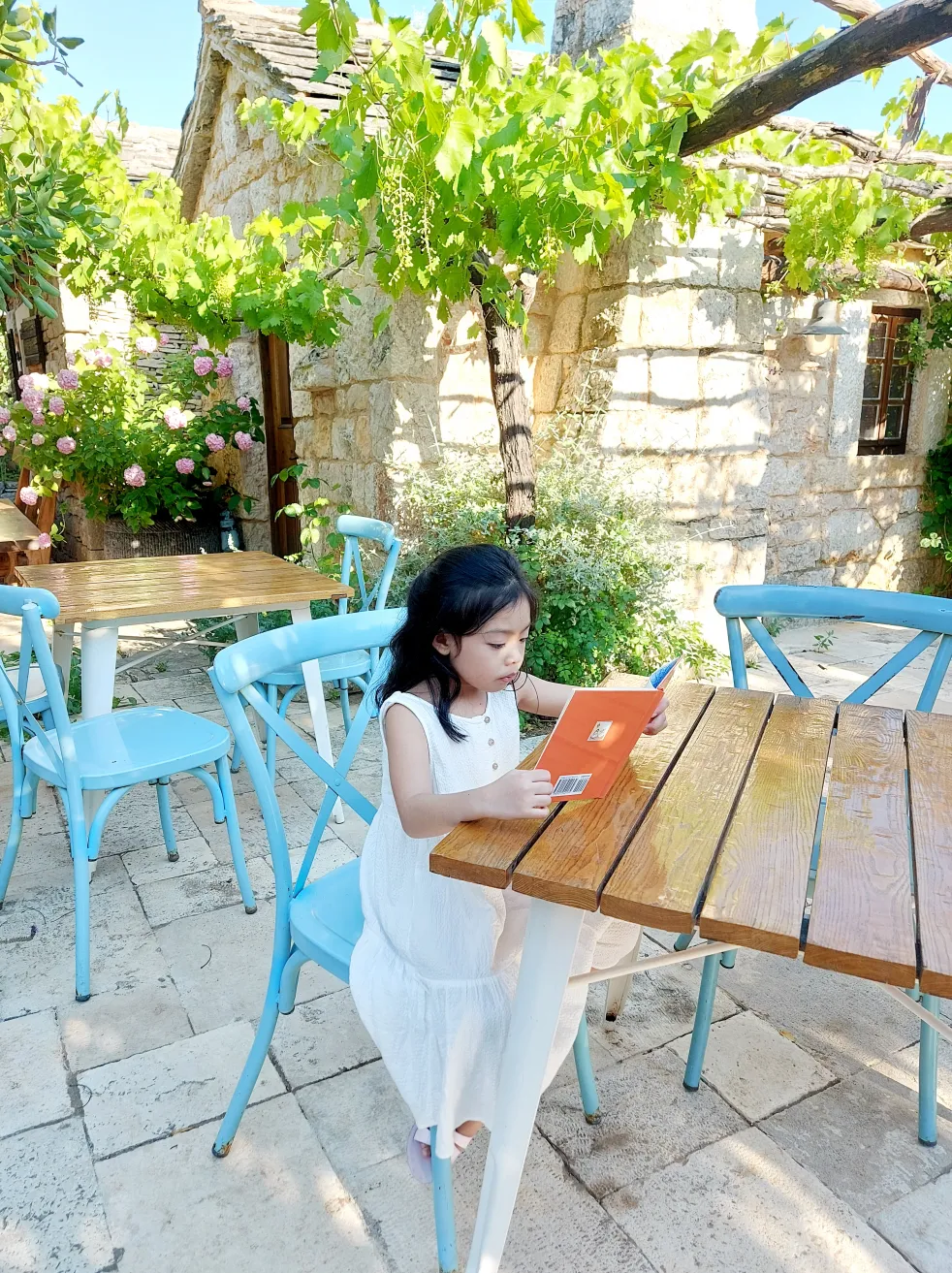
Where your child goes to school is a big decision and shouldn’t be taken lightly. Given how their education can impact their future, you might be tempted to take control and decide for them. However, you might be doing more damage than helping them in the long run. Your job as parents is to support… Continue reading HOW TO CHOOSE THE BEST SCHOOL FOR YOUR CHILD
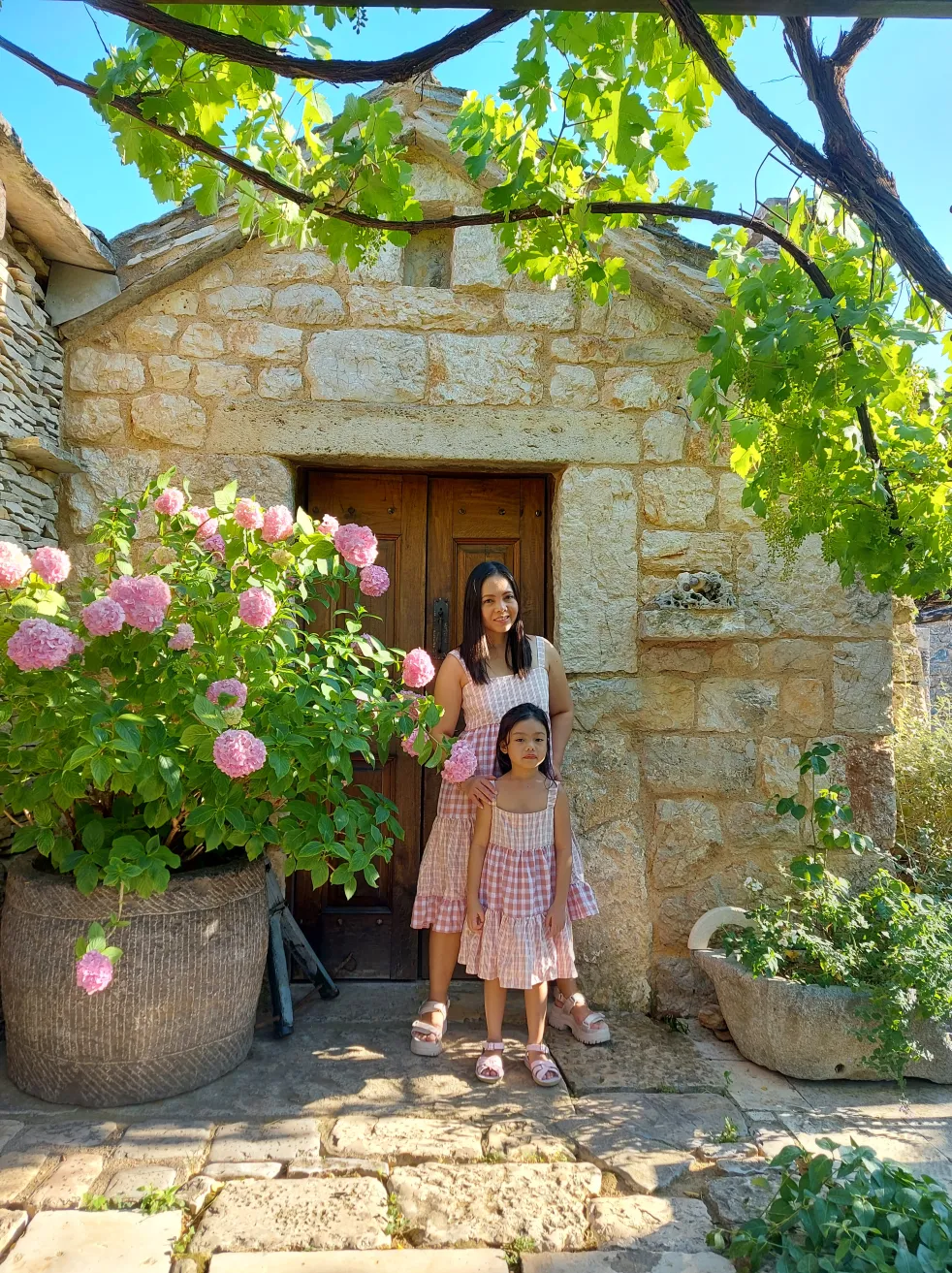
As poet and philosopher Rumi once eloquently said, “raise your words, not your voice. It is rain that grows flowers, not thunder.” Parenting is a challenging journey, and the truth is that nobody has everything figured out. One parenting style might suit others best, and some might favor other methods. However, children respond better to… Continue reading A SIMPLE GUIDE TO GENTLE PARENTING

Whether you’re a new mom to be, mom of a toddler, mom who have school-aged kids, you’re bound to have so many questions. Let's start with your baby's skin. Infant skin has unique needs; gentle care is essential to prevent damage to the skin barrier, which can lead to irritation. When caring for infant skin,… Continue reading Keeping Baby’s Diapered Skin Healthy
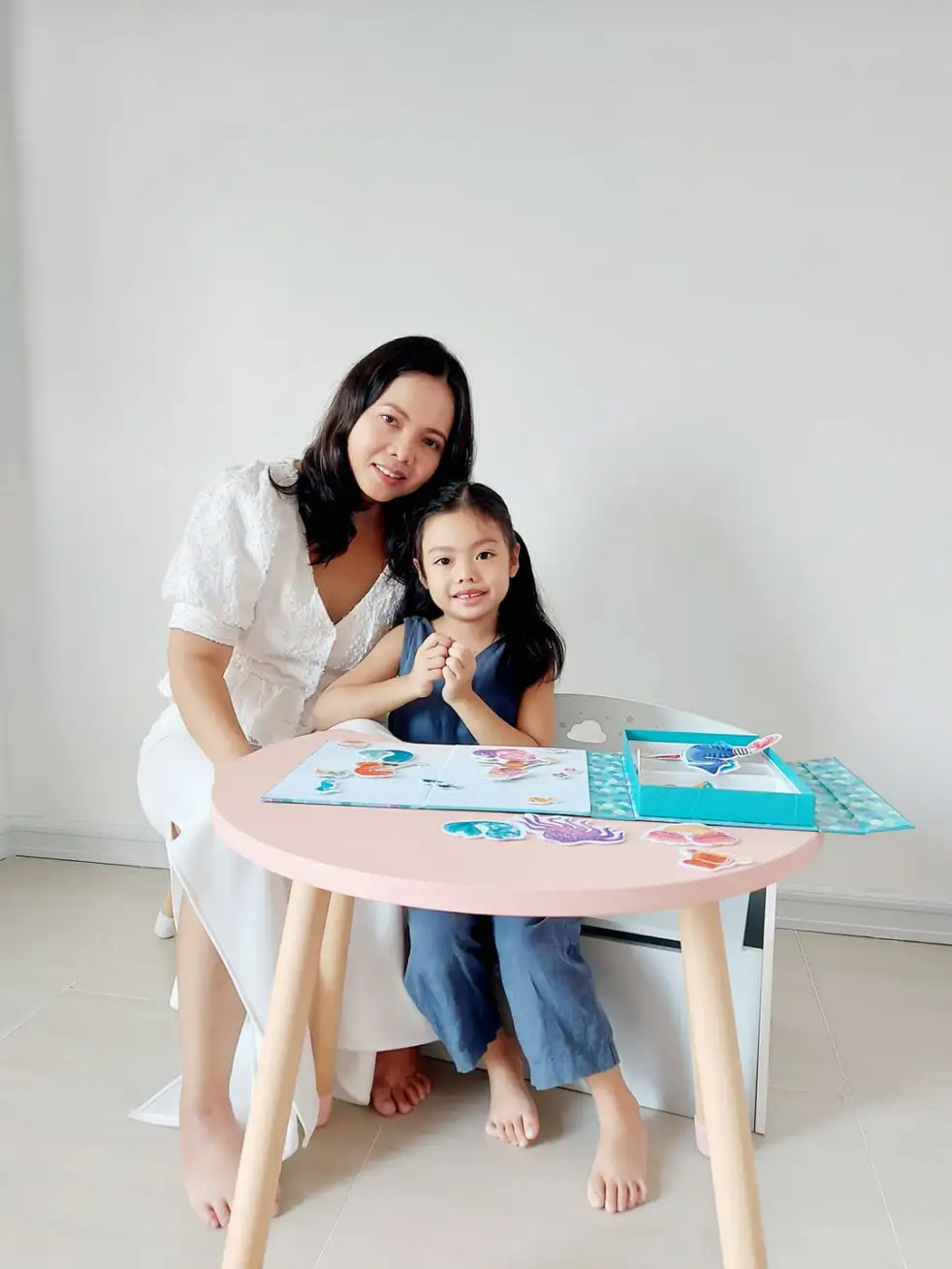
As parents, we want to give our child the best possible start in life and that begins with nurturing their intelligence. Throughout history, the notion of success has been linked to academic intelligence. However, there has been an increased awareness on the importance of emotional intelligence. This question gets at the heart of the never-ending… Continue reading IQ or EQ, which one is a better predictor of your child’s success?
 wondermomma.net