

Last August, IKEA Philippines engaged with Better World Smokey Mountain, a newly opened community center operated by the San Miguel Foundation, which shares a similar goal of improving the lives of many Filipino people. Through this partnership, IKEA Philippines provided and assembled home furnishings for the classrooms and library of Better World Smokey Mountain community… Continue reading Help Create a Better World with IKEA Soft Toys

NutriAsia, the country’s top producer of condiments and sauces, continues its support of Refill Revolution; a project by the Department of Environment and Natural Resources EMB 3 that aims to help reduce Filipinos’ single-use plastics consumption. At Refill Revolution, residents get to recycle their single-use plastic bottles by reusing and filling it with their choice… Continue reading NutriAsia and DENR renews partnership for Refill Revolution

How to Store Breast Milk Properly for Maximum Freshness
Expressed breast milk can make feeding more flexible, whether you are returning to work, sharing feeds with a partner, or preparing for a short trip. Correct storage protects its freshness, nutritional value, and safety while making daily routines easier for the whole family.
The best method depends on how soon your baby will drink the milk. Fresh milk can stay at room temperature for a limited time, while refrigeration and freezing extend its usable life. Clean handling at every stage is just as important as choosing the right storage location.
Storage advice may vary slightly according to room temperature, hygiene, and local health guidance. Families in the Philippines may need extra care during hot weather, humid days, and power interruptions. When your baby is premature, unwell, or medically vulnerable, follow the storage instructions provided by your pediatrician or lactation consultant.
Choose Clean, Food-Safe Storage Containers
Wash your hands with soap and water before expressing, handling pump parts, or transferring milk. Pump components that touch milk should be cleaned after each use according to the manufacturer’s instructions. Allow them to air-dry completely on a clean surface instead of wiping them with a dish towel, which can transfer germs.
Use breast milk storage bags or clean, food-grade containers made from glass or plastic. Choose BPA-free products with secure lids and leave space at the top because milk expands when frozen. Avoid ordinary disposable bags, thin plastic liners, and containers that are not designed for food storage.
Write the date and time of expression on every container. If your baby attends daycare or another caregiver handles feeds, include the baby’s name and the amount inside. Small portions of about 60 to 120 milliliters can reduce waste and make thawing easier, especially for babies who feed frequently.
Follow Safe Freshness Timelines
For healthy, full-term babies, freshly expressed milk is best used within four hours at room temperature. In a cooler room with very clean handling, it may remain acceptable for longer, but hot conditions shorten the safe window. In a warm Philippine household without reliable air-conditioning, refrigerate milk as soon as possible rather than relying on the clock.
Fresh milk can usually be kept in the refrigerator for up to four days when the temperature stays at 4°C or colder. Store it toward the back of the refrigerator, where the temperature is more stable, rather than in the door. If you will not use the milk within four days, freeze it promptly.
Milk stored in a freezer is best used within six months for maximum quality, although it may remain acceptable for up to 12 months in a consistently cold freezer. A separate deep freezer generally maintains a steadier temperature than a small freezer compartment inside a refrigerator. Use the oldest dated milk first.
| Storage Location | Recommended Freshness Window | Practical Safety Note |
|---|---|---|
| Room temperature, around 25°C or cooler | Up to 4 hours | Use sooner in hot or humid conditions |
| Refrigerator at 4°C or colder | Up to 4 days | Keep milk at the back, not in the door |
| Freezer inside a refrigerator | About 2 weeks | Temperature can fluctuate frequently |
| Freezer compartment with a separate door | About 6 months for best quality | Keep the door closed as much as possible |
| Deep freezer at around -18°C | 6 months is best; up to 12 months acceptable | Label and rotate frozen portions |
| Insulated cooler with frozen ice packs | Up to 24 hours | Transfer to a refrigerator or freezer promptly |
Chill And Freeze Milk Carefully
If you do not plan to use freshly expressed milk soon, place it in the refrigerator before freezing. Chilled milk freezes more evenly and can help maintain a consistent temperature. Fill containers with the amount your baby usually drinks, leaving expansion space near the top.
You can combine milk from different pumping sessions, but cool the newly expressed milk in the refrigerator first. Do not pour warm milk directly into an already chilled or frozen portion. Once both batches are cold, they may be combined, and the container should carry the date of the oldest milk.
Lay breast milk storage bags flat while freezing to save space and speed up thawing. Once solid, arrange them upright in a labeled bin. This prevents bags from becoming buried and makes it easier to follow a first-in, first-out system.
Keep the freezer door closed during power interruptions. If frozen milk still contains ice crystals, it can generally be returned to the freezer. Milk that has fully thawed should be kept in the refrigerator and used within 24 hours; do not refreeze it. An insulated cooler packed with frozen ice packs can protect milk temporarily during an outage or trip.
Thaw And Warm Without Damaging Quality
The safest way to thaw frozen breast milk is to place it in the refrigerator overnight. For faster preparation, hold the sealed container under lukewarm running water or place it in a bowl of warm water. Replace the water as it cools, and keep the container closed to prevent contamination.
Never microwave breast milk or heat it directly on the stove. Microwaves can create dangerous hot spots, while high heat may damage some of the milk’s beneficial components. Test a few drops on the inside of your wrist before feeding; it should feel lukewarm, not hot.
Breast milk may separate during storage, with cream rising to the top. Gently swirl the container to mix it back together rather than shaking it vigorously. Thawed milk should be used within 24 hours if it was thawed in the refrigerator. Once milk has been warmed or brought to room temperature, use it within two hours.
Make Daily Handling Simple For Caregivers
Create a small milk station with labeled bags, clean bottles, a marker, and a container for milk that needs to be used soon. Keeping supplies together reduces rushed handling during early mornings or nighttime feeds. A written note can explain the correct portion size, thawing method, and order in which milk should be used.
Caregivers should offer only the amount your baby is likely to finish. If your baby leaves milk after a feed, it can generally be used within two hours from when the feeding began or ended, depending on the guidance you follow locally. After that period, discard the leftover rather than returning it to the refrigerator.
For daycare, transport chilled milk in an insulated cooler with frozen ice packs. Tell the caregiver when the milk was expressed and whether it is fresh, refrigerated, or thawed. Ask them to avoid leaving bottles on a counter, even if the room appears cool.
Adapt Storage To Philippine Conditions
Room temperatures in the Philippines can rise quickly, especially during summer or when electricity is interrupted. A refrigerator thermometer helps you check that the fridge remains at 4°C or colder. Avoid placing milk near the front of the shelf, where frequent door opening exposes it to temperature changes.
During brownouts, keep refrigerator and freezer doors closed. If the outage may last, move refrigerated milk to a cooler with frozen ice packs. Frozen milk should remain in the freezer as long as possible, then be transferred to a cooler only when necessary. Grouping frozen items together helps them stay cold longer.
When traveling, use pre-chilled containers and enough frozen ice packs to surround the milk. Keep the cooler out of direct sunlight and avoid opening it repeatedly. On arrival, store the milk immediately and check for signs of thawing before deciding whether it can be refrozen or should be used soon.
Build A Reliable Milk Storage Routine
A consistent system can prevent forgotten containers, wasted milk, and uncertainty about what is safe to use. These simple habits are especially useful when several people share feeding responsibilities:
- Label every container with the expression date, time, and volume.
- Refrigerate or freeze milk promptly, particularly during hot weather.
- Store milk at the back of the refrigerator or freezer, away from the door.
- Use the oldest safe portion first and thaw only what your baby is likely to drink.
- Keep a cooler and frozen ice packs ready for errands, travel, or power interruptions.
Review the labels regularly and remove milk that has passed its recommended storage period. When in doubt about a portion’s temperature history, cleanliness, or thawing status, it is safer to discard it. A pediatrician or lactation consultant can provide individualized advice for babies with special health needs.
Good breast milk storage is built around clean hands, stable temperatures, clear labels, and gentle warming. Save this guide for pumping days, share it with your baby’s caregiver, and use it to create a storage routine that keeps feeding practical and reassuring.

Mercato Centrale, in collaboration with Indian Women in Enterprise Philippines (I-We), is set to host "The Great Indian Fiesta" to mark 75 years of friendship between India and the Philippines. The dynamic two-day event is scheduled to take place on September 30 to October 1, 2023, at Paseo De Roxas Street, Makati City. Aiming to… Continue reading Mercato Centrale Partners with I-We to Host ‘The Great Indian Fiesta’, Commemorating 75 Years of India-Philippines Friendship

My stomach would usually start growling at 10 am even after taking a big breakfast. This is probably because I am a morning person and I move a lot throughout the day hence snacking is something that I can't avoid. This potatoes and chicken wrap recipe is easy to prepare and would keep me full… Continue reading Potato and Chicken Wrap
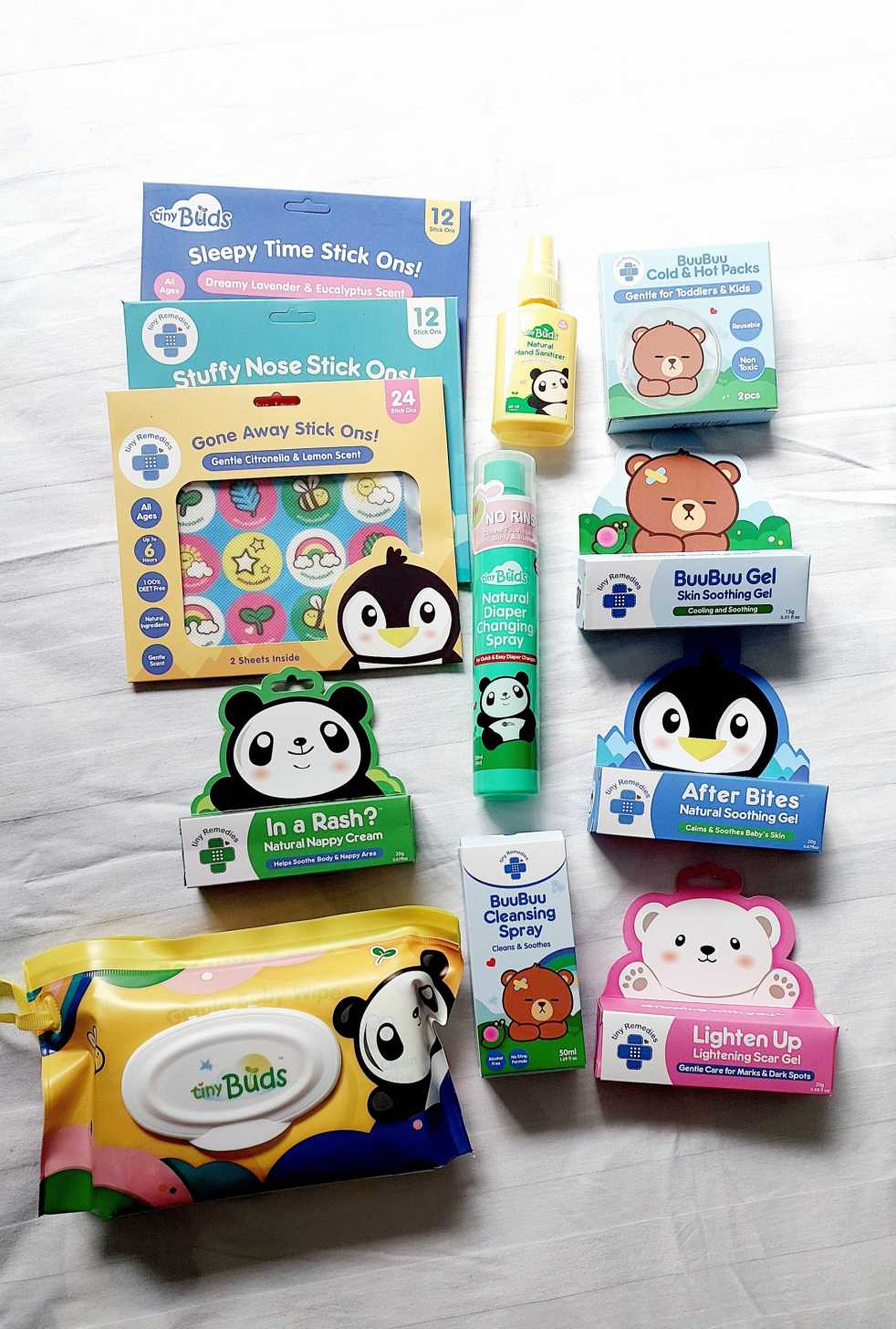
Your baby’s skin is more delicate than most, this is why you have to choose products that are designed for sensitive skin. Tiny Buds is a pioneer in integrating natural ingredients into baby care and today has over 50 innovative natural baby care essentials and is one of the Top Baby Personal Care brands. Here… Continue reading Product Review: Tiny Buds Baby Naturals Baby Essentials
Where your child goes to school is a big decision and shouldn’t be taken lightly. Given how their education can impact their future, you might be tempted to take control and decide for them. However, you might be doing more damage than helping them in the long run. Your job as parents is to support… Continue reading HOW TO CHOOSE THE BEST SCHOOL FOR YOUR CHILD
As poet and philosopher Rumi once eloquently said, “raise your words, not your voice. It is rain that grows flowers, not thunder.” Parenting is a challenging journey, and the truth is that nobody has everything figured out. One parenting style might suit others best, and some might favor other methods. However, children respond better to… Continue reading A SIMPLE GUIDE TO GENTLE PARENTING

Whether you’re a new mom to be, mom of a toddler, mom who have school-aged kids, you’re bound to have so many questions. Let's start with your baby's skin. Infant skin has unique needs; gentle care is essential to prevent damage to the skin barrier, which can lead to irritation. When caring for infant skin,… Continue reading Keeping Baby’s Diapered Skin Healthy

As parents, we want to give our child the best possible start in life and that begins with nurturing their intelligence. Throughout history, the notion of success has been linked to academic intelligence. However, there has been an increased awareness on the importance of emotional intelligence. This question gets at the heart of the never-ending… Continue reading IQ or EQ, which one is a better predictor of your child’s success?
 wondermomma.net