

Last August, IKEA Philippines engaged with Better World Smokey Mountain, a newly opened community center operated by the San Miguel Foundation, which shares a similar goal of improving the lives of many Filipino people. Through this partnership, IKEA Philippines provided and assembled home furnishings for the classrooms and library of Better World Smokey Mountain community… Continue reading Help Create a Better World with IKEA Soft Toys

NutriAsia, the country’s top producer of condiments and sauces, continues its support of Refill Revolution; a project by the Department of Environment and Natural Resources EMB 3 that aims to help reduce Filipinos’ single-use plastics consumption. At Refill Revolution, residents get to recycle their single-use plastic bottles by reusing and filling it with their choice… Continue reading NutriAsia and DENR renews partnership for Refill Revolution

How to Stop Breastfeeding Without Pain or Emotional Meltdowns
Weaning can be a tender change for both parent and child. Breastfeeding may have become part of naps, night waking, comfort, illness, travel and everyday connection, so stopping suddenly can feel unsettling even when you are ready. A gradual approach usually makes the physical and emotional transition easier.
There is no single correct age or timetable for ending breastfeeding. Some families begin after returning to work, starting childcare or welcoming a new baby, while others continue into the toddler years. Your child’s temperament, your health and your family’s routine all matter.
The gentlest plan is usually flexible rather than strict. You can reduce one feed, observe how your child responds, and wait several days before changing another. If your breasts become uncomfortable or your child becomes distressed, slowing down is a sensible adjustment rather than a failure.
Reliable, compassionate guidance can make the process feel less lonely. Parents can find further gentle parenting resources alongside advice about babies, family routines and child development.
Decide What Kind Of Weaning You Need
Full weaning means stopping all breastfeeds, while partial weaning means keeping selected feeds, such as the morning or bedtime breastfeed. Night weaning focuses only on overnight nursing. Being clear about your immediate goal prevents you from making more changes than necessary.
Consider why you want to wean now. Returning to employment, medication, pregnancy, pain, sleep deprivation or a child’s changing appetite may all influence the decision. If you are taking medication or managing a health condition, ask your GP, pharmacist or an International Board Certified Lactation Consultant whether breastfeeding needs to stop completely.
Your child’s developmental stage also affects the plan. A baby under 12 months still needs breast milk or infant formula as a major source of nutrition, while an older baby or toddler may be eating a broader range of family foods. An Australian child and family health nurse can help you plan suitable milk feeds, solids and timing.
Reduce Feeds One At A Time
Start with the feed your child seems least attached to. Offer a snack, cup of expressed milk or formula, water where age-appropriate, a cuddle, a walk or another familiar activity instead. Keep the most emotionally important feed, often bedtime or first thing in the morning, until later.
Wait around three to seven days before removing another feed, depending on your comfort and your child’s response. Some families need longer between changes, particularly when a child is teething, unwell, travelling or adjusting to childcare. A slower pace gives your milk supply time to respond and gives your child a predictable pattern.
Use simple, calm language with an older child: “Milk is for bedtime now,” or “We can have a cuddle instead.” Avoid offering a breastfeed and then withdrawing it repeatedly, as mixed signals can lead to more protest. Consistent limits delivered warmly are easier for children to understand.
Protect Your Breasts From Pain
Breast fullness is common when feeds are dropped. Wear a supportive but non-restrictive bra, use a cool pack wrapped in a cloth, and express only enough milk to relieve pressure. Emptying the breast fully can encourage your body to keep producing the same volume.
Warmth before a brief expression may help milk flow, while coolness afterwards can reduce swelling. Gentle hand expression is often more comfortable than prolonged pumping. Avoid forceful massage, tight clothing and sudden long gaps if you are prone to blocked ducts.
Watch for a hot, red or increasingly painful area, fever, chills, flu-like symptoms or worsening tenderness. These may indicate mastitis and warrant prompt medical advice. In Australia, you can contact your GP, an after-hours medical service or Healthdirect on 1800 022 222; urgent symptoms require immediate care.
Make Comfort Available In New Ways
Breastfeeding often meets emotional needs as much as hunger. When a feed disappears, replace the connection rather than simply removing the routine. Sit together, offer a firm cuddle, read the same book, sing a song or rub your child’s back before sleep.
A toddler may cry, cling or demand nursing more intensely for a few days. This does not mean the plan is harmful; it means your child is expressing disappointment and seeking reassurance. Stay close, name the feeling and hold the boundary: “You really want milk. I’m here with you, and we can cuddle.”
Try to avoid beginning weaning during several major disruptions at once. Moving house, a new baby, illness or a long family trip can increase emotional strain. If circumstances require faster weaning, add extra predictable rituals and ask your partner or another trusted adult to share settling duties.
Handle Night Weaning Gently
Night feeds can be especially difficult because everyone is tired. If your child is old enough and growing well, reduce the length of each feed by a few minutes every couple of nights, or gradually increase the time between feeds. A partner may be able to comfort the child with rocking, water, a cuddle or quiet words.
For babies under 12 months, discuss night-weaning plans with a maternal and child health nurse, GP or lactation professional first. Night waking is not always caused by hunger, but babies have individual nutritional and developmental needs. Do not replace breastfeeds with bottles in bed, as this can increase tooth decay risk and create another sleep association.
Families in Sydney, Melbourne and other Australian cities often balance weaning with early starts, public transport and childcare drop-offs. Keeping the morning feed for a little longer may be practical if it helps everyone leave home calmly, while reducing daytime feeds first may suit a parent returning to an office or shift work.
Choose Suitable Food And Milk Replacements
When a baby under 12 months stops breastfeeding, infant formula is generally the appropriate replacement unless a health professional advises otherwise. Cow’s milk should not replace breast milk or formula as the main drink before 12 months. Follow the preparation instructions on the product carefully, and never dilute formula.
After 12 months, many children can have full-fat cow’s milk as part of a varied diet, but milk should not crowd out iron-rich foods. Offer meat, fish, eggs, tofu, beans, lentils and iron-fortified cereals alongside vegetables, fruit, grains and healthy fats. A dietitian or child health nurse can provide tailored guidance for allergies, slow weight gain or restricted eating.
Australian supermarkets and pharmacies stock powdered and ready-to-feed formula, but availability and prices can vary between suburbs and regional areas. Avoid switching products repeatedly because of online claims, and seek professional advice if your child develops vomiting, blood in stools, a rash or persistent feeding difficulties.
Keep A Gentle Weaning Checklist
A short plan can help you respond consistently when emotions run high. Write down which feed you are changing, what replacement comfort you will offer and what signs mean you should pause.
- Remove one feed at a time, beginning with the least important one.
- Express only enough milk to soften uncomfortable fullness.
- Offer cuddles, stories, snacks or another reliable comfort ritual.
- Tell your support person how they can help with bedtime or night waking.
- Contact a health professional for severe pain, fever, poor weight gain or feeding concerns.
Your child may accept one change easily and resist the next. That pattern is normal, so treat the plan as a guide rather than a deadline. If you pause for a week and restart later, the progress you made has not disappeared.
Seek Support For Physical Or Emotional Strain
Some parents feel sadness, irritability, anxiety or a sudden drop in mood during weaning. Hormonal changes, sleep loss and the emotional meaning of ending breastfeeding can overlap. Make space for rest, regular meals and honest conversations with a partner, friend, GP or perinatal mental health professional.
Australia’s Sex Discrimination Act 1984 protects a person from discrimination because they are breastfeeding, including in workplaces and public places. You do not need to rush weaning because of embarrassment about feeding in public, although returning to work may lead you to choose a timetable that suits your circumstances.
If you experience persistent hopelessness, panic, frightening thoughts or difficulty caring for yourself or your child, seek urgent professional support. Lifeline is available on 13 11 14, and emergency help is available on 000. A calm, gradual approach with appropriate support can protect your health while helping your child adjust to a new way of feeling secure.

Mercato Centrale, in collaboration with Indian Women in Enterprise Philippines (I-We), is set to host "The Great Indian Fiesta" to mark 75 years of friendship between India and the Philippines. The dynamic two-day event is scheduled to take place on September 30 to October 1, 2023, at Paseo De Roxas Street, Makati City. Aiming to… Continue reading Mercato Centrale Partners with I-We to Host ‘The Great Indian Fiesta’, Commemorating 75 Years of India-Philippines Friendship

My stomach would usually start growling at 10 am even after taking a big breakfast. This is probably because I am a morning person and I move a lot throughout the day hence snacking is something that I can't avoid. This potatoes and chicken wrap recipe is easy to prepare and would keep me full… Continue reading Potato and Chicken Wrap
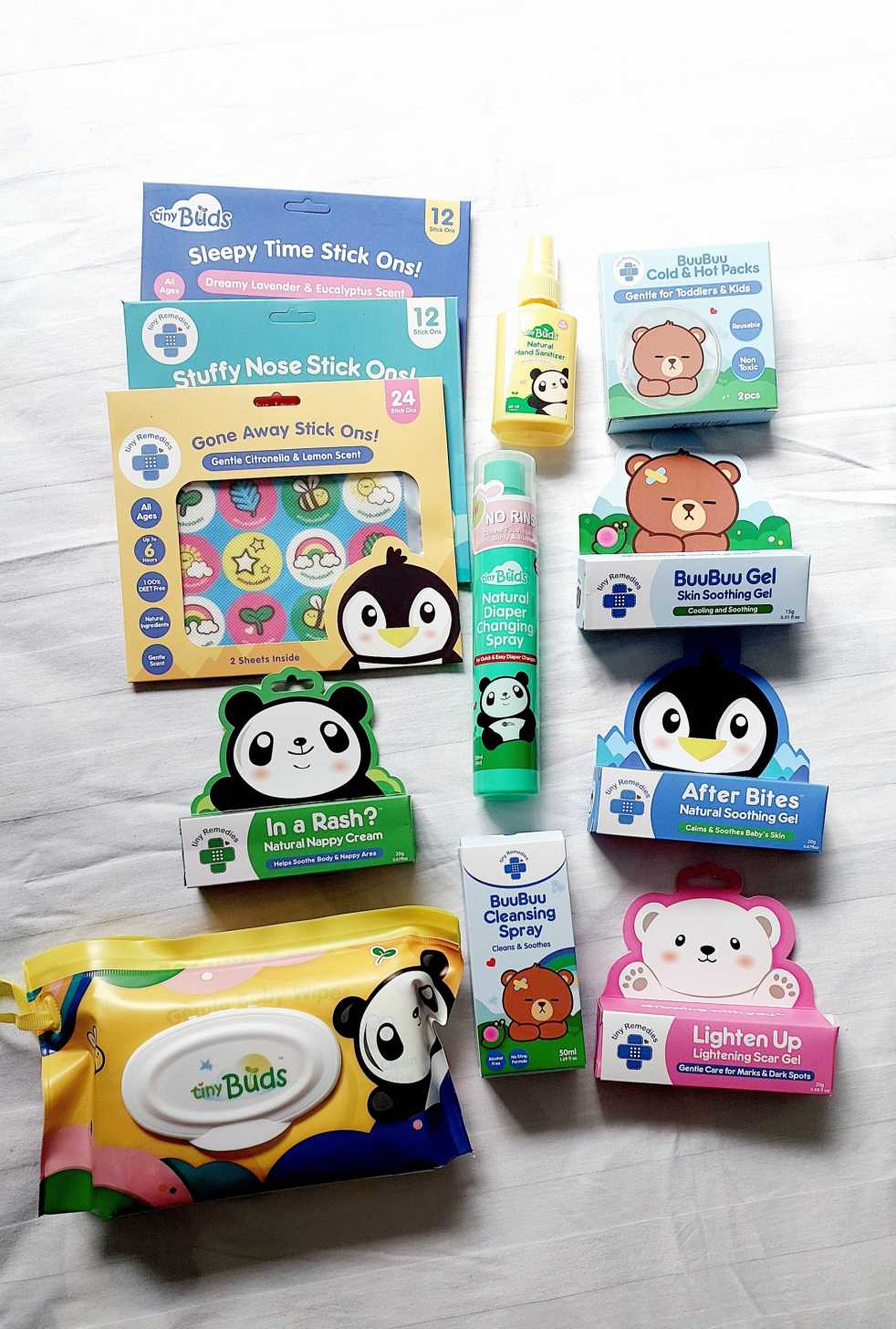
Your baby’s skin is more delicate than most, this is why you have to choose products that are designed for sensitive skin. Tiny Buds is a pioneer in integrating natural ingredients into baby care and today has over 50 innovative natural baby care essentials and is one of the Top Baby Personal Care brands. Here… Continue reading Product Review: Tiny Buds Baby Naturals Baby Essentials
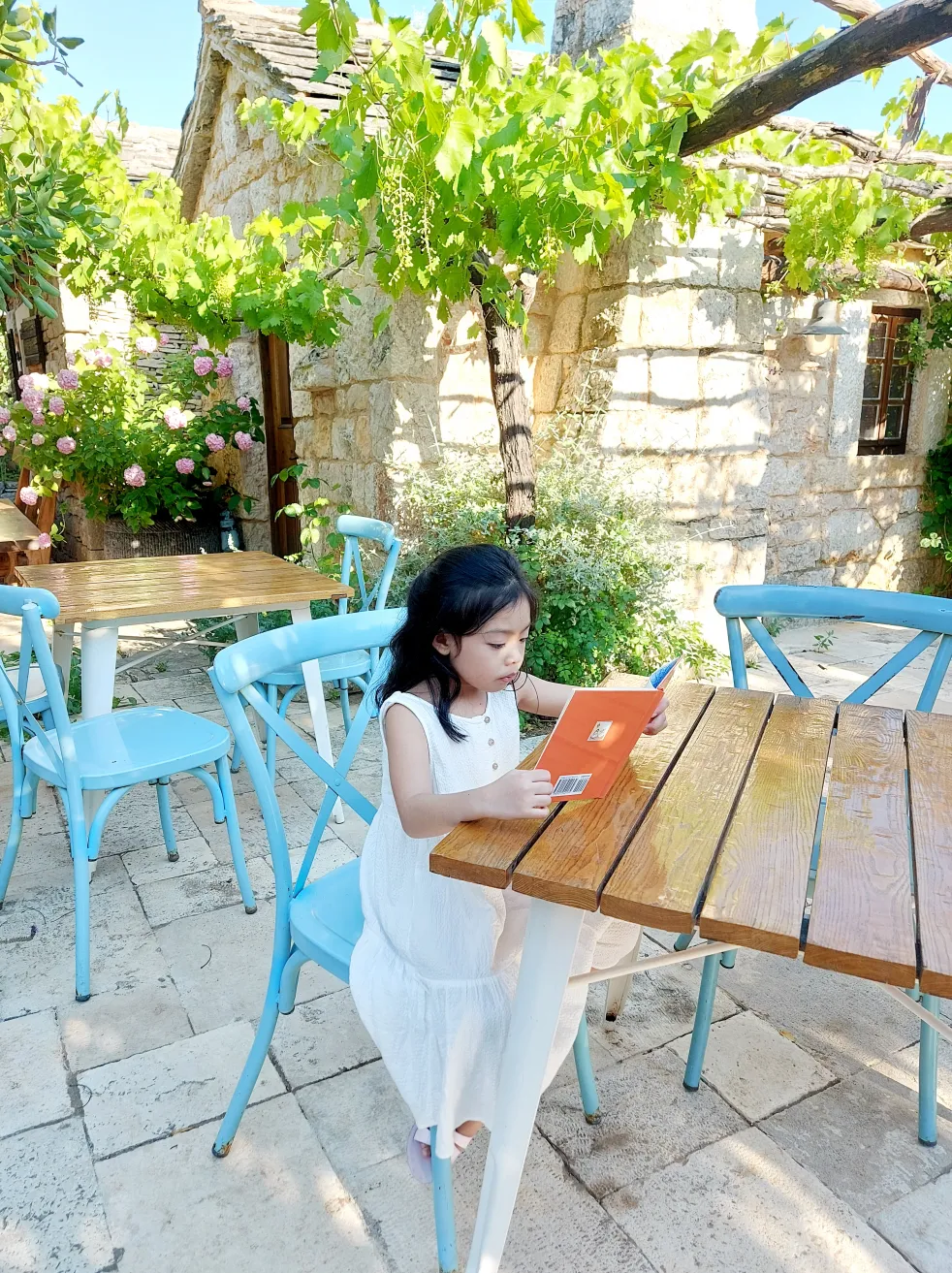
Where your child goes to school is a big decision and shouldn’t be taken lightly. Given how their education can impact their future, you might be tempted to take control and decide for them. However, you might be doing more damage than helping them in the long run. Your job as parents is to support… Continue reading HOW TO CHOOSE THE BEST SCHOOL FOR YOUR CHILD

As poet and philosopher Rumi once eloquently said, “raise your words, not your voice. It is rain that grows flowers, not thunder.” Parenting is a challenging journey, and the truth is that nobody has everything figured out. One parenting style might suit others best, and some might favor other methods. However, children respond better to… Continue reading A SIMPLE GUIDE TO GENTLE PARENTING

Whether you’re a new mom to be, mom of a toddler, mom who have school-aged kids, you’re bound to have so many questions. Let's start with your baby's skin. Infant skin has unique needs; gentle care is essential to prevent damage to the skin barrier, which can lead to irritation. When caring for infant skin,… Continue reading Keeping Baby’s Diapered Skin Healthy

As parents, we want to give our child the best possible start in life and that begins with nurturing their intelligence. Throughout history, the notion of success has been linked to academic intelligence. However, there has been an increased awareness on the importance of emotional intelligence. This question gets at the heart of the never-ending… Continue reading IQ or EQ, which one is a better predictor of your child’s success?
 wondermomma.net