
Last August, IKEA Philippines engaged with Better World Smokey Mountain, a newly opened community center operated by the San Miguel Foundation, which shares a similar goal of improving the lives of many Filipino people. Through this partnership, IKEA Philippines provided and assembled home furnishings for the classrooms and library of Better World Smokey Mountain community… Continue reading Help Create a Better World with IKEA Soft Toys

NutriAsia, the country’s top producer of condiments and sauces, continues its support of Refill Revolution; a project by the Department of Environment and Natural Resources EMB 3 that aims to help reduce Filipinos’ single-use plastics consumption. At Refill Revolution, residents get to recycle their single-use plastic bottles by reusing and filling it with their choice… Continue reading NutriAsia and DENR renews partnership for Refill Revolution

How to start a savings plan for your child’s education in the Philippines
Planning for a child’s education can feel overwhelming when tuition, school supplies, transportation, technology, and daily expenses all continue to rise. A practical savings plan gives your family a clearer path, even if you begin with a modest amount each month.
In the Philippines, education costs vary widely between public schools, private institutions, colleges, and universities. Your child may also study in another city or pursue a course with laboratory fees, internships, board examinations, or overseas opportunities. The goal is not to predict every peso today, but to build financial flexibility over time.
A family education fund works best when it is specific, automatic, and reviewed regularly. By combining realistic estimates with suitable savings or investment products, parents can prepare without sacrificing essential household needs.
Set an education goal that fits your family
Start by identifying the type of education you hope to help fund. Consider whether your child may attend a local public school, a private school, a state university, or a private college. You might plan to cover tuition in full, contribute a fixed amount, or pay for specific costs such as books, accommodation, and transportation.
Write down the child’s current age, the expected enrollment year, and the number of years until the money is needed. A toddler gives you more time to save and invest than a teenager preparing for college. Time affects both the amount you need to contribute and the level of investment risk your family can reasonably take.
It is also helpful to discuss your priorities with your partner. One parent may focus on tuition, while the other may remember school uniforms, gadgets, meals, and commuting expenses. A shared target prevents the education fund from becoming an unclear promise that is repeatedly postponed.
Estimate future education costs
Find current tuition ranges from schools your child could realistically attend. Review official school websites, admissions offices, and published fee schedules where available. Add likely expenses for enrollment fees, learning materials, uniforms, devices, transport, meals, extracurricular activities, and possible living costs.
Education inflation means today’s price will not be the price when your child enrolls. You do not need a perfect forecast, but adding an annual increase to your estimate creates a safer target. For example, a course that costs ₱100,000 per year today may require considerably more several years from now.
Use a simple calculation: future education cost minus any expected scholarships, family support, or existing savings equals the amount your plan needs to cover. Divide that target by the number of months until enrollment for a basic starting estimate. If the result is too high, adjust the timeline, target contribution, or funding source instead of abandoning the plan.
Match the account to your timeline
Keep education money separate from your everyday spending account. A dedicated savings account makes progress easier to track and reduces the chance that funds will be used for groceries, bills, or impulse purchases. Some Philippine banks offer goal-based savings features, while digital banks may provide competitive interest rates. Check current rates, conditions, access rules, and deposit insurance coverage before opening an account.
For goals several years away, families may consider time deposits, money market funds, bond funds, balanced funds, or diversified equity investments. These products have different risks, fees, and potential returns. Investments can lose value, especially over shorter periods, so money needed soon should generally be held in more stable and accessible products.
Insurance-linked education plans can provide structured contributions and certain protections, but they may have charges, surrender conditions, and limited flexibility. Read the benefit illustration and policy terms carefully. Ask how much is guaranteed, what depends on investment performance, and what happens if you stop payments.
| Option | Useful for | Points to check |
|---|---|---|
| Regular bank savings | Short-term school costs and emergency access | Interest rate, minimum balance, and deposit insurance |
| Time deposit | Money needed on a known future date | Lock-in period, early withdrawal rules, and tax |
| Government securities | Medium-term funds with defined terms | Maturity date, purchase process, and reinvestment risk |
| Bond or balanced funds | Longer horizons with moderate risk tolerance | Management fees, market fluctuations, and withdrawal time |
| Equity funds or shares | Long horizons and growth potential | Volatility, diversification, and suitability |
| Education insurance plan | Structured saving with insurance features | Guaranteed benefits, exclusions, charges, and flexibility |
Do not choose a product solely because it promises the highest return. A reliable plan matches the investment to the time remaining, your comfort with losses, and your ability to access the funds when tuition is due. Licensed banks, brokers, fund companies, and insurance professionals should explain risks clearly.
Make contributions automatic and manageable
Choose a monthly amount based on your actual budget after essential expenses, debt payments, insurance, and emergency savings. Even ₱500 or ₱1,000 per month can establish the habit and create a foundation. Increase the amount when your income rises, a loan ends, or your child reaches a new stage.
Schedule an automatic transfer shortly after payday. Automating contributions removes the need to make the same decision every month and helps prevent leftover-income saving, which often produces inconsistent results. If your income is seasonal or irregular, set a small fixed amount and add larger contributions from bonuses, freelance work, or annual benefits.
Direct gifts and windfalls thoughtfully. Monetary gifts from relatives, tax refunds, side-income earnings, and cash from selling unused items can strengthen the education fund. Keep a record of deposits so you can see whether you are on pace and identify which contribution sources are sustainable.
A child can gradually learn that money has a purpose. Age-appropriate chores, a simple savings jar, or a discussion about school goals can build financial awareness without placing adult responsibility on the child. Parents looking for ways to support self-reliance can also explore how to foster independence while teaching practical money habits.
Protect the plan from common setbacks
Build an emergency fund alongside the education account. Without emergency savings, a medical bill, job loss, or urgent home repair may force you to withdraw money intended for tuition. A separate buffer protects the long-term goal and gives your household more stability.
Review insurance coverage as well. Health insurance, life insurance for the family’s primary earner, and appropriate protection for major risks can prevent a child’s education fund from carrying responsibilities it was never designed to handle. If a parent dies or becomes unable to work, insurance may help replace income and preserve the education plan.
Be cautious with debt. High-interest credit card balances and informal loans can consume more money than a modest investment may earn. Paying down expensive debt while making a small, consistent education contribution can be a balanced approach. The best plan is one your family can maintain without neglecting current needs.
Keep account access and records organized. Store account details, beneficiaries, policy documents, contribution records, and instructions in a secure place. Review beneficiary designations after marriage, separation, or other major family changes, and avoid sharing sensitive passwords through unsecured messages.
Review progress as your child grows
Check the plan at least once or twice a year. Compare the current balance with the projected target, update tuition estimates, and review whether your monthly contribution remains realistic. A raise, new school preference, or change in family income may require an adjustment.
As enrollment approaches, gradually reduce exposure to assets that can fluctuate sharply. A market decline shortly before tuition is due can create a difficult shortfall. Moving some funds into cash, savings, or other lower-volatility options may help protect money that will soon be spent, while taking fees and tax rules into account.
Use scholarships and education assistance as supplements rather than the foundation of the plan. Research school-based grants, government programs, athletic opportunities, academic scholarships, and employer benefits early because requirements and deadlines vary. A scholarship can reduce pressure, but it should not be treated as guaranteed until officially awarded.
Keep the plan practical
- Set a specific target and enrollment date for each child.
- Separate education savings from daily spending and emergency funds.
- Automate an affordable monthly contribution after payday.
- Review fees, risks, interest rates, and deposit protection before choosing a product.
- Rebalance the plan when your child’s enrollment date or school choice changes.
A savings plan for education does not need to begin with a large deposit or a complicated investment strategy. It needs a clear purpose, regular contributions, sensible protection, and enough flexibility to adapt as your family changes.
Open a dedicated account, write down your first target, and schedule the initial transfer this month. Small, deliberate steps taken consistently can give your child more educational choices and give your family greater confidence when enrollment day arrives.

Mercato Centrale, in collaboration with Indian Women in Enterprise Philippines (I-We), is set to host "The Great Indian Fiesta" to mark 75 years of friendship between India and the Philippines. The dynamic two-day event is scheduled to take place on September 30 to October 1, 2023, at Paseo De Roxas Street, Makati City. Aiming to… Continue reading Mercato Centrale Partners with I-We to Host ‘The Great Indian Fiesta’, Commemorating 75 Years of India-Philippines Friendship

My stomach would usually start growling at 10 am even after taking a big breakfast. This is probably because I am a morning person and I move a lot throughout the day hence snacking is something that I can't avoid. This potatoes and chicken wrap recipe is easy to prepare and would keep me full… Continue reading Potato and Chicken Wrap
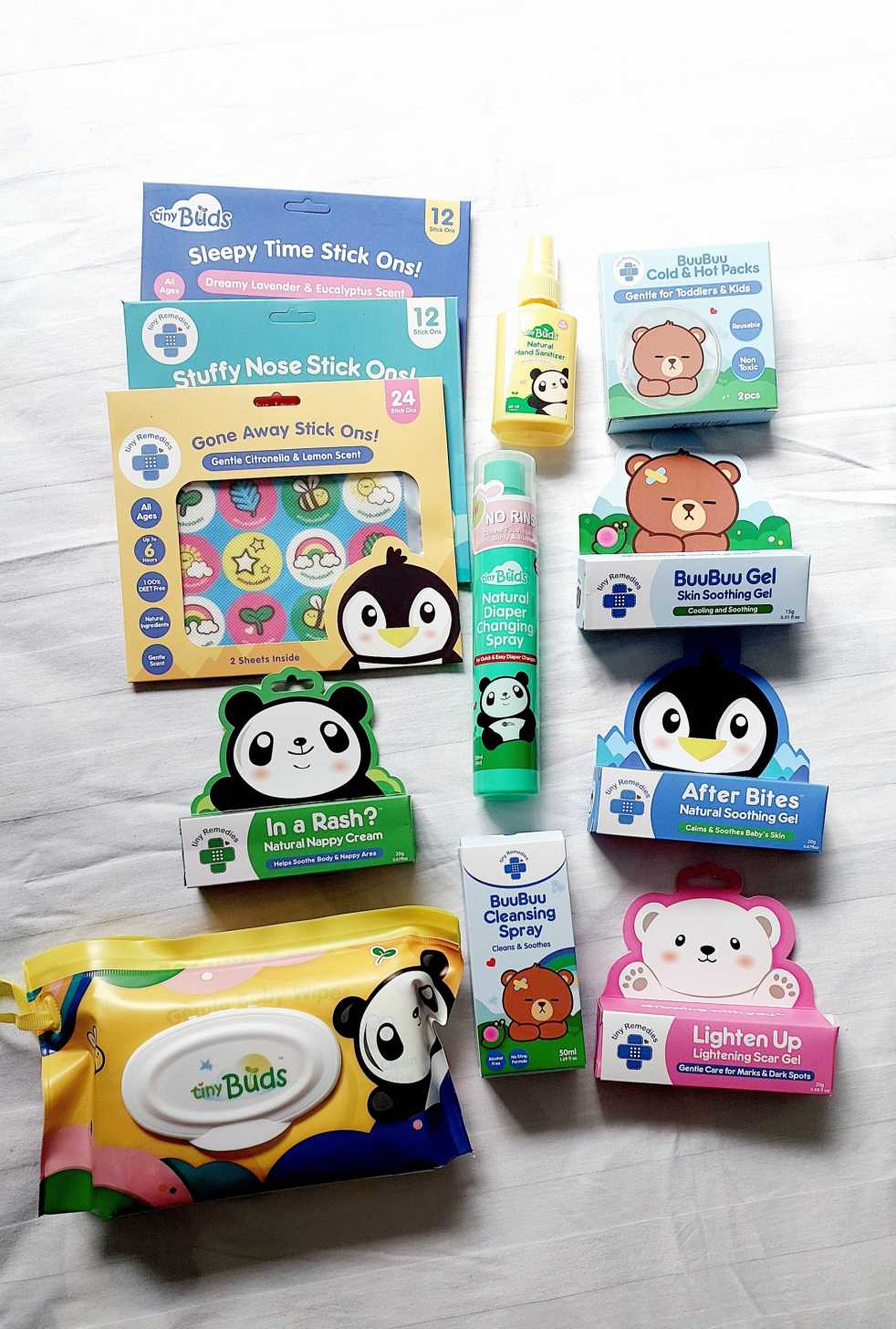
Your baby’s skin is more delicate than most, this is why you have to choose products that are designed for sensitive skin. Tiny Buds is a pioneer in integrating natural ingredients into baby care and today has over 50 innovative natural baby care essentials and is one of the Top Baby Personal Care brands. Here… Continue reading Product Review: Tiny Buds Baby Naturals Baby Essentials
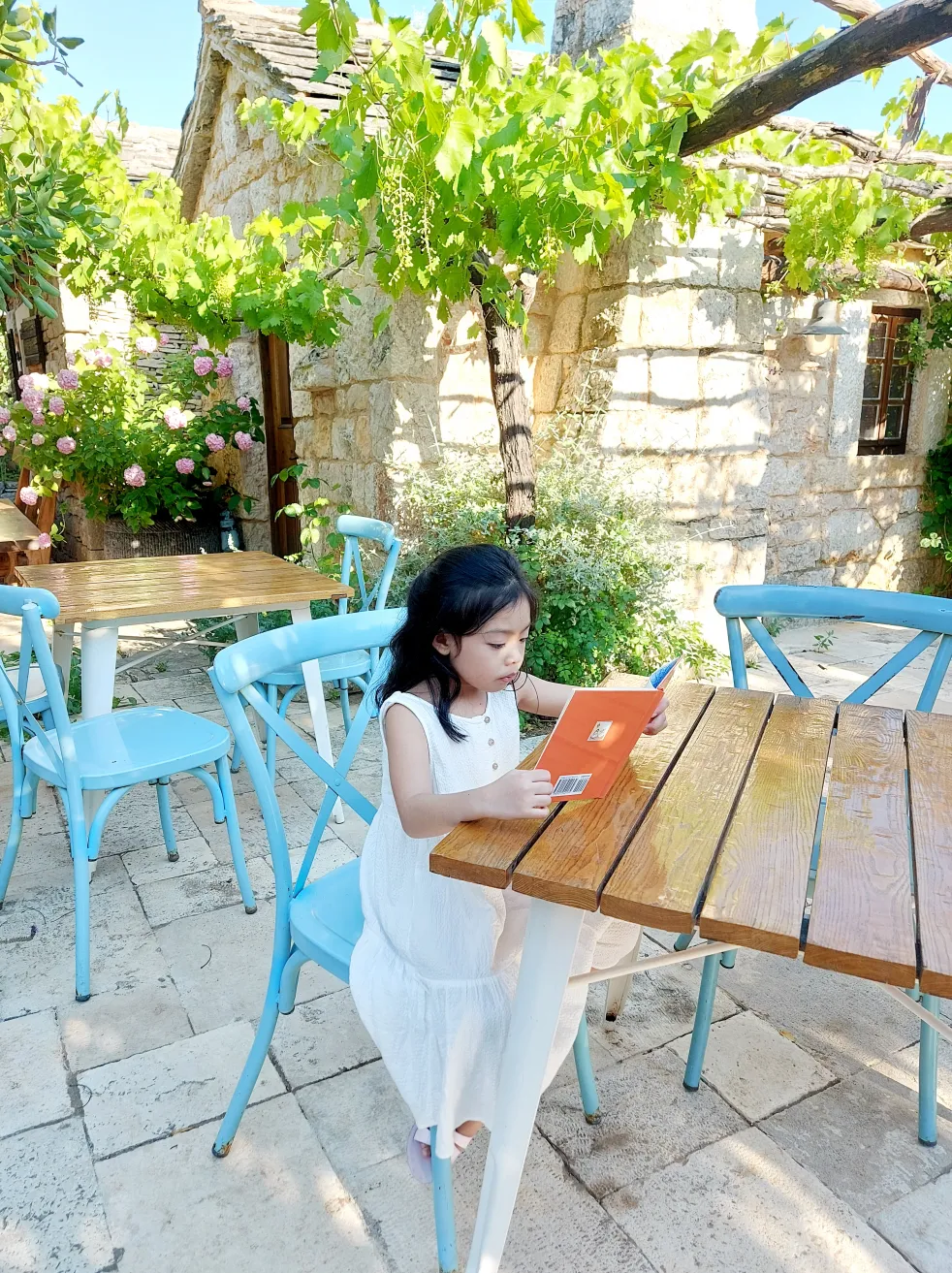
Where your child goes to school is a big decision and shouldn’t be taken lightly. Given how their education can impact their future, you might be tempted to take control and decide for them. However, you might be doing more damage than helping them in the long run. Your job as parents is to support… Continue reading HOW TO CHOOSE THE BEST SCHOOL FOR YOUR CHILD
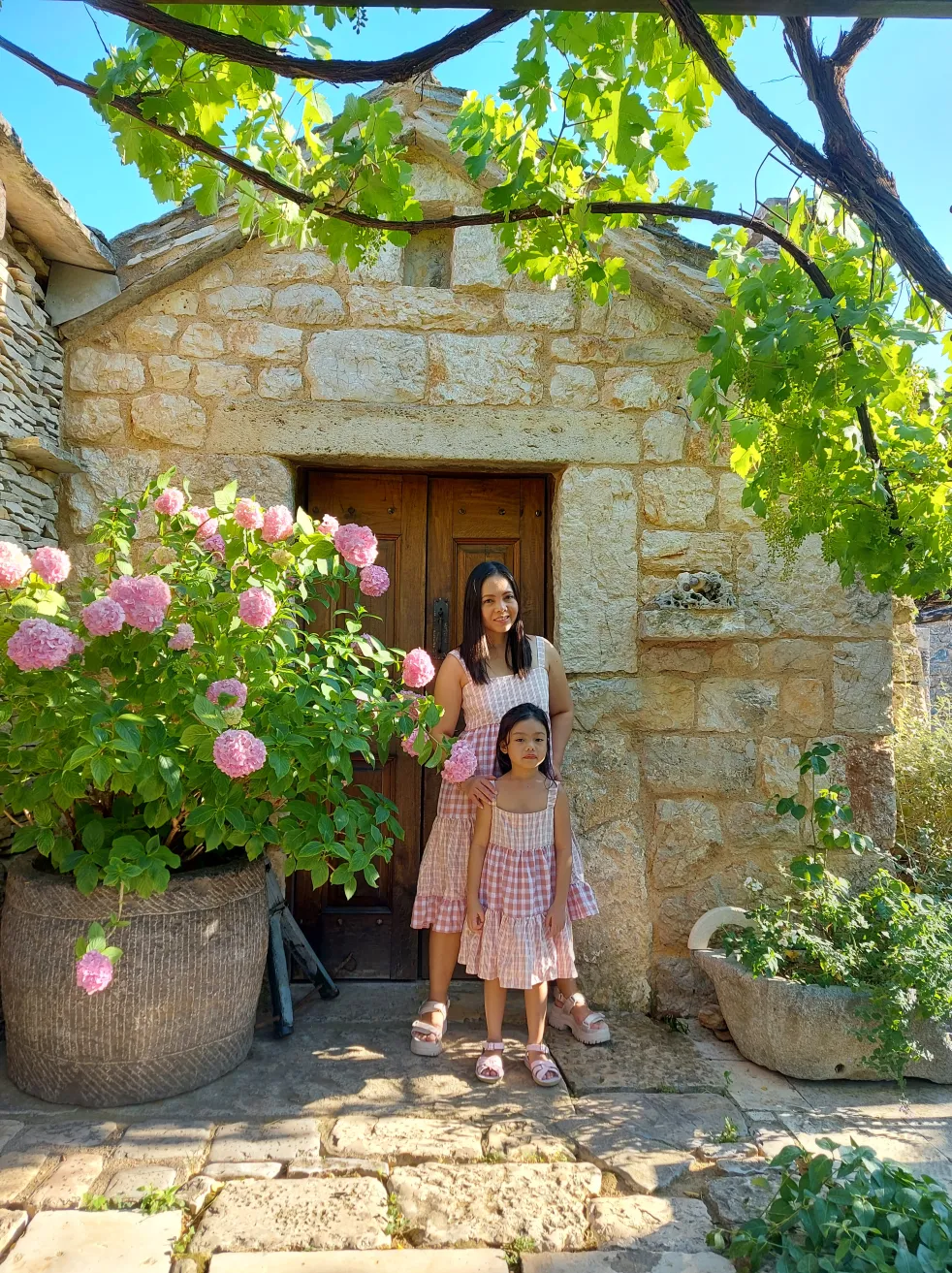
As poet and philosopher Rumi once eloquently said, “raise your words, not your voice. It is rain that grows flowers, not thunder.” Parenting is a challenging journey, and the truth is that nobody has everything figured out. One parenting style might suit others best, and some might favor other methods. However, children respond better to… Continue reading A SIMPLE GUIDE TO GENTLE PARENTING

Whether you’re a new mom to be, mom of a toddler, mom who have school-aged kids, you’re bound to have so many questions. Let's start with your baby's skin. Infant skin has unique needs; gentle care is essential to prevent damage to the skin barrier, which can lead to irritation. When caring for infant skin,… Continue reading Keeping Baby’s Diapered Skin Healthy
As parents, we want to give our child the best possible start in life and that begins with nurturing their intelligence. Throughout history, the notion of success has been linked to academic intelligence. However, there has been an increased awareness on the importance of emotional intelligence. This question gets at the heart of the never-ending… Continue reading IQ or EQ, which one is a better predictor of your child’s success?
 wondermomma.net