
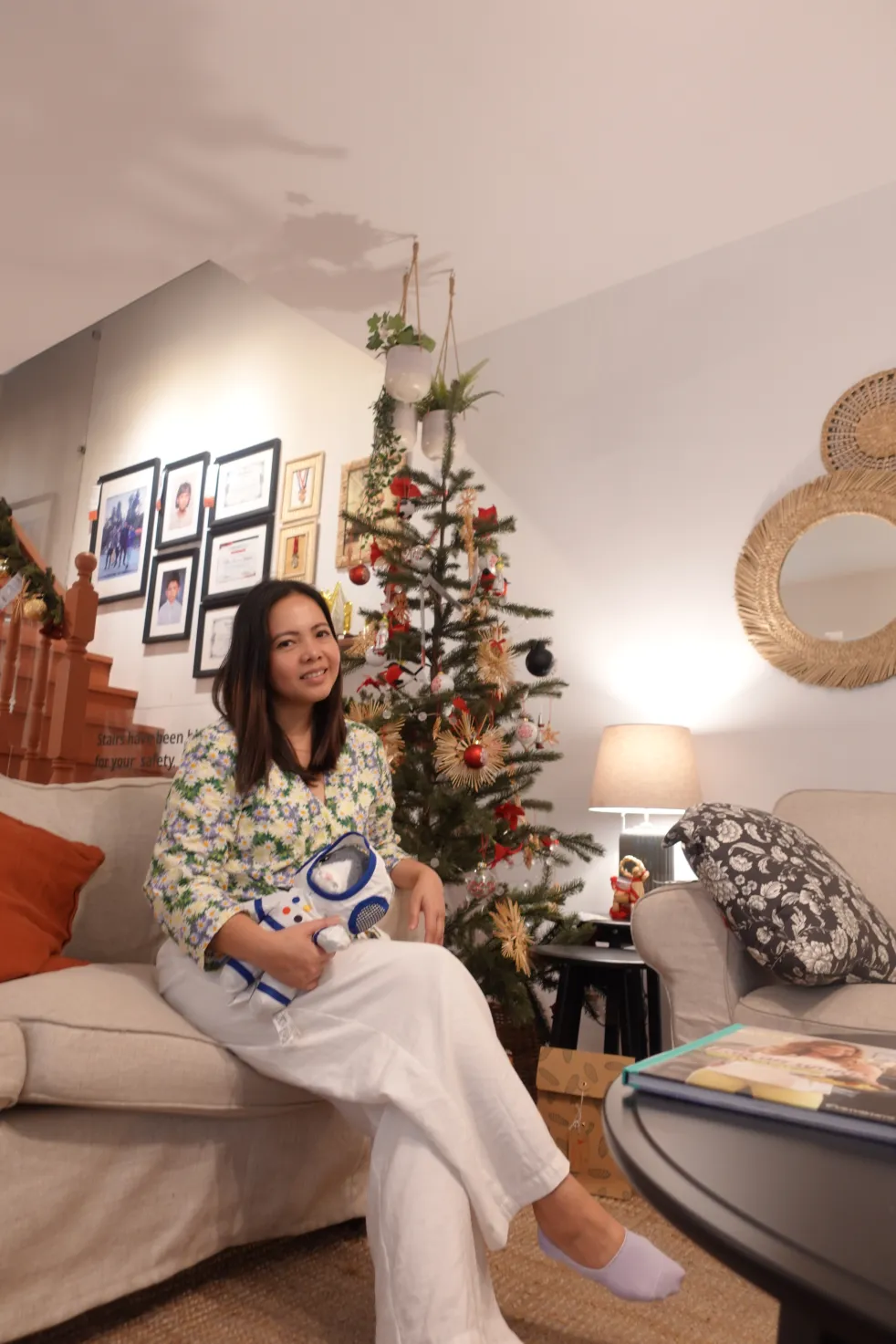
Last August, IKEA Philippines engaged with Better World Smokey Mountain, a newly opened community center operated by the San Miguel Foundation, which shares a similar goal of improving the lives of many Filipino people. Through this partnership, IKEA Philippines provided and assembled home furnishings for the classrooms and library of Better World Smokey Mountain community… Continue reading Help Create a Better World with IKEA Soft Toys
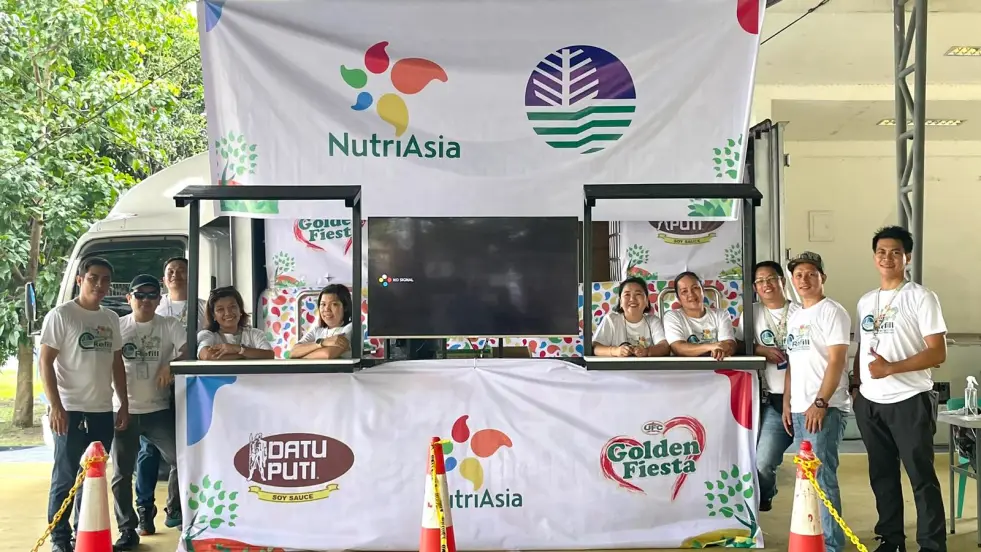
NutriAsia, the country’s top producer of condiments and sauces, continues its support of Refill Revolution; a project by the Department of Environment and Natural Resources EMB 3 that aims to help reduce Filipinos’ single-use plastics consumption. At Refill Revolution, residents get to recycle their single-use plastic bottles by reusing and filling it with their choice… Continue reading NutriAsia and DENR renews partnership for Refill Revolution

How to start a mommy and me playgroup in Australia
Starting a mommy and me playgroup can turn an ordinary weekday morning into a valuable source of friendship, support and hands-on learning. These groups give babies time to explore, while parents and carers build relationships with people who understand the daily reality of caring for little ones. Shared play also helps children learn how to take turns, notice other children and express their needs at an age when they cannot yet use words.
A successful group is usually simple, flexible and shaped around the families who join it. You do not need expensive equipment, a formal curriculum or a large venue. A welcoming room, a few familiar toys and a consistent time each week are enough to create a calm place where babies, parents and caregivers can belong. Local councils, libraries and community organisations often provide practical support when a new group is getting started.
Choose a clear purpose and workable format
Before inviting anyone, decide what the group will offer its members. Some families want regular social time, while others value opportunities for movement, songs and early learning. Others are looking for practical support after the birth of a baby, including guidance on feeding, sleep and adjusting to family life. A clear purpose makes it easier to choose activities and explain the group to prospective members.
Think carefully about the age range you want to support. A birth-to-18-month group creates a strong focus on floor play, sensory experiences, books and early movement. Families with toddlers may prefer songs, simple crafts and activities that encourage walking and communication. A mixed-age group can work well, but babies still need enough space and quiet time. Caregivers should remain with their children so the session feels relaxed rather than like formal childcare.
Choose a rhythm that your family can maintain. Many groups meet for 60 to 90 minutes once a week, while others meet every second week. Australian school terms and public holidays can affect attendance, particularly if families rely on school-based childcare or other weekday commitments. A morning tea format, with each family bringing a small contribution, is common and inexpensive. A modest fee may be useful for room hire, cleaning supplies and first-aid materials, but it should be explained clearly from the beginning.
Find a venue that suits Australian families
Local councils and libraries are excellent starting points when searching for space. Multipurpose rooms at council community centres may be available for a modest hourly fee, while libraries sometimes host parent-and-baby sessions or offer meeting rooms. RSL clubs, church halls, toy libraries and indoor play centres are other possibilities. Outdoor playgrounds can be ideal in mild weather, provided there is shade, seating, accessible pram paths and somewhere for adults to talk.
The best venue depends heavily on where you live. In inner-city Sydney and Melbourne, a council room near public transport may be more practical than a playground surrounded by busy roads. Brisbane families may need to plan around intense heat, while Perth’s dry summers call for early-morning meetings, shaded areas and plenty of water. In regional New South Wales, Victoria, Queensland or Western Australia, a community hall, Country Women’s Association room or local health clinic may offer more flexibility than a commercial venue.
Before confirming a booking, check pram access, toilet facilities, a baby-change table, parking and public transport links. Families in outer suburbs may need reliable parking, while those in major city centres may prefer a venue close to a train station or bus interchange. Ask the council or organisation about insurance, cleaning, room limits and cancellation fees. If the venue does not have public liability cover, the group may need to arrange its own policy.
Recruit a small and trusting circle
Begin with a manageable number of families rather than advertising widely on the first day. Existing friendships, school parent groups, local parenting networks and community Facebook groups are useful places to find interested members. A child health nurse, family GP or local council can also point families towards established groups. Share the meeting place, intended age range, cost and what a typical session involves without posting children’s names, birth dates or other identifying details.
Set expectations before the first gathering. Caregivers should know whether sessions are indoors or outdoors, whether food is shared, whether photographs are taken and how cancellations work. Ask about allergies, medical needs and emergency contacts using a secure form. Many groups adopt a simple rule that adults stay with their children, supervise them closely and speak respectfully to one another. A caregiver may briefly help another parent while remaining within sight and hearing.
Let the group develop its own culture. Invite input about songs, activities and preferred meeting times, then agree on a few practical ground rules. Keep membership open to different family structures, including dads, grandparents, foster carers and adoptive parents, even if the group began as a mums-and-babies gathering. Families from varied cultural, linguistic and socioeconomic backgrounds will contribute valuable perspectives. A welcoming, non-competitive atmosphere helps new members feel comfortable from their first visit.
Plan simple play sessions with variety
The best activities for babies are open-ended and responsive to their interests. Leave space for floor play, crawling, standing and safe climbing rather than trying to fill every minute with organised instructions. Add a small book corner, a tray of sensory materials, soft blocks and a few musical instruments so children can choose what attracts them. Caregivers can follow each child’s cues, using songs and conversation as chances for bonding instead of expecting babies to participate in group games.
A predictable session can help everyone settle. Families might arrive for ten quiet minutes, spend 30 to 40 minutes exploring, gather for a song or rhyme, share morning tea and finish with free play. Keep the structure flexible enough for different energy levels and developmental stages. Tummy time, gentle movement, clapping and copying animal sounds are all inexpensive ways to encourage communication and motor development without pressuring anyone to perform.
You do not need to buy a new supply of toys for every meeting. Australian families can source affordable play materials from Woolworths or Coles, Kmart, Bunnings, second-hand shops and local toy libraries. Shared supplies might include washable crayons, large paper, fabric scraps and costume boxes, while each family can bring a duplicate favourite toy. Label snacks with ingredients and avoid common allergens whenever possible. Familiar songs, Australian nursery rhymes and children’s music also create a welcoming atmosphere without adding much to the cost.
Keep the group safe, inclusive and sustainable
Check the environment before children arrive. Look for sharp edges, unstable furniture, small choking hazards, unsecured cords and inaccessible exits. Outdoor sessions require extra attention to heat, sunlight and insects. Check the UV index and temperature, choose shade, provide drinking water and remind families to bring hats, sunscreen and light clothing. Melbourne’s changeable weather may require layers, while warmer cities benefit from short morning sessions and indoor alternatives when conditions become unsafe.
Agree on health practices that protect both children and adults. Families should disclose allergies and provide any medication with clear instructions, including an action plan where necessary. Remind members to wash hands, keep cups and utensils separate, and stay home when they or their child are unwell. A trained first-aid attendee, emergency contacts and the Australian emergency number 000 should appear in the group’s notes. Local child health nurses and family doctors can also offer guidance on common concerns such as feeding, development and immunisation.
A group lasts when its organisation is shared but not overwhelming. Collect fees through a simple bank transfer and keep a small record of expenses. Maintain a shared checklist for bookings, supplies, cleaning and safety checks, and rotate practical jobs among members. Review the format every school term so the group can adjust the meeting day, venue or membership arrangements. If interest falls, finish the term respectfully and thank the families who took part. The friendships and positive memories created along the way can still make the effort worthwhile.

Mercato Centrale, in collaboration with Indian Women in Enterprise Philippines (I-We), is set to host "The Great Indian Fiesta" to mark 75 years of friendship between India and the Philippines. The dynamic two-day event is scheduled to take place on September 30 to October 1, 2023, at Paseo De Roxas Street, Makati City. Aiming to… Continue reading Mercato Centrale Partners with I-We to Host ‘The Great Indian Fiesta’, Commemorating 75 Years of India-Philippines Friendship

My stomach would usually start growling at 10 am even after taking a big breakfast. This is probably because I am a morning person and I move a lot throughout the day hence snacking is something that I can't avoid. This potatoes and chicken wrap recipe is easy to prepare and would keep me full… Continue reading Potato and Chicken Wrap
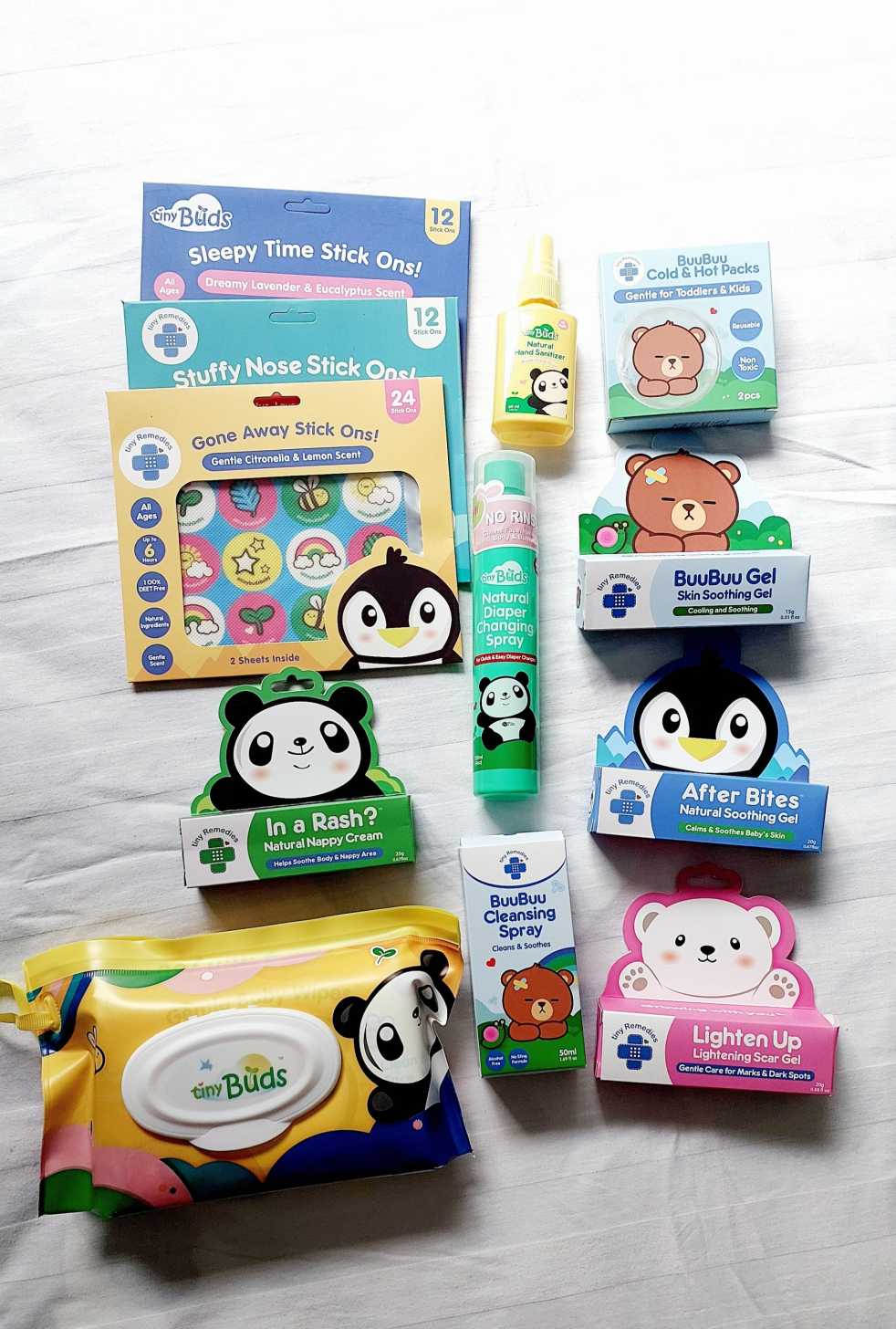
Your baby’s skin is more delicate than most, this is why you have to choose products that are designed for sensitive skin. Tiny Buds is a pioneer in integrating natural ingredients into baby care and today has over 50 innovative natural baby care essentials and is one of the Top Baby Personal Care brands. Here… Continue reading Product Review: Tiny Buds Baby Naturals Baby Essentials
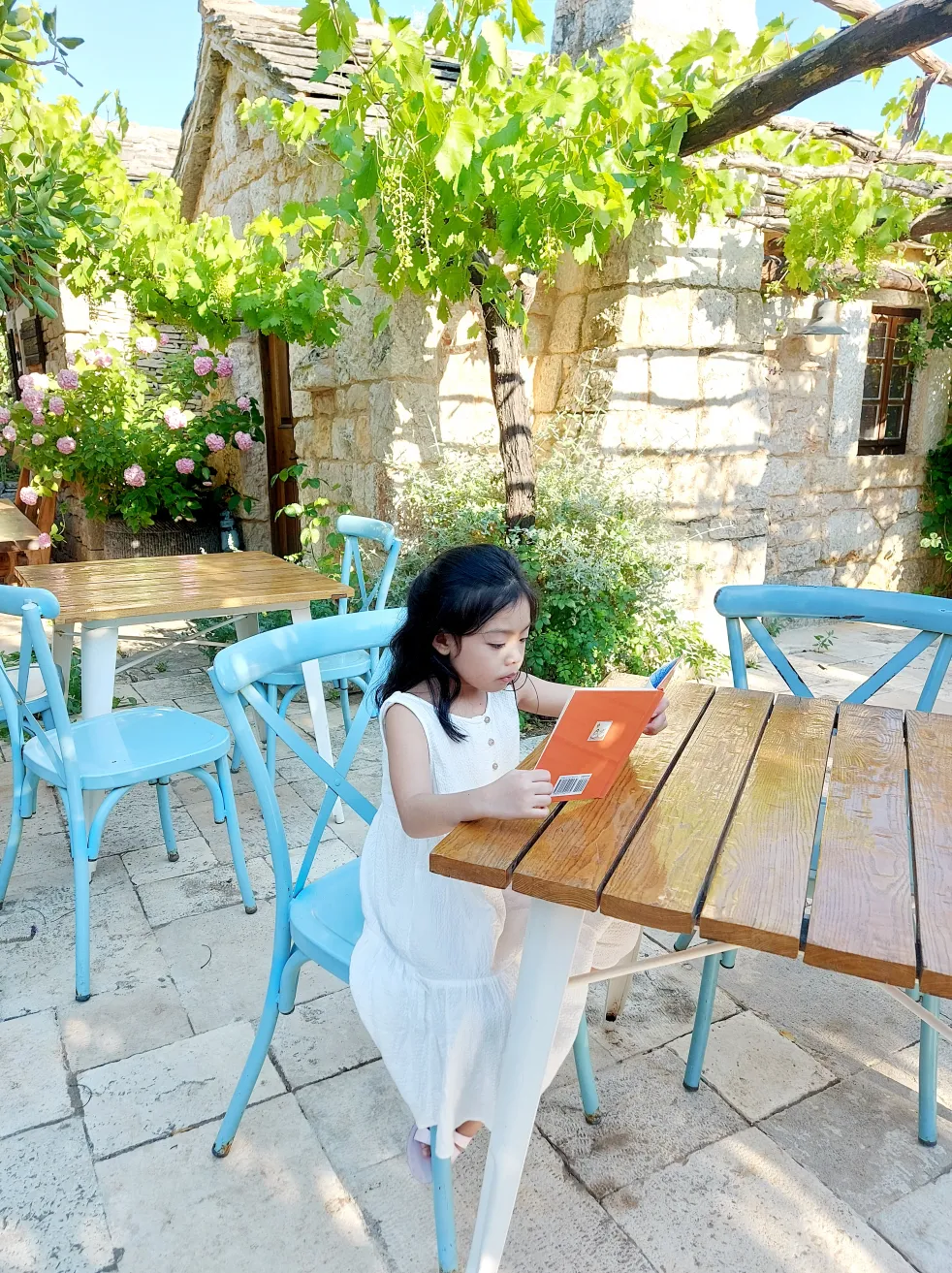
Where your child goes to school is a big decision and shouldn’t be taken lightly. Given how their education can impact their future, you might be tempted to take control and decide for them. However, you might be doing more damage than helping them in the long run. Your job as parents is to support… Continue reading HOW TO CHOOSE THE BEST SCHOOL FOR YOUR CHILD
As poet and philosopher Rumi once eloquently said, “raise your words, not your voice. It is rain that grows flowers, not thunder.” Parenting is a challenging journey, and the truth is that nobody has everything figured out. One parenting style might suit others best, and some might favor other methods. However, children respond better to… Continue reading A SIMPLE GUIDE TO GENTLE PARENTING
Whether you’re a new mom to be, mom of a toddler, mom who have school-aged kids, you’re bound to have so many questions. Let's start with your baby's skin. Infant skin has unique needs; gentle care is essential to prevent damage to the skin barrier, which can lead to irritation. When caring for infant skin,… Continue reading Keeping Baby’s Diapered Skin Healthy
As parents, we want to give our child the best possible start in life and that begins with nurturing their intelligence. Throughout history, the notion of success has been linked to academic intelligence. However, there has been an increased awareness on the importance of emotional intelligence. This question gets at the heart of the never-ending… Continue reading IQ or EQ, which one is a better predictor of your child’s success?
 wondermomma.net