
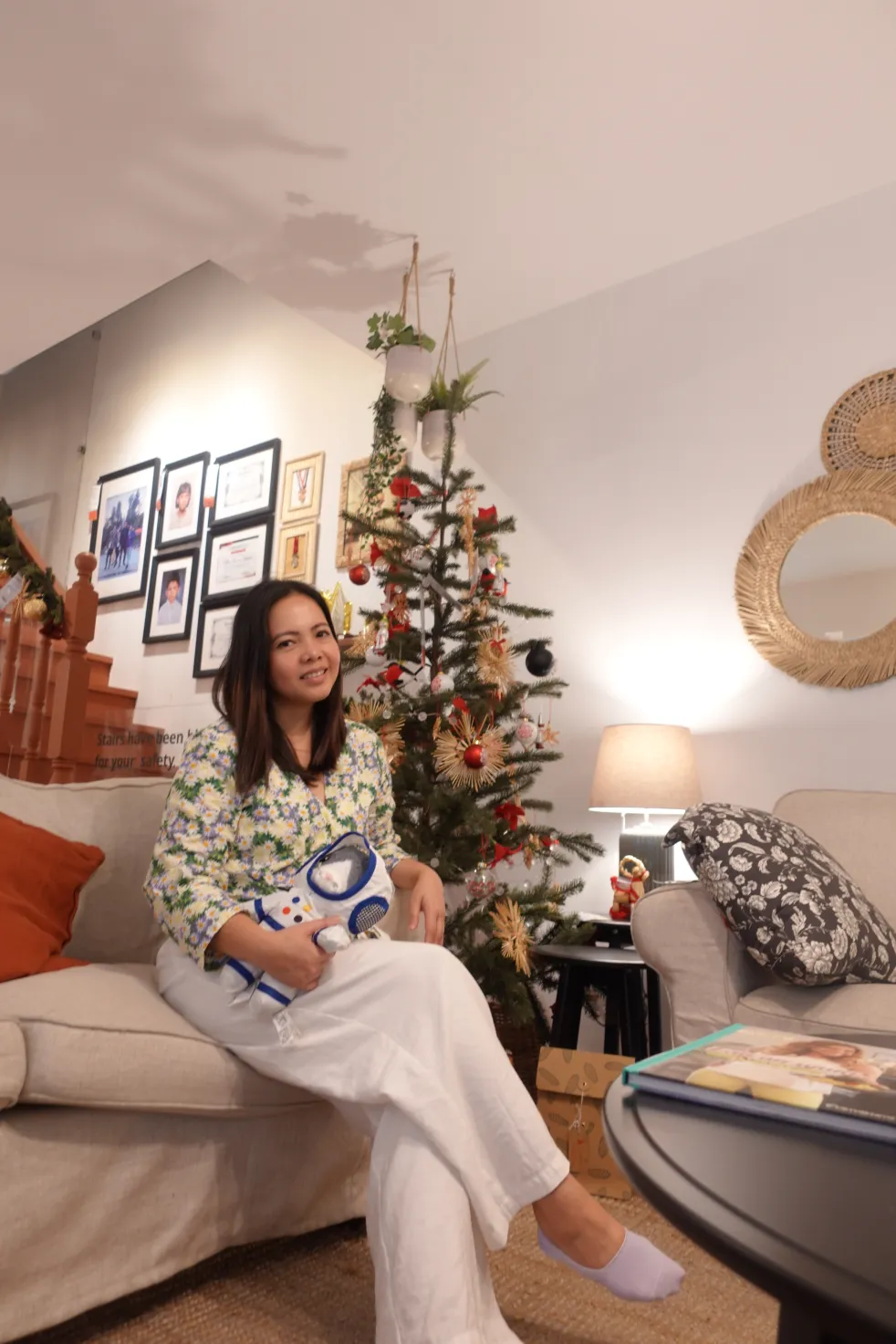
Last August, IKEA Philippines engaged with Better World Smokey Mountain, a newly opened community center operated by the San Miguel Foundation, which shares a similar goal of improving the lives of many Filipino people. Through this partnership, IKEA Philippines provided and assembled home furnishings for the classrooms and library of Better World Smokey Mountain community… Continue reading Help Create a Better World with IKEA Soft Toys

NutriAsia, the country’s top producer of condiments and sauces, continues its support of Refill Revolution; a project by the Department of Environment and Natural Resources EMB 3 that aims to help reduce Filipinos’ single-use plastics consumption. At Refill Revolution, residents get to recycle their single-use plastic bottles by reusing and filling it with their choice… Continue reading NutriAsia and DENR renews partnership for Refill Revolution
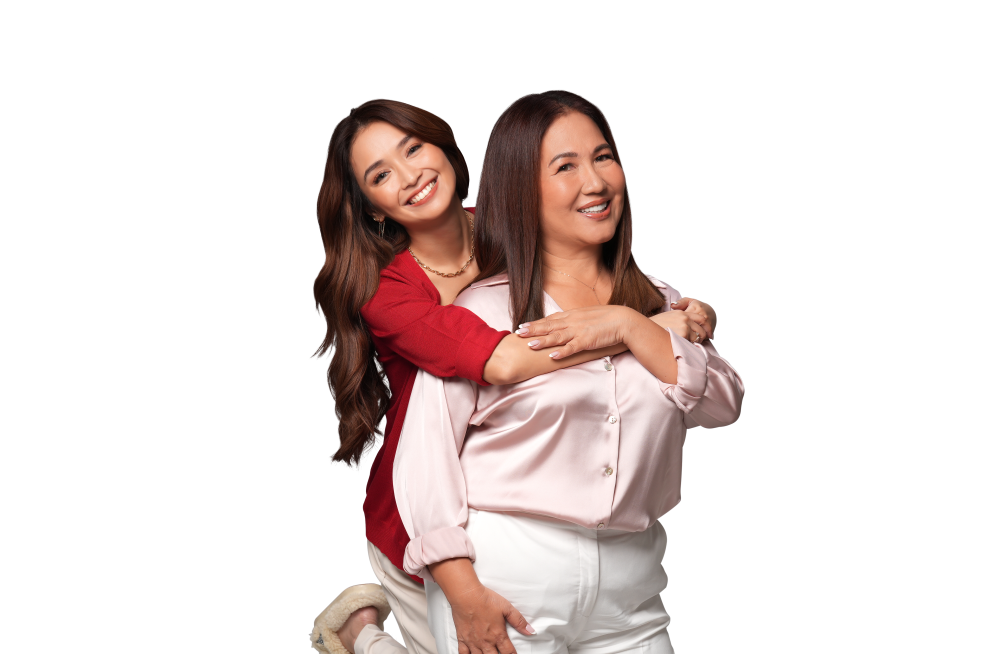
How to Start a Mommy and Me Exercise Routine at Home
An at-home exercise routine can give you and your child a calm way to move, connect and enjoy time together. It does not need to look like a formal workout. A few minutes of stretching, dancing, floor play or pram-friendly movement can support your wellbeing while helping your little one learn through imitation.
For Australian families, home exercise can be especially useful during hot summer afternoons, rainy school-holiday days or busy weeks when getting to a gym feels unrealistic. With a safe space, comfortable clothing and a flexible plan, mum and child movement can become a simple part of family life.
Start with safety and realistic expectations
Before beginning, consider your child’s age, mobility and temperament. Babies may spend most of the session watching, reaching or practising tummy time, while toddlers might copy simple actions or move between activities. Older children can follow short games, dance routines and balance challenges. The goal is shared activity rather than perfect form.
If you have recently given birth, speak with your GP, midwife or physiotherapist before returning to exercise, particularly after a caesarean birth or if you have pelvic floor symptoms. Australia’s child and family health nurses can also offer practical guidance about infant movement, tummy time and age-appropriate play. Stop if you feel pain, dizziness, unusual bleeding or excessive fatigue.
Choose a clear floor away from sharp furniture, cords and slippery rugs. Keep your baby within reach, avoid lifting them during movements that challenge your balance, and never place a baby on a sofa, bed or elevated surface for exercise. A firm play mat on the floor is generally a better option.
Set up a small movement space
You do not need expensive equipment to begin. A non-slip mat, a light blanket, a water bottle and a few favourite toys are enough for most parent-and-child workouts. If you use resistance bands, small weights or a fitness ball, store them away once the session ends and keep them out of reach of young children.
Natural light can make the area inviting, but watch the temperature. A Queensland home may become uncomfortable in the afternoon heat, while a Melbourne winter morning may call for warm layers and a longer gentle warm-up. Open windows only when the space is secure, and check the floor for small objects before placing a baby down.
Wear supportive shoes for standing exercises and clothing that allows easy movement. If you are exercising barefoot, check that the floor is clean and stable. Keeping the setup simple makes it easier to fit in a short session before breakfast, after a nap or during a child’s independent play.
Build a short routine that feels playful
Begin with three to five minutes of gentle warm-up. Walk around the room, roll your shoulders, circle your ankles and take slow breaths. With a baby, you can sing while moving your arms or gently shift from side to side. With a toddler, try animal walks, reaching for coloured toys or marching to a familiar song.
Next, choose two or three movements that suit your current strength. Sit-to-stand repetitions from a sturdy chair, wall push-ups, gentle squats and standing calf raises are easy to modify. Your child can clap, copy the movement or hold a toy nearby. Keep your breathing steady and move slowly enough to maintain control.
Finish with a calm activity such as stretching, cuddling, reading on the mat or listening to quiet music. A ten-minute session is a useful beginning. As the routine becomes familiar, you can extend it to fifteen or twenty minutes without making every session demanding.
Match activities to your child’s stage
Different ages call for different types of shared movement. Babies benefit from observing your face, hearing songs and having supervised opportunities to move freely. Toddlers often enjoy repetition, while preschoolers may respond better to stories, pretend play and simple challenges. The following ideas can help you choose an activity without turning play into a lesson.
| Child’s stage | Shared movement ideas | Helpful focus |
|---|---|---|
| Young baby | Tummy time beside you, singing with gentle arm movements, reaching for a toy | Head control, connection and floor play |
| Mobile baby | Crawling games, rolling a soft ball, following you between safe floor markers | Coordination and exploration |
| Toddler | Freeze dancing, animal walks, squats to pick up toys, marching | Balance, imitation and enjoyment |
| Preschooler | Follow-the-leader, obstacle paths, yoga-style poses, action songs | Confidence, body awareness and listening |
Let your child join in, watch or take a break. A baby who becomes tired may need a feed, cuddle or nap rather than another activity. A toddler may turn a planned workout into a game of running away, and that is normal. Redirect gently instead of insisting on completing every repetition.
For families looking for broader ideas about movement, play and family wellbeing, family wellbeing ideas can provide useful inspiration alongside advice from Australian health professionals.
Make floor play part of the workout
Floor-based movement is often the easiest place to begin with a baby. Place your baby on their back or tummy in a safe area while you perform slow stretches nearby. You can encourage reaching by holding a high-contrast toy within view, while staying close enough to respond quickly. Follow your baby’s cues and keep supervised tummy time brief and positive.
For a crawling baby, place soft toys a short distance away and crawl alongside them. A toddler may enjoy carrying beanbags or soft toys from one basket to another while you complete a few squats or lunges. These games add everyday movement without requiring your child to remain still.
Avoid using a baby carrier for vigorous exercise, jumping or movements where your balance may change suddenly. Carrying a child can increase strain on your back, hips and pelvic floor. If you exercise with a pram outdoors, use a model designed for that purpose and follow the manufacturer’s age and safety guidance.
Add variety without making it complicated
A weekly rhythm can prevent the routine from feeling repetitive. You might use music and dancing on Monday, strength-based movements on Wednesday, stretching and floor play on Friday, and an easy family walk on the weekend. In Australia, a short walk to a local oval, playground or shopping strip can complement your indoor sessions when the weather is suitable.
Use ordinary household cues to make movement memorable. A favourite song can signal the start, while putting the toys away can mark the end. Older children can choose between two activities, count repetitions or create a safe obstacle path using cushions placed flat on the floor. Choice gives them ownership without making you plan a new workout every day.
Keep intensity moderate when your child is present. You should be able to speak in short sentences, and your child should remain comfortable and supervised. If you are returning to fitness after pregnancy, prioritise posture, breathing and pelvic floor awareness over speed or heavy resistance.
Keep the routine flexible and enjoyable
A consistent routine does not mean exercising at exactly the same time every day. Babies’ naps, teething, daycare schedules and family commitments can change quickly. Aim for two or three planned sessions each week, with shorter movement breaks available when a full workout is not possible. Five minutes of dancing still counts as active time.
Australian families often describe the late afternoon as the “arvo”, but this can be a challenging time for young children who are hungry or tired. Try a morning session instead, or keep an easy music-and-movement option for after daycare. During very hot weather, use a fan safely, choose the coolest room and avoid exercising in direct sun.
Notice signs that your child needs a pause, including crying, turning away, rubbing their eyes or becoming unusually quiet. Your own energy matters as well. A gentle routine should leave you feeling supported, not pressured. When movement is associated with laughter, connection and regular care, children are more likely to view physical activity as a normal part of family life.

Mercato Centrale, in collaboration with Indian Women in Enterprise Philippines (I-We), is set to host "The Great Indian Fiesta" to mark 75 years of friendship between India and the Philippines. The dynamic two-day event is scheduled to take place on September 30 to October 1, 2023, at Paseo De Roxas Street, Makati City. Aiming to… Continue reading Mercato Centrale Partners with I-We to Host ‘The Great Indian Fiesta’, Commemorating 75 Years of India-Philippines Friendship

My stomach would usually start growling at 10 am even after taking a big breakfast. This is probably because I am a morning person and I move a lot throughout the day hence snacking is something that I can't avoid. This potatoes and chicken wrap recipe is easy to prepare and would keep me full… Continue reading Potato and Chicken Wrap
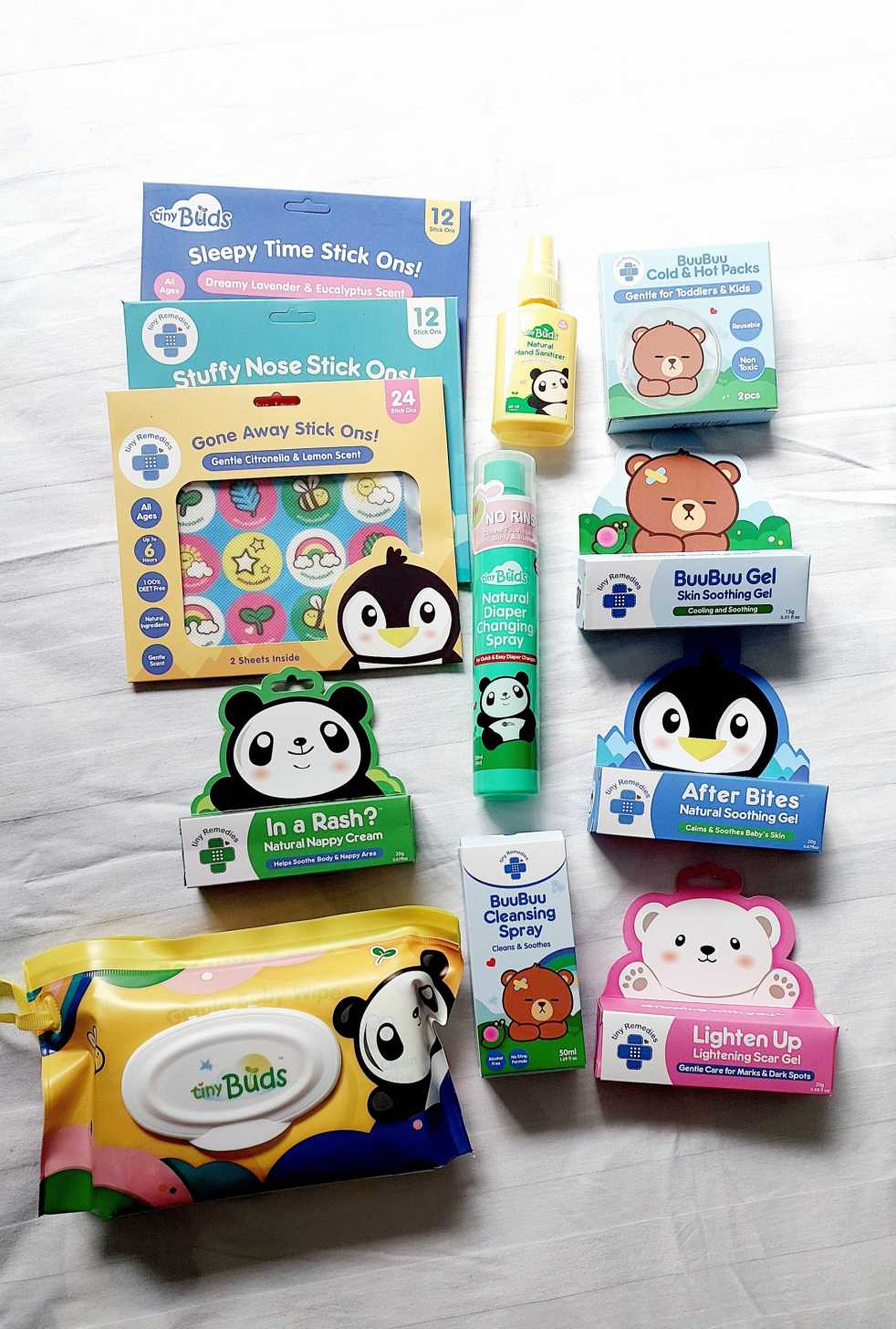
Your baby’s skin is more delicate than most, this is why you have to choose products that are designed for sensitive skin. Tiny Buds is a pioneer in integrating natural ingredients into baby care and today has over 50 innovative natural baby care essentials and is one of the Top Baby Personal Care brands. Here… Continue reading Product Review: Tiny Buds Baby Naturals Baby Essentials
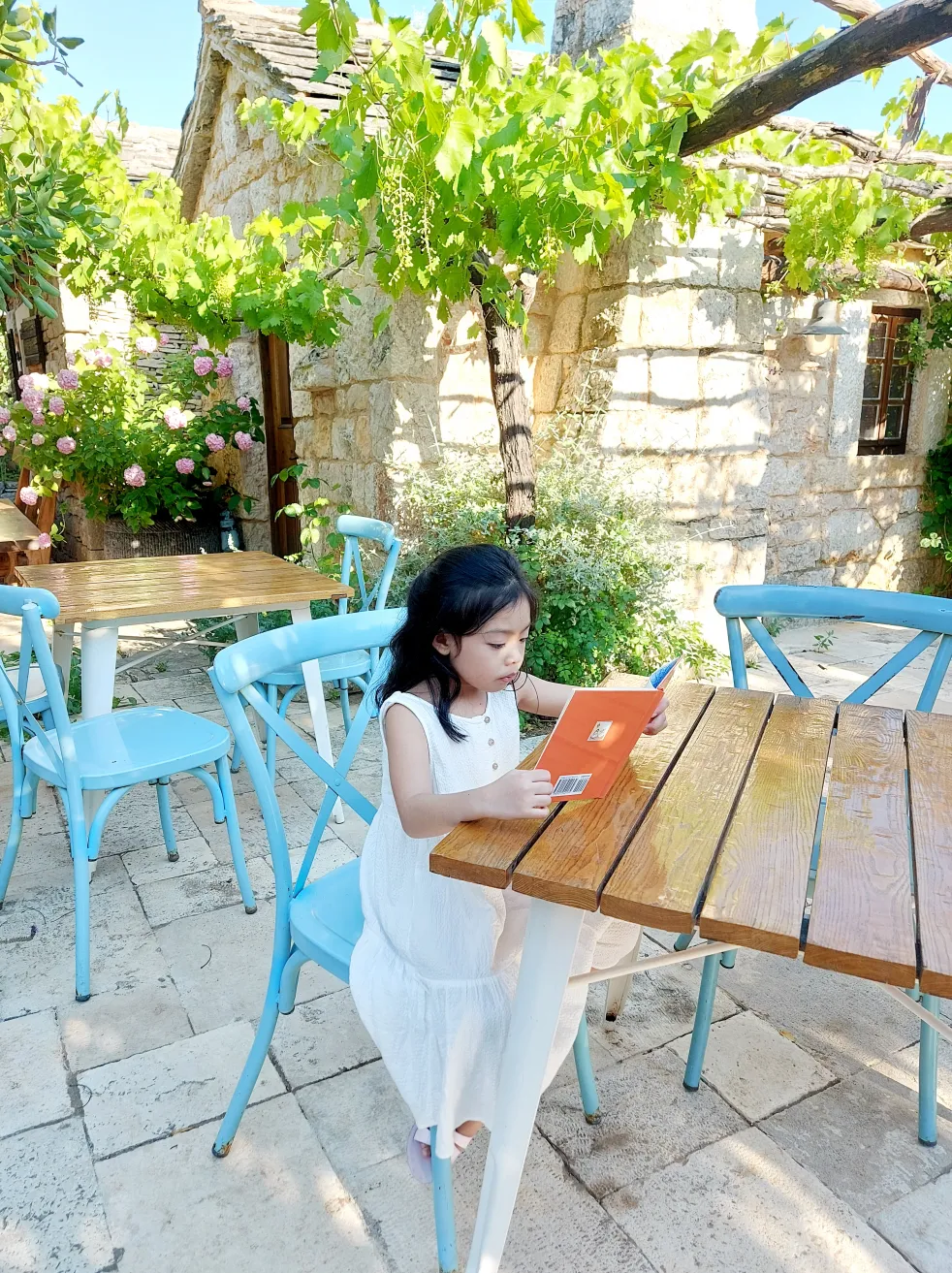
Where your child goes to school is a big decision and shouldn’t be taken lightly. Given how their education can impact their future, you might be tempted to take control and decide for them. However, you might be doing more damage than helping them in the long run. Your job as parents is to support… Continue reading HOW TO CHOOSE THE BEST SCHOOL FOR YOUR CHILD
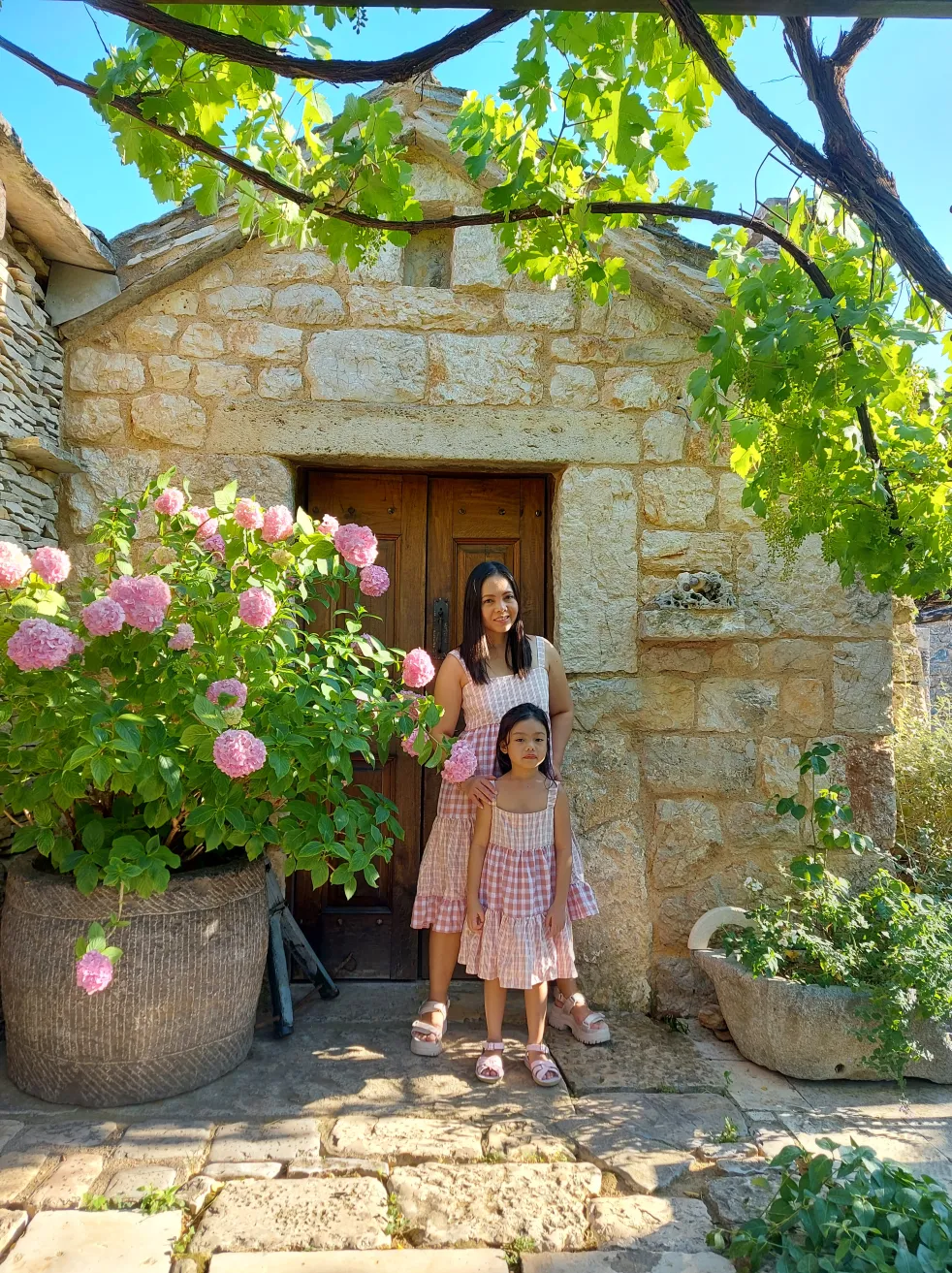
As poet and philosopher Rumi once eloquently said, “raise your words, not your voice. It is rain that grows flowers, not thunder.” Parenting is a challenging journey, and the truth is that nobody has everything figured out. One parenting style might suit others best, and some might favor other methods. However, children respond better to… Continue reading A SIMPLE GUIDE TO GENTLE PARENTING
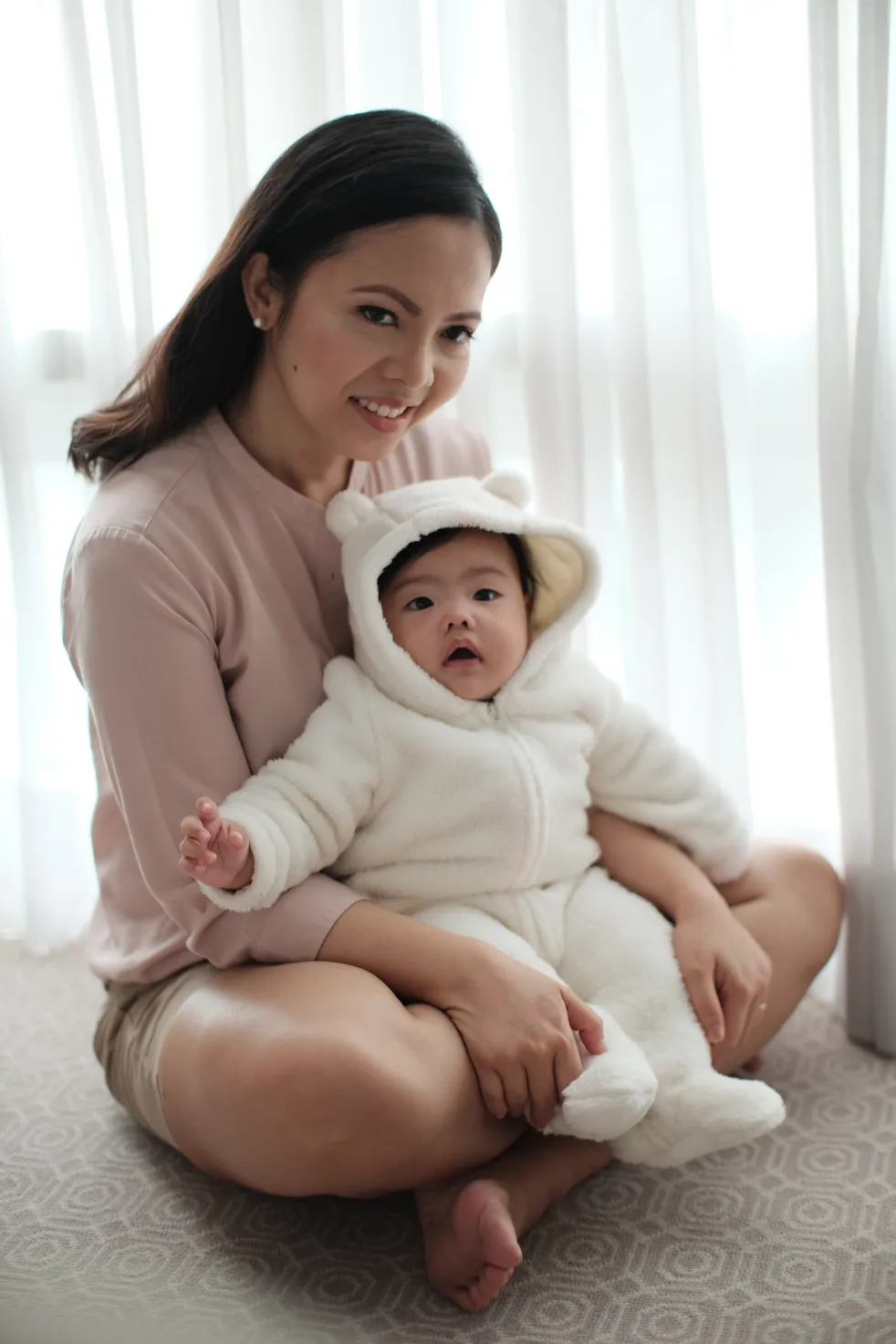
Whether you’re a new mom to be, mom of a toddler, mom who have school-aged kids, you’re bound to have so many questions. Let's start with your baby's skin. Infant skin has unique needs; gentle care is essential to prevent damage to the skin barrier, which can lead to irritation. When caring for infant skin,… Continue reading Keeping Baby’s Diapered Skin Healthy
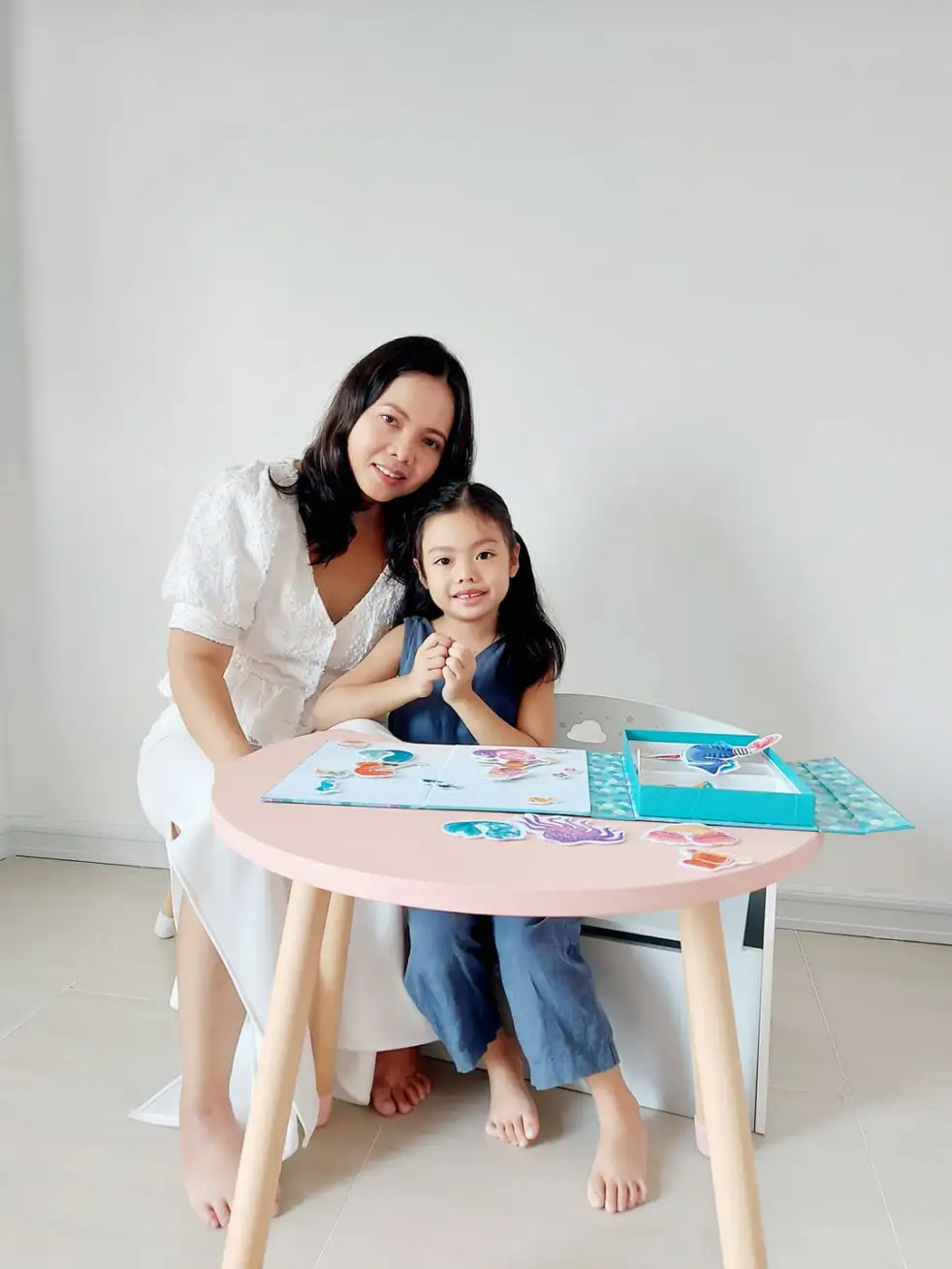
As parents, we want to give our child the best possible start in life and that begins with nurturing their intelligence. Throughout history, the notion of success has been linked to academic intelligence. However, there has been an increased awareness on the importance of emotional intelligence. This question gets at the heart of the never-ending… Continue reading IQ or EQ, which one is a better predictor of your child’s success?
 wondermomma.net