

Last August, IKEA Philippines engaged with Better World Smokey Mountain, a newly opened community center operated by the San Miguel Foundation, which shares a similar goal of improving the lives of many Filipino people. Through this partnership, IKEA Philippines provided and assembled home furnishings for the classrooms and library of Better World Smokey Mountain community… Continue reading Help Create a Better World with IKEA Soft Toys
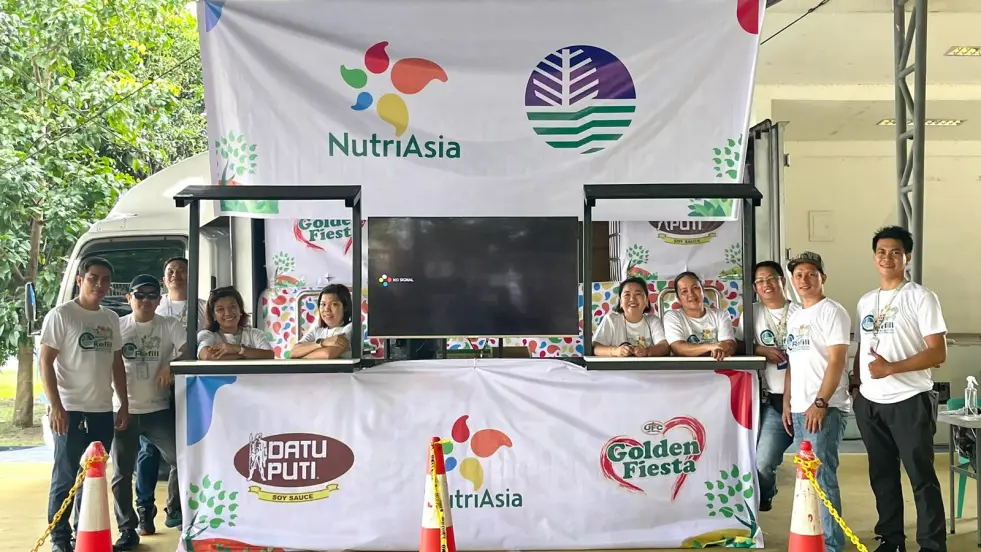
NutriAsia, the country’s top producer of condiments and sauces, continues its support of Refill Revolution; a project by the Department of Environment and Natural Resources EMB 3 that aims to help reduce Filipinos’ single-use plastics consumption. At Refill Revolution, residents get to recycle their single-use plastic bottles by reusing and filling it with their choice… Continue reading NutriAsia and DENR renews partnership for Refill Revolution

How to Start a Mom Support Group in Your Community
Motherhood can feel joyful, meaningful, and exhausting in the same week. Many mothers care for their children while managing work, household responsibilities, relationships, and personal worries. A friendly conversation with someone who understands can bring comfort that advice from a book cannot always provide.
A local mom support group gives mothers a dependable place to share experiences, exchange practical ideas, and build friendships. It can be a small circle in a barangay, a school-based gathering, an online community for nearby families, or a combination of in-person and virtual meetings.
Starting one does not require a large budget, a professional title, or a perfect plan. What matters most is a clear purpose, a welcoming atmosphere, and a few people willing to help create a safe village for mothers and children.
Define The Purpose And Community
Begin by identifying the kind of support mothers in your area need. Some groups focus on first-time motherhood, breastfeeding, baby care, gentle parenting, working mothers, single parents, homeschooling, or mothers of children with additional needs. A broad family group can also work, especially in a small community where parents want practical companionship.
Write a simple purpose statement, such as: “This group connects local mothers for friendship, parenting support, and useful family activities.” A clear purpose helps you decide which topics to discuss, who to invite, and what activities belong in the group.
Think about the families you hope to reach. In the Philippines, mothers may live in the same subdivision, barangay, church community, school, workplace, or condominium but have very different schedules and resources. Use inclusive language and avoid creating a group that assumes every family has the same income, parenting style, or access to childcare.
Find Two Or Three Reliable Organizers
A support group is easier to sustain when leadership is shared. Invite two or three dependable mothers to help with planning, communication, welcoming new members, and keeping track of practical details. One person may enjoy organizing events, while another is better at social media, note-taking, or connecting with local partners.
Discuss expectations before announcing the group. Decide how often you can meet, how much time organizers can give, and which responsibilities need to rotate. This prevents one mother from carrying every task and quietly becoming overwhelmed.
You can also invite trusted resource people when appropriate. A pediatrician, midwife, lactation counselor, teacher, mental health professional, or family counselor may offer a short educational session. Their participation should support the group’s purpose rather than turn every gathering into a sales presentation.
Choose A Welcoming Format
Select a format that matches the needs of local mothers. A monthly face-to-face gathering may work well at a community center, library, café, church hall, school room, or barangay facility. For mothers with babies, a child-friendly location with seating, shade, toilets, and space for strollers can make attendance much easier.
Online meetings and private messaging groups can help mothers who cannot travel. However, online spaces need clear boundaries because private family information, photos of children, and health concerns can quickly become sensitive. Use an appropriate platform, limit administrator access, and remind members to protect one another’s privacy.
A flexible group may combine a regular discussion with occasional activities, such as a baby-care workshop, playdate, recipe exchange, book-sharing afternoon, clothing swap, or family wellness walk. Keep early events simple so the organizers can learn what members actually enjoy.
| Group Format | Works Well For | Planning Needs | Possible Limitation |
|---|---|---|---|
| Monthly in-person circle | Mothers seeking friendship and conversation | Accessible venue, schedule, refreshments | Travel and childcare may affect attendance |
| Private online group | Quick questions and everyday encouragement | Moderators, privacy rules, posting guidelines | Messages can become overwhelming |
| Child-friendly playdate | Mothers with babies, toddlers, or preschoolers | Safe space, toys, supervision expectations | Conversation may be interrupted |
| Skills or learning session | Focused parenting and family education | Guest speaker, topic plan, time limits | May feel formal if discussion is limited |
| Community activity | Families who enjoy volunteering or shared projects | Partner coordination and safety planning | Requires more preparation |
Set Simple Group Guidelines
Healthy boundaries help members feel secure. Create a short set of guidelines before the first meeting and share them when someone joins. The rules should encourage respect without making the group feel strict or intimidating.
Useful guidelines include keeping personal stories confidential, avoiding judgmental comments, asking permission before offering advice, and respecting different family structures and parenting decisions. Members should also know that the group is not a substitute for medical, legal, or mental health care.
Be especially careful with health and safety discussions. A mother may ask about fever, rashes, feeding, sleep, or postpartum emotions, but other members should not diagnose her child or recommend stopping prescribed treatment. Encourage professional help when a concern is serious, urgent, or persistent.
Plan The First Gathering
The first meeting should feel relaxed and purposeful. Choose a time that suits the majority of interested mothers, then keep the agenda to about 60 or 90 minutes. A short gathering is easier for parents who need to feed a baby, collect a child from school, or manage a household schedule.
Prepare a simple structure: welcome and introductions, a light discussion prompt, a short activity, and time to decide what members would like next. Conversation starters might include “What has made this season of motherhood easier?” or “What kind of support would be useful in our neighborhood?”
Offer water and modest snacks if possible, but do not make food a requirement. In many Filipino communities, sharing merienda can create warmth and conversation, yet members should never feel pressured to contribute financially. A bring-your-own-snack arrangement or donated refreshments can keep costs manageable.
Practical Details To Prepare
- Choose a venue that is safe, accessible, clean, and close to the families you hope to serve.
- Create a simple registration form with names, contact details, children’s age groups, and accessibility needs.
- Prepare name tags, discussion prompts, emergency contact information, and a sign-in sheet.
- Arrange a quiet corner for breastfeeding, expressing milk, calming a baby, or taking a private break.
- Assign one organizer to welcome newcomers so no mother arrives without a friendly connection.
Build Trust Through Consistency
A successful parenting support network grows through dependable contact rather than large numbers. Set a regular schedule, such as the first Saturday of every month or a weekday morning twice a month. Send reminders several days ahead and share a brief summary afterward for mothers who could not attend.
Create opportunities for members to contribute in different ways. One mother may lead a book discussion, another may organize a toy exchange, and someone else may share a budget-friendly recipe. Small responsibilities help members feel that the group belongs to everyone rather than to a single founder.
Pay attention to quieter members and changing needs. A mother who rarely speaks may still benefit greatly from listening. New parents may need practical help, while mothers of older children may want conversations about school readiness, screen habits, discipline, or emotional development. A quick anonymous survey every few months can guide future topics.
Partnerships can also strengthen the group. Local schools, health centers, family-friendly businesses, parenting organizations, and community leaders may provide a venue, educational materials, discounts, or referrals. Be transparent about sponsorships and avoid allowing commercial interests to control the group’s discussions.
Handle Challenges With Care
Disagreements are natural when parents have different beliefs about sleep, feeding, discipline, education, or family routines. Organizers should guide conversations back to respectful sharing. Members can describe what works for their families without presenting personal experience as a universal rule.
If someone repeatedly criticizes others, shares private information, promotes unsafe practices, or uses the group mainly to sell products, address the issue privately and calmly. Refer to the agreed guidelines and explain the steps needed to protect the community. If behavior continues, administrators may need to limit participation or remove the member.
Emotional distress also deserves a thoughtful response. A support group can listen, offer companionship, and connect a mother with qualified services, but organizers should not promise confidentiality beyond what the platform or group can safely provide. If someone expresses an immediate risk of harm, contact appropriate emergency or professional support rather than managing the situation alone.
Make The Gathering Last
After the first few meetings, review what is working. Ask members which schedules are realistic, which topics feel useful, and what prevents them from attending. You may discover that a smaller monthly circle, rotating neighborhood meetups, or a mixed online and in-person format suits the community best.
Keep expenses transparent. A free group can operate through donated space and shared snacks, while a modest contribution may cover printing, venue fees, or children’s activities. Record funds clearly and make sure no mother feels excluded because she cannot pay.
The most valuable result may be simple: a mother finds a trusted friend, a new parent receives practical guidance, or a family learns where to seek professional help. Start with a few caring people, listen to the mothers around you, and create one welcoming gathering at a time. Share the invitation through your barangay, school, workplace, or local parent network, then set a date and take the first step toward building your community village.

Mercato Centrale, in collaboration with Indian Women in Enterprise Philippines (I-We), is set to host "The Great Indian Fiesta" to mark 75 years of friendship between India and the Philippines. The dynamic two-day event is scheduled to take place on September 30 to October 1, 2023, at Paseo De Roxas Street, Makati City. Aiming to… Continue reading Mercato Centrale Partners with I-We to Host ‘The Great Indian Fiesta’, Commemorating 75 Years of India-Philippines Friendship

My stomach would usually start growling at 10 am even after taking a big breakfast. This is probably because I am a morning person and I move a lot throughout the day hence snacking is something that I can't avoid. This potatoes and chicken wrap recipe is easy to prepare and would keep me full… Continue reading Potato and Chicken Wrap
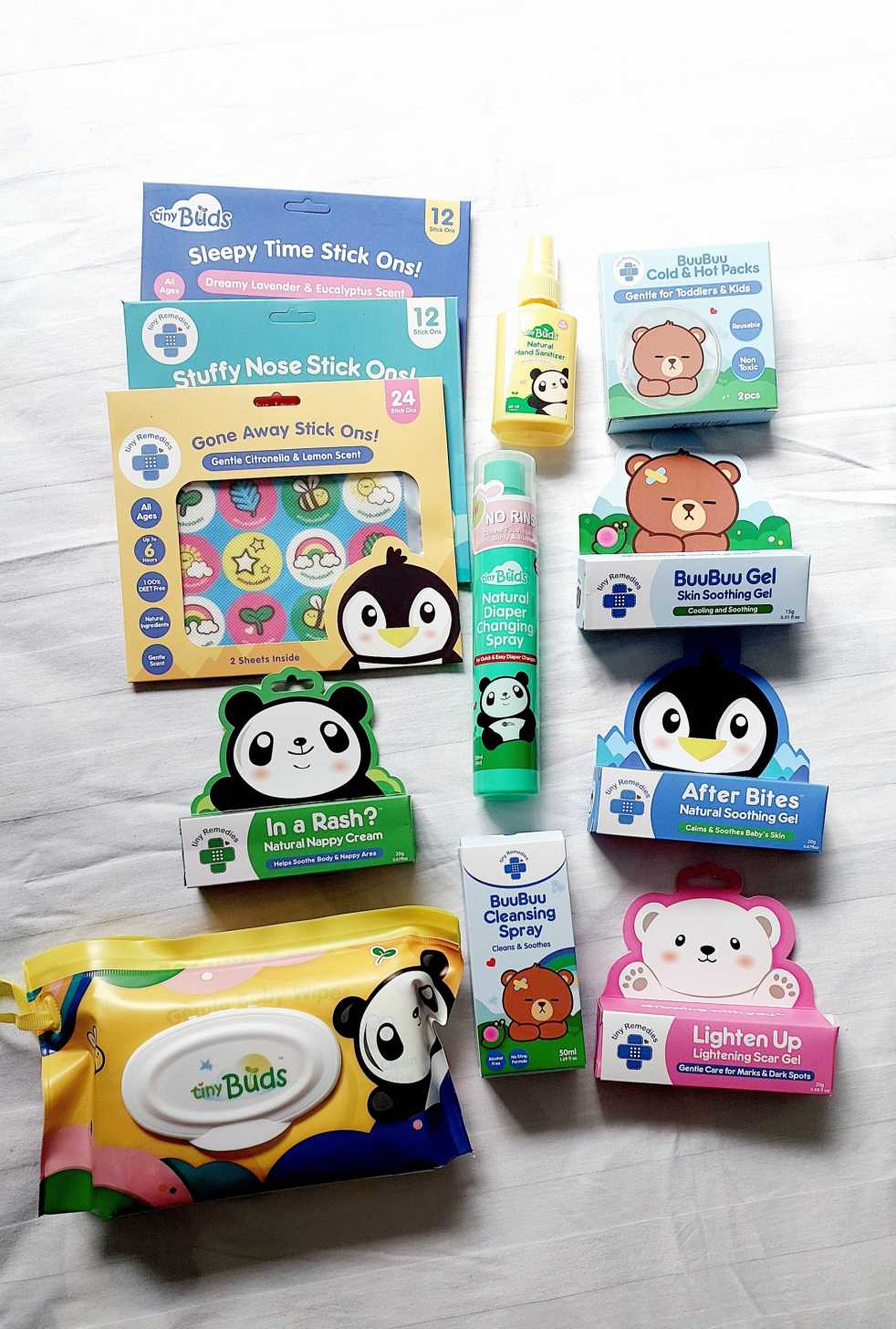
Your baby’s skin is more delicate than most, this is why you have to choose products that are designed for sensitive skin. Tiny Buds is a pioneer in integrating natural ingredients into baby care and today has over 50 innovative natural baby care essentials and is one of the Top Baby Personal Care brands. Here… Continue reading Product Review: Tiny Buds Baby Naturals Baby Essentials
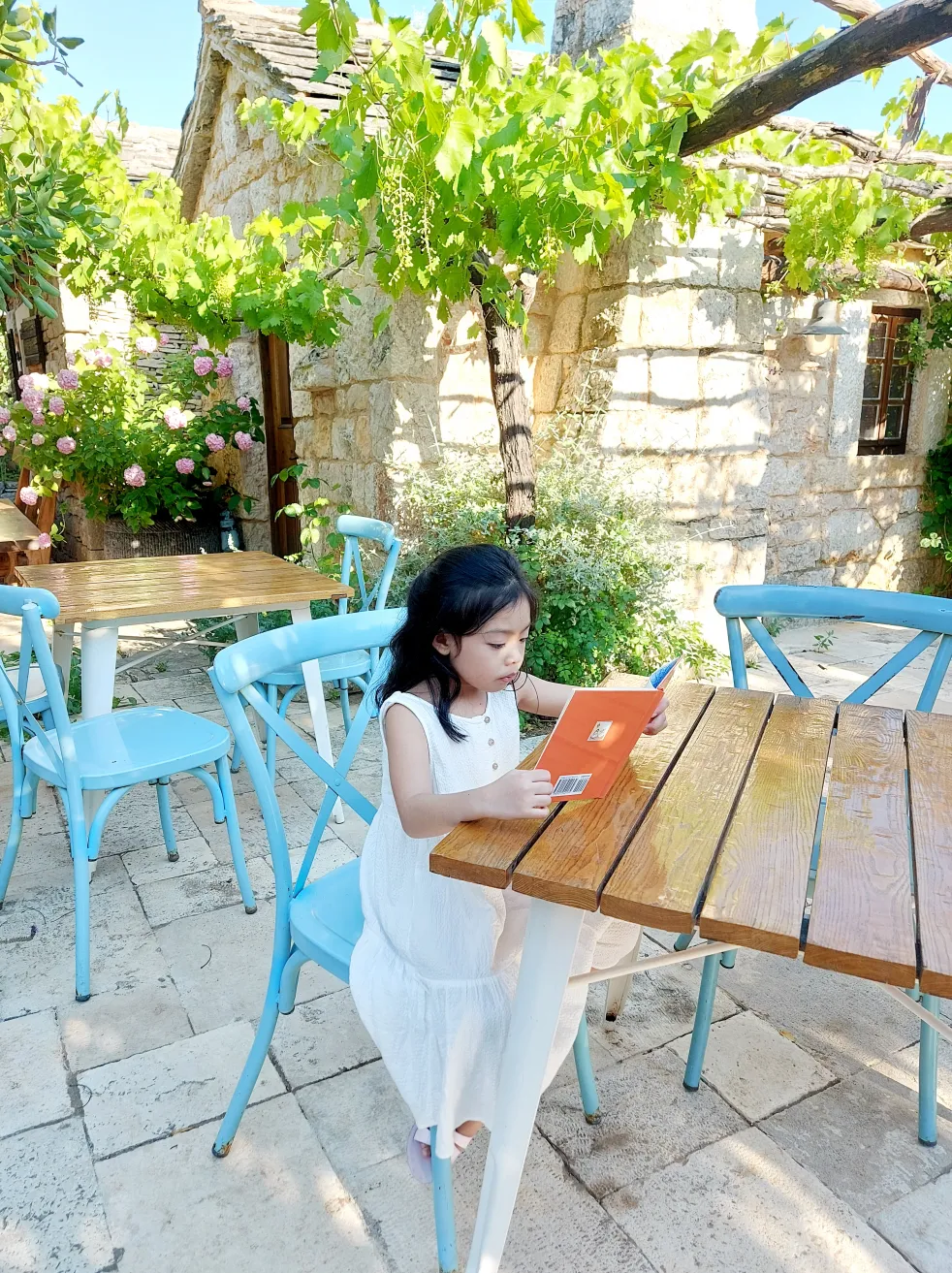
Where your child goes to school is a big decision and shouldn’t be taken lightly. Given how their education can impact their future, you might be tempted to take control and decide for them. However, you might be doing more damage than helping them in the long run. Your job as parents is to support… Continue reading HOW TO CHOOSE THE BEST SCHOOL FOR YOUR CHILD
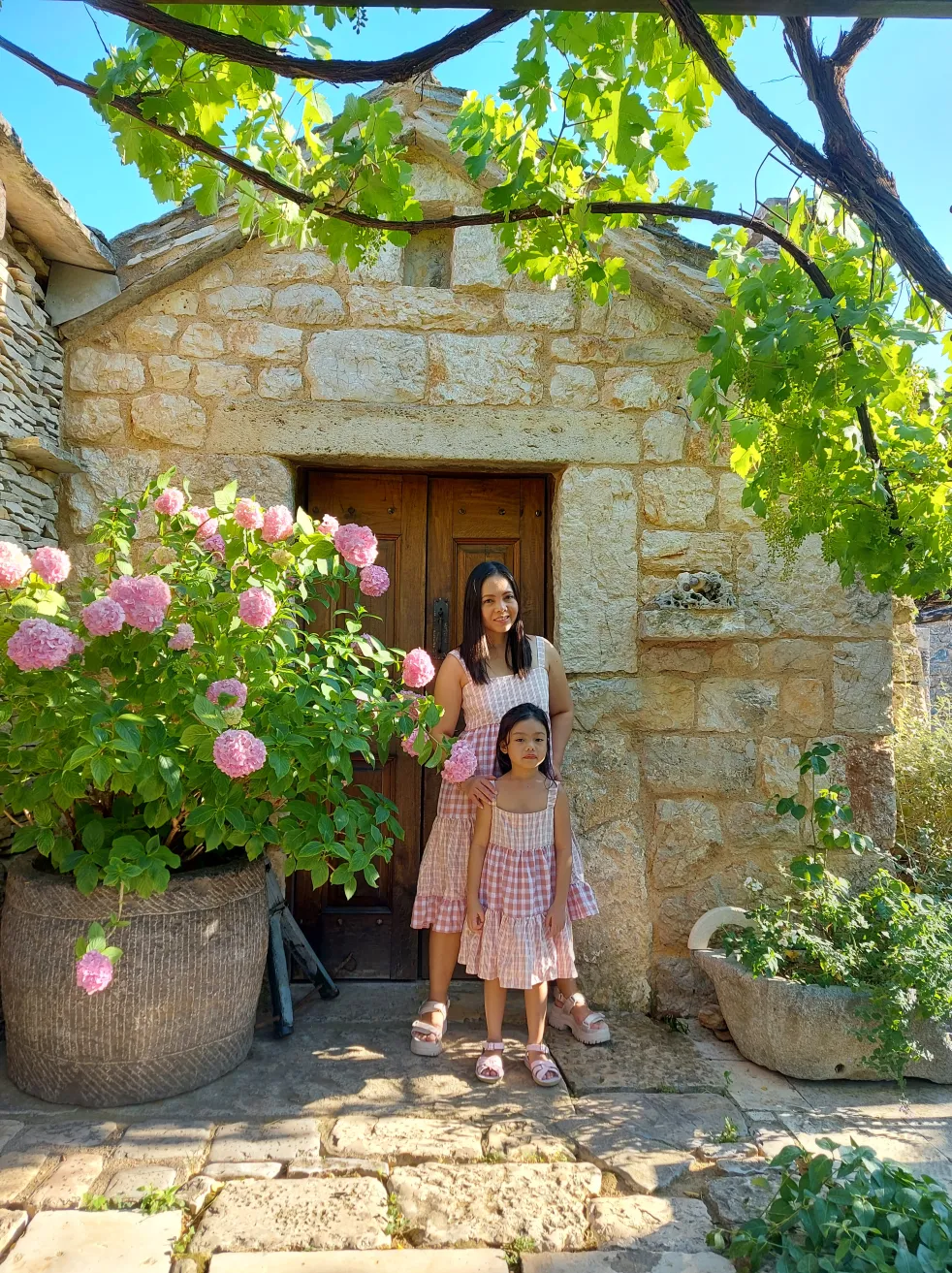
As poet and philosopher Rumi once eloquently said, “raise your words, not your voice. It is rain that grows flowers, not thunder.” Parenting is a challenging journey, and the truth is that nobody has everything figured out. One parenting style might suit others best, and some might favor other methods. However, children respond better to… Continue reading A SIMPLE GUIDE TO GENTLE PARENTING

Whether you’re a new mom to be, mom of a toddler, mom who have school-aged kids, you’re bound to have so many questions. Let's start with your baby's skin. Infant skin has unique needs; gentle care is essential to prevent damage to the skin barrier, which can lead to irritation. When caring for infant skin,… Continue reading Keeping Baby’s Diapered Skin Healthy
As parents, we want to give our child the best possible start in life and that begins with nurturing their intelligence. Throughout history, the notion of success has been linked to academic intelligence. However, there has been an increased awareness on the importance of emotional intelligence. This question gets at the heart of the never-ending… Continue reading IQ or EQ, which one is a better predictor of your child’s success?
 wondermomma.net