
Last August, IKEA Philippines engaged with Better World Smokey Mountain, a newly opened community center operated by the San Miguel Foundation, which shares a similar goal of improving the lives of many Filipino people. Through this partnership, IKEA Philippines provided and assembled home furnishings for the classrooms and library of Better World Smokey Mountain community… Continue reading Help Create a Better World with IKEA Soft Toys

NutriAsia, the country’s top producer of condiments and sauces, continues its support of Refill Revolution; a project by the Department of Environment and Natural Resources EMB 3 that aims to help reduce Filipinos’ single-use plastics consumption. At Refill Revolution, residents get to recycle their single-use plastic bottles by reusing and filling it with their choice… Continue reading NutriAsia and DENR renews partnership for Refill Revolution

How to Spot Early Signs of Speech Delay in Your Toddler
Toddlers develop language at different speeds, and a child who says fewer words than a cousin or playmate may still be progressing normally. Even so, noticing communication concerns early can help families access guidance before frustration affects play, learning, or daily routines.
Speech refers to the sounds and words a child produces, while language includes understanding, gestures, facial expressions, and using communication to share needs or ideas. A toddler may have difficulty with one area, several areas, or both. Looking at the whole pattern is more helpful than counting words alone.
Children growing up with two or more languages may divide their words between languages. This does not automatically indicate a delay. Parents in the Philippines may hear a mix of English, Filipino, Cebuano, or another home language, so all meaningful words should be considered when observing development.
Why Early Awareness Matters
Communication supports connection, play, emotional regulation, and early learning. When a toddler cannot express hunger, discomfort, excitement, or a desire for help, they may rely on crying, pulling an adult’s hand, or frequent tantrums. These behaviors do not make a child “naughty”; they may show that communication feels difficult.
Early support can strengthen a child’s ability to understand words, copy sounds, use gestures, and take turns in conversation. It can also give parents practical ways to make everyday activities more language-rich. A speech-language pathologist may work on communication through play rather than formal drills.
A concern does not mean a child will always struggle. Some children catch up quickly, while others benefit from ongoing therapy or developmental support. Seeking an assessment is a way to gather information, not a prediction of a child’s future.
Communication Milestones To Watch
Milestones are useful reference points, not rigid deadlines. By around 12 months, many babies respond to their name, babble, use gestures such as pointing or waving, and understand familiar words. Some also say a first meaningful word.
Between 18 and 24 months, many toddlers understand simple requests, point to request or show something, use a growing set of words, and begin combining two words. By age two, familiar adults may understand much of what the child says, although pronunciation is still developing.
Around age three, children often use short sentences, ask simple questions, name familiar objects, and participate in brief back-and-forth exchanges. Individual development varies, but a steady increase in understanding, gestures, vocabulary, and social communication is generally encouraging.
| Age range | Skills many children are developing | Signs worth discussing with a professional |
|---|---|---|
| Around 12 months | Babbling, responding to name, waving, pointing, understanding familiar words | Little or no babbling, limited eye contact, no gestures, or rarely responding to sounds or name |
| Around 18 months | Several meaningful words, following simple directions, showing objects to an adult | No meaningful words, difficulty understanding simple requests, or relying only on pulling and crying |
| Around 24 months | A growing vocabulary, two-word combinations, imitation, simple pretend play | Very few words, no two-word phrases, speech that is difficult for familiar caregivers to understand, or limited interest in sharing |
| Around 36 months | Short sentences, questions, conversation turns, naming common items | Speech mostly unintelligible, little back-and-forth communication, or difficulty following everyday language |
Early Signs That Deserve Attention
A limited vocabulary is one possible sign, especially when a toddler is not adding new words over time. Other concerns include not combining words by about age two, rarely imitating sounds or actions, or using the same sound for many different needs. A child who once used words and then stops should be assessed promptly.
Understanding language matters as much as speaking. Watch whether your toddler follows familiar one-step directions, identifies common objects, and understands simple questions. Difficulty with receptive language can be easy to miss when a child learns to copy routines or relies on gestures.
Social communication offers additional clues. Limited pointing, showing, waving, shared smiles, or eye contact may indicate that a child needs developmental screening. A toddler does not have to be highly talkative to communicate well, but they generally use some combination of sounds, words, gestures, and facial expressions to connect with others.
Hearing concerns can also appear as speech delay. A child may respond to loud sounds but still have difficulty hearing softer speech, certain frequencies, or words in a busy room. Frequent ear infections, inconsistent responses, or unclear pronunciation make a hearing evaluation especially important.
When Differences May Have Another Explanation
Children who hear multiple languages may use fewer words in each individual language while having a similar total vocabulary across languages. Continue speaking naturally in the languages your family uses most comfortably. Rich, consistent interaction is more valuable than switching languages out of fear that bilingualism caused a delay.
Temperament can influence how a toddler communicates. A cautious child may speak less around unfamiliar adults but talk freely at home. Compare communication across settings and note whether the child uses gestures, understands language, and engages with familiar people.
Temporary changes can happen during illness, major family transitions, or a move to a new childcare setting. However, a persistent concern should not be dismissed as shyness or stubbornness. Developmental screening can clarify whether the pattern reflects normal variation, hearing difficulty, a language disorder, or another developmental need.
Avoid relying on online milestone checklists as a diagnosis. They can help you organize observations, but they cannot assess hearing, comprehension, oral-motor skills, social interaction, or the quality of a child’s communication.
Getting An Assessment
Begin by recording what you notice. Write down words your toddler uses in any language, gestures they use, directions they understand, how they communicate wants, and whether their skills are increasing. Short video examples, taken naturally and with respect for privacy, may also help a clinician understand the concern.
Arrange a visit with your child’s pediatrician or family doctor. Ask about developmental screening and a formal hearing test, even if your child appears to hear some sounds. Depending on the findings, the doctor may refer your family to a developmental pediatrician, audiologist, or speech-language pathologist.
Families in the Philippines can ask their pediatrician or local health center about available public hospitals, therapy centers, and early intervention services in their area. Availability and fees vary by location, so ask about referral requirements, assessment costs, waiting lists, and home-based guidance.
Seek prompt medical advice if your toddler loses previously acquired words or social skills, does not respond to sounds, has unusual weakness, or shows a sudden change in behavior or movement. Regression deserves careful evaluation rather than watchful waiting.
Helping Your Toddler Communicate At Home
Everyday routines provide natural opportunities for language practice. During meals, name foods, describe actions, and pause before giving a requested item. During bath time, sing a familiar song and emphasize simple words such as “wash,” “more,” “water,” and “finished.”
Follow your child’s interests instead of directing every activity. If they push a toy car, join the play and say, “Car goes,” then pause to allow a sound, gesture, or word. Expand what they communicate: if they say “ball,” you might respond, “Big red ball.” Keep the exchange enjoyable and avoid demanding repeated words.
Read picture books without needing to finish every page. Point to familiar images, describe what characters are doing, and give your toddler time to respond. Songs, nursery rhymes, pretend play, and household tasks such as sorting laundry can also build vocabulary and turn-taking.
Helpful Communication Habits
- Get down to your child’s eye level and use short, clear phrases.
- Pause for several seconds after speaking so your toddler has time to respond.
- Offer simple choices, such as “banana or bread?” while showing both items.
- Accept gestures, signs, sounds, and words as meaningful attempts to communicate.
- Limit background television and make room for face-to-face play and conversation.
Working With Your Child’s Support Team
A useful evaluation considers more than the number of words a toddler says. Professionals may examine hearing, understanding, speech sounds, gestures, play, attention, oral-motor skills, and social interaction. Share information from grandparents, childcare providers, or other caregivers because communication may look different in each setting.
Ask the clinician to explain the findings in everyday language. You can also ask which skills to practice, how often therapy is recommended, and how progress will be measured. Goals should be practical, such as requesting help, following a routine, joining play, or expressing discomfort.
Parents do not need to wait for a perfect diagnosis before supporting communication. If an assessment identifies a speech or language delay, early intervention may include individual sessions, parent coaching, group activities, or a combination. Consistency at home helps children use new skills outside therapy.
Trust your observations while remaining open to professional guidance. If your concern is dismissed but your toddler continues to lose skills or make little progress, seeking a second opinion is reasonable. Your child’s communication needs deserve careful attention and respectful support.
If you notice several warning signs, keep your notes and arrange a conversation with your pediatrician, an audiologist, or a speech-language pathologist. Early, supportive action can make communication easier for your toddler and give your family clear, practical steps for the months ahead.

Mercato Centrale, in collaboration with Indian Women in Enterprise Philippines (I-We), is set to host "The Great Indian Fiesta" to mark 75 years of friendship between India and the Philippines. The dynamic two-day event is scheduled to take place on September 30 to October 1, 2023, at Paseo De Roxas Street, Makati City. Aiming to… Continue reading Mercato Centrale Partners with I-We to Host ‘The Great Indian Fiesta’, Commemorating 75 Years of India-Philippines Friendship

My stomach would usually start growling at 10 am even after taking a big breakfast. This is probably because I am a morning person and I move a lot throughout the day hence snacking is something that I can't avoid. This potatoes and chicken wrap recipe is easy to prepare and would keep me full… Continue reading Potato and Chicken Wrap
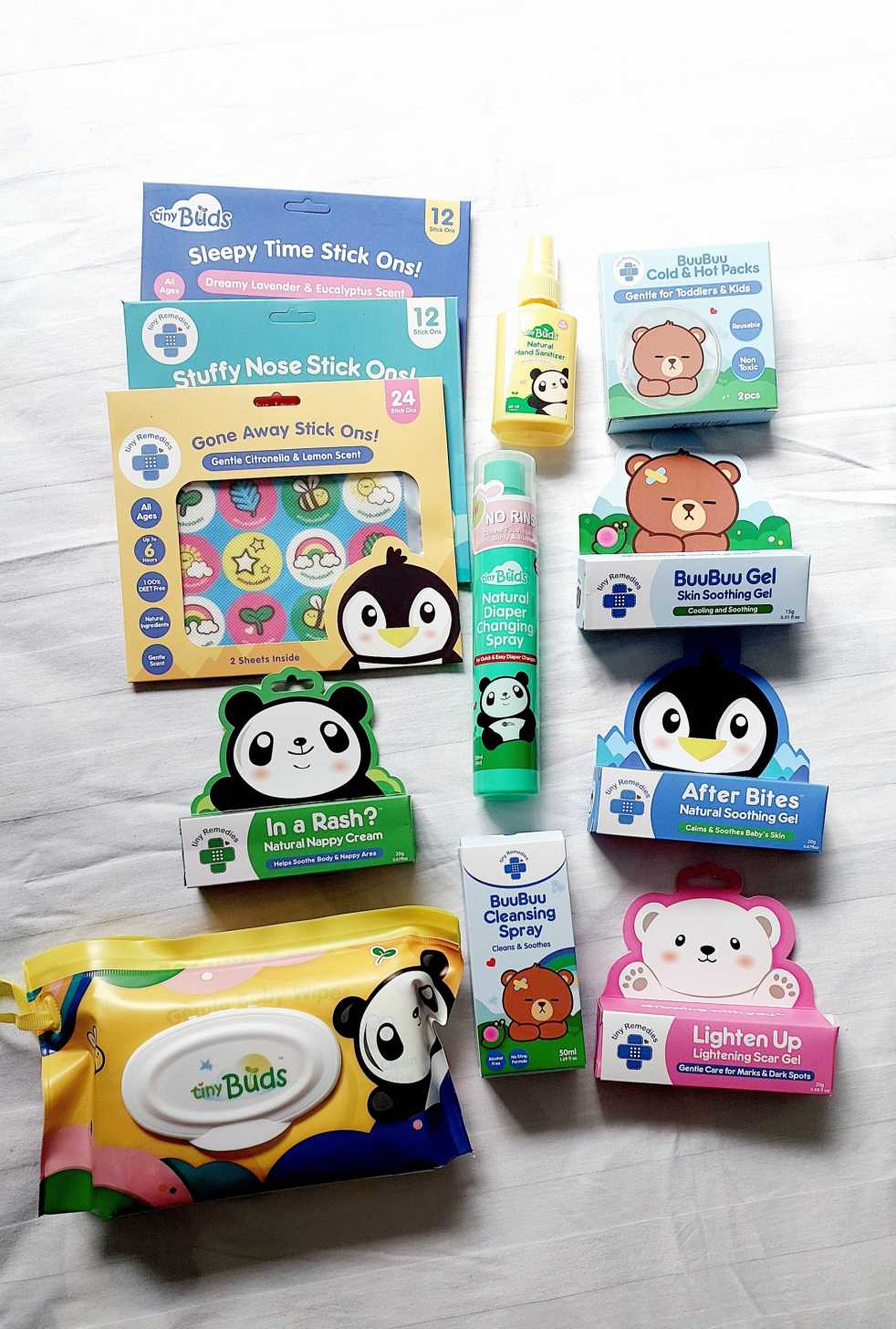
Your baby’s skin is more delicate than most, this is why you have to choose products that are designed for sensitive skin. Tiny Buds is a pioneer in integrating natural ingredients into baby care and today has over 50 innovative natural baby care essentials and is one of the Top Baby Personal Care brands. Here… Continue reading Product Review: Tiny Buds Baby Naturals Baby Essentials
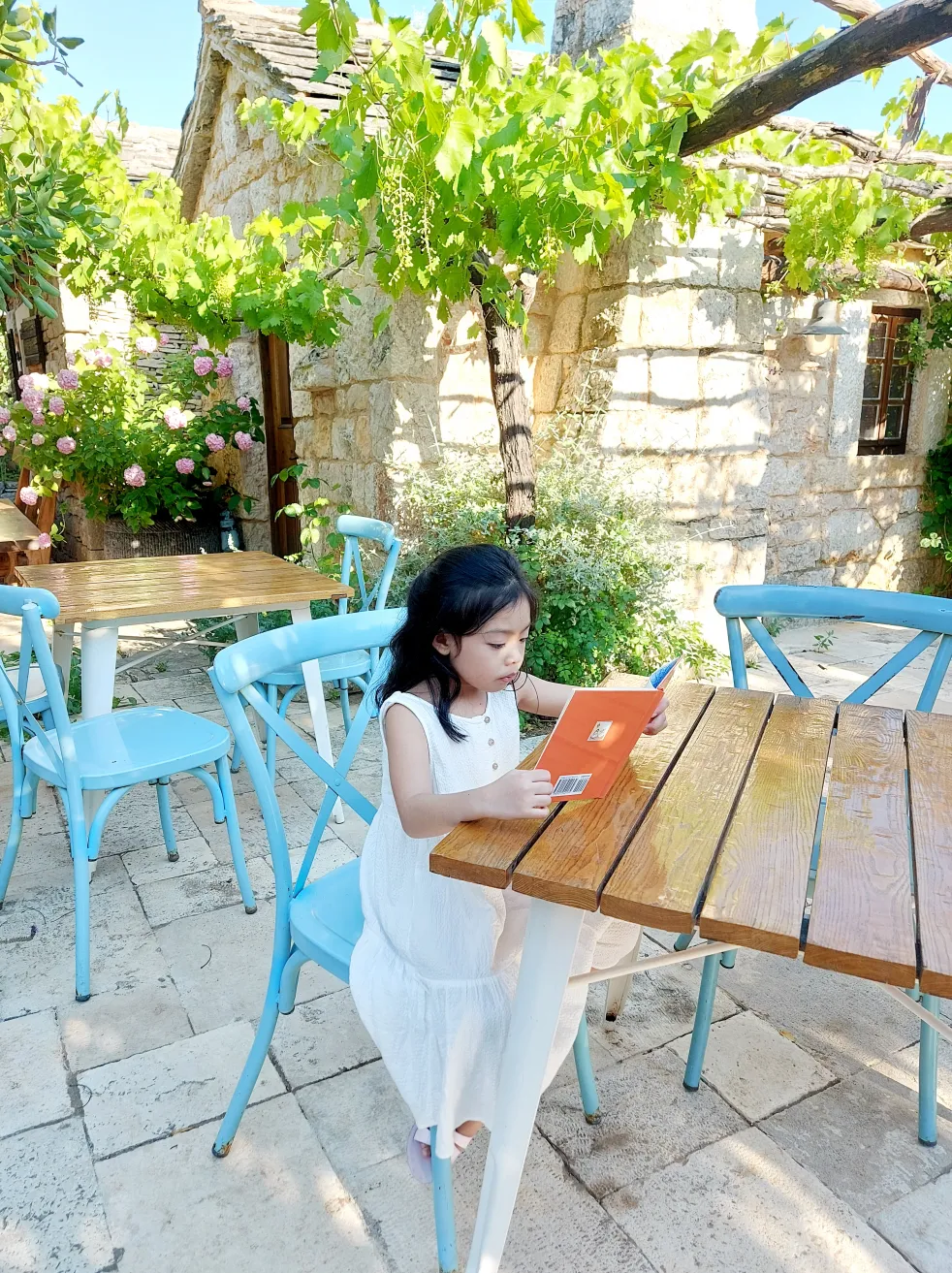
Where your child goes to school is a big decision and shouldn’t be taken lightly. Given how their education can impact their future, you might be tempted to take control and decide for them. However, you might be doing more damage than helping them in the long run. Your job as parents is to support… Continue reading HOW TO CHOOSE THE BEST SCHOOL FOR YOUR CHILD

As poet and philosopher Rumi once eloquently said, “raise your words, not your voice. It is rain that grows flowers, not thunder.” Parenting is a challenging journey, and the truth is that nobody has everything figured out. One parenting style might suit others best, and some might favor other methods. However, children respond better to… Continue reading A SIMPLE GUIDE TO GENTLE PARENTING

Whether you’re a new mom to be, mom of a toddler, mom who have school-aged kids, you’re bound to have so many questions. Let's start with your baby's skin. Infant skin has unique needs; gentle care is essential to prevent damage to the skin barrier, which can lead to irritation. When caring for infant skin,… Continue reading Keeping Baby’s Diapered Skin Healthy
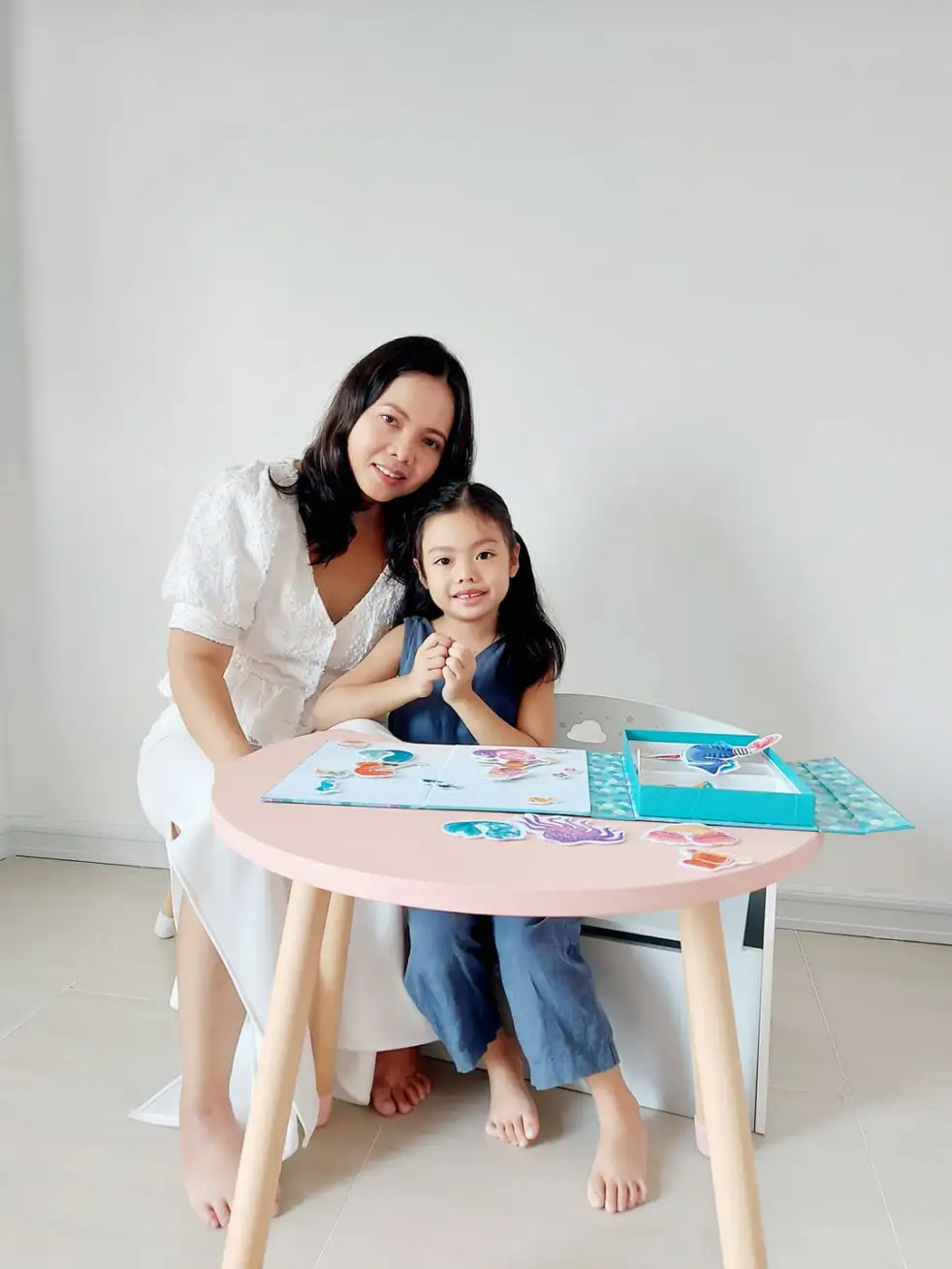
As parents, we want to give our child the best possible start in life and that begins with nurturing their intelligence. Throughout history, the notion of success has been linked to academic intelligence. However, there has been an increased awareness on the importance of emotional intelligence. This question gets at the heart of the never-ending… Continue reading IQ or EQ, which one is a better predictor of your child’s success?
 wondermomma.net