

Last August, IKEA Philippines engaged with Better World Smokey Mountain, a newly opened community center operated by the San Miguel Foundation, which shares a similar goal of improving the lives of many Filipino people. Through this partnership, IKEA Philippines provided and assembled home furnishings for the classrooms and library of Better World Smokey Mountain community… Continue reading Help Create a Better World with IKEA Soft Toys

NutriAsia, the country’s top producer of condiments and sauces, continues its support of Refill Revolution; a project by the Department of Environment and Natural Resources EMB 3 that aims to help reduce Filipinos’ single-use plastics consumption. At Refill Revolution, residents get to recycle their single-use plastic bottles by reusing and filling it with their choice… Continue reading NutriAsia and DENR renews partnership for Refill Revolution

Prickly heat in babies: spotting, treating and preventing it
Prickly heat, also known as a sweat rash or miliaria rubra, happens when sweat becomes trapped beneath the surface of a baby’s skin. Tiny blocked sweat ducts lead to clusters of red or pink bumps, often on the forehead, scalp, neck, chest or back. It can look alarming, but it is usually a sign that a baby is hot, sweaty or dressed in layers that do not let the skin breathe.
Australian families may notice it during humid days in Brisbane or Sydney, sudden heat in Melbourne, Adelaide or Perth, or whenever an illness sends a baby into a fever and extra perspiration. The most useful response is gentle cooling, removing damp clothing and supporting feeds; harsh powders, creams and home remedies are rarely needed. Recognising look-alike rashes and knowing when to seek advice matter just as much.
Why babies develop trapped-sweat rashes
A baby’s sweat ducts are still developing, so heat and moisture can cause them to swell or block. Red bumps may appear in areas where clothing rubs or sweat gathers, including the hairline, neck folds and upper torso. The skin can feel warm, damp or mildly itchy, although a small baby may only seem unsettled or sweaty.
Heat does not have to be extreme. Extra layers, synthetic fabrics, a snug hat, a warm car seat or a fever can be enough, particularly on a humid day. A covered pram or cot can also retain warmth. Heat rash is not contagious and does not mean that a baby is dirty or poorly cared for. For wider parenting support, practical parenting guidance can help families adjust clothing and routines around their child’s comfort.
How to tell prickly heat from other skin problems
No single feature confirms a diagnosis because several rashes can look similar. The location, pattern, timing and accompanying symptoms give the best clues.
| Clue | Prickly heat | Nappy dermatitis | Viral illness rash | Eczema or insect bites |
|---|---|---|---|---|
| Pattern | Clusters of tiny red or pink bumps, sometimes with small fluid-filled blisters | Broad red, raw or sore patches | Scattered red or pink spots across the body | Dry, scaly patches or separate bite marks |
| Common area | Forehead, scalp, neck, chest and back | Convex areas inside the nappy; folds may be less affected | Face, torso or limbs | Dry areas such as the cheeks, or exposed skin |
| Other clues | Warmth, dampness and no other illness | Discomfort during nappy changes | Fever, cough, tiredness or reduced feeding | Itching, dryness or recent insect exposure |
| Usual course | Improves as the skin cools and dries | Improves with frequent changes and suitable barrier care | Follows the course of the viral illness | Fluctuates with eczema triggers or insect exposure |
A rash confined to the nappy area is more often nappy dermatitis, especially if the skin is raw or sore. A widespread rash with fever, cough or poor feeding needs illness-related assessment, while persistent dry or itchy patches may point to eczema. Insect bites usually appear as separate marks rather than a dense field of tiny bumps.
Cooling and treating a mild outbreak
Cooling the skin and reducing sweat are the mainstays of treatment. Move the baby to a cooler room, use available air-conditioning or a safe fan, remove unnecessary layers and change any damp shirt, bodysuit or nappies. Let the affected skin breathe where practical, but continue placing babies on their backs for sleep on a firm, flat mattress with no loose bedding.
Use lukewarm rather than cold water for a brief bath. A mild, fragrance-free baby cleanser can be used sparingly, then rinsed well and the skin patted dry with a soft towel. Vigorous rubbing, scrubbing or squeezing the bumps may worsen irritation. Avoid talcum powder, essential oils, bleach, bicarbonate and other harsh home remedies.
Powders are especially unsuitable around a baby’s face because they can be inhaled, and unnecessary medicated creams may mask another condition. A pharmacist can advise whether an age-appropriate soothing or barrier product is suitable, particularly for a baby under six months. Keep breastfeeding or formula feeding regular, and do not give water to babies under six months unless a health professional recommends it. Never use alcohol rubs to cool the skin.
Bathing, clothing and skin care in Australian weather
Choose lightweight, loose cotton or bamboo clothing and avoid several close-fitting synthetic layers against the skin. Check the chest and back rather than cool hands or feet when deciding whether a baby is overheated. In humid weather, sweat may not evaporate easily; in very hot but dry weather, heat from the body can still produce enough moisture to block the ducts.
Nappy changes help where sweat and urine are repeatedly trapped. Rinse the area with water where necessary, pat it dry and allow brief nappy-free time. Barrier cream is useful for irritated nappy skin, but it does not treat sweat trapped in a duct. Australian pharmacies such as Chemist Warehouse and Priceline, along with supermarkets, stock fragrance-free baby washes and simple emollients. Check the age label and ingredients because “natural” products can still irritate sensitive skin.
Australian sun safety adds another layer to hot-weather routines. Use shade, a lightweight hat and age-appropriate sun protection for exposed skin, but never wrap a pram fully with a blanket because it can trap heat. Ventilation is safer than heavy covering. Babies can still overheat under a pram canopy, especially in a parked vehicle, so take them out rather than leaving them in a warm car.
When to seek medical advice
Seek urgent medical care if a baby under three months has a temperature of 38°C or above, especially alongside a rash. Poor feeding, fewer wet nappies, marked sleepiness, vomiting or signs of dehydration also need prompt assessment. Call Healthdirect on 1800 022 222 for nurse advice, or contact a general practitioner or maternal and child health nurse.
Call 000 for breathing difficulty, facial or throat swelling, a seizure, blue or grey skin, or a rash that does not fade when pressed with a clear glass. Blistering, pus, spreading redness, crusting or increasing pain can indicate a secondary infection. These signs are different from uncomplicated prickly heat and should not be watched at home.
If the rash is not settling as the baby cools, lasts beyond about a week, keeps returning or becomes difficult to manage, arrange a clinical review. A doctor can check for eczema, nappy dermatitis, a viral illness or an infection and recommend treatment based on the cause. Do not start antibiotics, steroid creams or antifungal treatments for a rash that has not been assessed.
Simple care routines for families
A short, repeatable routine makes it easier to respond before a small patch of prickly heat becomes widespread.
When a mild rash appears, use this sequence:
- Move the baby into a cooler room and remove excess clothing.
- Change damp layers and pat the skin gently dry.
- Offer regular breast milk or formula feeds.
- Use a brief lukewarm bath and leave the skin uncovered briefly.
After bathing, let the skin dry fully before dressing. During the day, keep layers light and change them early if dampness appears.
To reduce recurrence during hot weather:
- Dress the baby in one light, breathable layer.
- Carry a spare vest or bodysuit for sweaty outings.
- Check the neck and chest for warmth and moisture.
- Keep prams ventilated and never cover them fully.
These steps support comfort at home and during outings, but they do not replace medical care when warning signs develop.
Supporting recovery and preventing recurrence
Most uncomplicated cases improve within a few days as the skin cools and the sweat ducts clear. Continue the gentle routine, monitor new patches and photograph the rash if it changes. The date, location and any fever or feeding concerns can help a clinician distinguish causes. A frequently recurring rash may call for a review of clothing, bathing products, eczema or recurring illnesses rather than stronger treatment.
Comfort matters most during recovery. A cool room, familiar feeds and calm handling can settle a baby even when the rash looks more dramatic than it is. With prompt cooling, careful observation and early medical advice for warning signs, families can protect a baby’s skin without over-treating a common and usually harmless problem.

Mercato Centrale, in collaboration with Indian Women in Enterprise Philippines (I-We), is set to host "The Great Indian Fiesta" to mark 75 years of friendship between India and the Philippines. The dynamic two-day event is scheduled to take place on September 30 to October 1, 2023, at Paseo De Roxas Street, Makati City. Aiming to… Continue reading Mercato Centrale Partners with I-We to Host ‘The Great Indian Fiesta’, Commemorating 75 Years of India-Philippines Friendship

My stomach would usually start growling at 10 am even after taking a big breakfast. This is probably because I am a morning person and I move a lot throughout the day hence snacking is something that I can't avoid. This potatoes and chicken wrap recipe is easy to prepare and would keep me full… Continue reading Potato and Chicken Wrap
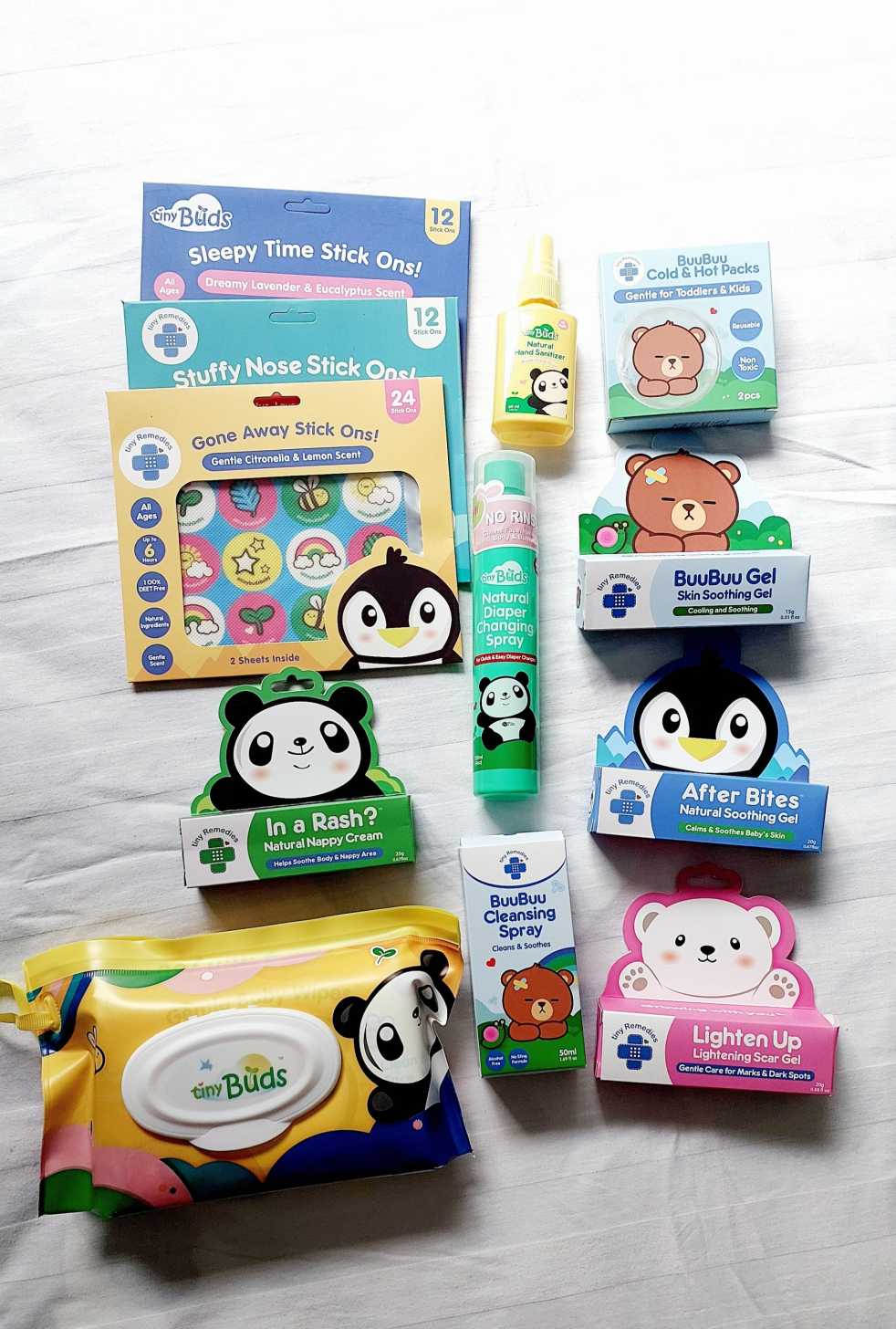
Your baby’s skin is more delicate than most, this is why you have to choose products that are designed for sensitive skin. Tiny Buds is a pioneer in integrating natural ingredients into baby care and today has over 50 innovative natural baby care essentials and is one of the Top Baby Personal Care brands. Here… Continue reading Product Review: Tiny Buds Baby Naturals Baby Essentials
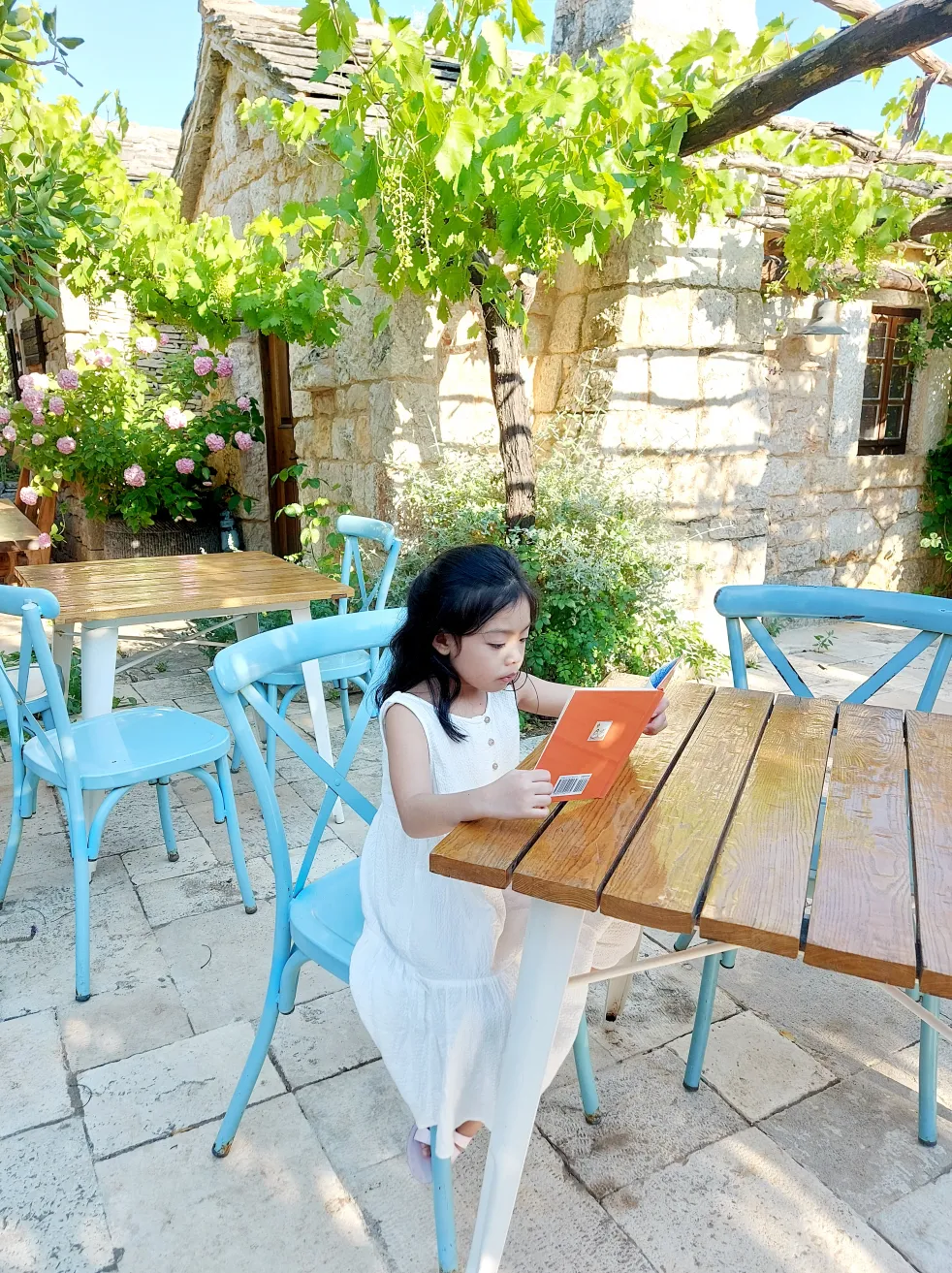
Where your child goes to school is a big decision and shouldn’t be taken lightly. Given how their education can impact their future, you might be tempted to take control and decide for them. However, you might be doing more damage than helping them in the long run. Your job as parents is to support… Continue reading HOW TO CHOOSE THE BEST SCHOOL FOR YOUR CHILD

As poet and philosopher Rumi once eloquently said, “raise your words, not your voice. It is rain that grows flowers, not thunder.” Parenting is a challenging journey, and the truth is that nobody has everything figured out. One parenting style might suit others best, and some might favor other methods. However, children respond better to… Continue reading A SIMPLE GUIDE TO GENTLE PARENTING
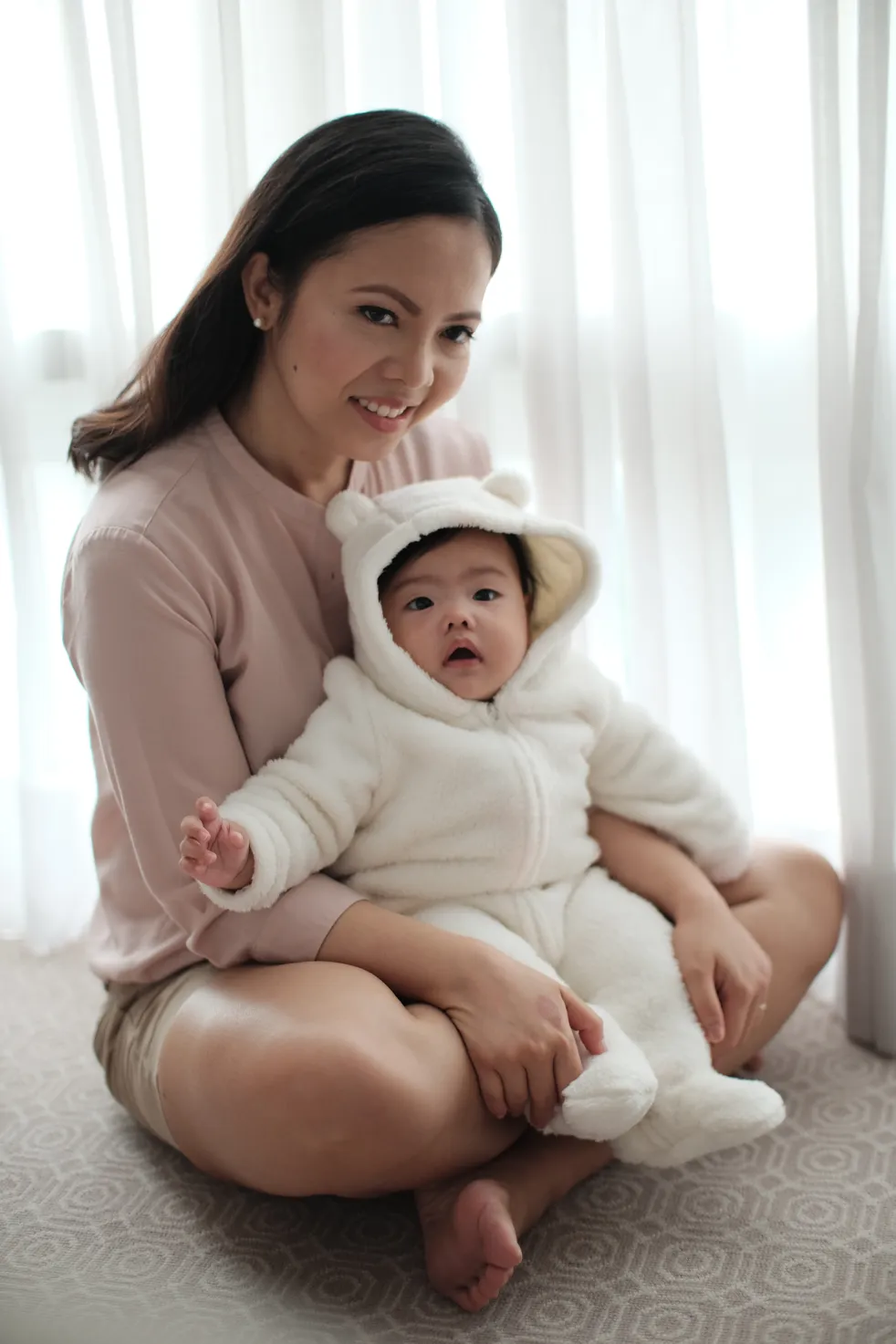
Whether you’re a new mom to be, mom of a toddler, mom who have school-aged kids, you’re bound to have so many questions. Let's start with your baby's skin. Infant skin has unique needs; gentle care is essential to prevent damage to the skin barrier, which can lead to irritation. When caring for infant skin,… Continue reading Keeping Baby’s Diapered Skin Healthy

As parents, we want to give our child the best possible start in life and that begins with nurturing their intelligence. Throughout history, the notion of success has been linked to academic intelligence. However, there has been an increased awareness on the importance of emotional intelligence. This question gets at the heart of the never-ending… Continue reading IQ or EQ, which one is a better predictor of your child’s success?
 wondermomma.net