

Last August, IKEA Philippines engaged with Better World Smokey Mountain, a newly opened community center operated by the San Miguel Foundation, which shares a similar goal of improving the lives of many Filipino people. Through this partnership, IKEA Philippines provided and assembled home furnishings for the classrooms and library of Better World Smokey Mountain community… Continue reading Help Create a Better World with IKEA Soft Toys

NutriAsia, the country’s top producer of condiments and sauces, continues its support of Refill Revolution; a project by the Department of Environment and Natural Resources EMB 3 that aims to help reduce Filipinos’ single-use plastics consumption. At Refill Revolution, residents get to recycle their single-use plastic bottles by reusing and filling it with their choice… Continue reading NutriAsia and DENR renews partnership for Refill Revolution

How to soothe a gassy baby with calm, practical care
Few things are harder for a parent than watching a baby squirm, cry, or pull up their legs because of trapped gas. The discomfort can appear suddenly after a feed, during an evening fussy spell, or when your baby is trying to sleep. Although gas is common in early infancy, it can leave the whole household feeling unsettled.
A baby’s digestive system is still developing, and young infants are still learning how to coordinate sucking, swallowing, and breathing. This means they may swallow air while feeding, especially when hungry, tired, or struggling with a fast-flowing bottle nipple. The good news is that several gentle techniques can help move the air along.
The goal is comfort rather than forcing a burp or following a rigid schedule. Small changes to feeding, burping, movement, and daily routines often make a noticeable difference. Pay attention to your baby’s signals, and seek medical advice when symptoms seem unusual or severe.
Why babies get gassy
Babies can swallow air during breastfeeding, bottle-feeding, crying, or using a pacifier. A shallow latch may allow extra air to enter during nursing, while a bottle nipple with a flow that is too fast can cause gulping, coughing, or clicking sounds. A nipple that is too slow may also make a baby suck harder and swallow more air.
Digestive immaturity is another normal reason for infant gas. The muscles that move milk through the stomach and intestines are still developing, so air may take longer to pass. Some babies also become fussy when they need to poop, even when they are not constipated.
Overfeeding or feeding again before a baby has had time to settle can contribute to discomfort. This does not mean every crying spell is caused by gas. Hunger, overheating, tiredness, reflux, a wet diaper, and the need for closeness can look very similar, so consider the full pattern rather than focusing on one symptom.
Signs your baby may have trapped gas
A gassy baby may draw their knees toward the chest, clench their fists, arch their back, grunt, or turn red while crying. You may also hear gurgling sounds in the belly or notice that your baby settles after passing wind or having a bowel movement.
Some infants are especially fussy in the late afternoon or evening. They may feed normally and have regular wet diapers but become difficult to soothe for a short period. If your baby is gaining weight, looks well between episodes, and has no alarming symptoms, occasional gas is usually part of normal early development.
Keep a simple note of when the discomfort happens. Record feeding times, the type and amount of milk, burping, bowel movements, and periods of crying. This can help you notice whether the issue follows a particular bottle, feeding position, or time of day, and it gives your pediatrician useful information if advice is needed.
Feeding changes that can reduce swallowed air
Feed your baby in a slightly upright position, with the head and neck supported and the body kept fairly straight. During breastfeeding, check that the mouth covers a good portion of the areola rather than only the nipple. A deep latch can reduce clicking and help your baby transfer milk with less air.
For bottle-feeding, keep the nipple filled with milk so your baby does not draw in air. Choose a nipple flow suited to your baby’s age and feeding ability, but watch your baby rather than relying only on the label. Coughing, leaking milk, gulping, or pulling away may indicate that the flow is too fast. Long feeds with frustration and constant sucking may suggest the flow is too slow.
Pause when your baby shows signs of needing a break. Turning away, spreading the fingers, slowing the sucking rhythm, or letting milk pool in the mouth can all signal that your baby needs to stop briefly. Responsive feeding helps prevent frantic gulping and gives the stomach time to adjust.
If you use formula, prepare it according to the instructions and avoid shaking the bottle vigorously, which can create extra bubbles. Swirling the mixture gently may reduce foam. Never dilute formula or change the type of milk without speaking with a healthcare professional.
| Approach | How to try it | What to watch for |
|---|---|---|
| Upright feeding | Keep your baby’s head above the stomach during a feed | Coughing, gulping, or milk leaking |
| Mid-feed burping | Pause once or twice instead of waiting until the end | Fussiness may ease after a short break |
| Slow bottle pacing | Hold the bottle more horizontally and allow pauses | Your baby should breathe comfortably |
| Tummy massage | Use gentle clockwise circles when your baby is calm | Stop if your baby cries harder or seems distressed |
| Bicycle legs | Move the legs slowly in a cycling motion | Use light pressure and never force the hips |
Gentle ways to release gas
Try burping your baby during and after feeding, especially if the feed is interrupted or your baby seems uncomfortable. Hold your baby upright against your chest, support the head and neck, and gently rub or pat the back. Some babies burp quickly; others may not burp every time, so avoid vigorous patting or prolonged attempts.
A seated burping position can work well for babies who dislike being held against the shoulder. Sit your baby on your lap, support the jaw and chest with one hand, and lean the baby slightly forward. With the other hand, rub the back gently. Keep pressure away from the throat and never let the head flop forward.
When your baby is awake and supervised, place them tummy-down across your lap or forearm for a few minutes. This gentle pressure may help move gas, but it is not a sleep position. Always place babies on their backs for sleep on a firm, clear surface, even if they have reflux or gas.
You can also lay your baby on their back and slowly move the legs as though pedaling a bicycle. Bring both knees gently toward the belly for a second, release them, and repeat. A soft clockwise tummy massage may help as well. Wait at least a short while after feeding, and stop if your baby seems upset.
Build a calm routine around feeds
Crying can cause more air swallowing, so begin soothing before your baby becomes extremely distressed. Dim the lights, reduce noise, hold your baby close, and use a slow, steady voice. Skin-to-skin contact may help regulate breathing and settle the body.
Try to keep feeding and burping relaxed rather than treating every sound as an emergency. If your baby is comfortable, there is no need to interrupt a good feed repeatedly. If your baby becomes restless, take a short break, change position, and then continue if they still show hunger cues.
Practical preparation can make these moments easier, especially during nighttime feeds. Keep burp cloths, a clean change of clothes, and feeding supplies close by. A well-stocked diaper bag guide can also help you prepare for gas-related messes when you are away from home.
Avoid offering water, herbal teas, gripe water, or over-the-counter gas remedies unless your baby’s doctor recommends them. Products marketed as natural are not automatically safe for newborns, and some may contain ingredients that are unsuitable for young babies.
A simple soothing routine for difficult moments
When your baby begins to fuss, use the same gentle sequence instead of trying many techniques at once. This makes it easier to see what helps and prevents overstimulation.
- Pause the feed and hold your baby upright for several minutes.
- Check the latch or bottle position before offering more milk.
- Try a gentle back rub, bicycle legs, or a brief supervised tummy position.
- Lower stimulation with quiet voices, dim lighting, and close contact.
- Write down recurring patterns if the discomfort happens often.
Give each technique a little time, but do not insist if your baby resists. Some infants prefer being walked slowly, while others settle more easily when held still. Your calm presence can be comforting even when the gas does not pass immediately.
Remember that a baby does not need to produce a loud burp to have had a successful break. Passing gas from below is normal, too. Comfort, relaxed breathing, and returning to normal feeding behavior are better signs than the sound of a burp.
When gas may signal a medical problem
Contact your pediatrician if gas is persistent and your baby is feeding poorly, refusing several feeds, vomiting repeatedly, or failing to gain weight. Seek prompt medical care for a swollen or hard abdomen, blood in the stool, green vomit, unusual sleepiness, breathing difficulty, or a weak, high-pitched, or inconsolable cry.
A fever in a young infant requires medical attention, particularly in babies under three months. Dehydration signs such as noticeably fewer wet diapers, a dry mouth, no tears when crying, or unusual lethargy should also be taken seriously.
Do not assume severe discomfort is simply colic or trapped wind. A healthcare professional can check feeding technique, reflux, constipation, milk intolerance, infection, and other possible causes. Bring your feeding notes and describe what you have tried, how long the episodes last, and how your baby behaves between them.
Small, steady adjustments are usually more helpful than a frantic search for a single cure. Feed responsively, keep your baby comfortably upright, burp gently, use supervised movement, and allow the digestive system time to mature. Save these calming steps for the next fussy spell, and share them with anyone who helps care for your baby.

Mercato Centrale, in collaboration with Indian Women in Enterprise Philippines (I-We), is set to host "The Great Indian Fiesta" to mark 75 years of friendship between India and the Philippines. The dynamic two-day event is scheduled to take place on September 30 to October 1, 2023, at Paseo De Roxas Street, Makati City. Aiming to… Continue reading Mercato Centrale Partners with I-We to Host ‘The Great Indian Fiesta’, Commemorating 75 Years of India-Philippines Friendship

My stomach would usually start growling at 10 am even after taking a big breakfast. This is probably because I am a morning person and I move a lot throughout the day hence snacking is something that I can't avoid. This potatoes and chicken wrap recipe is easy to prepare and would keep me full… Continue reading Potato and Chicken Wrap
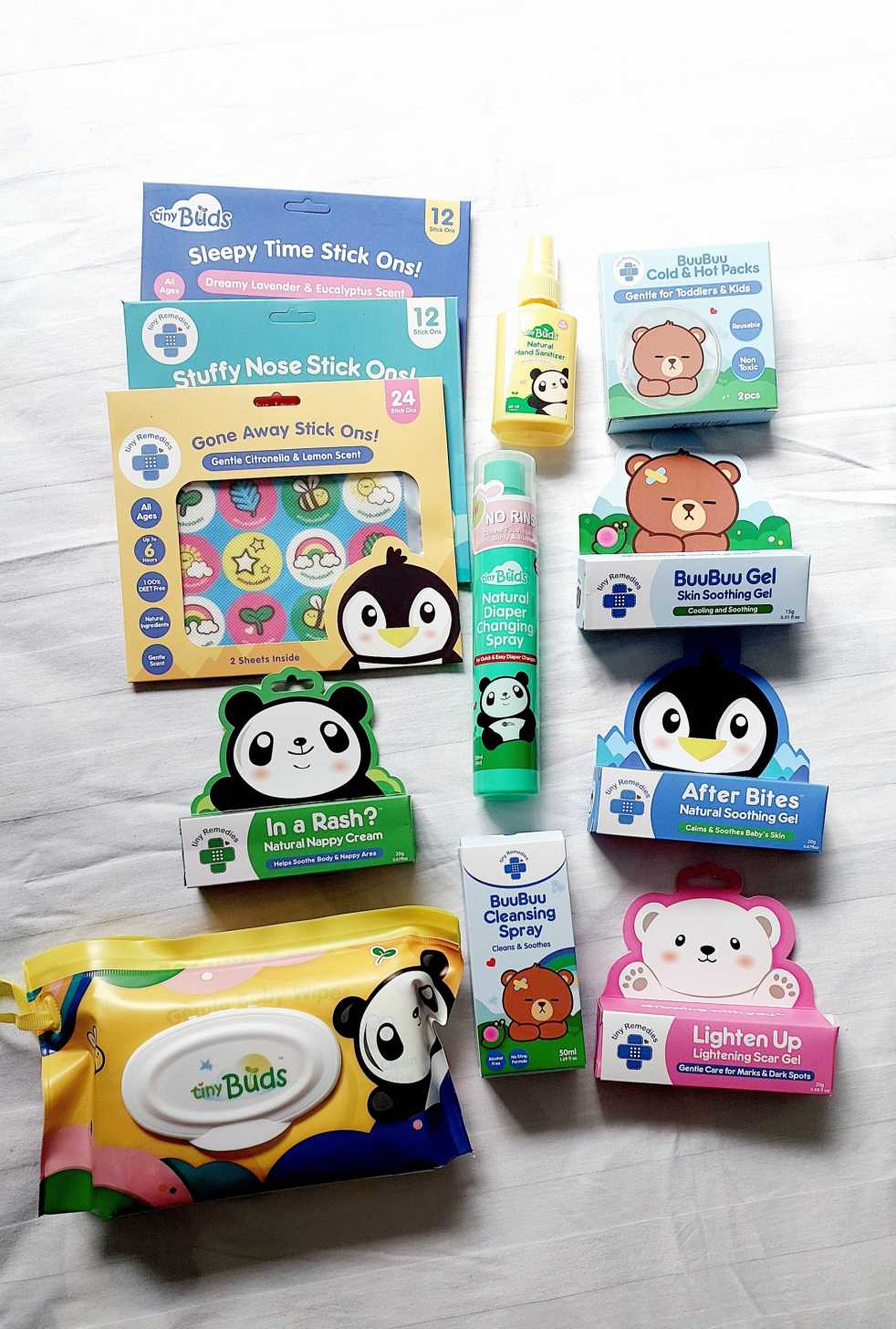
Your baby’s skin is more delicate than most, this is why you have to choose products that are designed for sensitive skin. Tiny Buds is a pioneer in integrating natural ingredients into baby care and today has over 50 innovative natural baby care essentials and is one of the Top Baby Personal Care brands. Here… Continue reading Product Review: Tiny Buds Baby Naturals Baby Essentials

Where your child goes to school is a big decision and shouldn’t be taken lightly. Given how their education can impact their future, you might be tempted to take control and decide for them. However, you might be doing more damage than helping them in the long run. Your job as parents is to support… Continue reading HOW TO CHOOSE THE BEST SCHOOL FOR YOUR CHILD

As poet and philosopher Rumi once eloquently said, “raise your words, not your voice. It is rain that grows flowers, not thunder.” Parenting is a challenging journey, and the truth is that nobody has everything figured out. One parenting style might suit others best, and some might favor other methods. However, children respond better to… Continue reading A SIMPLE GUIDE TO GENTLE PARENTING

Whether you’re a new mom to be, mom of a toddler, mom who have school-aged kids, you’re bound to have so many questions. Let's start with your baby's skin. Infant skin has unique needs; gentle care is essential to prevent damage to the skin barrier, which can lead to irritation. When caring for infant skin,… Continue reading Keeping Baby’s Diapered Skin Healthy

As parents, we want to give our child the best possible start in life and that begins with nurturing their intelligence. Throughout history, the notion of success has been linked to academic intelligence. However, there has been an increased awareness on the importance of emotional intelligence. This question gets at the heart of the never-ending… Continue reading IQ or EQ, which one is a better predictor of your child’s success?
 wondermomma.net