
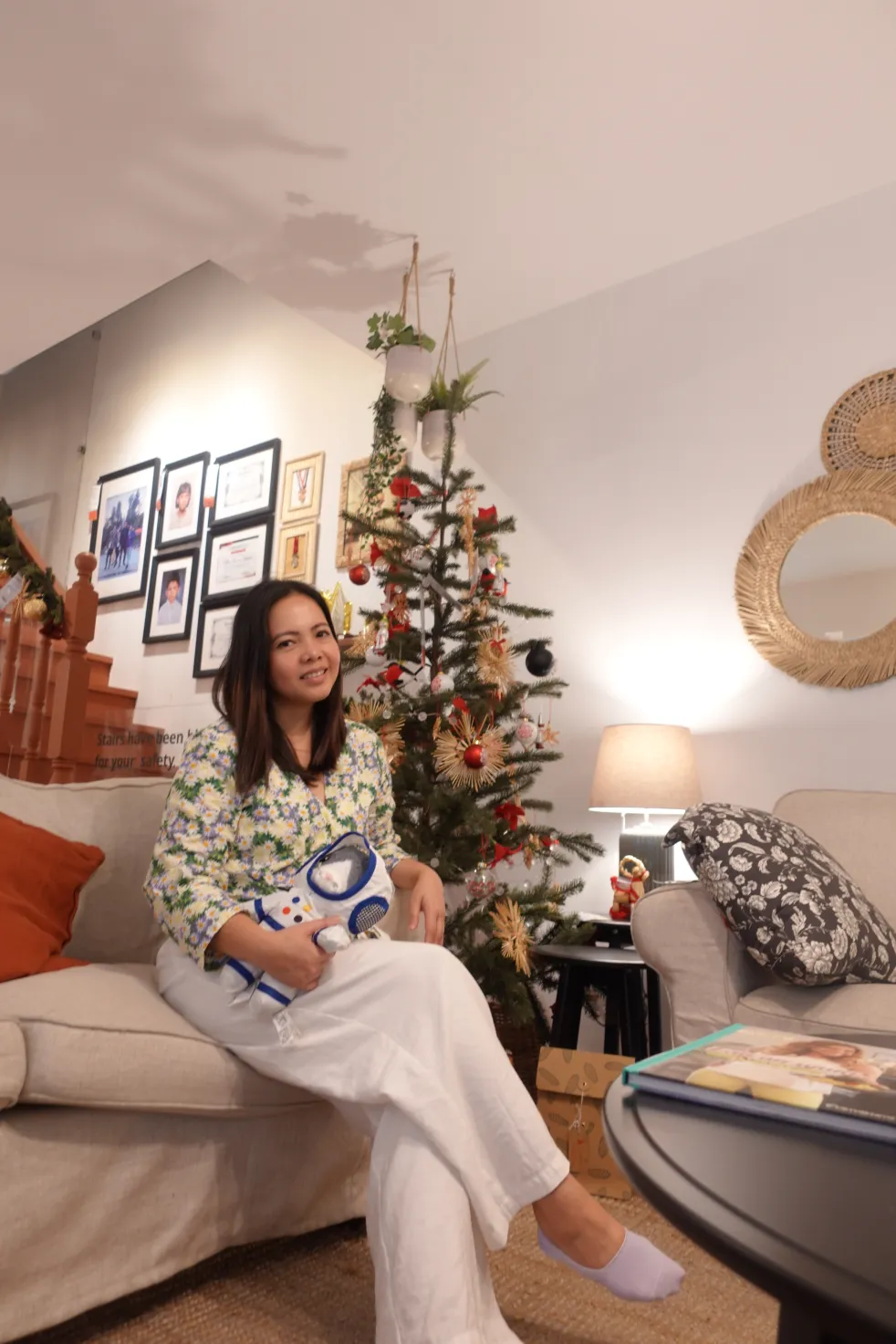
Last August, IKEA Philippines engaged with Better World Smokey Mountain, a newly opened community center operated by the San Miguel Foundation, which shares a similar goal of improving the lives of many Filipino people. Through this partnership, IKEA Philippines provided and assembled home furnishings for the classrooms and library of Better World Smokey Mountain community… Continue reading Help Create a Better World with IKEA Soft Toys
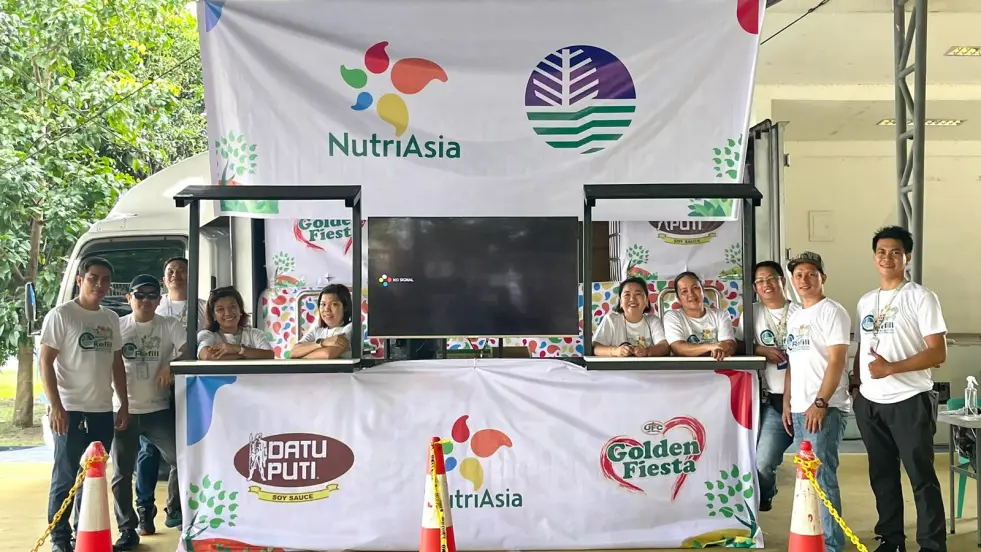
NutriAsia, the country’s top producer of condiments and sauces, continues its support of Refill Revolution; a project by the Department of Environment and Natural Resources EMB 3 that aims to help reduce Filipinos’ single-use plastics consumption. At Refill Revolution, residents get to recycle their single-use plastic bottles by reusing and filling it with their choice… Continue reading NutriAsia and DENR renews partnership for Refill Revolution

How to Set Up a Weekly Playdate Schedule with Other Moms
A regular playdate can give children valuable time to practise sharing, communication, movement, and imaginative play. For parents, it creates a dependable support system where everyday questions, small victories, and difficult moments can be shared with people who understand family life.
The key is to create a routine that feels helpful rather than demanding. A weekly gathering does not need to be elaborate, expensive, or hosted by the same family every time. With a little planning, moms can share responsibilities, adjust activities to suit different ages, and build a rhythm that works for everyone.
Start with a small, compatible group
Begin with two to four families rather than inviting a large circle immediately. A smaller group is easier to coordinate, especially when children have different nap schedules, food preferences, temperaments, and comfort levels. You can invite moms from your neighbourhood, school, church, workplace, parenting group, or local community.
Compatibility matters more than having children of exactly the same age. Toddlers and preschoolers may enjoy similar sensory activities, while older children can participate in simple games and help younger ones. Look for families who share basic expectations about supervision, kindness, screen use, snacks, and household safety.
A friendly group message can set the tone: explain that you would like to arrange a relaxed weekly play session and ask which days, times, and locations suit everyone. Keep the first invitation casual, with no pressure to attend every week.
Agree on a realistic weekly rhythm
Choose one regular time slot, such as Saturday morning or Wednesday afternoon. A predictable schedule makes it easier for families to plan around work, school, errands, meals, and rest. It also means you only need to discuss changes when something unusual comes up.
Keep the first sessions to around 90 minutes or two hours. This gives children enough time to settle in and play without becoming overtired. For babies and young toddlers, an earlier time may work better, while older children might enjoy an afternoon gathering after school.
Use a shared calendar or group chat to record the date, host, location, activity, and any special notes. Parents can confirm attendance a day or two before each playdate. A simple system prevents long message threads and reduces the chance of missed details.
| Planning point | Practical choice | Why it helps |
|---|---|---|
| Frequency | Once a week or every other week | Keeps the routine manageable |
| Group size | Two to four families | Allows closer supervision |
| Duration | 90 minutes to two hours | Matches most children’s attention spans |
| Location | Rotate homes, parks, and play spaces | Shares work and keeps the experience fresh |
| Communication | Shared calendar and group chat | Keeps updates easy to find |
| Refreshments | Water and simple allergy-aware snacks | Reduces preparation and safety concerns |
Rotate hosting and locations
A rotating host arrangement keeps one parent from carrying all the planning and cleaning. Each family can take responsibility for one week, or two families can co-host when space, transport, or energy is limited. Hosting does not mean providing a perfect home; a safe play area and a welcoming attitude are enough.
Outdoor locations can be especially useful in warm weather. A shaded park, community garden, condominium play area, or quiet beach may provide plenty of entertainment with less preparation. Bring a small mat, drinking water, sun protection, spare clothes, and a few open-ended toys.
When meeting in a home, keep the play zone simple. Store fragile items, medicines, cleaning products, small choking hazards, and breakable decorations out of reach. If a child has a specific medical need or allergy, discuss it privately with all hosts before the visit.
Plan activities that invite shared play
A playdate works best when children have a few activity choices rather than a tightly packed programme. Set out building blocks, dolls, toy vehicles, art materials, books, balls, or pretend-play props. Open-ended toys allow children to create their own games and make it easier for children with different abilities to participate.
You can also choose a light theme based on the season or the children’s interests. Water play, a simple treasure hunt, bubble games, planting herbs, and homemade playdough are inexpensive options. For babies, a clean mat with rattles, textured toys, and age-appropriate movement activities may be enough.
Food can be part of the routine, but it does not need to become a full meal. Offer familiar, low-mess choices and label anything containing common allergens. If younger children are beginning complementary foods, share this guide to introducing solids with parents who want a clear, age-conscious reference before bringing snacks.
Set clear expectations for behaviour and care
Before the first gathering, agree that every parent remains responsible for supervising their own child. A host can prepare the space, but supervision should not silently fall to the person whose home is being used. This arrangement is especially important when children are playing near water, stairs, balconies, pets, or outdoor equipment.
Gentle parenting principles can guide the group’s approach. Adults can acknowledge feelings, set calm boundaries, and redirect unsafe behaviour without shaming children. For example, a parent might say, “You wanted the truck, and your friend is using it. Let’s find another one or wait for a turn,” rather than forcing an immediate apology.
Children will not always play peacefully. Some may grab toys, avoid group activities, become overwhelmed, or need time beside the adults. Parents can support social skills gradually while respecting a child’s need for space. The aim is connection and learning, not a perfectly quiet session.
Keep the routine flexible and sustainable
A weekly plan should support family life, not compete with it. If a child is sick, a parent is exhausted, or a family has an unexpected commitment, cancelling should be acceptable. Create a simple group policy that families should stay home when children have fever, vomiting, diarrhoea, contagious rashes, or other symptoms that could put others at risk.
It is also useful to discuss costs in advance. Most playdates can be free, but a shared entrance fee, craft supply purchase, or special activity may require a small contribution. Be transparent about the amount and offer low-cost alternatives so no family feels excluded.
After a few weeks, check what is working. Perhaps the time is too late, the group is too large, or outdoor gatherings are easier than home visits. Small adjustments can protect the routine from becoming stressful and help the group remain welcoming as children grow.
Helpful habits for a smoother schedule
A few shared habits can make each playdate easier to organise and more enjoyable for children and adults:
- Confirm the date, venue, and attendance in the group chat before each gathering.
- Ask families to bring essentials such as water, nappies, sun protection, and a change of clothes.
- Keep a short list of allergies, emergency contacts, and relevant medical information with the host.
- Prepare two or three activity options, then allow children to choose their own pace.
- End with a brief tidy-up so the next host does not face all the cleanup alone.
Consider assigning simple rotating roles, such as calendar coordinator, snack reminder, activity helper, and venue organiser. These roles can change monthly and should remain light. The goal is shared ownership, not another administrative project for busy parents.
If the group includes babies, toddlers, and preschoolers, plan a quiet corner where a child can rest, feed, or decompress. A flexible environment helps families stay longer without expecting every child to follow the same schedule.
A consistent playdate routine can grow into something meaningful for the whole family. Children gain repeated opportunities to practise cooperation and confidence, while moms build friendships that extend beyond a single afternoon. Begin with a manageable group, choose a rhythm that fits real life, and allow the arrangement to develop naturally. A simple message to a few trusted parents may be all it takes to create a supportive weekly tradition.

Mercato Centrale, in collaboration with Indian Women in Enterprise Philippines (I-We), is set to host "The Great Indian Fiesta" to mark 75 years of friendship between India and the Philippines. The dynamic two-day event is scheduled to take place on September 30 to October 1, 2023, at Paseo De Roxas Street, Makati City. Aiming to… Continue reading Mercato Centrale Partners with I-We to Host ‘The Great Indian Fiesta’, Commemorating 75 Years of India-Philippines Friendship

My stomach would usually start growling at 10 am even after taking a big breakfast. This is probably because I am a morning person and I move a lot throughout the day hence snacking is something that I can't avoid. This potatoes and chicken wrap recipe is easy to prepare and would keep me full… Continue reading Potato and Chicken Wrap
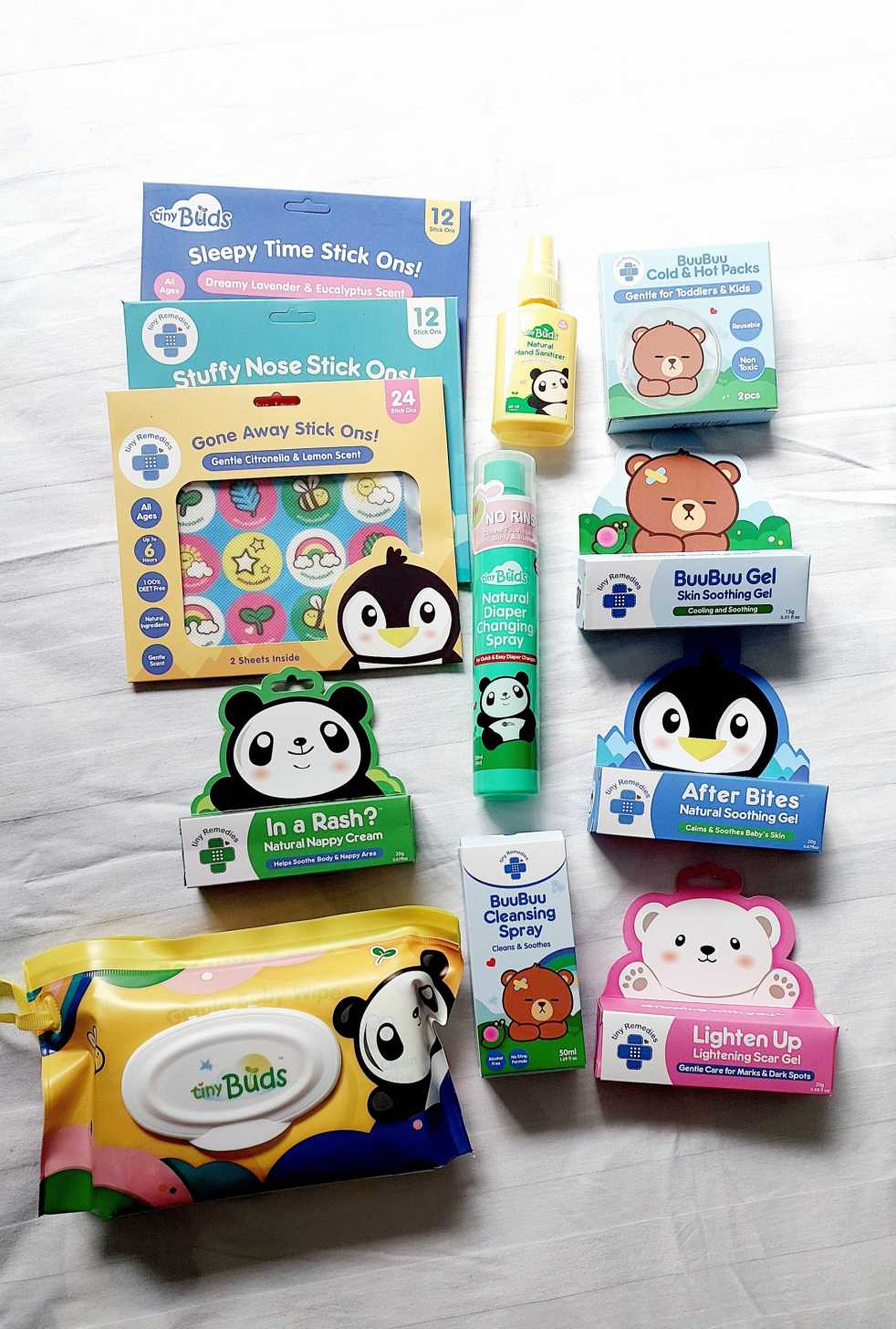
Your baby’s skin is more delicate than most, this is why you have to choose products that are designed for sensitive skin. Tiny Buds is a pioneer in integrating natural ingredients into baby care and today has over 50 innovative natural baby care essentials and is one of the Top Baby Personal Care brands. Here… Continue reading Product Review: Tiny Buds Baby Naturals Baby Essentials
Where your child goes to school is a big decision and shouldn’t be taken lightly. Given how their education can impact their future, you might be tempted to take control and decide for them. However, you might be doing more damage than helping them in the long run. Your job as parents is to support… Continue reading HOW TO CHOOSE THE BEST SCHOOL FOR YOUR CHILD
As poet and philosopher Rumi once eloquently said, “raise your words, not your voice. It is rain that grows flowers, not thunder.” Parenting is a challenging journey, and the truth is that nobody has everything figured out. One parenting style might suit others best, and some might favor other methods. However, children respond better to… Continue reading A SIMPLE GUIDE TO GENTLE PARENTING

Whether you’re a new mom to be, mom of a toddler, mom who have school-aged kids, you’re bound to have so many questions. Let's start with your baby's skin. Infant skin has unique needs; gentle care is essential to prevent damage to the skin barrier, which can lead to irritation. When caring for infant skin,… Continue reading Keeping Baby’s Diapered Skin Healthy
As parents, we want to give our child the best possible start in life and that begins with nurturing their intelligence. Throughout history, the notion of success has been linked to academic intelligence. However, there has been an increased awareness on the importance of emotional intelligence. This question gets at the heart of the never-ending… Continue reading IQ or EQ, which one is a better predictor of your child’s success?
 wondermomma.net