
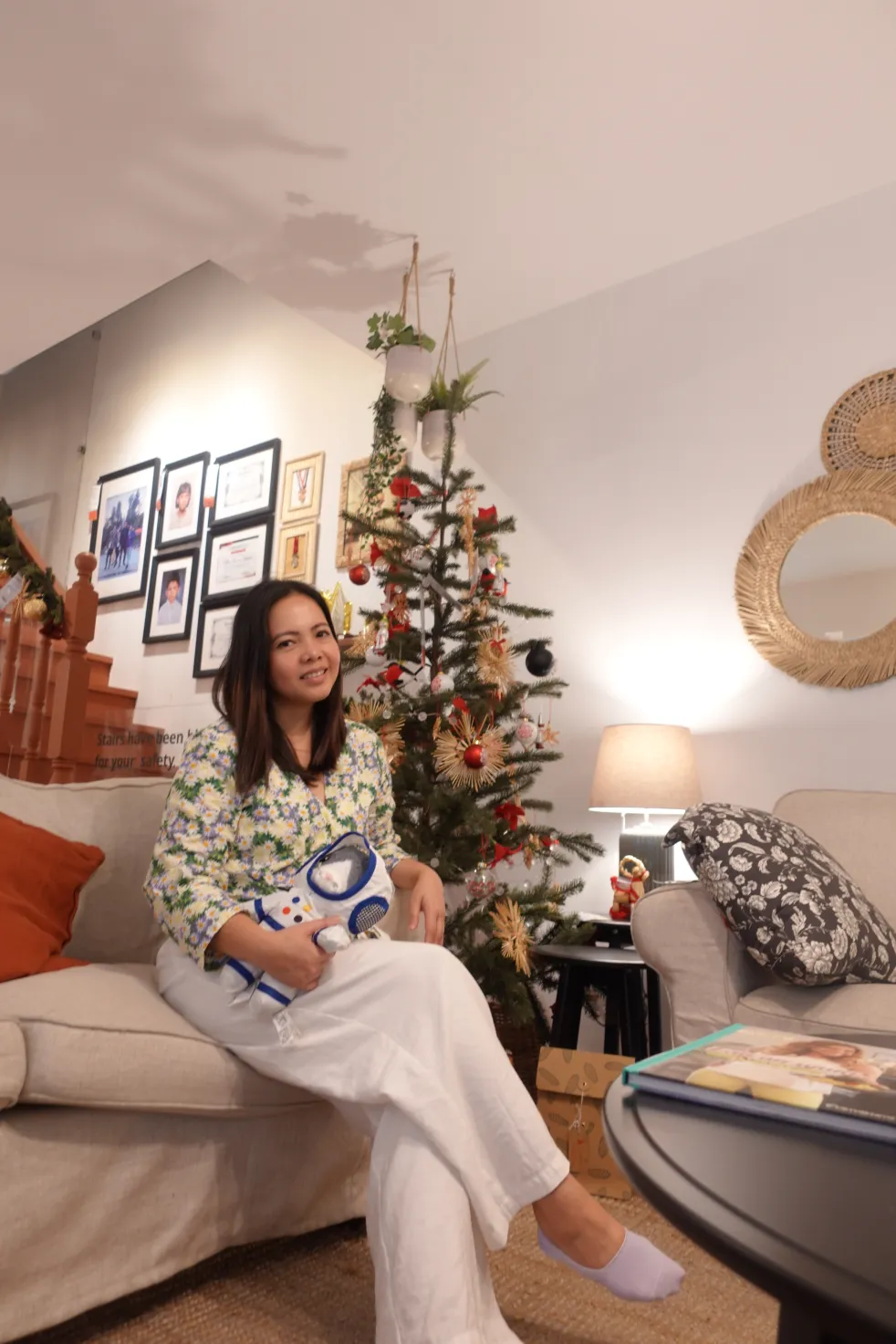
Last August, IKEA Philippines engaged with Better World Smokey Mountain, a newly opened community center operated by the San Miguel Foundation, which shares a similar goal of improving the lives of many Filipino people. Through this partnership, IKEA Philippines provided and assembled home furnishings for the classrooms and library of Better World Smokey Mountain community… Continue reading Help Create a Better World with IKEA Soft Toys
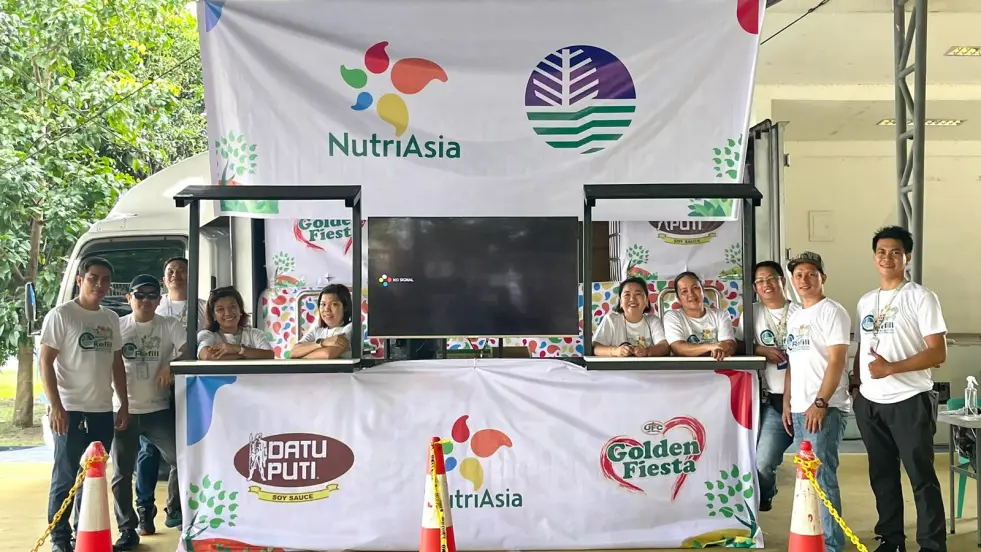
NutriAsia, the country’s top producer of condiments and sauces, continues its support of Refill Revolution; a project by the Department of Environment and Natural Resources EMB 3 that aims to help reduce Filipinos’ single-use plastics consumption. At Refill Revolution, residents get to recycle their single-use plastic bottles by reusing and filling it with their choice… Continue reading NutriAsia and DENR renews partnership for Refill Revolution

A Calm Afternoon Homework Routine That Works
Homework can feel much harder when it arrives at the end of a long school day. Children may be hungry, tired from sport, overstimulated by the trip home, or still thinking about playground friendships. A predictable afternoon rhythm helps them move from school mode into learning time without turning the whole evening into a negotiation.
The aim is not to create a strict study programme. It is to make the next step clear, keep expectations suitable for the child’s age, and leave enough time for play, family connection and sleep. A short routine that happens consistently is usually more effective than an ambitious plan that becomes stressful.
| Afternoon stage | Typical length | Main purpose |
|---|---|---|
| Arrive and reset | 20–30 minutes | Snack, water, toileting and decompression |
| Prepare | 5 minutes | Check the school diary and collect materials |
| First work block | 15–25 minutes | Complete the most important task |
| Movement break | 10–20 minutes | Stretch, play outside or have a short rest |
| Second work block | 15–25 minutes | Finish remaining work or practise a skill |
| Pack up | 5 minutes | Check the bag and prepare for the next day |
Start With A Gentle Transition
Children usually need a buffer between the school gate and the homework desk. A child who has spent the day listening, sitting, sharing and following instructions may need quiet time before being asked to concentrate again. Offer water and a filling snack, then allow a simple activity such as drawing, building, reading for pleasure or playing outdoors.
The timing will depend on the family’s schedule. In Melbourne or Sydney, a child may arrive home after a long public transport journey, while a family in regional Australia may have a lengthy drive from school or afternoon activities. A routine can still work in both situations if the first step stays consistent: shoes away, bag in its place, snack, then a short reset.
Try to avoid beginning with “Have you done your homework?” The question can sound like a demand before the child has recovered from the day. A visual sequence such as “snack, play, work, dinner” gives the same information with less pressure.
Choose A Realistic Starting Time
There is no universally correct homework hour. Some children focus best soon after their snack, while others need outdoor play first. Watch for the time when your child is usually calm and alert, then use that window most afternoons. Starting at roughly the same time creates a dependable cue without requiring the clock to be exact.
Australian school days commonly finish around 3 pm, but pick-up, traffic, after-school care and activities can make the home arrival much later. Children attending outside school hours care may complete some tasks there, depending on the service’s policy and available staff support. The federal Child Care Subsidy may reduce eligible families’ OSHC costs, although each family’s entitlement depends on factors such as income and recognised activity.
Keep the first work period short. For a younger primary school student, 15 to 20 minutes may be enough. Older children might manage two blocks of 25 to 30 minutes, with a proper break between them. A realistic routine builds confidence because the child can see when the task will finish.
Create A Ready-To-Use Work Area
Homework does not require a dedicated study room. A clear section of the dining table, kitchen bench or bedroom desk can work well when it has good lighting and a supportive chair. Keep frequently used supplies nearby: pencils, an eraser, ruler, coloured pencils, glue, scissors and a sharpener.
A small homework basket can prevent repeated trips around the house. Add the school diary, reading book and any worksheets that need to be returned. For families with more than one child, separate folders or labelled containers reduce arguments over missing equipment.
Screens deserve a clear place in the routine. If a tablet or computer is required for schoolwork, open only the needed app or website and keep recreational notifications off. Australian schools vary in their digital platforms and homework expectations, so follow the teacher’s instructions while keeping passwords and personal information private.
Decide What Comes First
Spend two or three minutes checking the school diary, learning platform or homework sheet before starting. Look for deadlines, reading requirements, spelling practice and items that need a parent’s signature. Then help the child choose an order rather than presenting every task as equally urgent.
A useful sequence is to begin with the shortest achievable job, continue with the most demanding task while energy is still available, and finish with reading or a familiar practice activity. This gives the child an early sense of progress while protecting attention for work that needs more concentration.
If the teacher has assigned several activities, divide them into small actions. “Write the opening sentence” is easier to approach than “finish the English assignment.” A checklist with three or four boxes can make progress visible, but avoid filling it with every tiny movement. The list should reduce mental load, not create another assignment.
Build Movement And Food Into The Plan
Hunger often looks like poor concentration. Offer a snack with some staying power, such as fruit and yoghurt, wholegrain toast with cheese, crackers with hummus, or a small sandwich. Water should be easy to reach, especially after a hot walk home or afternoon sport. On very warm days in Queensland, Western Australia or South Australia, outdoor play may need to wait until the heat eases.
Movement breaks help children return to work with a clearer mind. Ten minutes of kicking a ball, walking the dog, stretching, dancing or playing in the backyard can be enough. The break should have a defined end, using a kitchen timer or a calm verbal cue, so it does not turn into an accidental hour of television or gaming.
Sleep should guide the length of the afternoon study period. Pushing through tiredness can produce tears and little useful learning. If homework regularly takes far longer than expected, record how long it takes and discuss the pattern with the teacher rather than extending the routine indefinitely.
Offer Support Without Taking Over
Start by asking the child to explain what the task requires. This shows whether the difficulty is the subject, the instructions, the amount of writing, or simply fatigue. Give one prompt at a time: read the question aloud, circle key words, find an example in the book, or talk through the first step.
Avoid correcting every spelling error or supplying an answer too quickly. Children need opportunities to practise, make mistakes and notice what they know. You can model a strategy, complete one example together, and then invite the child to try the next one independently.
Some children need more help because of dyslexia, ADHD, language differences, anxiety or another learning need. Ask the classroom teacher what adjustments are appropriate. Australian schools have different support processes across states and territories, and homework policies also vary; there is no single national law that sets a required amount of homework for every child.
Protect Family Time And Sleep
When the work block ends, use a clear stopping point. The child can place completed pages in the school bag, charge a required device, and show you anything that needs signing. This short pack-up habit prevents the frantic search for a reader or permission note the next morning.
Homework should fit around dinner, bath time, reading for enjoyment and sleep. The Australian parenting environment often includes late swimming lessons, weekend sport, music practice and travel between activities, so a routine may need a weekday and activity-day version. On a busy evening, completing the essential task and communicating with the teacher is more sensible than forcing every optional activity.
School attendance requirements are set through state and territory legislation, while homework expectations are generally guided by individual school policies. Families can check the school’s published guidance when work becomes excessive or unclear. A respectful message can explain the child’s available time, what was completed and where the difficulty occurred.
Review The Routine Each Week
At the end of the week, notice what helped. Did the child begin more easily after outdoor play? Was the work area too noisy? Did an activity or long commute make the usual start time unrealistic? Small observations are more useful than judging the whole routine as a success or failure.
Adjust one element at a time. Move the start time by 15 minutes, shorten the first block, change the snack, or place the reading book beside the bag. Children are more likely to accept changes when they understand that the routine is being refined to make afternoons easier.
A successful homework pattern should leave room for ordinary family life. It provides structure without making every minute productive, supports growing independence, and helps children finish school responsibilities with enough energy left for rest, relationships and the next day.

Mercato Centrale, in collaboration with Indian Women in Enterprise Philippines (I-We), is set to host "The Great Indian Fiesta" to mark 75 years of friendship between India and the Philippines. The dynamic two-day event is scheduled to take place on September 30 to October 1, 2023, at Paseo De Roxas Street, Makati City. Aiming to… Continue reading Mercato Centrale Partners with I-We to Host ‘The Great Indian Fiesta’, Commemorating 75 Years of India-Philippines Friendship

My stomach would usually start growling at 10 am even after taking a big breakfast. This is probably because I am a morning person and I move a lot throughout the day hence snacking is something that I can't avoid. This potatoes and chicken wrap recipe is easy to prepare and would keep me full… Continue reading Potato and Chicken Wrap
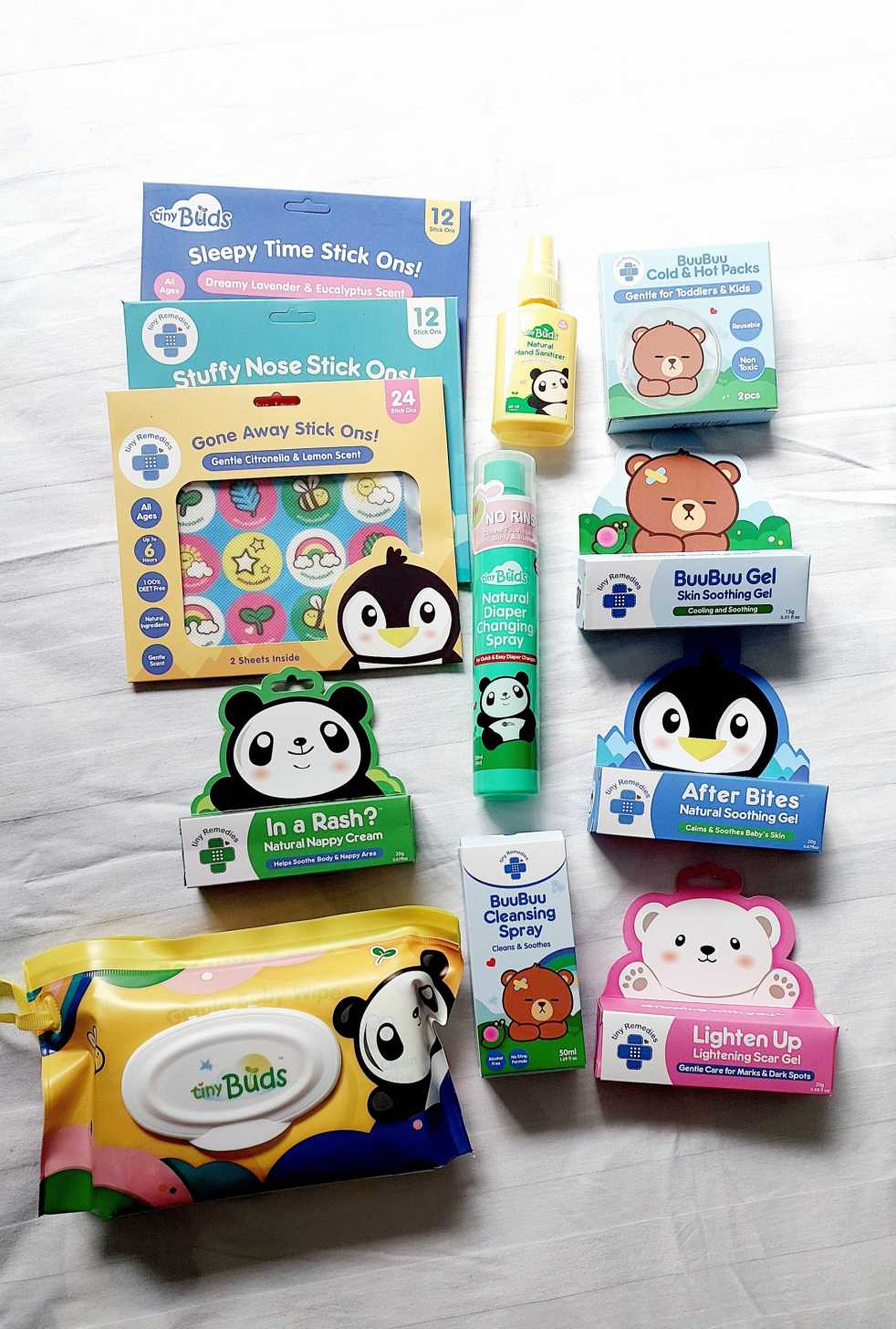
Your baby’s skin is more delicate than most, this is why you have to choose products that are designed for sensitive skin. Tiny Buds is a pioneer in integrating natural ingredients into baby care and today has over 50 innovative natural baby care essentials and is one of the Top Baby Personal Care brands. Here… Continue reading Product Review: Tiny Buds Baby Naturals Baby Essentials
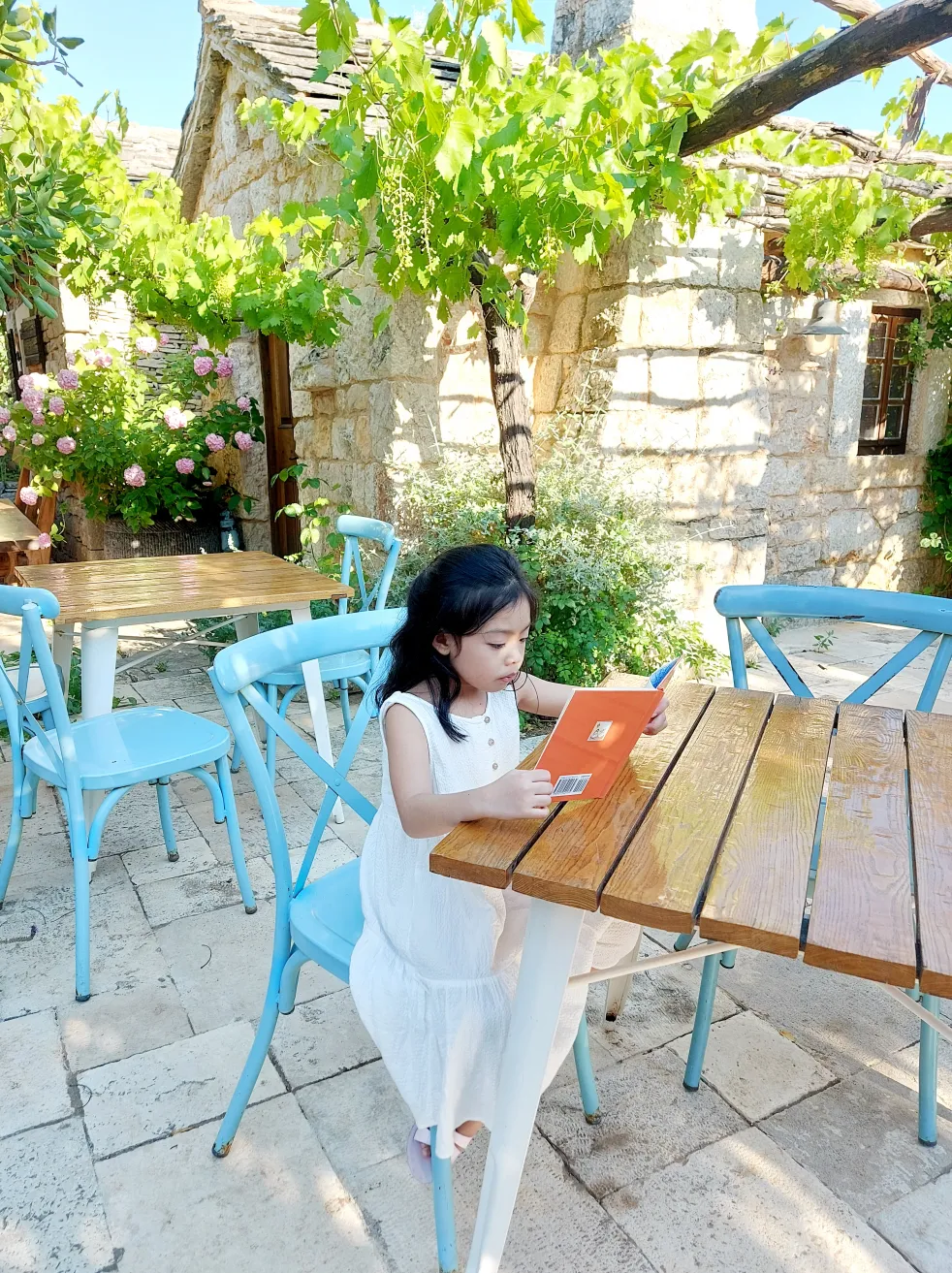
Where your child goes to school is a big decision and shouldn’t be taken lightly. Given how their education can impact their future, you might be tempted to take control and decide for them. However, you might be doing more damage than helping them in the long run. Your job as parents is to support… Continue reading HOW TO CHOOSE THE BEST SCHOOL FOR YOUR CHILD
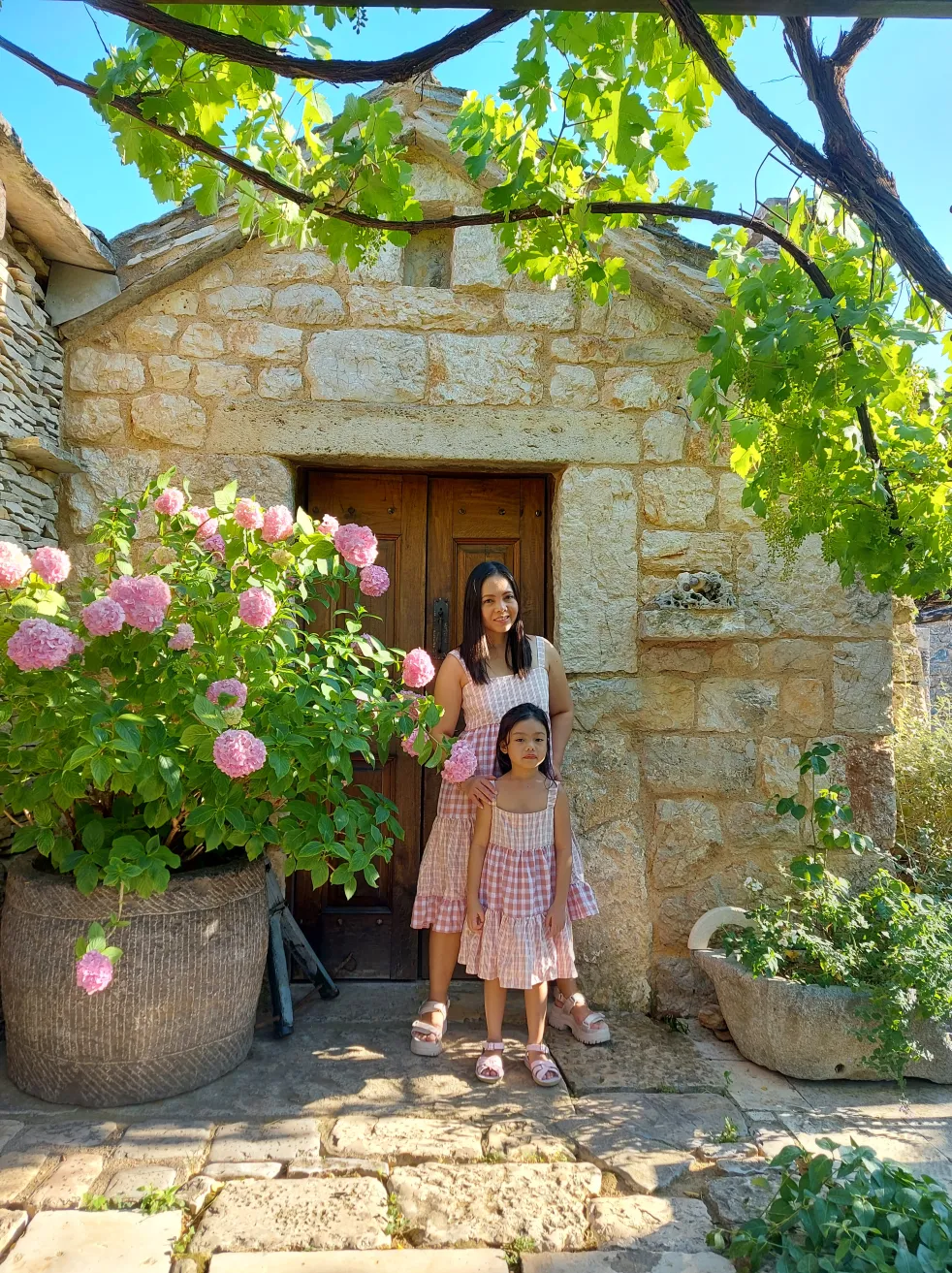
As poet and philosopher Rumi once eloquently said, “raise your words, not your voice. It is rain that grows flowers, not thunder.” Parenting is a challenging journey, and the truth is that nobody has everything figured out. One parenting style might suit others best, and some might favor other methods. However, children respond better to… Continue reading A SIMPLE GUIDE TO GENTLE PARENTING

Whether you’re a new mom to be, mom of a toddler, mom who have school-aged kids, you’re bound to have so many questions. Let's start with your baby's skin. Infant skin has unique needs; gentle care is essential to prevent damage to the skin barrier, which can lead to irritation. When caring for infant skin,… Continue reading Keeping Baby’s Diapered Skin Healthy
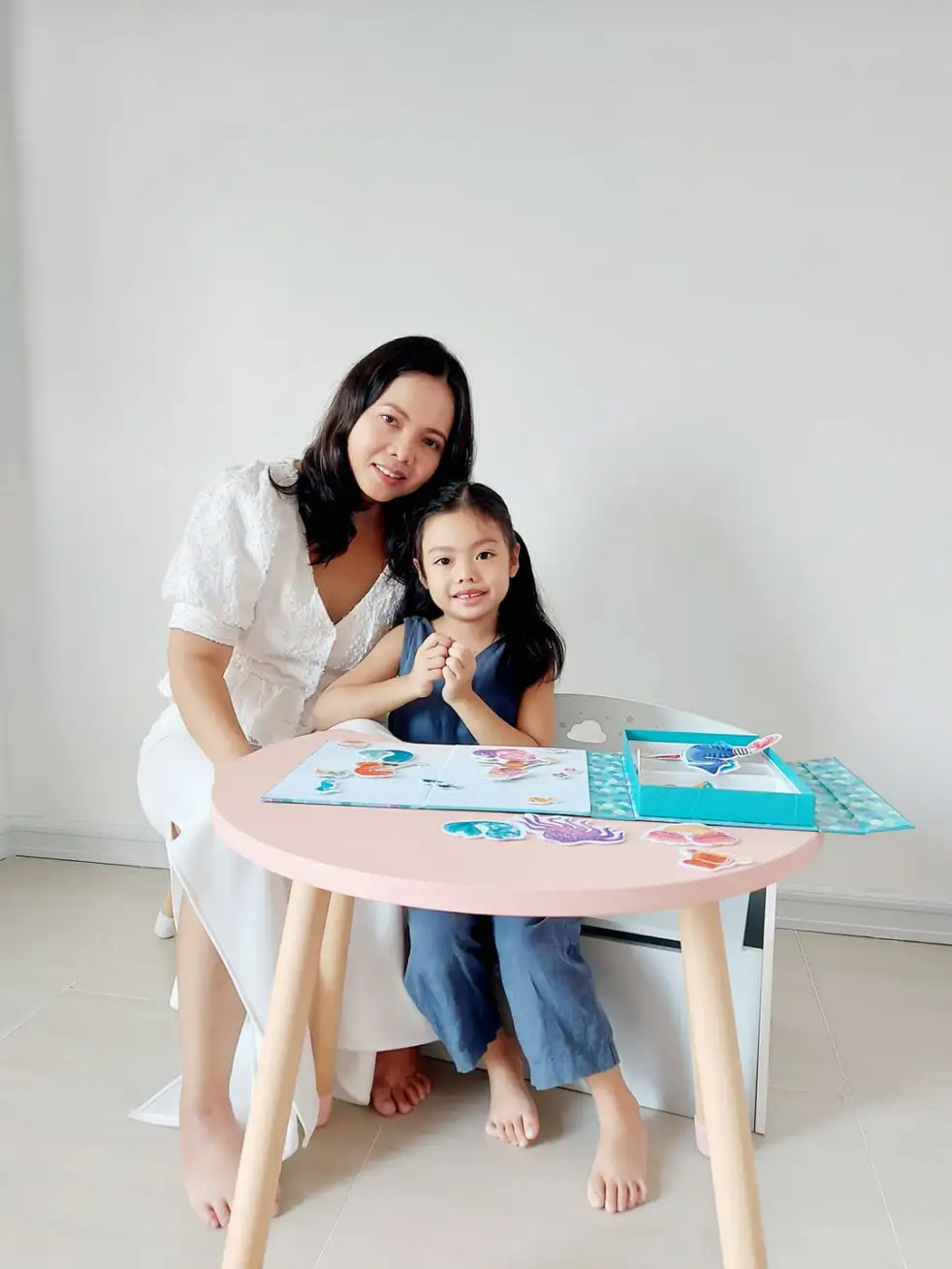
As parents, we want to give our child the best possible start in life and that begins with nurturing their intelligence. Throughout history, the notion of success has been linked to academic intelligence. However, there has been an increased awareness on the importance of emotional intelligence. This question gets at the heart of the never-ending… Continue reading IQ or EQ, which one is a better predictor of your child’s success?
 wondermomma.net