
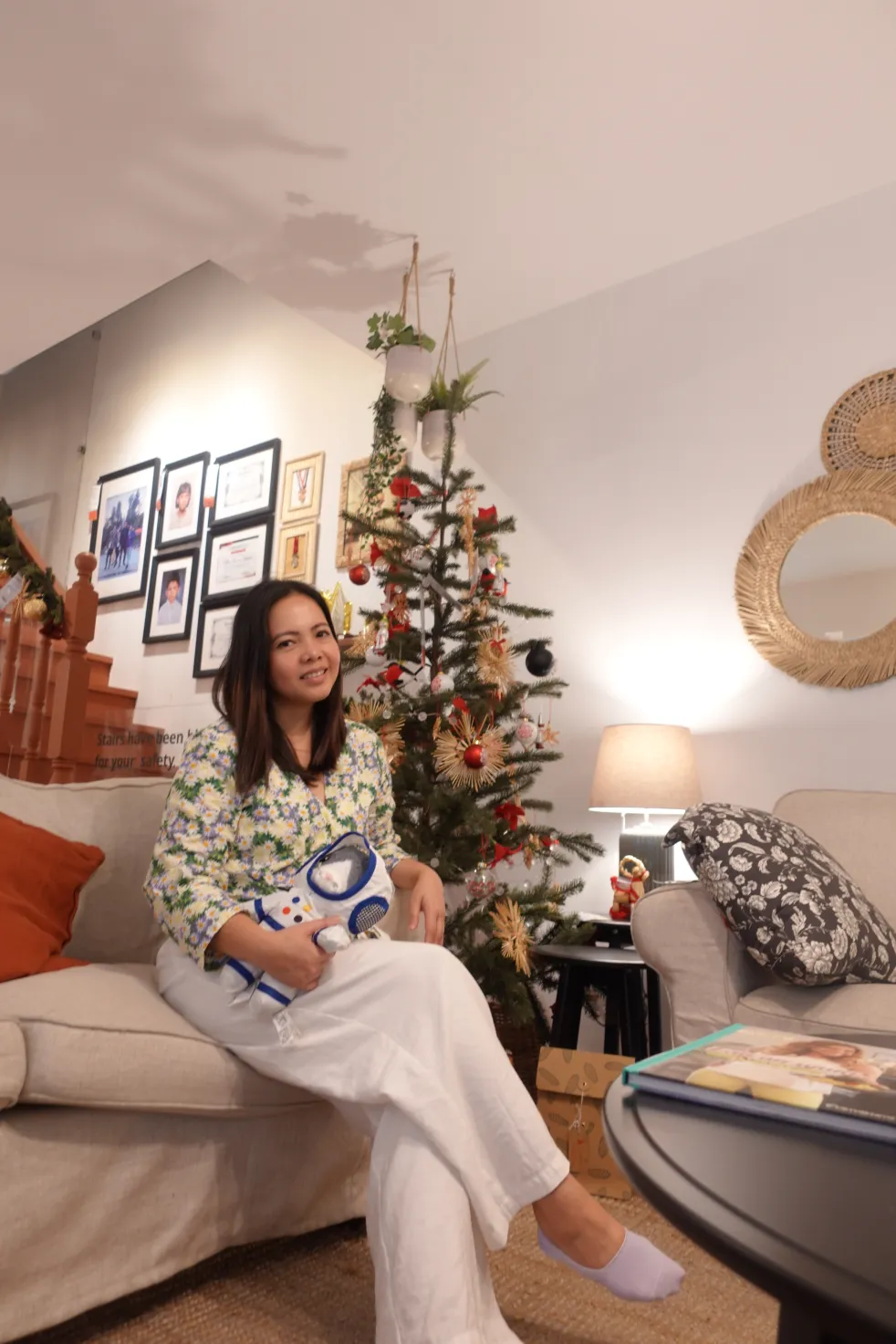
Last August, IKEA Philippines engaged with Better World Smokey Mountain, a newly opened community center operated by the San Miguel Foundation, which shares a similar goal of improving the lives of many Filipino people. Through this partnership, IKEA Philippines provided and assembled home furnishings for the classrooms and library of Better World Smokey Mountain community… Continue reading Help Create a Better World with IKEA Soft Toys
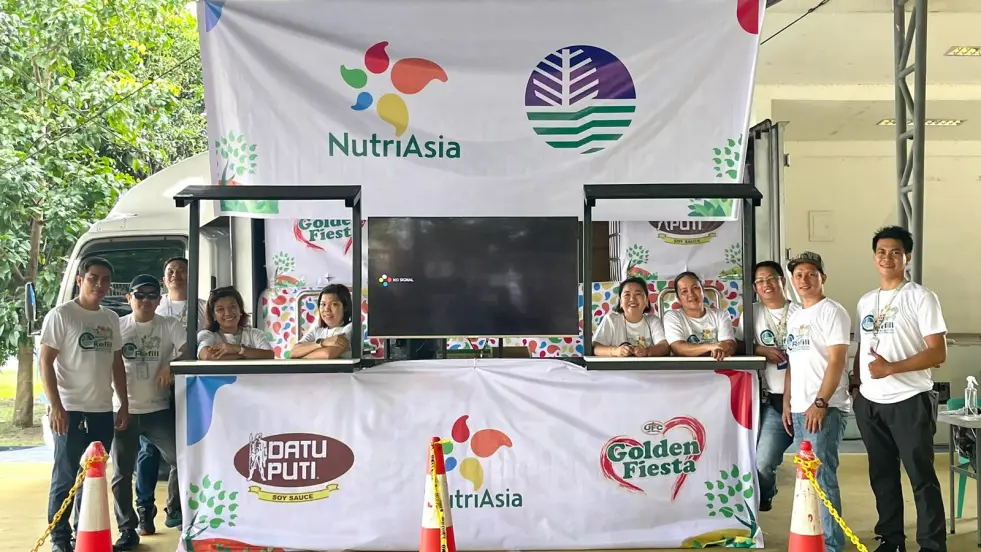
NutriAsia, the country’s top producer of condiments and sauces, continues its support of Refill Revolution; a project by the Department of Environment and Natural Resources EMB 3 that aims to help reduce Filipinos’ single-use plastics consumption. At Refill Revolution, residents get to recycle their single-use plastic bottles by reusing and filling it with their choice… Continue reading NutriAsia and DENR renews partnership for Refill Revolution

How To Set Up A Play Kitchen For Imaginative Play
A play kitchen can become a café, family restaurant, grocery shop, bakery or campsite cooking station within minutes. With a few thoughtfully chosen pieces, children can practise language, social skills, problem-solving and everyday independence while creating stories that are entirely their own.
The best setup does not need to copy a full adult kitchen or occupy half the living room. A safe, flexible play space with accessible props, open-ended materials and room for movement will support imaginative play for toddlers and preschoolers. Families in Australia can adapt the idea to an apartment in Sydney, a suburban home in Adelaide or a compact play area in Melbourne.
| Setup Choice | Works Well For | Key Consideration |
|---|---|---|
| Wooden play kitchen | Long-term pretend play | Check stability, rounded edges and durable finishes |
| Cardboard or DIY kitchen | Low-cost, flexible play | Replace worn parts and keep it away from moisture |
| Kitchen corner with shelves | Small homes and apartments | Use vertical storage and leave a clear walkway |
| Full role-play station | Older preschoolers and siblings | Add menus, baskets and different play roles |
| Minimal kitchen set | Toddlers and calm spaces | Offer a small number of familiar, easy-to-hold items |
Choose A Safe And Suitable Base
Start with the main structure: a toy kitchen, low shelf, sturdy cardboard box or small table. The right option depends on your child’s age, available space and play style. A toddler may need a simple bench with a pretend sink, while older children may enjoy an oven, cooktop, microwave, fridge and café counter.
Safety should guide every purchase. Look for stable construction, smooth edges, secure hinges and non-toxic finishes. Small loose pieces can be a choking hazard for children under three, so keep miniature food, tiny utensils and detachable knobs away from younger siblings. Check products against Australian safety information and inspect the set regularly for cracks, loose screws or peeling surfaces.
Avoid placing the play kitchen beside a real oven, heater, blind cord or busy doorway. In an Australian home, open-plan living areas are common, so position the station where adults can supervise without constantly interrupting play. A washable mat underneath can protect floors and create a clear boundary.
Arrange The Space For Independent Play
Children engage more deeply when they can reach their own resources. Store cups, plates and pretend food on low shelves, in open baskets or inside clearly visible containers. Place frequently used items at the front and rotate less familiar props every few weeks. This keeps the area interesting without filling it with clutter.
A compact arrangement can work well in a Brisbane unit or a family room in Perth. The kitchen does not need to sit against a wall if your child likes serving meals from both sides. Leave enough room for a child to open the oven, carry a basket and move safely between the preparation area and the “dining table”.
Use simple visual organisation rather than expecting preschoolers to sort everything perfectly. A basket for cookware, one for food and another for café materials gives children a manageable system. A low hook rail can hold aprons or reusable shopping bags, though hooks should be securely fitted and free from sharp ends.
Add Open-Ended Props And Pretend Food
Begin with familiar objects that invite many types of play: wooden spoons, silicone muffin cups, plastic bowls, tea towels, measuring cups, tongs and a small saucepan. Everyday kitchen tools often create richer pretend scenarios than a large collection of specialised toys. Avoid glass, sharp utensils, breakable ceramics and anything with a hot or electrical function.
Pretend food can represent many cultures and family routines. Include fruit, vegetables, bread, rice, noodles, herbs and baked goods alongside cartons, jars and takeaway containers. A child might prepare a family dinner, run a farmers’ market stall or make a picnic for soft toys. Families in Australia may add pretend lamingtons, sausage rolls, mangoes, Vegemite toast or a reusable market bag from the local shops.
You can make some accessories together from clean packaging. A cereal box can become a pantry item, while fabric scraps can serve as napkins or tablecloths. Draw labels and pictures if your child enjoys mark-making, but keep the materials open enough for a box to become anything from flour to a parcel.
Build Stories Around Real Family Life
Imaginative play grows from experiences children recognise. Invite your child to recreate a weekend barbecue, a visit to the supermarket, a birthday morning or lunch at a local café. The aim is not to direct every step. Offer a small prompt, then allow the storyline to develop in unexpected ways.
A parent might say, “The customers are waiting for their soup,” or “The shop needs more fruit,” then follow the child’s lead. This supports vocabulary without turning play into a lesson. Children can practise greetings, turn-taking, counting, describing flavours and solving practical problems such as a missing ingredient.
A play kitchen also gives children a safe way to explore routines and emotions. A child may cook for a baby doll, comfort a toy who is “hungry” or pretend to pack food for a long trip. These scenarios can reveal what they understand about care, community and family responsibilities.
For additional family activity ideas, WonderMomma’s parenting resources can provide useful inspiration to connect everyday routines with play and learning.
Encourage Cooperative Play Without Taking Over
When siblings or friends join in, the kitchen naturally supports negotiation. One child may become the cook, another a customer and another the delivery driver. These roles can change as the story develops. If disagreements arise, help children name the problem and think of choices rather than deciding every detail for them.
Simple additions can make group play easier. Provide two or three baskets, several cups, duplicate serving tools and enough pretend food for more than one child. A small menu or order pad can give children a shared purpose. Older preschoolers may enjoy writing prices, taking orders or making signs, while younger children can choose pictures or hand over ingredients.
Adults can model respectful language, then step back. Phrases such as “What could we serve?” or “Where should this order go?” leave space for children’s ideas. Avoid correcting unrealistic recipes or insisting that every item has a proper place. Imaginative play is valuable because children can bend the rules and test possibilities.
Refresh The Kitchen As Children Grow
A play kitchen can evolve from sensory exploration into complex role-play. Toddlers may focus on filling cups, opening doors and carrying food. Preschoolers often create longer narratives involving shopping, cooking, serving and cleaning. Follow this development by changing the props rather than replacing the entire setup.
For younger children, offer large, chunky accessories and a few realistic objects. As fine motor skills improve, add tongs, scoops, clothespins, play money, order pads and reusable stickers. A small chalkboard can become a menu, opening opportunities for drawing, early writing and pretend numeracy.
Keep the collection manageable. A quick reset at the end of the day helps children see what is available and reduces hazards. Use warm water and mild soap for washable plastic or silicone items, and follow care instructions for wooden toys. Fabric aprons and tea towels should be washed regularly, especially during warmer Australian weather.
Seasonal changes can give the space a fresh story. Summer may bring pretend smoothies and a picnic, while winter can inspire soup and hot chocolate play without using real hot liquids. At Christmas, children might run a gift-wrapping café; during a family trip, the kitchen can become a roadside stop or holiday caravan.
The most engaging play kitchen is shaped by the child using it. A sturdy base, accessible props and permission to invent are enough to turn an ordinary corner into a lively world of shops, meals, stories and shared family experiences.

Mercato Centrale, in collaboration with Indian Women in Enterprise Philippines (I-We), is set to host "The Great Indian Fiesta" to mark 75 years of friendship between India and the Philippines. The dynamic two-day event is scheduled to take place on September 30 to October 1, 2023, at Paseo De Roxas Street, Makati City. Aiming to… Continue reading Mercato Centrale Partners with I-We to Host ‘The Great Indian Fiesta’, Commemorating 75 Years of India-Philippines Friendship

My stomach would usually start growling at 10 am even after taking a big breakfast. This is probably because I am a morning person and I move a lot throughout the day hence snacking is something that I can't avoid. This potatoes and chicken wrap recipe is easy to prepare and would keep me full… Continue reading Potato and Chicken Wrap
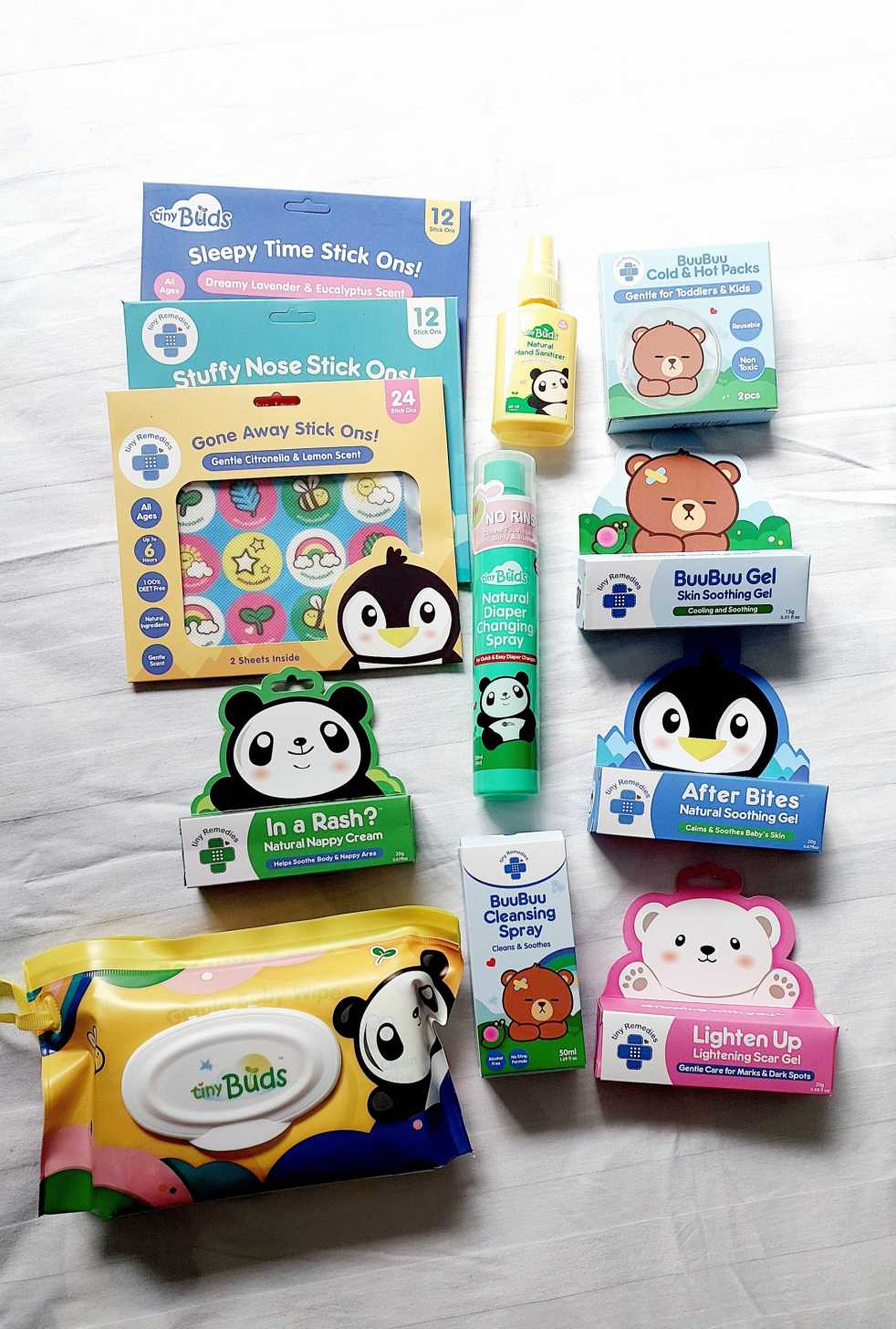
Your baby’s skin is more delicate than most, this is why you have to choose products that are designed for sensitive skin. Tiny Buds is a pioneer in integrating natural ingredients into baby care and today has over 50 innovative natural baby care essentials and is one of the Top Baby Personal Care brands. Here… Continue reading Product Review: Tiny Buds Baby Naturals Baby Essentials
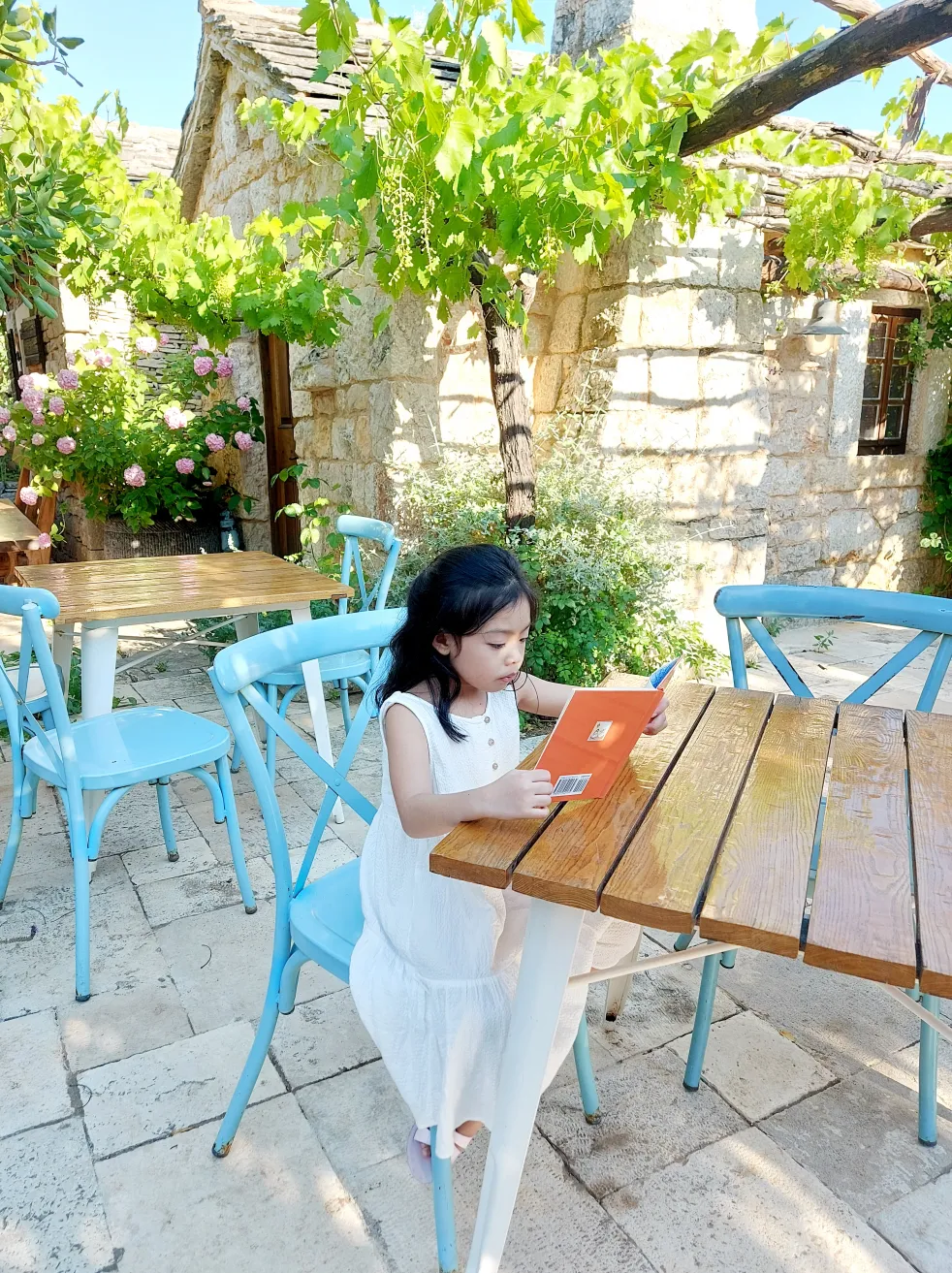
Where your child goes to school is a big decision and shouldn’t be taken lightly. Given how their education can impact their future, you might be tempted to take control and decide for them. However, you might be doing more damage than helping them in the long run. Your job as parents is to support… Continue reading HOW TO CHOOSE THE BEST SCHOOL FOR YOUR CHILD
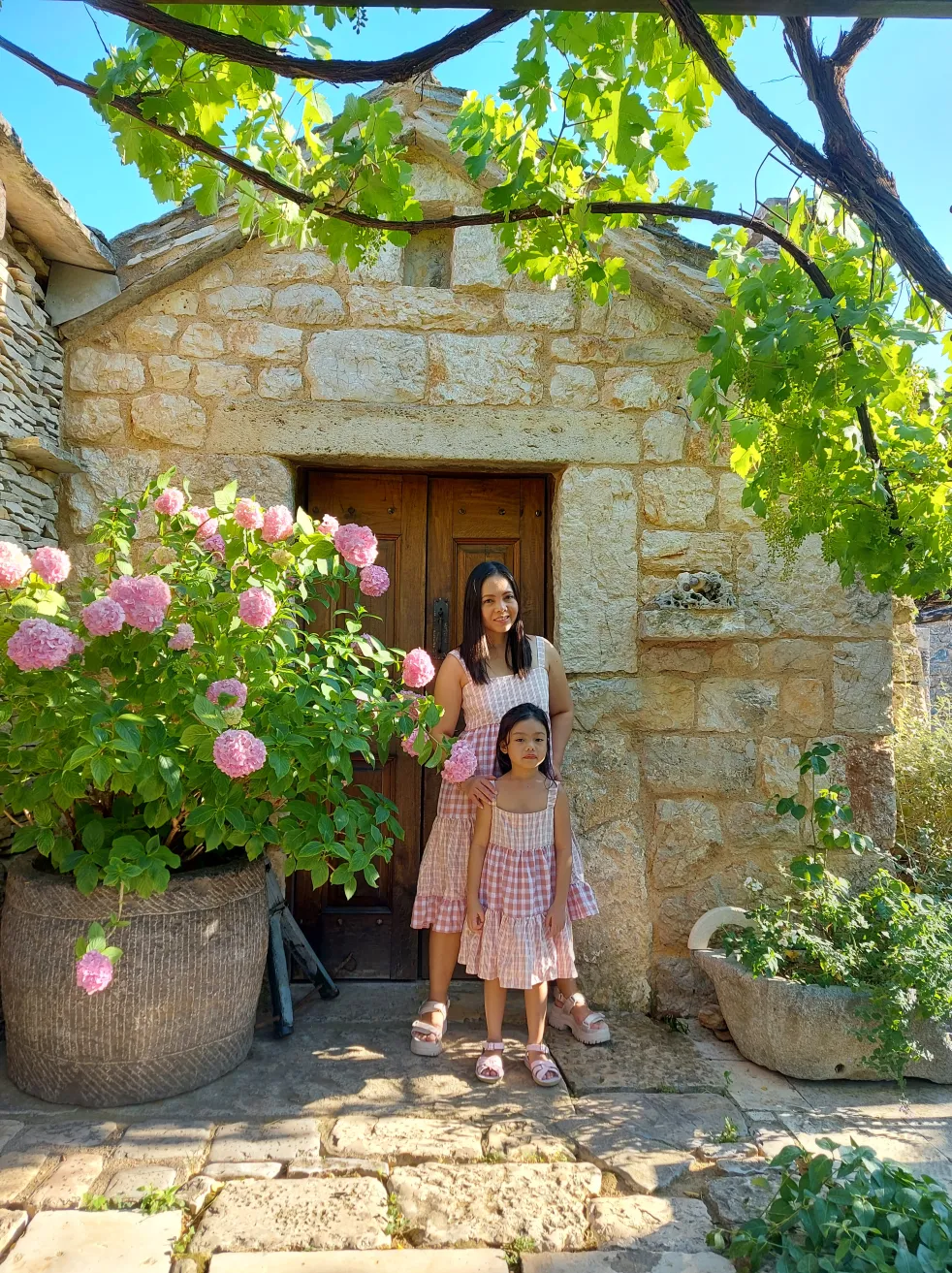
As poet and philosopher Rumi once eloquently said, “raise your words, not your voice. It is rain that grows flowers, not thunder.” Parenting is a challenging journey, and the truth is that nobody has everything figured out. One parenting style might suit others best, and some might favor other methods. However, children respond better to… Continue reading A SIMPLE GUIDE TO GENTLE PARENTING
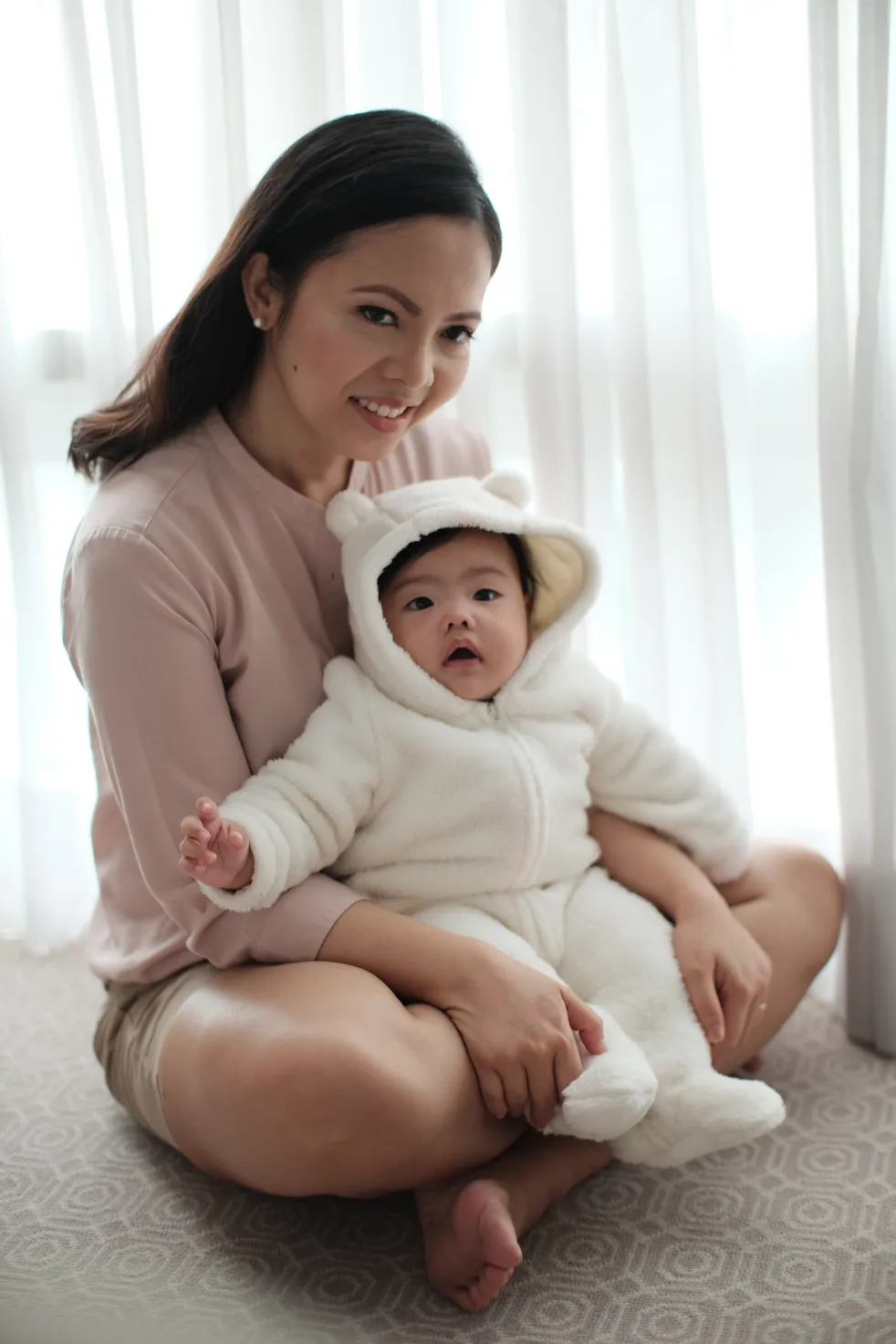
Whether you’re a new mom to be, mom of a toddler, mom who have school-aged kids, you’re bound to have so many questions. Let's start with your baby's skin. Infant skin has unique needs; gentle care is essential to prevent damage to the skin barrier, which can lead to irritation. When caring for infant skin,… Continue reading Keeping Baby’s Diapered Skin Healthy
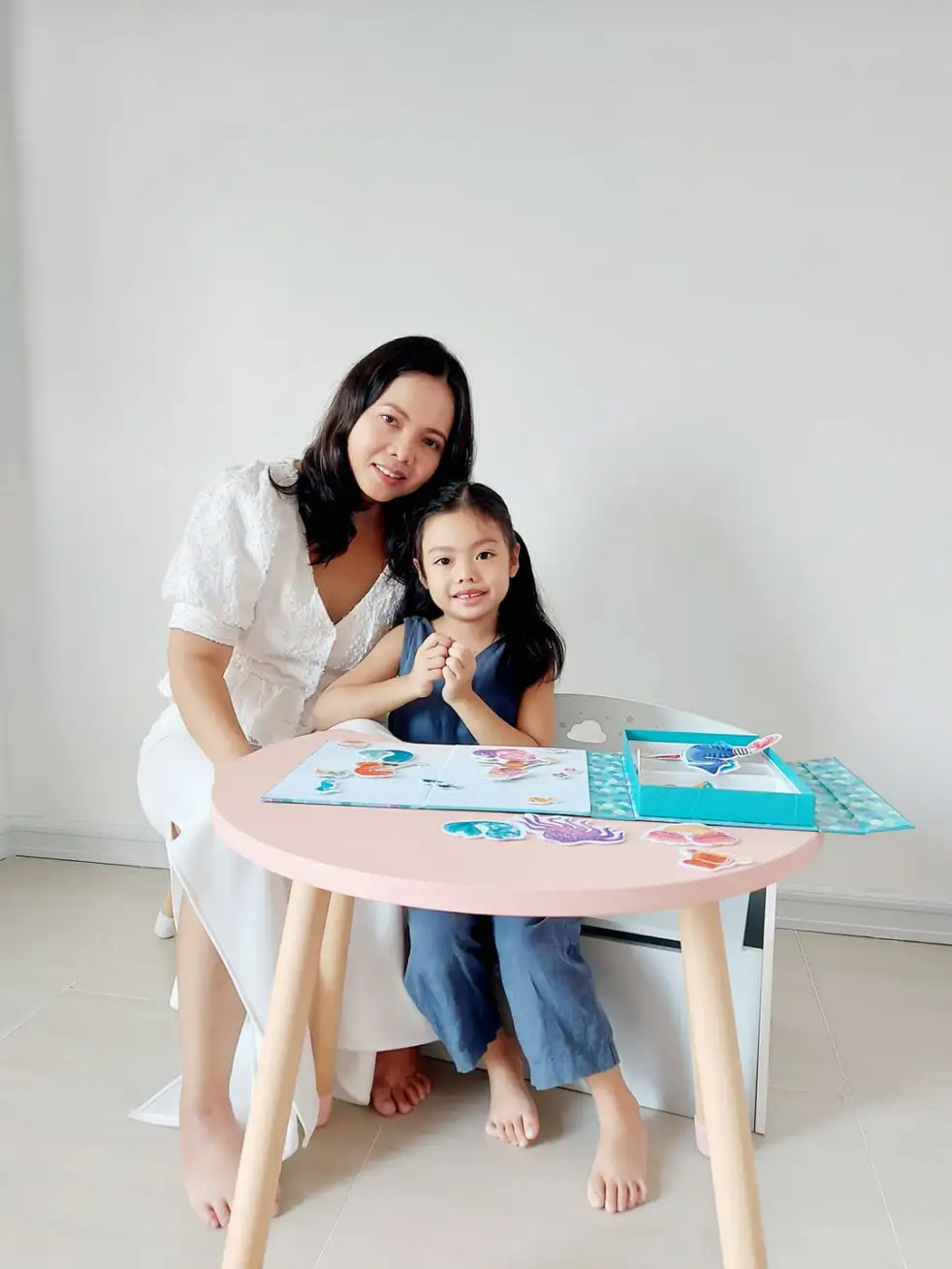
As parents, we want to give our child the best possible start in life and that begins with nurturing their intelligence. Throughout history, the notion of success has been linked to academic intelligence. However, there has been an increased awareness on the importance of emotional intelligence. This question gets at the heart of the never-ending… Continue reading IQ or EQ, which one is a better predictor of your child’s success?
 wondermomma.net