
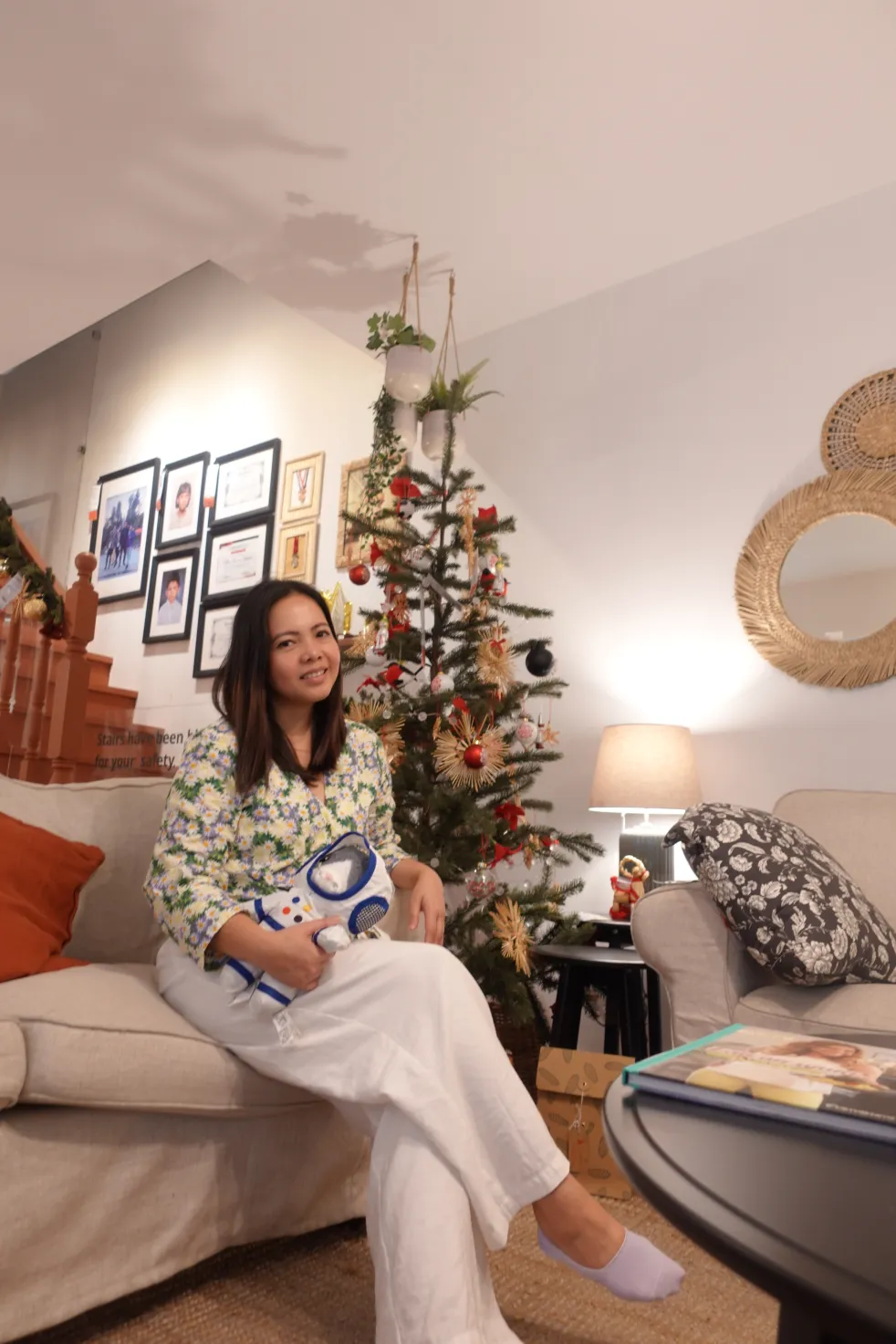
Last August, IKEA Philippines engaged with Better World Smokey Mountain, a newly opened community center operated by the San Miguel Foundation, which shares a similar goal of improving the lives of many Filipino people. Through this partnership, IKEA Philippines provided and assembled home furnishings for the classrooms and library of Better World Smokey Mountain community… Continue reading Help Create a Better World with IKEA Soft Toys
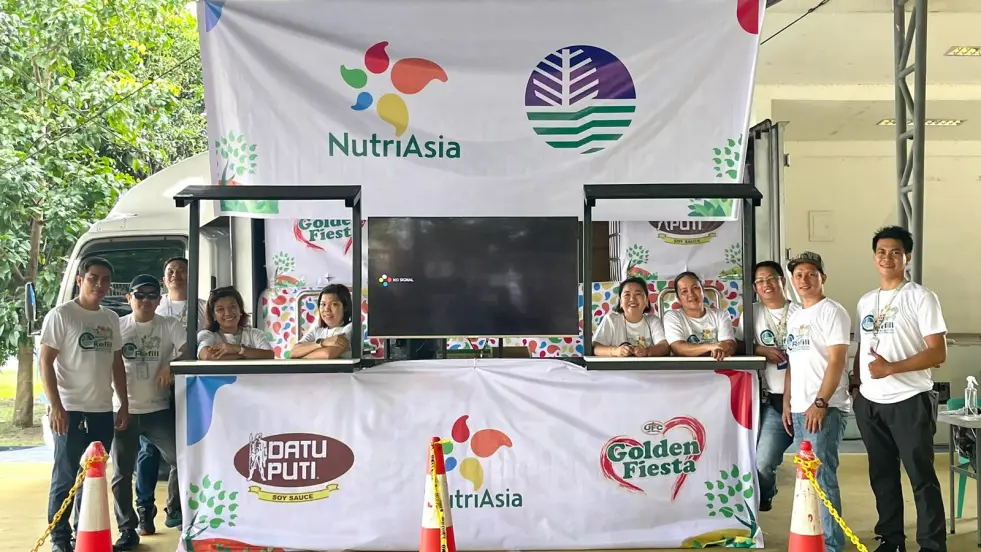
NutriAsia, the country’s top producer of condiments and sauces, continues its support of Refill Revolution; a project by the Department of Environment and Natural Resources EMB 3 that aims to help reduce Filipinos’ single-use plastics consumption. At Refill Revolution, residents get to recycle their single-use plastic bottles by reusing and filling it with their choice… Continue reading NutriAsia and DENR renews partnership for Refill Revolution

How to Set Up a Montessori-Style Playroom at Home
A Montessori-style playroom gives children space to move, choose, explore, and practise everyday skills at their own pace. It does not need expensive wooden toys, a large room, or a picture-perfect design. A thoughtful arrangement, safe materials, and a calm atmosphere can make a meaningful difference.
The goal is to create an environment that matches your child’s size and abilities. Low shelves, accessible baskets, simple activities, and uncluttered surfaces help children participate independently. The room should invite concentration rather than constant entertainment.
Families in the Philippines can adapt these ideas to the space, budget, weather, and routines they already have. A corner of the living room, a shaded balcony, or part of a bedroom can become a child-friendly learning area when it is arranged with care.
Begin With Safety And Simplicity
Start by checking the room from a child’s point of view. Secure tall furniture to the wall, cover electrical outlets, remove cords, and keep small objects away from children who still mouth items. Choose washable rugs with non-slip backing, especially in homes where tiled floors can become slippery.
Natural light and good airflow make the playroom more comfortable, but direct heat should be avoided. In warm or humid areas, leave enough space around furniture for ventilation and select materials that can be wiped and dried easily. A fan should be positioned safely out of reach, with cords secured against the wall.
Keep the room visually quiet. Too many bright toys, hanging decorations, and open containers can make it difficult for a child to focus. A few carefully chosen materials displayed neatly are usually more useful than a large toy collection spread across the floor.
Design For Independence
Furniture should be scaled for children whenever possible. A low shelf allows a toddler to see every available activity and return it after use. A small table and chair support drawing, puzzles, snack preparation, and other practical tasks. A sturdy step stool can help an older child reach a sink or help with supervised kitchen activities.
Create clear zones for different kinds of play. One area might hold books, another construction materials, and another art supplies. A small mat can define the workspace for puzzles or building activities. These boundaries give children a sense of order without making the room feel rigid.
Storage should be easy to understand. Place one activity in each basket or tray, and avoid filling shelves so tightly that children must pull everything out to reach one item. Picture labels can help young children identify where materials belong, while older children may prefer simple written labels.
Choose Materials With Purpose
Montessori-inspired play materials usually have a clear purpose. Wooden blocks, nesting cups, shape sorters, simple puzzles, threading beads, matching cards, and practical-life tools encourage hand-eye coordination, problem-solving, and concentration. Open-ended materials such as fabric pieces, cardboard boxes, and natural objects can support imaginative play.
Toys do not need to be made from wood to be valuable. A plastic measuring cup can be useful for pouring, and a set of recycled containers can become a sorting or stacking activity. Choose durable, safe products rather than buying items based only on appearance or brand reputation.
Rotate materials instead of displaying everything at once. Keep some toys in a closed cupboard and bring them out when the current selection no longer holds your child’s interest. A small rotation every one or two weeks can make familiar activities feel fresh while keeping the room manageable.
| Playroom Element | Practical Choice | Skills Supported | Care Notes |
|---|---|---|---|
| Low shelf | Two- or three-level shelf with rounded edges | Choice-making, order, responsibility | Anchor securely and leave walking space |
| Floor area | Washable mat or firm rug | Crawling, movement, floor play | Use a non-slip backing |
| Practical-life tray | Small jug, bowl, cloth, and child-safe tool | Pouring, wiping, coordination | Offer activities with close supervision |
| Book corner | Front-facing shelf and a few books | Language, attention, early literacy | Rotate books and check for damaged pages |
| Art station | Small table, crayons, paper, and washable materials | Creativity, grip, self-expression | Store messy supplies out of reach |
| Sensory basket | Large safe objects with varied textures | Exploration, vocabulary, fine-motor skills | Avoid choking hazards and inspect regularly |
Include Movement And Practical Life
A Montessori-style space should support whole-body movement, especially for babies and toddlers. Leave a generous section of clear floor for rolling, crawling, stretching, dancing, and carrying objects. A soft mat is helpful, but children also benefit from experiencing different safe surfaces under their hands and feet.
Gross-motor equipment can be simple. Cushions for climbing, a low balance beam, a tunnel, or a firm step platform may provide useful challenges. Choose equipment that matches your child’s current ability, and supervise climbing activities closely. The purpose is controlled movement, not a crowded indoor playground.
Practical-life activities connect play with real family routines. Children can place laundry in a basket, wipe a low table, water a plant, wash fruit, or transfer dry ingredients between containers. Begin with one small task and demonstrate it slowly. Expect spills and repetition; these are part of learning rather than signs that the activity has failed.
Support Focus Without Pressure
Children learn deeply when they can repeat an activity, notice results, and correct small mistakes. Select materials that offer a manageable challenge, then allow your child time to work without frequent instructions. An adult’s role is to prepare the environment, demonstrate carefully, and observe when help is genuinely needed.
Avoid turning every activity into a lesson or testing session. If a child uses a puzzle piece creatively or builds something different from the intended model, that may still be valuable exploration. Gentle parenting principles fit naturally here: set clear safety limits while respecting the child’s concentration and choices within those limits.
The playroom can also support language development. Name textures, actions, colours, and household objects during everyday interaction. Read together in a quiet corner, sing familiar songs, and invite your child to describe what they are doing. These conversations are often more beneficial than a room filled with educational labels and gadgets.
Adapt The Space As Children Grow
A playroom should change with the child. Babies need open floor space, grasping materials, mirrors secured at a safe height, and a few objects within reach. Toddlers may benefit from matching games, simple art materials, stacking toys, and practical tasks. Preschoolers can use more complex puzzles, early writing tools, counting materials, and longer project work.
Watch how your child uses the room rather than following a fixed timetable. If a shelf is constantly emptied, reduce the number of items. If a child avoids the art area, move it closer to family activity or offer a different material. If climbing happens on unsafe furniture, provide an appropriate movement challenge and review the room’s layout.
Clean and inspect materials regularly. Wash frequently handled items, check for loose parts, and remove anything cracked or damaged. In a busy family home, a five-minute reset at the end of the day can keep the environment inviting without placing the entire responsibility on the child.
Make It Work For Family Life
A Montessori-inspired playroom should support the household rather than create extra stress. Use baskets, trays, and shelves that fit your budget and available space. Local craft stores, second-hand shops, and household supply sections may provide affordable alternatives to specialised Montessori retailers.
Keep messy activities near an easy-to-clean surface. For Filipino families, this might mean placing water play or food preparation near the kitchen, while art activities can be set up on a tiled area with a washable mat. Outdoor space can provide additional room for gardening, pouring, chalk drawing, and active movement when weather conditions are suitable.
Children also benefit from shared family spaces. A dedicated playroom is convenient, but a carefully prepared corner can work just as well. The most important features are accessibility, order, safety, and the opportunity to participate in meaningful activities.
Helpful Ways To Keep The Space Calm
- Display a small selection of toys and rotate materials before the shelves become crowded.
- Use low, stable storage so children can choose and return activities independently.
- Include at least one daily practical task, such as wiping, sorting, pouring, or watering.
- Leave clear floor space for movement instead of filling every corner with furniture.
- Observe your child’s interests and adjust the environment gradually rather than changing everything at once.
A Montessori-style playroom grows from ordinary family routines. A low basket for books, a child-sized cloth for spills, and a clear space for building may have more lasting value than a costly collection of specialised equipment. When children can see their choices, reach their materials, and take part in simple household tasks, they begin to experience the home as a place where their abilities matter.
Choose one small area to prepare this week. Clear unnecessary items, add a safe low surface, place a few purposeful activities within reach, and give your child time to explore. With steady observation and gentle adjustments, the space can become a calm foundation for independence, creativity, and joyful learning.

Mercato Centrale, in collaboration with Indian Women in Enterprise Philippines (I-We), is set to host "The Great Indian Fiesta" to mark 75 years of friendship between India and the Philippines. The dynamic two-day event is scheduled to take place on September 30 to October 1, 2023, at Paseo De Roxas Street, Makati City. Aiming to… Continue reading Mercato Centrale Partners with I-We to Host ‘The Great Indian Fiesta’, Commemorating 75 Years of India-Philippines Friendship

My stomach would usually start growling at 10 am even after taking a big breakfast. This is probably because I am a morning person and I move a lot throughout the day hence snacking is something that I can't avoid. This potatoes and chicken wrap recipe is easy to prepare and would keep me full… Continue reading Potato and Chicken Wrap
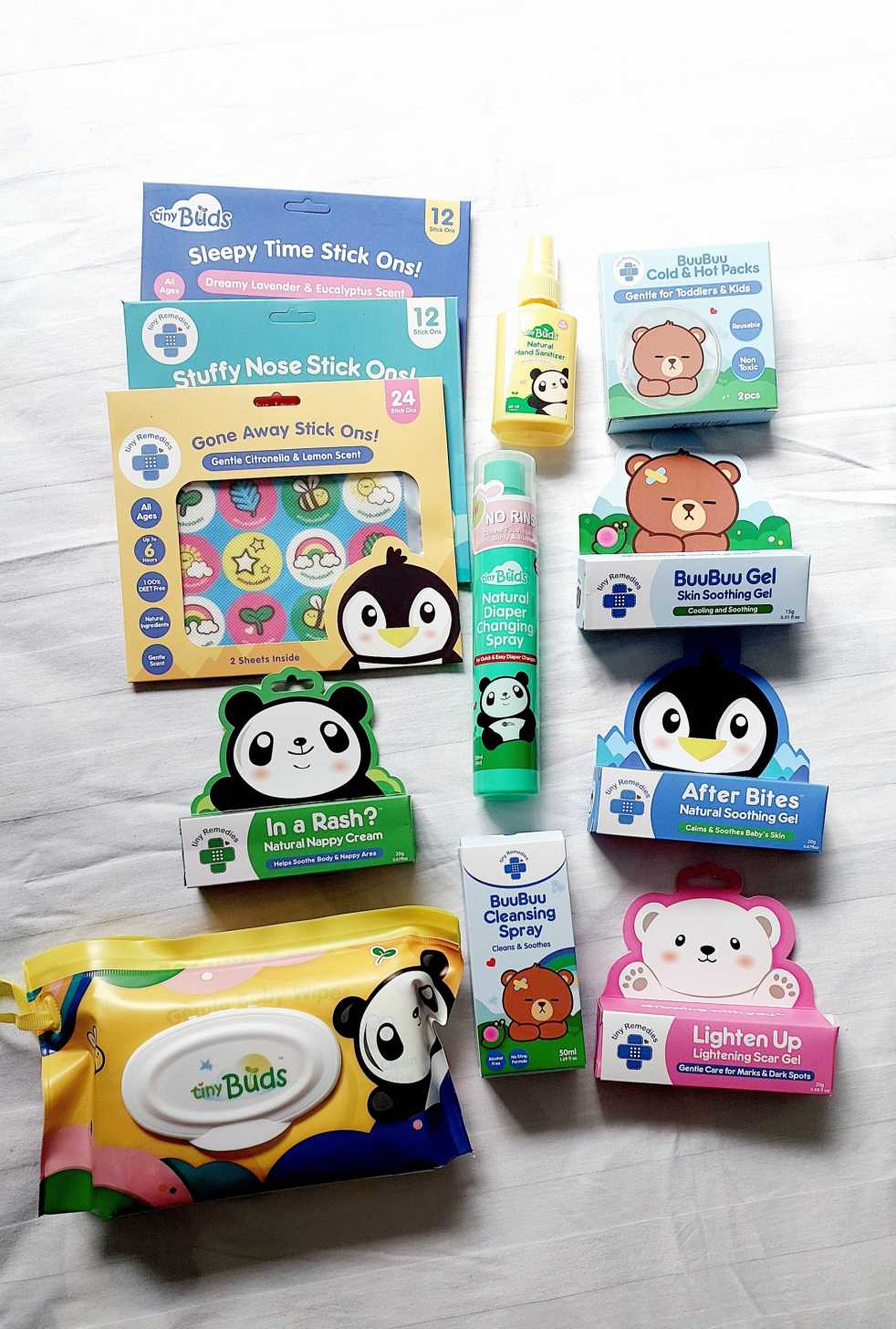
Your baby’s skin is more delicate than most, this is why you have to choose products that are designed for sensitive skin. Tiny Buds is a pioneer in integrating natural ingredients into baby care and today has over 50 innovative natural baby care essentials and is one of the Top Baby Personal Care brands. Here… Continue reading Product Review: Tiny Buds Baby Naturals Baby Essentials
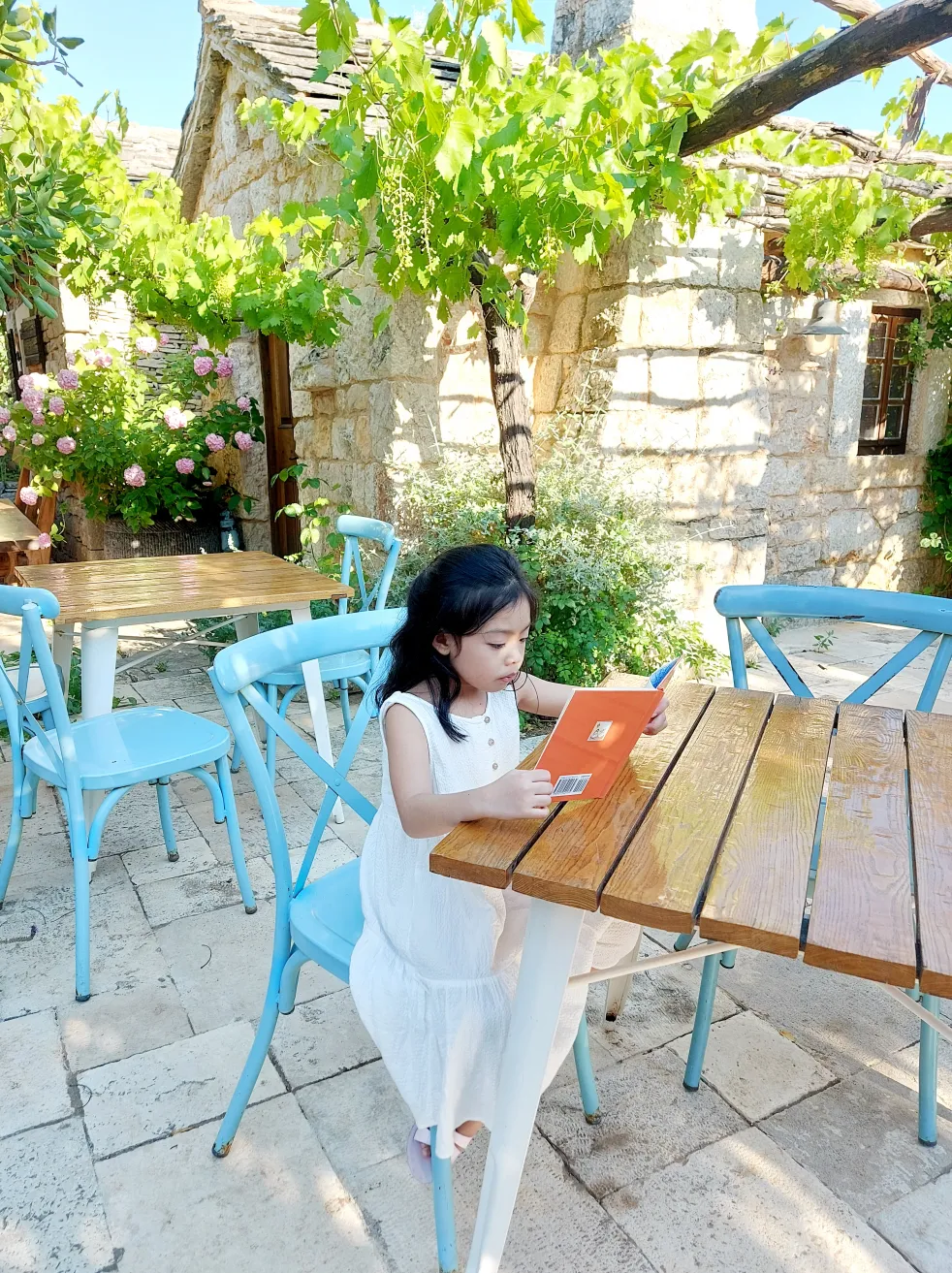
Where your child goes to school is a big decision and shouldn’t be taken lightly. Given how their education can impact their future, you might be tempted to take control and decide for them. However, you might be doing more damage than helping them in the long run. Your job as parents is to support… Continue reading HOW TO CHOOSE THE BEST SCHOOL FOR YOUR CHILD
As poet and philosopher Rumi once eloquently said, “raise your words, not your voice. It is rain that grows flowers, not thunder.” Parenting is a challenging journey, and the truth is that nobody has everything figured out. One parenting style might suit others best, and some might favor other methods. However, children respond better to… Continue reading A SIMPLE GUIDE TO GENTLE PARENTING
Whether you’re a new mom to be, mom of a toddler, mom who have school-aged kids, you’re bound to have so many questions. Let's start with your baby's skin. Infant skin has unique needs; gentle care is essential to prevent damage to the skin barrier, which can lead to irritation. When caring for infant skin,… Continue reading Keeping Baby’s Diapered Skin Healthy
As parents, we want to give our child the best possible start in life and that begins with nurturing their intelligence. Throughout history, the notion of success has been linked to academic intelligence. However, there has been an increased awareness on the importance of emotional intelligence. This question gets at the heart of the never-ending… Continue reading IQ or EQ, which one is a better predictor of your child’s success?
 wondermomma.net