

Last August, IKEA Philippines engaged with Better World Smokey Mountain, a newly opened community center operated by the San Miguel Foundation, which shares a similar goal of improving the lives of many Filipino people. Through this partnership, IKEA Philippines provided and assembled home furnishings for the classrooms and library of Better World Smokey Mountain community… Continue reading Help Create a Better World with IKEA Soft Toys

NutriAsia, the country’s top producer of condiments and sauces, continues its support of Refill Revolution; a project by the Department of Environment and Natural Resources EMB 3 that aims to help reduce Filipinos’ single-use plastics consumption. At Refill Revolution, residents get to recycle their single-use plastic bottles by reusing and filling it with their choice… Continue reading NutriAsia and DENR renews partnership for Refill Revolution

How to reduce screen time before bed with a practical family plan
Evening screen use can make bedtime harder for children and parents. A cartoon may seem like a simple way to settle a tired child, yet bright light, exciting stories, games, and constant stimulation can keep the brain alert. When the device is finally removed, children may protest because the transition feels sudden.
Reducing screen time before bed does not require an overnight ban. A calm, predictable plan usually works better, especially for toddlers, preschoolers, and school-age children who are still learning to manage strong feelings. The goal is to create a gentle path from active play to sleep.
Families also have different schedules. A child in the Philippines may finish dinner late, share a room with siblings, or use a tablet for homework. The most helpful routine is one that fits real family life while protecting a quiet period before lights out.
Understand how screens affect bedtime
Screens can delay sleep in several ways. The light from a phone, television, or tablet may interfere with the body’s natural sleep signals, while fast-moving images and interactive games can raise excitement. Even a peaceful-looking video may hold a child’s attention more strongly than a conversation or storybook.
Content matters as much as duration. Competitive games, scary scenes, loud songs, and short-form videos can leave children emotionally activated. Autoplay also encourages “one more episode,” making it harder to stop at the agreed time.
Look at what happens after screen use rather than focusing only on the number of minutes. A child who becomes irritable, negotiates repeatedly, struggles to settle, or wakes during the night may benefit from an earlier digital cutoff. This observation helps parents create a plan based on their child’s needs instead of applying a rigid rule.
Choose a realistic digital cutoff
Start by recording the current evening pattern for two or three days. Note when screens begin, what your child watches or plays, when the device is switched off, and how long it takes to fall asleep. Include television in the background because passive viewing can still keep children engaged.
Next, choose a screen-free period before bedtime. Many families begin with 30 minutes, then gradually work toward 45–60 minutes when practical. Younger children may need a shorter transition at first, while older children may respond well to a clear household rule such as “devices rest outside the bedroom after dinner.”
Give advance warnings instead of ending screen time without notice. Try a ten-minute reminder, followed by a two-minute reminder. Use a timer if that makes the boundary feel more neutral. Keep the wording short: “The show ends when the timer rings. Then we start bath time.”
A consistent cutoff is more effective than changing the rule each night. If the schedule must shift for a family event, explain the exception clearly and return to the usual routine the following evening.
Build a soothing wind-down routine
Children are more willing to leave a screen when something pleasant comes next. Create a sequence that is easy to remember, such as tidy up, use the bathroom, put on pajamas, brush teeth, read, cuddle, and sleep. A picture chart can help toddlers follow the steps without repeated reminders.
Keep the final activities quiet and predictable. Reading together, telling gentle stories, listening to soft music, drawing, stretching, or talking about the best part of the day can replace digital entertainment. For babies and young children, a warm bath, massage with suitable baby skincare products, and a familiar lullaby may provide comforting sensory cues.
Dim the lights and reduce household noise as bedtime approaches. Adults can place their own phones away too, since children notice whether the rule applies to everyone. A charging station in a shared area makes it easier to keep devices out of bedrooms and protects the sleeping space from notifications.
The routine does not need to be elaborate. Ten calm minutes repeated every night can be more useful than an ambitious schedule that is difficult to maintain. The important elements are order, connection, and a clear end point.
Compare common evening approaches
Different families may need different ways to reduce nighttime device use. The best option depends on a child’s age, temperament, sleep needs, and reason for using screens. The comparison below can help parents select a starting point.
| Approach | How it works | Helpful for | Possible difficulty |
|---|---|---|---|
| Gradual reduction | Shorten screen use by 5–10 minutes every few nights | Children who rely heavily on screens | Progress may feel slow |
| Fixed digital cutoff | Devices end at the same time each evening | Families who prefer clear rules | Children may resist the sudden boundary |
| Screen-free bedroom | Devices stay outside the sleeping area | Older children and shared family routines | Homework or alarms may need another arrangement |
| One calm program | Allow one preselected, low-stimulation show | Children who enjoy television before bed | Autoplay and extra episodes must be disabled |
| Weekend flexibility | Keep weekdays consistent and allow limited weekend variation | Families with busy schedules | Flexibility can become difficult to control |
Whichever method you choose, explain the reason in simple language. “Screens help us play and learn, but our bodies need quiet time to sleep” is easier for a child to understand than a long warning about health effects.
Avoid using screen time as a reward for falling asleep. That can make bedtime feel like a negotiation and increase the child’s focus on the device. Instead, offer connection, choice, and comfort within the screen-free routine.
Respond to protests with calm limits
Resistance is normal, particularly when a child is tired or has become used to falling asleep with a video. Acknowledge the feeling without reopening the decision: “You really want to keep watching. It is hard to stop when you are enjoying it. Screen time is finished, and now we are choosing a book.”
Stay close if your child cries, but keep your words and expectations steady. Gentle parenting does not mean allowing unlimited negotiation. It means holding a firm boundary while recognising that the child’s disappointment is real.
Offer two small choices to restore a sense of control. Your child might choose between blue or green pajamas, one long story or two short books, or brushing teeth before or after putting toys away. Avoid offering a choice about whether bedtime will happen.
If the child repeatedly leaves the bed to ask for a device, return them with minimal conversation. A neutral response such as “It is sleep time; I will help you back” prevents the interaction from becoming stimulating. Praise cooperation the next morning rather than creating a long discussion at night.
Adjust the plan for age and family life
Babies and toddlers generally need an adult-led routine because they cannot manage time or impulse control independently. Keep the environment simple, reduce background television, and use the same comforting steps each evening. If a baby uses a screen during a difficult period, remove it gradually while adding another soothing response, such as rocking, singing, or holding.
Preschoolers benefit from visual reminders and playful preparation. Let them place a device in its charging spot, turn off a lamp, or choose the bedtime book. These small responsibilities make the routine feel collaborative without handing over the boundary.
School-age children may need screens for homework, communication, or creative projects. Separate necessary use from entertainment and finish demanding tasks earlier when possible. For children with later extracurricular activities, focus on a short but consistent wind-down period rather than aiming for a perfect schedule.
Older children and teenagers can help design the household agreement. Discuss notifications, gaming with friends, group chats, and the need to wake early. A family charging area, do-not-disturb settings, and a reasonable exception process can support independence while protecting sleep.
Small changes that make the plan easier
- Turn off autoplay and notifications before the evening routine begins.
- Keep books, puzzles, art supplies, or quiet toys ready in the usual screen area.
- Use a visible timer or bedtime chart so the parent does not become the only reminder.
- Make the adults’ device habits match the family rule whenever possible.
- Track sleep and mood for one week, then adjust the cutoff or routine if needed.
Make the change last
Expect a few uneven nights. Travel, illness, family celebrations, school demands, and developmental changes can disrupt even a well-established routine. Treat these moments as variations rather than proof that the plan has failed. Return to the familiar sequence at the next bedtime.
Praise specific behaviour. “You turned off the tablet when the timer rang” is more effective than a general “Good job.” Children learn that stopping is a skill they can practise, not a test they must pass perfectly.
If bedtime remains difficult after reducing evening screen use, examine other factors such as late naps, caffeine, anxiety, an uncomfortable room, hunger, or an inconsistent wake-up time. Persistent snoring, breathing concerns, severe insomnia, or significant daytime tiredness should be discussed with a healthcare professional.
A practical plan works best when it protects the relationship as well as the routine. The aim is not to make every evening silent or perfectly controlled. It is to give children repeated opportunities to slow down, feel secure, and learn that sleep follows a dependable period of care.
Begin with one screen-free block tonight, prepare a simple replacement activity, and tell your child what will happen before the device is switched off. With steady limits and plenty of warmth, calmer bedtime habits can become part of ordinary family life.

Mercato Centrale, in collaboration with Indian Women in Enterprise Philippines (I-We), is set to host "The Great Indian Fiesta" to mark 75 years of friendship between India and the Philippines. The dynamic two-day event is scheduled to take place on September 30 to October 1, 2023, at Paseo De Roxas Street, Makati City. Aiming to… Continue reading Mercato Centrale Partners with I-We to Host ‘The Great Indian Fiesta’, Commemorating 75 Years of India-Philippines Friendship

My stomach would usually start growling at 10 am even after taking a big breakfast. This is probably because I am a morning person and I move a lot throughout the day hence snacking is something that I can't avoid. This potatoes and chicken wrap recipe is easy to prepare and would keep me full… Continue reading Potato and Chicken Wrap
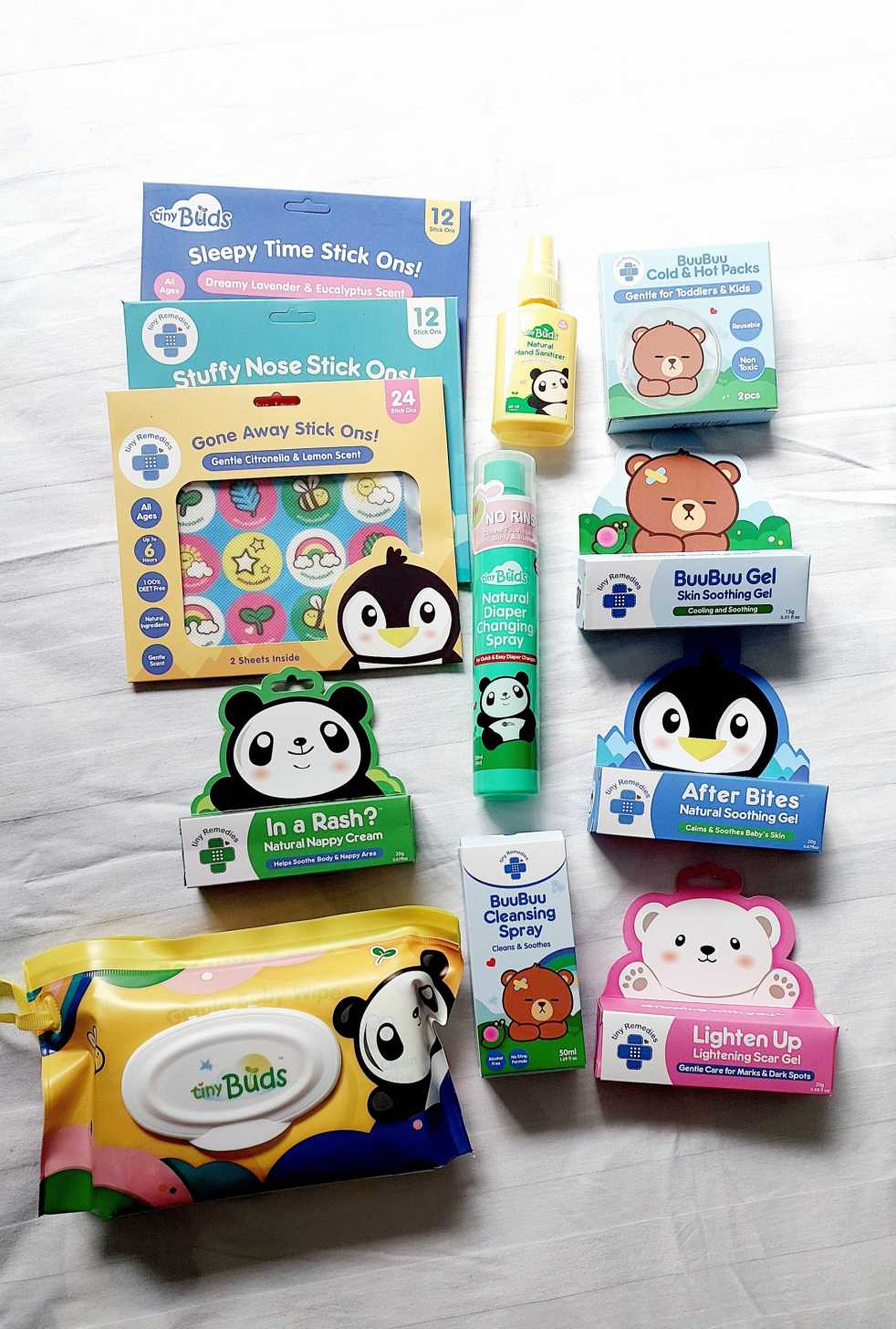
Your baby’s skin is more delicate than most, this is why you have to choose products that are designed for sensitive skin. Tiny Buds is a pioneer in integrating natural ingredients into baby care and today has over 50 innovative natural baby care essentials and is one of the Top Baby Personal Care brands. Here… Continue reading Product Review: Tiny Buds Baby Naturals Baby Essentials
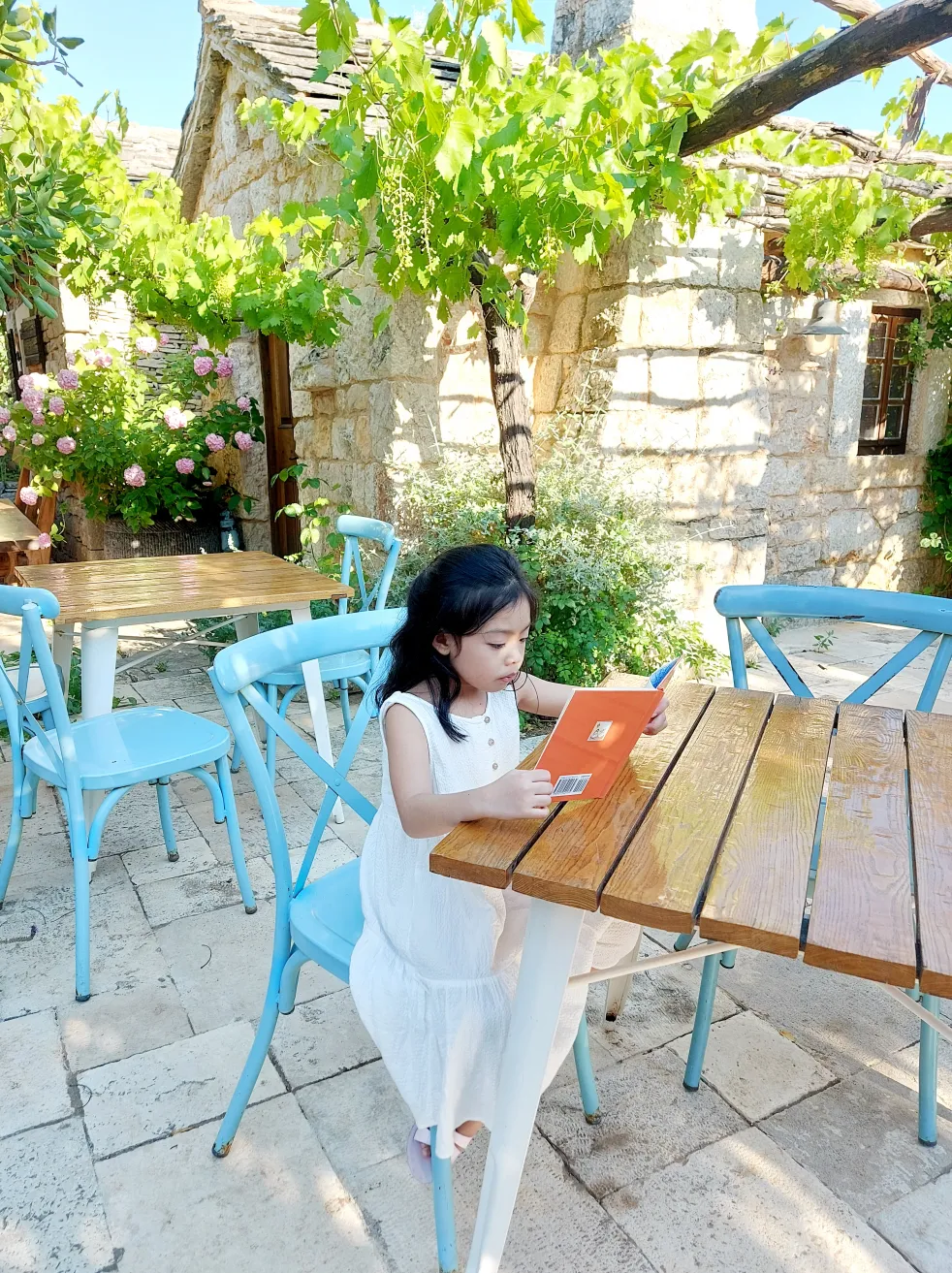
Where your child goes to school is a big decision and shouldn’t be taken lightly. Given how their education can impact their future, you might be tempted to take control and decide for them. However, you might be doing more damage than helping them in the long run. Your job as parents is to support… Continue reading HOW TO CHOOSE THE BEST SCHOOL FOR YOUR CHILD

As poet and philosopher Rumi once eloquently said, “raise your words, not your voice. It is rain that grows flowers, not thunder.” Parenting is a challenging journey, and the truth is that nobody has everything figured out. One parenting style might suit others best, and some might favor other methods. However, children respond better to… Continue reading A SIMPLE GUIDE TO GENTLE PARENTING

Whether you’re a new mom to be, mom of a toddler, mom who have school-aged kids, you’re bound to have so many questions. Let's start with your baby's skin. Infant skin has unique needs; gentle care is essential to prevent damage to the skin barrier, which can lead to irritation. When caring for infant skin,… Continue reading Keeping Baby’s Diapered Skin Healthy
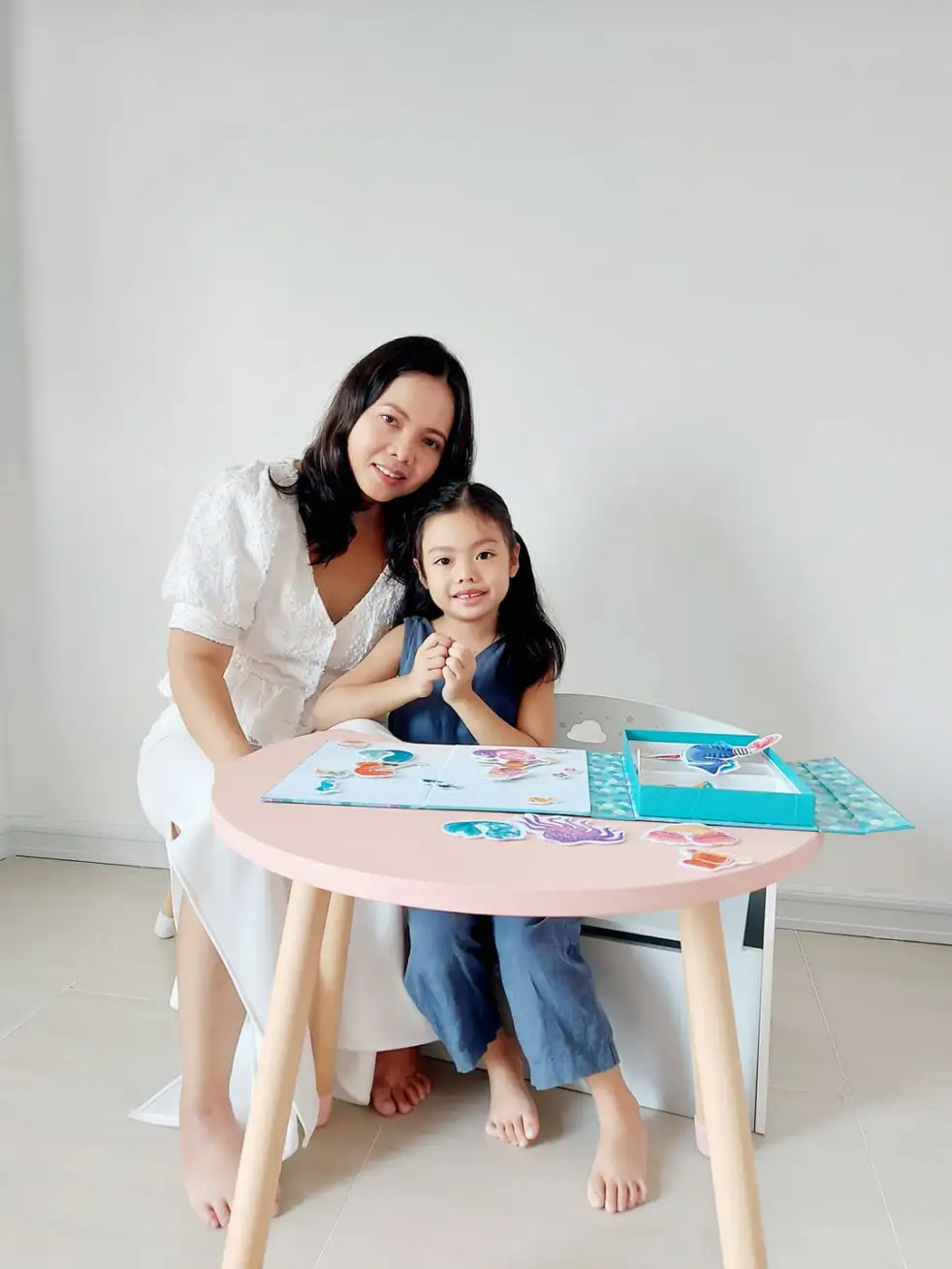
As parents, we want to give our child the best possible start in life and that begins with nurturing their intelligence. Throughout history, the notion of success has been linked to academic intelligence. However, there has been an increased awareness on the importance of emotional intelligence. This question gets at the heart of the never-ending… Continue reading IQ or EQ, which one is a better predictor of your child’s success?
 wondermomma.net