
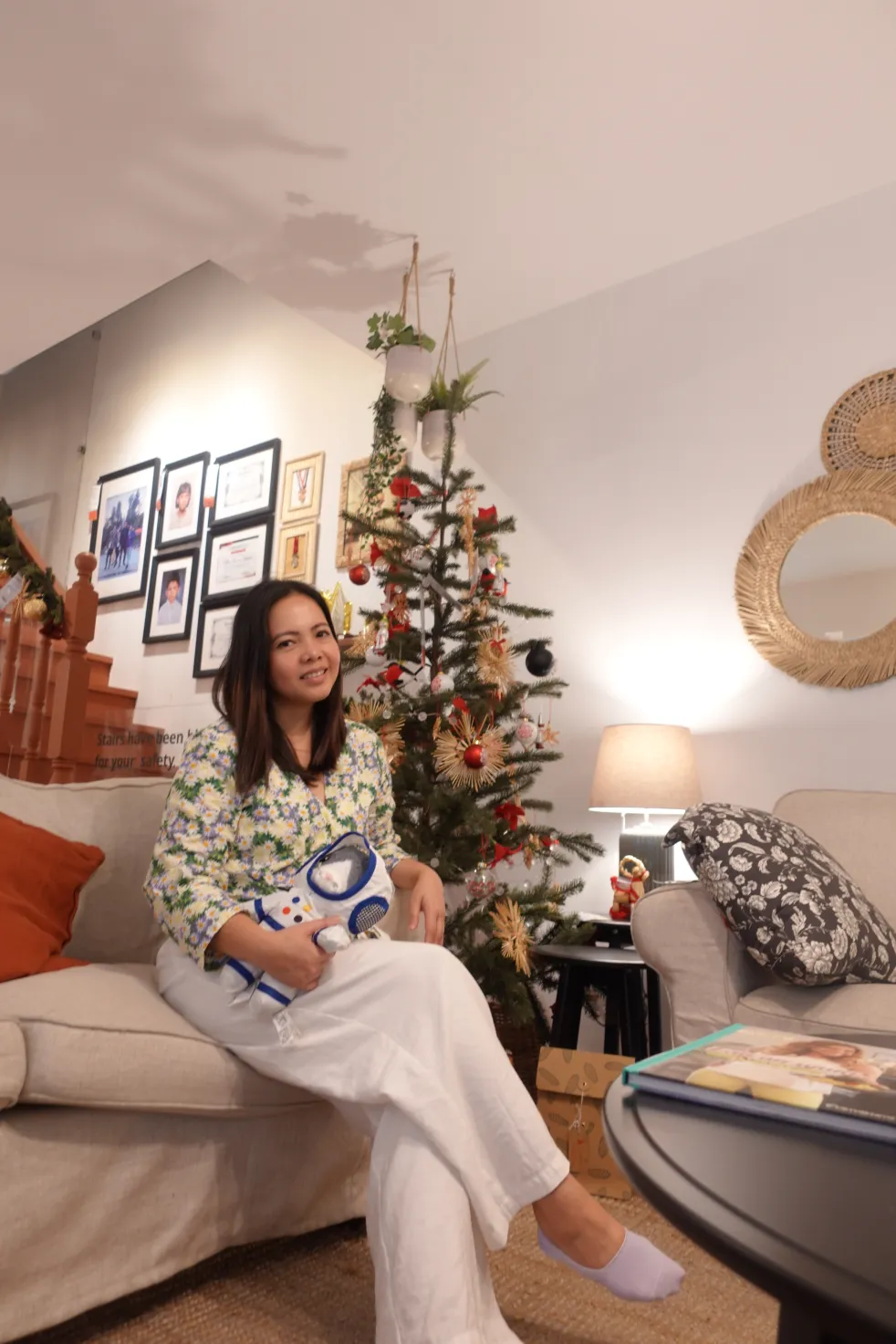
Last August, IKEA Philippines engaged with Better World Smokey Mountain, a newly opened community center operated by the San Miguel Foundation, which shares a similar goal of improving the lives of many Filipino people. Through this partnership, IKEA Philippines provided and assembled home furnishings for the classrooms and library of Better World Smokey Mountain community… Continue reading Help Create a Better World with IKEA Soft Toys
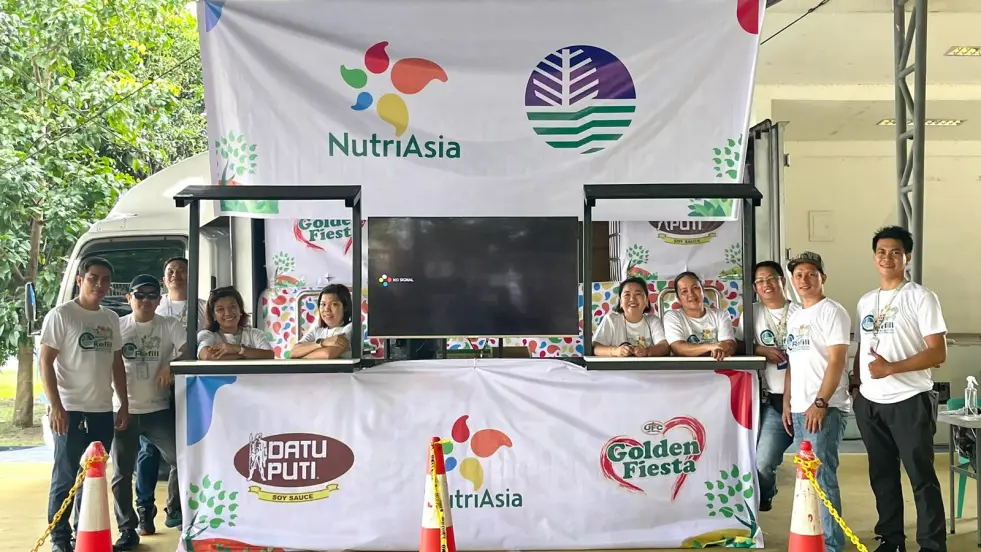
NutriAsia, the country’s top producer of condiments and sauces, continues its support of Refill Revolution; a project by the Department of Environment and Natural Resources EMB 3 that aims to help reduce Filipinos’ single-use plastics consumption. At Refill Revolution, residents get to recycle their single-use plastic bottles by reusing and filling it with their choice… Continue reading NutriAsia and DENR renews partnership for Refill Revolution

Recognising and Managing Postpartum Depression in Australian Mothers
The first weeks after bringing a baby home are often painted as a time of quiet bliss, yet many new mothers across Sydney, Perth, Brisbane and smaller regional towns describe something far more complicated. Sleep deprivation, hormonal shifts and the relentless demands of newborn care can leave women feeling overwhelmed, isolated or unusually low. While the occasional teary afternoon is a normal part of adjustment, a deeper and longer-lasting emotional struggle may signal something that deserves attention.
Postpartum depression is a recognised mental health condition that responds well to early identification and proper care. Australian mothers are fortunate to live in a country with one of the more accessible perinatal mental health systems in the world, supported by Medicare rebates, dedicated national helplines and a network of Maternal Child Health Nurses who check in during the early months. Understanding the warning signs and knowing where to turn can transform recovery from a lonely battle into a supported journey.
What Postpartum Depression Looks Like in the Early Weeks
Postnatal mood changes exist on a wide spectrum, and recognising where a mother's experience sits on that spectrum is the first step toward getting help. Baby blues, which affect roughly four in five new mothers in Australia, generally appear within the first three to five days after birth and resolve on their own within a couple of weeks. Symptoms include mood swings, mild anxiety and tearfulness, all of which are linked to rapid hormonal changes rather than ongoing psychological distress.
Postpartum depression is more persistent and can emerge any time during the first twelve months after birth. Common signs include a constant low mood, loss of interest in activities that once brought joy, withdrawal from family and friends, feelings of guilt or worthlessness, difficulty bonding with the baby, and changes in appetite or sleep patterns beyond what infant feeding already demands. Some mothers describe a heaviness that does not lift even after a full night's sleep, or intrusive thoughts that frighten them.
A rarer but far more serious condition is postpartum psychosis, which affects around one to two women per thousand in Australia. It usually appears within the first two weeks and involves symptoms such as hallucinations, delusions, disorganised behaviour and a loss of touch with reality. This is a psychiatric emergency and requires immediate hospital assessment through the nearest emergency department.
Risk Factors Unique to Australian Mothers
While postpartum depression can affect any new parent regardless of background, several risk factors appear more frequently among women in Australia. A personal or family history of depression or anxiety raises the likelihood, as does a difficult pregnancy, birth trauma or an unplanned caesarean. Sleep deprivation is amplified for Australian mothers who often manage night feeds alone while partners return quickly to demanding work schedules, particularly in cities like Melbourne where career culture can pull partners back to long office hours early.
Social isolation plays a meaningful role, especially for women living in rural parts of Queensland, Western Australia or the Northern Territory where the nearest Maternal Child Health Nurse appointment may involve a long drive. Migrant and refugee mothers, including those from non-English speaking backgrounds, can face additional pressure when family support networks are overseas. Financial stress is another recognised factor, with the transition from paid work to parental leave often creating anxiety about mortgage repayments in expensive markets like Sydney.
Relationship strain, a difficult birth experience, and the experience of infertility or pregnancy loss before conception also heighten vulnerability. Australian research conducted through the Australian Longitudinal Study on Women's Health has highlighted that women who experienced intimate partner violence either before or during pregnancy face significantly elevated rates of postnatal mood disorders. Identifying these factors early allows for proactive conversations with a trusted GP rather than reactive crisis management later.
Professional Support Pathways Through Medicare and Beyond
Australia offers several structured pathways for mothers seeking professional help, and understanding how they connect can save precious energy during a difficult time. The first port of call is usually a General Practitioner, who can perform the standard six-week postnatal check and assess mental wellbeing using tools such as the Edinburgh Postnatal Depression Scale. A GP can then prepare a Mental Health Care Plan, which currently entitles a patient to up to twenty Medicare-subsidised psychology sessions per calendar year under the Better Access initiative.
| Pathway | Best Suited For | Access in Australia | Typical Out-of-Pocket Cost |
|---|---|---|---|
| GP Consultation | Initial screening, care plans, medication reviews | Bulk-billed clinics widely available | Often free |
| Psychologist | Talk therapy (CBT, IPT), trauma processing | Mental Health Care Plan referral | Rebate of around $90 per session |
| Psychiatrist | Severe cases, medication management, complex diagnosis | GP referral recommended | PBS-subsidised medication |
| Peer Support Helplines | Lived-experience connection, early intervention | PANDA, Beyond Blue, Gidget Foundation | Free |
| Telehealth Counselling | Regional and remote mothers, time-poor parents | Video or phone, Medicare rebates apply | Low to none |
Psychologists trained in perinatal mental health provide talk therapy approaches such as Cognitive Behavioural Therapy and Interpersonal Therapy, both of which carry strong evidence for treating postpartum depression. For more severe cases, a psychiatrist may prescribe antidepressant medication, with many SSRIs considered safe during breastfeeding and listed on the Pharmaceutical Benefits Scheme for reduced cost. Mothers do not need a psychiatrist referral, though a GP can help coordinate the most appropriate care pathway.
Specialised Australian services add another layer of support. PANDA (Perinatal Anxiety and Depression Australia), based in Melbourne but serving the entire country, operates the national helpline on 1300 726 306. The Gidget Foundation offers free telehealth counselling for expectant and new parents, while Beyond Blue provides both online forums moderated by clinicians and a twenty-four hour phone support line. For Aboriginal and Torres Strait Islander mothers, services such as Gayaa Dhuwi (Proud Spirit) Australia offer culturally appropriate perinatal care that recognises the strength of community-led healing.
Self-Care, Routines and Community Connections
Medical treatment works best when combined with everyday strategies that protect emotional wellbeing. Australian mothers often benefit from structuring small, achievable goals into the day, such as a single morning coffee on the verandah, a ten-minute walk around the block, or a scheduled catch-up with a friend at the local café. These micro-moments of pleasure help counteract the sense of losing personal identity that frequently accompanies new motherhood.
Gentle physical activity is well supported by Australian guidelines that recommend light exercise for postnatal women once cleared by their doctor or midwife. Joining a pram-walking group, which exists in most suburbs from Bondi to Hobart, provides both movement and social connection. Many councils and libraries run free mother-and-baby programs, and community centres in Brisbane, Adelaide and Perth often host drop-in sessions that reduce isolation without requiring a booking or fee.
Sleep hygiene, even in small doses, can make a meaningful difference. Where possible, partners or extended family can take over the early evening baby care so the mother can enjoy an unbroken stretch of rest. Local meal-delivery services in capital cities, such as those offered through neighbourhood Facebook groups or postpartum doulas, can relieve the pressure of cooking. Keeping a brief daily journal of mood, sleep and infant feeding can also help both the mother and her clinician spot patterns and measure recovery over time.
Helping a Partner or Loved One Recover
Support from those closest to a new mother often determines how quickly she recovers, yet partners and family members frequently feel unsure about what to say or do. The most valuable starting point is genuine listening without judgement, creating space for her to express difficult emotions without rushing to fix them. Statements such as "I can see this is really hard" or "Tell me more about how you're feeling" validate her experience and reduce shame.
Practical help carries equal weight. Taking on night feeds when possible, managing household tasks, arranging visitors to a single point of contact, and stepping in for older siblings all communicate care in a tangible way. Partners attending medical appointments together signals shared responsibility and helps the clinician build a fuller picture of family wellbeing. In Australia, many employers now offer paid partners leave, and understanding entitlements through Services Australia can reduce financial pressure during the recovery period.
If there are concerns about the safety of the mother or baby, particularly in cases where intrusive thoughts are escalating or there is any risk of self-harm, immediate action is essential. Calling 000, presenting to a hospital emergency department, or contacting the PANDA helpline ensures professional crisis support. Recovery from postpartum depression is a combination of appropriate treatment, reliable relationships and time, and Australian mothers do not have to walk that path alone.

Mercato Centrale, in collaboration with Indian Women in Enterprise Philippines (I-We), is set to host "The Great Indian Fiesta" to mark 75 years of friendship between India and the Philippines. The dynamic two-day event is scheduled to take place on September 30 to October 1, 2023, at Paseo De Roxas Street, Makati City. Aiming to… Continue reading Mercato Centrale Partners with I-We to Host ‘The Great Indian Fiesta’, Commemorating 75 Years of India-Philippines Friendship

My stomach would usually start growling at 10 am even after taking a big breakfast. This is probably because I am a morning person and I move a lot throughout the day hence snacking is something that I can't avoid. This potatoes and chicken wrap recipe is easy to prepare and would keep me full… Continue reading Potato and Chicken Wrap
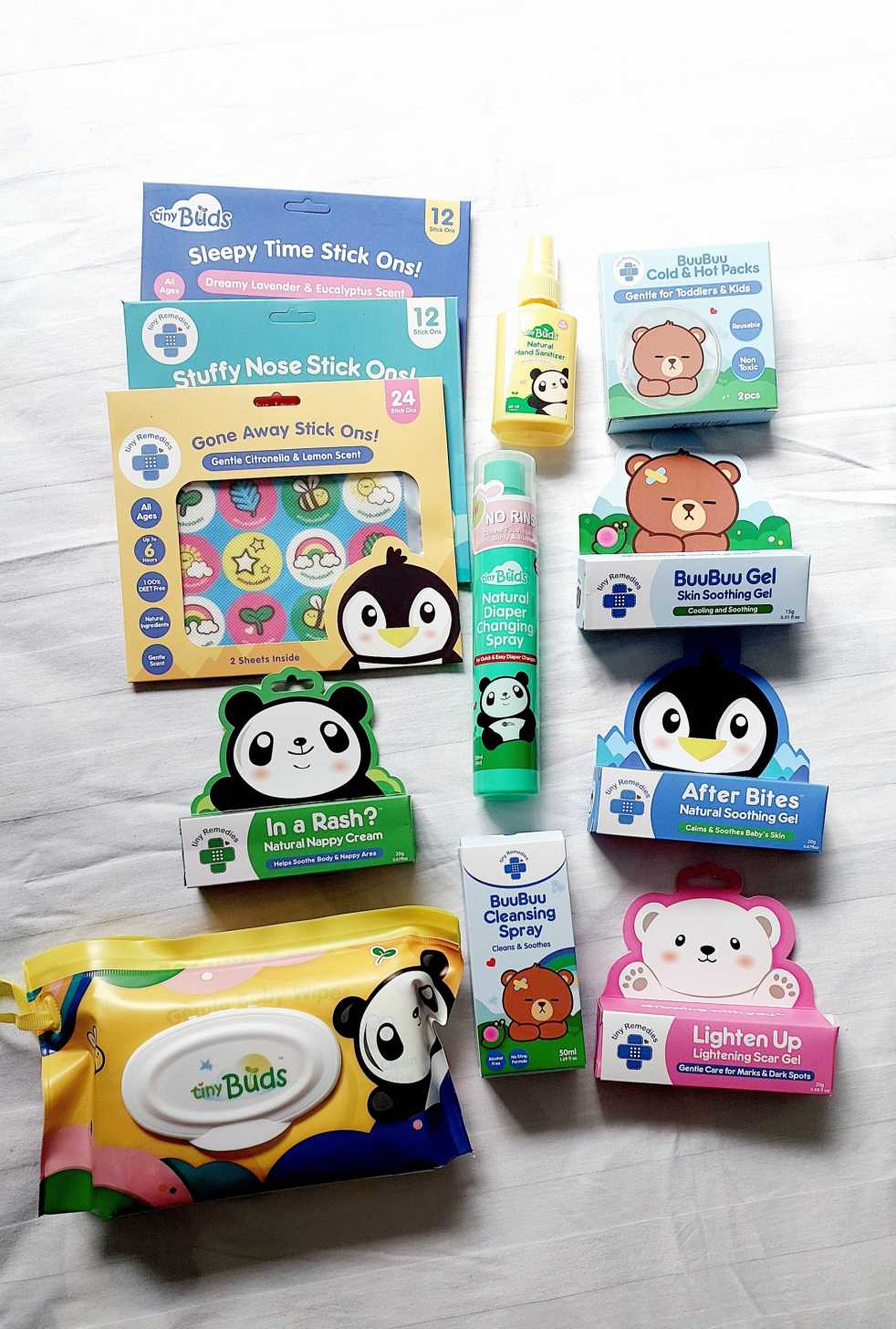
Your baby’s skin is more delicate than most, this is why you have to choose products that are designed for sensitive skin. Tiny Buds is a pioneer in integrating natural ingredients into baby care and today has over 50 innovative natural baby care essentials and is one of the Top Baby Personal Care brands. Here… Continue reading Product Review: Tiny Buds Baby Naturals Baby Essentials
Where your child goes to school is a big decision and shouldn’t be taken lightly. Given how their education can impact their future, you might be tempted to take control and decide for them. However, you might be doing more damage than helping them in the long run. Your job as parents is to support… Continue reading HOW TO CHOOSE THE BEST SCHOOL FOR YOUR CHILD

As poet and philosopher Rumi once eloquently said, “raise your words, not your voice. It is rain that grows flowers, not thunder.” Parenting is a challenging journey, and the truth is that nobody has everything figured out. One parenting style might suit others best, and some might favor other methods. However, children respond better to… Continue reading A SIMPLE GUIDE TO GENTLE PARENTING

Whether you’re a new mom to be, mom of a toddler, mom who have school-aged kids, you’re bound to have so many questions. Let's start with your baby's skin. Infant skin has unique needs; gentle care is essential to prevent damage to the skin barrier, which can lead to irritation. When caring for infant skin,… Continue reading Keeping Baby’s Diapered Skin Healthy
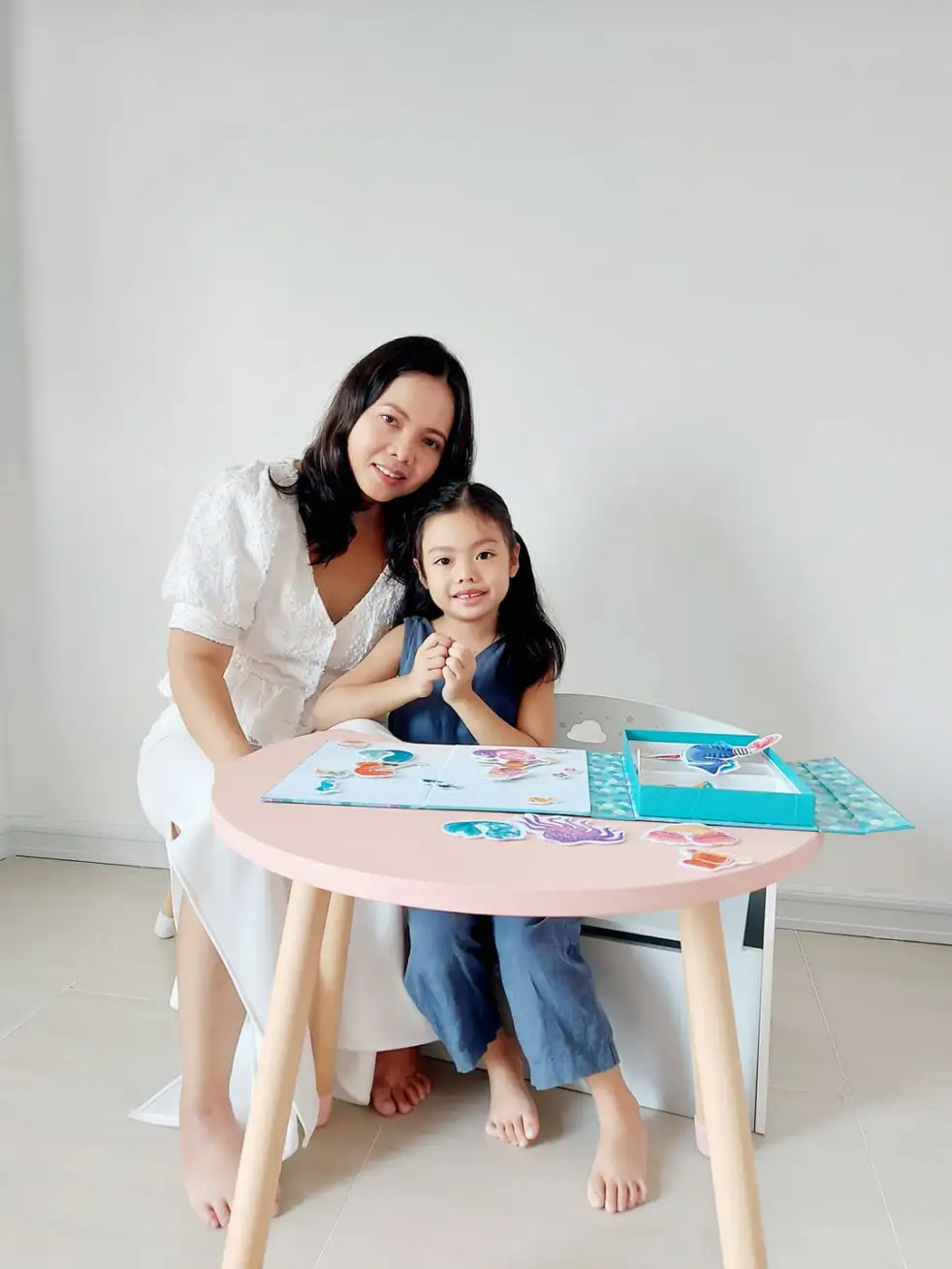
As parents, we want to give our child the best possible start in life and that begins with nurturing their intelligence. Throughout history, the notion of success has been linked to academic intelligence. However, there has been an increased awareness on the importance of emotional intelligence. This question gets at the heart of the never-ending… Continue reading IQ or EQ, which one is a better predictor of your child’s success?
 wondermomma.net