
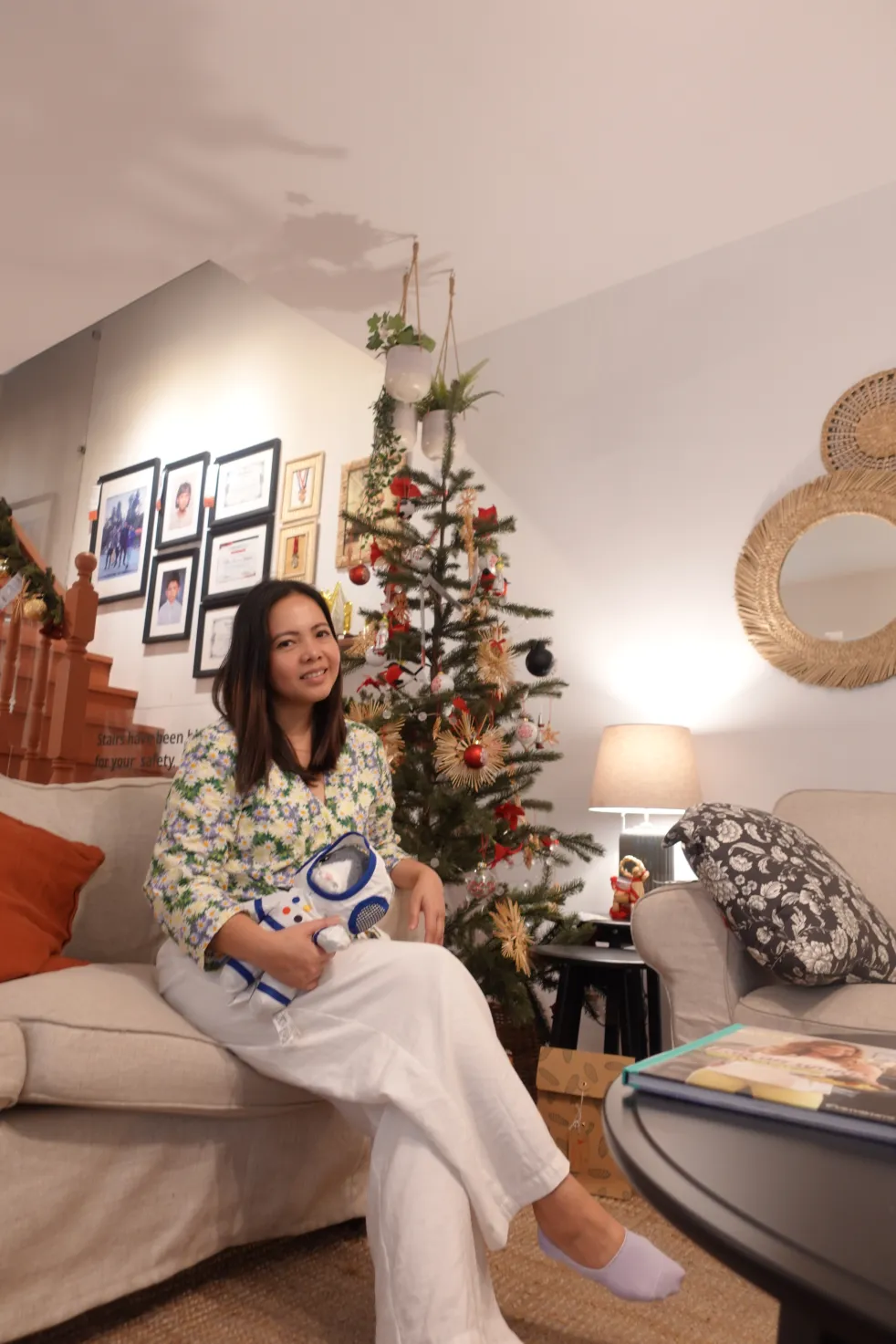
Last August, IKEA Philippines engaged with Better World Smokey Mountain, a newly opened community center operated by the San Miguel Foundation, which shares a similar goal of improving the lives of many Filipino people. Through this partnership, IKEA Philippines provided and assembled home furnishings for the classrooms and library of Better World Smokey Mountain community… Continue reading Help Create a Better World with IKEA Soft Toys
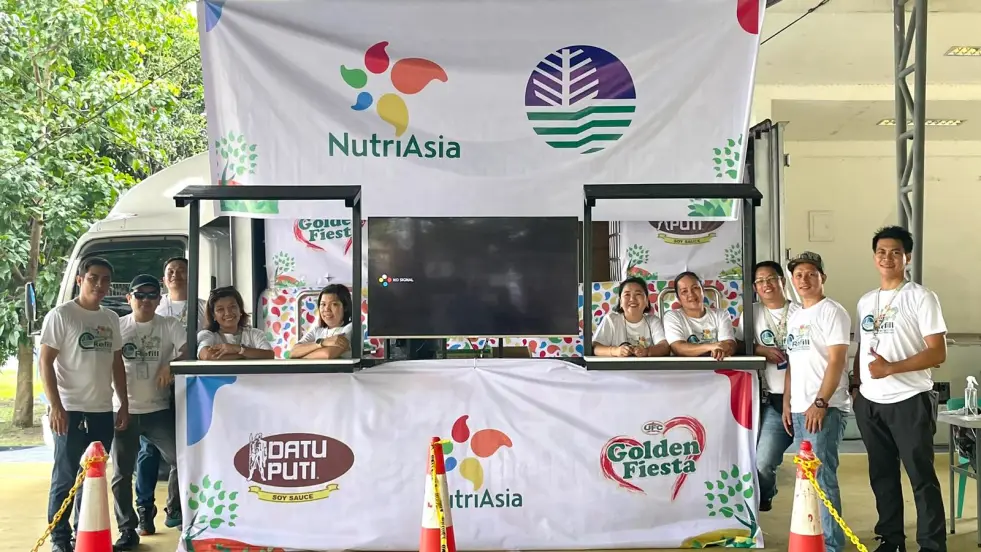
NutriAsia, the country’s top producer of condiments and sauces, continues its support of Refill Revolution; a project by the Department of Environment and Natural Resources EMB 3 that aims to help reduce Filipinos’ single-use plastics consumption. At Refill Revolution, residents get to recycle their single-use plastic bottles by reusing and filling it with their choice… Continue reading NutriAsia and DENR renews partnership for Refill Revolution

How to raise a child who loves nature
Raising a child who loves nature is less about creating perfect outdoor memories and more about making closeness with the living world ordinary. A leaf found on the path, a noisy dawn chorus, or a cool hand pressed into soil after rain can become meaningful simply because a parent pauses to notice it with them. Children who spend regular, unhurried time outdoors develop stronger observation skills, curiosity and emotional regulation, while learning that the world is full of patterns worth respecting.
You do not need a big yard, expensive equipment or endless holidays to begin. The strip of grass beside a local school, a neighbourhood creek, a balcony herb pot or the park around the corner can be enough. The important part is to protect the child's attention: follow their questions, let them move at their pace and show genuine interest in what they see. Small moments repeated through the week build a lasting sense that nature is familiar, welcoming and worth returning to.
Start with everyday access
Start by choosing places that are easy to reach and comforting to return to. Walk around the block, sit beneath a tree at the local oval or visit a community garden. Let the same route develop its own rhythm, with different discoveries each season. Familiarity gives children the confidence to look more closely; they begin to notice which birds arrive early, where moss stays damp and how the wind changes the sound of leaves.
Australian family life often includes the phrase “just a quick walk”, and an arvo wander can be as valuable as a full-day outing. Pack water, snacks and layers, then be willing to turn back if the weather or energy says so. A short visit that ends happily is more useful than an ambitious trip that ends with an overtired child. The goal is a positive association with being outside, not distance covered or a photo posted online.
At home, make room for a small nature table. Children can examine fallen leaves, feathers, shells or seed pods gathered legally and wash them gently. Add a magnifier, a field guide and a notebook for drawings. Displaying these finds gives the child permission to bring the outdoors in without turning every encounter into a trophy hunt.
Let the child lead
With babies and toddlers, exploration happens through the senses. Offer safe leaves to hold, grass to brush against the skin and plenty of time to watch moving shadows. Toddlers often investigate by walking, tasting, climbing and repeating actions rather than listening to explanations. Narrate what you notice without correcting every discovery: “That leaf feels rough,” or “The water is moving faster today.” This supports language while keeping the child active.
Preschoolers can begin making simple predictions and choosing what to observe. Ask what they think an ant is carrying, then help them find an answer by watching quietly. With primary-aged children, nature can support projects, from mapping shade during the lunch break to recording rainfall or identifying local birds. Let the project emerge from their fascination rather than assigning a worksheet in advance.
A child-led approach does not mean the adult disappears. Adults provide boundaries, notice safety needs and share their own wonder. Pause before giving facts so the child can test an idea, and admit when you do not know something. Searching together communicates that curiosity is more valuable than instant expertise and turns the outdoors into a place for shared thinking.
Plan for Australian conditions
Australia's high ultraviolet levels make sun protection central to outdoor play. Choose shade, a wide-brimmed hat, protective clothing and suitable sunscreen for the child's age and current guidance. Pack water even for a short walk, especially during hot weather, and schedule the outing for the coolest part of the day when possible. Keep an eye on the UV index rather than relying on cloud cover or how pleasant the temperature feels.
A lightweight rain jacket, sturdy closed shoes and a change of clothes handle many Australian conditions, including a sudden shower on the beach or a gusty afternoon in the park. The local outdoor market includes Australian brands, specialist retailers and practical second-hand options, so families can begin with a hat and water bottle instead of buying a full kit. Choose items that fit comfortably and can be handed down as children grow.
Local wildlife adds delight, but it also calls for calm boundaries. Never feed kangaroos, possums or birds, and keep food sealed rather than inviting animals closer. Teach children to give space to snakes and to follow beach warnings for bluebottles and other jellyfish, or crocodiles where relevant. Checking park alerts and weather forecasts before departure helps adults respond to heat, storms, bushfire conditions or closures without fear.
Explore local wild places
As confidence grows, widen the map. Sydney families can walk the coastal tracks and heathland of the Royal National Park, while Melbourne families might explore the gardens and river paths of Yarra Bend. Further north, Kakadu offers opportunities to see distinctive wildlife, while Tasmania's cool rainforest paths provide a completely different experience. Choose one destination at a time and connect it to what the child already knows.
National parks and nature reserves teach respect as well as adventure. Stay on marked paths, carry rubbish out, use designated picnic areas and keep away from nesting sites. Explain that wildlife should be observed without being touched, and that quiet behaviour gives animals room to behave naturally. A child who learns these habits early carries them into adulthood, helping each visit become a positive contribution to the place.
Community programs make nature social. Local councils, Landcare groups and volunteer park associations often host tree days, seed collecting, guided walks and school-holiday nature sessions. Joining one gives children a role in caring for a place nearby and lets them meet other families who enjoy the outdoors. For more family lifestyle ideas and gentle activities for little ones, Sundays with Sophie offers a helpful companion for everyday experiences beyond the garden.
Bring nature into daily life
Nature continues indoors through books, art, food and household routines. Read Australian picture books about animals, coastlines and bush habitats, then compare the pictures with something seen locally. Let children draw maps, make leaf rubbings or turn collected seeds into a collage. In the kitchen, involve them in washing produce, growing herbs or sorting rubbish so that environmental thinking feels connected to daily life.
The Australian market provides plenty of ways to extend that curiosity without specialist equipment. Farmers' markets can become places to identify unfamiliar fruit, talk with growers and observe the seasons. Libraries, op shops and independent toy shops often stock weatherproof books, wooden puzzles, magnifying glasses and outdoor games. Buying a few durable pieces or borrowing from a library keeps the activity affordable and reduces pressure to own every resource.
Children also enjoy nature when it becomes part of family culture. Walk to school when possible, eat outside now and then, leave a bowl of water for pets carefully and notice the evening sky together. These ordinary rituals show that the natural world is part of home life rather than a separate subject. They also create natural opportunities for conversation without making the outdoors feel like another lesson.
Nurture respect through wonder
A deep connection to nature grows from care, responsibility and repeated exposure. Praise careful looking, kind handling and honest reporting, such as “I saw something and left it where it was.” Avoid turning every outdoor outing into a lesson about what the child should feel. Wonder, rest and imaginative play all have value, and emotional safety helps children return to places that feel welcoming.
Digital nature can support real-world attention when it leads outward. A short video about a local species may prompt a search for tracks, calls or leaves, while an interactive map can help older children understand habitat. Choose content that fits the child's age and follow it with time outside. Screens become a bridge when a child then looks at the sky, soil or trees with fresh eyes.
What grows is a child who feels comfortable beside a creek, notices small changes in a garden, understands that living things have needs and wants to protect places they know. Those capacities begin with ordinary walks, patient conversations and the freedom to explore at a child's own pace.

Mercato Centrale, in collaboration with Indian Women in Enterprise Philippines (I-We), is set to host "The Great Indian Fiesta" to mark 75 years of friendship between India and the Philippines. The dynamic two-day event is scheduled to take place on September 30 to October 1, 2023, at Paseo De Roxas Street, Makati City. Aiming to… Continue reading Mercato Centrale Partners with I-We to Host ‘The Great Indian Fiesta’, Commemorating 75 Years of India-Philippines Friendship

My stomach would usually start growling at 10 am even after taking a big breakfast. This is probably because I am a morning person and I move a lot throughout the day hence snacking is something that I can't avoid. This potatoes and chicken wrap recipe is easy to prepare and would keep me full… Continue reading Potato and Chicken Wrap
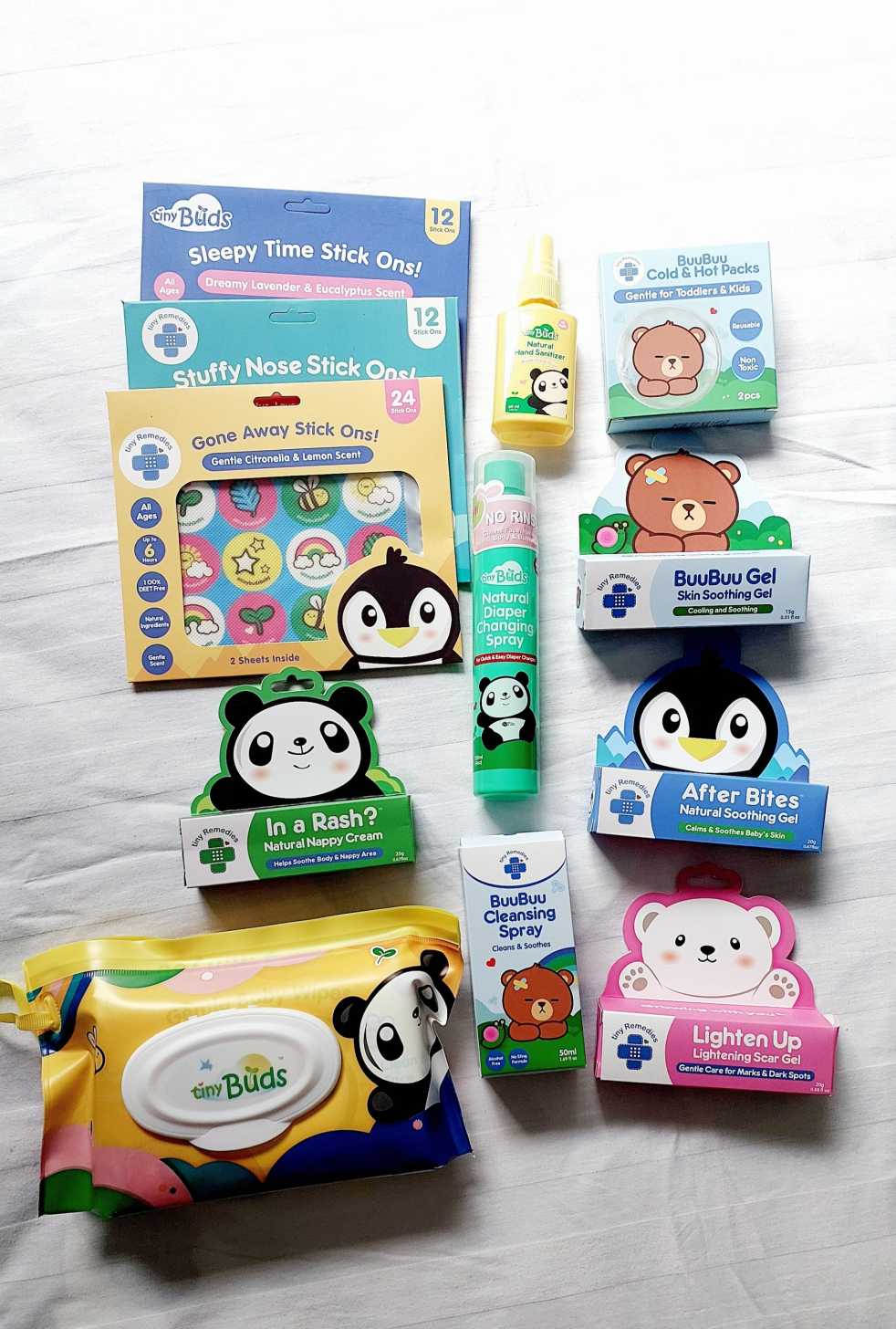
Your baby’s skin is more delicate than most, this is why you have to choose products that are designed for sensitive skin. Tiny Buds is a pioneer in integrating natural ingredients into baby care and today has over 50 innovative natural baby care essentials and is one of the Top Baby Personal Care brands. Here… Continue reading Product Review: Tiny Buds Baby Naturals Baby Essentials
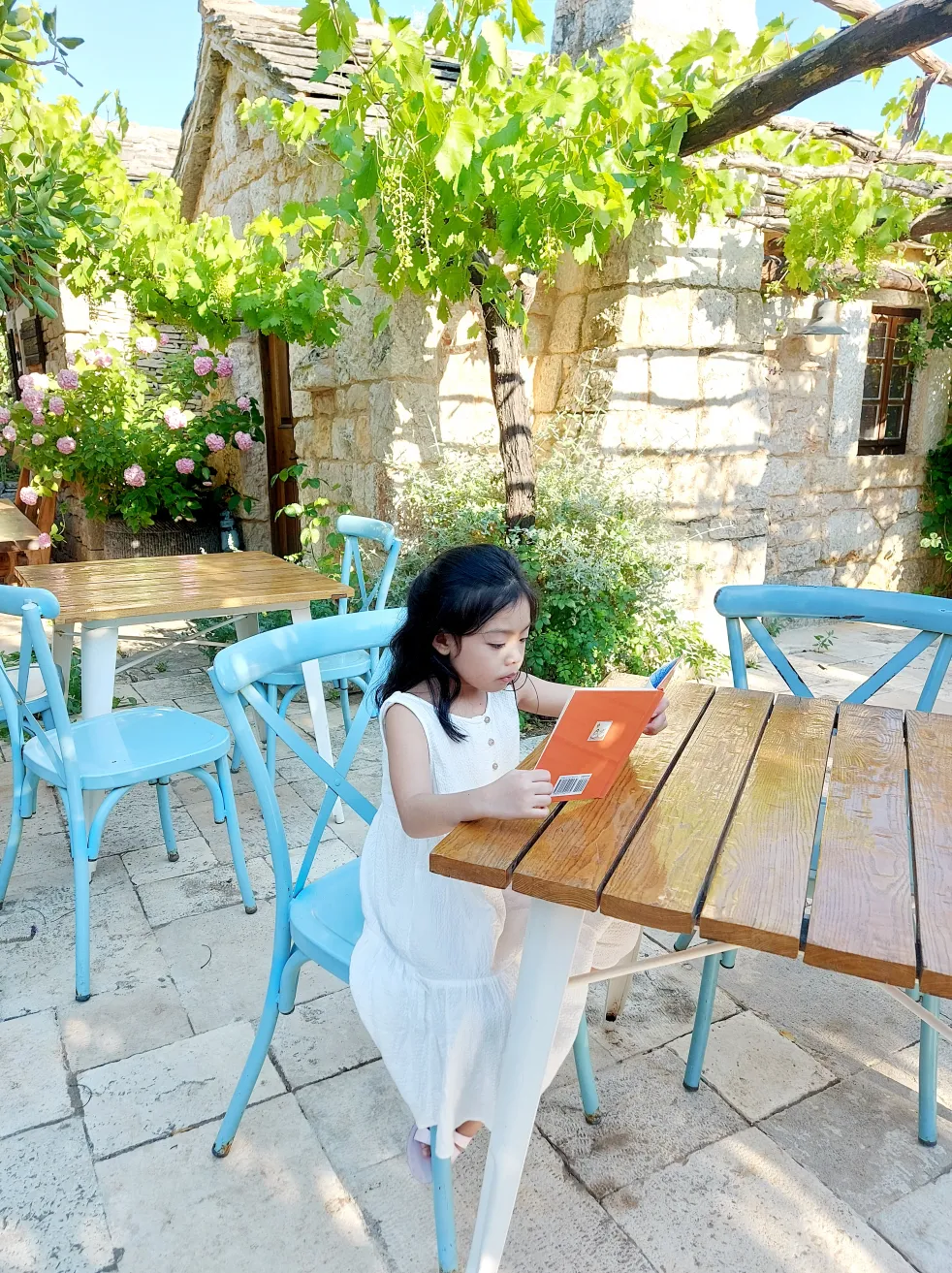
Where your child goes to school is a big decision and shouldn’t be taken lightly. Given how their education can impact their future, you might be tempted to take control and decide for them. However, you might be doing more damage than helping them in the long run. Your job as parents is to support… Continue reading HOW TO CHOOSE THE BEST SCHOOL FOR YOUR CHILD
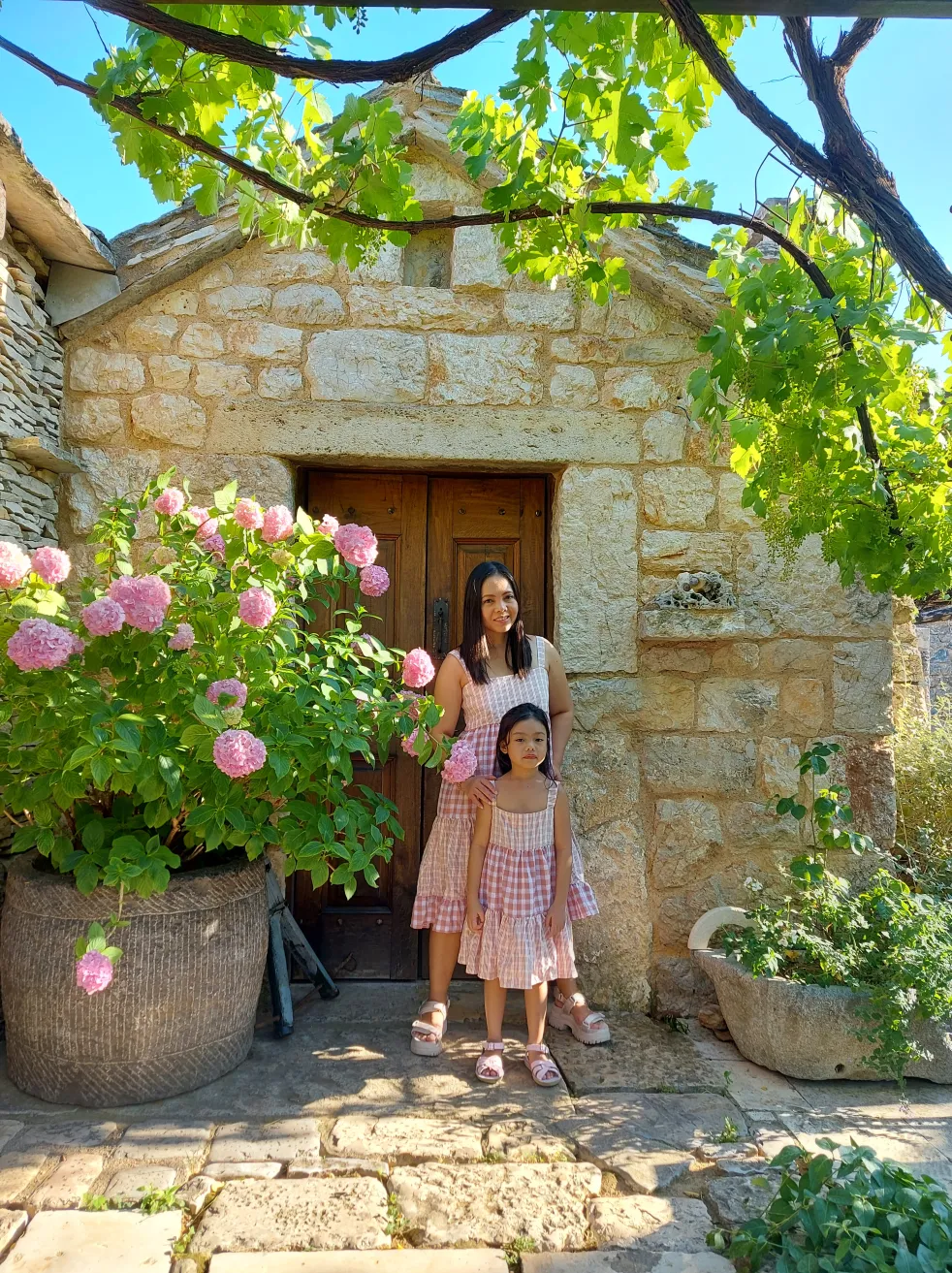
As poet and philosopher Rumi once eloquently said, “raise your words, not your voice. It is rain that grows flowers, not thunder.” Parenting is a challenging journey, and the truth is that nobody has everything figured out. One parenting style might suit others best, and some might favor other methods. However, children respond better to… Continue reading A SIMPLE GUIDE TO GENTLE PARENTING
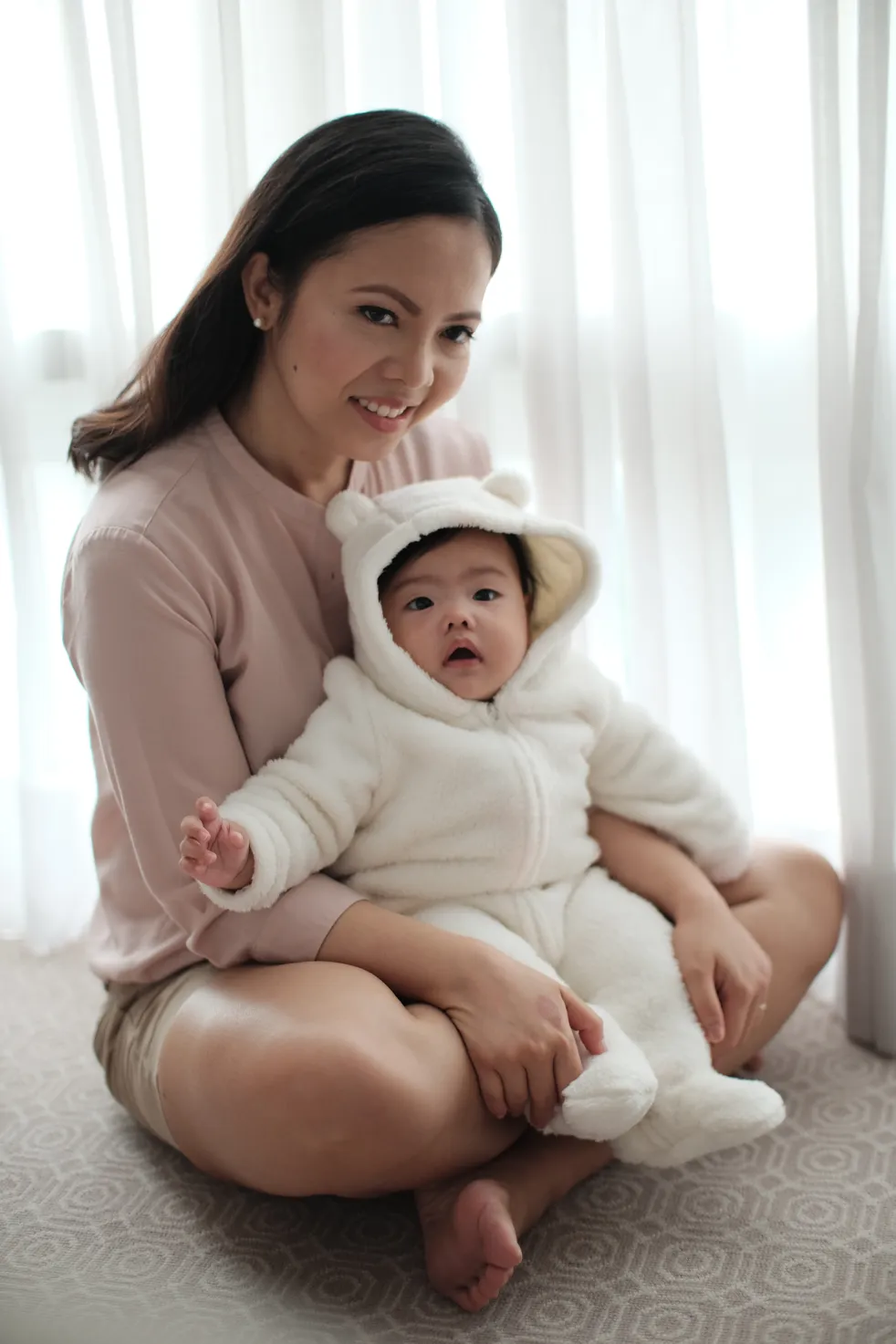
Whether you’re a new mom to be, mom of a toddler, mom who have school-aged kids, you’re bound to have so many questions. Let's start with your baby's skin. Infant skin has unique needs; gentle care is essential to prevent damage to the skin barrier, which can lead to irritation. When caring for infant skin,… Continue reading Keeping Baby’s Diapered Skin Healthy
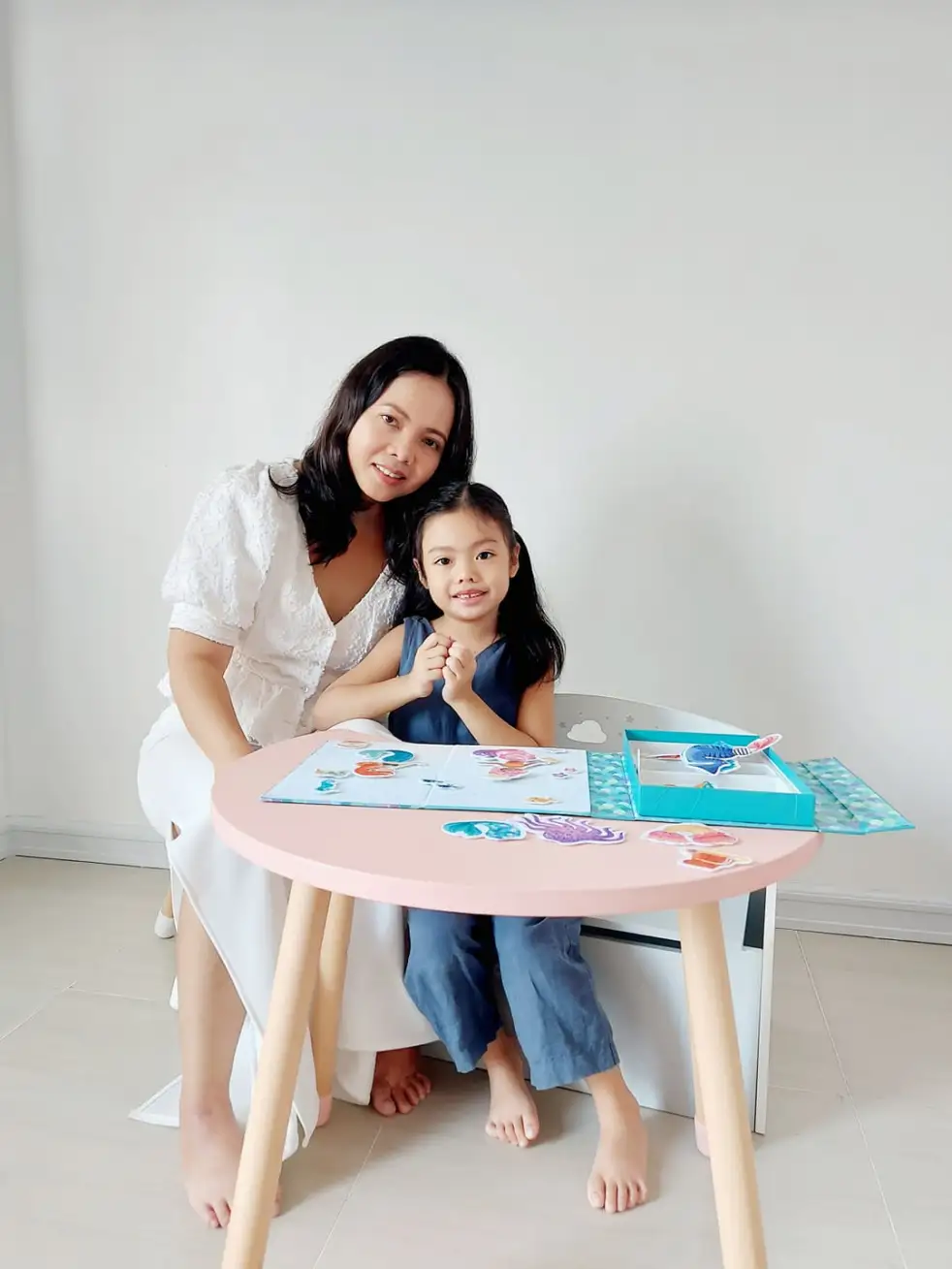
As parents, we want to give our child the best possible start in life and that begins with nurturing their intelligence. Throughout history, the notion of success has been linked to academic intelligence. However, there has been an increased awareness on the importance of emotional intelligence. This question gets at the heart of the never-ending… Continue reading IQ or EQ, which one is a better predictor of your child’s success?
 wondermomma.net