

Last August, IKEA Philippines engaged with Better World Smokey Mountain, a newly opened community center operated by the San Miguel Foundation, which shares a similar goal of improving the lives of many Filipino people. Through this partnership, IKEA Philippines provided and assembled home furnishings for the classrooms and library of Better World Smokey Mountain community… Continue reading Help Create a Better World with IKEA Soft Toys

NutriAsia, the country’s top producer of condiments and sauces, continues its support of Refill Revolution; a project by the Department of Environment and Natural Resources EMB 3 that aims to help reduce Filipinos’ single-use plastics consumption. At Refill Revolution, residents get to recycle their single-use plastic bottles by reusing and filling it with their choice… Continue reading NutriAsia and DENR renews partnership for Refill Revolution

Preparing your toddler for a new sibling with less jealousy
A new baby changes the family before the birth day arrives. Your toddler may notice the growing bump, extra appointments and nursery preparations, yet still have little idea what it means to share a parent. Learning how to prepare your toddler for a new sibling is less about creating instant excitement and more about building security, predictability and trust.
Jealousy is a normal response to a major change in family life. A toddler might become clingier, regress with toileting or sleep, grab toys, or say they do not like the baby. These behaviours are signals of uncertainty rather than proof that your child is unkind. With gentle preparation and realistic expectations, you can help your older child find a secure place in the new family rhythm.
Start preparing early and gently
Begin talking about the baby when the pregnancy becomes visible or when your toddler is likely to notice changes. Use simple, concrete language: “A baby is growing in my tummy. The baby will live with us and need lots of help.” Toddlers understand familiar experiences better than abstract explanations, so connect the idea to babies they have seen at playgroup, childcare or the local park.
Avoid promising a constant playmate. Newborns feed, cry and sleep, and they cannot share toys or play games straight away. Looking at a few realistic books about becoming a big sibling can help, especially if you pause to name feelings. “The child in this story looks cross. Sometimes big changes feel hard” gives your toddler permission to feel unsure without making jealousy seem naughty.
Include your child in preparations without making them responsible for the baby. They might help choose a muslin wrap, sort tiny clothes or select a soft toy. Keep some decisions adult-led, particularly around safe sleep, car seats and feeding. In Australia, a visit to a local baby shop or browsing practical items at Kmart can become a small, calm activity rather than an extended shopping project.
Give your toddler a secure story
Toddlers often worry about losing their place in the family. Repeat clear messages such as, “There will always be time for your cuddle,” and “Mum and Dad will look after both children.” Use your toddler’s name when talking about the future: “You will still have your room, your bedtime story and your Saturday pancakes.”
Show what will stay the same as well as what will change. If your toddler attends daycare or kindy, explain who will do drop-off and collection after the birth. If grandparents or another trusted adult will help during labour, arrange short practice visits beforehand. A familiar plan is less unsettling than a sudden handover when contractions begin.
Talk about the baby’s needs without implying that the toddler must wait indefinitely. Try, “The baby may need milk while we are reading. I will finish feeding, then we can turn the pages together.” A timer, a snack box or a basket of special books can support short waits, but your voice and reassurance matter more than the object.
Keep daily anchors in place
Regular routines provide emotional stability when the household feels unpredictable. Protect a few anchors, such as breakfast together, an afternoon rest, bath time or a familiar bedtime song. You do not need to maintain every detail perfectly. A toddler benefits from knowing that the important parts of the day still happen.
Before the birth, practise small changes gradually. If the baby’s arrival means your toddler will move rooms, change beds or stop being carried up the stairs, make those adjustments well in advance. Avoid presenting them as something the baby has caused. “Your new bed gives you more space” feels kinder than “The baby needs your cot.”
Plan for the practical realities of Australian family life. A newborn may make the school run, childcare commute or trip to the shops slower, especially when using a pram and rear-facing car seat. Pack a toddler snack, water bottle and a small activity for appointments. Ask your local Child and Family Health nurse about feeding, sleep and settling support; services and names differ between states, but free or low-cost community guidance is available in many areas.
Offer involvement without pressure
Give your toddler choices that are genuine but limited. They might choose between two baby outfits, decide which book to place beside the feeding chair or help pass a clean nappy. Say thank you without suggesting that being helpful is the way to earn love. Your older child should be allowed to walk away, play independently or say no.
Practise gentle touching with a doll or teddy, while making safety rules clear. “Hands can stroke feet softly. We never touch the baby’s face or pick the baby up” is easier to understand than a general instruction to “be careful.” Stay close whenever the children are together, even if your toddler has been affectionate and sensible so far.
| Situation | Supportive response | Why it helps |
|---|---|---|
| Your toddler asks when the baby will arrive | Link it to an event, such as “after winter” or “near your birthday month” | Toddlers cannot measure long stretches of time |
| Your child wants the baby’s toy | Acknowledge the wish, then offer a choice from their own toys | It sets a boundary without shaming |
| The baby cries during a cuddle | Say, “The baby needs help, and your cuddle is still important” | It prevents the toddler from feeling replaced |
| Your toddler acts like a baby | Offer closeness and simple care while keeping reasonable limits | Regression can be a request for reassurance |
| Your child refuses to meet the newborn | Allow space and try again later | Connection cannot be forced |
Make the first meeting calm
If possible, greet your toddler before introducing the baby. After time apart, your child may need eye contact, a hug and your full attention more than a carefully staged surprise. Keep the first meeting quiet and brief. Too many visitors, photos and excited instructions can overwhelm a young child who is already processing a major change.
A small present from the baby can be pleasant, but it should not be used to buy affection. More meaningful is a predictable ritual, such as reading together while the baby lies nearby. Let your toddler observe from a comfortable distance. Do not insist on holding, kissing or smiling at the newborn.
Prepare visitors as well. Ask relatives and friends to greet your toddler first, rather than rushing straight to the bassinet. This is especially useful during busy open-house visits from grandparents or friends travelling across Sydney, Melbourne, Brisbane or regional areas. A quiet message to visitors can protect your child without making the moment awkward.
Respond to jealousy with connection and limits
When jealousy appears, name the feeling and hold the boundary. “You wish I could play with you instead of feeding the baby. It is okay to feel cross. I will not let you hit.” This approach recognises the emotion while keeping everyone safe. Long explanations usually fail when a toddler is tired, hungry or overwhelmed.
Try to create brief periods of exclusive attention every day. Ten uninterrupted minutes on the floor, a walk to the letterbox or a bedtime chat can reassure your toddler that they have not disappeared from your mind. Put your phone away and follow their lead. Small, regular moments often work better than promising a large outing that is difficult to manage with a newborn.
Notice positive interactions specifically. “You waited while I changed the nappy, and that was hard” is more useful than broad praise such as “You are such a good big sibling.” Avoid comparing children, assigning a permanent identity or expecting maturity because your toddler is older. An older child still needs comfort, play and permission to be little.
Phrases and small jobs that support connection
- “You can sit beside me while I feed the baby.”
- “Would you like to bring the clean nappy or keep playing?”
- “The baby is safe. I am here with you.”
- “You do not have to cuddle the baby today.”
Signs your family may need extra support
- Aggression remains frequent or becomes difficult to keep safe.
- Sleep, eating or toileting changes continue for several weeks.
- Your toddler seems persistently withdrawn, frightened or unhappy.
- You feel overwhelmed, isolated or unable to enjoy either child.
Protect your relationship as the family grows
The goal is not to prevent every jealous moment. A toddler can adore the baby and still resent interrupted stories, crying at night or having to wait. What matters is repeated evidence that difficult feelings are allowed, adults remain dependable and affection is not a limited resource.
Make room for one-to-one time with each parent or trusted carer. A partner might take the toddler for a scooter ride, library visit or playgroup morning while you rest with the baby. In Australia, local libraries, supported playgroups, community centres and parent groups can offer low-pressure outings where your toddler receives attention and you meet families in a similar stage.
Keep family expectations modest during the first months. Meals may be simple, the house may be untidy and routines may need to bend. Offer warmth, clear limits and repair after difficult moments: “I shouted when I was tired. I am sorry. Let’s try again.” That kind of repair teaches your toddler that family relationships can stretch through change without breaking.

Mercato Centrale, in collaboration with Indian Women in Enterprise Philippines (I-We), is set to host "The Great Indian Fiesta" to mark 75 years of friendship between India and the Philippines. The dynamic two-day event is scheduled to take place on September 30 to October 1, 2023, at Paseo De Roxas Street, Makati City. Aiming to… Continue reading Mercato Centrale Partners with I-We to Host ‘The Great Indian Fiesta’, Commemorating 75 Years of India-Philippines Friendship

My stomach would usually start growling at 10 am even after taking a big breakfast. This is probably because I am a morning person and I move a lot throughout the day hence snacking is something that I can't avoid. This potatoes and chicken wrap recipe is easy to prepare and would keep me full… Continue reading Potato and Chicken Wrap
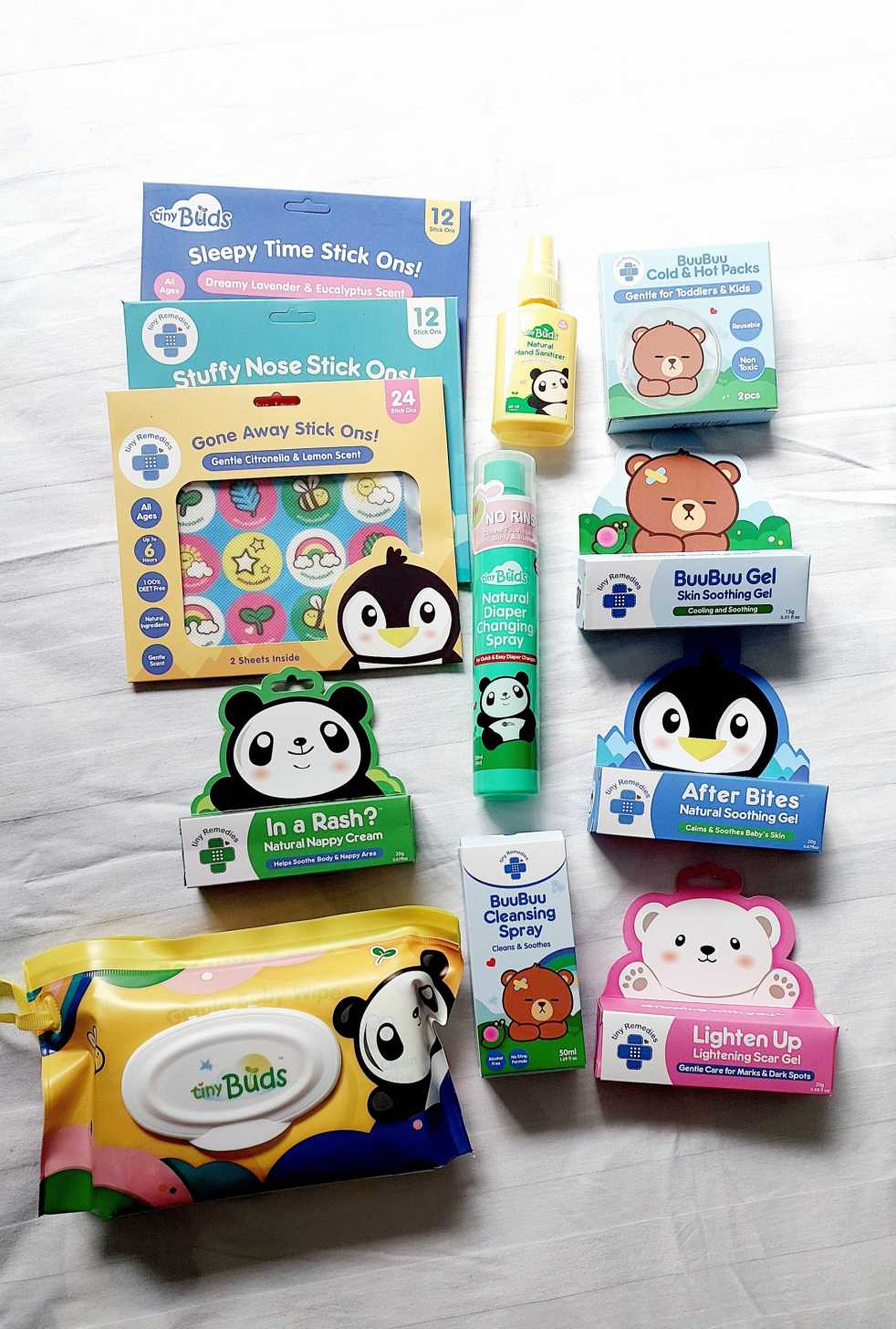
Your baby’s skin is more delicate than most, this is why you have to choose products that are designed for sensitive skin. Tiny Buds is a pioneer in integrating natural ingredients into baby care and today has over 50 innovative natural baby care essentials and is one of the Top Baby Personal Care brands. Here… Continue reading Product Review: Tiny Buds Baby Naturals Baby Essentials
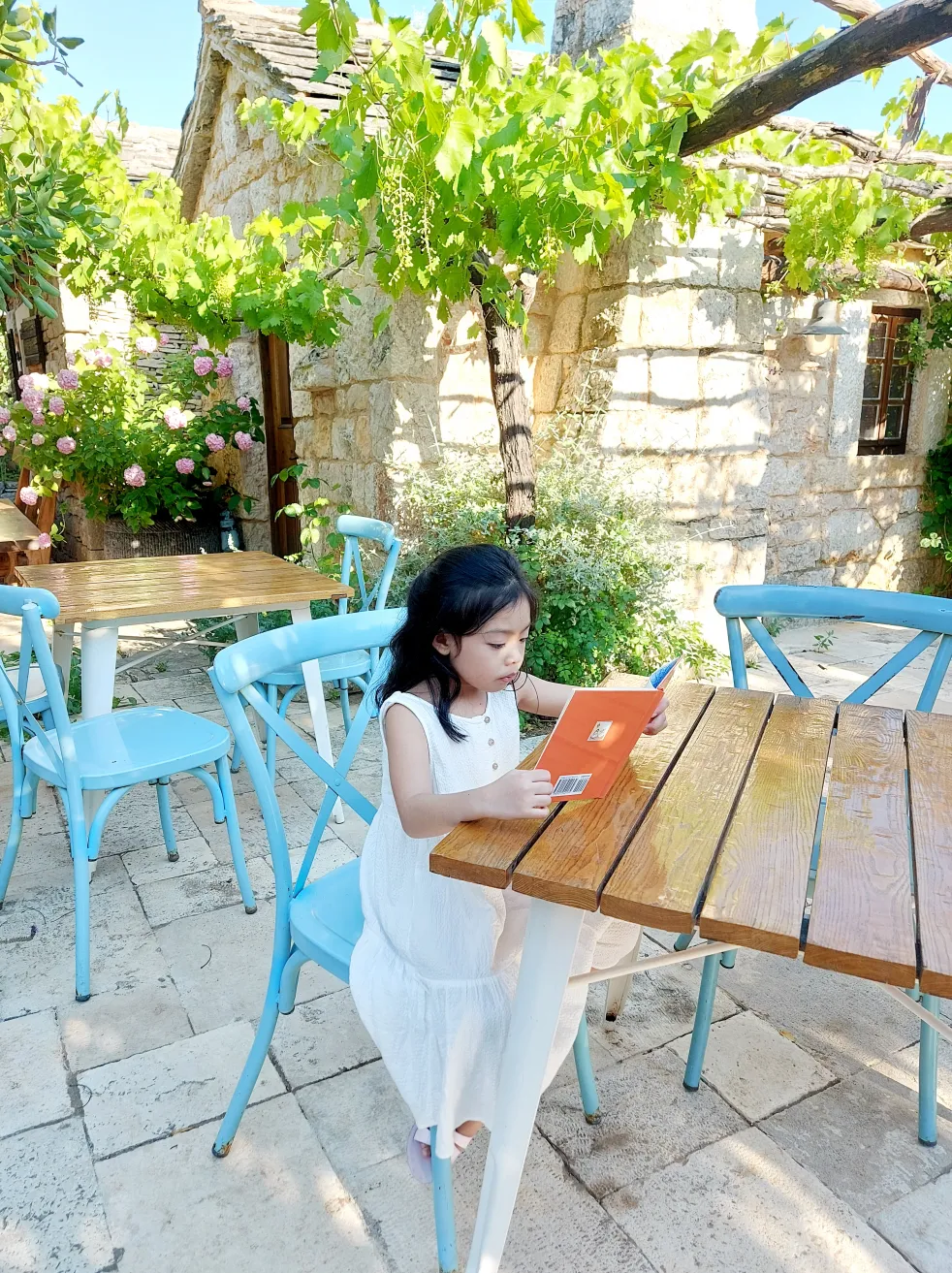
Where your child goes to school is a big decision and shouldn’t be taken lightly. Given how their education can impact their future, you might be tempted to take control and decide for them. However, you might be doing more damage than helping them in the long run. Your job as parents is to support… Continue reading HOW TO CHOOSE THE BEST SCHOOL FOR YOUR CHILD
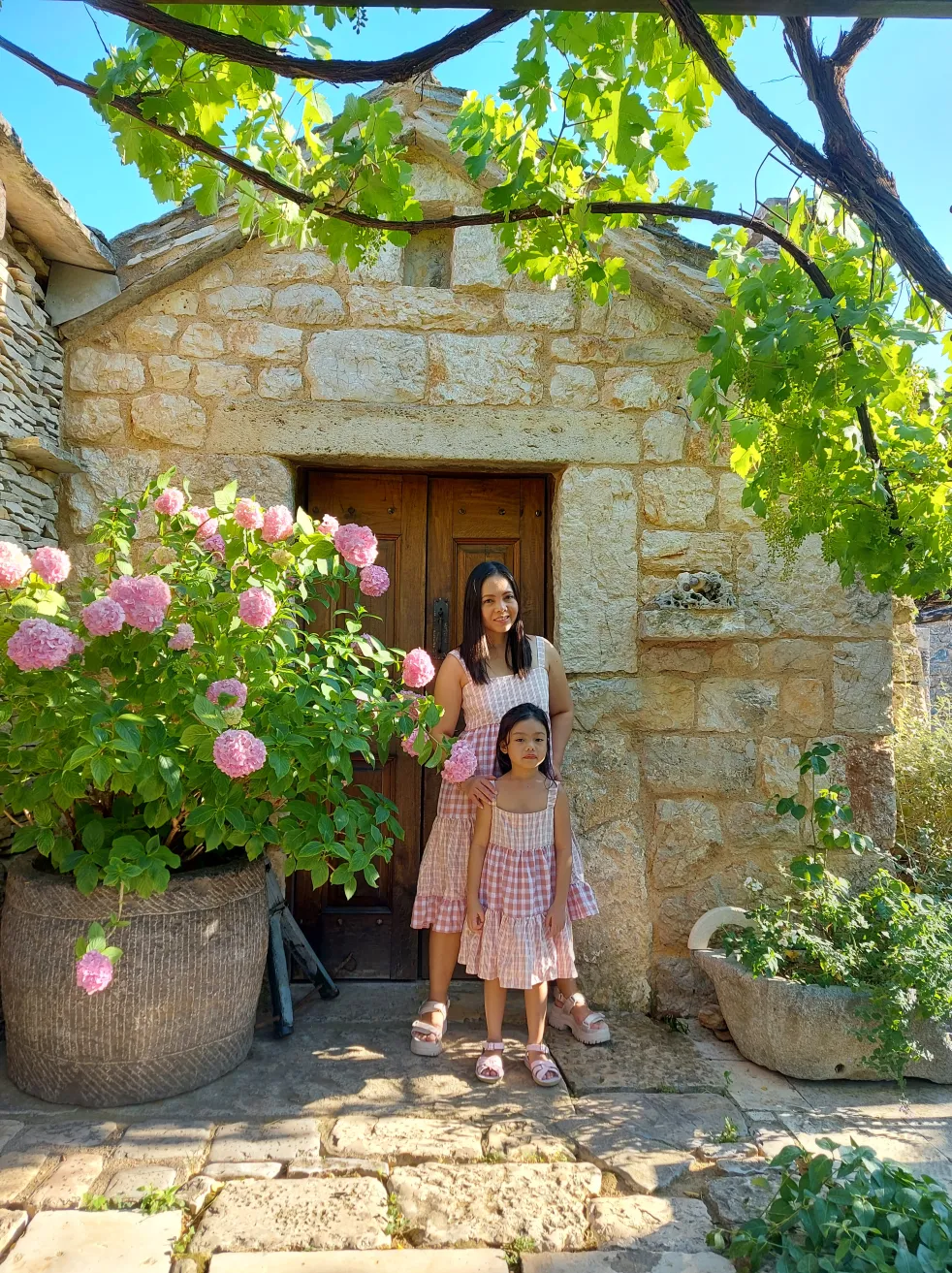
As poet and philosopher Rumi once eloquently said, “raise your words, not your voice. It is rain that grows flowers, not thunder.” Parenting is a challenging journey, and the truth is that nobody has everything figured out. One parenting style might suit others best, and some might favor other methods. However, children respond better to… Continue reading A SIMPLE GUIDE TO GENTLE PARENTING

Whether you’re a new mom to be, mom of a toddler, mom who have school-aged kids, you’re bound to have so many questions. Let's start with your baby's skin. Infant skin has unique needs; gentle care is essential to prevent damage to the skin barrier, which can lead to irritation. When caring for infant skin,… Continue reading Keeping Baby’s Diapered Skin Healthy
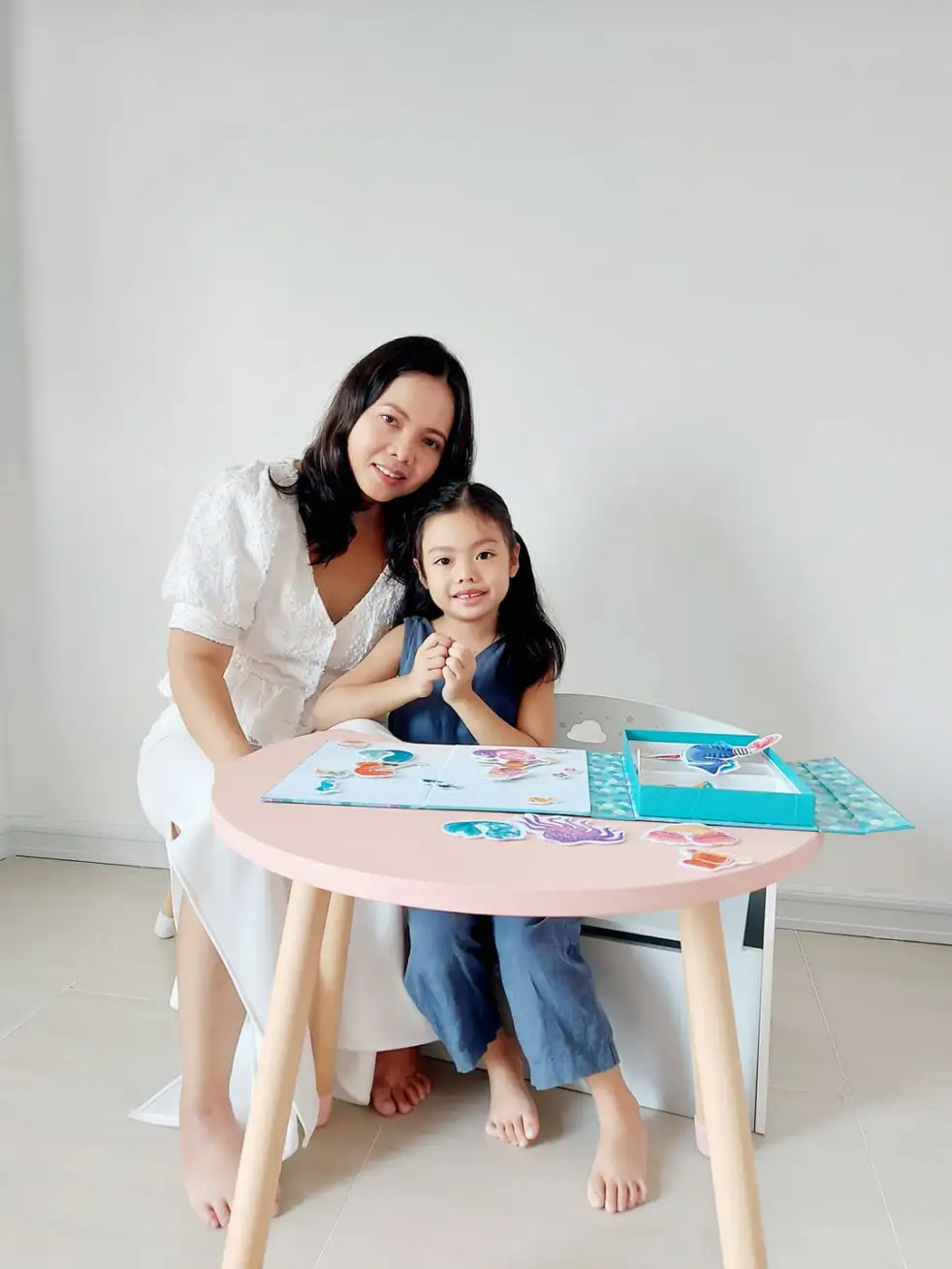
As parents, we want to give our child the best possible start in life and that begins with nurturing their intelligence. Throughout history, the notion of success has been linked to academic intelligence. However, there has been an increased awareness on the importance of emotional intelligence. This question gets at the heart of the never-ending… Continue reading IQ or EQ, which one is a better predictor of your child’s success?
 wondermomma.net